
The common garden lizard is a medium- sized, arboreal lizard with an oval head and laterally compressed body. In the male, the cheeks are muscular and swollen. Females are considerably smaller. Continue reading
The common garden lizard is a medium- sized, arboreal lizard with an oval head and laterally compressed body. In the male, the cheeks are muscular and swollen. Females are considerably smaller. Continue reading
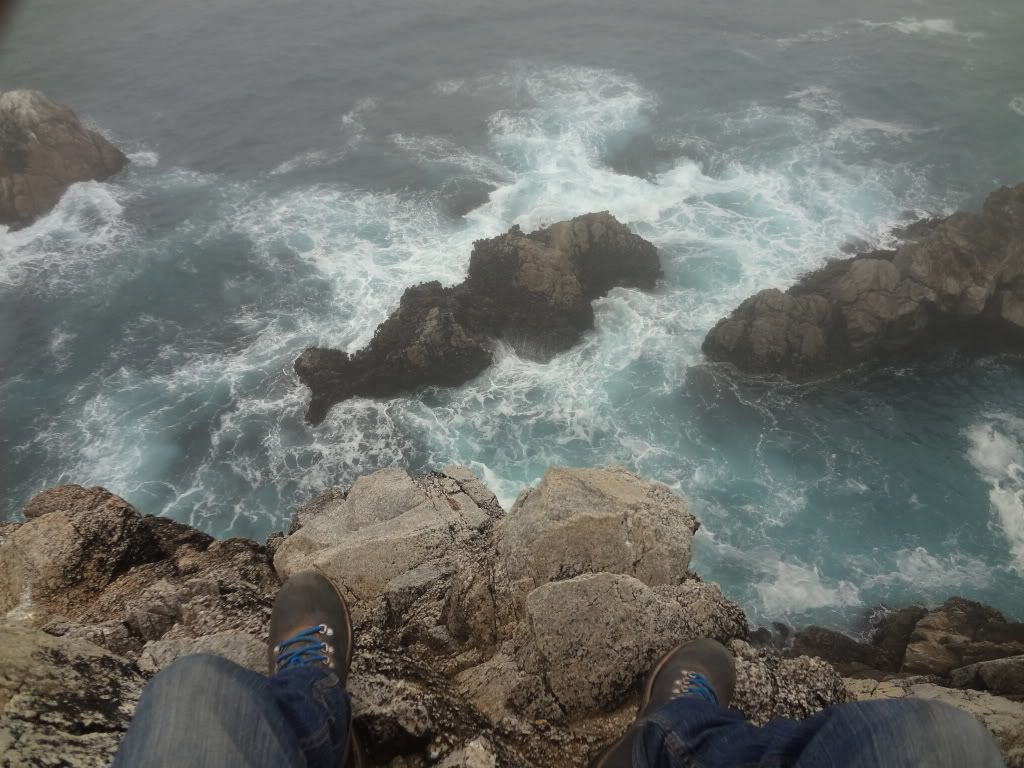
Carl on McClures Beach
This is the second in a series of posts on a summer trip; see the first here.
In the afternoon we were off, driving up the west coast without any real plans; we knew we wanted to be in Seattle in four or five days, but that intervening time period was ours to spend as we wished. From a quick glance at the map, we thought that Point Reyes, a national coastline a few hours north of the bay area, Continue reading
If you did not know his poetry already, here is as good an introduction as any. If you knew his work but had not seen or heard him, this is worth the few minutes he commands of your attention. And if you thought poetry was in decline as an art form due to decreased interest in a multi-media-saturated modern world, you may have been right; or wrong.

Agence France-Presse — Getty Images. A Qatar Airways Boeing 787 Dreamliner.
Thanks to Green Blog for the story:
At the end of next year, Qatar Airways is scheduled to open a new airport that will include a 25-meter swimming pool and squash courts, among other amenities. But it will also be extraordinary from an energy standpoint because it will pump airline fuel made from natural gas.
Qatar has relatively little oil and vast supplies of natural gas. Continue reading


Coast Guard Museum NW. Citizen scientists have been invited to help transcribe logbooks from legendary American vessels like the Bear, which plied Arctic waters for four decades for the United States Revenue, the precursor of the Coast Guard.
An interesting historical take on a newfangled trend (click the image above to go to the source):
For many years now, volunteers working from home —people like you— have been able to help scientists with important problems.
In the first wave of these “citizen science” projects, people simply lent their computers to help solve problems that could be farmed out in pieces to thousands of machines. Continue reading

Built in 1268 A.D., Chennakeshava Temple is located in the Mysore District of Karnataka. This temple is famous for its elaborate artisanship. The temple stands on a raised, star-shaped plinth in the middle of a spacious enclosure containing sixty-four cells.

Periyar Tiger Reserve, Kerala
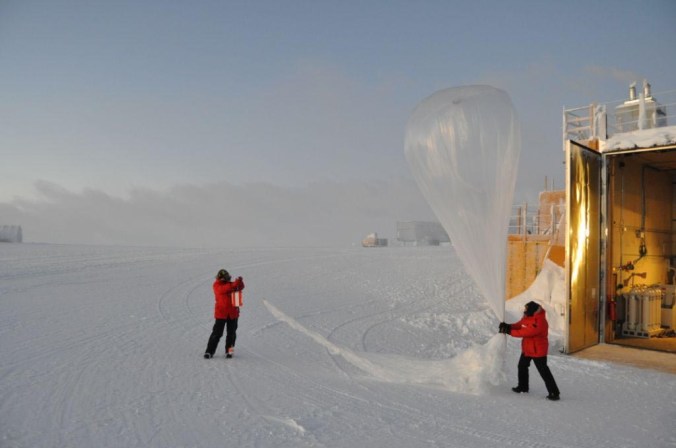
Staff at the South Pole get ready to release a balloon that will carry an ozone instrument up to 20 miles in the atmosphere, measuring ozone levels all along the way. NOAA image from 2011.
Click the image above to go to the story:
Warmer air temperatures high above the Antarctic led to the second smallest seasonal ozone hole in 20 years, according to NOAA and NASA satellite measurements. This year, the average size of the ozone hole was 6.9 million square miles (17.9 million square kilometers). The ozone layer helps shield life on Earth from potentially harmful ultraviolet (UV) radiation that can cause skin cancer and damage plants. Continue reading

Periyar’s diverse ecosystems of evergreen, semi-evergreen, moist deciduous and dry forest makes it a reptile friendly habitat. Forty-five species of reptile make the reserve their home, including the charismatic Travancore Tortoise.

Okay, we admit that Exxon fails the Really? test. Little about them shocks us at this point. We have highlighted examples of passing that test with flying colors, looking no further than our living room and even in our favored reading materials. But thanks to one of the best investigative journalists out there, a writer at The New Yorker and author of Private Empire: ExxonMobil and American Power, we find we still have a bit of shockability. Steve Coll, interviewed for a Front Line series on Climate Change (caveat emptor: that documentary film series is exhaustively full of Really? revelations; for a smaller dose, click the image above for the transcript of the Coll interview, or here for a podcast of an interview he gave about the book on Fresh Air):
In some ways, it’s kind of a no-brainer that Exxon would go after climate science on a very superficial level. It’s sort of in their self-interest to keep government away from fossil fuels, right? Is that how it began? Continue reading
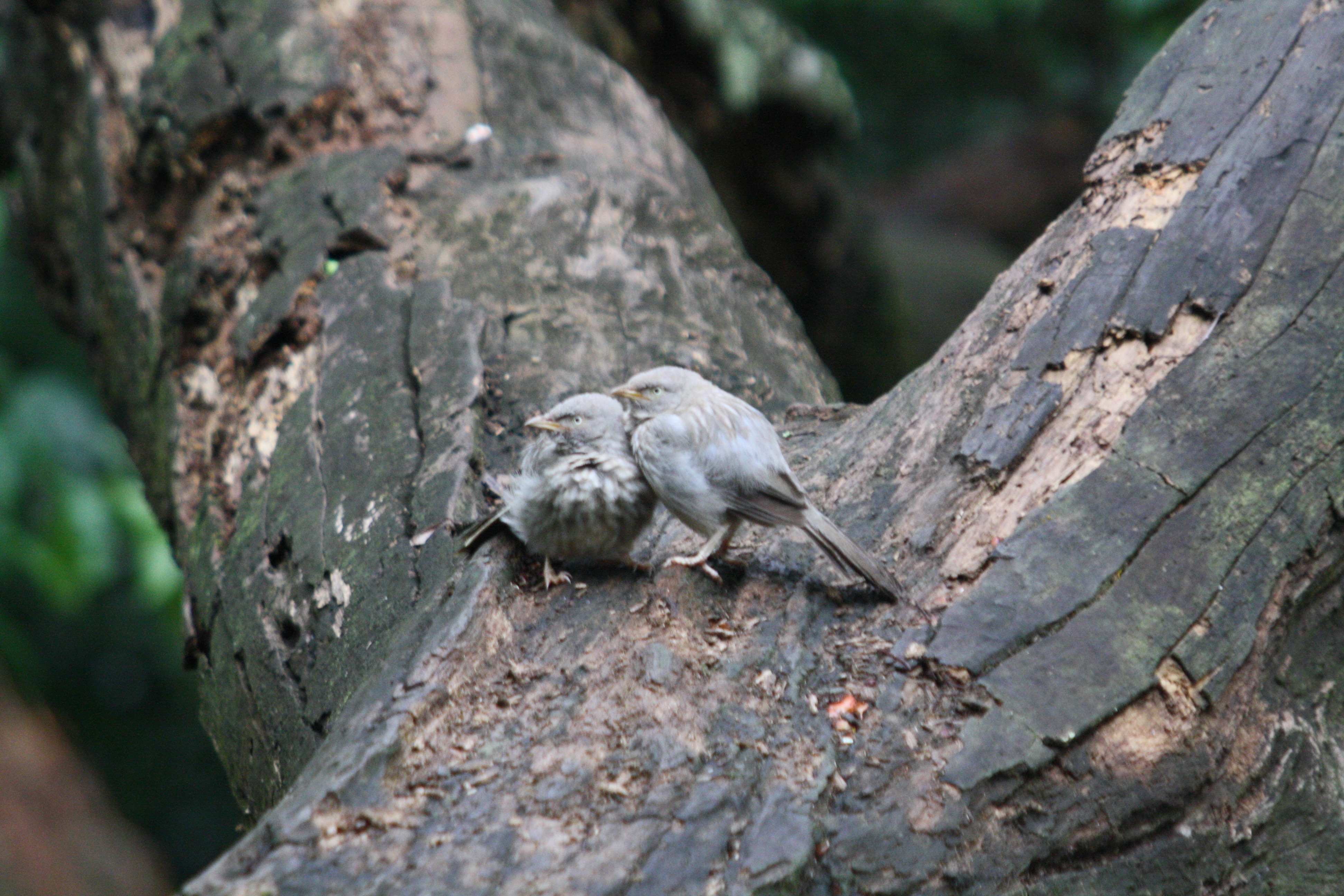
Periyar Tiger Reserve, Kerala

Thanks to the Guardian:
In the 18th century, whalers who heard whales singing beneath their ships believed they were listening to the souls of drowned men. The notion of the silent ocean having a voice seemed so improbable. It wasn’t until the second world war and the advent of underwater acoustics that science discovered how vocal whales really are. Continue reading

Alleppey

The Periyar Tiger Reserve is popular for its animal sightings, scenic splendour and biodiversity. The common Indian Monitor is the only known species of monitor lizard found in the reserve.

Bayonne, NJ
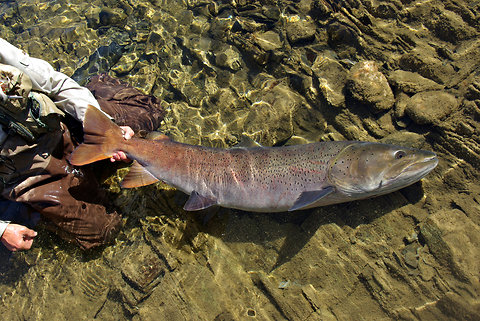
Click the image above to go to the story in Green Blog:
They call them “river wolves” — hundred-pound salmon large enough to snack on ducklings and on mice and muskrats fording the rivers. Five species of these huge fish inhabit the river waters of China, Mongolia, and eastern Russia, and all of them are finally on the “red list” of species compiled by the International Union for Conservation of Nature. Continue reading

Photo credits: Ramesh Kidangoor
Native to India and common in Kerala, Pink Water Lily is mostly seen growing in the fresh water ponds and back waters. The round floating leaves are a perfect backdrop for fragrant flowers are fragrant that open throughout the day and close at night.

We have been following them since the start of their journey, and remain transfixed (click the image above to go to the latest installment):
The dirty, squishy part of our straw bale house construction project is in full swing. Last month a dump truck poured a pile of reject sand next to the house. Reject is the dirt left over at a gravel pit, and its name says a lot about how valuable it is to gravel manufacturers. Continue reading
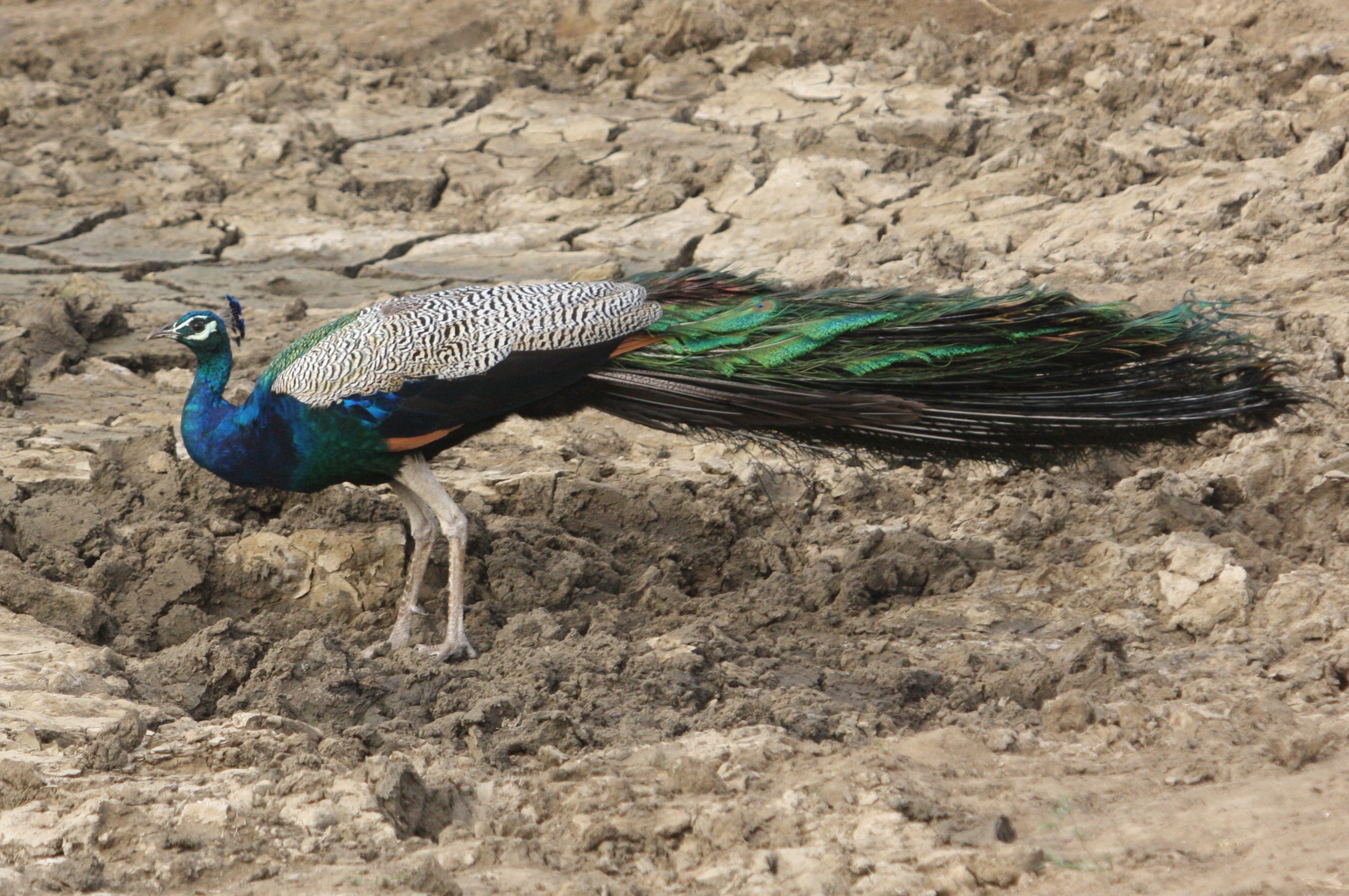
Uda Walawe, Sri Lanka

