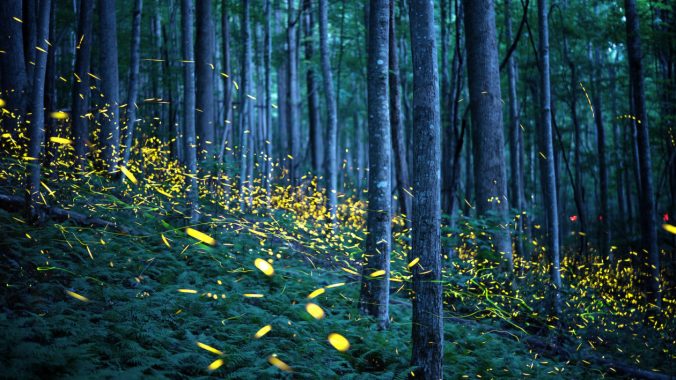
Finca Los Tarrales, Guatemala
Archeologists + Cartographers = Dipylon
If you click on the image above you will experience through a short video what can happen when technically skilled map-makers, using GIS, combine forces with scholars of antiquity. Better yet, go straight to the software they have created. In advance of travel commemorating 40 years since two of us met, my daily omnivorous media diet brought me to Dipylon, via a profile by Nick Romeo, which I highly recommend (to better understand the origins and workings of Dipylon) whether or not you are planning to visit Athens:
The Hidden Archeologists of Athens
By collecting long-forgotten archeological data, a new project reveals the researchers who toiled unrecognized.
In Don DeLillo’s 1982 novel “The Names,” an American businessman living in Athens can’t quite bring himself to visit its most iconic monument. “For a long time I stayed away from the Acropolis,” he says. Continue reading
Bird of the Day: Wine-throated Hummingbird
Water Hogs & Fire

A huge field of pineapples in Maui, Hawaii. The extensive use of pesticides on Maui’s pineapple fields poisoned nearby water wells. Photograph: David Olsen/Alamy
In addition to helping understand how fire came to ravage a Hawaiian island, this article’s highlighting of water hogs makes the case obvious that water is an underpriced, therefore undervalued natural resource, so it gets wasted:
A sugar mill in Hawaii. Photograph: University of Southern California and California Historical Society
Land privatization and water depletion set the stage for the Lahaina fire 150 years ago. Now, land companies may benefit even more
In the late 18th century, when the Hawaiian Kingdom became a sovereign state, Lahaina carried such an abundance of water that early explorers reportedly anointed it “Venice of the Pacific”. A glut of natural wetlands nourished breadfruit trees, extensive taro terraces and fishponds that sustained wildlife and generations of Native Hawaiian families. Continue reading
Bird of the Day: Wood Sandpiper
Braiding Sweetgrass
My daily news scanning, reading and listening diet are fairly omnivorous, but I am constantly reminded of how much I miss. This sounds like a book I should have read in 2015 when it was first published, but instead I only heard about it this morning. Listening to the author talk about it, I learned that she lives where I lived when I was a boy, in a region where my family history is partly rooted; the same region where I spent seven years to get to an idea that has guided my work ever since; where both our sons and our grand daughter were born. Which is to say, as she talks about nature in that conversation, I know that particular nature. Which is to say, I will find this book.
Bird of the Day: Yellow-rumped Tinkerbird
Superbattery Explainer
The Economist’s explanation (subscription required) is clear:
Superbatteries will transform the performance of EVs
Provided manufacturers can find enough raw materials to make them
Asked what they most want from an electric car, many motorists would list three things: a long driving range, a short charging time and a price competitive with a similarly equipped vehicle that has an internal-combustion engine. Continue reading
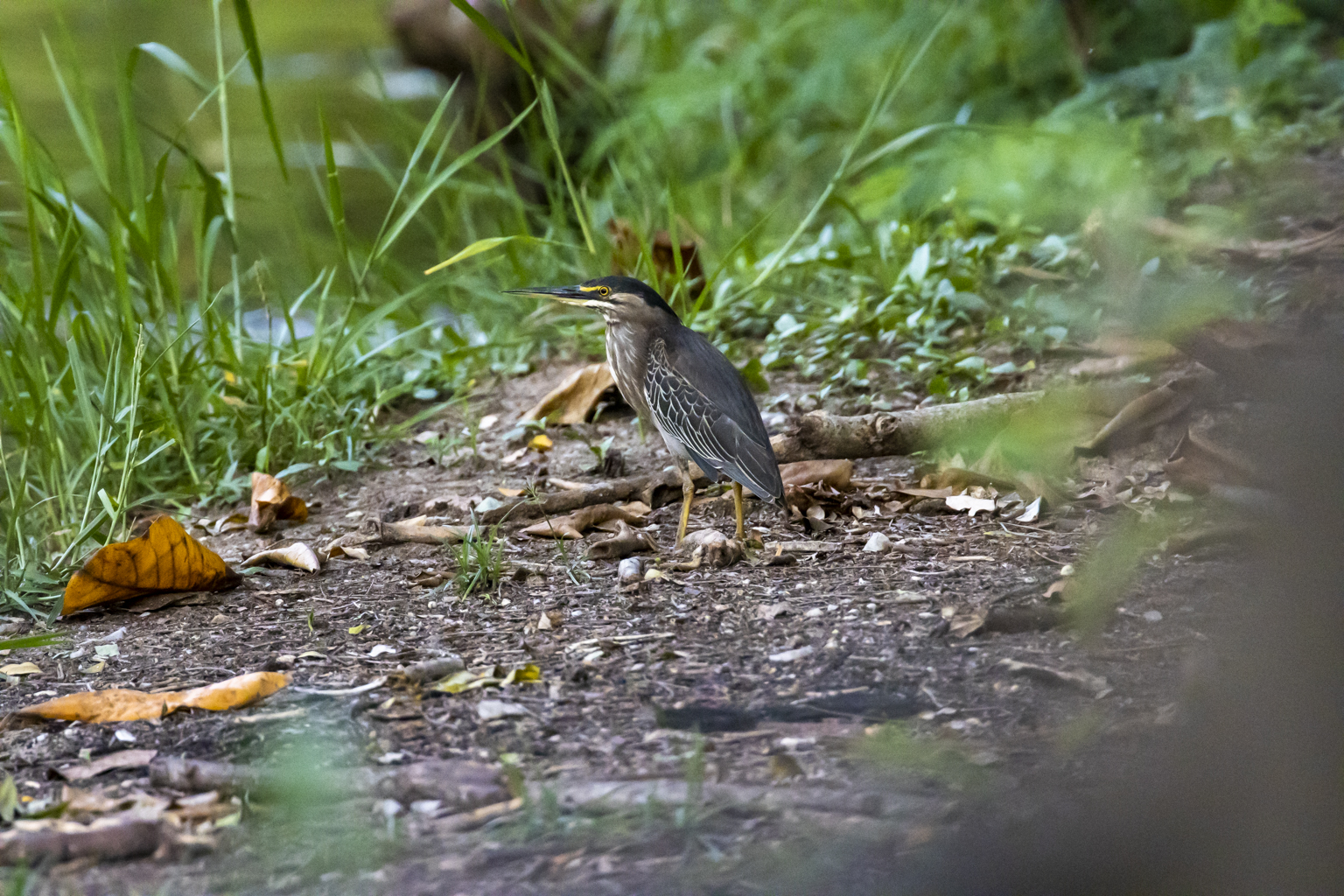
Bird of the Day: Brown-fronted Woodpecker
Insect Oases
Thanks to Yale e360 for this short story on small wonders:
Even a Small Patch of Native Greenery Can Give a Big Boost to Local Insects
In cities, a little native greenery can go a long way. Australian scientists found that, after adding native shrubs to a planting in Melbourne, the number of insect species at the site increased sevenfold. Continue reading
Bird of the Day: Indiana Paradise Flycatcher
Proposed Chumash Sanctuary One Step Closer
Thanks to National Public Radio (USA) for bringing this to our attention:

Members of the Chumash tribe have pushed for a decade to create a new marine sanctuary. If created, it would be the first to be designated with tribal involvement from the outset. Robert Schwemmer/NOAA
Biden proposes vast new marine sanctuary in partnership with California tribe
The Biden administration is one step away from designating the first national marine sanctuary nominated by a tribe. The Chumash Heritage National Marine Sanctuary would protect 5,600 square miles of ocean off the central California coast, an area known for its kelp forests, sea otters and migratory whales. Tribal members of the Chumash, who have lobbied for its creation for more than a decade, would be involved in managing it…
The First Tribally Nominated Sanctuary
Preserving marine and cultural resources along 156 miles of Central California Coastline
Estimated to generate $23 million in economic activity and create 600 new jobs
Will safeguard the Central Coast from offshore oil expansion and other threats
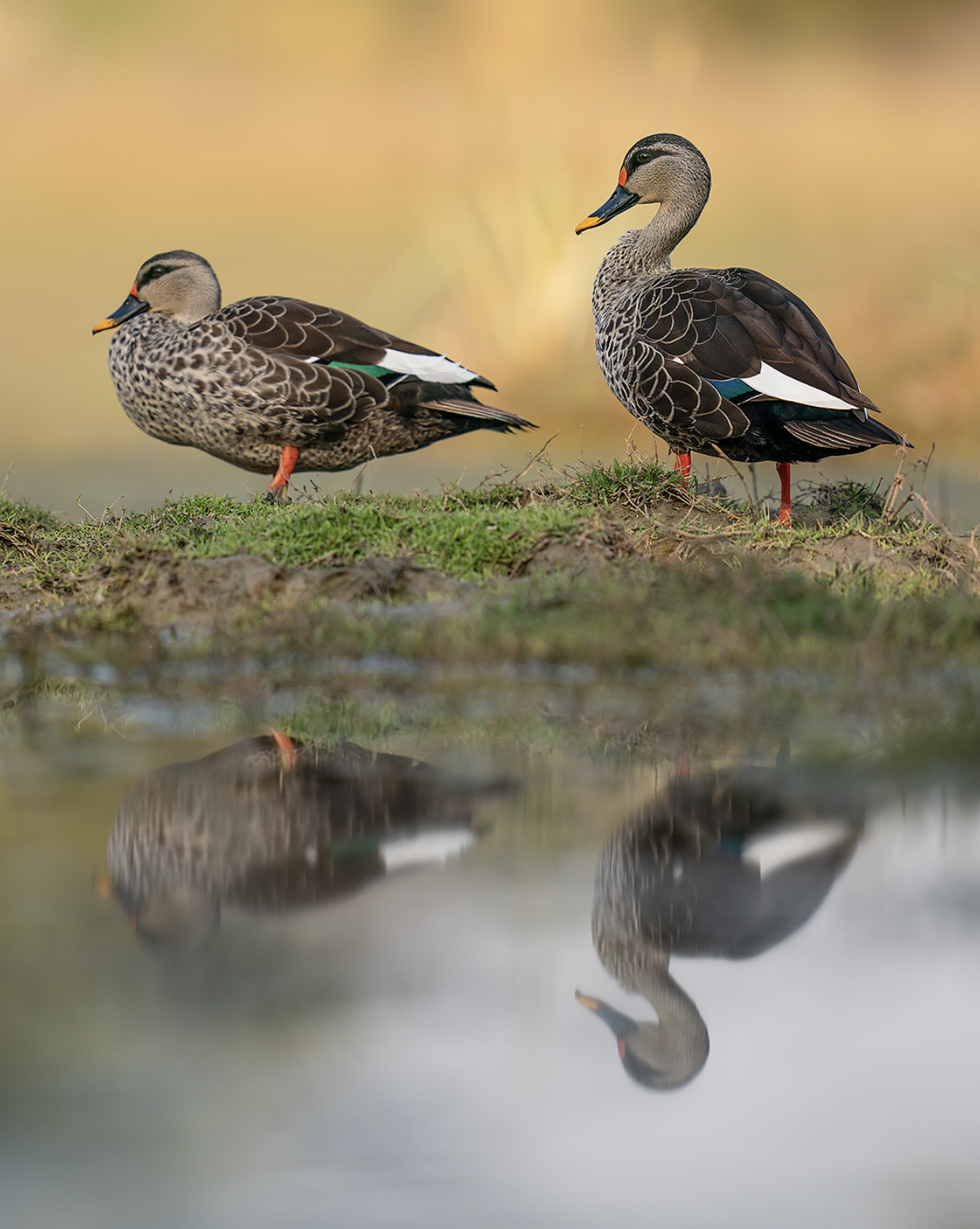
Bird of the Day: Indian Paradise Flycatcher
Bee Surprised, Again

Bees have long been held to be prophetic—messengers to another realm. Photographs by Alice Zoo for The New Yorker
When reading a couple of days ago that there could be such thing as too many beekeepers, the surprise was sufficient to make me go back through all earlier posts to see if I was merely forgetting having read this before. There were no previous mentions of too many, and if anything it was reasonable to assume from all my readings on colony collapse disorder that more beekeepers might be part of the solution. And now this article is full of more surprises, including the most fundamental question: Is Beekeeping Wrong?
Parasites and pesticides have brought chaos to bee colonies throughout the world. Natural beekeepers want to transform our relationship to the hive.
On a hot, pollen-dazed morning this summer, I stopped by the house of Gareth John, a retired agricultural ecologist, who lives on a quiet lane above a river in Oxfordshire, to take a look at his bees. In British beekeeping circles, John, who has a white beard and a sprightly, didactic manner, is well known as a “natural beekeeper,” although he acknowledged right off the bat that this was a problematic term. “It’s an oxymoron, right?” he said. John cares for perhaps half a million bees, but he does not think of himself as keeping anything. “I wouldn’t call myself a dog-keeper,” he said. “But I have a dog.” Continue reading
Bird of the Day: Swallow-tailed Bee-eater
Beechnut & Beaver Hope
Nearing the end of the northern summer, one for too many of the wrong kind of record books, some notion of hope is more than welcome. This edition of his newsletter offers some:
With Your Help. (An annual update!)
In the guise of my annual report on our nifty online community I’m going to show you my vacation pictures! Lucky you!
It’s possible I’m just feeling guilty because I took a couple of days off in this Summer To End All Summers. But Sunday and Monday, while Hillary was introducing southern Californians below the age of 85 to the concept of ‘tropical storm,’ I went on a wander with an old friend through the middle of the Wilcox Lake Wild Forest in New York’s Adirondack Mountains, a splendidly remote chunk of land that I’ve lived on the edge of, off and on, for much of my life, and which I never tire of exploring. Continue reading
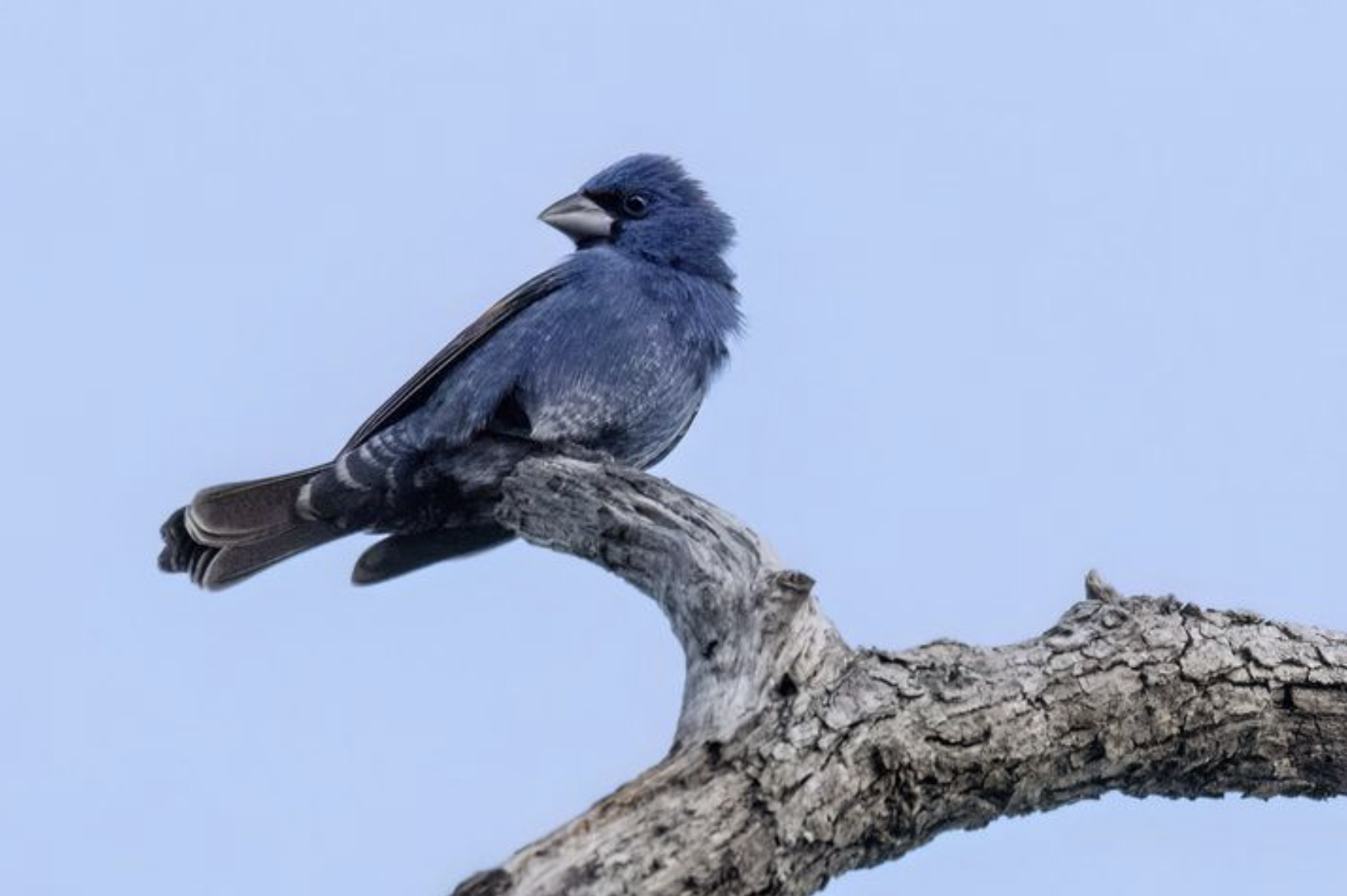
Bird of the Day: Dickcissel
Honey Bee Dangers & Mythology
Thanks to this article by David Segal, with photographs and video by Ciril Jazbec, we realize now that even after our dozens of links to articles about bees, one key point was never on our radar. Our beekeeping/honey-making friends in Costa Rica inform us that the opposite is an issue here–in the entire country there are only 800 beekeepers and most of them are small scale hobbyists, and that a national authority (SENASA) controls the density of hives per area:
Mr. Trusnovec at home. “I would say that the best thing you could do for honey bees right now is not take up beekeeping,” he says.
The Beekeepers Who Don’t Want You to Buy More Bees
In Slovenia and around the world, conservationists try — and mostly fail — to combat the widespread belief that honey bees are in danger.
When the B&B Hotel in Ljubljana, Slovenia, decided to reinvent itself as an eco-friendly destination in 2015, it had to meet more than 150 criteria to earn a coveted Travelife certificate of sustainability. But then it went step further: It hired a beekeeper to install four honey bee hives on the roof. Continue reading
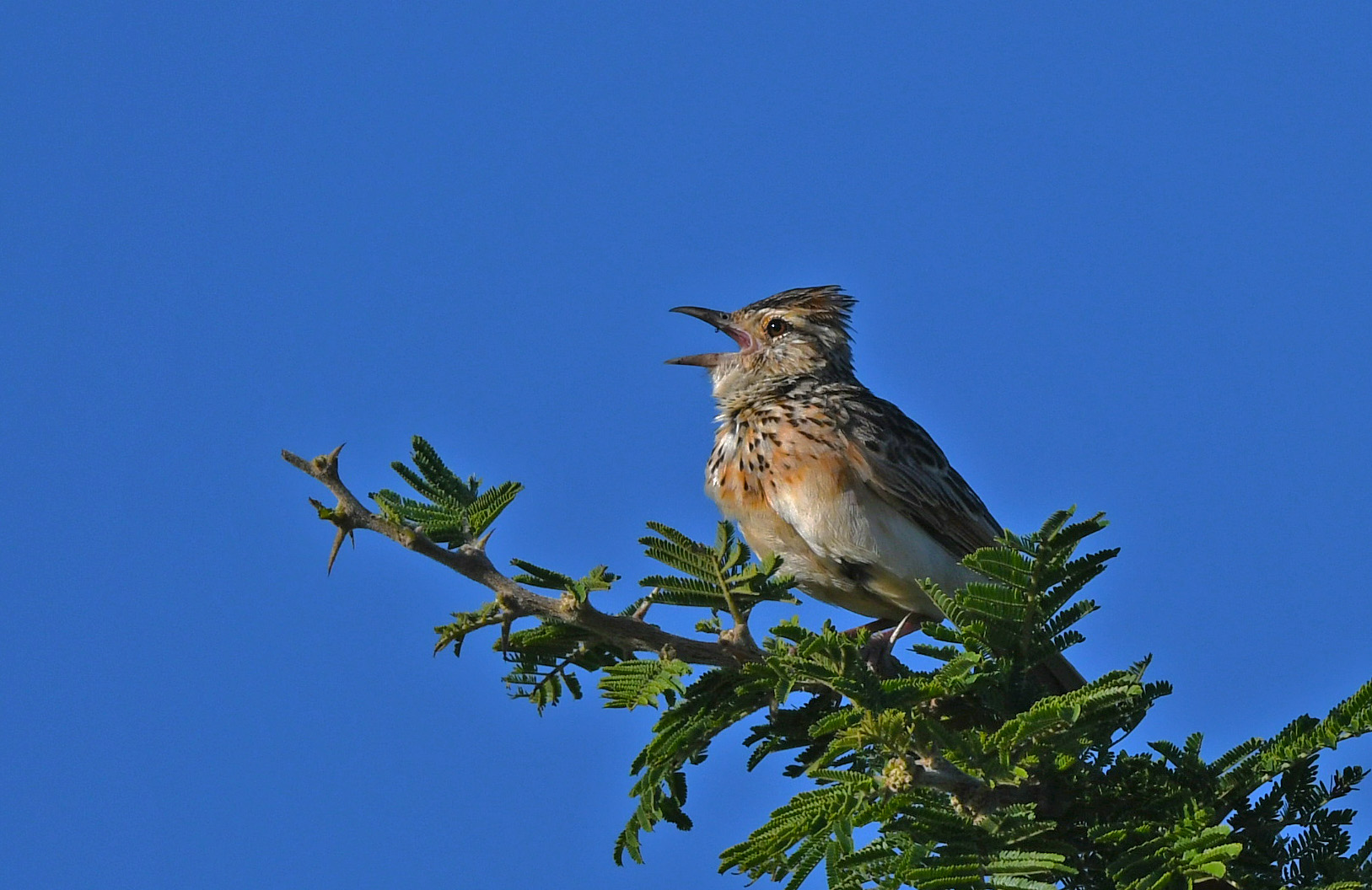
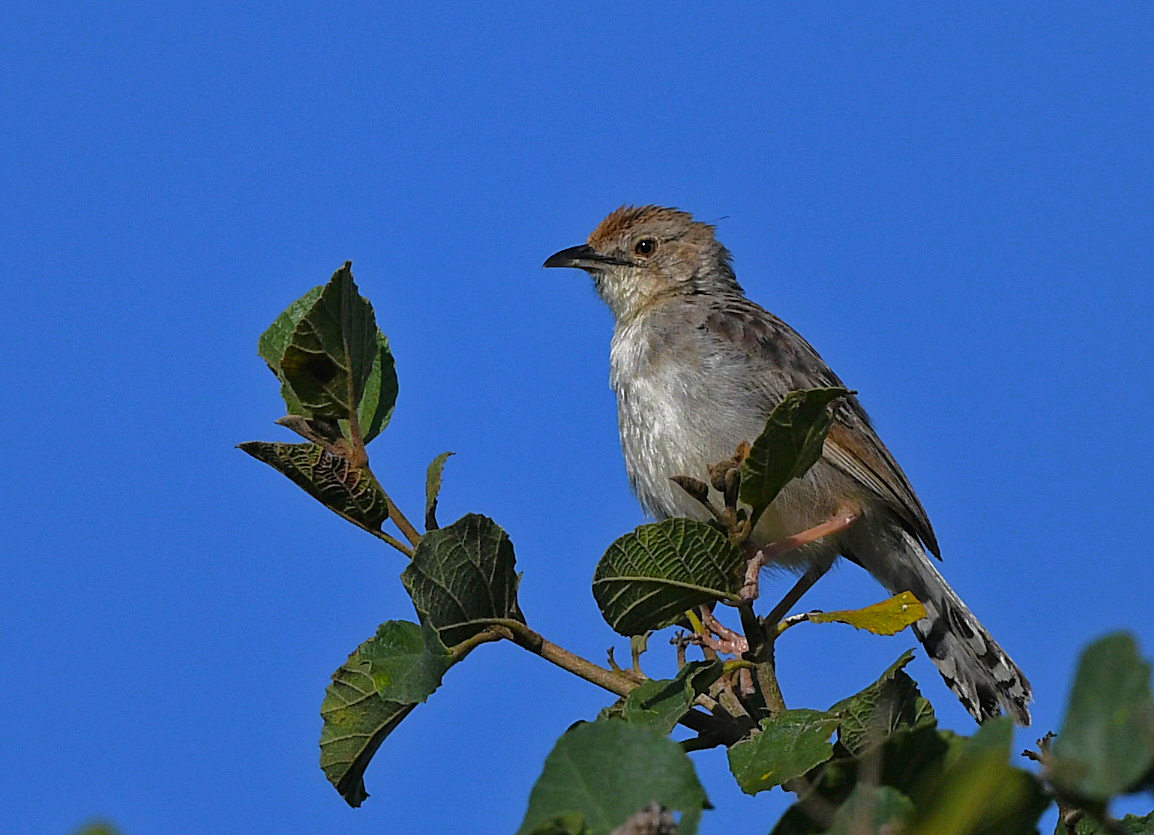
Bird of the Day: Spike-heeled Lark
Namibia
Planting Trees In New Haven

From left, Jess Jones, Ed Rodriguez, Zach Herring and Joshua De-Anda, planting a crab apple tree at 10 Wolcott Street in the Fair Haven neighborhood of New Haven, Conn. Tony Cenicola/The New York Times
Ed Rodriguez has a few years on me, but we have comparable tree counts. The caption of the second photo below captures my my own preference of activity on any given day. Having grown up in Connecticut and moved to Costa Rica decades ago, I note our reverse patterns of migration.
Colbi Edmonds, a member of the 2023-24 New York Times Fellowship class, reports from Seth’s previous hometown New Haven on an initiative I love reading about as much as I enjoy my own versions of the same kind of activity:
“I love to dig and mess around in the soil,” said Ed Rodriguez, who grew up in Puerto Rico but moved to Connecticut in the 1960s. Christopher Capozziello for The New York Times
One Neighborhood, 90 Trees and an 82-Year-Old Crusader
Ed Rodriguez is on a mission to convince his neighbors that they need trees to help combat summer heat — and to make the world a better place. It’s not always so easy.
Maria Gonzalez, who lives in New Haven, Conn., was envious of the other side of her street. It was lined with trees, offering some beauty as well as a shield from this summer’s unusual heat. But the sidewalk directly in front of her residence was bare, with trash littering patches of grass. Continue reading