Ocean Health Index

Click the logo to the left for the site of this useful index:

From the many millions who count on ocean fisheries for their livelihoods to the uncounted lives saved by intact coral reefs during the 2004 Asian tsunami, people all over the world depend upon healthy oceans. But how healthy are our oceans?

Continue reading →

Gladiolus Flower

Gladiolus Flowers are widely cultivated throughout India and the rest of the world. Their longevity (8- 10 days) and wide range of colors (including white, cream, orange, yellow, pink, red, lavender, blue, purple and terra cotta) make them one of the most popular commercial cut flowers in the domestic market. Continue reading →

Bees, Honey & Collaborative Rooftops

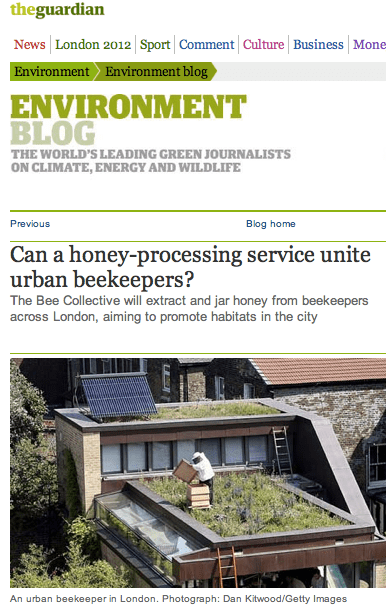
Among the various projects Raxa Collective asked of its Design Team of interns the last few months, one key idea was how to make a rooftop more green.  A future post by Rania will show some of the recommendations, but for now this article (click the headline image to the left to go to the source):

Caroline Birchall, founder of the Bee Collective, works at Natural England on landscape ecology in the capital. She says there is a huge amount of green infrastructure such as green roofs and rain gardens, which enable water to be absorbed rather than run off, that is being put in place to combat climate change and which could be made more suitable for bees and other pollinators.

Taro (Colocasia esculenta)

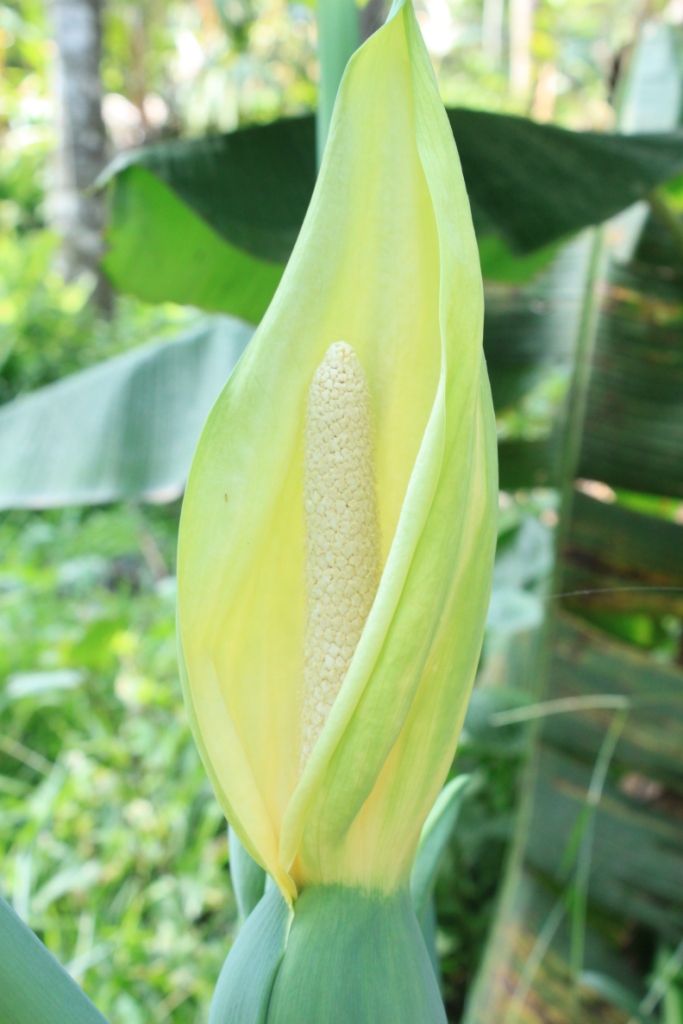
Taro is a gregarious herb growing from tubers on the banks of streams, ponds and marshes and in moist patches of the forest at altitudes up to 1400m. Taro is widely cultivated throughout Kerala, Tamil Nadu and Sri Lanka primarily for its tubers, but the eaves and stems are also cooked and eaten. Continue reading →

A Great Finale To Our Kerala Experience

Photo credit: Milo Inman

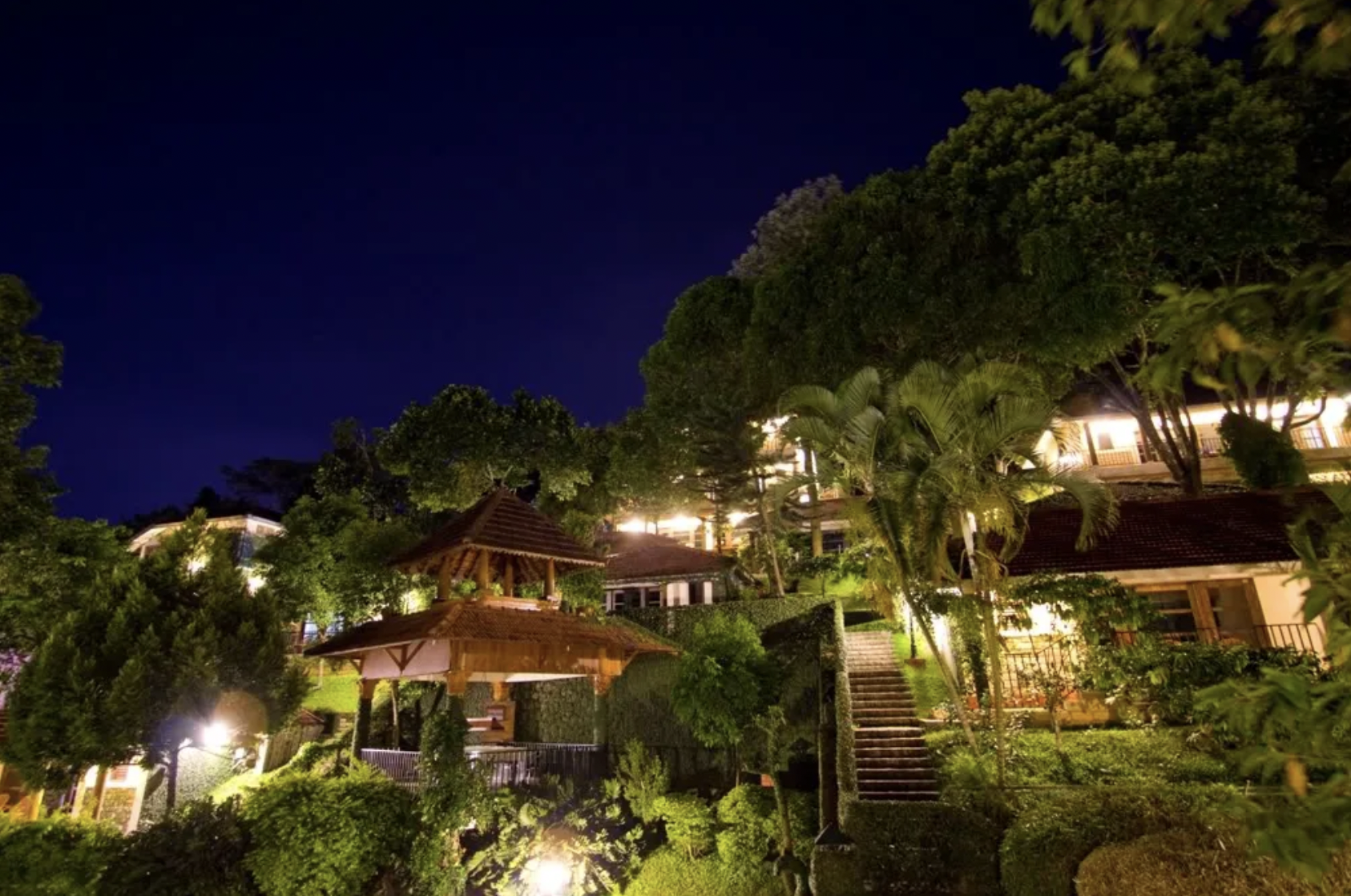
Our time at Cardamom County in Thekaddy, Kerala was way too short.  After returning from a wonderful trip with River Escapes in the backwaters of Kerala we headed for the state’s iconic hill stations in the Western Ghats.  I suggested to my husband Dave that we take a taxi, but being a former backpacker, he urged me to give the bus a chance.  I stood my ground, insisting the trip would take several hours and I could bet the buses wouldn’t pass an inspection. But Dave was persistent and persuasive – I acquiesced and don’t regret that decision for one moment.  It was a wild ride.

Continue reading →

Banyan (Ficus benghalensis)

Banyans are large evergreen trees with aerial roots descending from branches that enter the ground and thicken and become strong enough to support the crown. The Banyan is sacred to the Hindus; they frequently stand guardian near temples and shrines. The figs provide food for variety of animal life and the leaves are fodder for elephants and camels. Banyan is the national tree of India. Continue reading →

Socially Mediated Discovery

This Green Lacewing is an entirely new species, discovered in a set of Flickr photos. (Photo: Species ID/Guek)

Click the banner above for a link to a publication we have just come across that looks quite interesting. Click the photo above for the source of the discovery explained in this story (quoted below).  There are still plenty of flora and fauna that have not been identified.  One of the hopes of nature conservation is to get further down the path to identifying and understanding all our co-habitants on this planet. It should come as no surprise that social media and photographers like Hock Ping Guek play a critical role in this race against time:

The lacewing Guek had photographed in May 2011 was quite distinctive. Beneath long antenna sat its bulbous, iridescent eyes in front of a turquoise thorax supported by six translucent legs. Continue reading →

Blue Mormon Butterfly

Blue Mormon Butterflies are commonly found in and around forest paths, streams, lake sides and forest patches of the Western Ghats. Female butterflies are usually larger. These butterflies are endemic to the Western Ghats and Sri Lanka. They can be found flocking around nectar rich blossoms such as Ixora and pagoda flowers. 

Continue reading →

Note To Maggie

August 14, 2012

Dear Maggie,

We got so busy that we neglected to notice your work and its wonderful home until just now.  I may have heard someone say boingboing before, but I did not know what it meant.  Now I have one data point to help me understand it.  It looks in spirit and even in content much akin to our own style and interests on this site.

If work brings you to India, or any of the other locations where you see contributors on this site, please let us know.

Regards from Kerala,

Crist

p.s. we like your other site too. Continue reading →

Mind Your Food’s Aquifer

Click the map for the brief review of what looks to be an important paper published in the current issue of Nature (which requires subscription for the entire article so this review in the Science section of the New York Times is important for non-subscribers).  For some, the constant reminders are tedious.  We appreciate them nonetheless because it is so much easier to forget, ignore, pretend otherwise that water is an infinite resource.  Not only is it finite, but solving this puzzle may be the next most important thing for mankind to get right:

The study underlines a problem that scientists have already pinpointed: that the demand for groundwater in several major agricultural regions of the world is unsustainable. Continue reading →

The Final Bird Club Meeting

Screen Shot 2020-08-14 at 11.03.31 AM

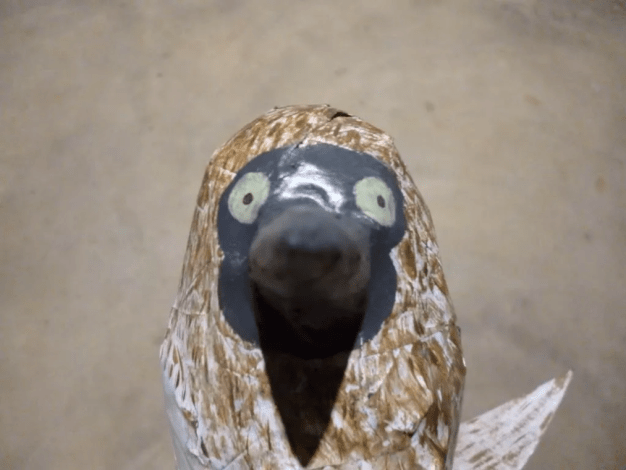
Last Wednesday was the final day the Union Educativa Modelo Tomás de Berlanga Bird Club would be gathering under my supervision. In the end, I was never able to get the papier-mâché project off the ground for most of the kids – two students did end up making penguins, but forgot to bring them to this last day to attach body parts and spray the final product with a protective varnish, and my hosts’ son painted a bird I made (looks like a male frigatebird). The photo above is of the Blue-footed Booby I made for my host family.

Continue reading →

Spotted Deer (Axis axis)

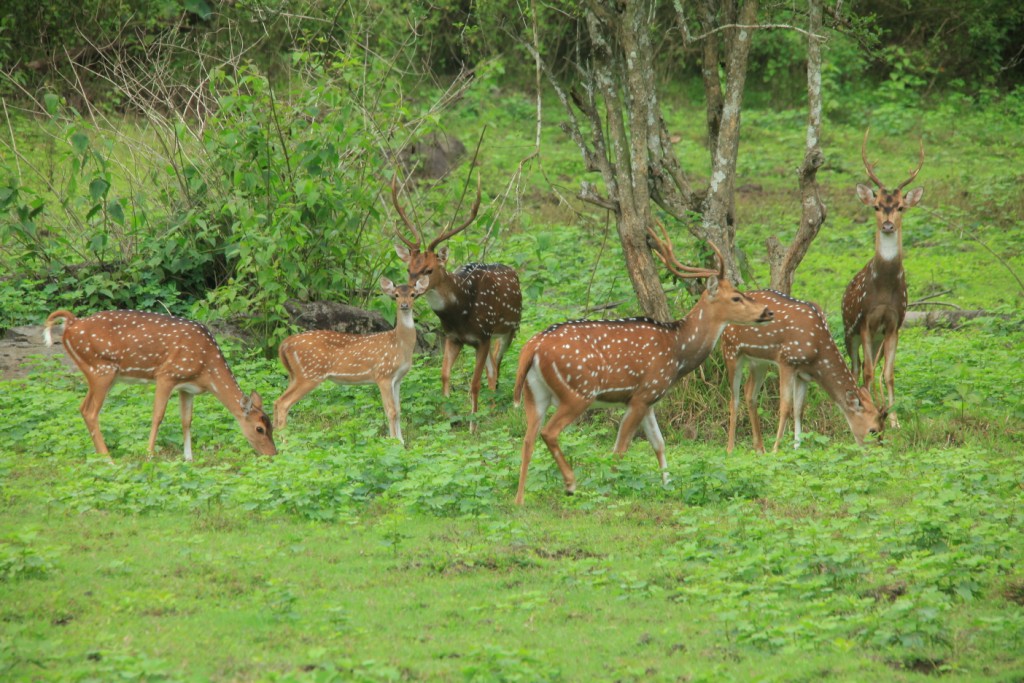
Spotted Deer are commonly found in the dense deciduous semi-evergreen forest and open grass lands of India, mostly seen in large herds. Their life span is about 20-30years. They are the most common deer family in India with a habit across the entire country except in the northern region. As they are the favorite prey of leopards and tigers spotted deers are very nervous animals and are always on the look out for any approaching danger. Continue reading →

Are Cormorants Evil?

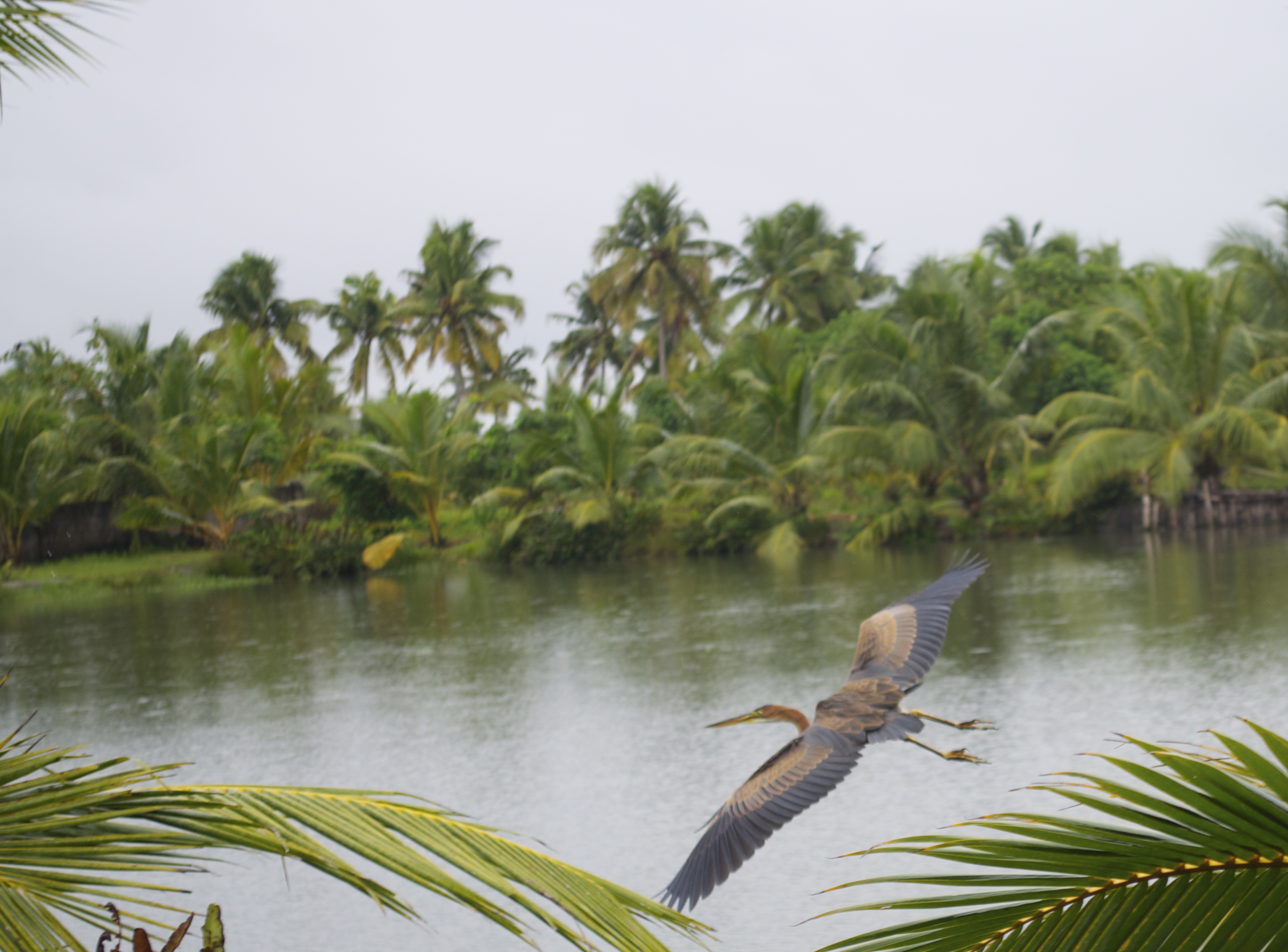
Funny to see this headline at the same time as Martin’s photo just published; not to mention previous posts of Cormorants from time to time.

With a nickname like Black Death (click the headline for the full story), it seems some think of these amazing birds in quite strong, negative terms; they sound evil.  Are they? Of course not.  Just providing a little friendly competition to those with rod and reel:

Known to anglers as the Black Death, the cormorant is a killing machine that can swim two minutes underwater and diving 80ft. In China, fishermen hunt with trained cormorants, but in Europe the protected species is a hated rival, blamed for emptying rivers of fish.

Anglers have been petitioning the government to do something about the birds for more than a decade. But a perception that cormorant numbers are now out of control has resulted in a clamour for unprecedented action.

Nepalese Agricultural Technology

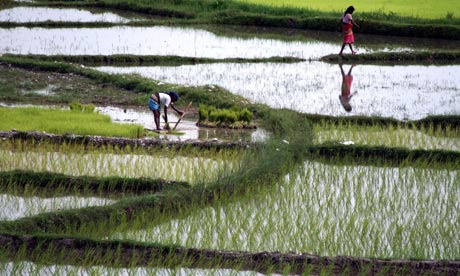
Women work at a paddy field at the village of Bamundangi, eastern Nepal. Photograph: Dipendu Dutta/AFP/Getty

Click the image above for the story about how life is changing in Nepal’s paddy:

Most of Nepal‘s agriculture is undertaken by women, but research tailored to their needs is lacking. “We need new technologies that can reduce the drudgery for them,” said Devendra Gauchan, agricultural economist and chief of the socioeconomics and agri-research policy division at the Nepal Agricultural Research Council (Narc). Continue reading →

Sensitive Smithia (Smithia Sensitiva)

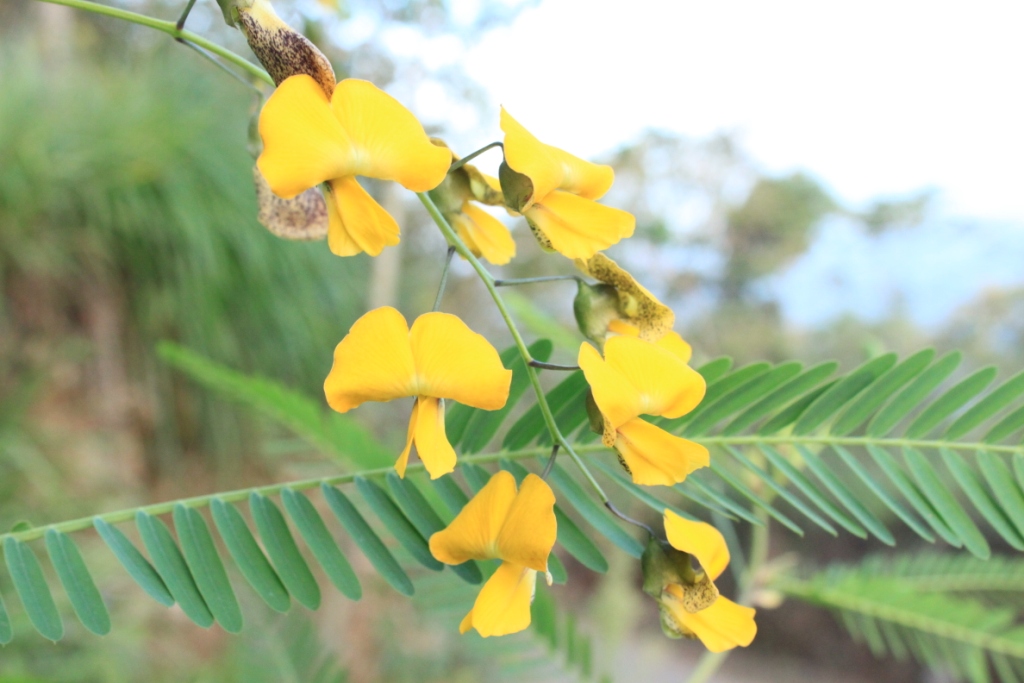
Sensitive Smithia is a low growing shrub found in and around the Western Ghats up to 1200 meters above sea level. It is flourishes along the roads as the monsoon trails off. The leaves are slightly sensitive to the touch, hence the name. The plant is enjoyed in multiple ways; bees feed off the the nectar of the flowers and people cook and eat the leaves and shoots as well as using other parts for Ayurvedic medicine.

Continue reading →