Water Recycling 101

Given these acute demands for water and constraints on current — and likely future — availability, Grant said, “the real alternative, the really only alternative, is to improve what’s called water productivity, which is essentially the amount of value services that are achieved with a given unit of water.”

Click the headline for this accessible explanation of a very complicated challenge.

Thoughtful Rejoinder

Not surprisingly, The Guardian provides a second opinion on a critically important topic:

The new discourse about “natural capital” is seen by some as another step towards the degradation of the biosphere. George Monbiot wrote in such terms this week.

He argued:  “Rarely will the money to be made by protecting nature match the money to be made by destroying it. Nature offers low rates of return by comparison to other investments. If we allow the discussion to shift from values to value – from love to greed – we cede the natural world to the forces wrecking it.”But to paint such a one-sided picture is a dangerous game.

Turk’s Turban (Clerodendrum Indicum)

Turk’s Turban is a tall shrub with long, narrow, pointed, oleander-like leaves that grows wild throughout India along roadsides, cultivated areas and near human dwellings. Caterpillars of the common silverline butterfly and Death’s Head Hawkmoth feed on these plants. The roots and leaves are used in Ayurveda medicines. Continue reading →

Communitarian Is As Communitarian Does

Thanks to one of most thoughtful, witty writers at The Atlantic or any other similar publication, a glimpse of an unsung hero who has community and collaboration written all over his accomplishments (toward the end of the linked item, click further onward to a profile of this amazing fellow from a few years back):

The profile also reminded me what a thoroughly decent and public-spirited guy Tim Berners-Lee is. Sometimes people who do great things turn out to be jerks, but he definitely isn’t such a case. One other thing Tim Berners-Lee isn’t is fabulously wealthy–and finding out why he hadn’t taken the road to riches (and that he almost had) was for me one of the more interesting outcomes of this reporting project.

This Guitar Sounds Better

Thanks to the Dot Earth story above (click the headline to go to the story) we learned not only more on the ongoing story of Gibson’s  illegal sourcing of endangered wood species from developing countries for its guitars, but learned about this other company.  Mr. Taylor talks straight, without being preachy, about the challenge of sourcing good wood for great guitars:

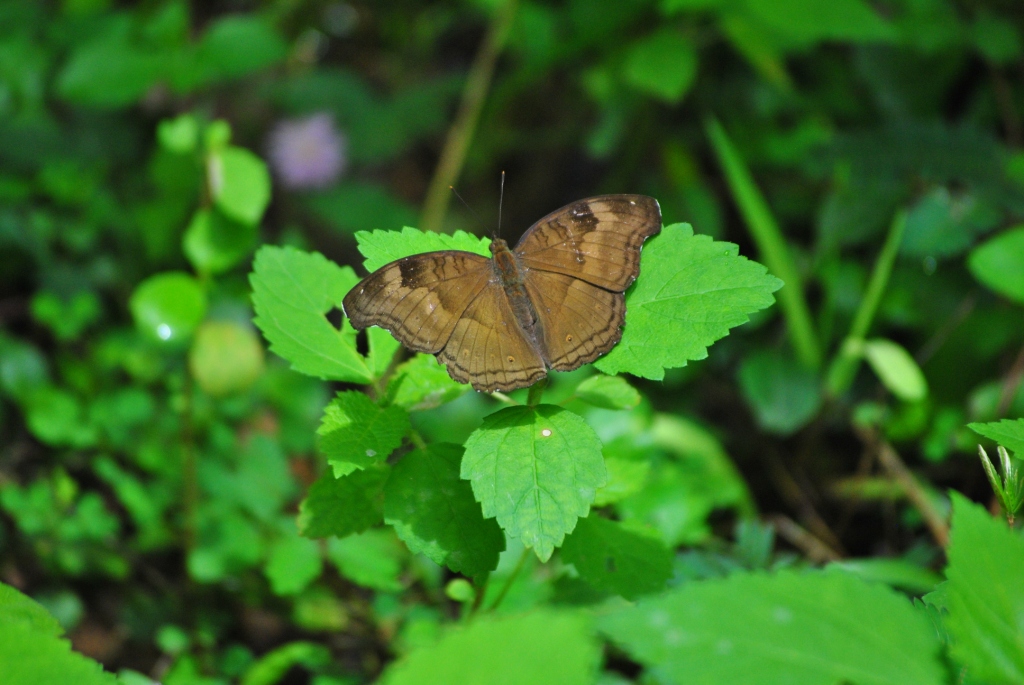
Chocolate Pansy (Junonia Iphita)

Chocolate Pansy butterflies are common in nature reserves as well as urban areas. These butterflies have the habit of opening their wings wide to sunbathe while resting. The wings of this butterfly are chocolate in colour with small eyes spots on their lower side.

Continue reading →

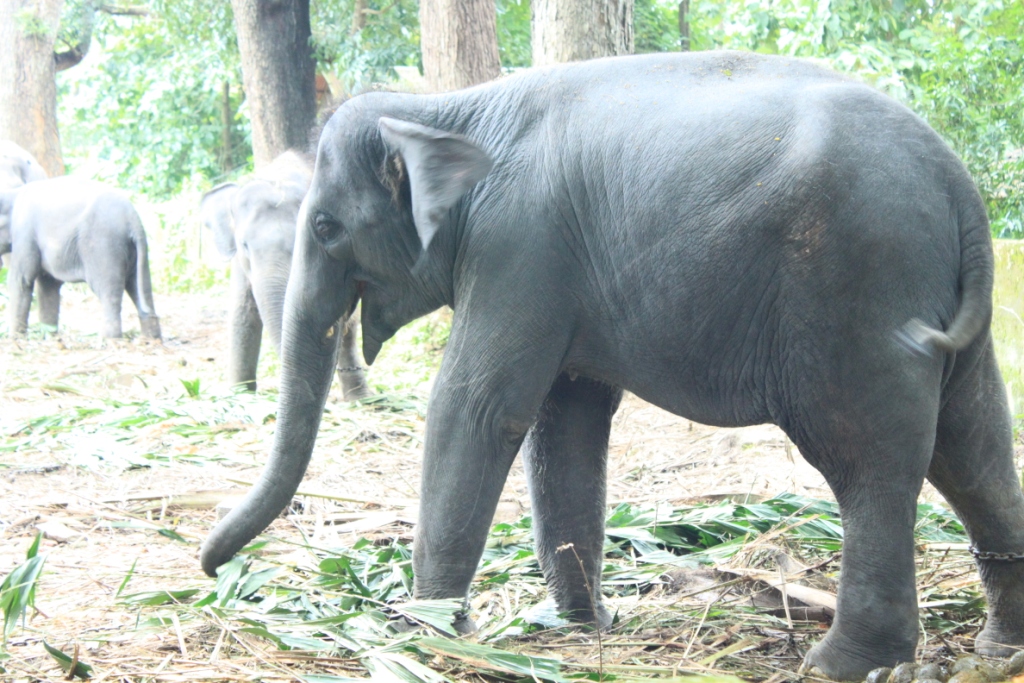
Kodanad Elephant Training Centre

Kodanad, one of the largest elephant training centres  in South India, is located 40 km from Cochin in the high ranges near the southern bank of the Periyar River.  In the past elephants where captured from the adjoining forest and trained there. The capture of wild elephants was banned in 1977 so now the center is used for only for training.  The pachyderms receive training for participation in temple festivals, one of their primary works in the region.

Continue reading →

What Would Jean Jacques Rousseau Do?

Our rivers and natural resources are to be valued and commodified, a move that will benefit only the rich, argues George Monbiot. Photograph: Alamy

Click the image to the left to go to the editorial opinion of one of The Guardian‘s environmentally-oriented writers.  It starts with a quotation from Jean Jacques Rousseau; not shabby:

‘The first man who, having enclosed a piece of ground, bethought himself of saying ‘This is mine’, and found people simple enough to believe him, was the real founder of civil society. Continue reading →

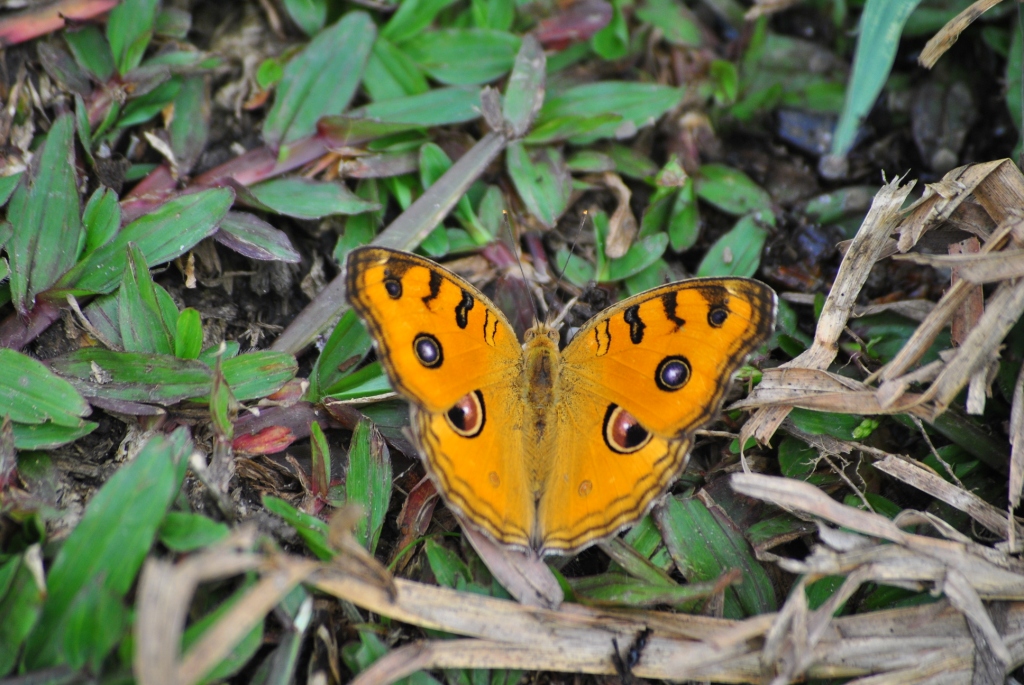
Peacock Pansy Butterfly (Junonia Almana)

Peacock Pansy Butterflies are frequently found in an around lakesides, grass lands and semi-evergreen patches of the Western Ghats, especially in the Periyar Tiger Reserve, basking in sunny patches in the early part of the day.  This beautiful butterfly has pale yellow and orange coloured wings with large eyes spots on the upper side of its hind wings and smaller ones on the forewings. Females of this species are usually larger. Lantana and ixora flowers are the favorite for these butterflies.

Continue reading →

Cornell’s New Little Red Bird

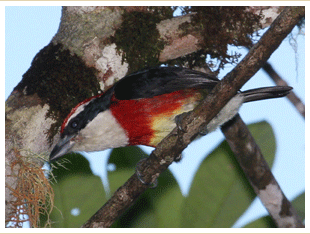
Sira Barbet by Michael G. Harvey

What happens when a group of “newly minted” Cornell ornithologists go on a birding expedition in the high Peruvian Andes and the team discovers a new species of bird?

They name it after the Cornell Lab of Ornithology executive director Dr. John W. Fitzpatrick whose fieldwork in Peru during the 1970s and 1980s led to numerous discoveries of course!

Continue reading →

Galápagos Sea Lions

I just got back from Isabela Island, where I was able to snorkel with a sea lion as playful as the ones in this video (taken, once again, by the ScubaIguana guide Quike Morán), and play with it alone in the relatively shallow waters of Tintoreras (named for the reef sharks that can often be seen there; tinto is red in Spanish; you get the point).

I tried to mimic the swirling, bubble-blowing, and alternating fast and slow approaches as I played with the juvenile sea lion, and was rewarded with a dance even longer than that seen in the video. Continue reading →

Calling All Collective Activists

A deeply disturbing story, one among seemingly countless opportunities for any of us to jump in and build an opposition, brought the above organization to our attention.  Gold and copper, not to mention jobs, and concession revenues in a developing nation, are all important.  Up to a point.  But so is the marine ecosystem that will suffer the consequences.  The mining company and its shareholders gain if the operation is profitable; plus the livelihoods of all those working on the technology and the mining jobs to carry out these operations; plus what the PNG government earns; and then some.  It sure looked valuable enough to whomever was involved in granting the concession.

But who did the calculation on the other end of this equation?  The ecosystem valuation side.  Click the image above to see in detail (download the report) what is at stake and what might be done about it, as also reported here in The Guardian:

Nautilus alone has around 524,000 sq km under licence, or pending licence, in PNG, Tonga, New Zealand and Fiji. Continue reading →

Zinnia Flower

This slideshow requires JavaScript.

Zinnia flowers are commonly naturalized in the Western Ghats of India. These flowers are popular for their beautiful and wide range of attractive colors. In Kerala, these are commonly grown as ornamental flowers in home and butterfly gardens.

Granite Ghost – Revisited

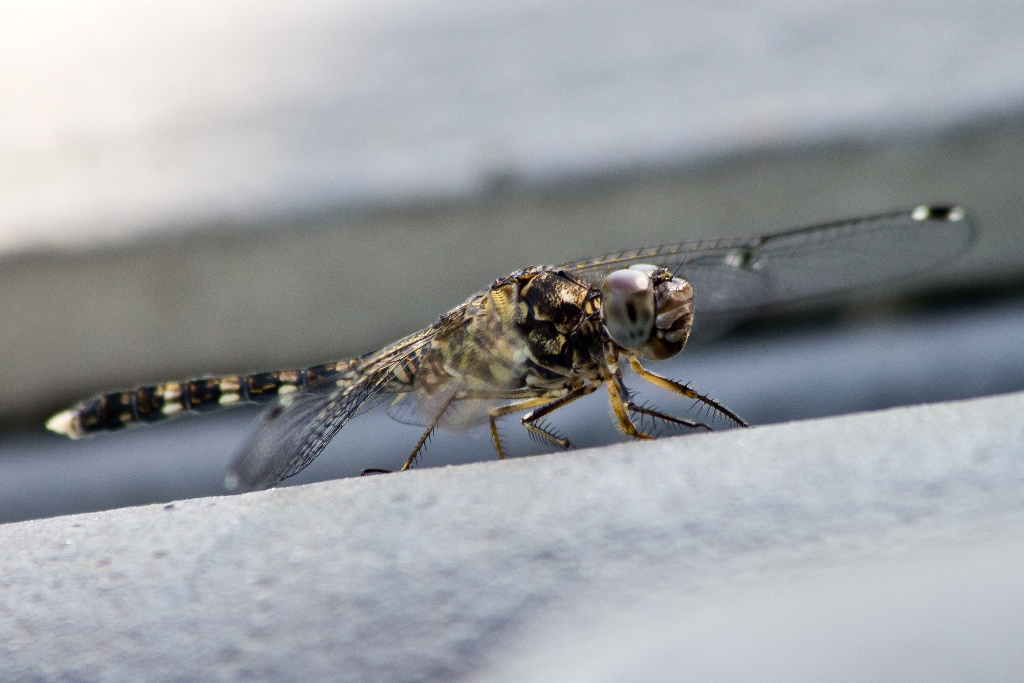
As the monsoons blow through Kerala, the native dragonfly and damselfly populations in the area appear to wax and wane along with the water levels. A sunny day by any water body guarantees sighting at least one species, but as is only so common during the season, overcast days dominate the calendar. Nevertheless, Kerala’s entomological biodiversity remains  as strong as the summers, during which dozens of Odonate species whizz back and forth teritorially over their little stretch of pond-shore or riverbank.  The main reason that these insects are not out in force as frequently as the rest of the year is that they are most active in hot and dry climates, particularly in direct sunlight. Contrarily, monsoons traditionally offer respite to natives, being wet and (slightly) cooling. When they’re not visibly hunting or mating, dragonfly and damselfly populations are probably strongest in the larval stage – extraordinarily aggressive aquatic predators. I got lucky a few days ago on a sunny day on the backwaters when I saw a Granite Ghost – in my books a rarer species of dragonfly that I’ve only sighted once in Goa.

Continue reading →