Stories In The Service Of Science Education

Andrew Revkin’s contributions to the New York Times, via Dot Earth, make a subscription to their website worthwhile; add in video with Daniel Kahneman addressing the National Academy of Sciences, and the value skyrockets.  68 minutes and 51 seconds later, you will know more about what you do not know; and likely appreciate the way that knowledge reached you.

We have pointed to evidence of this scholar’s general awesomeness, also to his 2011 book and to an event quite some time ago all without any video demonstration of his combined intellectual and communication capacities.  Click the image below to go to Revkin’s coverage, which includes the video of a surprisingly accessible lecture.

Railway Glory (Ipomoea cairica)

Railway Glory is a tropical, perennial climbing vine with tuberous roots, spreading extensively in the hills of India’s Western Ghats up to 1000m. The plant blooms throughout the year, growing aggressively over fences, shrubs and trees. The attractive flowers are purple, pink or rarely pinkish white. In Kerala it is commonly planted in gardens and around houses for insulation against the summer heat. It is also known by the names Cairo Morning Glory and Coastal Morning Glory. Continue reading

Cardamom County Day One

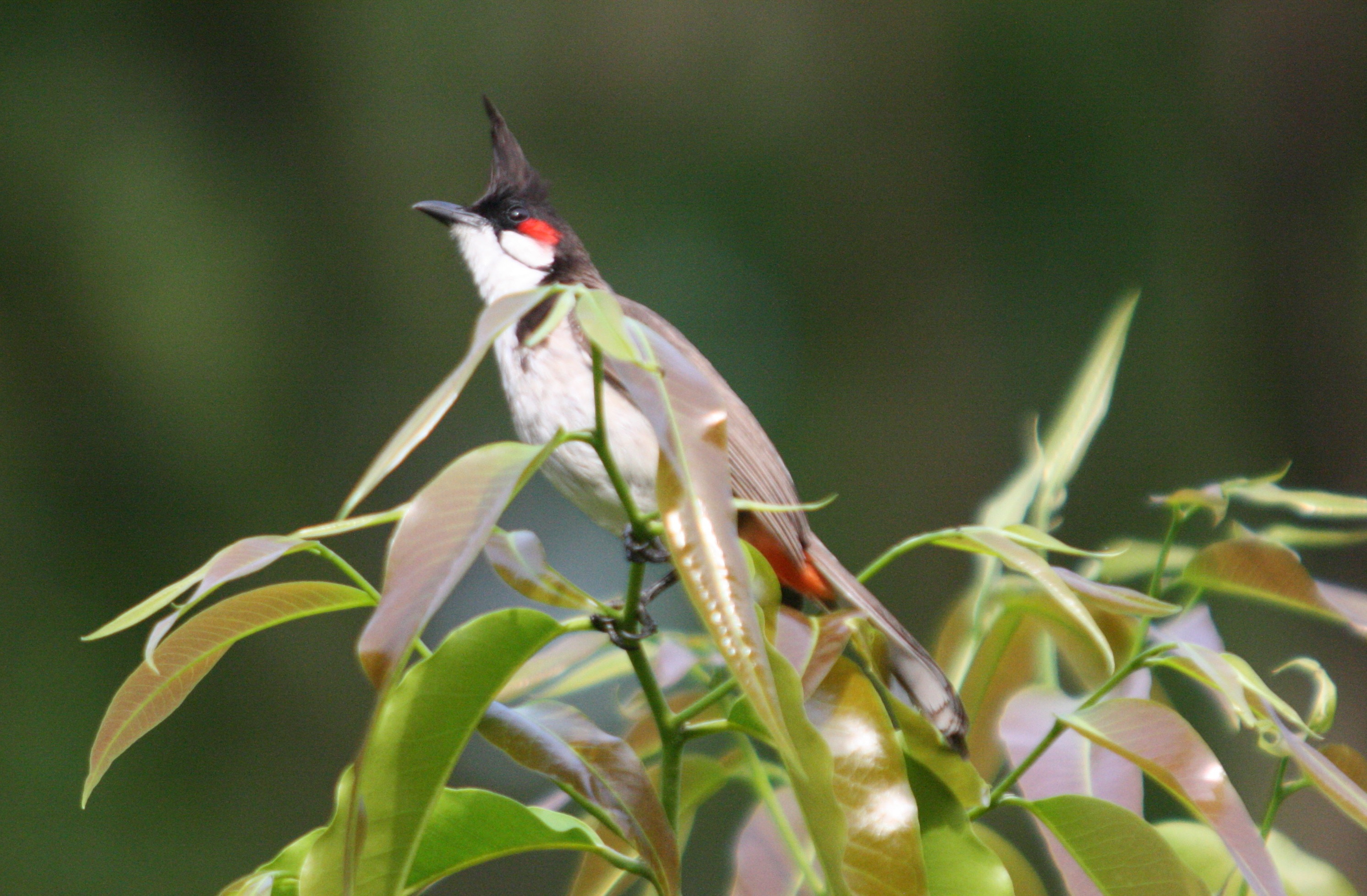
Red-whiskered Bulbul

I awoke this morning to one of the loudest dawn choruses I have ever heard.  I quickly rushed outside, camera and binoculars ready, for what would be a fantastic day of birding.  Staying within the confines of the resort proved to be an insignificant handicap, as in the parking lot I was immediately surrounded by Red-whiskered Bulbul, White-cheeked Barbet, White-throated Kingfisher, Nilgiri Flowerpecker, Crested Treeswift, Common Tailorbird, Loten’s Sunbird, Greater Racket-tailed Drongo, Rufous Magpie, and Lesser Hill Myna.  The beautiful colors of an Orange Minivet radiated from the top of a nearby tree, and in the adjacent tree a Golden-fronted Leafbird was busy foraging.  Kites and eagles soared effortlessly overhead, and I soon understood why Kerala (and the Western Ghats in particular) is such an attractive birding location.

Continue reading

Environmental Photography Award

Thanks to The Guardian‘s coverage of and link to the Chartered Institution of Water and Environmental Management (CIWEM) which

has a history of working in environmental management dating back to 1895. In the succeeding decades, engineers, scientists and other professionals came together to combine their expertise across a broad range of environmental disciplines. The present day Institution was formed in 1987 when the Institution of Public Health Engineers merged with the Institution of Water Engineers and Scientists and the Institute of Water Pollution Control to form the Institution of Water and Environmental Management.The Institution was granted a Royal Charter in 1995 and was proud to celebrate its centenary in the same year.

We will investigate further.  For now our attention is brought by The Guardian to CIWEM’s annual awards for great environmental photography.  There is an Under 21 category which we hope some of our more youthful collective members (e.g. 1, 2, 3, 4  come to mind) might considering an entry to…

This slideshow requires JavaScript.

Creating a Species List for CUBs-Galápagos

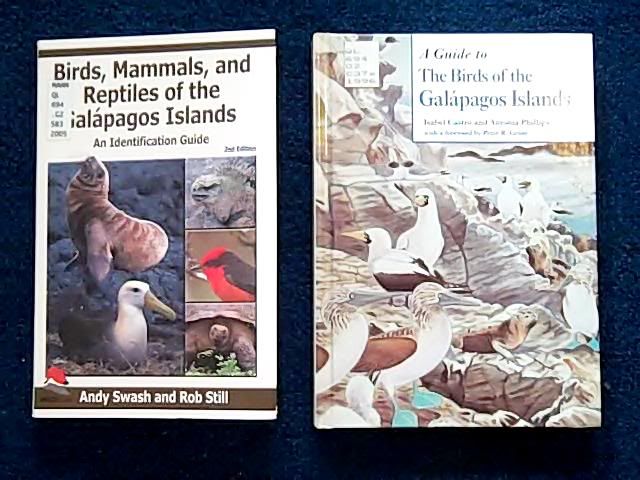
Screen Shot 2020-08-14 at 10.57.16 AMI think Puerto Ayora will be a perfect place to celebrate “(sub)urban” birds, as it is the largest urban center in an archipelago that boasts almost thirty endemic bird species—including two flightless ones (the Galápagos Penguin and the Flightless Cormorant, both seen mostly on the island of Isabella). Santa Cruz in particular hosts quite a few of the Galápagos’ fifty eight resident bird species.

Looking through several bird guidebooks from Cornell University’s Mann Library, I have created my list of around twenty birds that should be seen on Santa Cruz and its shores. The list is biased towards land birds for now, because until I reach the island I won’t be able to determine what shorebirds are common enough migrants at this time of year.

Screen Shot 2020-08-14 at 10.58.43 AM

When creating a finalized list of birds to parallel the North American CUBs list, I’ll be trying to include species that will be frequently feasible for Santa Cruz’s youth to identify. Putting only the most common or most exciting birds in the list might lead to frustration or boredom, depending on how widely distributed certain species and the children that I have contact with are.

Once the list is finalized and I have spent more time in the Galápagos, I will also be able to write about each species in a focused, individual post, sharing where participants and I have seen the birds so far on Santa Cruz, and what unique behavior they may have exhibited around us. Continue reading

Velichappadu – Mediator between dieties and devotees

The Velichappadu or Komaram (oracle, or revealer of light) is an integral part of the rural life of Kerala. The Malayalam word Velichappadu literally means “the one who throws light on any problems”. Believed to be a representation of the deity in a temple, oracles often belong to a particular family. Dressed in red and adorned with heavy ritual ornaments and garlands, they often carry heavy hooked swords. The deity is believed to speak as the Velichappadu dances, delivering the frenzied forecasts. There are both male and female Velichappadus.

Continue reading

The 2012 Iscol Environmental Lecture

The David R. Atkinson Center for a Sustainable Future at Cornell University hosts (click to the left):

Peter Matthiessen takes us on a journey to Arctic Alaska, where climate change is the new reality. In this fragile ecosystem, potentially severe negative effects of large-scale fossil fuel development—especially offshore prospecting and drilling—are already taking their toll on the Arctic sea ice and permafrost, on Arctic wildlife, and on indigenous peoples such as the coastal Inupiat and the Gwich’in Dene (“caribou people”).

Chenille Plant (Acalypha hispida)

The chenille plant is a tropical flowering shrub naturalized in plenty in the Western Ghats of India. This tender perennials grows to a height of 8-10 ft and the soft hanging flowers resemble both the fabric chenille and the tail of a cat; hence it is also known as red hot cat’s tail. This ornamental flower is found in high range homes and spice gardens, made popular by its feathery long flower.

Continue reading

Really, IKEA?

We have mentioned on more than one occasion when an otherwise admired company does something worthy of outrage.  Our site is not dedicated to outrage, but when it is called for, we encourage it.  Click the banner above to go to the story in The Guardian; following the quote below, click the image after the jump to go to the original, incriminating evidence about the ecological crime Ikea is accused of committing through one of its subsidiaries:

Protect the Forest, Sweden, a nature conservation organisation, has documented that Ikea, through Swedwood, clear-cut areas of old-growth forest containing 200-600 year-old trees in the northwest of Karelia, near the Finnish border, a process that is having deep ramifications on the invaluable forest ecosystems.

Continue reading

Thiruvathira Kali, Traditional Dance of Kerala

Since La Paz Group started working in Kerala last year, we have been in learning mode, especially with regard to cultural traditions. Dance is an essential part of Kerala’s cultural fabric. Thiruvathira kali is one of the typical dance forms here. This is a female group dance made up of simple, elegant steps. In  ancient times, women performed this dance in their homes during festivals and functions, giving it the Malayalam name aka Kaikottikali: aka-inside + kaikottikali-play claping hands. Lore has it that Thiruvathira Kali is remembering Lord Siva taking Parvathi as his wife. The group of women dress in typical Kerala style — mundu and neriyathu and the hair in a bun, adorned with jasmine garlands — and perform this dance during festival seasons. Kaikottikkali spreads the message of joy and also illustrates the emotions of a married woman towards her beloved and of the unmarried woman longing for one. Continue reading

Hampi Conservation

This slideshow requires JavaScript.

In advance of Amie’s visit to Hampi in a few weeks, at which time we hope to hear more on this story, for now a few images and words from The Guardian:

Half a million pilgrims and tourists come to Hampi’s 2,000 temples and ancient stones each year. Conservationists want the site in Karnataka state restored to its medieval glory – but the price is the eviction of those who live in its old bazaar

Low-Impact Voluntourism

Guest Author: Denzel Johnson

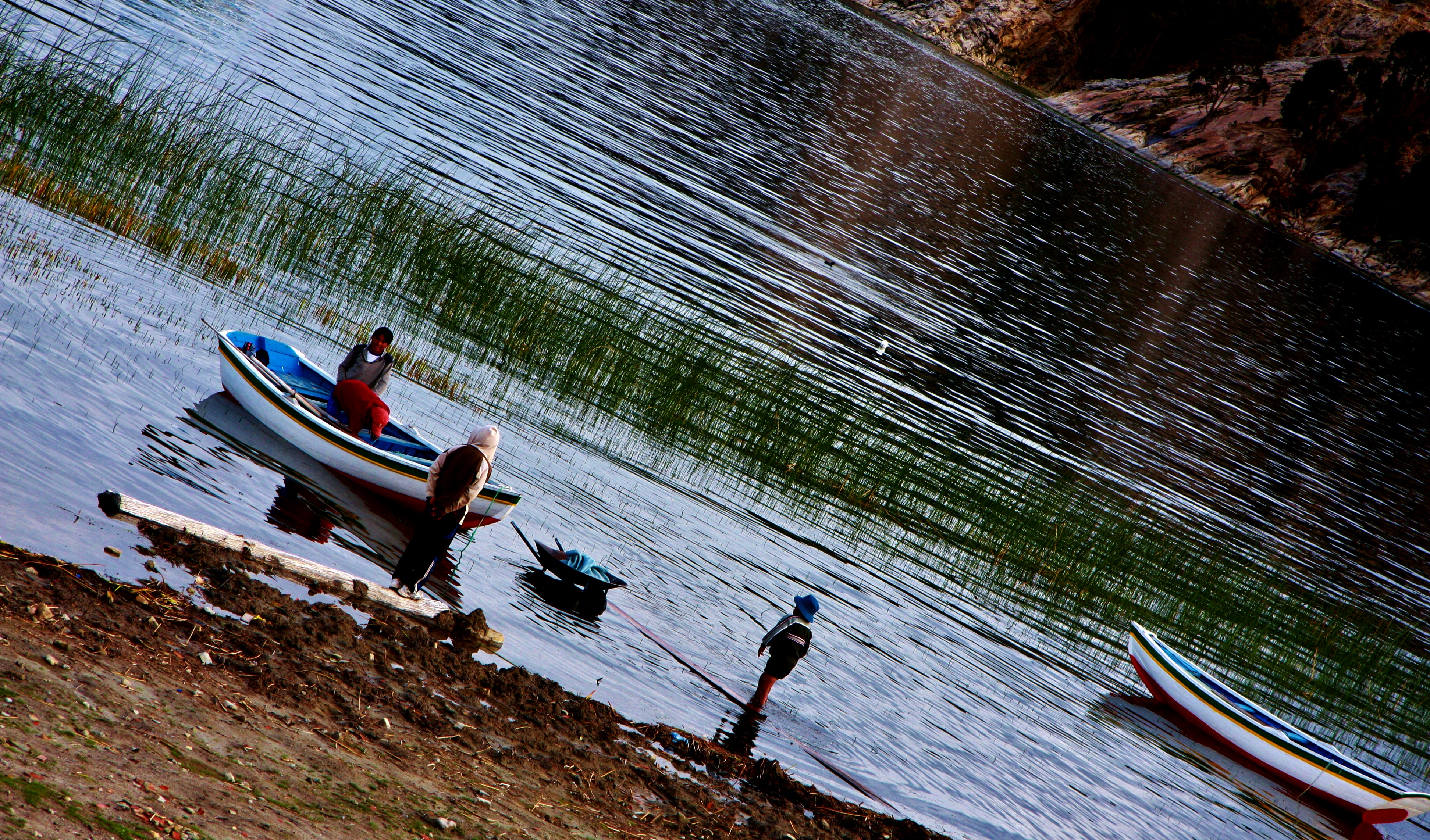
Tourism is a big industry. In some countries it’s their largest.  A fair amount of people who travel come from developed regions and visit less developed countries with the aim to help. No one can fault another person for wanting their travels to have a positive impact, but what happens when voluntourism causes more harm than good?

This question led me to form an opinion about what type of tourism is acceptable. I began with the premise that travel has positive implications on the traveller and used myself as an example. Having graduated from High School last summer, I set off to travel and explore the Americas. In England, that is referred to as a Gap Year, wherein a student takes the year off between High School and College (University) and in this year can travel, work or do nothing. My situation is a little different because I am travelling on a scholarship from the Royal Geographic Society but the benefits are the same. Continue reading

Jasmine flower

Being native to tropical and subtropical regions, the many species of jasmine are either deciduous, evergreen, erect or climbing shrubs commonly found in India’s Western Ghats. It is widely cultivated throughout the world for its fragrant character.  Continue reading

Nature’s Other Side

Click the image above to go to an article, not for the faint of heart, about why encounters with real, wild nature are more valuable than those most of us have, which are increasingly sanitized, gentle and unreal:

…Ecologically speaking, this sanctified nature is not nearly enough. “We live more and more in an enchanted illusion of what nature is, which I think is counterproductive to conservation,” says the Cornell University biologist Harry Greene. It’s the back half of that statement—counterproductive to conservation—that contains surprises… Continue reading

Beauty of Jordan: Rummana

There are dozens of Wadis (valleys) in the Dana Biosphere Reserve, most of which I haven’t been to. Each has its unique landscapes and geological features – such that if you show a local a picture of just about any place he will recognize its location. Chances are, he also will have a story relating to it – quite possibly about the time he lived there when he was younger. Jabal Rummana is a campsite overlooking Dana – common spotting grounds for Ibex, as well as other wildlife, the valley itself is a breathtaking sight. For a panoramic view,  Continue reading

Whale Wonders

Click the UCP banner above to see more on this new book:

“Preternaturally hardened whale dung” is not the first image that comes to mind when we think of perfume, otherwise a symbol of glamour and allure. But the key ingredient that makes the sophisticated scent linger on the skin is precisely this bizarre digestive by-product—ambergris. Despite being one of the world’s most expensive substances (its value is nearly that of gold and has at times in history been triple it), ambergris is also one of the world’s least known. But with this unusual and highly alluring book, Christopher Kemp promises to change that by uncovering the unique history of ambergris. Continue reading