Bollywood Century

As several of us prepare to celebrate a couple years of residence in India, and this site approaches its first birthday, a certain theme song (and equally essential accompanying dance) comes to mind.  Therefore, a big thanks to The New Yorker‘s James Pomerantz for posting this reminder:

While it may seem like just yesterday that the silent film “Shree Pundalik” was released in Mumbai, May 18th marks the hundredth anniversary of what many consider to be the first Indian film made. The past century has seen India grow to become the world’s largest producer of films…

This slideshow requires JavaScript.

Continue reading →

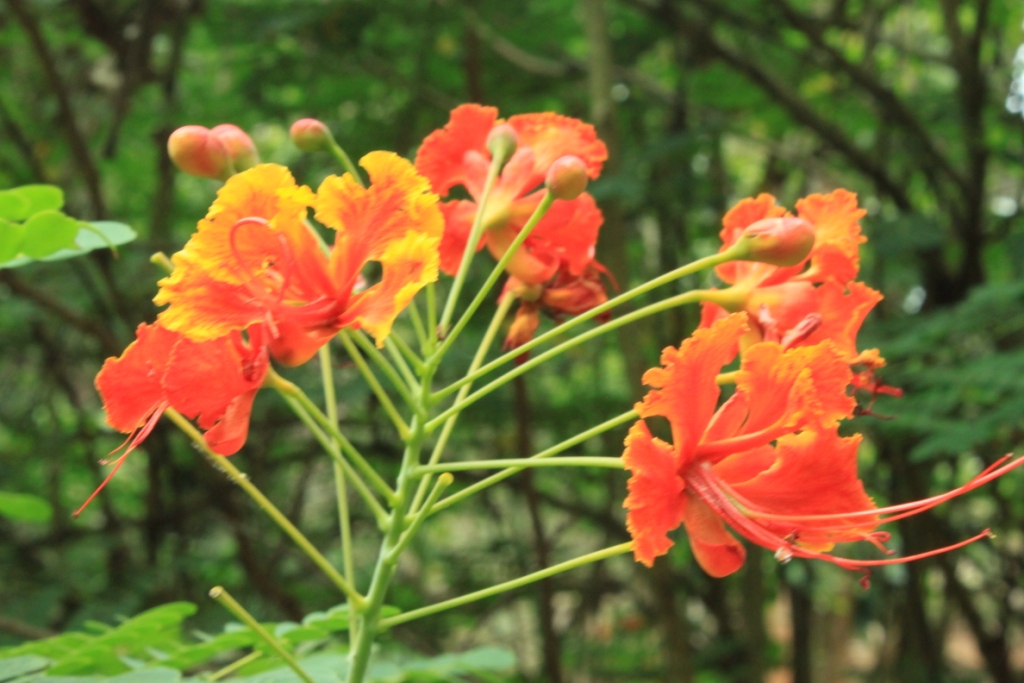
Peacock Flower (Caesalpinia Pulcherrima)

The Peacock flower is a tropical to sub-tropical plant found commonly in the Western Ghats of India. It has a lot of similarities with the Gulmohar tree and hence one can often mistakenly identify one for the other.  Continue reading →

Telling Story

Click the image to the left for a five minute view into the art of story-telling in the words of one our own age’s Homeric wonders (thanks to Atlantic Monthly).  The team tasked with capturing and explaining his craft is thoughtfully artful:
His signature style is so well known that Apple’s iMovie has a function — a slow zoom on a still image — called “the Ken Burns effect.” For a documentary filmmaker, it’s hard to imagine a more intimidating project than making a documentary film about Ken Burns.

Football Lily (Haemanthus Multiflorus)

Football Lily (also known as Blood Lily) is a beautiful flowering bulb naturalized in the Western Ghats of India. This exceptional flower starts to bloom in the spring and summer, coming out of the ground with no leaves. The plant is a popular ornamental due to its exuberant blossom. Local people also call this May flower as it blooms in plenty during the month of May. Continue reading →

Beholder’s Eye

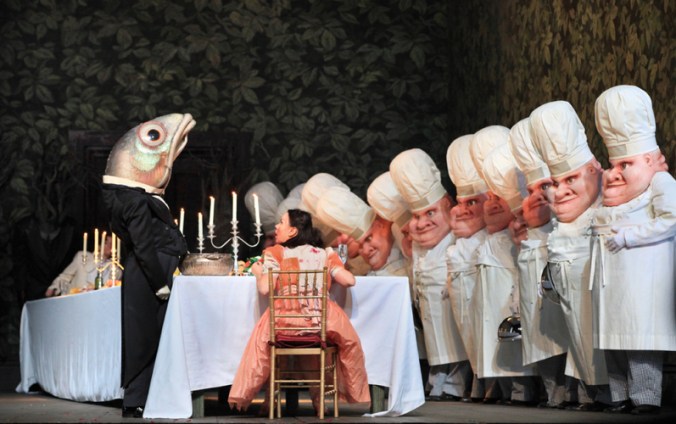
Robert Krulwich has more to say on topics we referred to in several links and observations about dwindling fisheries.  Is it just a matter of perception?

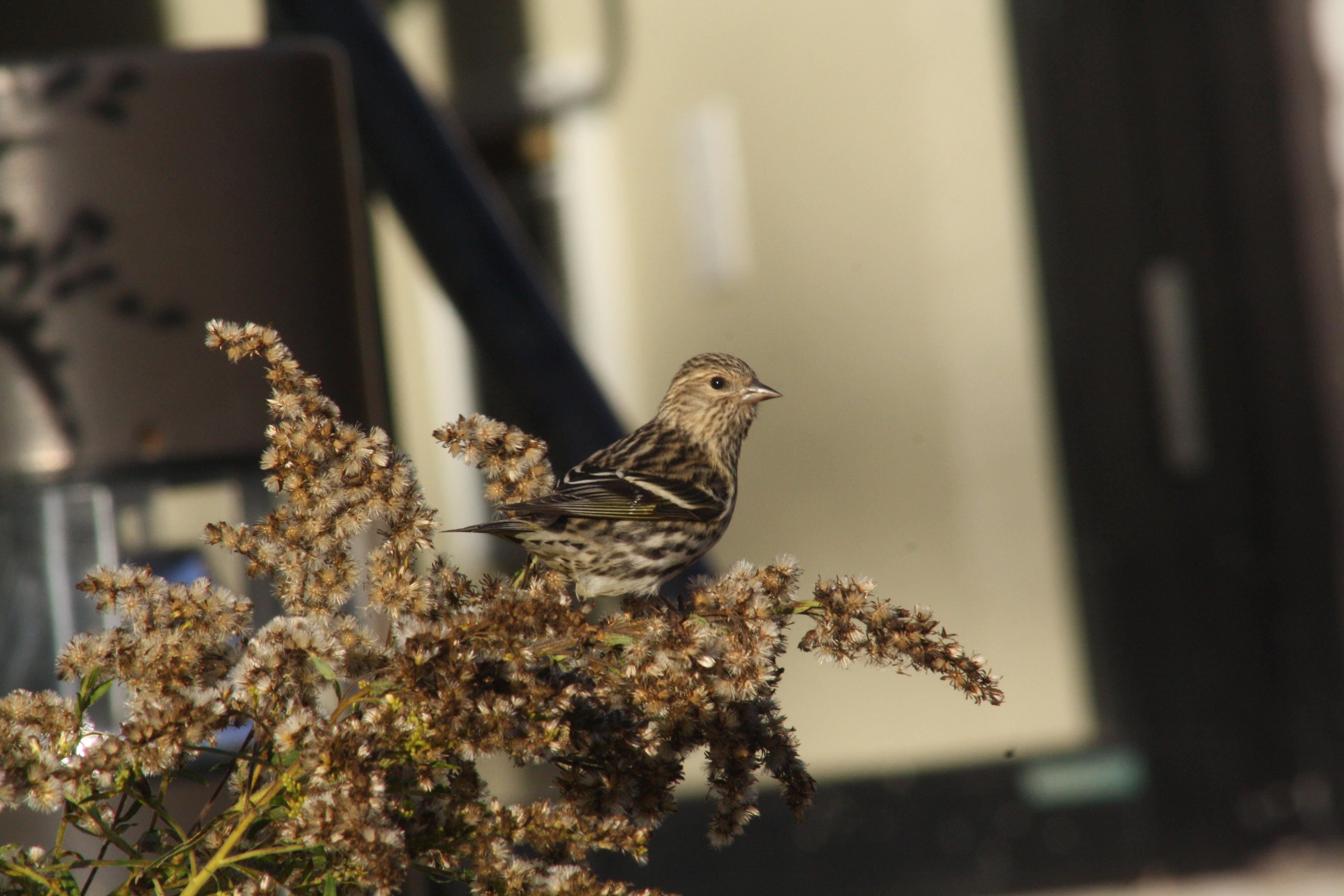
Yes, there are more and more people on the planet, and yes, there are fewer and fewer fish in the sea, but do we really notice? After all, fish live in water and we live on land; so we don’t mingle that much. If fish were sparrows, we might see a dramatic decline, but who misses what they don’t see in the first place?

Click the image to go to the full line of reasoning.

Sustainable Landscape Design

Here in the desert, where rainfall is relatively low and where people take great pride in the aesthetic of their surroundings, landscaping is an issue with a great environmental impact. From water use and runoff to soil quality and wildlife interaction, landscaping decisions can turn a piece of property into a detriment to the environment, or they can turn it into a sustained celebration of its environment.

Crown of Thorns plant is a drought tolerant plant, great for landscaping in the desert of the Coachella Valley

Very recently, I attended a sustainable landscaping design workshop in San Diego held by Southwest Boulder and Stone and conducted by Morgan Vondrak of Argia Designs. These companies specialize in the landscaping needs of Southern California and are mindful of the environmental needs involved in such a specialty. Ms. Vondrak shared ten useful and beneficial tips with the attendees, all of whom had a personal interest in sustainable gardening. Here are some of the important things I learned… Continue reading →

The Hill Mangoes of the High Range

These pictures were taken in the area of Periyar where one can find these hilly mangoes in plenty. Mangoes have grown for more than 4,000 years in India. Hilly mangoes are widely used in making pickles instead of being eaten as fruits. Mangoes require a tropical or subtropical, frost-free climate. Flowers Continue reading →

Common Map Butterfly (Cyrestis thyodamas)

I have found this butterfly inside the core area of Periyar near Thannikudi-  a wireless station situated to the northern side of the reserve.  This butterfly is confined to the cool moist forests of the Western Ghats. It visits flowers as well as damp patches.  Continue reading →

Candle Bush (Cassia alata)

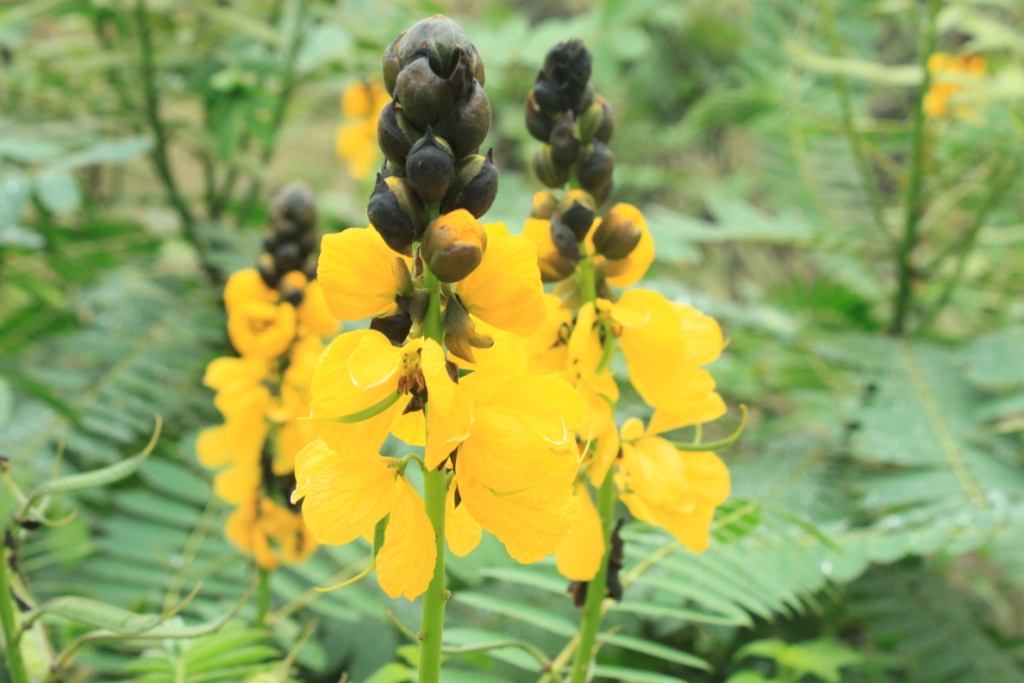
Cassia alata is an erect tropical, annual herb with leathery compounded leaves found in the Western Ghats of India. The plant grows quickly to a height of 6-12 ft and can live for many years. It has waxy yellow spikes on the tip of each branch for which reason they are also known by the name candle bush and seven golden candle sticks. The spikes elongates as the period of blossom progresses. Flowers are pollinated by carpenter bees and caterpillars of migrating butterflies feed on this plant. Continue reading →

The Catch

In a post last August, Seth referred to the problem of over-fishing as an example of a complex set of challenges constantly facing societies, simply stated as how we cooperate to solve problems.  Overfishing is not a new problem, and like many challenging ones seems to be getting more and more daunting, with no solutions in sight no matter how far and wide we search.  Click the image below for a well-written documenting of one facet of this problem.  It may leave you in need of a lighter treatment of the future of fish…

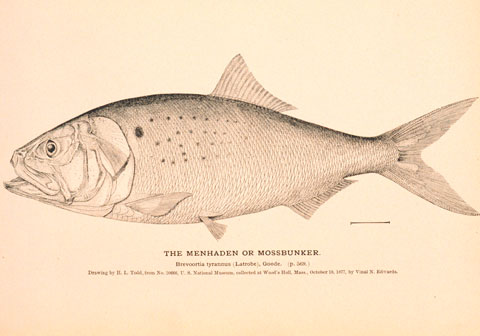
Harvested by the billions and then processed into various industrial products, menhaden are extruded into feed pellets that make up the staple food product for a booming global aquaculture market, diluted into oil for omega-3 health supplements, and sold in various meals and liquids to companies that make pet food, livestock feed, fertilizer, and cosmetics. We have all consumed menhaden one way or another. Pound for pound, more menhaden are pulled from the sea than any other fish species in the continental United States, and 80 percent of the menhaden netted from the Atlantic are the property of a single company.

Malabar Raven (Papilio dravidarum)

Endemic to the Western Ghats of South India, the Malabar Raven butterfly is common in the Periyar Tiger Reserve. Despite their rounded wing shapes, these medium sized black-brownish tailless butterfly are in the swallowtail family. Continue reading →