Less Light, Please

Click the image to the right to go to the Guardian’s article in today’s paper about a campaign to reduce light pollution.  We tend to like these stories, and that publication, and have been known to support pollution-reducing schemes in our own communities; but quoting our favorite cosmos guru ensures attention: Continue reading →

Foodienomics

In a world that already has its fair share of freaky explanations for life’s quirks, and where celebrity is built in a day by some of the cleverer writers in that genre, do we really need this?  Hard to say with just a couple of reviews seen so far (click the image to the left to see the Kirkus review or click here to see the New York Times review of the book), but it sounds as though you are more likely to enjoy this if you are of the libertarian persuasion (as the author is touted to be) or a liberal (not the political variety but the curious, open-minded variety).

This snippet from the Kirkus review sums up why and for whom it may be worth the read:

Continue reading →

Latex- Rubber Tree (Hevea brasiliensis)

The latex rubber tree is a tropical plant native to South America and South East Asia, which is the primary global source of natural rubber. Kerala has over 110,000 acres of land under rubber cultivation – annual production is about 690,000 tons – over 92% of India’s natural rubber.

Continue reading →

Places to Bird: Part 6*, Point Pelee

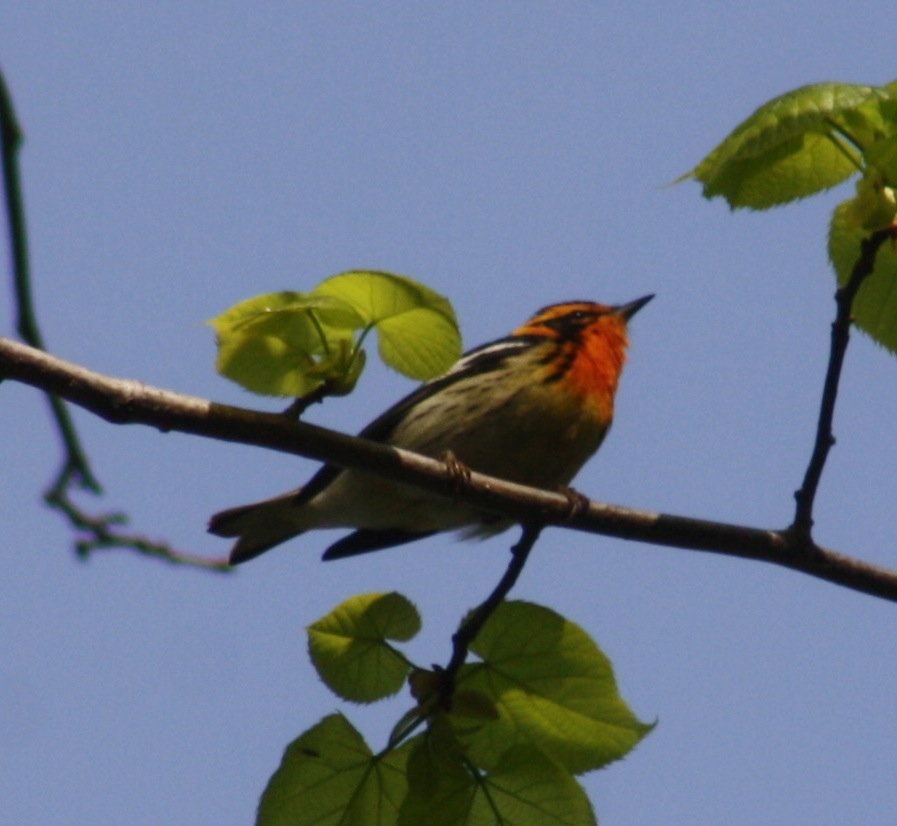
Blackburnian Warbler

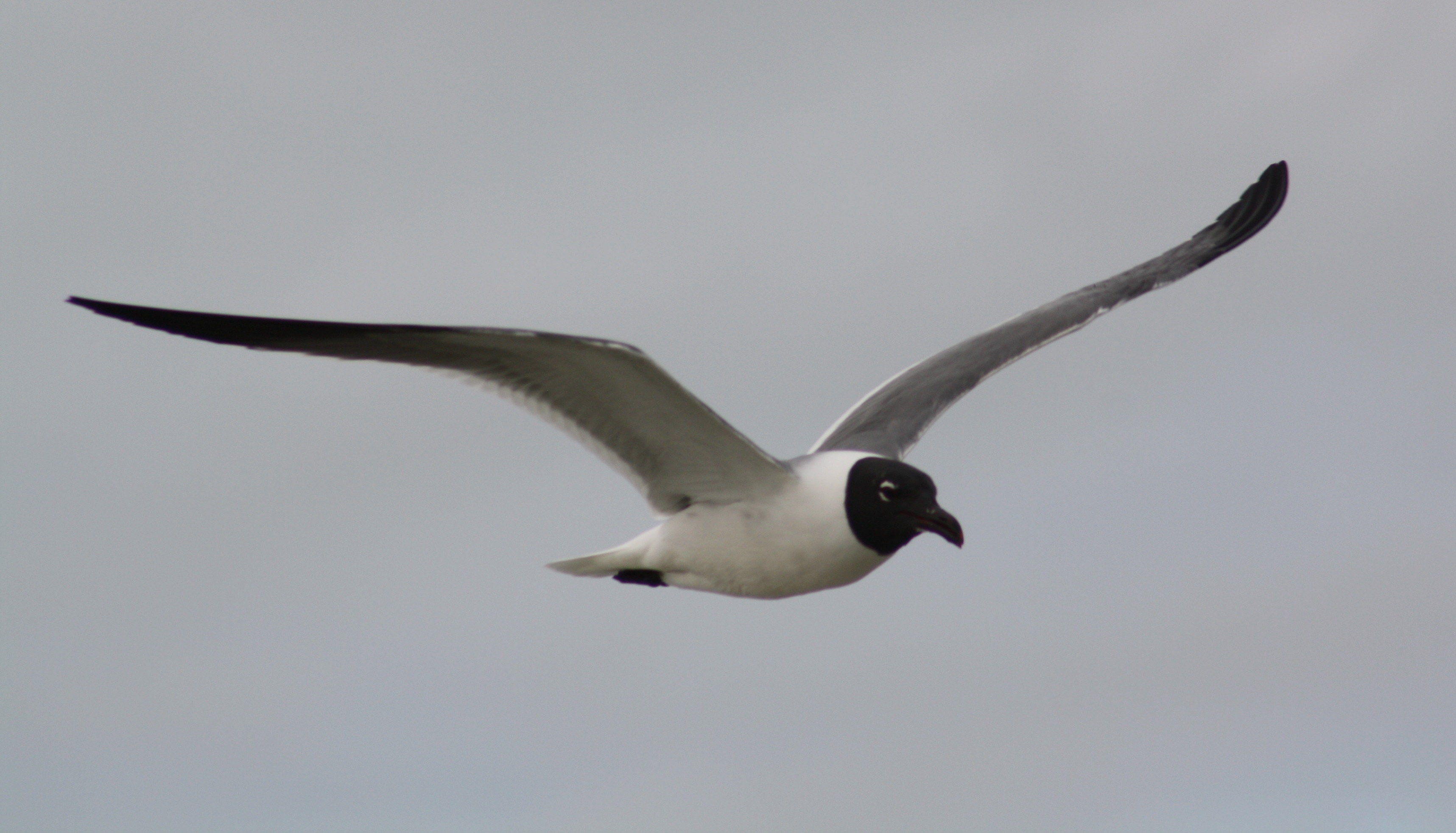
When I was just starting out as a birder, I bought a small book to help me learn about the warblers that were migrating through my home state of New Jersey.  The booklet was called “The Warblers of Point Pelee.”  Filled with great pictures and useful identification tips, it became my constant companion that spring.  However, I had no idea where Point Pelee was or what made it so special.  Only later did I discover that Point Pelee is probably one of the best and possibly the most famous spring migration birding location in North America.

Continue reading →

The Upside of Empire

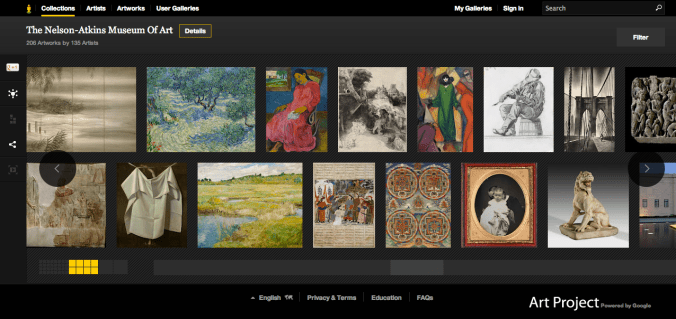
For art lovers nothing quite tops the experience of standing before a favorite painting, sculpture or tapestry, far from the madding crowds, soaking in the aura of history.  But few of us have the luxury of being able to visit the “Hermitage” in the morning and the Musée d’Orsay in the afternoon, not to mention the connections that would enable a personalize tour with the curator.

Over the past year Google has put its technological powerhouse behind a project that brings over 30,000 pieces of art from 151 museums in 40 countries into the home of anyone with a computer and an internet connection. Continue reading →

Periyar Sightings: April 12, 2012

This slideshow requires JavaScript.

Mr. David and Anbella from Luxemburg shared their experience of Periyar with us:

We stayed at Cardamom County and took a visit to the Periyar Tiger Reserve. We were happy to spot many birds and wild boars. Our main goal was to spot elephants, which was unfortunate for us because the forest guide told us they hadn’t been sighted for the past two days. Anyhow we enjoyed the wildlife we did see, even though we didn’t find the elephants. – Mr. David

Sweet Sounds

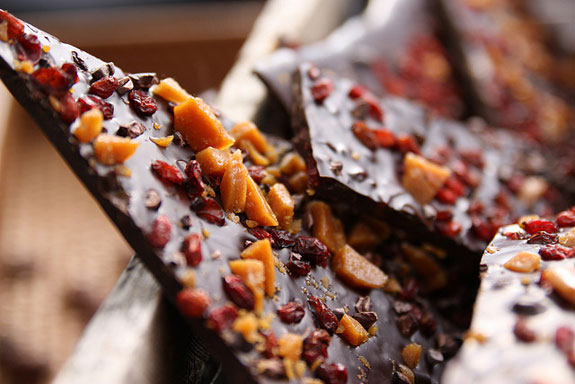
Click the image above for the fourth installment, and best yet, in a series of short posts on Smithsonian’s website, discussing the relationship between food and sound:

The sound of food matters. So does the sound of the packaging and the atmospheric sounds we hear when we’re eating. We’re all synesthesiates when we sit down to dinner.

Continue reading →

Heart Throb

There’s something about drums. Like dance, they have an almost primordial capacity to rouse even the most complacent person to action.  The sound connects with the heartbeat and makes it impossible to stand still. Personally I can’t decide whether I prefer West African Djembes, Indian Tablas or Japanese Taiko. Percussion seems to be by nature a communal activity, and the bottom line is that I love the way the sound makes me long to participate.  Continue reading →

It Happened In Africa

Click the photo above to go to the original article announcing the creation of the largest wildlife park in the world, which is now a reality:

Five nations that form the central heart of the continent, Namibia, Zambia, Zimbabwe, Angola and Botswana recently signed the final documents to create an enormous conservation zone that encompasses 170,000 sq. miles (44,000 sq. kilometers) or 109 million acres. Altogether, the Kavango Zambezi Transfrontier Conservation Area (KAZA) or KAZA Peace Park, will include 36 game reserves, numerous national parks, forest reserves, conservancies, game and wildlife management areas and communal lands. Continue reading →

Common Sunflower (Helianthus annuus)

Native to North and South America from the genus of Helianthus, the Sunflower is an annual herbaceous plant which grows 1- 4.5 meters high. The immensely popular flat, platelike flower can grow up to 6 inches wide and is actually made up of a tight series of compound flowers that will mature into edible seeds. The Sunflower is named for both its obvious sun shape and for the way the buds and leaves exhibit heliotropism,  following the sun from east to west throughout the day. (The mature flowers remain facing east.)

Continue reading →

Carbon Emissions Series: Scope 1 for Hospitality

In my previous post, I identified carbon emissions as the significant metric to track for hospitality, and I explained why hospitality is one of the best industries to target for sustainability efforts. Now I’d like to delve deeper into the different types of greenhouse gas (GHG) emissions and how they relate to hospitality. My goal of this three-part explanation is to provide our readers with a broad understanding of the scopes of GHG emissions and with a general idea of the extent to which hospitality contributes to climate change. Let’s jump right in!

The Greenhouse Gas Protocol defines three scopes of emissions. Our discussion today will focus only on the first scope, as it relates to hotel properties: direct, on-site emissions.

Continue reading →

Rice

I recently read the fascinating story of Inakadate, a small village in northern Japan struggling against a global economic downturn.  The rural community with a population of fewer than 10,000 people had none of the charismatic landscapes that typically drive tourism. Twenty years ago a clerk in the Town Hall was asked to figure out how to bring that very thing to the bucolic village surrounded by rice paddies and apple orchards.

The story goes that Mr. Koichi Hanada saw school children planting purple and bright green rice as a class project when it occurred to him that the varied hues could be used like a natural artist’s palette. Continue reading →

Mohiniyattam – Classical Dance of Kerala

Mohiniyattam is a classical dance form which is believed to have originated in Kerala. Mohiniyattam is a fusion of Bharthanatyam with the dynamism and vigour of Kathakali. This dance performed solely by women was once only seen in Temples and Royal Courts.

Continue reading →

What Ice Reveals

Good news is meant to be shared., and we are excited to share the achievements of another branch of our company: La Paz Group, Heritage Conservation Project – Mammuthus. (Click on the photo to go to the BBC Nature News link.)

A year and half ago we began discussions with Discovery Channel and BBC, and the first step of our four-year media plan for Mammuthus was set in motion with the airing of “Woolly Mammoth: Secrets from the Ice” in the UK this week. Continue reading →

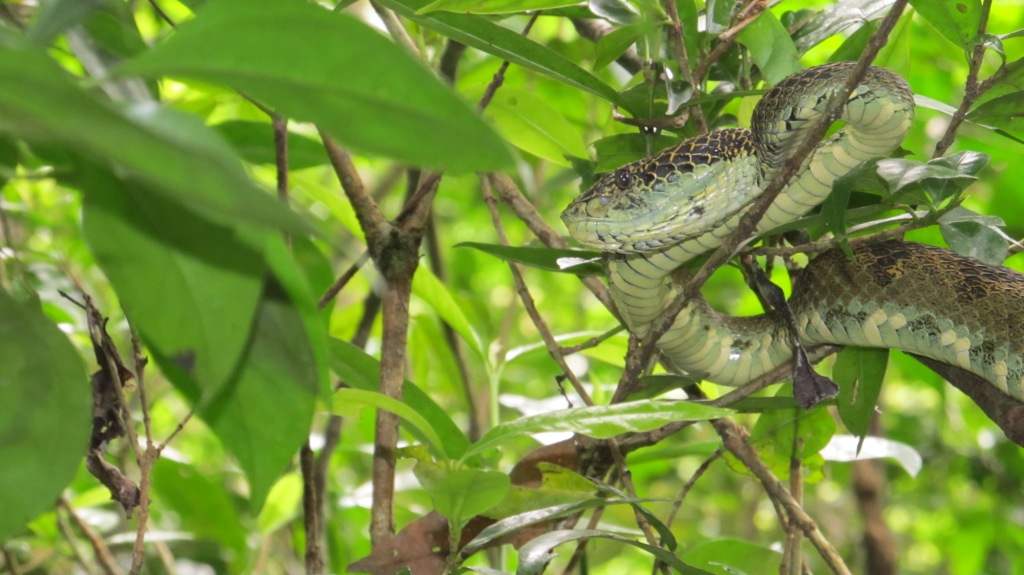
Bamboo Pit Viper (Trimeresurus gramineus)

Photo: Mr.Kannan

This photo was taken by Mr. Kannan, a senior forest watcher in Periyar Tiger Reserve. The Bamboo pit viper is one of the venomous snakes of Indian which is mostly found in the Western Ghats. They are typically green in color along with black, yellow and orange markings in the skin.

Continue reading →