Lula’s Commitments Continue Progress

Cattle graze on land recently burned and deforested by cattle farmers near Novo Progresso, in Para state. Photograph: André Penner/AP
A short note following up on the progress reported earlier from our big and very important neighbor to the south:
Brazil: Amazon deforestation drops 34% in first six months under Lula
Government data shows marked reduction against same period last year, reversing trend of destruction during Bolsonaro reign
After four years of rising destruction in Brazil’s Amazon, deforestation dropped by 33.6% during the first six months of President Luiz Inácio Lula da Silva’s term, according to new government satellite data. Continue reading
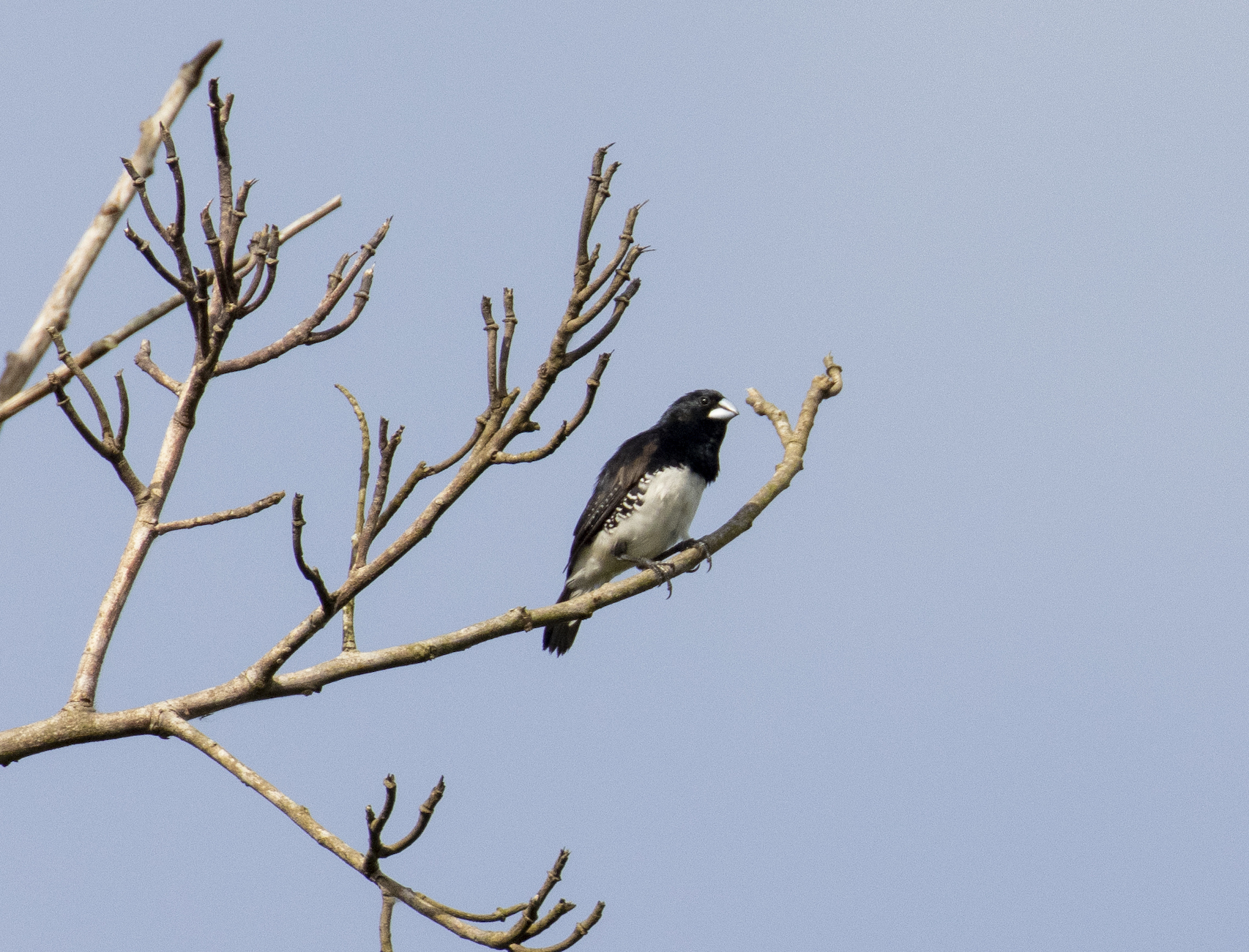
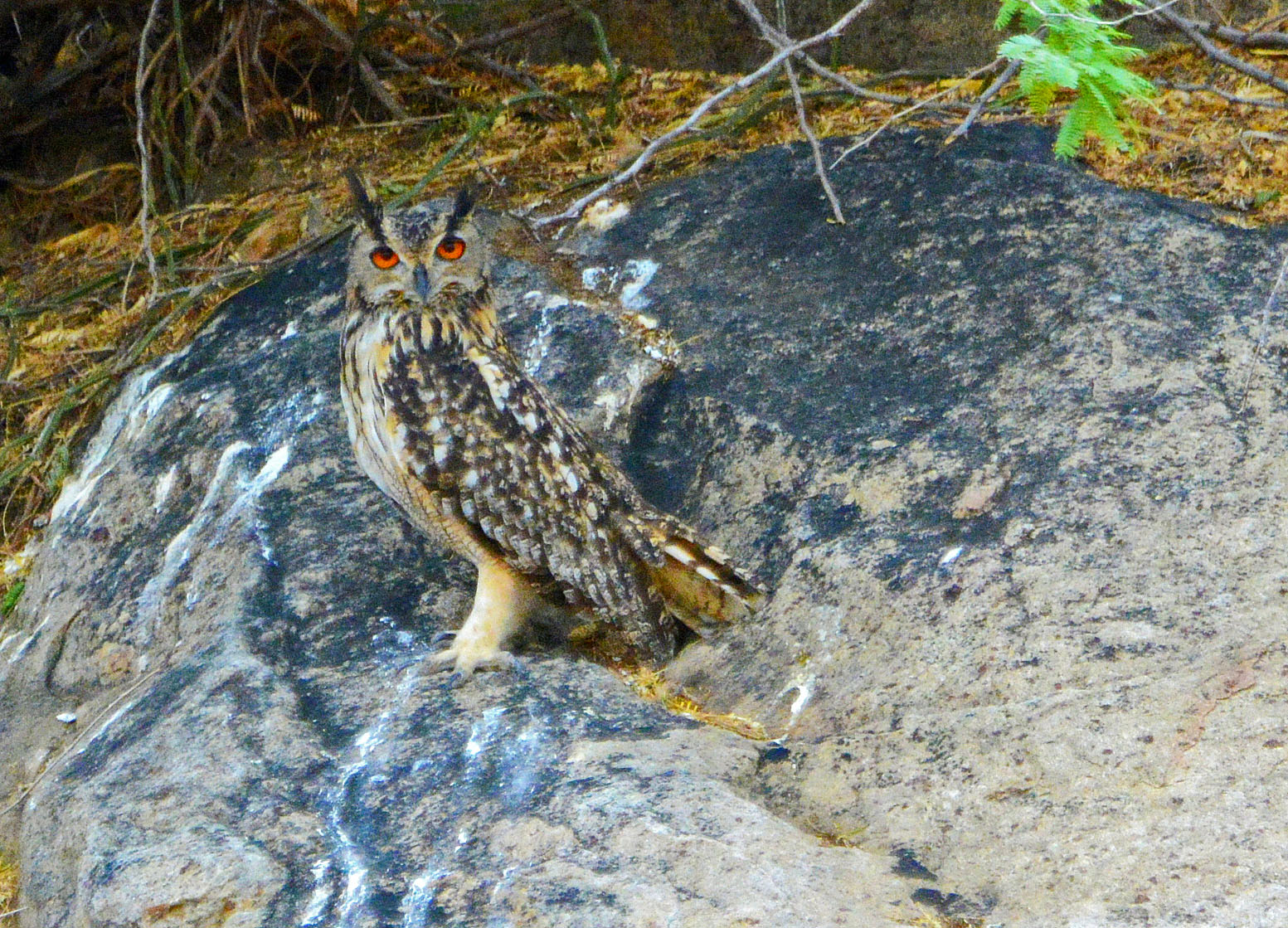
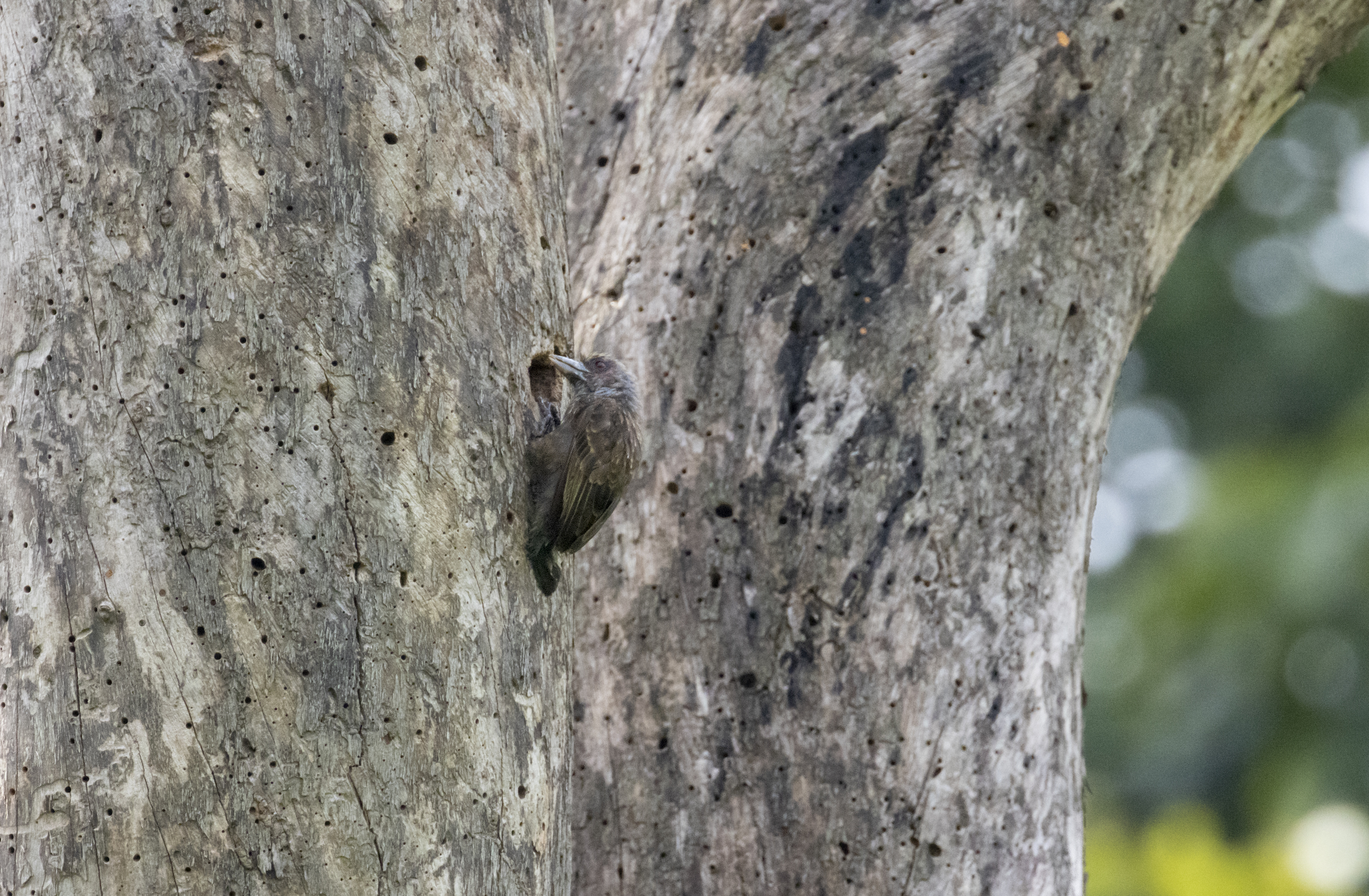
Bird of the Day: Unspotted Saw-whet Owl
What An Owl Knows, Reviewed
The Economist reviews this new book by Jennifer Ackerman, and if you do not subscribe to that magazine you can see other reviews here or here:
A raptor’s mystique inspires “What an Owl Knows”
They know rather a lot, reveals the book’s author, Jennifer Ackerman
With a face as round as the first letter of its name and a stance as upright as the last—along with human-like features and a haunting cry—the owl has a mystical, mythical perch in the imagination. Difficult to spot because of their mostly nocturnal habits, and sporting cryptic plumage that helps them melt into landscapes, owls, writes Jennifer Ackerman, are the most enigmatic of birds…
Bird of the Day: Striped Kingfisher
George Musser Talks With Michael Levin For Nautilus
Nautilus is not one of our go-to sources for inspiration, but with conversations like this it is obvious we should be paying more attention to their work. Thanks to George Musser for this article:
The Biologist Blowing Our Minds
Michael Levin is uncovering the incredible, latent abilities of living things.
Michael Levin, a developmental biologist at Tufts University, has a knack for taking an unassuming organism and showing it’s capable of the darnedest things. He and his team once extracted skin cells from a frog embryo and cultivated them on their own. With no other cell types around, they were not “bullied,” as he put it, into forming skin tissue. Instead, they reassembled into a new organism of sorts, a “xenobot,” a coinage based on the Latin name of the frog species, Xenopus laevis. It zipped around like a paramecium in pond water. Continue reading
Bird of the Day: Black-winged Stilt
Seewinkel National Park, Austria
Bill McKibben On Degrowth Movements Past & Present
Bill McKibben gives a thorough reconsideration of what, if any, growth is helpful now:
To Save the Planet, Should We Really Be Moving Slower?
The degrowth movement makes a comeback.
John Maynard Keynes once observed that dating from “say, to two thousand years before Christ—down to the beginning of the 18th century, there was no very great change in the standard of life of the average man living in the civilised centres of the earth. Ups and downs certainly. Visitations of plague, famine, and war. Golden intervals. But no progressive, violent change.” Continue reading
Bird of the Day: American Goldfinch
Rewilding On The Beara Peninsula

Eoghan Daltun with his dog on his farm, where native trees such as sessile oak, rowan and downy birch have self-seeded. Photograph: Rory Carroll/The Guardian
Rewilding remains one of our favorite topics to read about, and we share accordingly. Thanks to Rory Carroll for this article in the Guardian:
‘The result was amazing’: one man’s mission to reforest a barren Irish hillside
Eoghan Daltun has spent 14 years rewilding part of Beara peninsula into a showcase of diversity
Eoghan Daltun stood on a slope and pointed to a distant vista of verdant fields, craggy hills and conifer trees across the Beara peninsula in west Cork. Continue reading
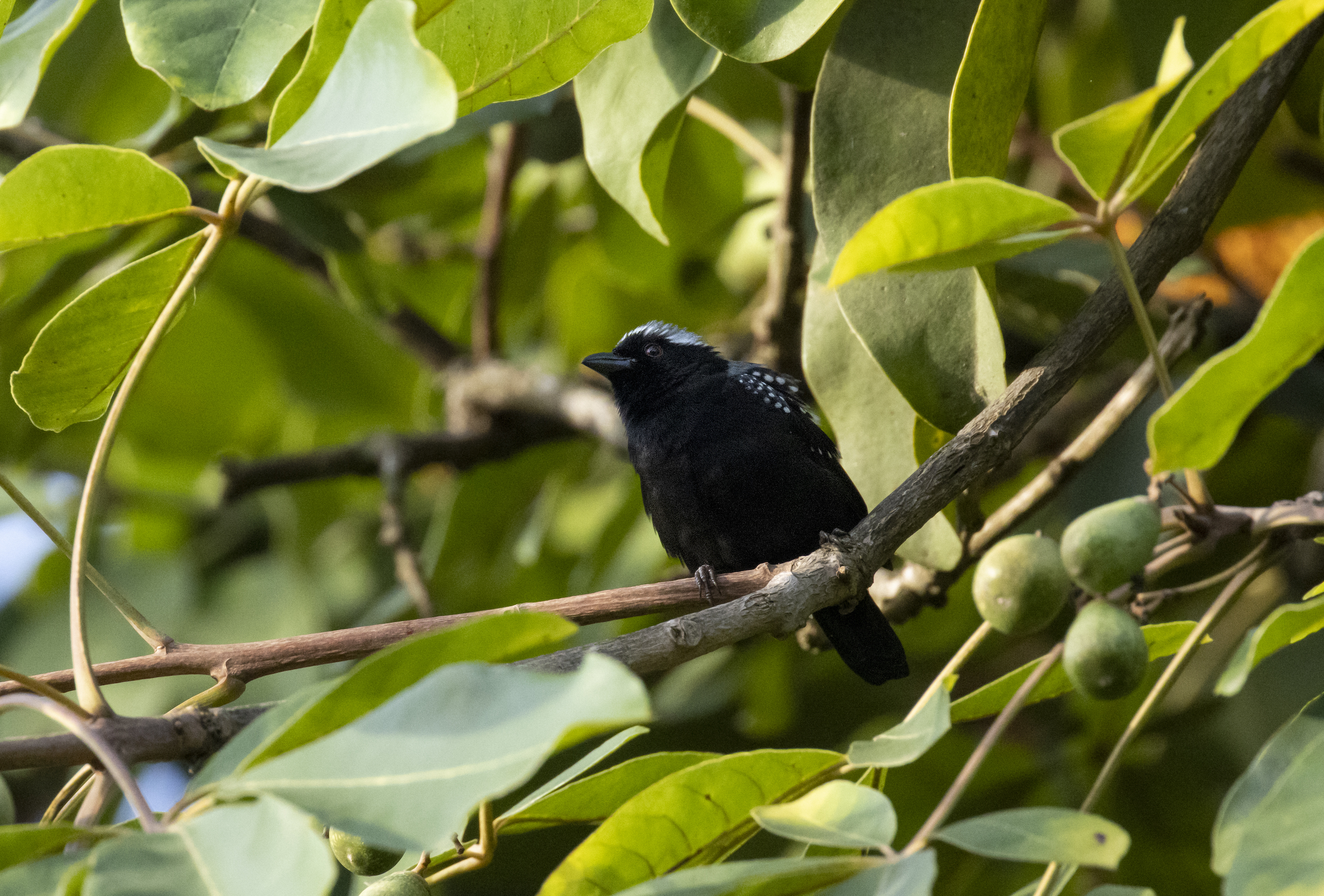
Bird of the Day: Black-throated Sunbird
The Diligence Of Local Bees
Bees getting the scientific attention they deserve, our thanks to Yale e360 for summarizing and sharing these findings:
Native Bees Yield Hardier Flowers Than Honey Bees, Research Finds
Flowers pollinated by native bees produce fitter offspring than flowers pollinated by honey bees, according to a new study carried out in San Diego, California. Continue reading
Bird of the Day: Bald Eagle
Celebrating Energy Independence
If you are in the USA and are looking for more reasons to celebrate independence, consider renewables (thanks to Yale e360):
U.S. Wind and Solar Overtake Coal for the First Time
In a first for the U.S. power sector, wind and solar have generated more electricity than coal so far this year. Continue reading
Bird of the Day: Crimson Sunbird
Panthera’s Puma Program
Thanks to Grace van Deelen for this article in the magazine of the Sierra Club:
Mountain Lions Are Murder Gardeners
By leaving carcasses, mountain lions create lush landscapes for future victims that could attract prey
If you’re hiking in Yellowstone and stumble upon an unusually lush landscape, you might have found a mountain lion’s garden. Continue reading
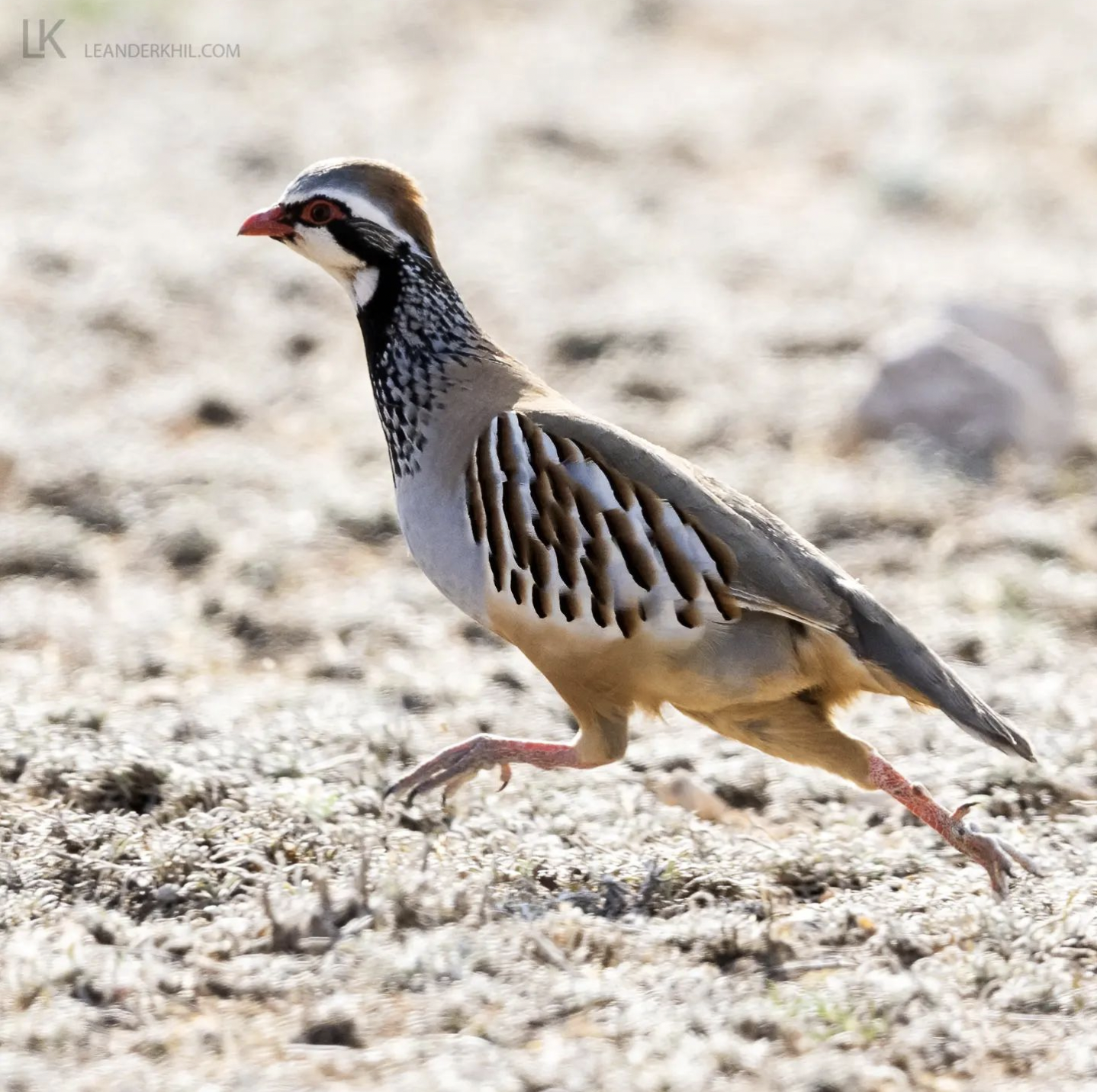
Bird of the Day: Red-knobbed Coot

Leander Khil Photography – very rare species, feeding its young
Albufera de Valencia, Spain
California Bumble Bee Atlas
Bumble bees need help and the California Bumble Bee Atlas Project is on it. Thanks to National Public Radio (USA) for bringing it to our attention:
Krystle Hickman, a bee photographer and volunteer for the Bumble Bee Atlas Project, carefully places a bee onto a flower.
Grace Widyatmadja/NPRNets, coolers and courage: A day in the life of a volunteer bee conservationist
I never realized how fuzzy a bumble bee is until I got to hold one between my fingertips. It feels like a furry black and yellow bear, buzzing with its tiny body, wriggling with its legs.
The conservation biologist Leif Richardson, who handed me this bee a moment ago, has some advice for holding it. “You’re going to squeeze harder than you think you need to, but not so hard that you hurt him.” Continue reading
Bird of the Day: Woodland Kingfisher
Climate Migration’s Upsides
Reporting from Niger, the Economist offers a glass-half-full consideration of a daunting topic (the podcast version of this story is excellent), and pulls it off:
The surprising upside of climate migration
To adapt to climate change, people will move. The results will not be all bad
On the outskirts of Niamey, the capital of Niger, it looks as if the countryside has moved to the city. Clusters of dome-like wooden huts have popped up. Cows and goats are tethered in the shade. Waves of rural folk have arrived, largely because of climate change. Continue reading