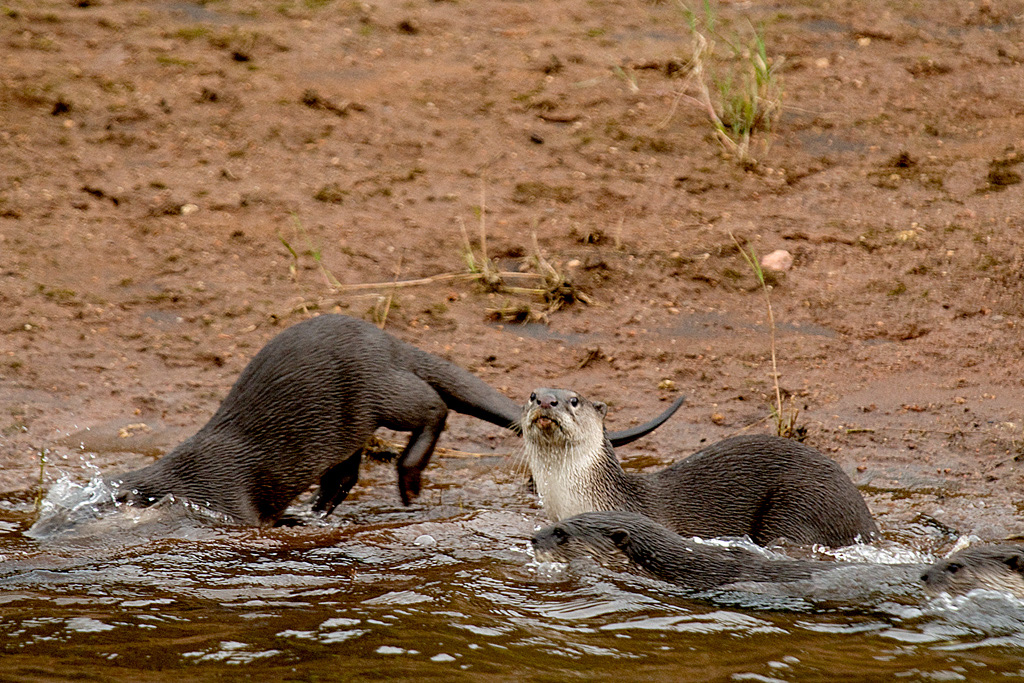
Photo: T J Varghese
The Fresh Water Otter is a carnivorous aquatic animal which is a familiar sighting in the Periyar Tiger Reserve. Continue reading
Photo: T J Varghese
The Fresh Water Otter is a carnivorous aquatic animal which is a familiar sighting in the Periyar Tiger Reserve. Continue reading
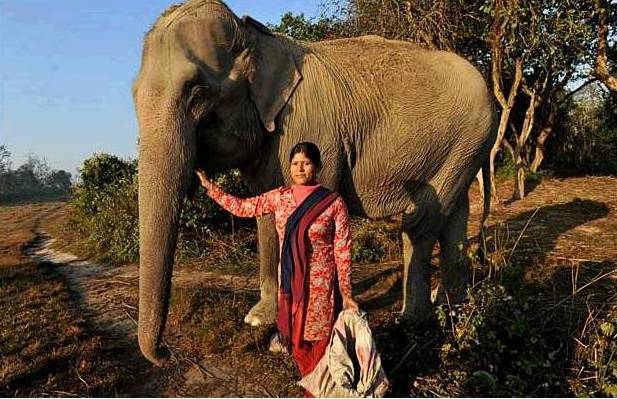
Meena Chaudhary, Nepal's first female Mahout (Photograph by: PRAKASH MATHEMA, Getty Images)
We’ve written about these most charismatic of animals on this site before, as well as the typical scenario of those charged with their care in this part of the world, but this new “gender barrier” shift is too noteworthy to pass over.
The Nepalese government’s recent program to get more women into public sector jobs has extended even into the most masculine of bastions, the mahout. The traditional practice has been for a boy to be introduced to “his” elephant in childhood and they grow up together. But this conservative, primarily Hindu country is making an official effort to give women a literal leg up. Continue reading

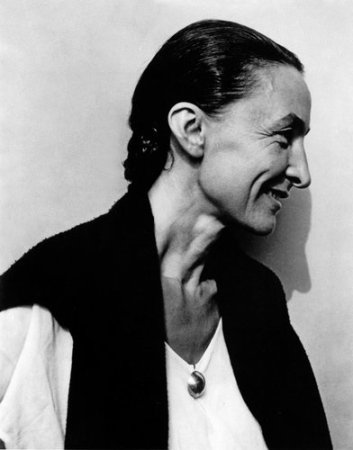 This photograph, taken by Alfred Stieglitz 15 (or 16 or 17, see the endnote in the article from which it is taken) years after they first met, is not one commonly seen of the artist. First, she is smiling. Second, she is younger than the most commonly known photographs of her. The great statement from the beginning of the article from which this comes is:
O’Keeffe achieved a strong personal presence as well through the proliferation of photographs of her hard-bitten, heroic face, which seemed to evoke the early pioneers.
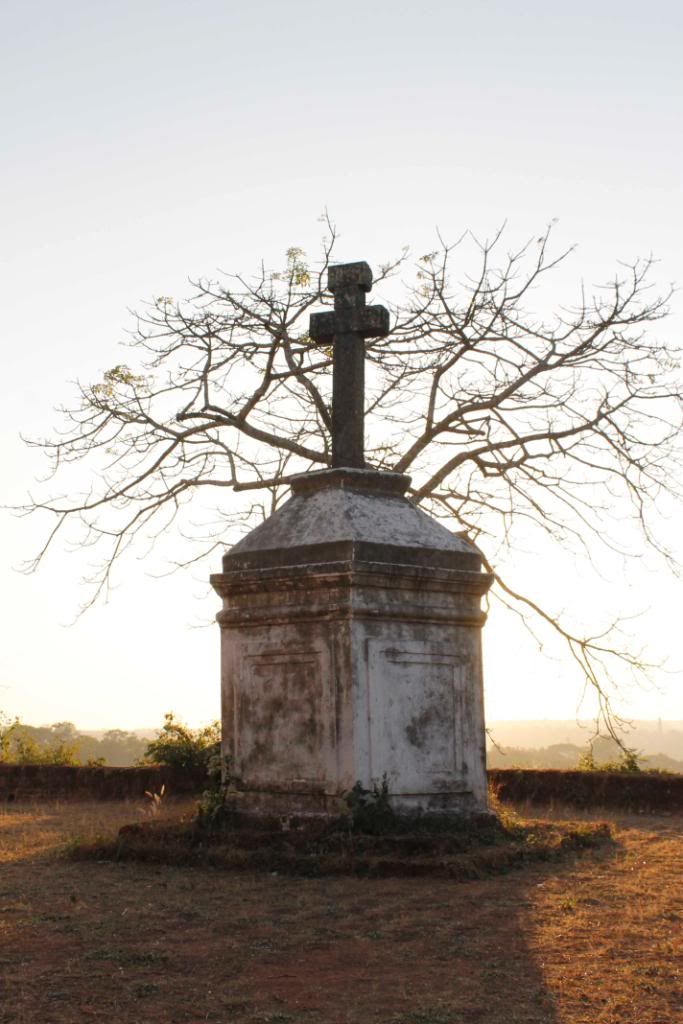 Goa, India’s smallest state, is a former Portuguese colony bordering the Arabian Sea. Once a key trading enclave for spices, Goa is now a significant tourist attraction due to its beaches and festivals. It is also known for its considerable Catholic history and architecture; St Francis Xavier arrived in 1542 with Jesuit missionaries (he was a pupil of St Ignatius Loyola, founder of the Jesuit Order) and there are many impressive churches throughout Goa’s capital, Panaji, and its former capital, Old Goa.
Perhaps one of the most awe-inspiring of these is the Church of St Augustine. Augustinian friars completed its construction in 1602, and it has been in different states of disrepair since 1835, when the Portuguese government began evicting many religious orders from Goa. The 46 meter tower (half of which collapsed in 1931), in varying stages of illumination, is perhaps the most easily appreciated element of grandeur remaining. But close examination of the vault floor reveals dozens of tombstones in relief, mostly for men who seem to have been knights, or at least who had knightly coat of arms. Some of these sigils are surprising, such as the skull and crossbones motifs. This is the church that I spent the most time at; most of what is left is eroded, overgrown, cracked, or otherwise dilapidated, without detracting from the ruins’ beauty or impressiveness, however. Continue reading
 Click the image to the left for a half-hour conversation with the author of this book, one of the most agile writers at The New Yorker.
Agility is a word that comes to mind considering the diversity of topics in his magazine writing (the Spanish Inquisition; dog ownership; drawing; the way the Internet has changed how we read, think, and interact; etc.) but it is also a function of his ability to write so fluidly and knowingly about topics so different from one another.
This book follows the lead of a previous book in his loving explanation of France’s lasting, meaningful contributions to the world.
We have made reference to his writing in the magazine here and here, but this book touches on a topic completely different from those two references.

Photo:Varghese.T.J
Photo taken by Varghese T.J. in periyar tiger reserve, Kerala in April 2011.
Guest Author: Robert Frisch
Tomorrow I begin a weeklong course that precedes my second semester at the Johnson School at Cornell University called the “Sustainability Boot Camp”. As a result, I have spent the last few days reading up on what some of the world’s greatest thinkers have to say about sustainability, development, energy, and poverty. I came across this eye opening and inspiring speech by economist Chandran Nair online, and I’d like to highlight two quotes from the video.

Playa Ocotal, Nicaragua
This noun, now rarely used, is a word that might have been used in one of Seth’s historical notations on Pilgrims in the New World, who came to understand how the indigenous communities made productive, careful use of the land:
1. Green vegetation growing in a wood or forest and serving as a cover for game.
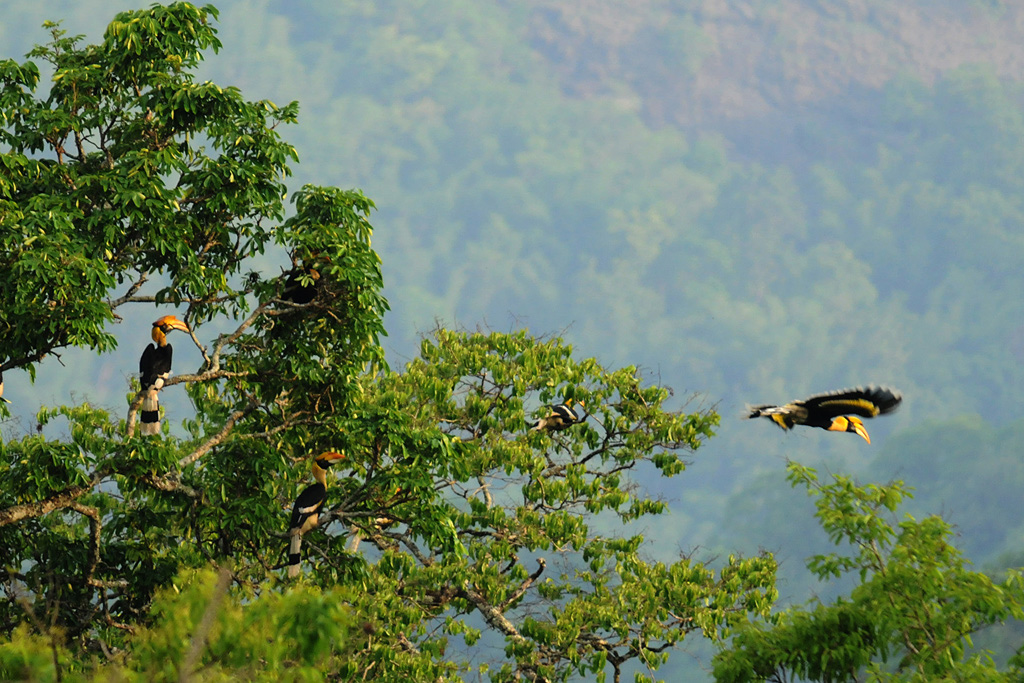
Photo taken by Varghese T.J. in Parambimkulam Wildlife Sanctuary, Kerala in Febraury 2011.

Galapagos Islands, Ecuador

Click the image above to go to the source. As one of our favored magazines writes about one of our favorite topics (but the species from another continent), we share some surprises:
1) African and Asian elephants are sometimes thought to differ only by the location of the animals, but, evolutionarily speaking, they are species as separate as Asian elephants and woolly mammoths.
2) The elephant’s closest living relative is the rock hyrax, a small furry mammal that lives in rocky landscapes across sub-Saharan Africa and along the coast of the Arabian peninsula.

Photo:TJ VARGEESE
Photo taken from Muthanga Wildlife Sanctuary, Wayanad, Kerala, India on January 2010.
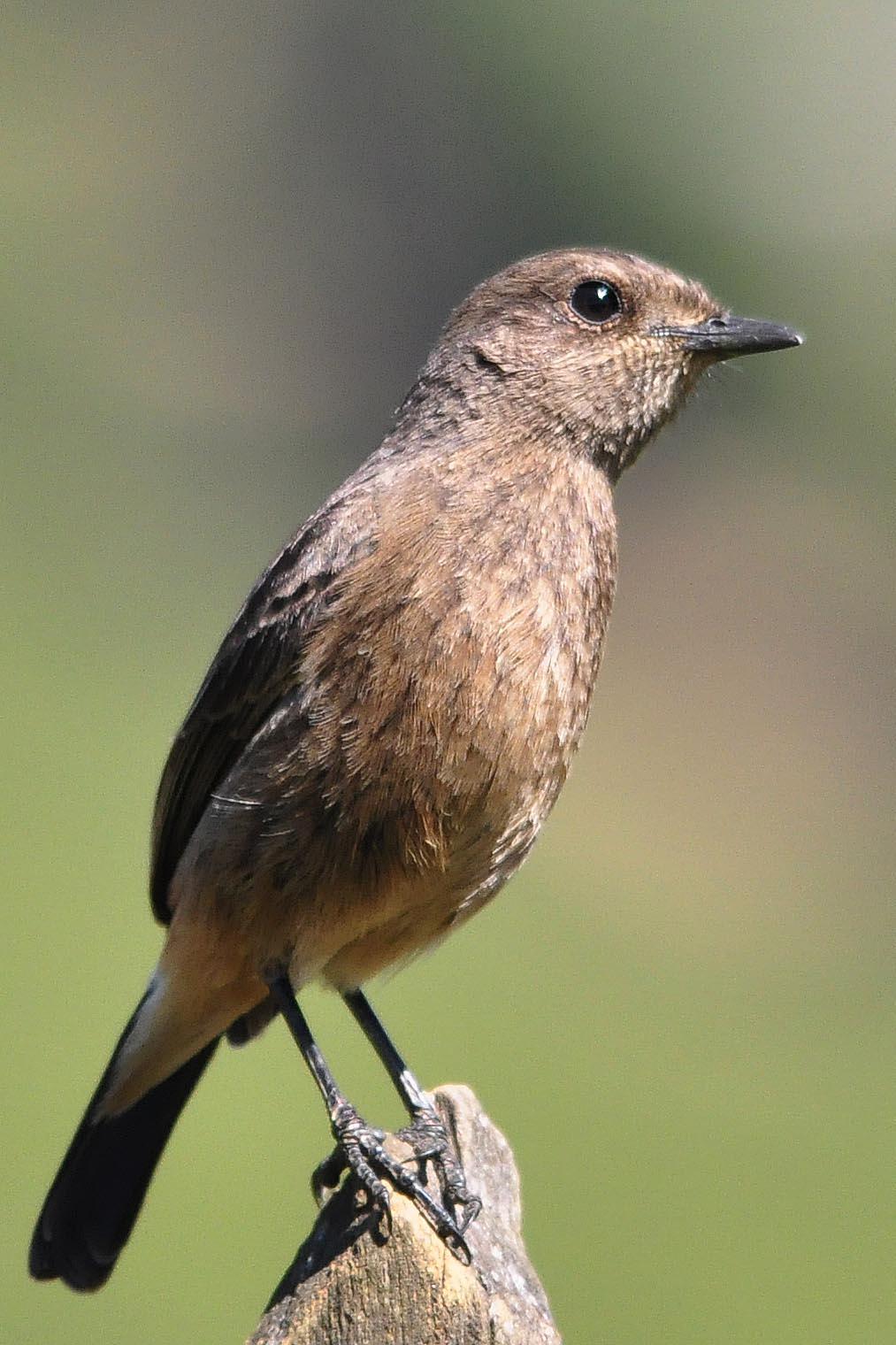

photo:TJ VARGHESE
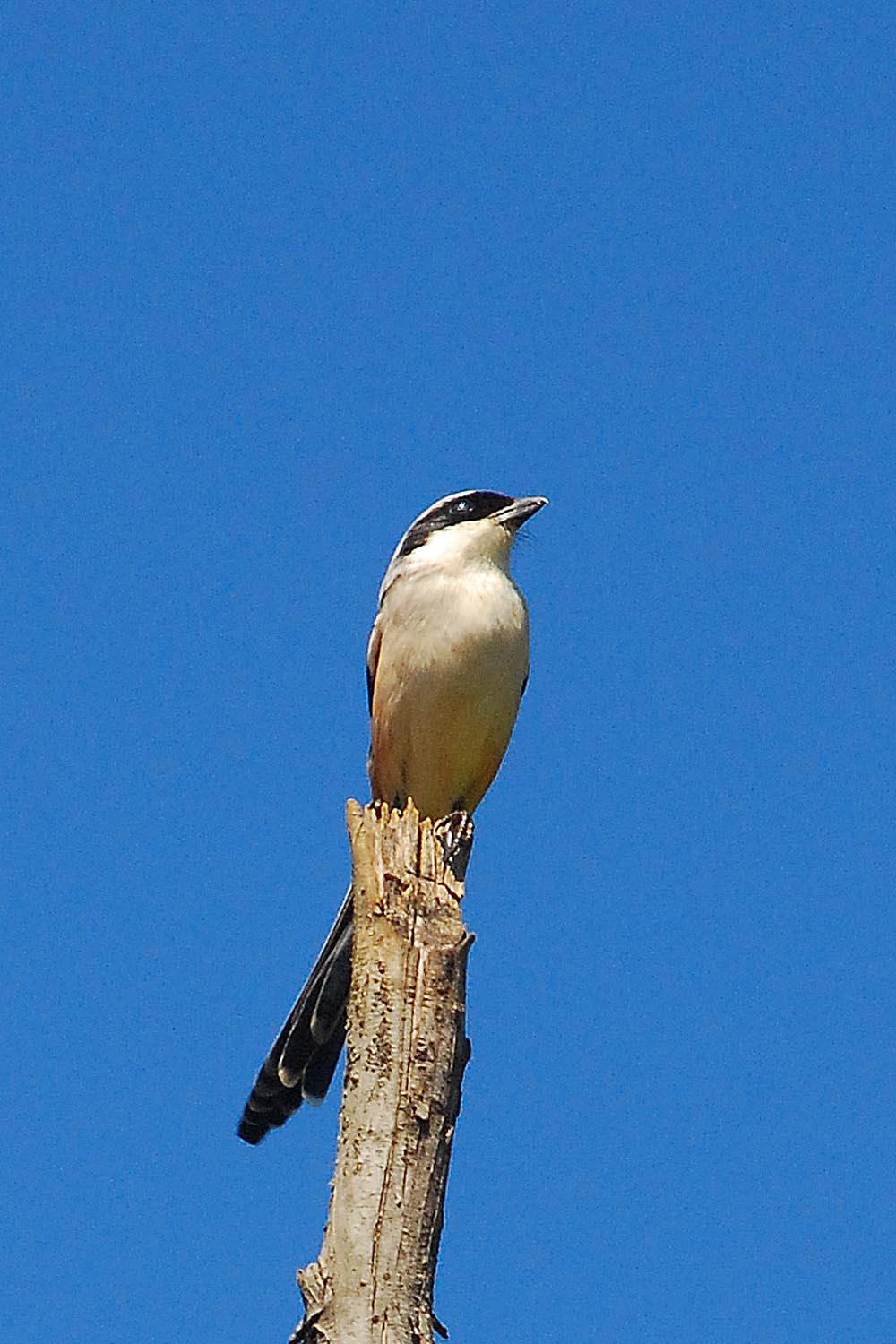
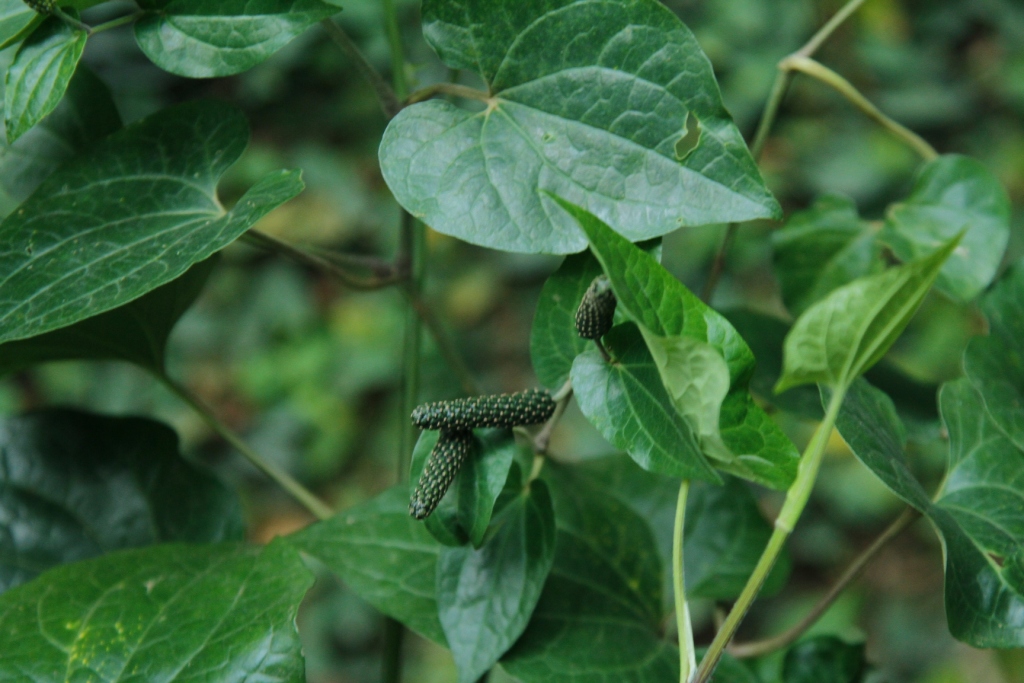
Long pepper (Piper longum) has a similar, but hotter, taste to its close relative Piper nigrum. Continue reading
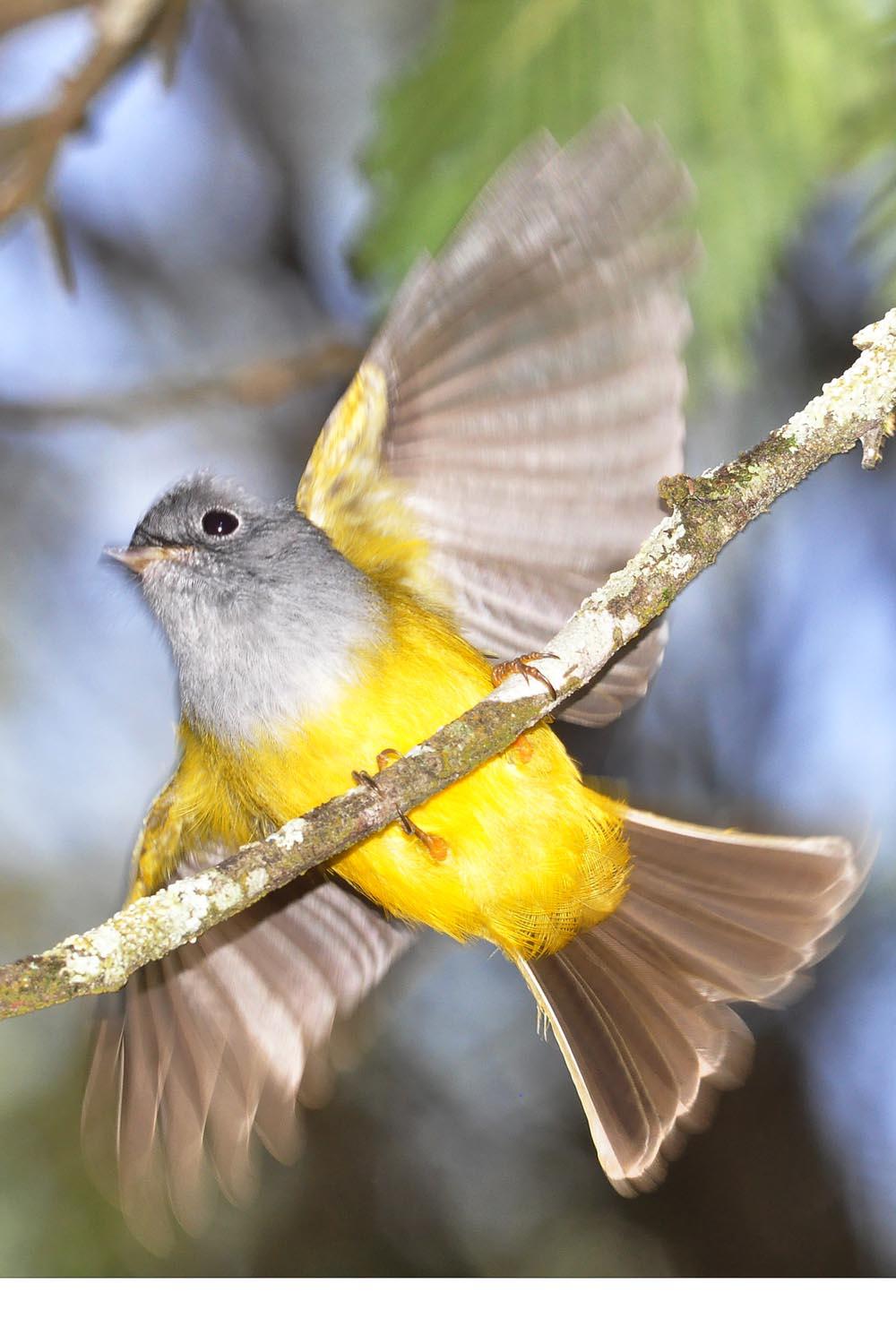
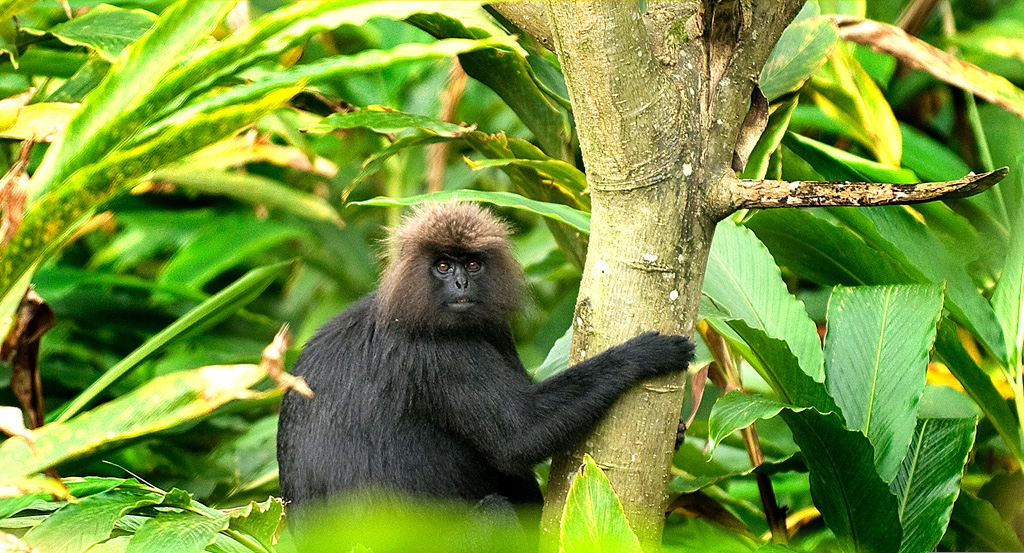
Photo taken from Gavi- ecotourism zone, north of periyar
 Organikos