
Bird of the Day: Brown Pelican (Galapagos Islands, Ecuador)

This young lady in the foreground of the photo above is special. She has already broken an unspoken, unwritten, and increasingly irrelevant gender barrier in which girls play with girls and boys with boys: her brother has welcomed her into the fellowship that used to be strictly a fraternity. It helps that she is clever.
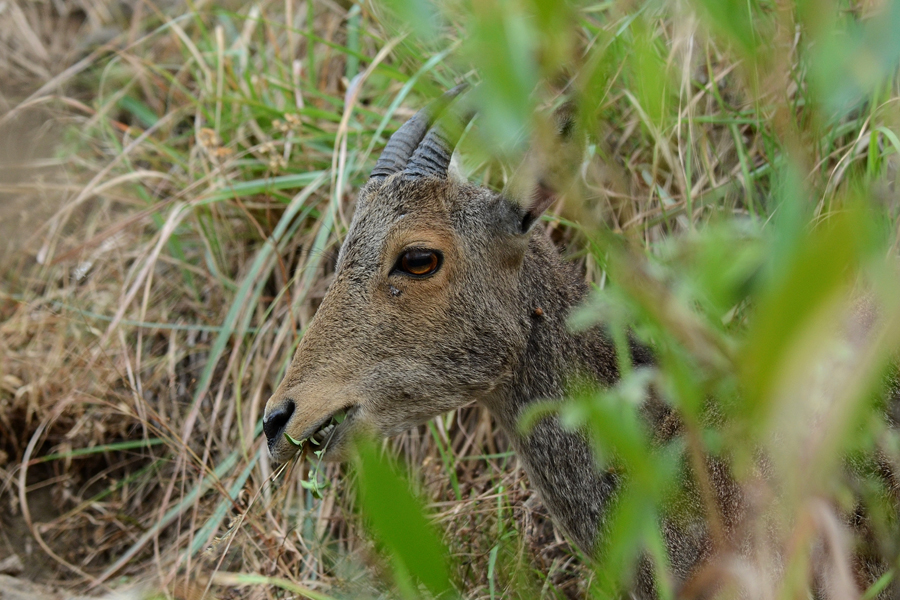
Photo: T J Varghese
There probably has not been a better summary of the issues involved in the recent legislation drafted, and under consideration for passage, by the Congress in the USA to regulate the Internet. Our activities on the Internet are focused on sharing–ideas, images, video, links that we think are germane to our work in entrepreneurial conservation–and therefore directly threatened by SOPA.

Woodpecker specimens, Ornithology Department, Harvard Museum of Comparative Zoology
When the oldest birding group in the U.S. gets together woodpeckers and their historical significance among endangered bird species are often the order of the day. The Nuttall Ornithology Club held one of their last meetings of 2011 at the Harvard Museum of Comparative Zoology, excitedly taking advantage of such a rich resource that includes specimens that have both ornithological and historical value.
The Nuttall club goes way beyond the garden variety birding group. Qualification for membership includes examples of ornithological scholarly publication, education, research and conservation efforts. Roger Tory Peterson, (of guidebook fame) is an example of the group’s “high bar”.

Photo: T J Varghese
His comments about technique, tools and time taken to put these three minutes on film are interesting. He seems to go a bit nuts at the end, but all in good fun.
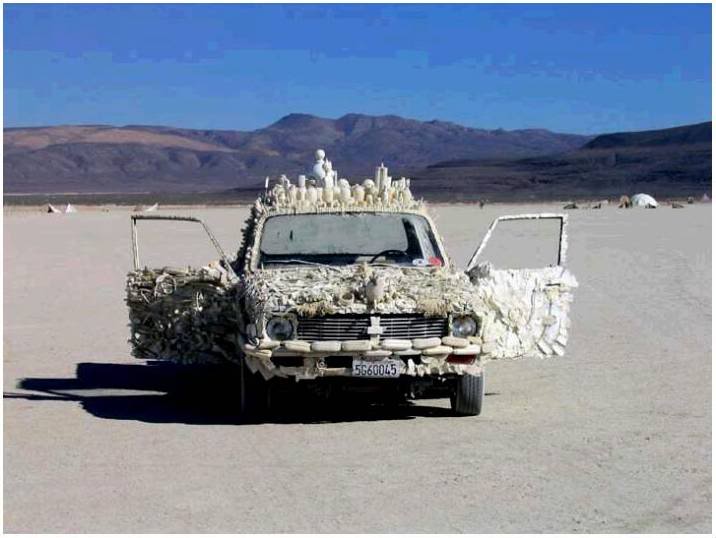 For over a decade Judith Selby Lang and Richard Lang have been scouring their stretch of Kehoe Beach along Northern California’s Point Reyes National Seashore. Far from the classic beach comber either in search of drift wood or with metal detector in hand, the eyes of this artist couple are caught by the most pedestrian of materials: plastic.
Continue reading

The January 23 issue of The New Yorker has an article on one wealthy man’s approach to conservation. Click the image to the left to go to the article and if you are a subscriber to the magazine, and follow conservation trends, this will get your day off to an interesting start, provide a good respite from work in the middle of the day, or send you to bed dreaming.
It is paywalled, but as always available for purchase, and as always providing a tempting reason to subscribe to the magazine. In case you do not have time to read it, or spare funds for a subscription, take a look at this short video based on some of the material covered in the article.
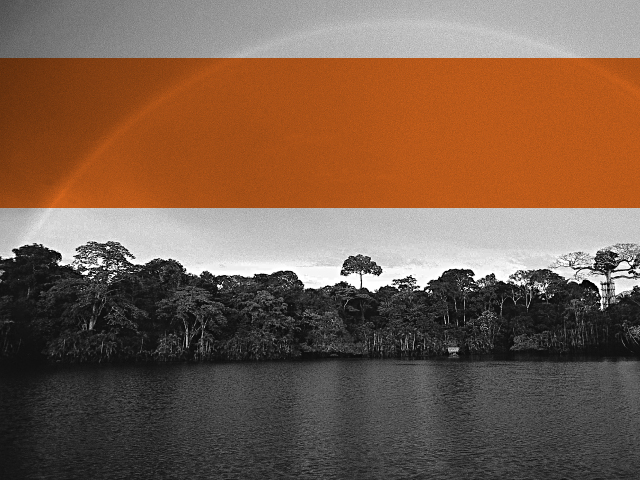
Equitable Origin has renewed its cooperation agreement with the Coordinadora de Organizaciones Indígenas de la Cuenca Amazónica (COICA). The EO100 Standard is an ongoing project that will improve environmental and social practices in the oil and gas industry and we are very appreciative of the continued active support of COICA. Continue reading
Before there was social media as we know it today, there was social media. Social reformers and thinkers of all varieties have centuries of experience not just using the tools of social media, but utilizing them. Leveraging them. August 28, 1963 in Washington, D.C. was one of the days when the USA experienced a moment of truth, and when social media included word of mouth, television/radio simulcast and later replay.
This is the day when the man who spoke longest on that day is remembered officially. One minute into the above video he begins speaking, but the memory is affected, no matter how many times one has seen, heard or read these words, most when that man talks about his hopes for the future of a country that had a history of injustice, but also a history of reform, change, improvement. Continue reading
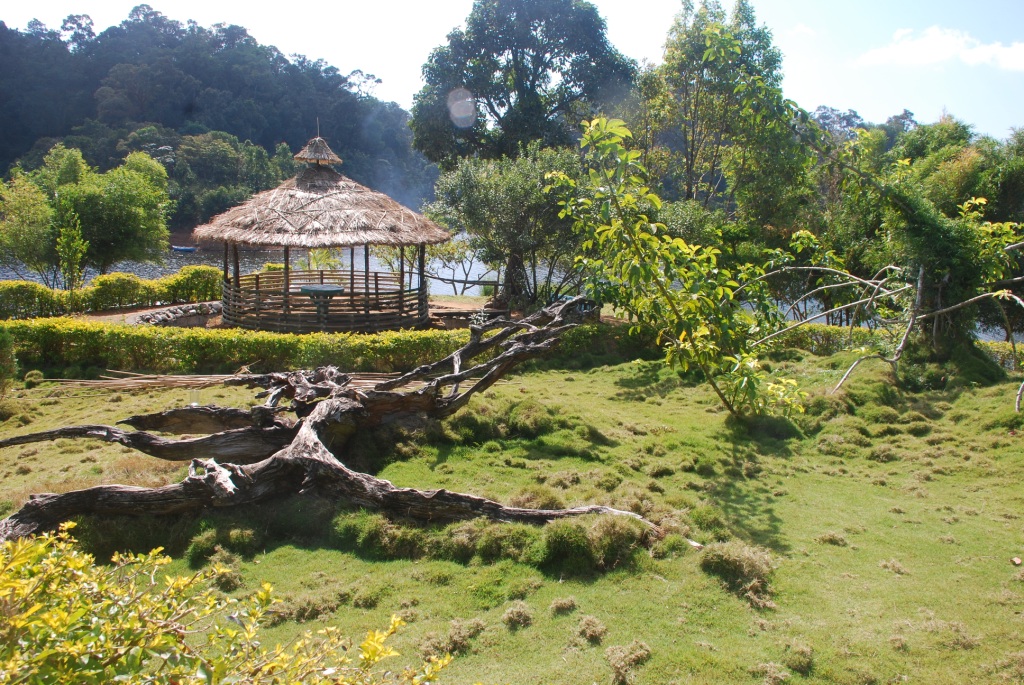
Gavi is 40 km from Thekkady, the western region of Periyar Tiger Reserve which is popular eco-tourism destination for jeep safari, trekking, camping, waterfalls etc. Continue reading
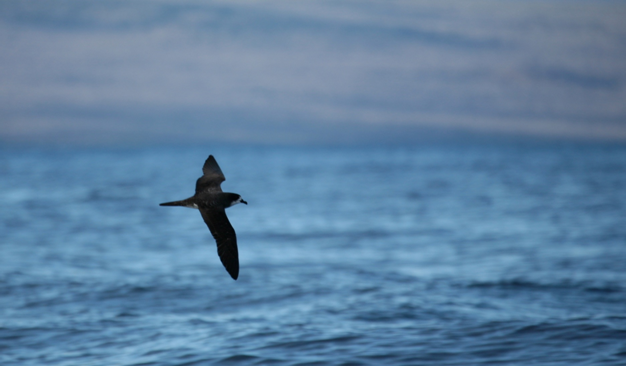
Paula Swisher, a Pennsylvania artist, creatively superimposes birds onto textbook pages through colored pencil and other media. These mixed images are great juxtapositions of wild beauty and careful order; colorful flight and monochrome data.
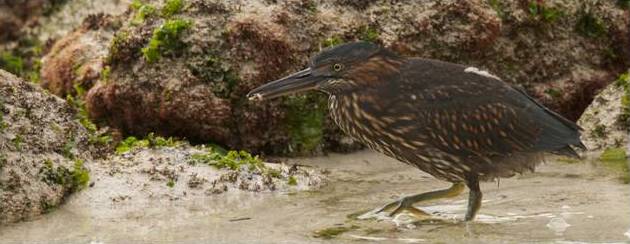
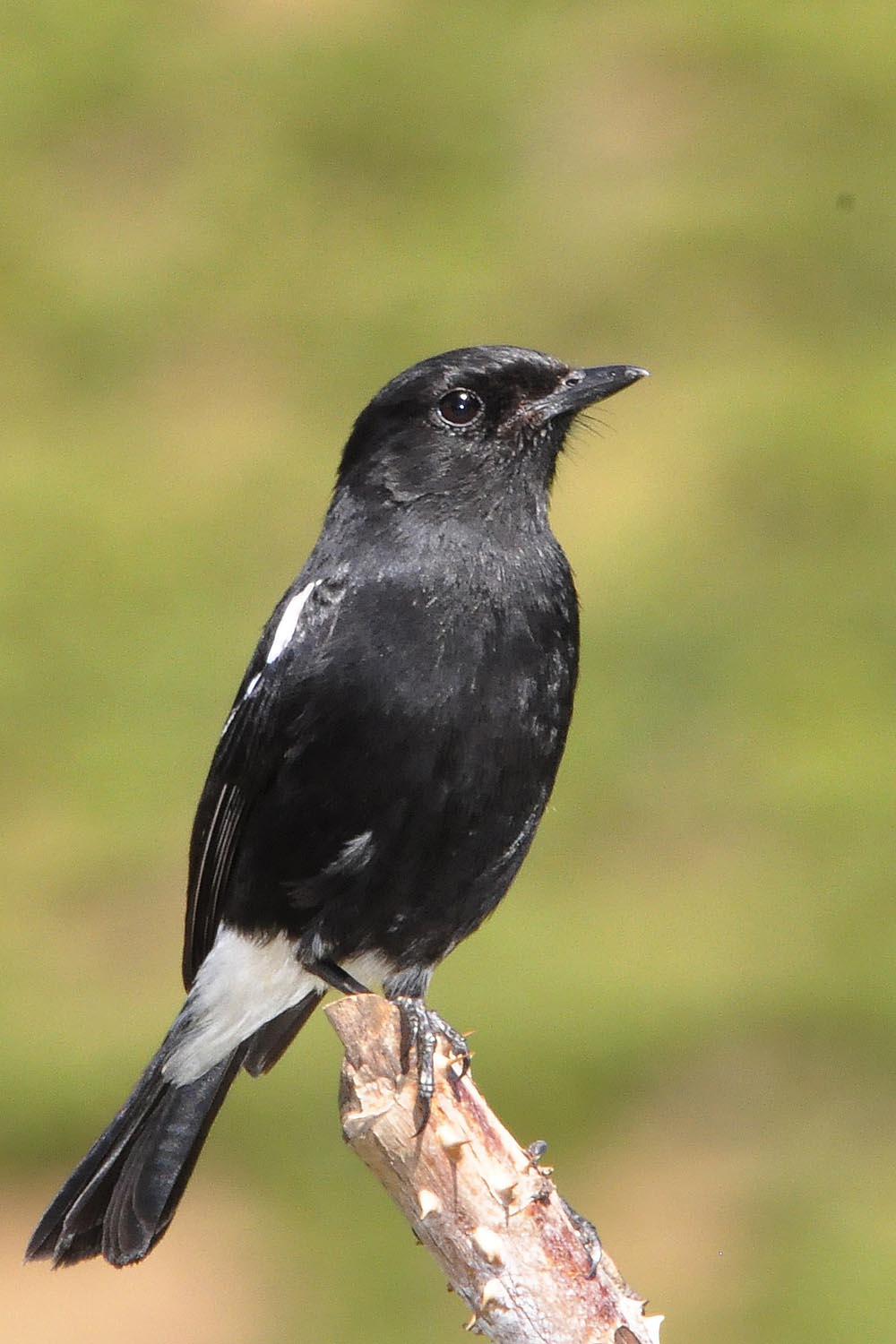
While visiting the state of Karnataka recently, in the Rajiv Gandhi National Park, I saw many birds (as well as countless deer, about a dozen elephants, and a couple mongooses–but these mammals are for another post). Several pieces of Swisher’s art reminded me of some of these birds:
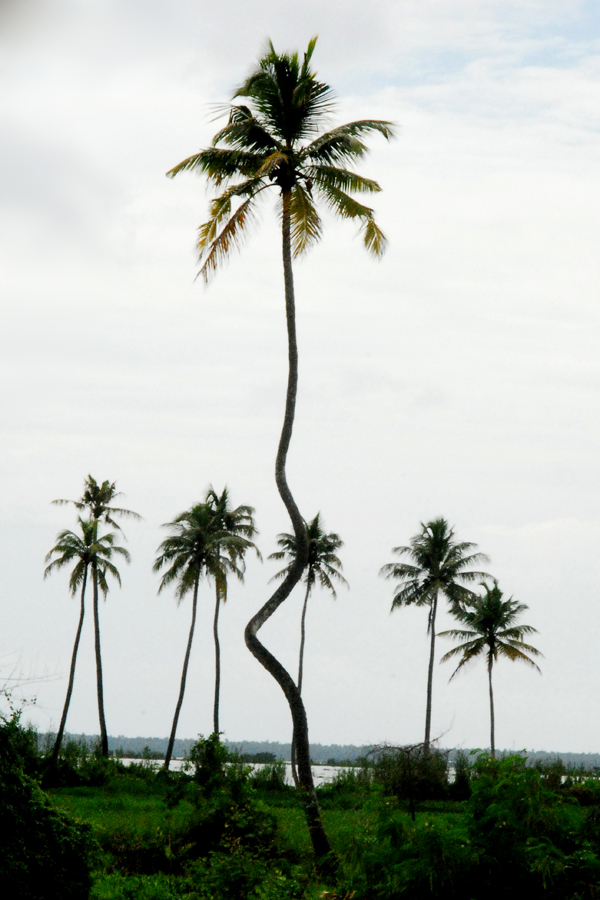
Photo: T J Varghese
Photo taken near Alappuzha, Kerala.
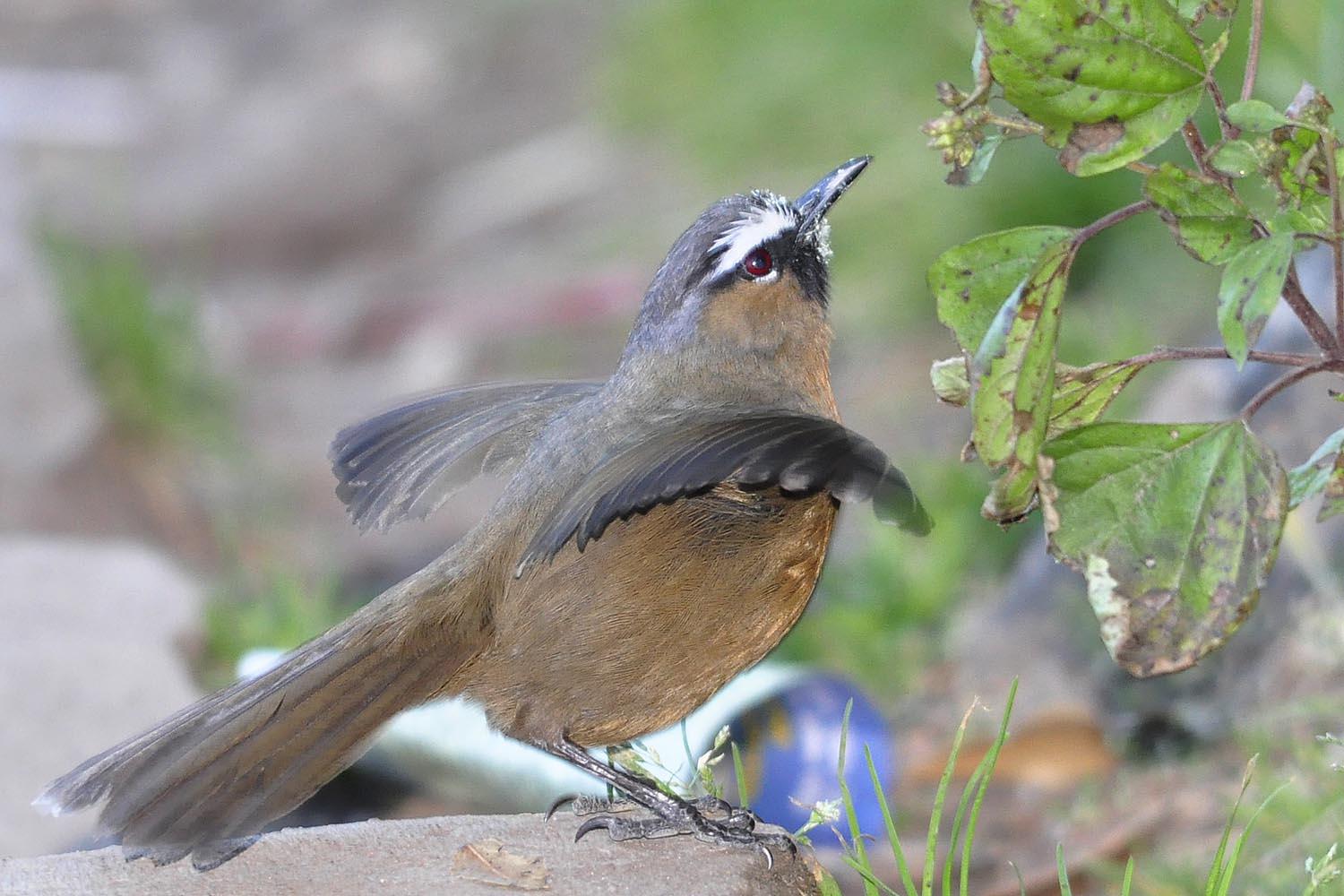
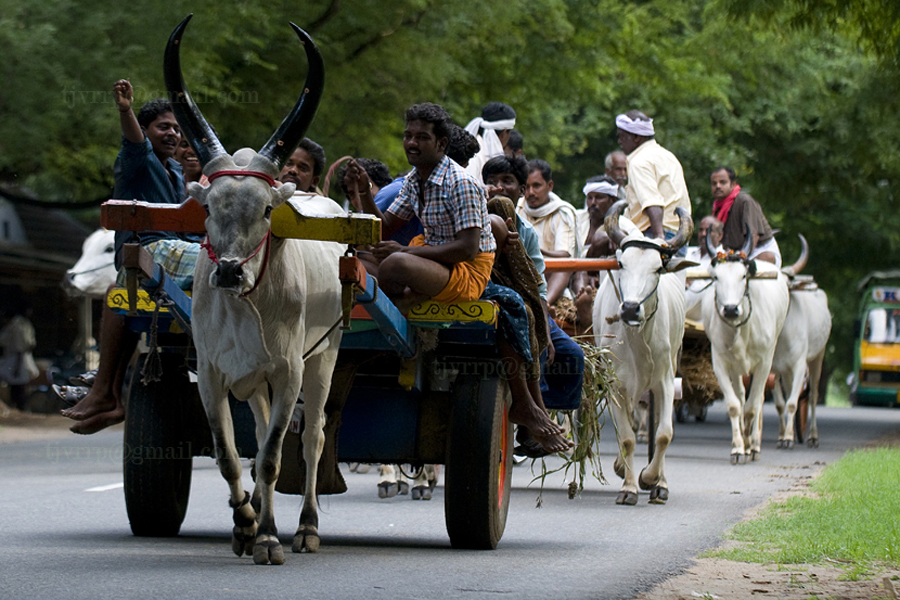
Photo: T J Varghese
Photo taken near Pollachi, Tamil Nadu.

 Organikos