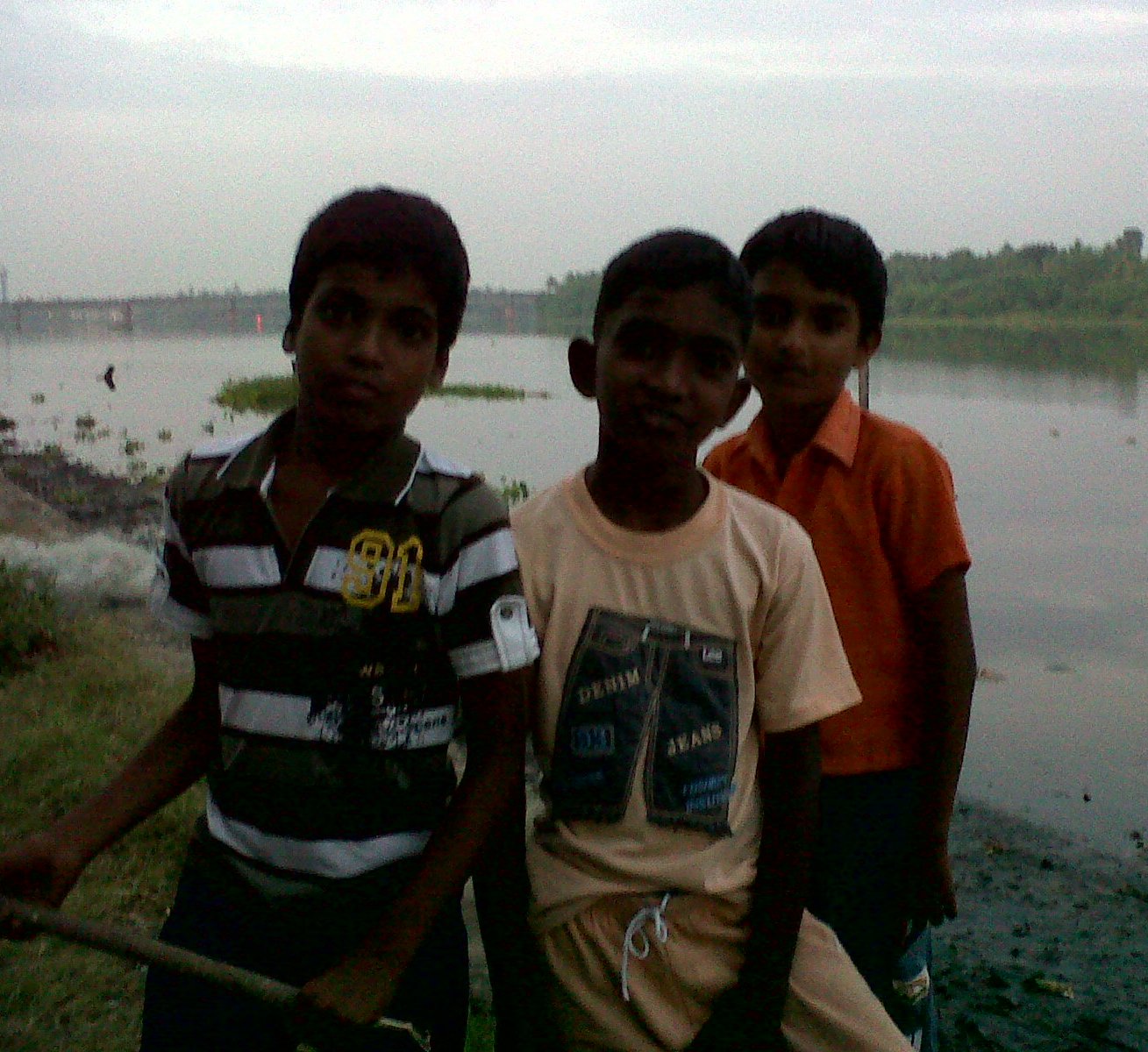
Sometimes they are roaming on bikes, other times sifting through the nets of the neighborhood fishermen at dusk, the boys in our ‘hood are always looking for a portrait. Continue reading
Sometimes they are roaming on bikes, other times sifting through the nets of the neighborhood fishermen at dusk, the boys in our ‘hood are always looking for a portrait. Continue reading
What can be done to reduce hypoxia?

Although reducing fertilizer use is the most cost effective method of ameliorating hypoxia in the Gulf of Mexico, the reductions necessary are too difficult and expensive to implement; the massive agribusiness establishment of wheat, soy, and especially corn is not easily confronted. So conservation and restoration of wetlands, or creation of any other form of buffer zone, is one of the better alternatives.
Buffer zones can filter between 50 and 90 percent of nitrogen and phosphorous from runoff; riparian buffers, filter strips, grassed waterways, and contour grass strips are practices eligible for the Conservation Reserve Program that also prevent nutrient runoff. The Conservation Reserve Program, or CRP, is Continue reading
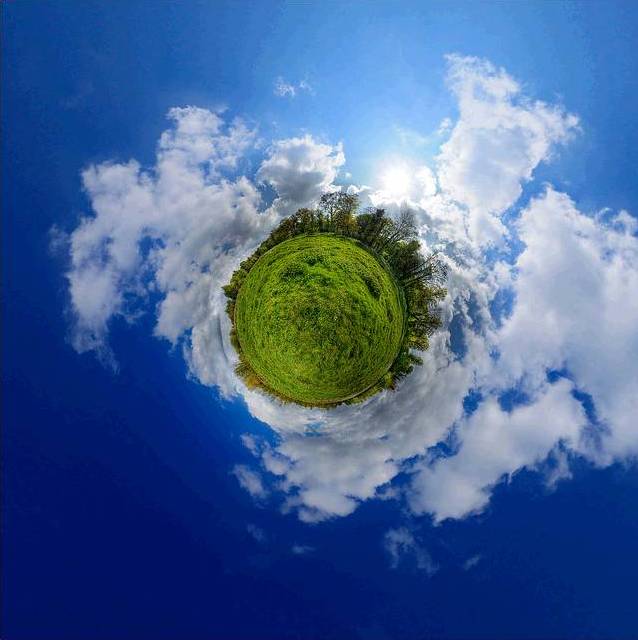
Rob Whitworth, Whitlingham Meadow
O brave new world, That has such people in’t!
William Shakespeare, The Tempest, Act V, scene I
Ok, finally I will start from the beginning.
I study French and Spanish at the University of Edinburgh, and as such, I have to spend my Junior Honours year abroad: one semester in a Spanish-speaking country and one in a French-speaking country. Ever the romantic, I chose Costa Rica, with its rainforests and volcanoes, earthquakes and hurricanes, democracy and peace. There is no Costa Rican army. And they all say ‘Pura Vida’, all the time.

I'd say 'Pura Vida' all the time if I lived here too.

The newspaper, back in its paper days (1908-2008), was always excellent. As a web resource, we are glad it has found firmer footing. And some stories and contributors make its Latin America coverage particularly worth watching. Continue reading
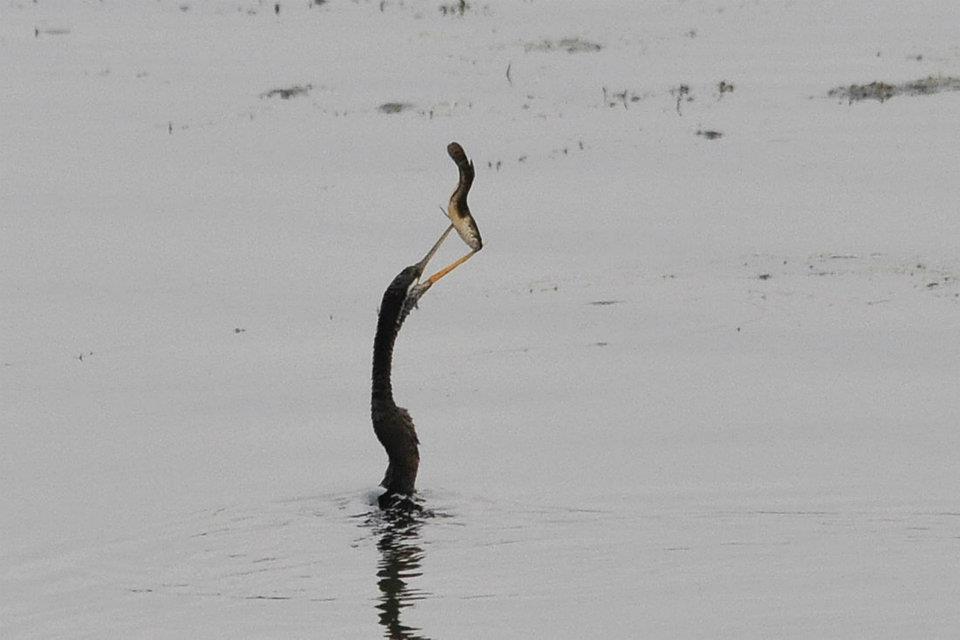
Normally we are watching for them in Thekkady or at the orphanage. But they are elsewhere also. In Munnar, where there are both tea estates and plenty of forest, elephants are always lingering.
You see them everywhere you go in India: buildings crumbling, their bricks and mortar moldering and turning to dust over the decades. Paint peels, debris accumulates, industrious plants creep surreptitiously along the gritty terrain until before you know it, a small forest occupies the ruins where Uncle Kumar’s tea shop once stood. But that’s urban decay. I like to call the process itself urban deterioration – the point at which the elements’ progress is visible, and still reversible, but steadily inching towards, for all intents and purposes, the end of a small bit of civilization.
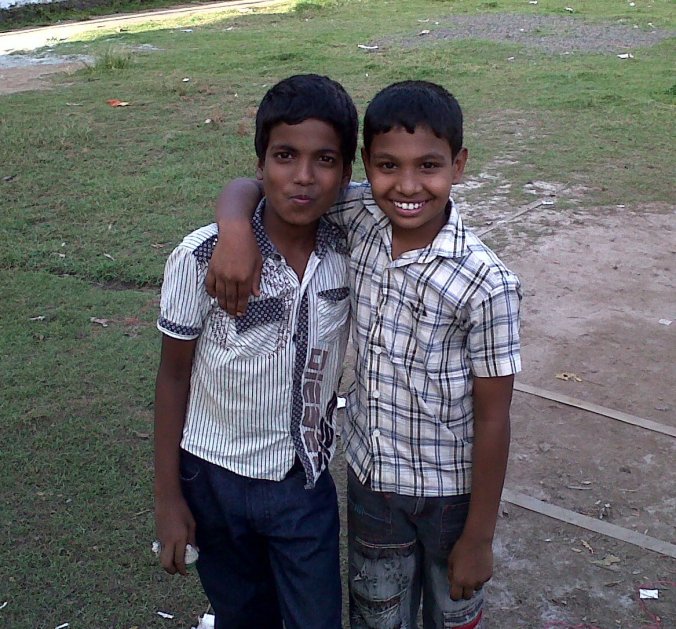
In more than one earlier post, we might have given the impression that every young person in our neighborhood seems to smile all the time. Not necessarily so, though most do. But for certain when they see someone they do not recognize, they will definitely say hello.

It says a lot when a children’s book reaches the “ripe old” age of 50 while still remaining universally popular. The Snowy Day by Ezra Jack Keats is such a one. Winner of the Caldecott Medal for the year’s most distinguished American picture book, the title was ground breaking despite its simplicity. Through the use of colorful, textured illustrations and an unaffected story line, the book “changed the face of children’s books” by featuring a little black boy in a manner neither condescending nor provocative; He was merely a little boy. Continue reading
In my previous post about this species, I gave a very brief description of its physiological features. Urothemis signata is indeed called the Scarlet Basker because of the mature male’s coloration, although the young male and female are quite similar, and therefore difficult to differentiate. The difference (prior to maturity) between the two, as far as I can tell, is that the female’s abdomen has somewhat more extensive black markings, becoming almost ringlike, whereas the male’s markings are more like patches.

Although it is very possible that there were mature males flying about the area in which I photographed this specimen (there were probably 6 or 7 immature ones about), it would be almost impossible to tell because Continue reading
 We are in constant search mode for methods to reduce the use of plastics in India. Plastic water bottles are the big frontier to conquer for resorts–no matter how “green” they may otherwise be–in particular. Travelers are educated from so many sources–guidebooks, travel agents, government advisories, etc.–to demand sealed plastic water bottles (or else not drink from any other source). Continue reading

There are countless number of individuals (myself including) who might easily punch these key words on Google search in the fervent hope of finding a solution to earning a legitimate income. And in return one may find many a solution but none that are particularly practical. There are many of these ads which range from data entry, to doing surveys, making online submissions…the list seems to be endless.
Last Saturday I was fortunate enough to participate in a workshop conducted by Diwia Thomas who is the organizer of PaperTrail – a not-for-profit organisation that makes newspaper bags and paper products from donated newspaper, ensuring a livelihood for women from all backgrounds. Continue reading

During my five day safari, I snapped over 1,600 photos. I became obsessive and treated each sighting like a magazine photo shoot. At every encounter, my right eye was glued behind my camera’s view finder. Nearing the end of my trip, I realized I needed to simply enjoy the view and action, not just capture the scene. But as the safari progressed, I became selfish; not only did I want to see the animals but I also wanted to see them in action. Fortunately, that’s what I got.
In the middle of the day, you don’t really expect to see much predator wildlife since the weather is so hot; Continue reading

New Brighton Pier, in Christchurch New Zealand, is fortunate in many ways. Beautiful beach, wind for kites, friendly people. But most of all, that fellow with the rake and the spring in his step.
And, as far as one can tell from the 10 minutes below (after the jump), that fellow has something to say. As we did with another artist, we extend an invitation. Could someone let Peter know?
Those are three words that have a certain ring together. But as per their tradition of seeking out news with a purpose, we appreciate this story in the Monitor, not least because it has to do with our neighbors to the north. Click the image below to read the story at its source.
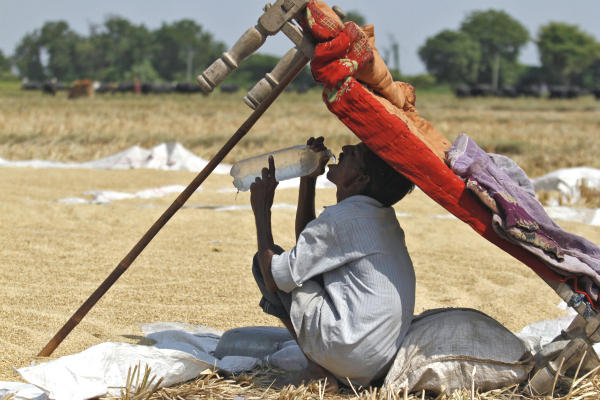
A laborer drinks water while taking a break from spreading paddy crop in a field on the outskirts of the western Indian city of Ahmedabad. In the tiny village of Wankute, water-management practices have eliminated the need to haul water to the village by truck, raised the water table, and widened the variety of crops that can be grown. Amit Dave/Reuters/File
Wankute, a tiny village located high in the Sahyadri mountain range of the Maharashtra state of India, was dry and near-barren in the 1990s. Agriculture was limited to crops that could withstand hot temperatures and little water, such as millet and certain legumes.
For any new resident of India, let alone its own citizens, the question is always interesting.
The following is the text of a speech delivered by Justice Markandey Katju, chairman of the Press Council of India, at Jawaharlal Nehru University on November 14, 2011.
Friends,
I am deeply honoured to be invited to speak before all of you. My time is limited, as I was told I should speak for 30 minutes and after that there will be a question answer session. As my main speech will be restricted to 30 minutes, I may come to the topic of discussion immediately, that is, What is India? …
…The difference between North America and India is that North America is a country of new immigrants, where people came mainly from Europe over the last four to five hundred years, India is a country of old immigrants where people have been coming in for 10 thousand years or so.

 Organikos