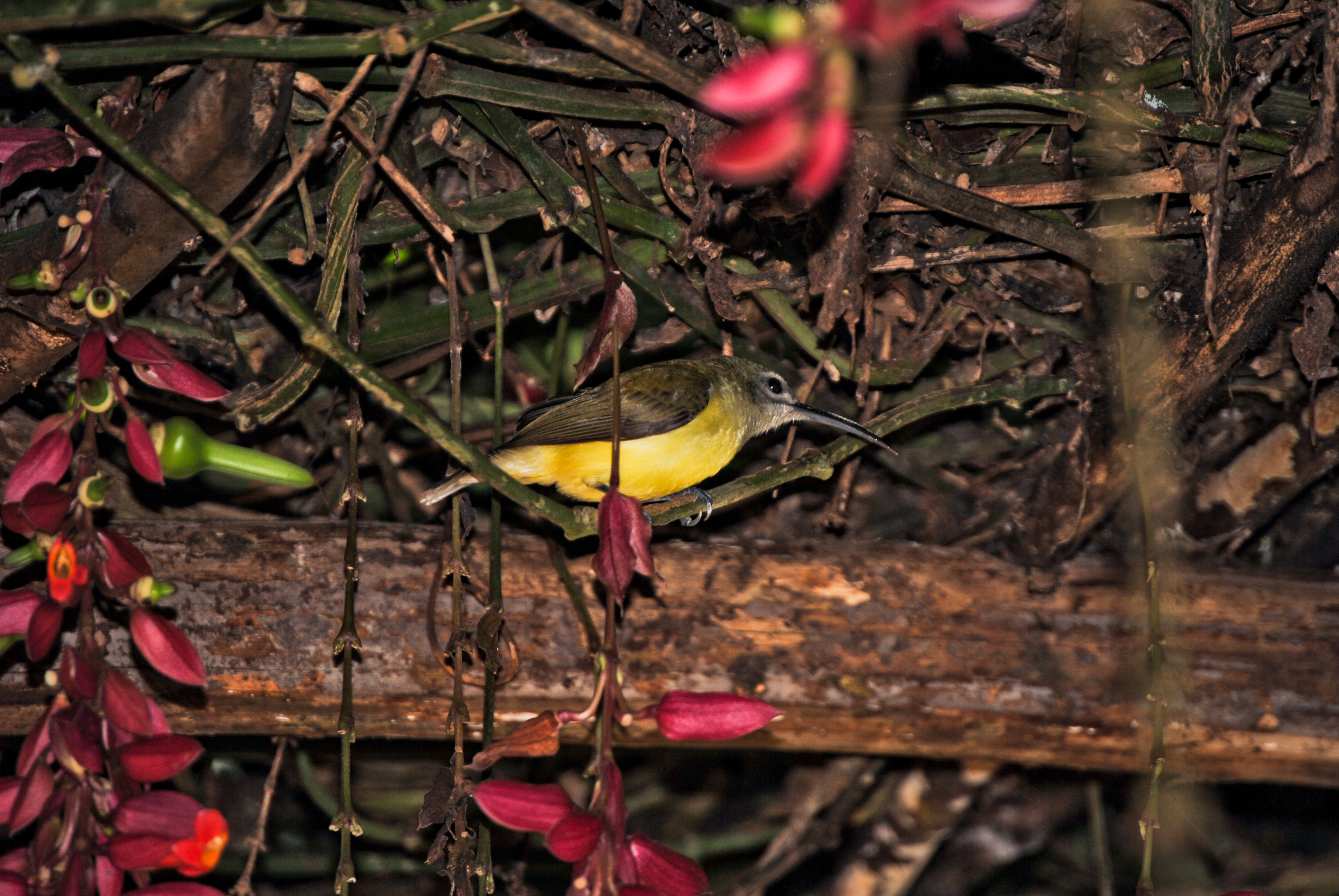
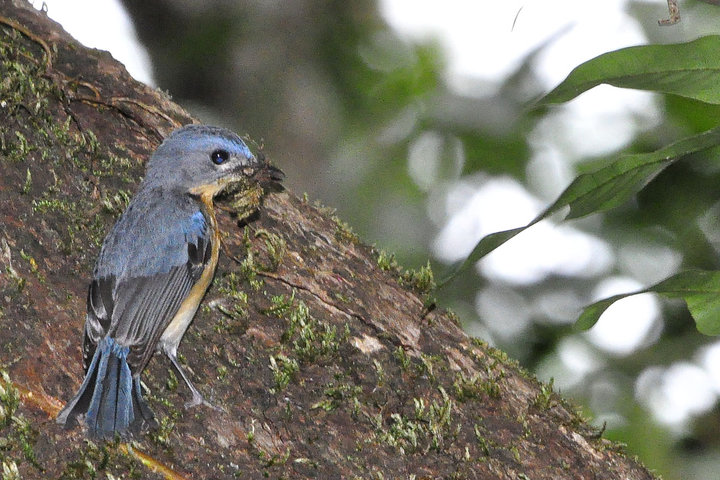
Juvenile – Gavi, Kerala
Juvenile – Gavi, Kerala
The Periyar Tiger Reserve is famous for its elephant population. According to the 2010 Forest Department census, there are about 1279 wild elephants in the reserve. The world population of Asian elephants (Elephas maximus) is estimated to be around 60,000, about a tenth of the number of African elephants.

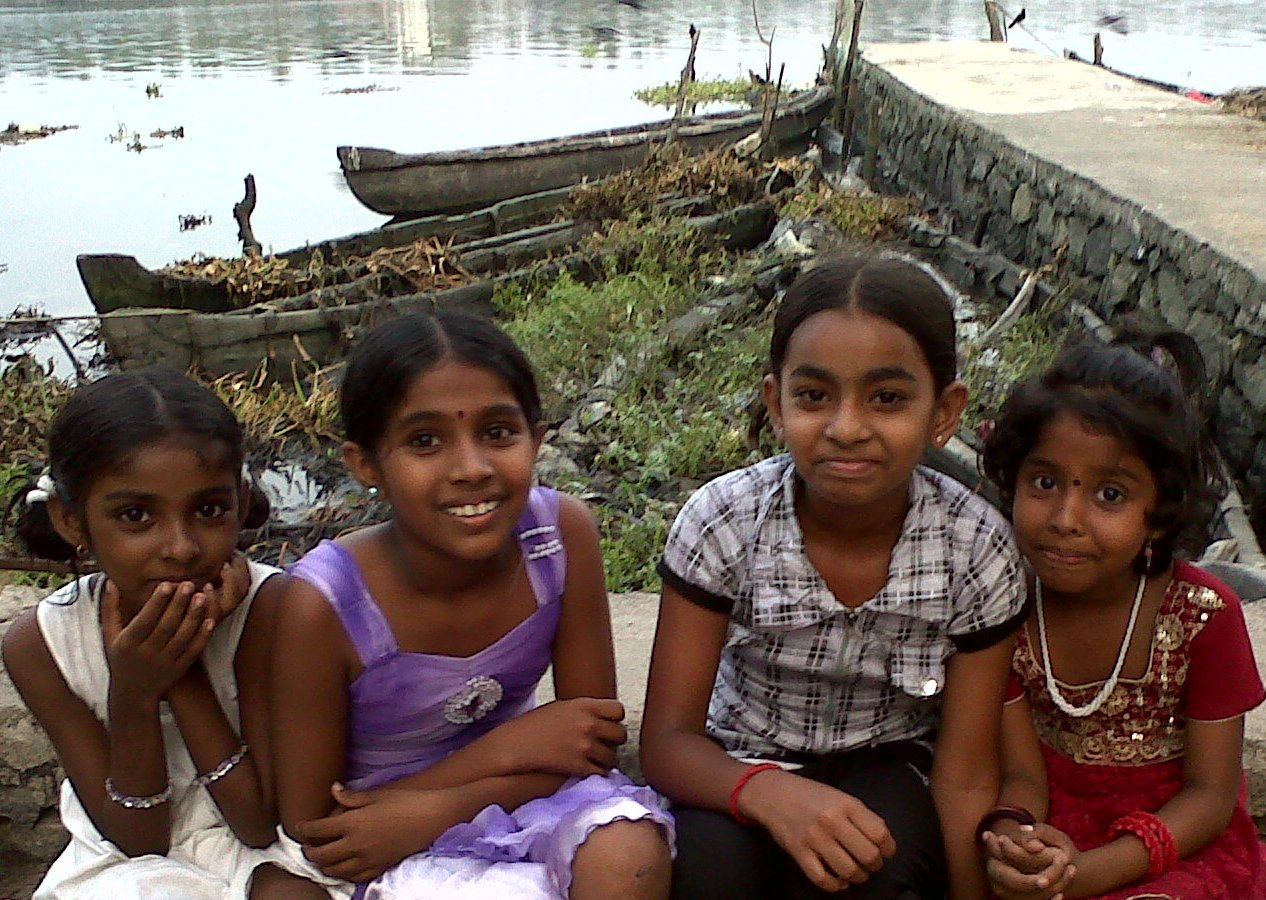
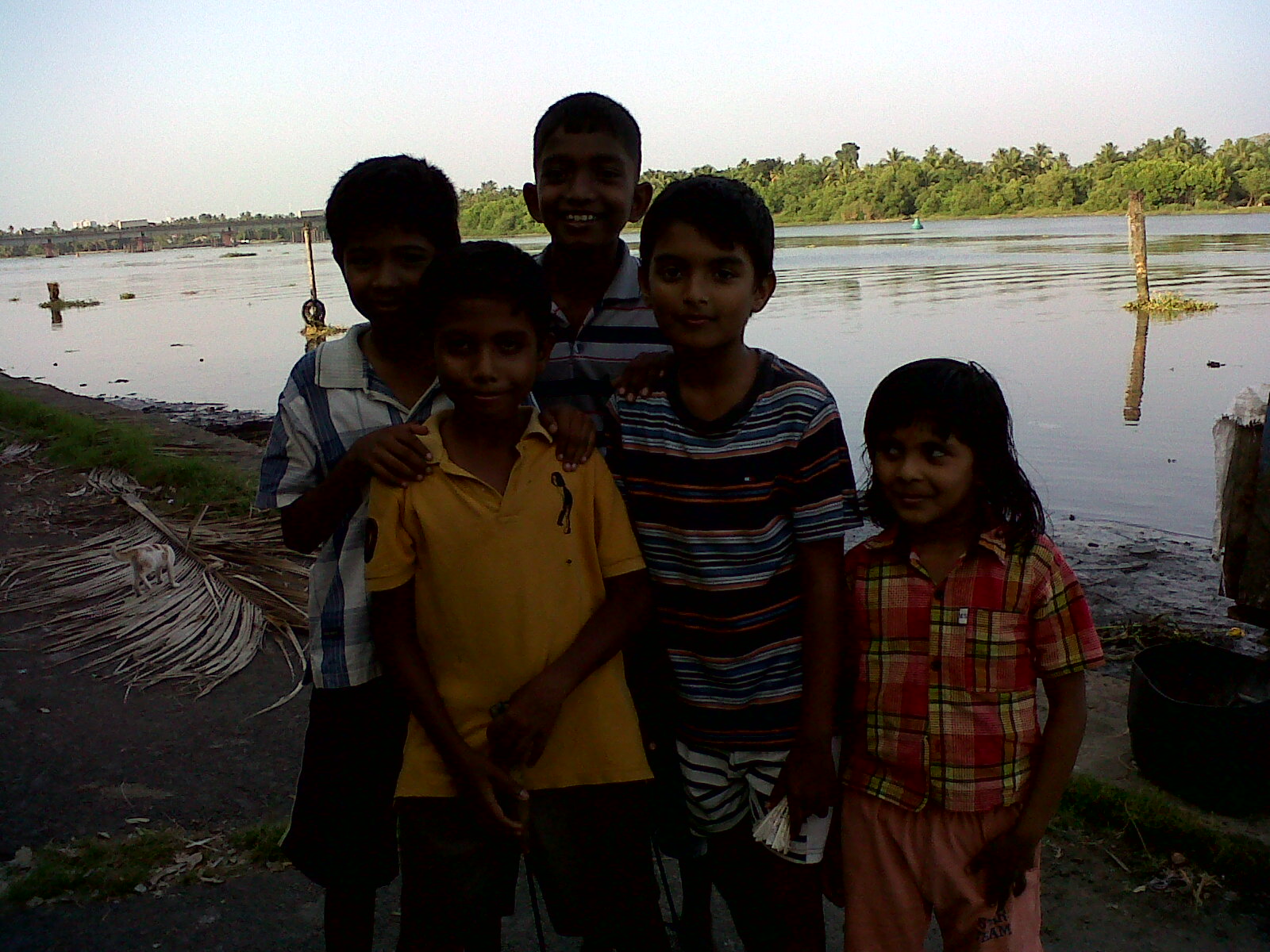
These youngsters are often to be found on a warm afternoon sitting in this exact spot, discussing something important in Malayalam; but ever polite, when a passerby of foreign appearance says hello, they break into English. Continue reading
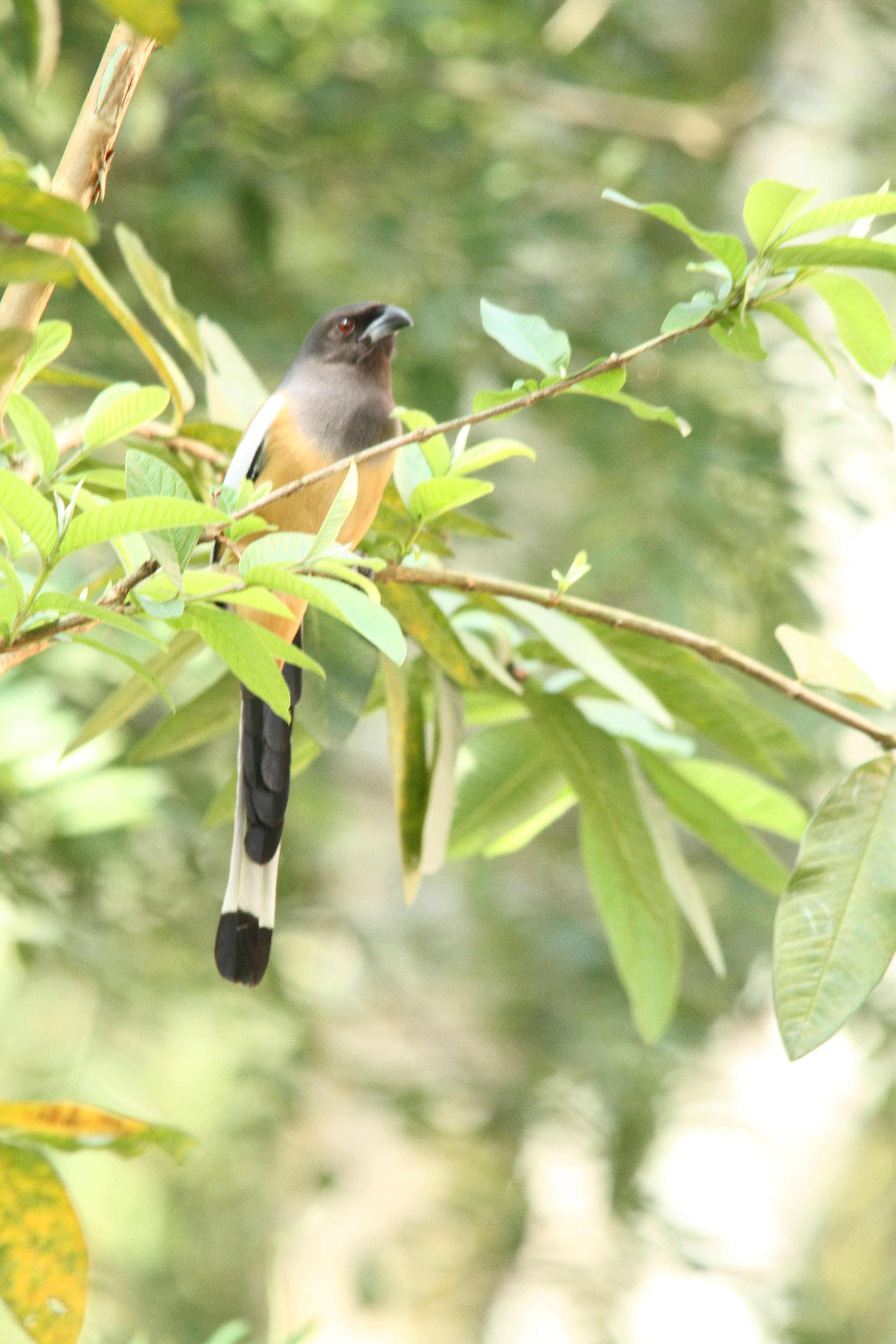
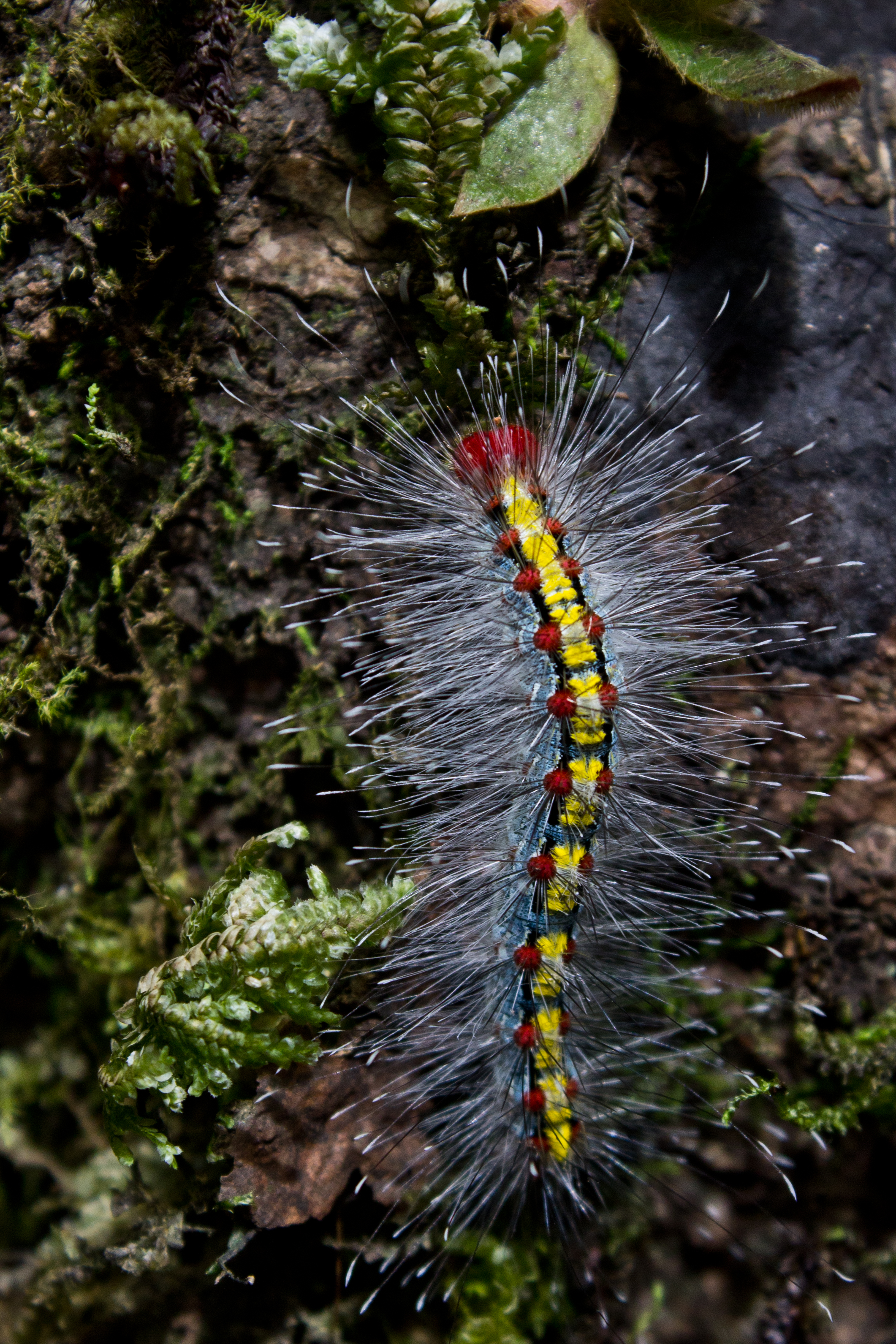
One of my uncles was visiting Kerala for a few days, and we did what we always do with VIP visitors: trekking together in the Periyar Reserve. 48 hours ago we were in the Gavi sector, and as always my attention was drawn as much to the charismatic micro-fauna as to their mega- counterparts. In all the places where my family has lived and worked–North, Central and South America, Western and Eastern Europe, and now India–we have always been most impressed by interpretive naturalist guides that can make insects as interesting as primates, pachyderms or felines.
It is not easy, but it is possible. So I am focusing alot of attention lately on small creatures like the one in the photograph above, hoping to unlock visually what these great guides do with words crafted into stories. Continue reading

In our neighborhood, 8am on a weekday implies children of all ages preparing for a walk or ride to school Continue reading
Part 1: George Perkins Marsh
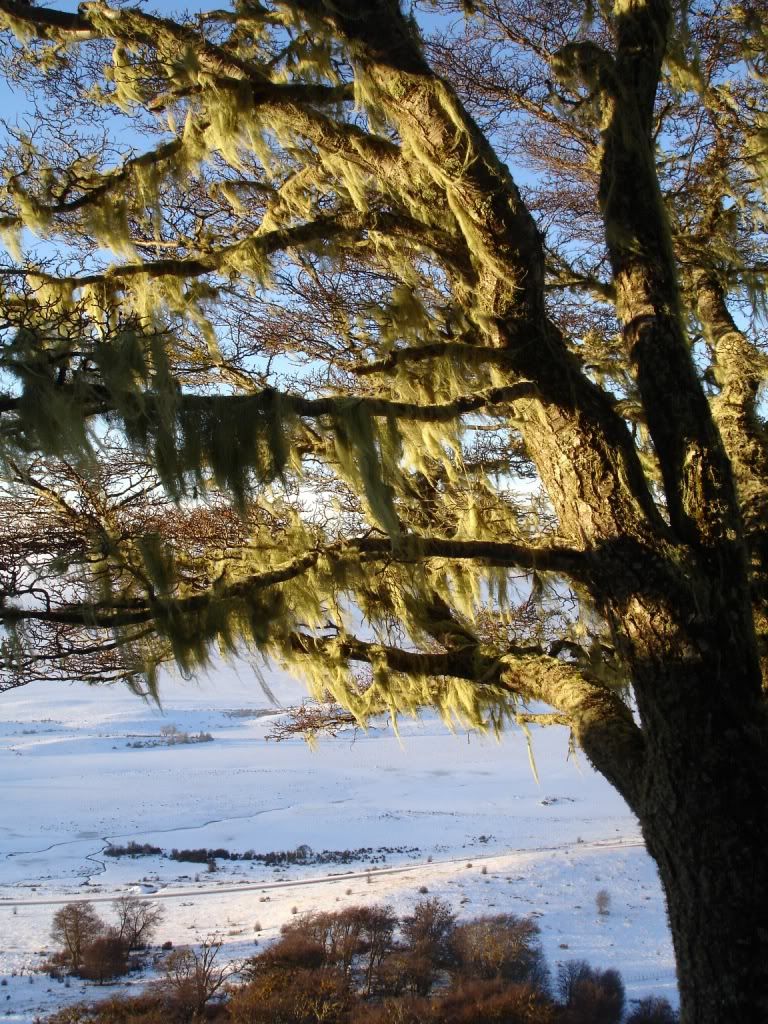 In 1973, the Norwegian scholar and philosopher Arne Naess published the article “The Shallow and the Deep, Long-Range Ecology Movement. A Summary” in Inquiry, an interdisciplinary journal he established to promote discourse in the social sciences and humanities. This brief article contained the base for what Naess termed the ‘deep ecology’ philosophy, which has since grown into a powerful—albeit fringe—branch of environmentalism with influence around the world. The radical ideology that Naess sparked has an especially large following in the United States, where several environmental groups have been inspired by the proposed ‘ecosophy,’ or philosophy of ecological equilibrium surpassing shallow goals.
The relative popularity of deep ecology may have a foundation in United States environmental literature, where the writings of George Perkins Marsh and Aldo Leopold, among others, have distinct similarities to Naess’ claims and proposals.
What, exactly, was ‘deep ecology’ when Naess first wrote of it? In his original seven-point survey, he described it as a belief in ecologically responsible practices that include such varied principles as complexity, diversity, and egalitarianism; a normative priority system—a life-style—that supports an ethical and humble view toward the environment. Continue reading
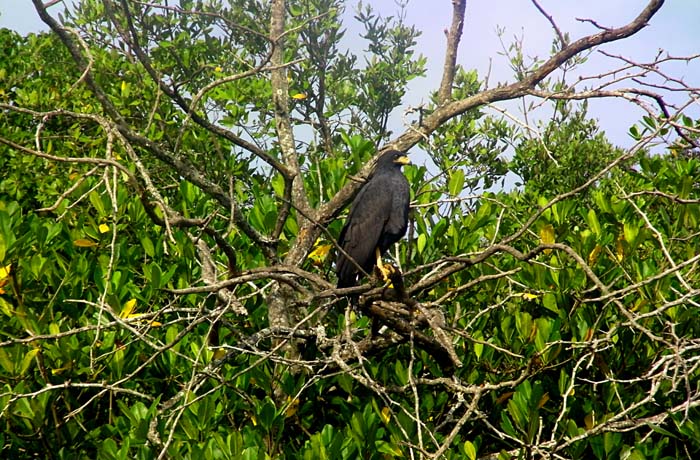
Playa Ocotal, Nicaragua
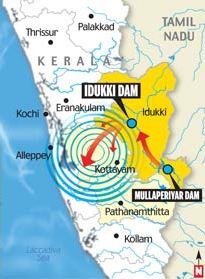 In the lovely monsoon season, one of our Contributors wrote about crossing the border from Kerala into Tamil Nadu. The writing took the man from mars perspective: a South Korean observing two distinctly different cultures and landscapes within southern India, writing with a sense of wonder and backed up by great photographs.
Lately things are different. Sung would not be able to make that same journey. The politics of water–actually the politics of politics superimposed on the politics of water, or vice versa–seem to be the problem. Another of our Contributors, writing seven weeks prior to Sung about the same cross-border excursion, hinted at the problem seen today, with martian prescience. Continue reading
We have made references to this word and its relatives on several occasions but as yet failed to formalize it. According to the OED it is defined as:
1. Unselfishly concerned for or devoted to the welfare of others.
And, a bit of a surprise:
2.Animal Behavior. Of or pertaining to behavior by an animal that may be to its disadvantage but that benefits others of its kind, often its close relatives.
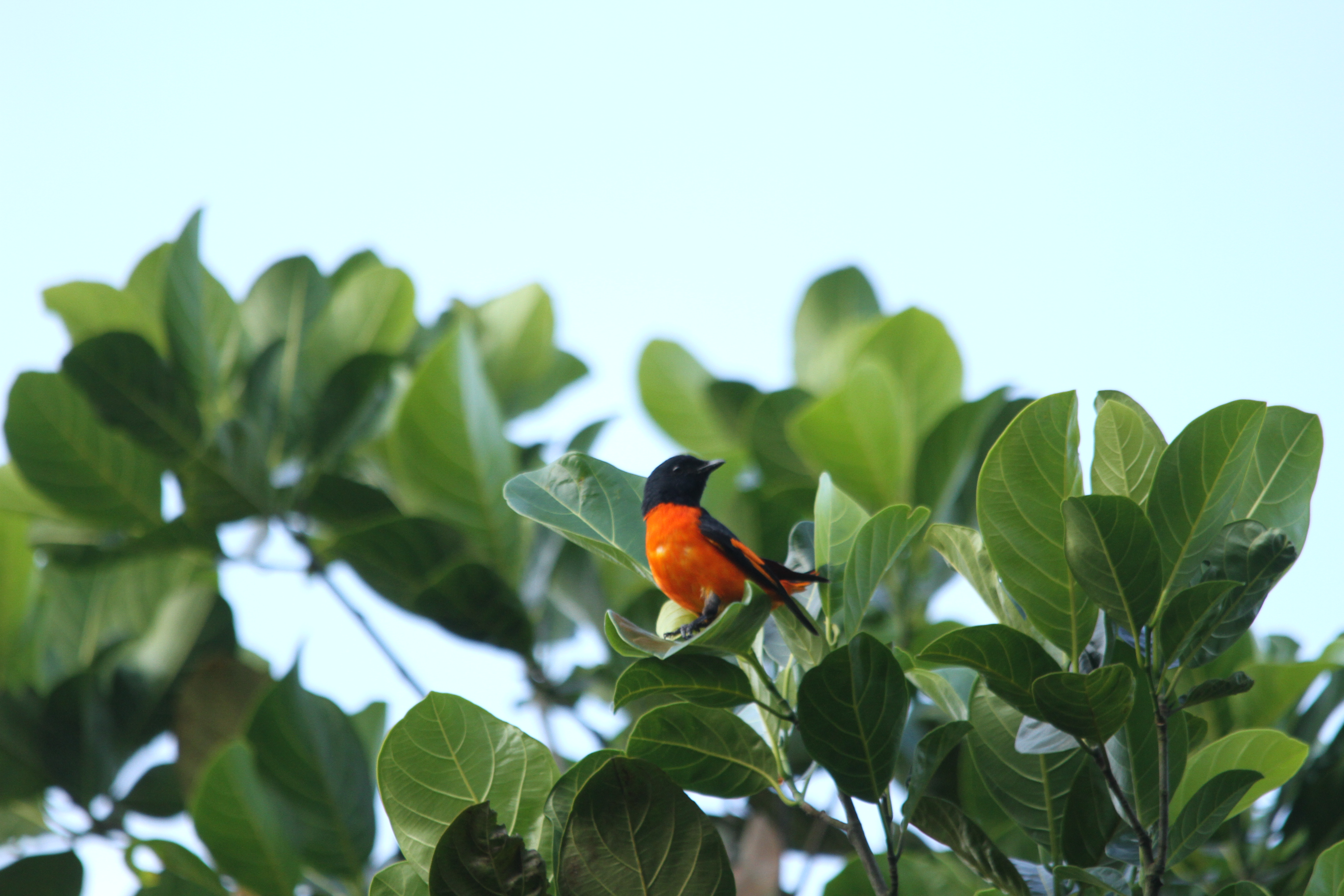
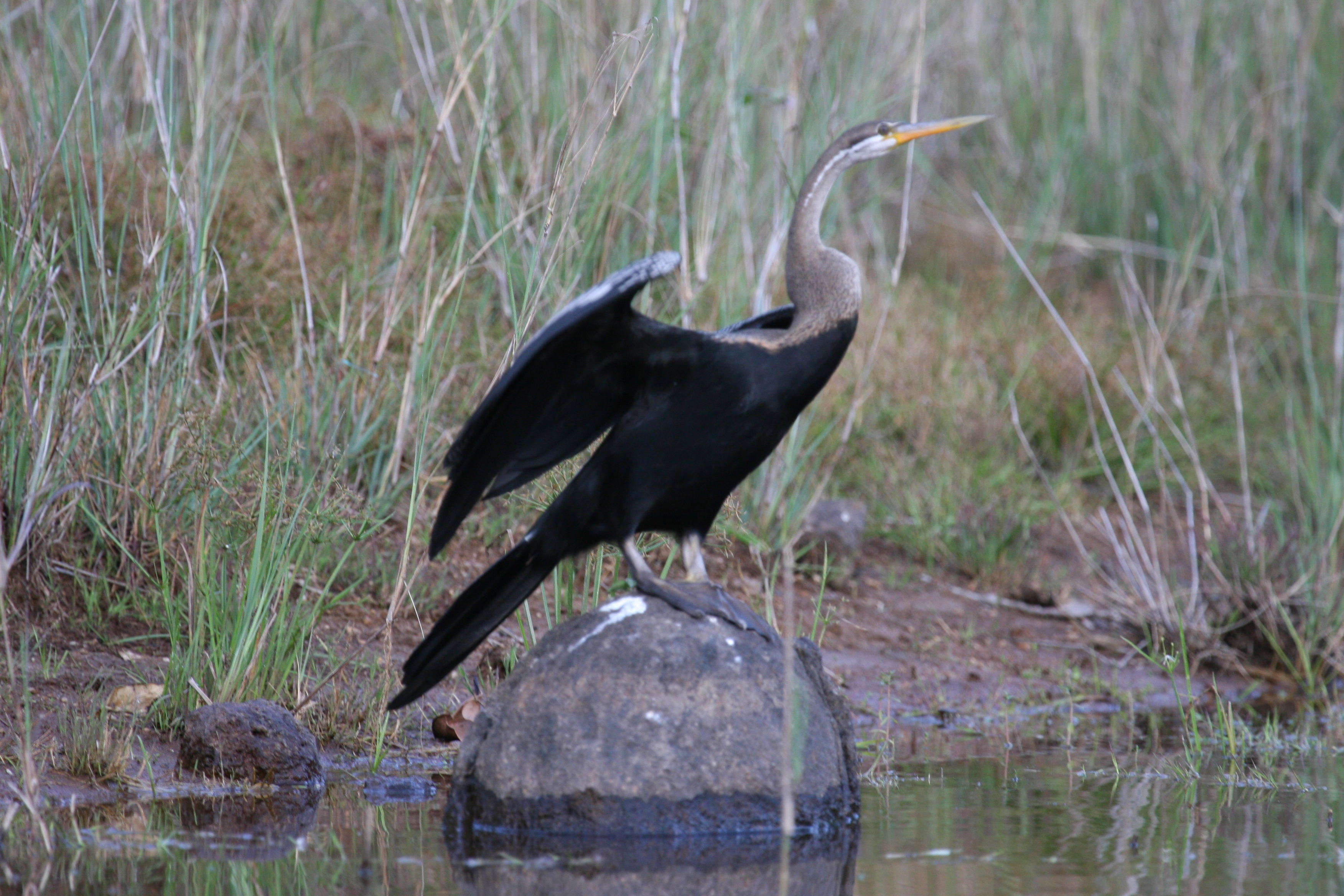
This photo was taken by one of our guests at Gavi, the western section of Periyar Tiger Reserve.
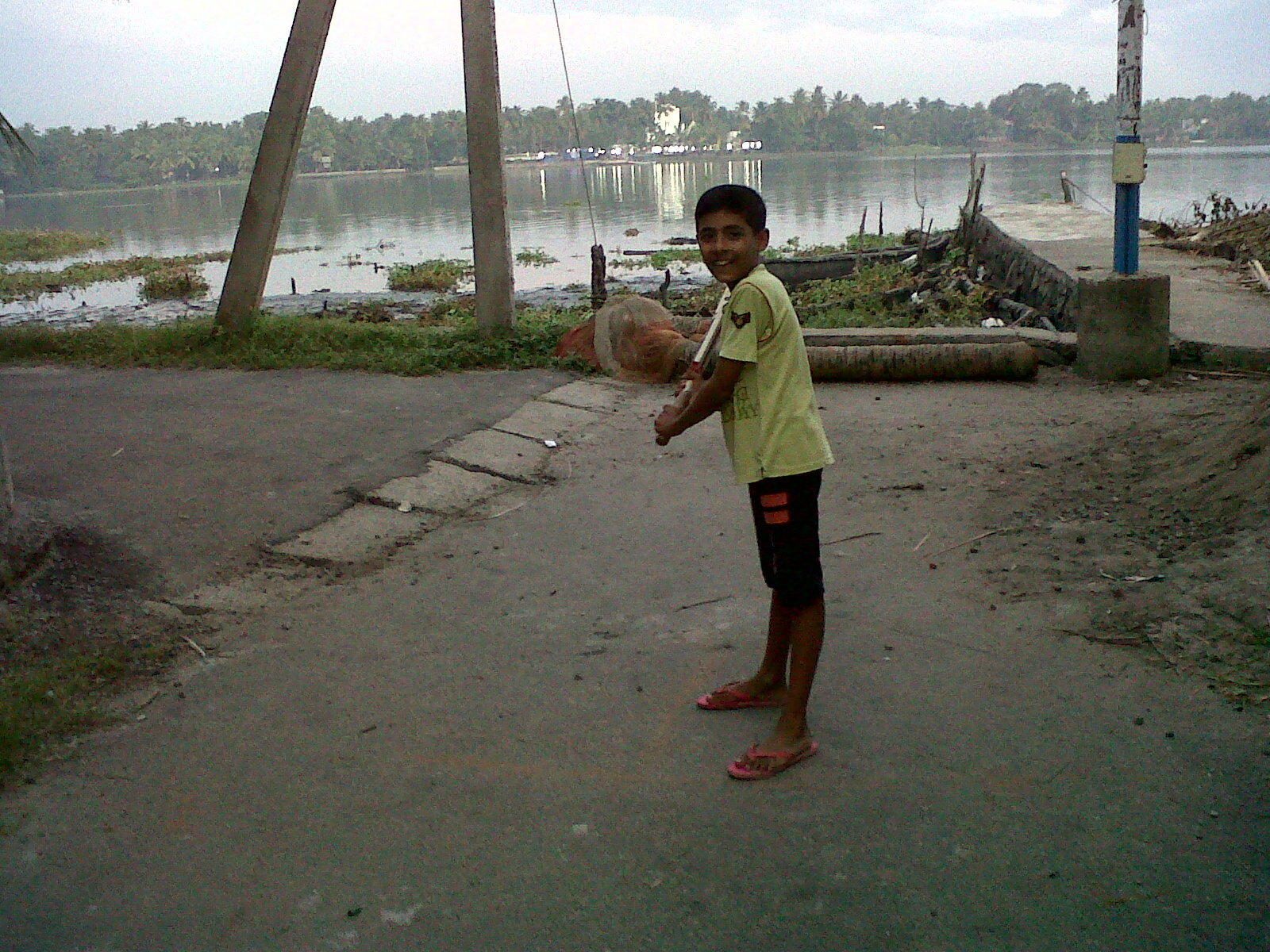
The stance is familiar to anyone of North American, Cuban, Central American or Venezuelan heritage. But it is not what it first might seem to anyone from those places. An anglophile, indophile, or carribophile will immediately recognize the bat our neighborhood friend is gripping. On any given day, on any given street in the country that currently holds the trophy as world champions in cricket, you are likely to see something like this. Continue reading
Something must be in the air with boxes, because we keep noticing them in stop motion. For anyone who stares down a blank page from time to time, this one is a winner. Continue reading
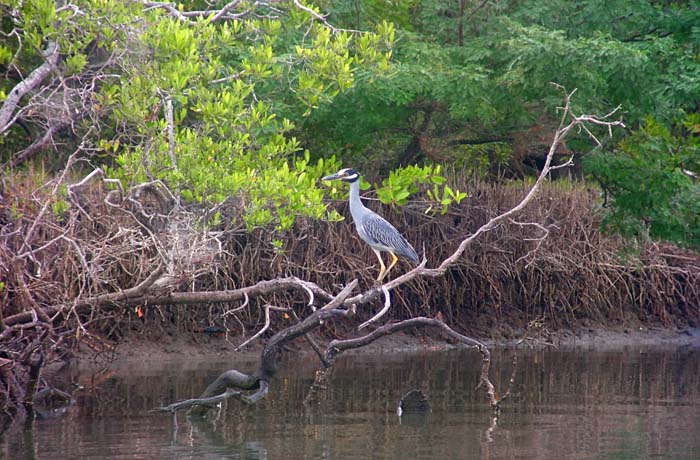
Playa Ocotal, Nicaragua
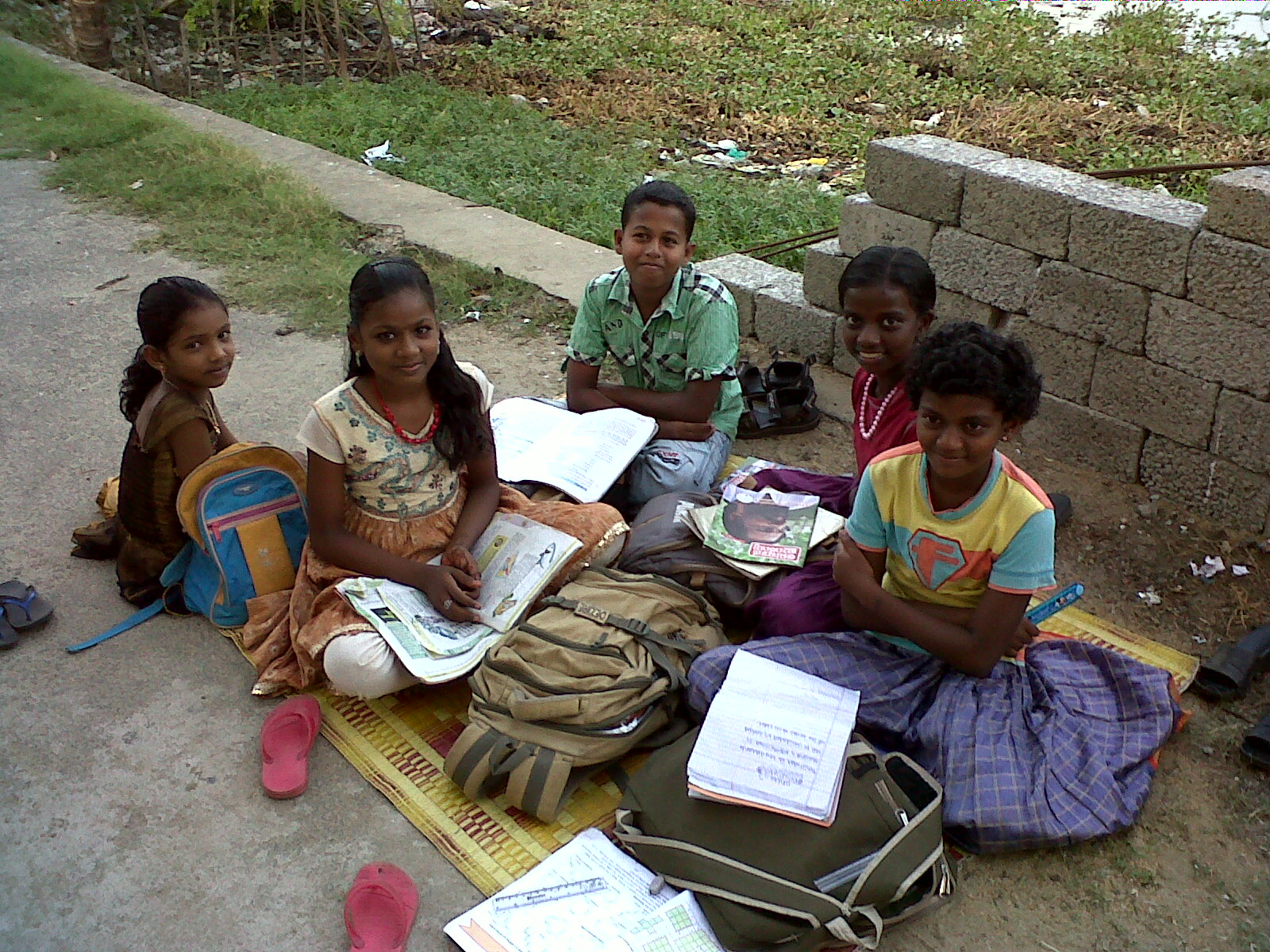
Those not roaming or sifting, waiting for school or playing cricket, are often sitting right here in the late afternoon. Their instructor is nearby, always happy to have a passerby speak English to her tutorial group. And they are always eager to showcase their favorite phrases. Continue reading


 Organikos