The animals in the previous post from the Galapagos, and the one before that, are both fond of the outer skin of young cacti. Young, in this case, means plants that are several months to several years old. In one of the photos above (with an iguana visible) you can see the youthful protective skin of the cactus, full of spines on the trunk. As a cactus matures, it develops a bark-like skin. Continue reading
Blazing Trails

When the Estonian city of Tallinn was named the 2011 European Capital of Culture organizers immediately started planning a festival to highlight the fact that the city has much more to offer than the picture postcard views. The LIFT11 Urban Installations Festival is intended to showcase the city’s innovative use of public space from 12 June to 22 October 2011.
The temporary urban installations range from objects of art and architecture, to land art installations set up in and around the city space. The pieces are meant to be interactive, asking visitors to use their senses in how they perceive them, including their sense of humor. Continue reading
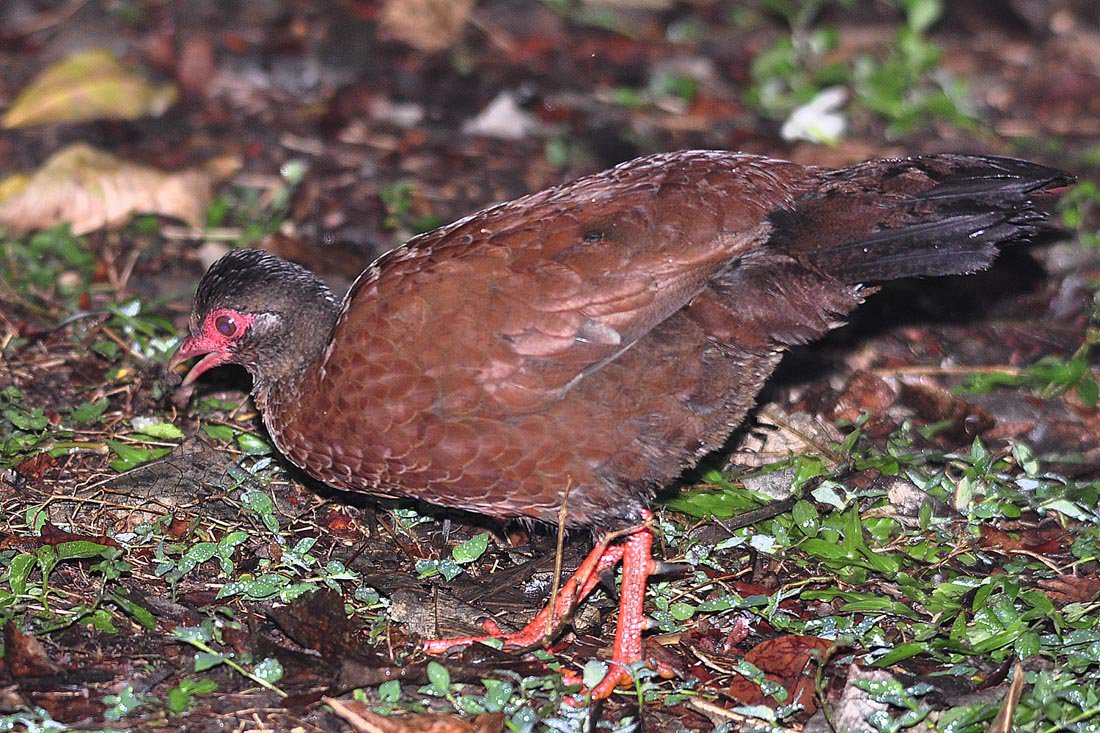
Bird of the Day: Red Spur-Fowl, Male (Thekkady, India)
Iguana Charisma
The lovely finch tells a story, aesthetic and scientific, that most of us accept as the gospel truth, about adaptation and evolution. A good interpretive guide can help the average lay person understand the story. Charles Darwin penciled out some of the first notes that guides use to explain why finches vary in color, beak size, behaviors, etc. and plenty of very smart people have contributed to the evolution of those explanations. So we continue to learn.
A visit to the Galapagos Islands should include attention to the finch, considering the role they played in the ability we now have to understand some of the mysteries of the natural world. Continue reading
Continue Here
Darker Shade Of Green

Summer '11 by Elle Grace Miller
As people around the world attempt to work their economies out of doldrums (or whatever you call this moment in history), those who can are reconsidering how they distribute their budgets. Some who previously didn’t use cost as the deciding factor in their purchases, whether for food, household products like toilet paper or cleaners, or big ticket items like cars or construction materials, etc. are now beginning to think twice about their choices. This holds true for items carrying labels such as organic, green, eco-friendly, shade grown, etc…the bigger the budget bite, the more likely the convictions that drive these decisions are put to the test. Continue reading
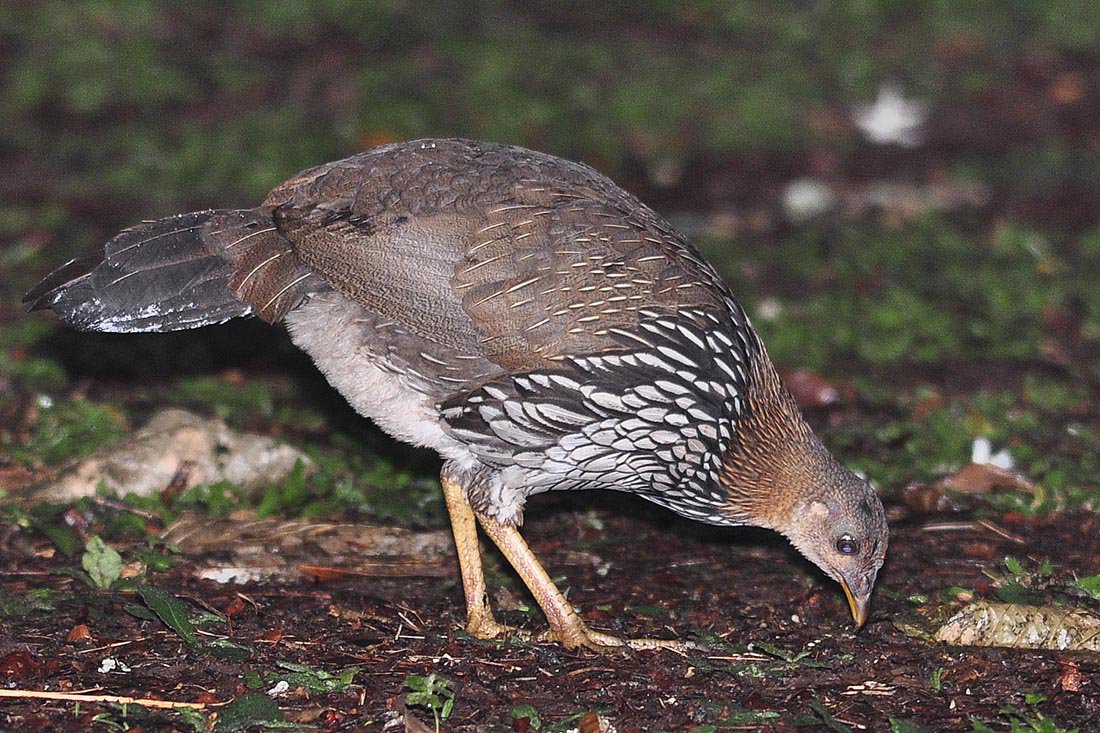
Bird of the Day: Grey Indian Jungle Fowl, Female (Thekkady, India)
The Drunken Bumblebee
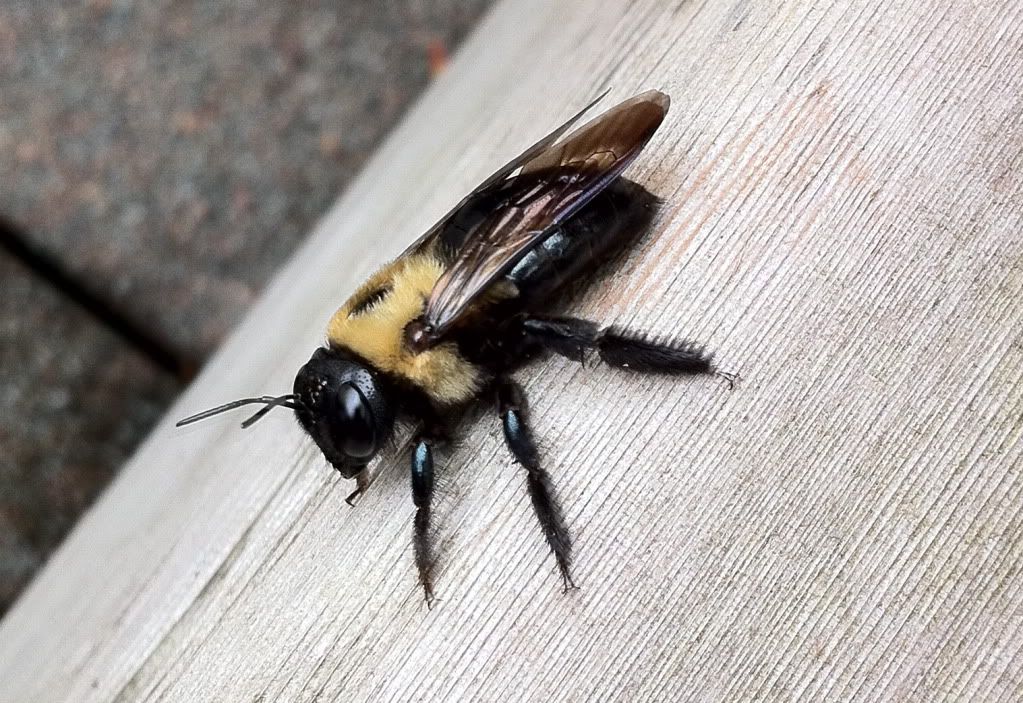
A snapshot of the inebriated bee. Click for higher resolution!
No, it’s not a new mixed drink.
I was sitting on a bench a few days ago when I noticed something interesting Continue reading
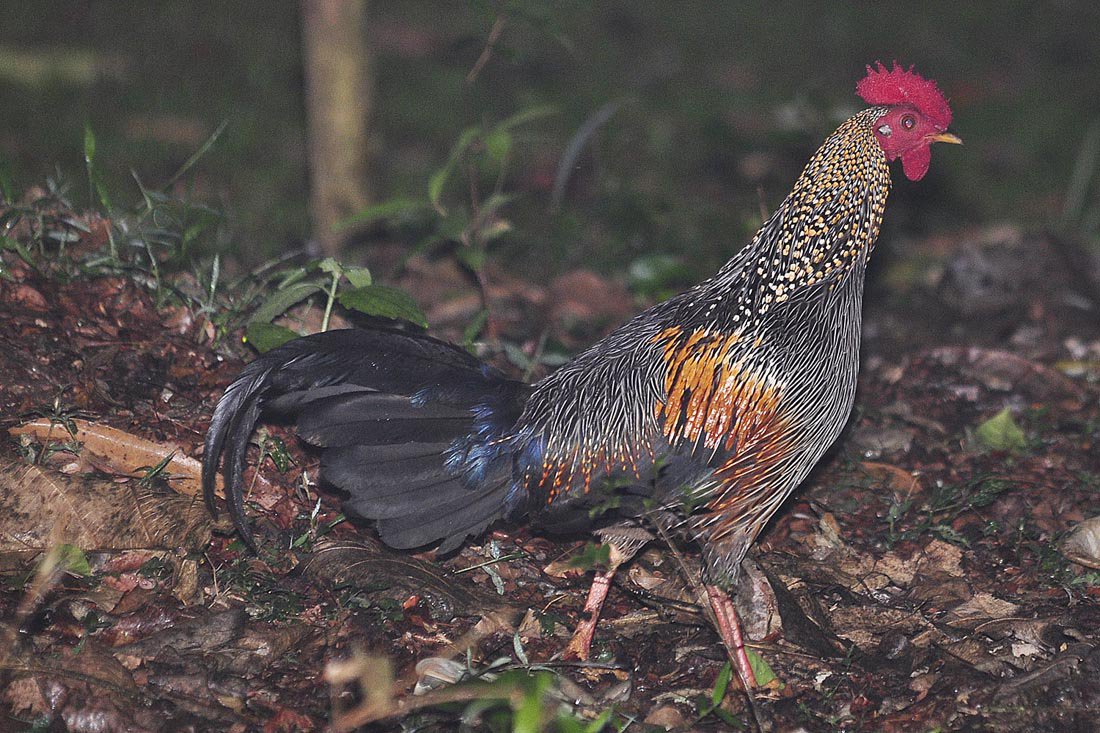
Bird of the Day: Grey Indian Jungle Fowl, Male (Thekkady, India)
Maize
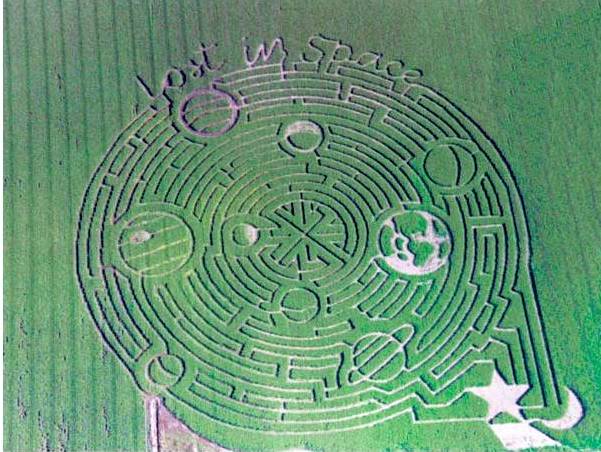
Despite the lush color in the photograph above, most corn mazes designed by Brett Herbst are enjoyed by people this time of year, when the pumpkins are filling their patches and the apples are filling their trees. During this season the mazes coincide well with hay rides and cider pressing, quintessential fall activities.
Mr. Herbst and his team have designed 1,800 mazes in the past 15 years, from custom made “Your Name Here” styles to the image above that almost feels inspired by the Nazca Lines.
Many of the mazes have bridges and signposts with clues to assist visitors to find the correct paths, versus the twists and turns that lead to either dead ends or back where you came from.
Wouldn’t it be great if life was like that?
Good Vibrations
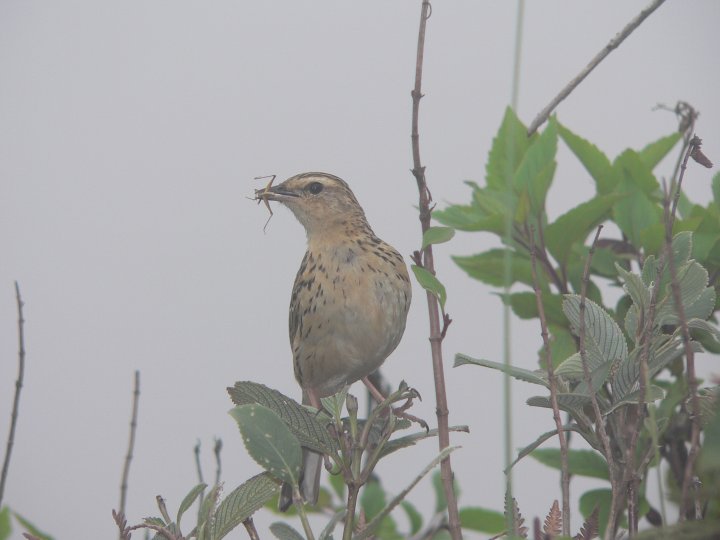
Bird of the Day: Nilgiri Pipit (Paranthupaara, India)
A Reassuring Fable
Eight Year Echo Of Hope
When I described, a couple weeks ago, the echo of hope emanating from the Gulf of California it is fair to say I was pleasantly surprised. That may be putting it too mildly, especially in hindsight now that I have seen a major new entrepreneurial initiative come to life there. I will be writing more about that in the coming days.
But for now, I am in the Galapagos Islands and another echo is resonating. In this case, for me, the echo is an eight year feedback. As mentioned in this earlier post I had worked here on and off over several years, and the last time I was here there were some challenges that seemed intractable. Today, upon arrival and for the remainder of the day, I had the opposite feeling of the last time I was here. The photos below show the first thing I did with Reyna and Roberto after leaving the airport. In the first photo you can see, as I did, just a simple conversation between them and one of the workers; then slowly a parade of otherworldly creatures crept into the photos…
Rotam fortunae non timeo!

Rotam fortunae non timeo -- "I do not fear the wheel of fortune!"
“Mortal men travel by different paths, though all are striving to reach one and the same goal… happiness,”[1] or so says Boethius, the great Roman philosopher. I think we can all agree that, no matter what we want to do or how we choose to do it, our ultimate goal is happiness. It is “the good which once obtained leaves nothing more to be desired.”[2] It doesn’t necessarily take a philosopher to realize this, though; approach any random person and he or she will probably confirm that a happy life, is, of necessity, a good one.
But what is happiness? We say we are “happy” when we get an A on a test, win an important sports game, or finish a grueling paper—but what do we mean by it? The joy from these moments, however real at the time, begins to appear ephemeral in retrospect. Think back to the 6th or 7th grade: do you still glow with warmth when you remember getting a 93 on an Earth Sciences test (if you remember at all!)? Continue reading
Olives In October
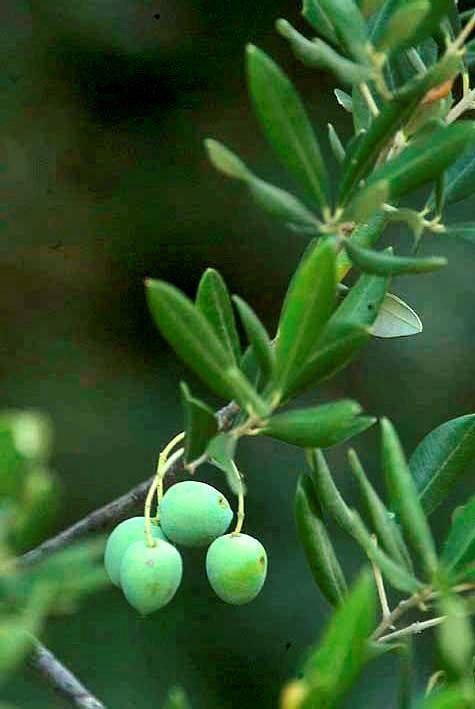 October is the month for harvesting olives in Croatia. I thought about this recently when cooking in my Kerala kitchen as I opened a jar of imported olives, knowing in advance that they would never hold a candle to the quality of artisanal food. When we lived in Paris one could buy olives by the kilo at the marché, with numerous varieties to choose from. But here in southern India I have to settle for rather industrial Spanish imports at the table and memories of unparalleled flavor in my mind.
In reality, there are two harvests—one for olives that will be cured, and one for olives that will be pressed for oil. On smaller islands the frenzy of activity is much more evident for the latter—perhaps because fewer people cure olives anymore. The island people found me to be quite the curiosity. Here I was, a newcomer, trying to do all the traditional things that most young people were attempting to abandon.
There was no commercial production or agriculture on Koločep, one of smaller of the 5 Elafiti Islands, that sit like an extended constellation from the city of Dubrovnik. All gardens and orchards are for personal use, but there are people who certainly had large amounts of land in one sort of production or another. Our very overgrown home garden was a small example—there were figs, pomegranates, mandarinas, plums, carobs and of course, olives—none of which have been pruned for what looked like decades. Continue reading
Bird of the Day: Indian Cliff Swallow (Ranganthittu, India)

Occupy Language!
 The collection of thoughts, links, images, etc here is meant to bring attention to ideas and actions for a challenged and challenging world. Written and spoken language, to say the least, have been important tools to this end for some time. The language we use on this site, by default, is a function of those of us who banded together on a given day at a given time to do this jig. Other languages, the cultural patrimony sometimes referred to as intangible, are hopefully strengthened, rather than weakened by this effort.
This fellow makes some very important points about the English language. We have not read his book, but from his excerpted thoughts there is good cause to read more reviews and add it to the maybe list. Meanwhile, we make our cultural case (another reason, beyond skiiing, to put Kashmir on your map?) to keep languages alive, perhaps especially of those not included on the most-alive list:
There are anywhere from 350 to 500 million native English speakers, and up to 1 billion more who use it as a second or additional language to some extent. That’s 20% of the world’s 6.9 billion people. There are close to 7,000 languages spoken around the world today, but according to Ethnologue, 39% of the Earth’s people speak one of eight brand-name languages: Chinese, Spanish, English, Arabic, Hindi, Bengali, Portuguese, and Russian (Japanese is number 9). Of these, only English can claim global dominance.
Saving Rhyme and Reason
 For me, reading has always been a route out of a chaotic world. That doesn’t mean that I read “fluff”. Far from it. (Anyone familiar with The Iliad or Beowulf, knows that neither Sam Peckinpah nor Akira Kurosawa invented the specificity or depiction of violence.) But whether sitting with my children and reading aloud, or better still, sitting with my children while we all read individually, books bring an intangible into our lives by opening doors that remain available to us indefinitely.
Frequently the educational systems in many parts of the world pressure students into making choices that seem almost binary; the “science track” or “business track” for example, setting them on an educational road that is fundamentally an express lane highway, with little chance of turn offs and detours. These systems produce very smart people in their fields, but it doesn’t easily provide opportunities for reaching full potential. Continue reading
 Organikos