
Los Sueños, Costa Rica
Los Sueños, Costa Rica
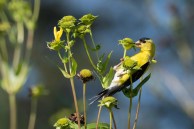
American Goldfinch on cup plant. Photo: Catherine Mullhaupt/Audubon Photography Awards
Elizabeth Gray, Chief Executive Officer and Ex Officio Board Director of Audubon offers this:
Open Letter from the CEO on Audubon’s Name
Hear directly from Dr. Elizabeth Gray on why Audubon is keeping its name.
Dear Flock,
This past year, the National Audubon Society embarked on a process to reexamine the name of our organization, in light of the personal history of the organization’s namesake, John James Audubon. Continue reading
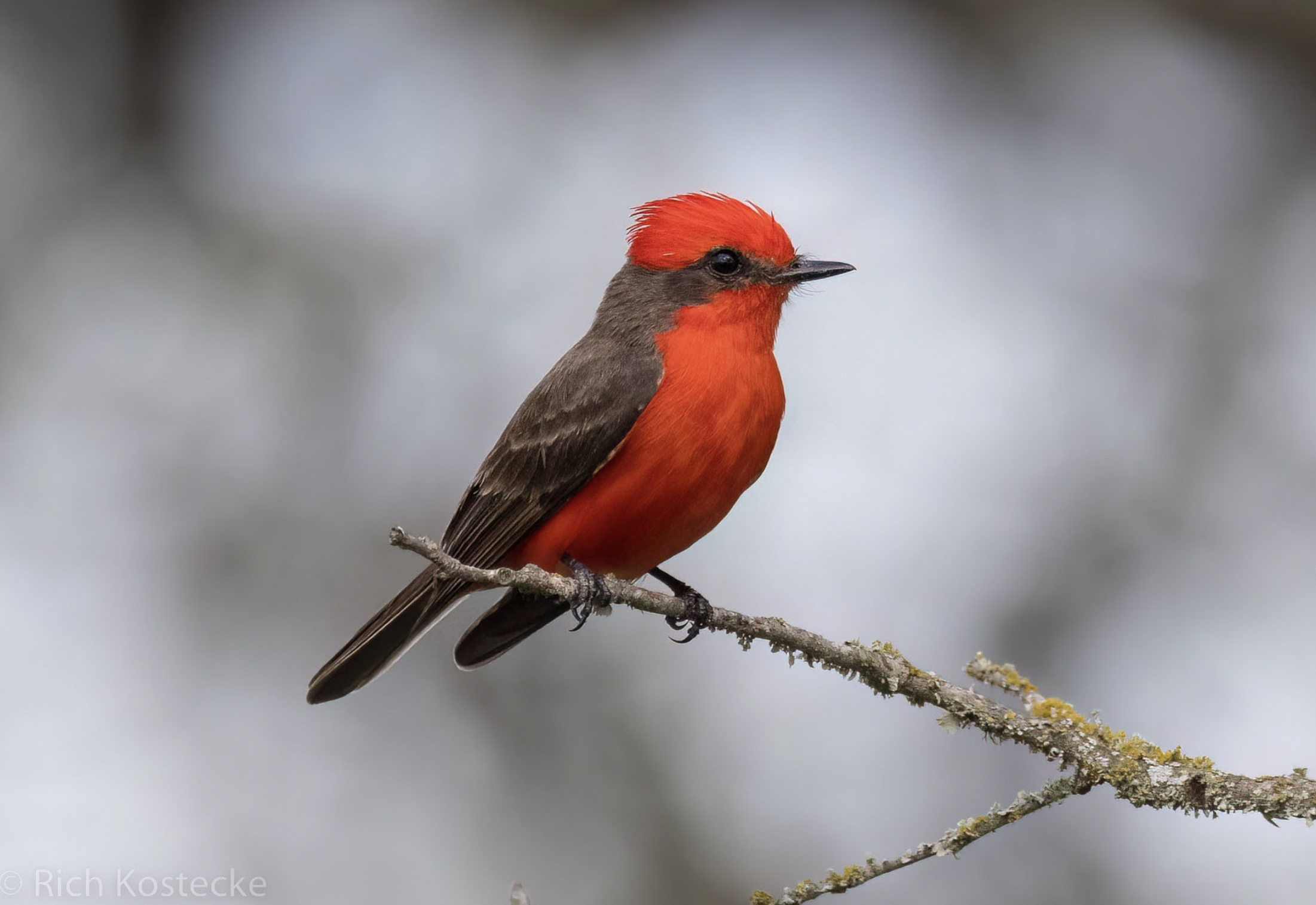
Hays County, TX
 When he points us to people like this, we can only celebrate it and pass it on:
So many thanks to all who work for change
BILL MCKIBBEN
MAR 25The white-haired woman in the picture above is one of my great heroes in the world. Her name is Heather Booth, she’s 77, and a board member at Third Act, which helped organize last Tuesday’s massive day of protest against the fossil-fueled banks, coordinating 102 demonstrations in 30 states and (see above) the District of Columbia, where the Rocking Chair Rebellion shut down four banks for the day. Continue reading
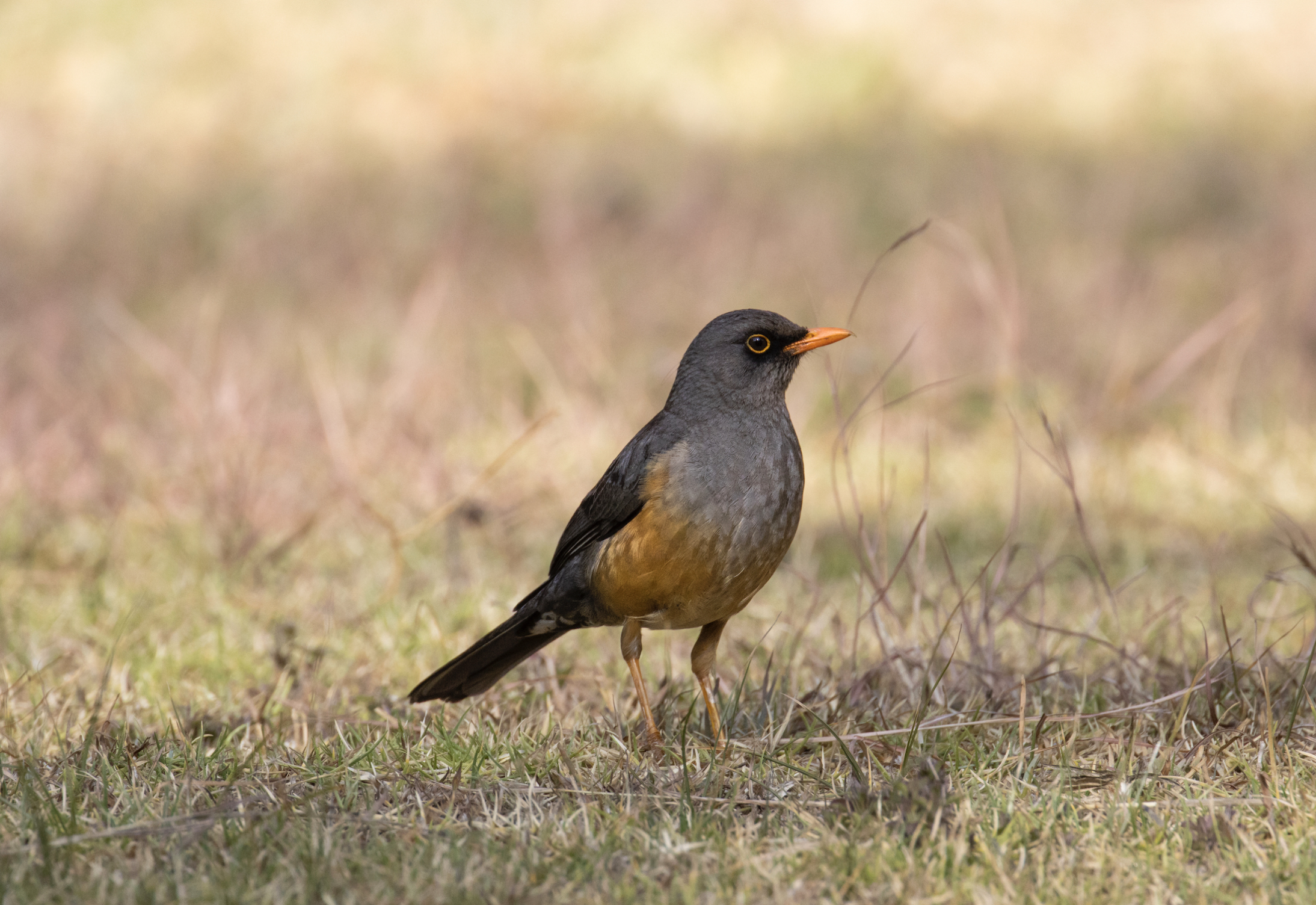
Rift Valley, Kenya
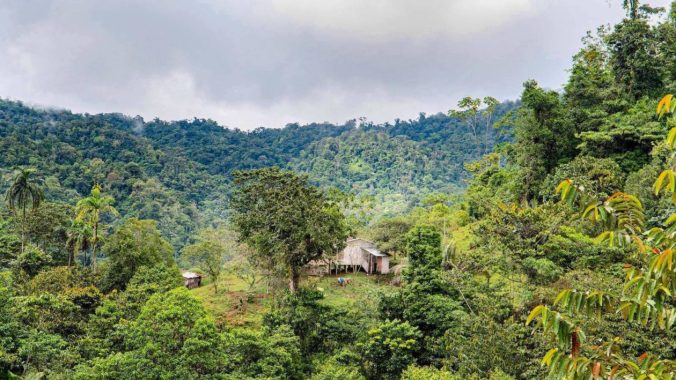
The Nairi Awari Indigenous community in Limón, Costa Rica. EZEQUIEL BECERRA / AFP VIA GETTY IMAGES
We are proud of the country we call home, and where our work us based. But even as I celebrate it from time to time, I never mistake it for perfect. There is always more work to be done. Thanks to Fred Pearce, as always, for the details we need to know:
Lauded as Green Model, Costa Rica Faces Unrest in Its Forests
Indigenous park ranger Osvaldo Martinez tours the Nairi Awari indigenous community in Limon, Costa Rica on November 9, 2021. – The indigenous people of this community are payed for caring for the environment, as part of a program awarded by the British royalty. (Photo by Ezequiel BECERRA / AFP) (Photo by EZEQUIEL BECERRA/AFP via Getty Images)
Costa Rica has won international acclaim for its initiatives to restore its forests. But those successes are now jeopardized by conflicts over the government’s failure to return traditional lands to the Indigenous people who are regarded as the best forest stewards.
Costa Rica has a green halo. In recent decades, the small Central American nation has transformed itself from a notorious hotspot for deforestation into a beacon of reforestation that is the envy of the world. Many of its more than 12,000 species of plants, 1,200 butterflies, 800 birds, and 650 mammals, reptiles, and amphibians have gone from bust to boom, and eco-tourists are savoring the spectacle. Continue reading

Insulate Britain supporters protesting in London this month. Photograph: Daniel Leal/AFP/Getty Images
Strange that this requires a protest, but that’s how it is. Our thanks to Damien Gayle of the Guardian for this coverage:
Top lawyers defy bar to declare they will not prosecute peaceful climate protesters
Six KCs among more than 120 mostly English lawyers to sign pledge not to act for fossil fuel interests
Leading barristers have defied bar rules by signing a declaration saying they will not prosecute peaceful climate protesters or act for companies pursuing fossil fuel projects. Continue reading

Blanco County, TX

An illustration shows a wind-powered car and truck carrier ship that a Swedish consortium is developing and aiming to launch late 2024. Photograph: Wallenius Marine/Reuters
Old school (sailing cargo ships) becoming the new trend is as good as news gets these days:
Cargo ships powered by wind could help tackle climate crisis
Shipping produces much of the world’s greenhouse gases but new technology offers solutions to cut fuel use
Cars, trucks and planes get plenty of blame for helping drive the climate crisis, but shipping produces a large portion of the world’s greenhouse gases, as well as nitrogen oxides and sulphur pollution because ships largely use cheap heavy fuel oil. Continue reading
Frauenkirchen, Austria

Foreground, from left: Fred Davis, Scarlet Wilderink and Finn Caldwell. Behind the tiger, from left: Andrew Wilson and Rowan Ian Seamus Magee. Nina Westervelt for The New York Times
Puppetry is a rare topic in these pages, but as cultural heritage goes, this ever-evolving form is worth at least a few minutes of reading time related to this new production:
Puppetry So Lifelike, Even Their Deaths Look Real
Members of the puppetry team for “Life of Pi” discuss making the show’s animals seem all-too-real on a very crowded lifeboat.
Richard Parker, the Royal Bengal tiger in “Life of Pi” takes three puppeteers (including Celia Mei Rubin, bottom left) to operate in the production opening at the Gerald Schoenfeld Theater on March 30. Nina Westervelt for The New York Times
Fair warning: This article is riddled with spoilers about puppet deaths in “Life of Pi,” the stage adaptation of Yann Martel’s best-selling novel about a shipwrecked teenager adrift on the Pacific Ocean. He shares his lifeboat first with a menagerie of animals from his family’s zoo in India — large-scale puppets all, requiring a gaggle of puppeteers — and eventually just with a magnificent, ravenous Royal Bengal tiger named Richard Parker that takes three puppeteers to operate.
Now in previews on Broadway, where it is slated to open on March 30 at the Gerald Schoenfeld Theater, the play picked up five Olivier Awards in London last year. Puppetry design by the longtime collaborators Nick Barnes and Finn Caldwell was included with Tim Hatley’s set in one award, and, unprecedentedly, a team of puppeteers won an acting Olivier for playing Richard Parker. Continue reading

Savegre Lodge, Costa Rica
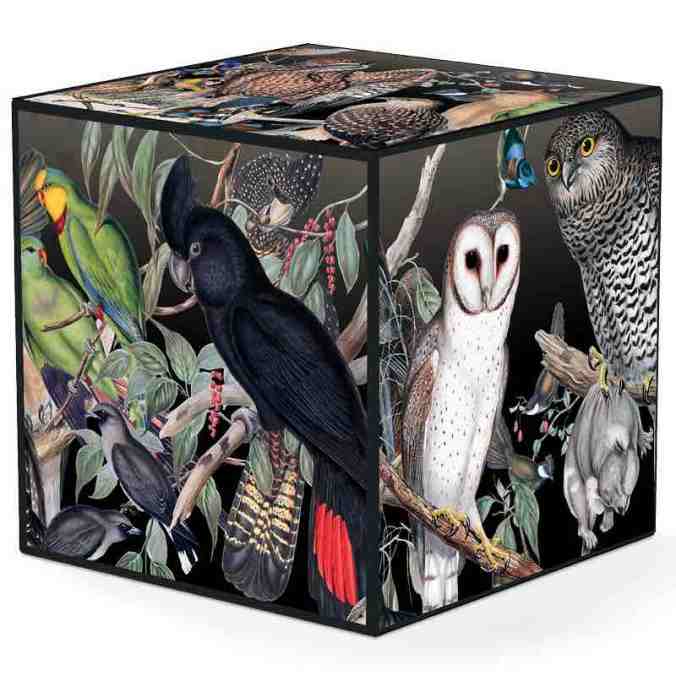
A new exhibition showcasing the incredible world of Australia’s birdlife will launch in Newcastle. Presented on STORYBOX, an interactive storytelling cube, The Birds of Australia, brings to life the iconic bird illustrations of John and Elizabeth Gould together with First Nations storytelling and knowledges.
We have linked to stories about both John Gould and his wife Elizabeth, and now there is a museum exhibition honoring both together, so if you happen to be in Australia:
Touring exhibition: The Birds of Australia
Trace the journey of English ornithologist John Gould and his wife Elizabeth, as they travelled across New South Wales in the 1800s on one of the most significant birding expeditions in history, helping inform contemporary knowledge and conservation of Australian birds. The Goulds described and illustrated over 300 birds that were completely new to science, including the Pied Butcherbird (Cracticus nigrogularis) and the now extinct Paradise Parrot (Psephotellus pulcherrimus). It was an astonishing record of observation and sustained hard work. Continue reading
Male
Ranchito Road Wetlands, Webb County, TX
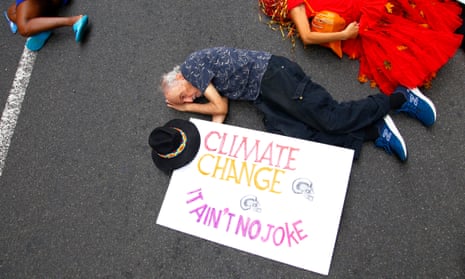
People perform a die-in on Third Avenue in New York during a protest in 2021. Photograph: Michael M Santiago/Getty Images
‘We have money and power’: older Americans to blockade banks in climate protest
Demonstrations at 90 sites are billed as first major action by older activists: ‘It’s not fair to ask 18-year-olds to solve this’
Climate activists across the US will on Tuesday blockade branches of banks that finance fossil fuels, cutting up their credit cards in protest and holding rallies featuring everything from flash mobs to papier-mache orca whales. Unusually for such a spectacle, the protests won’t be led by young activists but those of a grayer hue. Continue reading
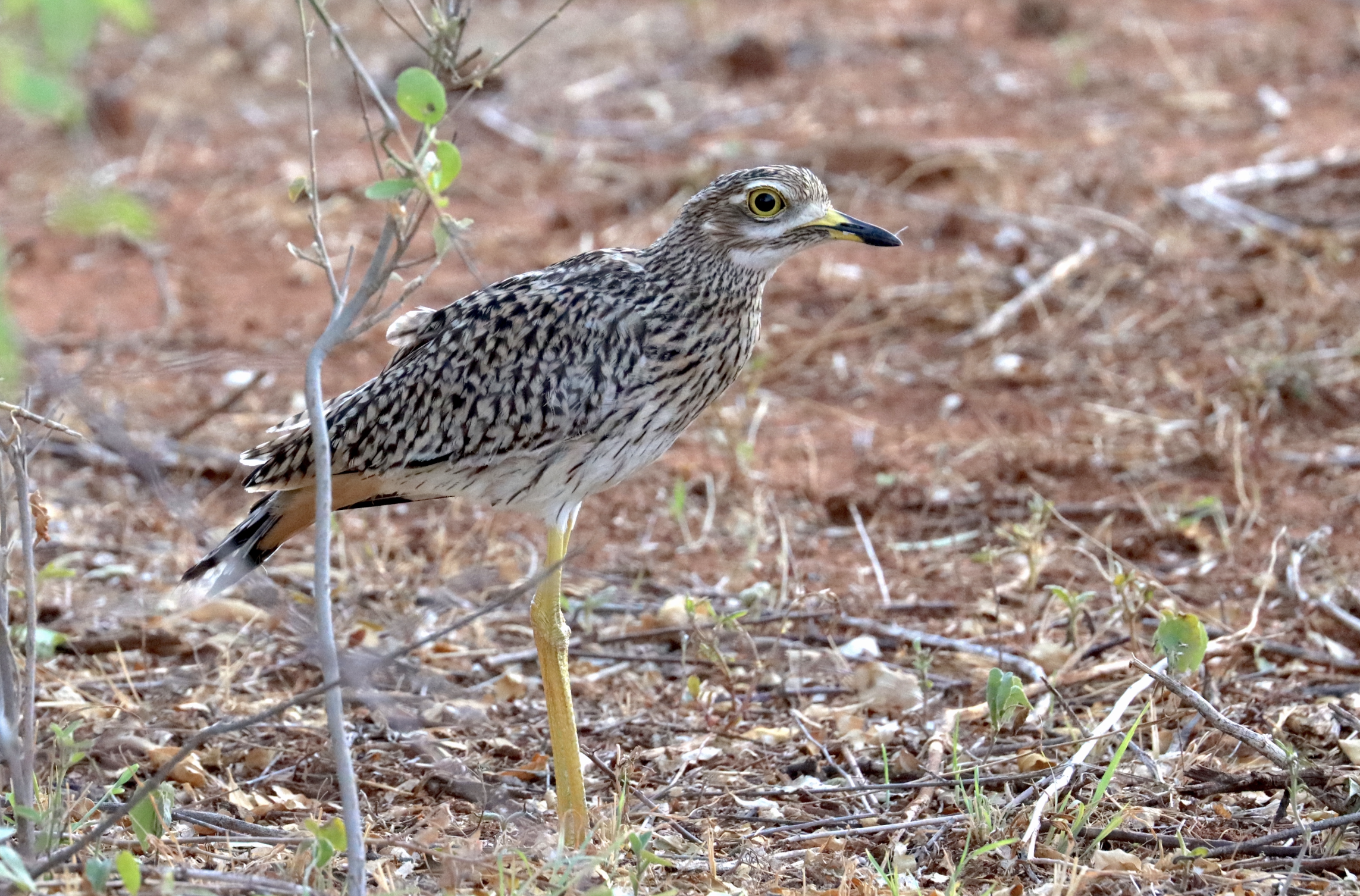
Samburu Nature Reserve, Kenya

A Guarani man walks through a cleared patch of Brazil’s Atlantic Forest that the local Indigenous community is trying to reforest. DIEGO HERCULANO / NURPHOTO VIA GETTY IMAGES
Thanks to Jill Langlois and Yale e360:
How Indigenous People Are Restoring Brazil’s Atlantic Forest
The Guarani Mbya people are working to restore the once-vast Atlantic Forest, which has been largely lost to development. Gaining official tenure of their lands, they hope, will boost their efforts, which range from planting native trees to reintroducing pollinators.
It was 2016 when Jurandir Jekupe noticed the bees were gone.
Their nests were once common in Yvy Porã, the Guarani Mbya village where Jekupe grew up and still lives. Continue reading
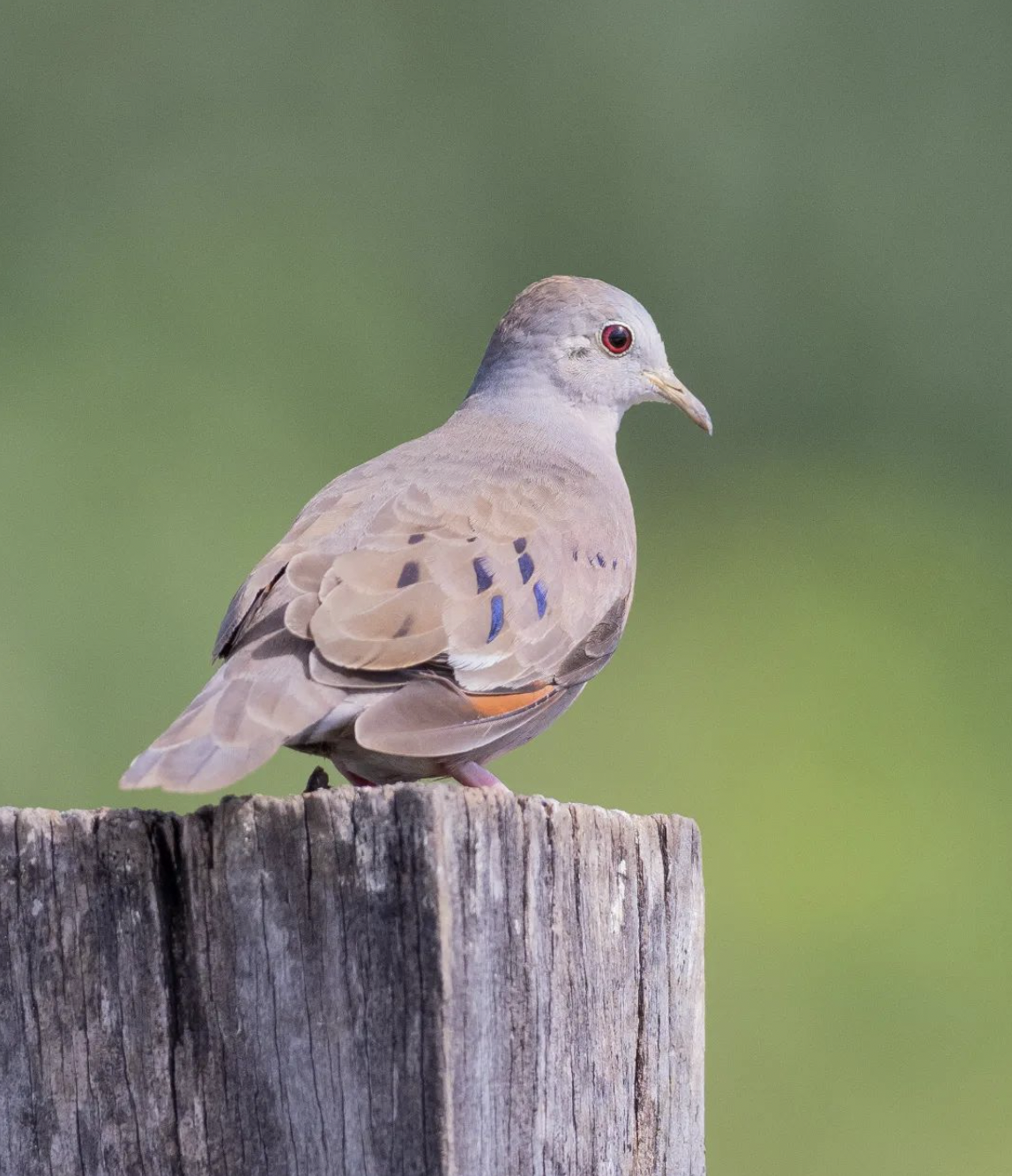
Guatemala
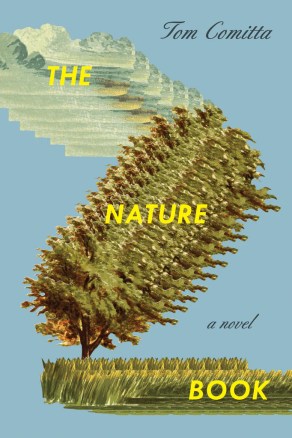 Neither the author of the book, nor Cara Blue Adams who reviews it in the essay below, is familiar in our pages. But it is an essay that evokes familiar themes, so here goes:
Searching for Unfamiliar Terrain in “The Nature Book”
We go to the wilderness to test ourselves against an environment indifferent to our presence. Can this experience be re-created in fiction?
The Wilderness Act, passed in 1964, established the National Wilderness Preservation System to safeguard federally owned land, beginning with 9.1 million acres, called “wilderness areas,” to be “designated for preservation and protection in their natural condition.” Continue reading


 Organikos