Vijayapura, Karnataka
Vijayapura, Karnataka
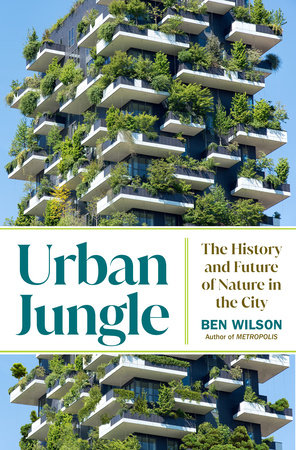 We look forward to Ben Wilson’s new book, as reviewed here:
Where the Streets are Paved with Goldenrod
No one, you would think, aspires to be a night-soil man. Yet in the late 1950s, Shi Chuangxiang’s labours in the latrines of Beijing briefly won him national praise. He was proclaimed a socialist hero and met the head of state. Back then, human excreta mattered, so much so that gangs fought for the plummest spots. Why? Because cities, until relatively recently in human history, were a part of healthy ecosystems that operated according to the principles of nutrient exchange: take, use, return, all in neat equilibrium. The spoils of Mr Shi (who was nicknamed ‘Stinky Shit Egg’), collected at a time when synthetic plant food was not widely available in China, became the organic fertiliser that was intended to power the country’s Great Leap Forward in agriculture. Continue reading

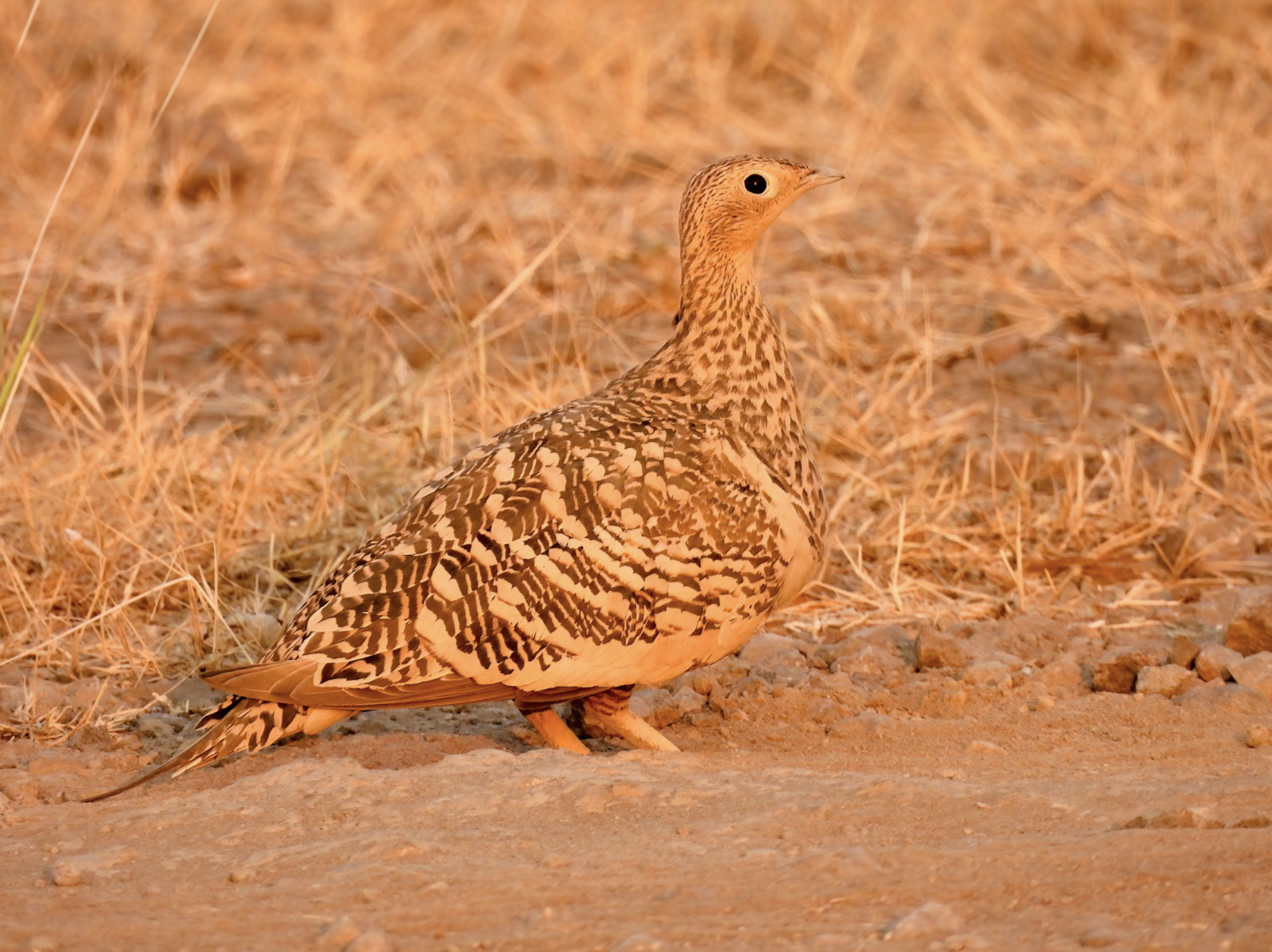
Female – Leander Khil Photography
Refugio de Quetzal, Guatemala
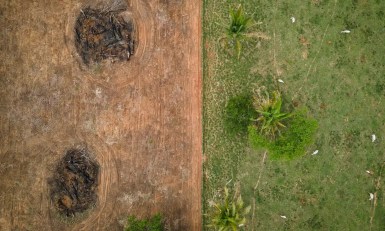
Collagen is derived from cattle, but unlike beef, there is currently no obligation to track the product’s environmental impacts. Photograph: Cícero Pedrosa Neto
Know your beauty products:
Global craze for collagen linked to Brazilian deforestation
Investigation finds cases of the wellness product, hailed for its anti-ageing benefits, being derived from cattle raised on farms damaging tropical forest
Tens of thousands of cattle raised on farms that are damaging tropical forests in Brazil are being used to produce collagen – the active ingredient in health supplements at the centre of a global wellness craze. Continue reading
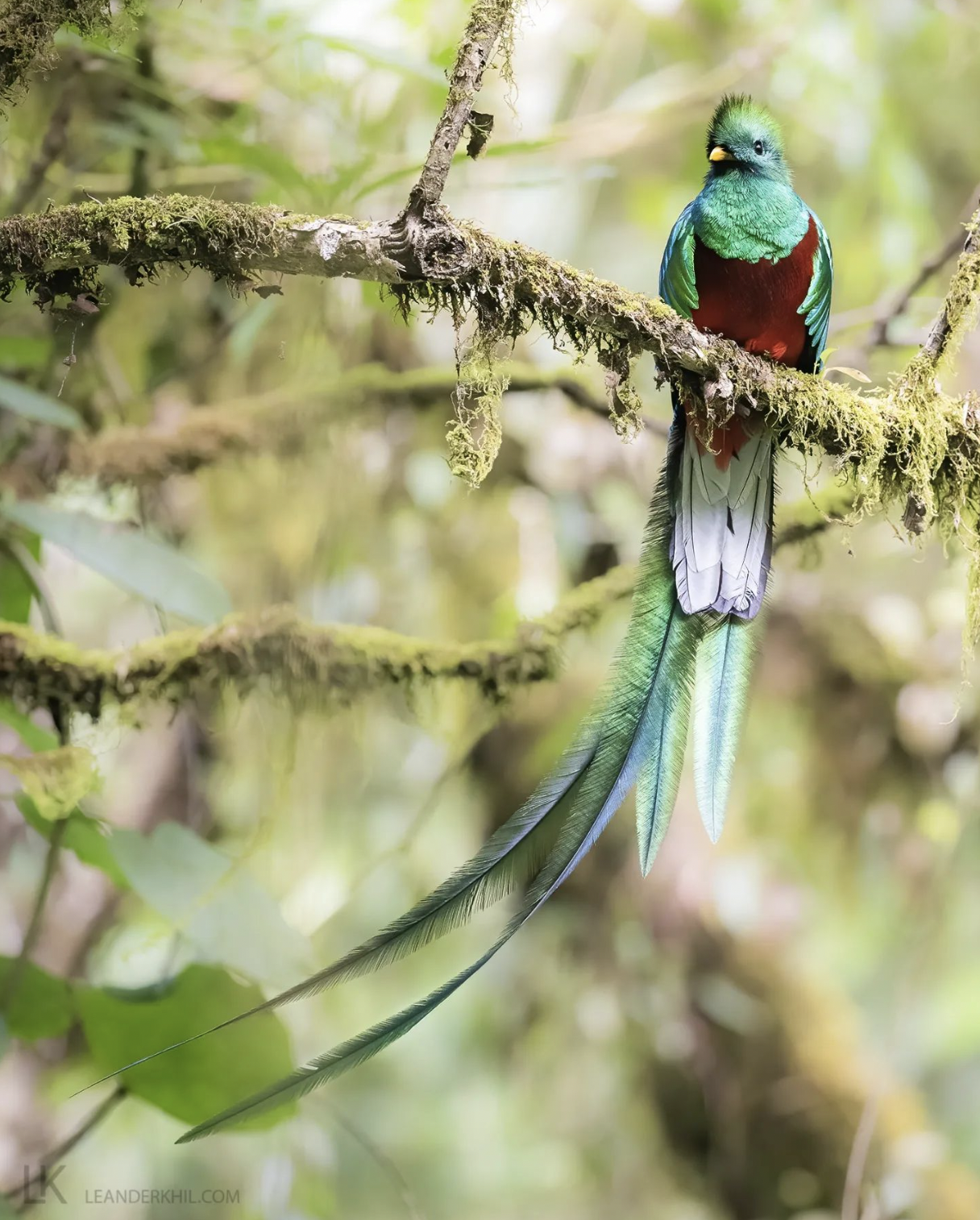
Male – Leander Khil Photography
Refugio de Quetzal, Guatemala
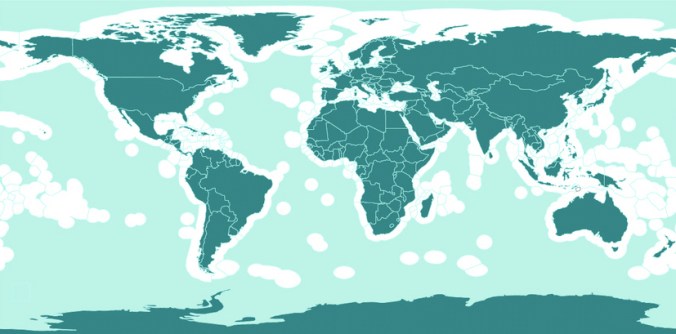
On this map, exclusive economic zones are shown in white and high seas, or areas beyond national jurisdiction, are shown in light green.
For some historical context it helps to think of the many challenges that commons represent. But here and now, this deal is as important as it gets:
Countries Reach Deal to Protect Marine Life in International Waters
UN member states have forged a landmark deal to guard ocean life, charting a path to create new protected areas in international waters. Continue reading
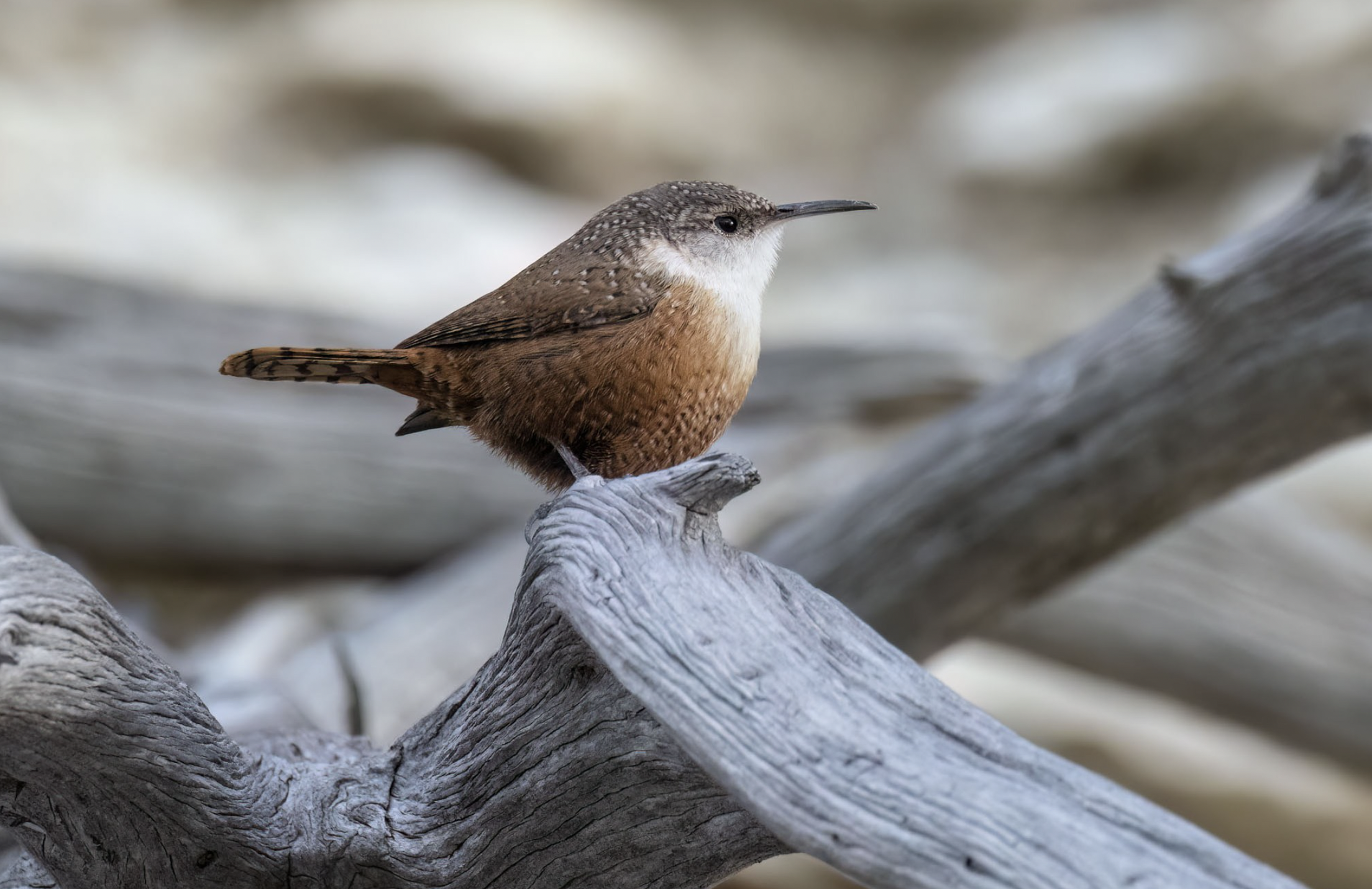
Georgetown Lake, TX

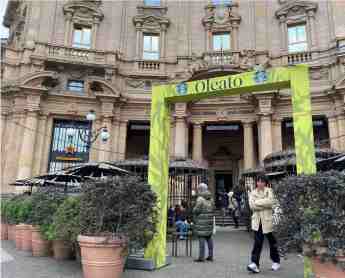
We have always been happy to share news about coffee’s trend setters, whether it is good or not so flattering. Sometimes quite unflattering. Click the image above to go to the current Starbucks press release for this new, unusual product. Gideon Lewis-Kraus makes a pretty compelling case that while the backstory is interesting this new product is not worth trying:
A banner outside the Starbucks Reserve Roastery in Milan’s city center advertises the chain’s new Oleato line. Photograph by Valentina Za / Reuters / Alamy
Did Starbucks Really Put Olive Oil in Coffee?
The new Starbucks Oleato is terrible. But somehow there’s pleasure to be had in its existence.
As corporate legend has it, the concept of Starbucks was inspired by a visit that Howard Schultz paid to Milan in 1983. At the time, Schultz was the director of operations and marketing for a local Seattle chain with fewer than a dozen outposts; the stores, the first of which opened in 1971, sold whole beans, leaf teas, and spices in bulk. In Milan for a trade show, Schultz found himself enchanted by the city’s espresso bars. Continue reading
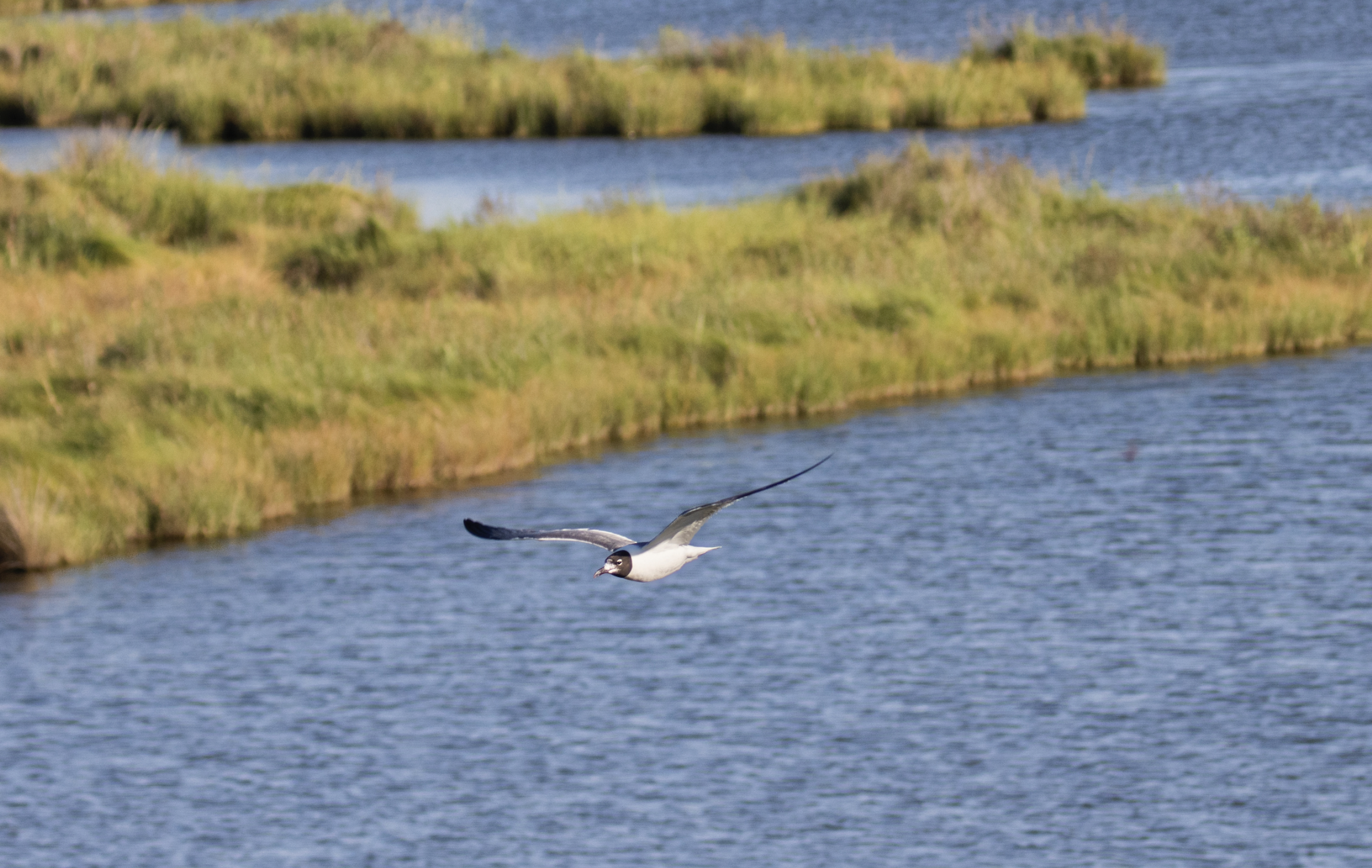 Pea Island National Wildlife Refuge, North Carolina
The large marble butterfly is now locally extinct in some places. Rick and Nora Bowers/Alamy
Insects matter, and our thanks to Catrin Einhorn for making it more clear why:
Are Butterflies Wildlife? Depends Where You Live.
A legal quirk leaves officials in at least a dozen states with little or no authority to protect insects. That’s a growing problem for humans.
It’s tough being an insect. They get swatted, stomped and sprayed without a thought. Their mere presence can provoke irrational panic. Even everyday language disparages them: “Stop bugging me,” we say. Continue reading
Carmakers have long profited from what’s known as the S.U.V. loophole, which allows auto manufacturers to get around fuel-efficiency regulations by selling trucks. Photograph from Alamy
SUV is a three-letter word, popular to the point of problematic. Thanks again to Elizabeth Kolbert for the most recent thinking on the topic:
Why S.U.V.s Are Still a Huge Environmental Problem
The world is moving toward heavier cars at a time when it should be doing precisely the reverse.
Last year, the world’s S.U.V.s collectively released almost a billion metric tons of carbon dioxide. If all the vehicles got together and formed their own country, it would be the world’s sixth-largest emitter, just after Japan. This is a disturbing figure, but, according to a new report from the International Energy Agency, it gets worse. Globally, S.U.V. sales continue to grow, even though, last year, total passenger-vehicle sales fell. And the trend has now spread to electric vehicles: in 2022, for the first time, the sale of electric S.U.V.s edged out the sale of other electric cars. Continue reading

Parque Nacional Laguna Lachua, Guatemala
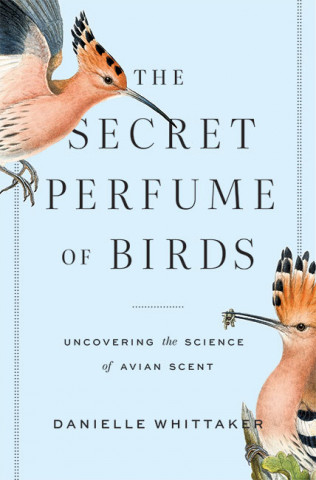 The Inquisitive Biologist recently came to our attention with a book review, and now another review of a book on a topic that is new (to us):
To successfully navigate their world, organisms rely on numerous senses. Birds are no exception to this; and yet, for a long time, people have been convinced that birds cannot smell. This came as a surprise to evolutionary biologist Danielle J. Whittaker. Given that smell is effectively chemoreception (the sensing of chemical gradients in your environment) and was one of the first senses to evolve, why would birds have no use for it? The Secret Perfume of Birds tells the story of 15 years spent investigating the olfactory capabilities of birds and provides an insider’s account of scientific research. Continue reading
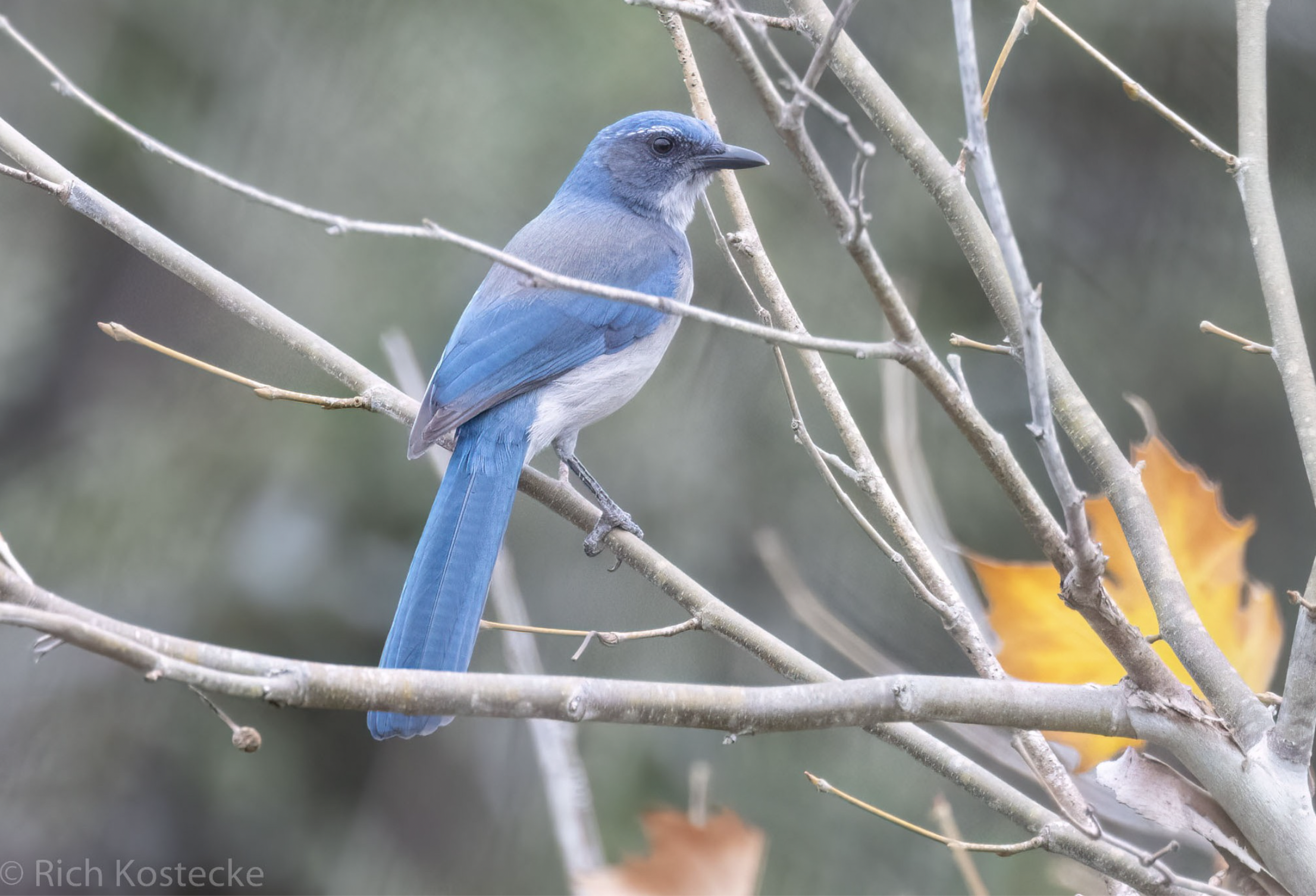
Lake Georgetown, TX

Virunga national park is a Unesco world heritage site, recognised for its wildlife and diverse habitats. Photograph: DEA/S Vannini/De Agostini/Getty Images
This concept for combining two forms of credits may serve as an example for other countries tempted by oil and gas discoveries:
US firm to bid to turn DRC oil permits in Virunga park into conservation projects
Exclusive: company plans to sell carbon and biodiversity credits in endangered gorilla habitat and Congo basin rainforest as alternative to drilling for fossil fuels
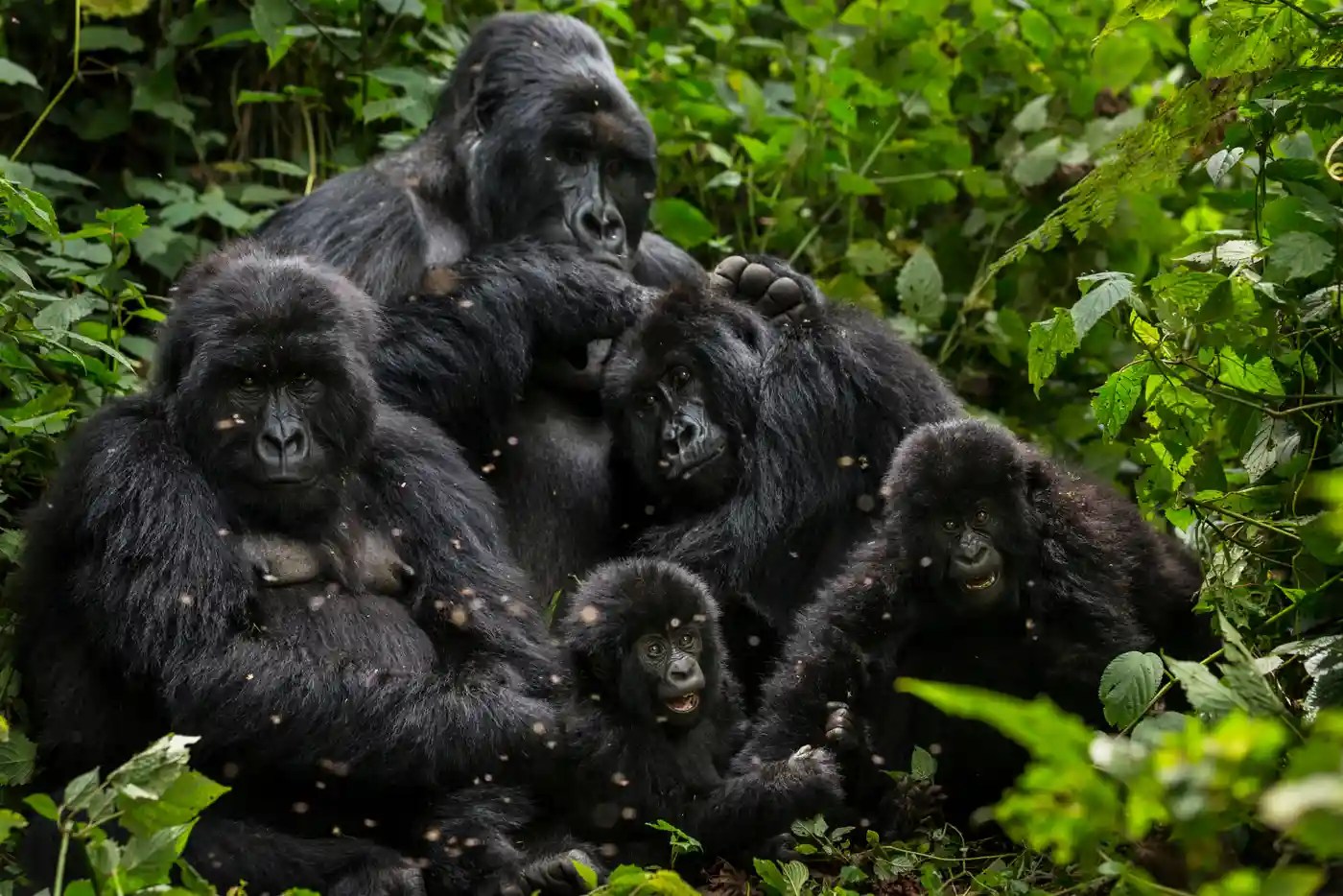
A family of gorillas in Virunga national park, DRC. The oil and gas concessions up for auction include areas of critically endangered gorillas habitat. Photograph: Brent Stirton/Getty Images
A New York investment firm is to launch a $400m (£334m) bid for oil concessions in the Congo basin rainforest and Virunga national park with plans to turn them into conservation projects, the Guardian can reveal. Continue reading
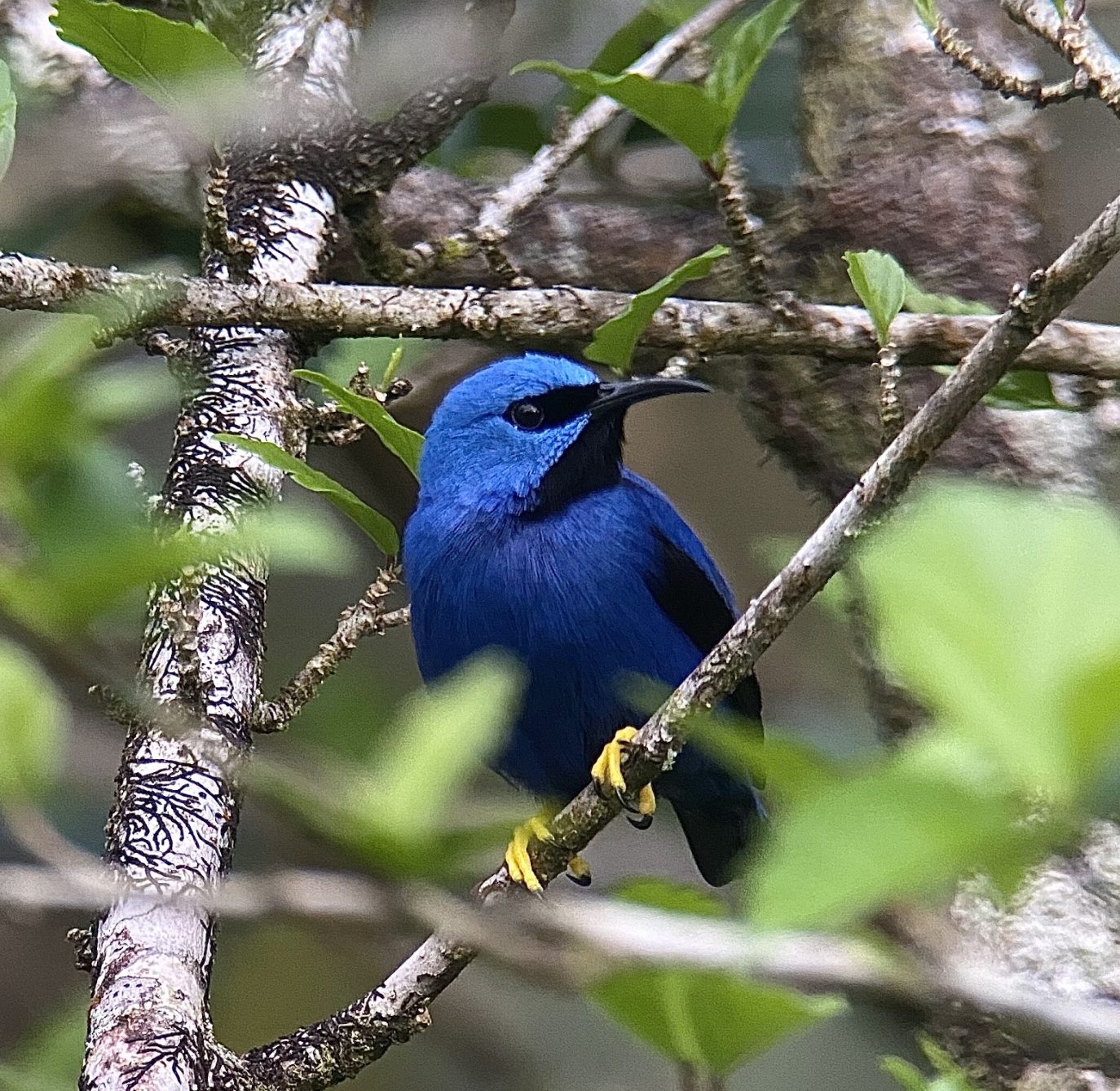
Male
Tranquilo Bay, Panama

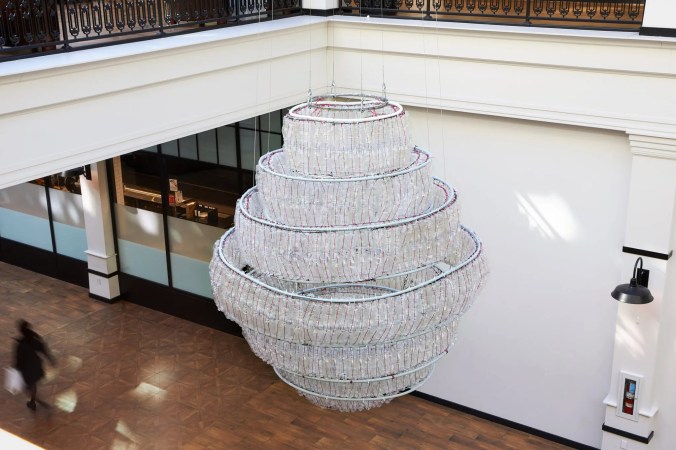
Willie Cole in his artist-in-residence studio at Express Newark, where he has been assembling chandeliers made from thousands of used plastic bottles. Rachel Vanni for The New York Times
Recycling has been a key theme in these pages since we started. Sometimes upcycle has been the term. Of course, reuse is also interesting.
All of these are worth our attention and support.
Our thanks to Laura van Straaten and the New York Times for bringing Willie Cole’s exhibition into view:
Willie Cole’s Ecological Interventions Turn Trash Into Art
The artist invited the community in Newark to reimagine objects that would otherwise be destined for a landfill — to look at them in a fresh, imaginative way.
“Spirit Catcher” by Willie Cole is made of thousands of water bottles held together with metal wire and sculpted to resemble a chandelier. Rachel Vanni for The New York Times
NEWARK — The artist Willie Cole has created two colossal new sculptures and generated a provocative group exhibition stemming from an unusual open call asking artists to transform objects destined for landfill into something imaginative and new. Continue reading
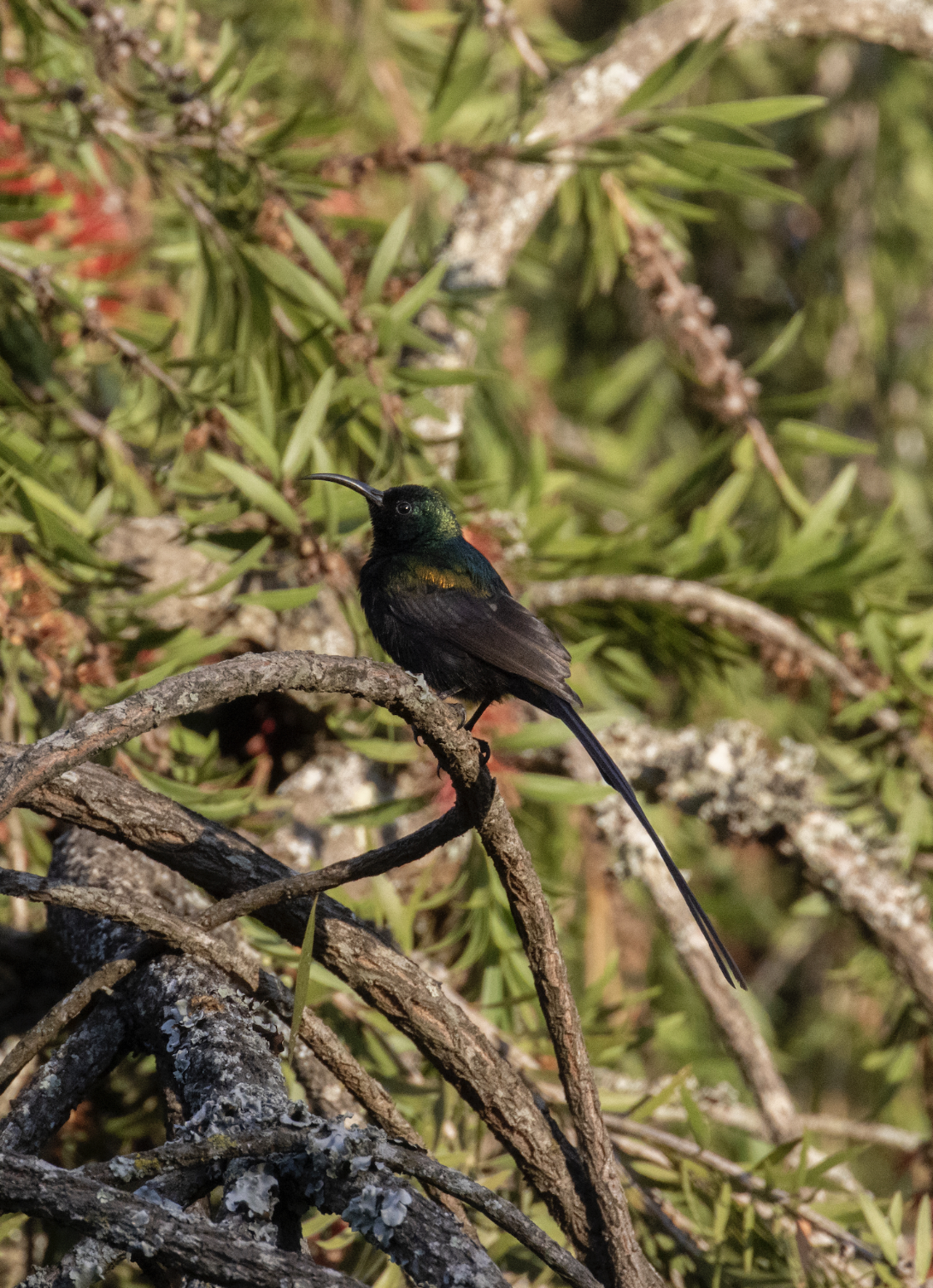
Rift Valley, Kenya
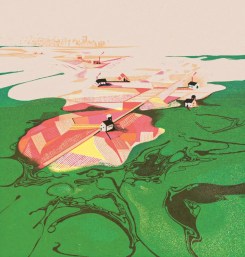
Addressing the problem, some scientists believe, may require reimagining agriculture from the ground up. Illustration by Juan Bernabeu
Stephen Porder is Professor of Ecology and Evolutionary Biology, a Fellow in the Institute at Brown for Environment and Society, and the Assistant Provost for Sustainability at Brown. Elemental is his new book looking at how life shapes Earth using basic elements we may take for granted. Read on to learn more about the book, and its wider relevance to other books now being published that discuss phosphorous.
Thanks, as always, to Elizabeth Kolbert for her book reviews, and in this case a nod to the Rich Earth Institute:
Phosphorus Saved Our Way of Life—and Now Threatens to End It
Fertilizers filled with the nutrient boosted our ability to feed the planet. Today, they’re creating vast and growing dead zones in our lakes and seas.
In the fall of 1802, the German naturalist Alexander von Humboldt arrived in Callao, Peru’s major port, just west of Lima. Humboldt had timed his visit to coincide with a transit of Mercury, which he planned to observe through a three-foot telescope, in order to determine Lima’s longitude. He set up his instruments atop a fort on the waterfront, and then, with a few days to kill before the event, wandered the docks. A powerful stench emanating from boats loaded with what looked like yellowish clay piqued his curiosity. From the locals, Humboldt learned that the material was bird shit from the nearby Chincha Islands, and that it was highly prized by farmers in the area. He decided to take some home with him. Continue reading