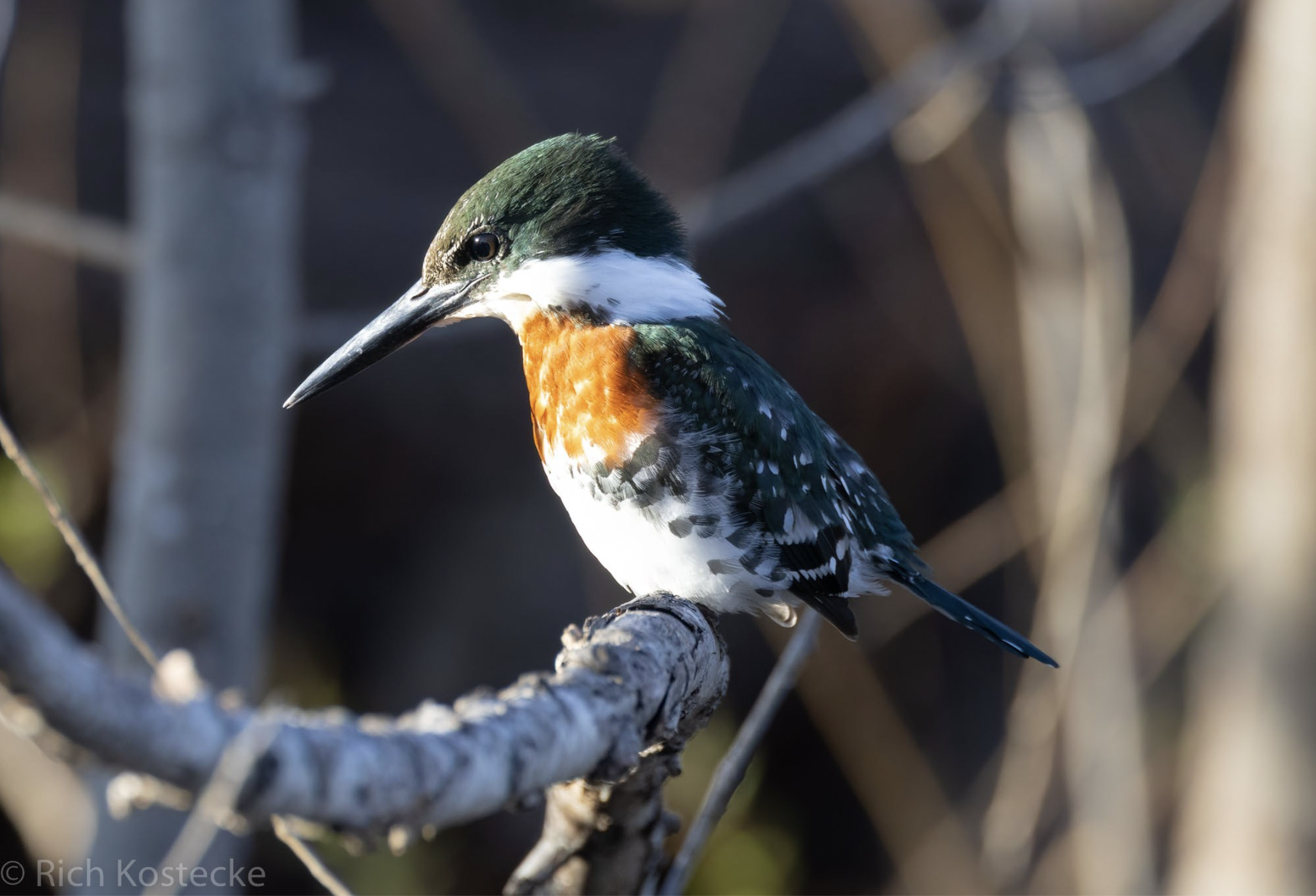
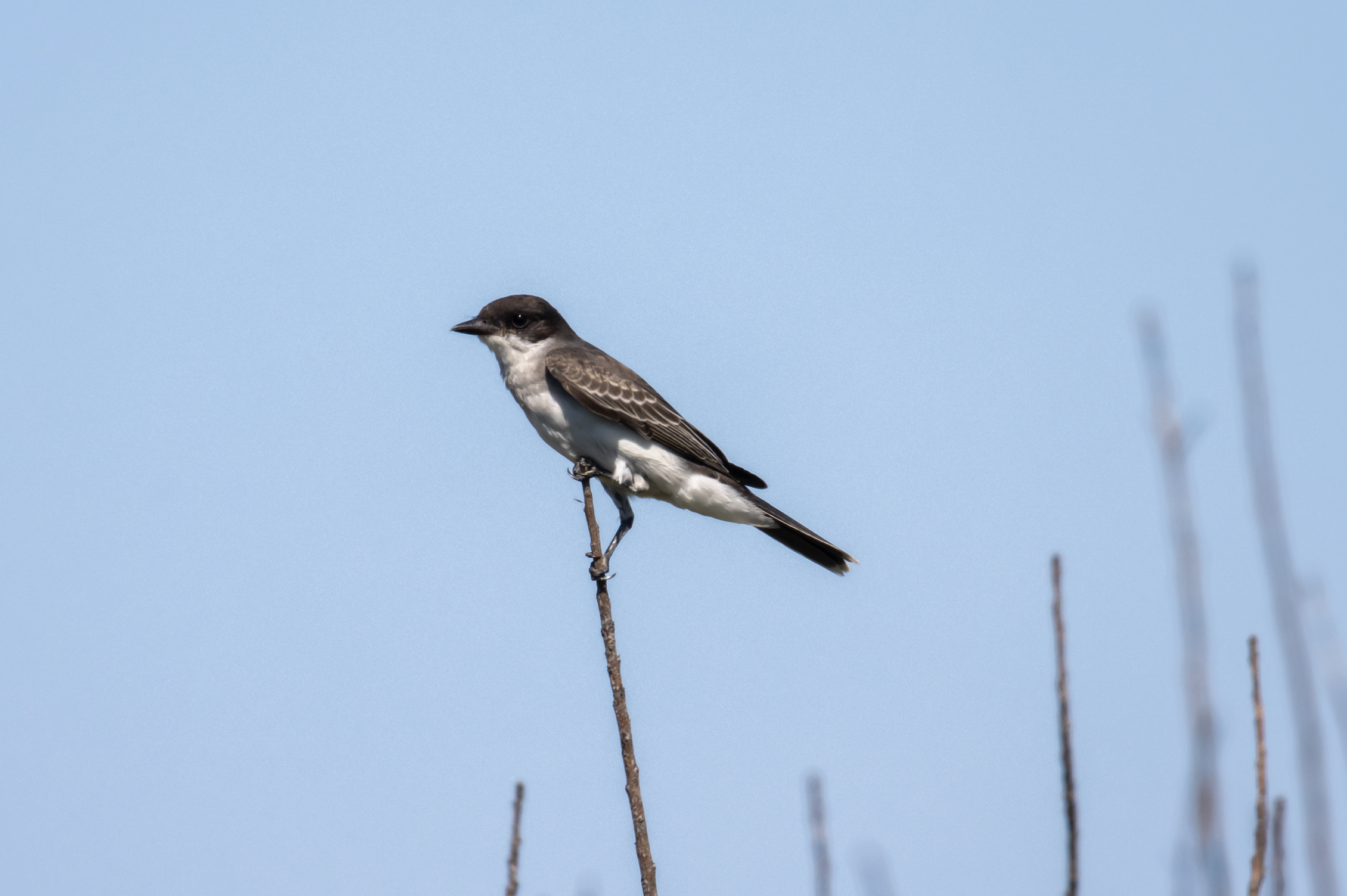
Male
Ranchito Road Wetlands, Webb County, TX
Male
Ranchito Road Wetlands, Webb County, TX
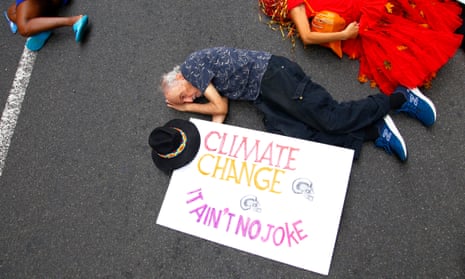
People perform a die-in on Third Avenue in New York during a protest in 2021. Photograph: Michael M Santiago/Getty Images
‘We have money and power’: older Americans to blockade banks in climate protest
Demonstrations at 90 sites are billed as first major action by older activists: ‘It’s not fair to ask 18-year-olds to solve this’
Climate activists across the US will on Tuesday blockade branches of banks that finance fossil fuels, cutting up their credit cards in protest and holding rallies featuring everything from flash mobs to papier-mache orca whales. Unusually for such a spectacle, the protests won’t be led by young activists but those of a grayer hue. Continue reading
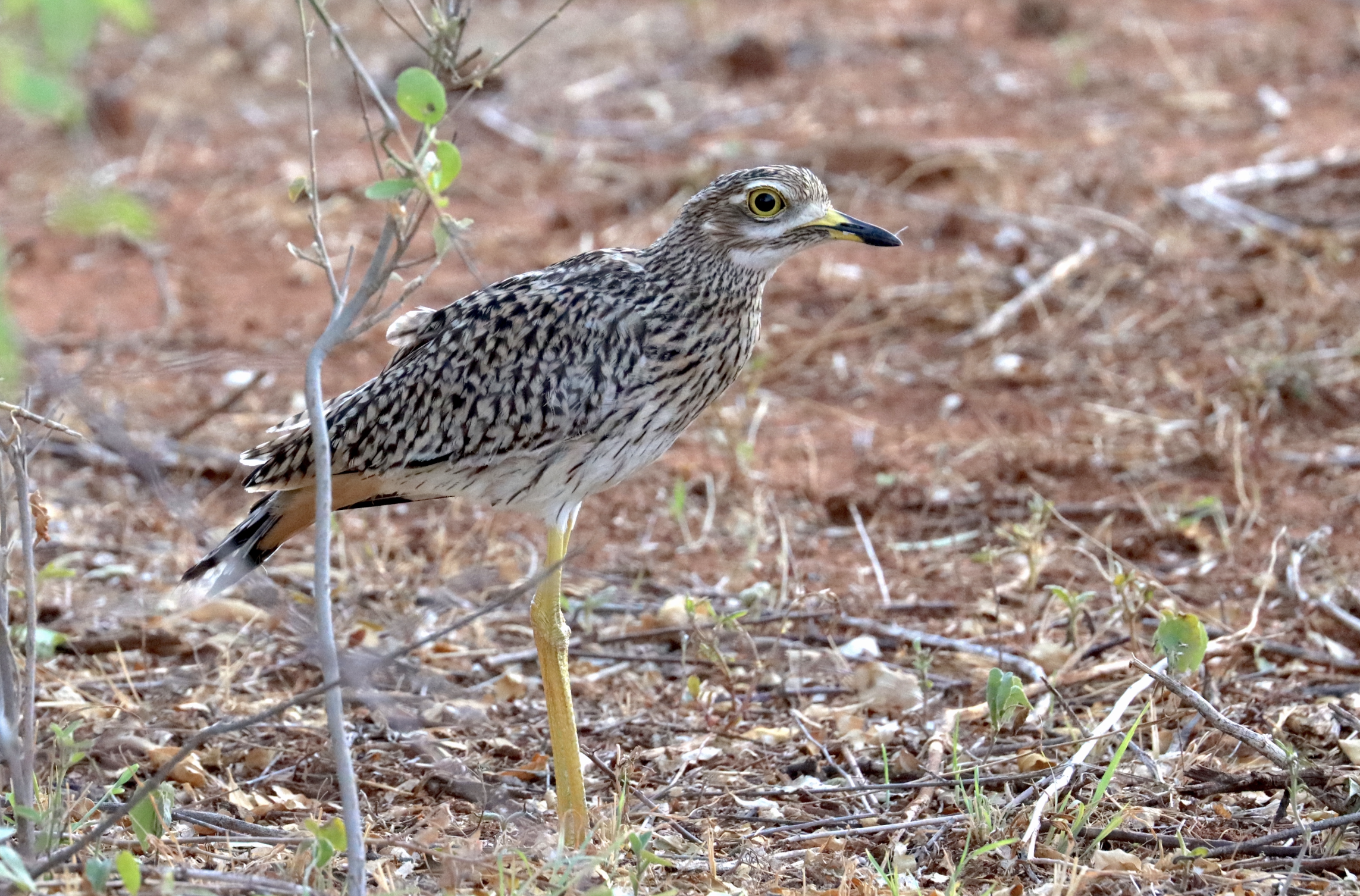
Samburu Nature Reserve, Kenya

A Guarani man walks through a cleared patch of Brazil’s Atlantic Forest that the local Indigenous community is trying to reforest. DIEGO HERCULANO / NURPHOTO VIA GETTY IMAGES
Thanks to Jill Langlois and Yale e360:
How Indigenous People Are Restoring Brazil’s Atlantic Forest
The Guarani Mbya people are working to restore the once-vast Atlantic Forest, which has been largely lost to development. Gaining official tenure of their lands, they hope, will boost their efforts, which range from planting native trees to reintroducing pollinators.
It was 2016 when Jurandir Jekupe noticed the bees were gone.
Their nests were once common in Yvy Porã, the Guarani Mbya village where Jekupe grew up and still lives. Continue reading
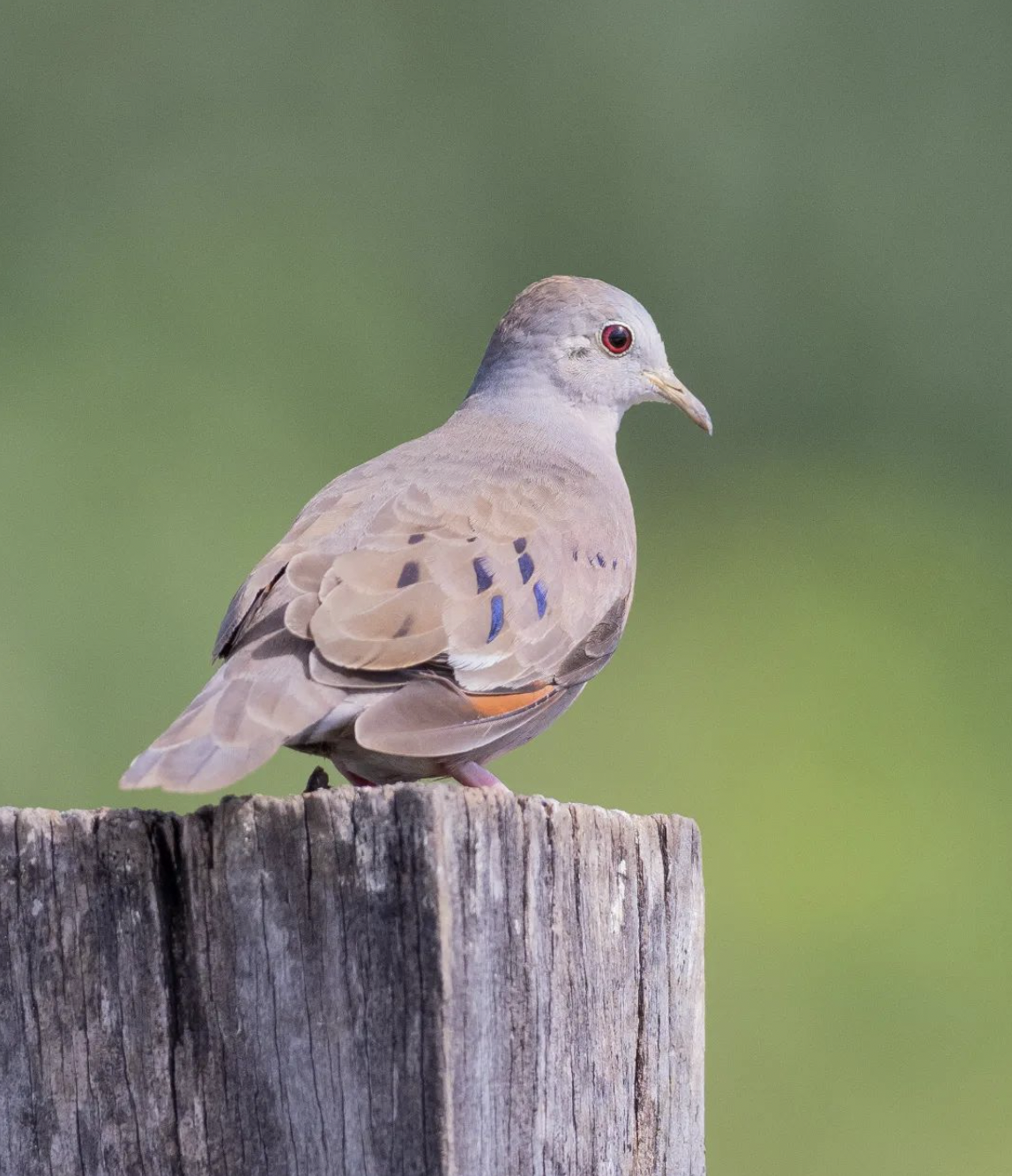
Guatemala
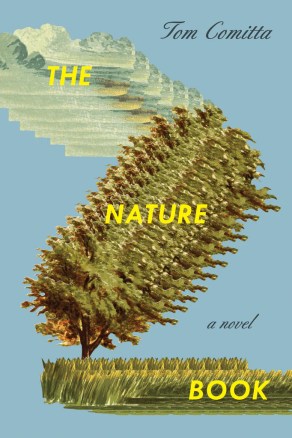 Neither the author of the book, nor Cara Blue Adams who reviews it in the essay below, is familiar in our pages. But it is an essay that evokes familiar themes, so here goes:
Searching for Unfamiliar Terrain in “The Nature Book”
We go to the wilderness to test ourselves against an environment indifferent to our presence. Can this experience be re-created in fiction?
The Wilderness Act, passed in 1964, established the National Wilderness Preservation System to safeguard federally owned land, beginning with 9.1 million acres, called “wilderness areas,” to be “designated for preservation and protection in their natural condition.” Continue reading
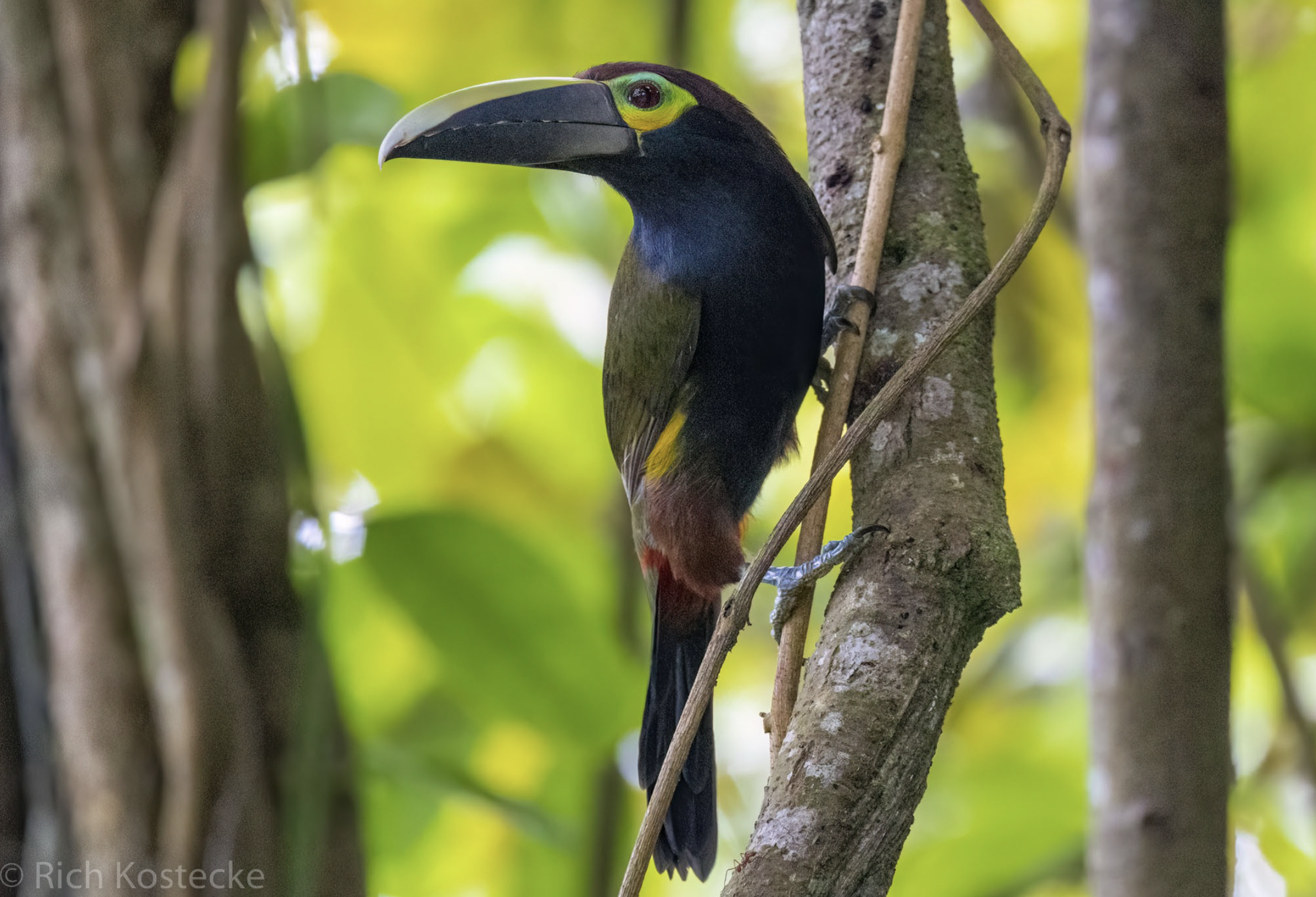
Arenal Volcano, Costa Rica

Globally, seaweed production has grown by nearly 75 percent in the past decade.
After news of the blob coming our way, here is another useful seaweed story in excellent interactive format:
Seaweed Is Having Its Moment in the Sun
It’s being reimagined as a plastic substitute, even as cattle feed. But can seaweed thrive in a warming world?
For centuries, it’s been treasured in kitchens in Asia and neglected almost everywhere else: Those glistening ribbons of seaweed that bend and bloom in cold ocean waves. Continue reading
Sipicate, Guatemala

A worker removing sargassum with machinery at a resort in Cancun, Mexico, last year. Alonso Cupul/EPA, via Shutterstock
We have seen its beauty and otherwise tended to feature its positive uses, but not all seaweed is created equal; so, our thanks to Livia Albeck-Ripka and Emily Schmall for this news and analysis:
A Giant Blob of Seaweed is Heading to Florida
The mass, known as the great Atlantic Sargassum belt, is drifting toward the Gulf of Mexico. Scientists say seaweed is likely to come ashore by summer to create a rotting, stinking, scourge.
For much of the year, an enormous brown blob floats, relatively harmlessly, across the Atlantic Ocean. Its tendrils provide shelter and breeding grounds for fish, crabs and sea turtles. Spanning thousands of miles, it is so large that it can be seen from outer space. Continue reading
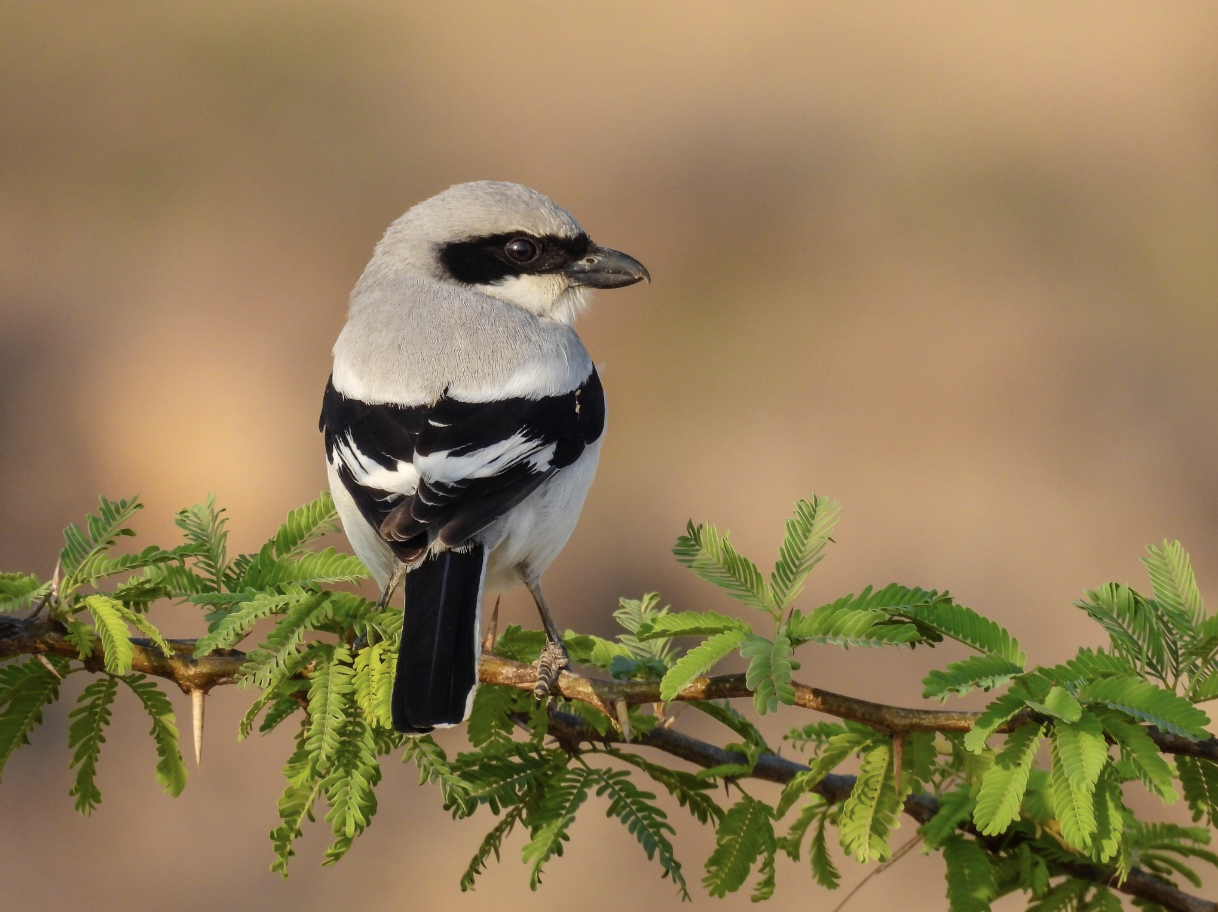
Vijayapura, Karnataka

The Adams Street Library in Dumbo, Brooklyn, has a children’s space with hues reminiscent of a Creamsicle. Justin Kaneps for The New York Times
The name Michael Kimmelman is rare in these pages, but in covering one of our favorite topics he gets our full attention again today:
As New York Weighs Library Cuts, Three New Branches Show Their Value
Facing a giant budget deficit, Mayor Eric Adams proposed cuts to New York libraries. But they play an outsize role in the city, offering services and safety.
The children’s room at the Macomb’s Bridge branch in Upper Manhattan; below, the entrance and canopy outside refer to the original landmarked architecture. Justin Kaneps for The New York Times Image
A city is only as good as its public spaces. The Covid-19 pandemic was another reminder: For quarantined New Yorkers, parks, outdoor dining sheds and reopened libraries became lifelines.
But now Mayor Eric Adams wants to slash funds for parks ($46 million) and for libraries ($13 million this fiscal year, more than $20 million next), and the City Council is debating the dining sheds. The sheds need regulation and the city budget needs to be cut by perhaps $3 billion. That said, if you don’t find the current political conversation shortsighted, you might want to do what I recently did and check out some of the library branches that have opened since the start of 2020. I visited three of them — each one a boon for its neighborhood, and money well-spent. Continue reading
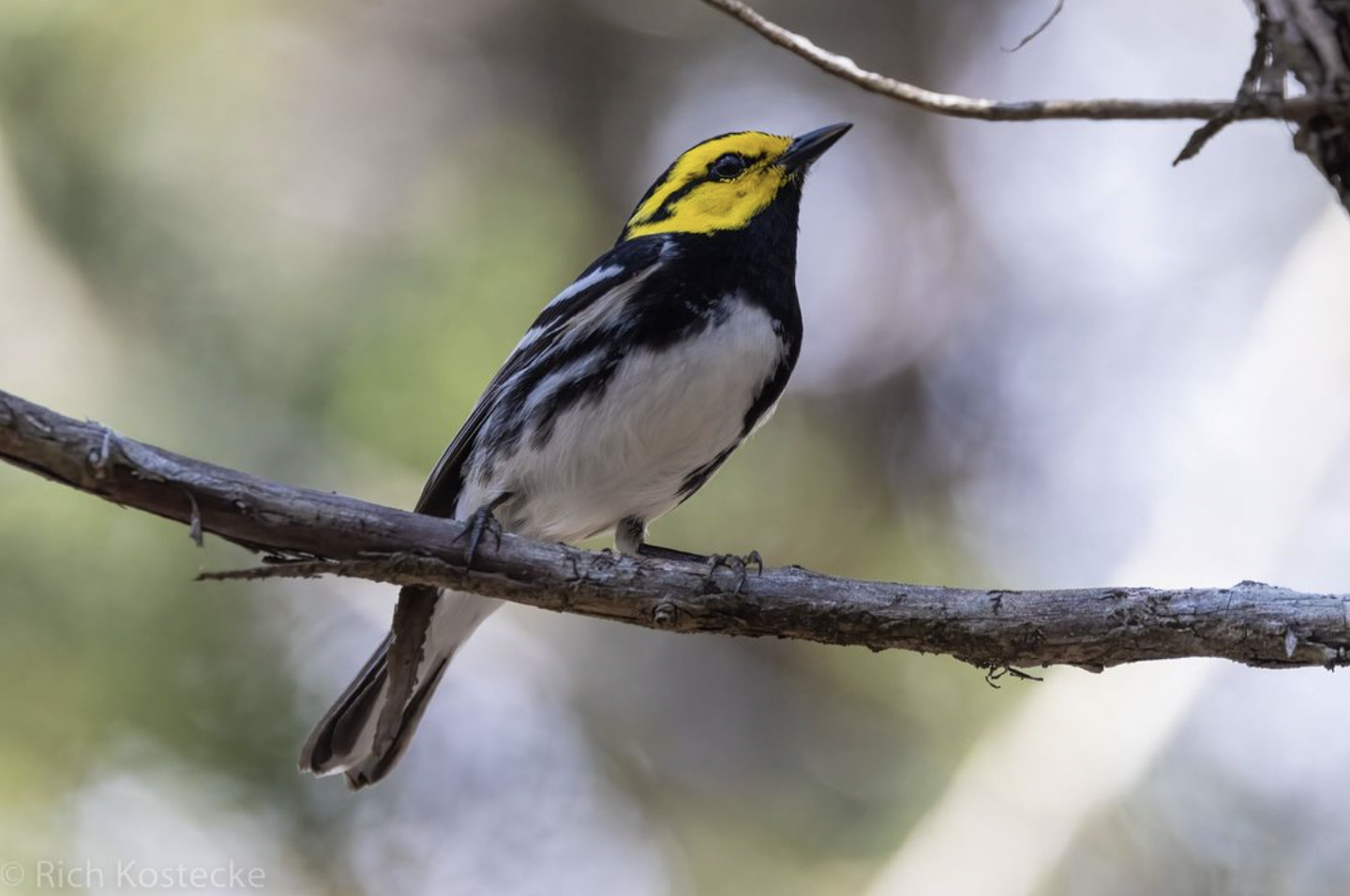
Hays County, TX
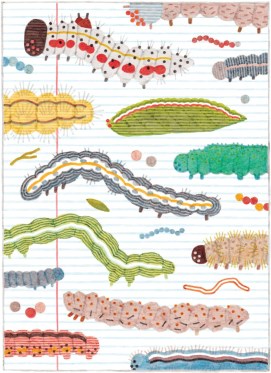
Some scientists warn of an insect apocalypse. The flying-insect community has been “decimated,” a research paper said. Illustration by Jochen Gerner
Insects were among the first regular features in these pages, thanks to Milo’s camera and personal interest. There were more when Seth worked in Costa Rica, followed by plenty of articles and editorials of various types, as well as my own discoveries while working outside. Looking back over those, I notice that caterpillars were featured only once, in a post on integrated pest management. So the following is a welcome addition to the mix:
The Little-Known World of Caterpillars
An entomologist races to find them before they disappear.
The Devils River, in southwestern Texas, runs, mirage-like, along the edge of the Chihuahuan Desert, through some of the most barren countryside in the United States. Access to the river is limited; unless you’re in a kayak, the only way to travel upstream is along a skein of rutted dirt roads. It was on one of these roads that, a few years ago, David Wagner noticed a shrub that seemed to him peculiarly filled with promise. Continue reading
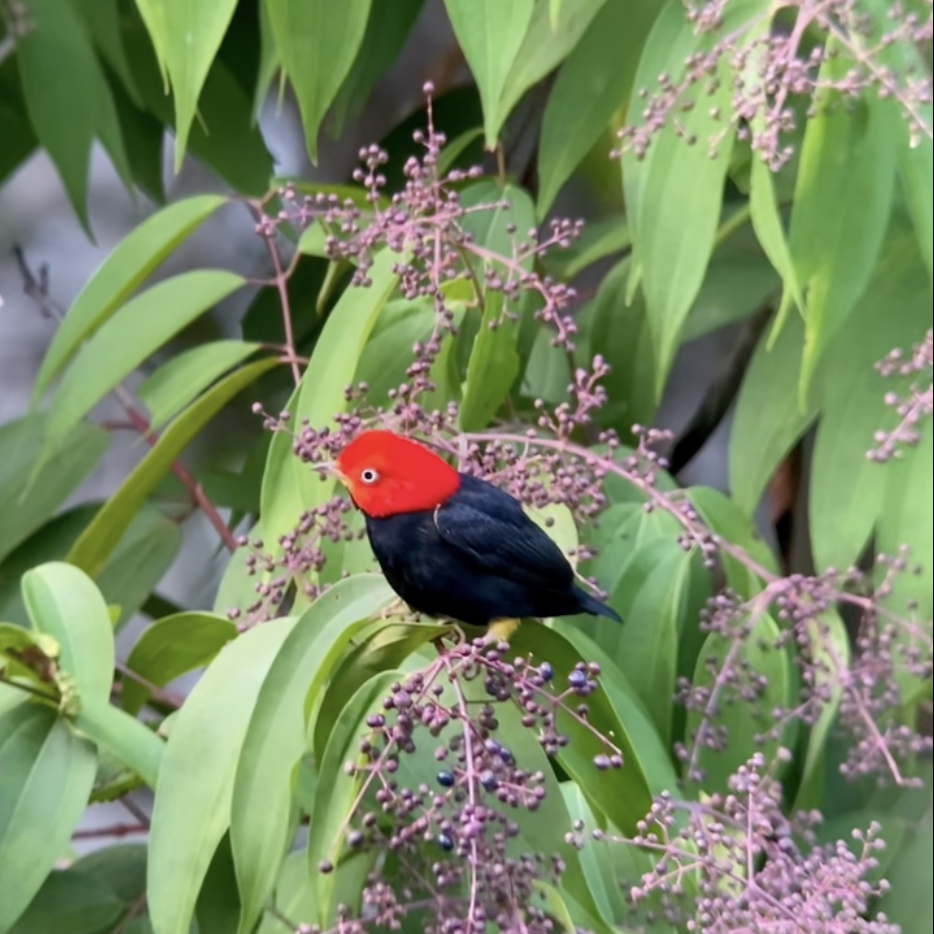
Male
Tranquilo Bay, Panama
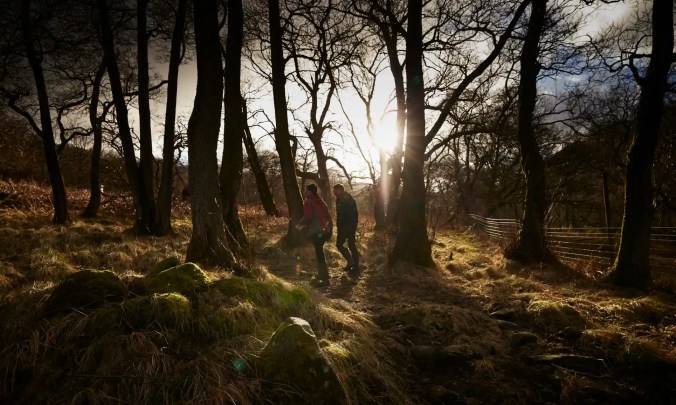
Haweswater in the Lake District where the RSPB is running rewilding projects based around Naddle farm and the surrounding farmland. Photograph: Christopher Thomond/The Guardian
Rewilding has been a favorite topic in our pages for most of the last decade. We appreciate the nuances, described by Ben Martynoga, in this particular community’s efforts and challenges related to rewilding:
Staff and volunteers at Naddle farm, an ex-sheep barn which is now a tree nursery. Photograph: Christopher Thomond/The Guardian
‘The R-word can be alienating’: How Haweswater rewilding project aims to benefit all
On the Lake District’s north-eastern fringe, two farmsteads are restoring the landscape with a commitment to conservation and providing jobs
Until the last male golden eagle died in 2015, Haweswater, on the rugged north-eastern fringe of the Lake District, was England’s final refuge for the bird of prey. “Even now, whenever I go up Riggindale, it feels like something is missing,” says Spike Webb, a long-serving RSPB warden at its Haweswater site. Continue reading
Pea Island National Wildlife Refuge, North Carolina
The treaty is meant to serve as a scaffold for future initiatives, and has the power to protect much of the ocean. Photograph by Philip Thurston / Getty
We thank Jeffrey J. Marlow, Assistant Professor of Biology at Boston University, once again; this time for an essay he just posted on the New Yorker’s website. The news in it is not new, but his take on it is:
The Inside Story of the U.N. High Seas Treaty
A new global agreement protects marine life in parts of the ocean that laws have been unable to reach.
The open ocean, which is home to millions of species and generates much of the oxygen we breathe, is a mostly lawless place. Nations have jurisdiction over waters near their coasts, but the high seas, which begin two hundred and thirty miles from shore, are a first-come, first-served domain: there’s little to stop someone from exploiting marine resources, whether plants and animals in the water or fossil fuels beneath the seafloor. Forty-three per cent of the planet’s surface is vulnerable to unregulated deep-sea drilling, overfishing, and bioprospecting. Continue reading
Falcon State Park, Zapata County, TX

A sunflower sea star found in a kelp forest in waters off the Oregon coast before an invasion of sea urchins. Credit Scott Groth/Scott Groth, via Associated Press
Thanks to Nicholas Bakalar (last seen in these pages seven years ago, we welcome his science reporting work back after so long):
The Missing 24-Limbed Animals That Could Help Rescue the Ocean’s Forest
Scientists say that reintroducing the fast-moving predators to the West Coast could help control the spread of sea urchins that are devouring kelp.
The kelp forests off the West Coast are dying, and with their decline, an entire ecosystem of marine plants and animals is at risk. A large starfish with an appetite for sea urchins could come to the rescue. Continue reading