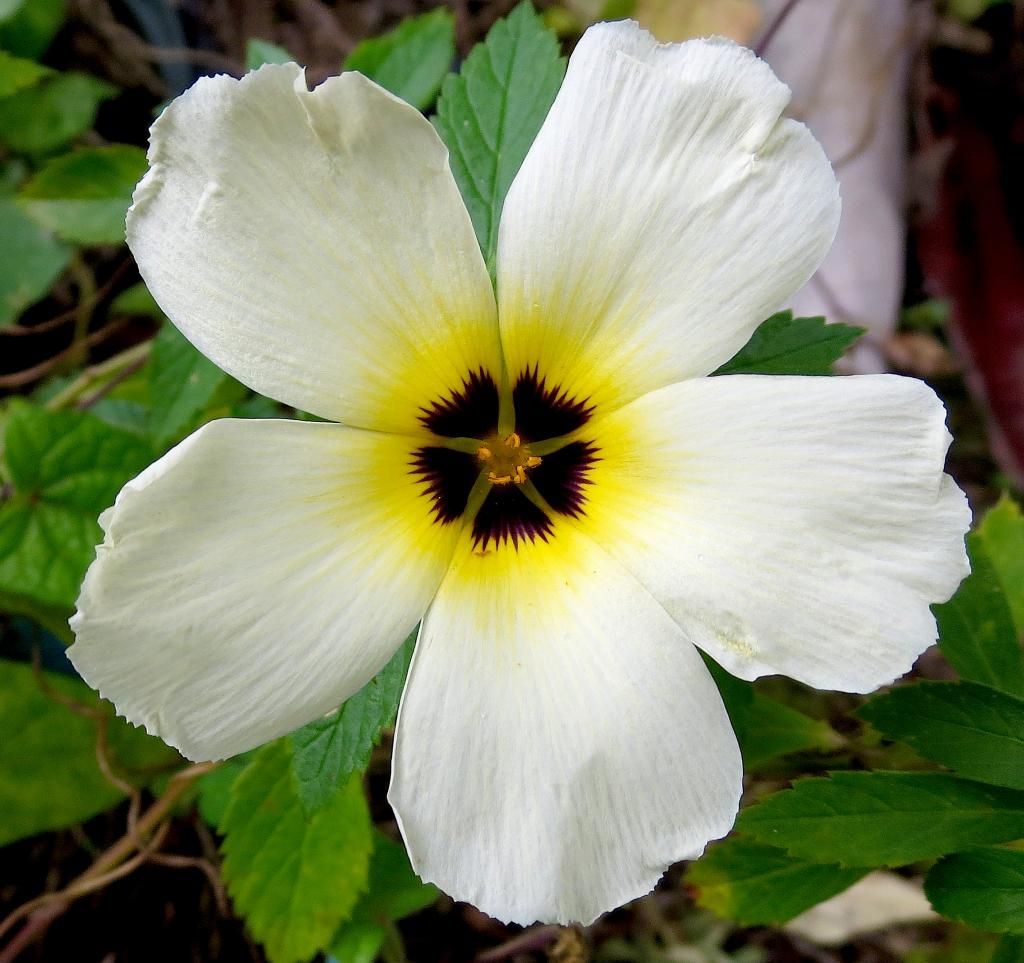
Orchard, garden paths
As promised in the first post, more flora (with captions identifying the locations around Xandari). And more to come!
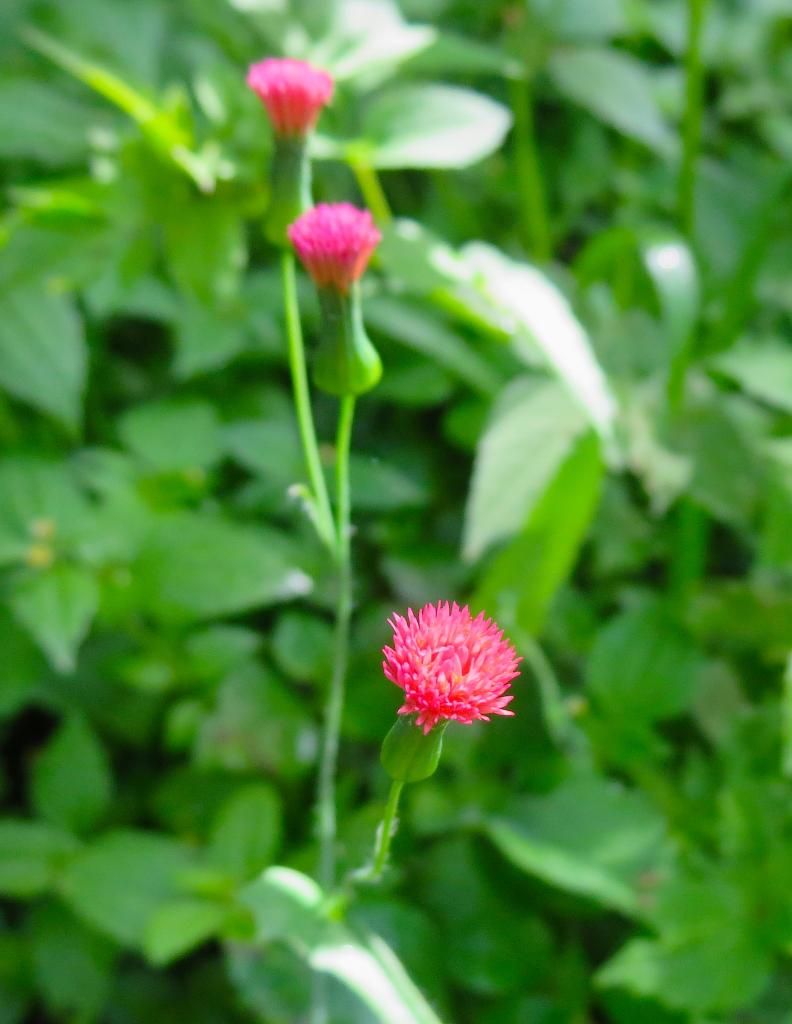
Orchard
Orchard, garden paths
As promised in the first post, more flora (with captions identifying the locations around Xandari). And more to come!
Orchard
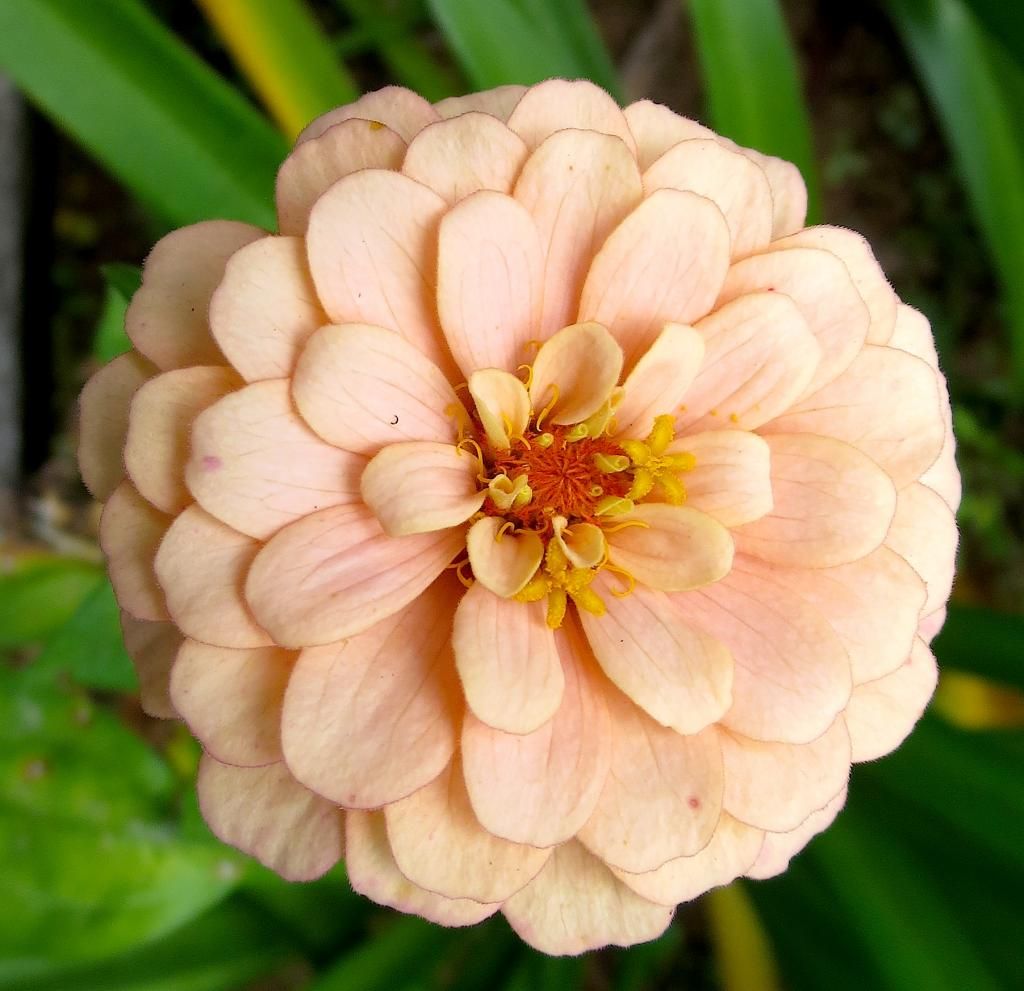
Right of the reception
Although, as I detailed in my last post, my internship at Xandari is over, I still have a great backlog of images that I never had a chance to upload while there. (My computer broke.) I’d like to share the better of those photos with everyone here. I’ve named this post “flora-files” because I think the title sort of punny: “files” in the sense of records on Xandari’s flora; and “file” in the sense of the Greek φίλoς (philos), “love,” the same one that shows up in “Philadelphia” or “audiophile.” Look out for more from the flora-files… I’ll detail where I find these flowers around Xandari in the caption, so that if you’re lucky enough to be here while they’re in bloom, you can go seek them out.
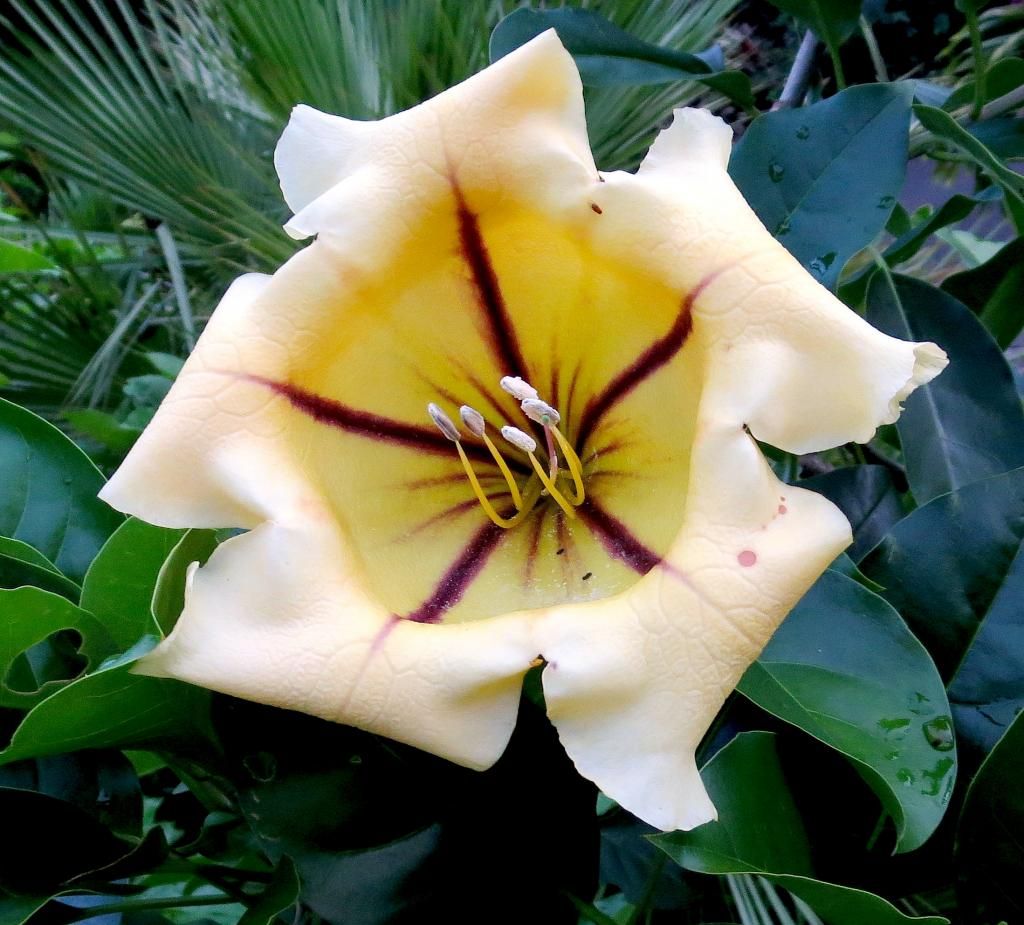
Garden paths
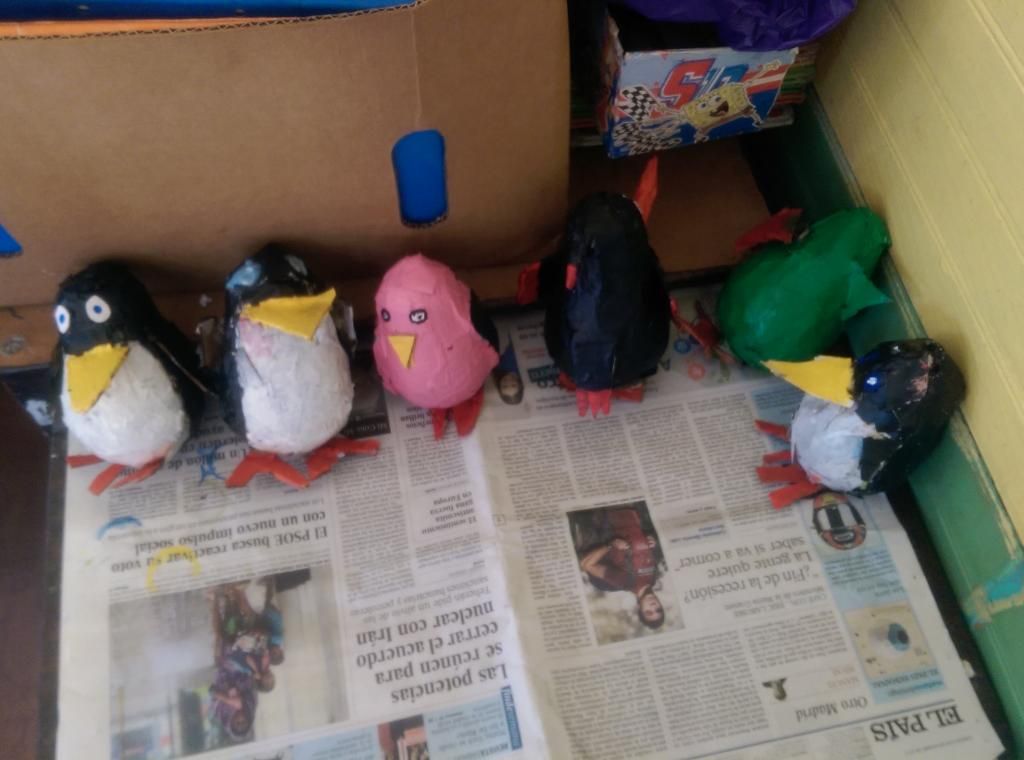
Papier-mâché penguins and other birds from the fourth grade class
In his recent post on our work at the local school in Tacacorí, Seth outlined our papier-mâché and painting ambitions with the third and fourth grades there. The second half of the week, Seth and I were split up because of the kids’ conflicting class schedules. I took fourth grade on the last few days, and he worked with third grade.
In his Poetics, Aristotle elaborates an aesthetic theory partly on the basis of μίμησις (mimēsis), or “imitation.” According to Aristotle, humans are “mimetic” beings, that is, disposed to imitate nature and other human beings. Art’s basis is precisely in Continue reading
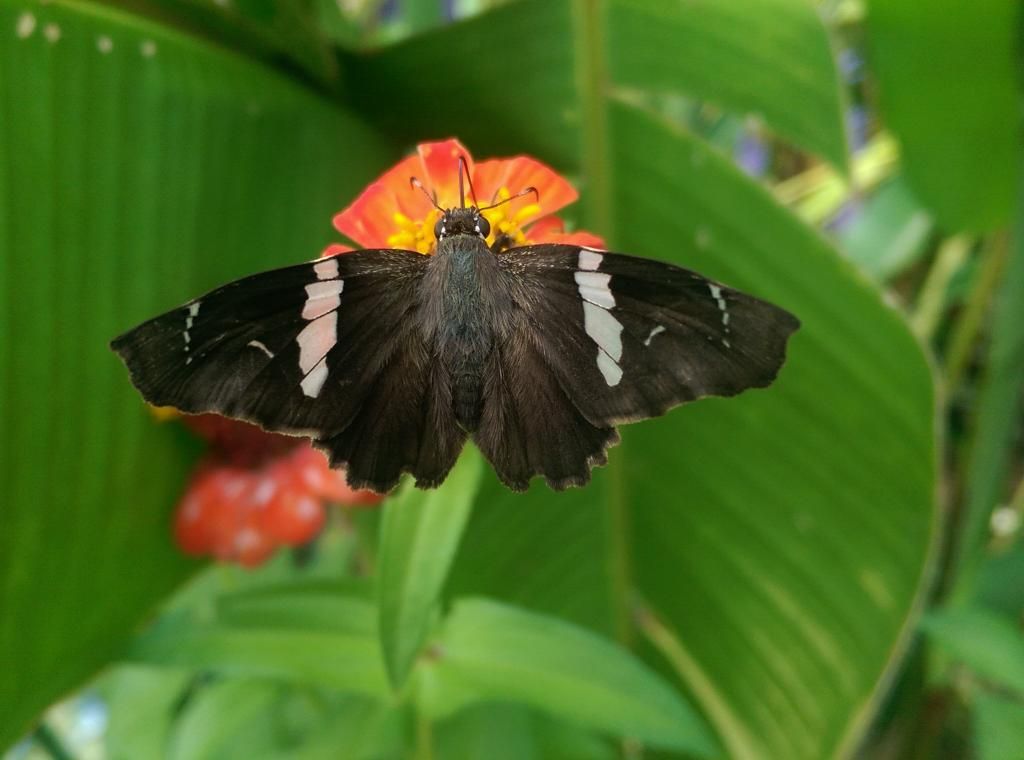 Costa Rica is home to some 1200 butterflies and another 8000 species of moths (both diurnal and nocturnal varieties). This astounding diversity is no surprise, given the country’s neotropical climate and its position as a land bridge between North and South America, each home to a plethora of diverse ecosystems. The tremendous number of butterflies that can be seen goes hand-in-hand with the fact that Costa Rica is home to about 4% of the world’s total biodiversity! Of the butterfly species, some of the most famous include Continue reading
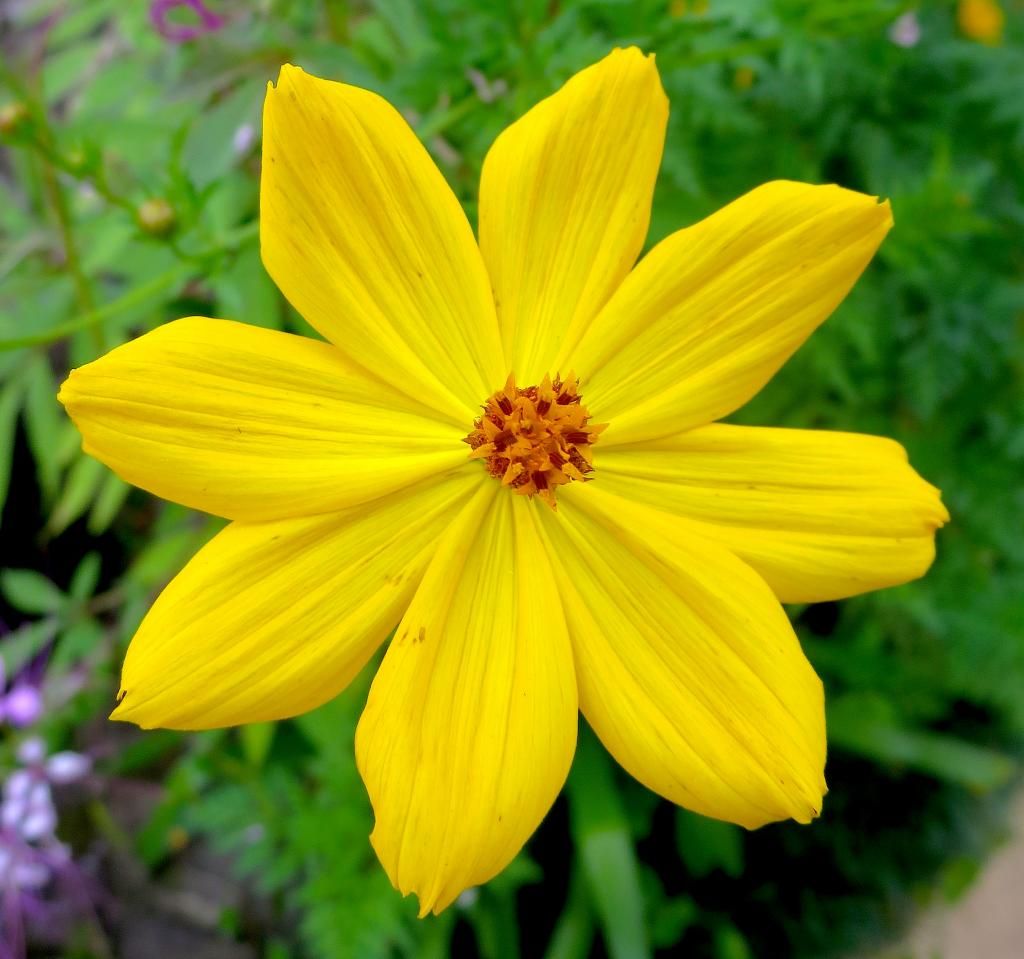
Following Seth’s catalogue of insects, I thought I would post just a few of the many flowers that can be found in bloom around Xandari. Continue reading
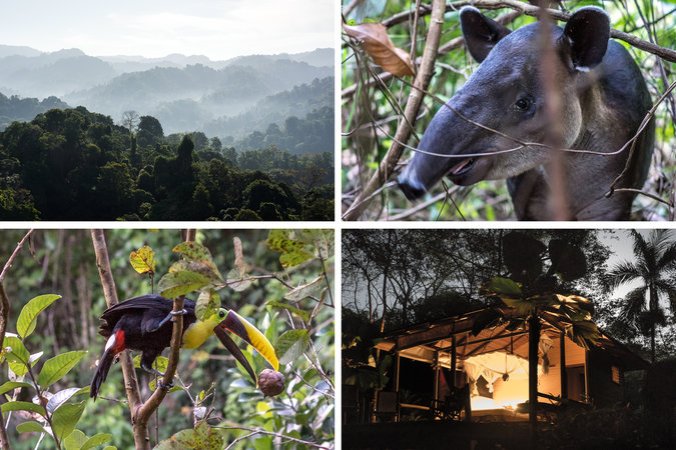
Clockwise from top left: Rain forest in Corcovado National Park; a tapir in the park; a cabin at Bosque del Cabo Rainforest Lodge; spying on a toucan at the lodge. Credit Scott Matthews for The New York Times
As might be guessed from many of the sources linked to here, several of us are fans of long-form narrative and some enough so that we listen to a podcast dedicated to interviewing long-form journalists. We love well-crafted descriptive wording. Our friends in Costa Rica generally, and the Osa Peninsula especially, must be delighted to have Amy Harmon‘s long-form knowhow working in their favor in this week’s Travel section of the New York Times.
 By almost unbelievable coincidence, while wearing the shirt to the left (selfie by yours truly, dear reader) I was listening to a podcast interview with Amy Harmon at the moment this article–what first caught my eye was the title about travel to Costa Rica–came onto my screen. Then, seeing it was by Amy Harmon I had to read it immediately for another reason. We have a large collection of posts dedicated to science writers and their craft, but none yet dedicated to her work (this post is the first step of correcting that negligence). Below, excerpts of the description of the experience she had at Bosque del Cabo, a property where many of our guests who stay at Xandari also visit, and vice versa:
…Our first stop, Bosque del Cabo, was a 40-minute ride by taxi from Puerto Jiménez, the biggest town on the peninsula with a population of 1,780. I had chosen one of the two cabins at Bosque just steps from the rain forest, at the edge of a large clearing planted with native trees and plants. A half-mile away from the main lodge area, these “garden cabinas” are reached by a trail through the forest that crosses high above a river over a suspension bridge… Continue reading

Seen from one angle, the sun is setting over the pool on Xandari’s western perimeter; the way this photo is taken makes it appear that way, but if seen from Kerala, the sun would just be rising. Just hours ago, Xandari joined Raxa Collective. Welcome! Continue reading
So I’ve left behind the wild, lush landscape of the Costa Rican rainforest and arrived in Strasbourg, France, to find a completely different kind of green.
Costa Rica is one of those countries the climate change debate focuses on – it’s the epitome of natural diversity and everywhere you turn there is some species or habitat that could be gone in 20 years’ time. Or 10 years’ time. From the rainforests I hiked through to the sloth sanctuary my mum and I visited, everything there seems at once so wild and so fragile. The conservation efforts we see there are direct, tackling the specific problems the land faces: protected areas are being designated, turtle-watching programmes are being set up to monitor and protect the species, and the people at Aviarios sloth sanctuary provide education for locals as well as caring for the animals.

Places like the Manuel Antonio National Park have to concentrate on the effects of climate change.

This one was actually made by Ana's daughter Meli - it must be a family tradition!
I don’t know what I was expecting when Ana Teresa invited me to take a look at her studio. On the one hand, I’d seen the quality of the products on the shelves in REMOC, and thus knew that the craftswomen were not amateurs; but I also knew that many of them didn’t have high incomes or hours to invest in their business – one of the challenges of the trade, for them, is that they are making a living while maintaining a home for their families and fulfilling their duties as a wife and mother. So, despite knowing that the work they produce is ‘serious’, I was still impressed when Ana ushered me through a door I’d thought led to a garage, and I found myself in a real, fully equipped artisan’s workshop. Continue reading
Ok, finally I will start from the beginning.
I study French and Spanish at the University of Edinburgh, and as such, I have to spend my Junior Honours year abroad: one semester in a Spanish-speaking country and one in a French-speaking country. Ever the romantic, I chose Costa Rica, with its rainforests and volcanoes, earthquakes and hurricanes, democracy and peace. There is no Costa Rican army. And they all say ‘Pura Vida’, all the time.

I'd say 'Pura Vida' all the time if I lived here too.
As a new face here at Raxa Collective, I thought I’d take a minute to introduce you to all to the organisation I’m volunteering for here in Costa Rica. It’s called MUSADE, which stands for Mujeres Unidas en Salud y Desarrollo, and its function is to provide support for women who have suffered intra-familiar violence. MUSADE has a lot of great programs going on, but today I’d like to talk to you about some exciting news for our Defensoras Populares.

This banner was made to commemorate MUSADE's 25th anniversary this coming Tuesday.
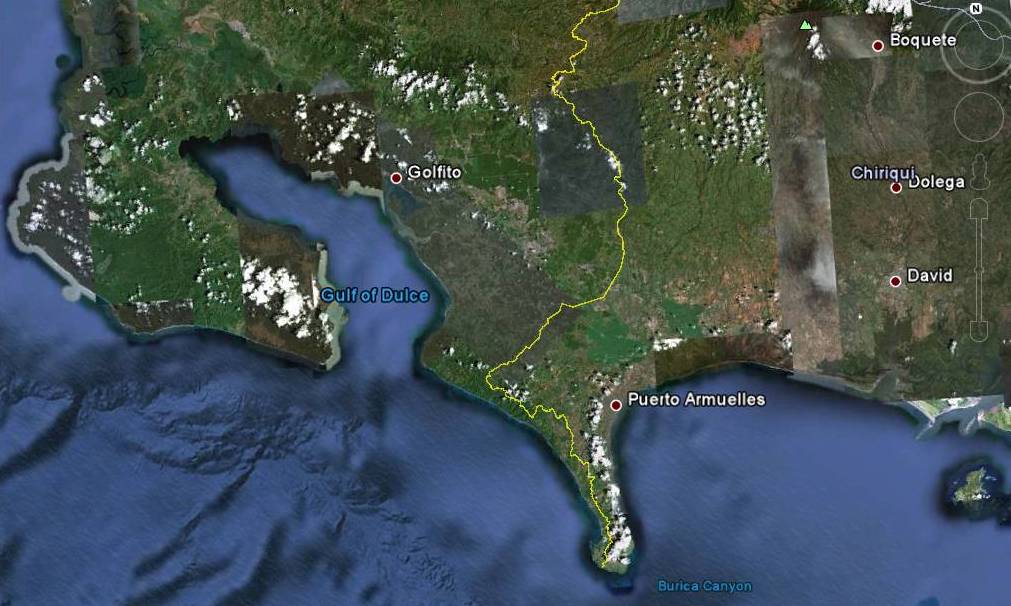
It has been quite a trip from the Osa Peninsula in Costa Rica to David in Panama. It took most of one day to travel here with the 4WD to Puerto Jimenez and then by boat, taxi and bus to my destination for two nights. Continue reading

But how is it? It’s certainly not a beauty compared to other bigger cities. The Google Earth image above provides a kind of accurate representation of the first impression–not much to feel at first glance. But this city has its own very charming sides, and I enjoy being here. Continue reading

We’ve lived in India a year now (more on that in another post) and for much of this time I’ve wanted to visit Munnar, the iconic tea-laden hill station in the Western Ghats. Most of our mountain excursions have been to Thekkady, a place we’ve grown to love for its proximity to the Periyar Tiger Reserve, and the team we work with at Cardamom County.
This weekend we had the best reason for a change of route–to scout a prospective organic farm that might join our portfolio of properties under management–so I was looking forward to also discovering the differences between these two hill stations. I did in fact find something different in Munnar, but not in the way I was expecting it. Continue reading
 Organikos