Saip!

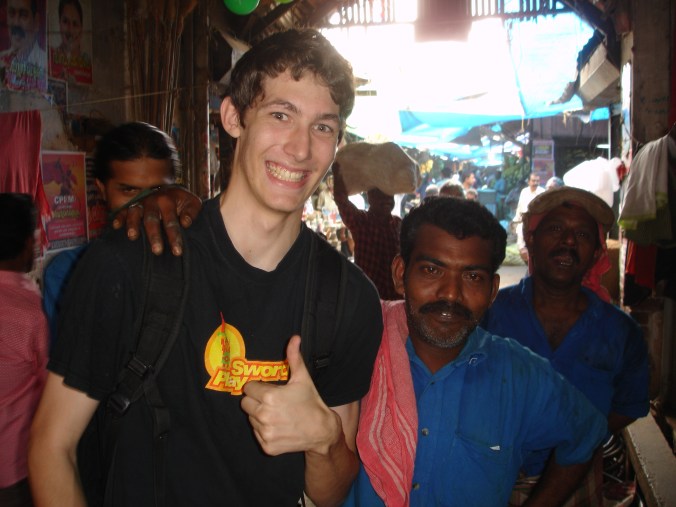
In my own favorite post of the last few months (Kerala: Seeing & Learning), I briefly mentioned the word. But I didn’t make it clear just how hilarious the instances of its utterance can be, especially when the subject knows its significance.

A New Zealand writer who lived in Kerala for a few years describes a few bizarre Continue reading

Relics

Everywhere you go in India, even cities considered ‘modern’ by today’s standards, there are relics of the past. Architecture, attire, animals walking through the street. In Cochin, one of Kerala’s biggest cities, locals don’t even look twice if an elephant walks down the street – the same street with IT parks and shopping malls on it.  Continue reading

Kerala Wildflowers

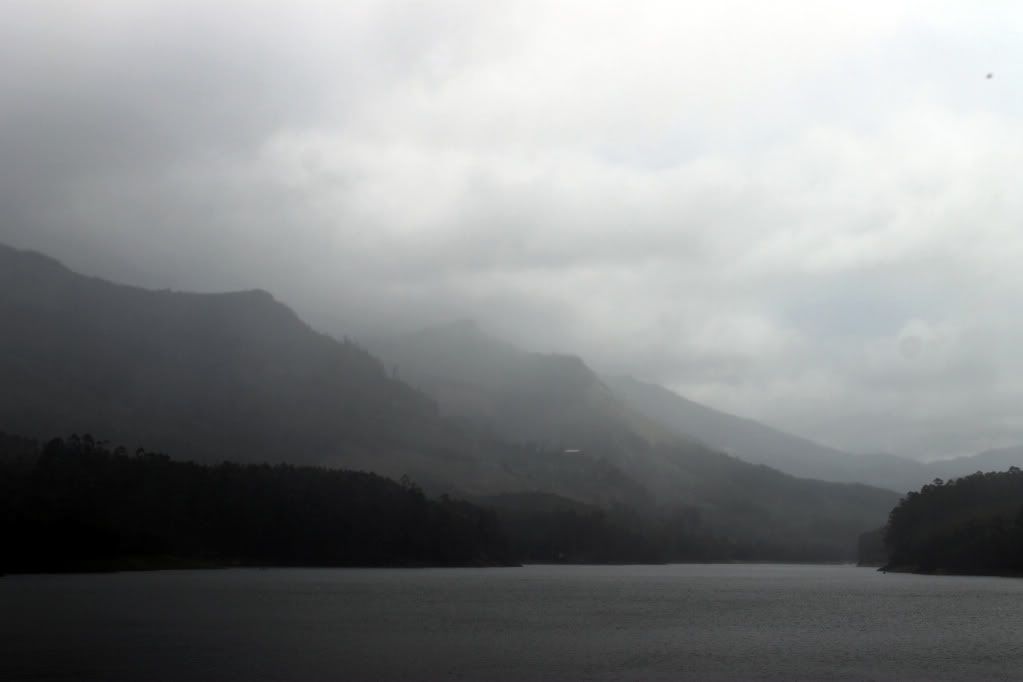
It doesn’t take a gardener or horticulturalist to appreciate the beauty of an angiosperm’s blossom – whether a flower felled from dozens of meters above splayed on the ground; a gorgeous splash of color on the forest floor, or purple puffs of perfectly formed pollination mechanisms overlooking the steep slopes of the Western Ghats – Kerala is a bouquet of stunning wildflowers. Continue reading

Bi-Colored Damselfly

As mentioned in an earlier post, I’ve been developing my techniques for improved macro photography without a macro lens. Tough work, but highly rewarding. Besides areas I will soon explore thanks to a new array of equipment (extension tubes, magnification filters, etc.), I have currently enjoyed a great deal of success with the relatively unknown backward-lens trick. Although you lose the ability to focus and meter light, the technique is excellent for artistic photographs of small things. And if it hasn’t been made clear from my dozens of posts on the subject – I love small things. Continue reading

Kathakali

It’s said that about 70% of communication is nonverbal. However in the case of Kathakali, which has its own stylized language of dramatic movements, stories – epic classics even – can be 100% told without uttering a single word. Next door to the Kalari Centre where Sung and I witnessed the impressive show of Kalari Payattu, is the Mudra Centre for Kathakali: yet another cultural spectacle that originated in the southern Indian state of Kerala. Continue reading

Kalari Payattu

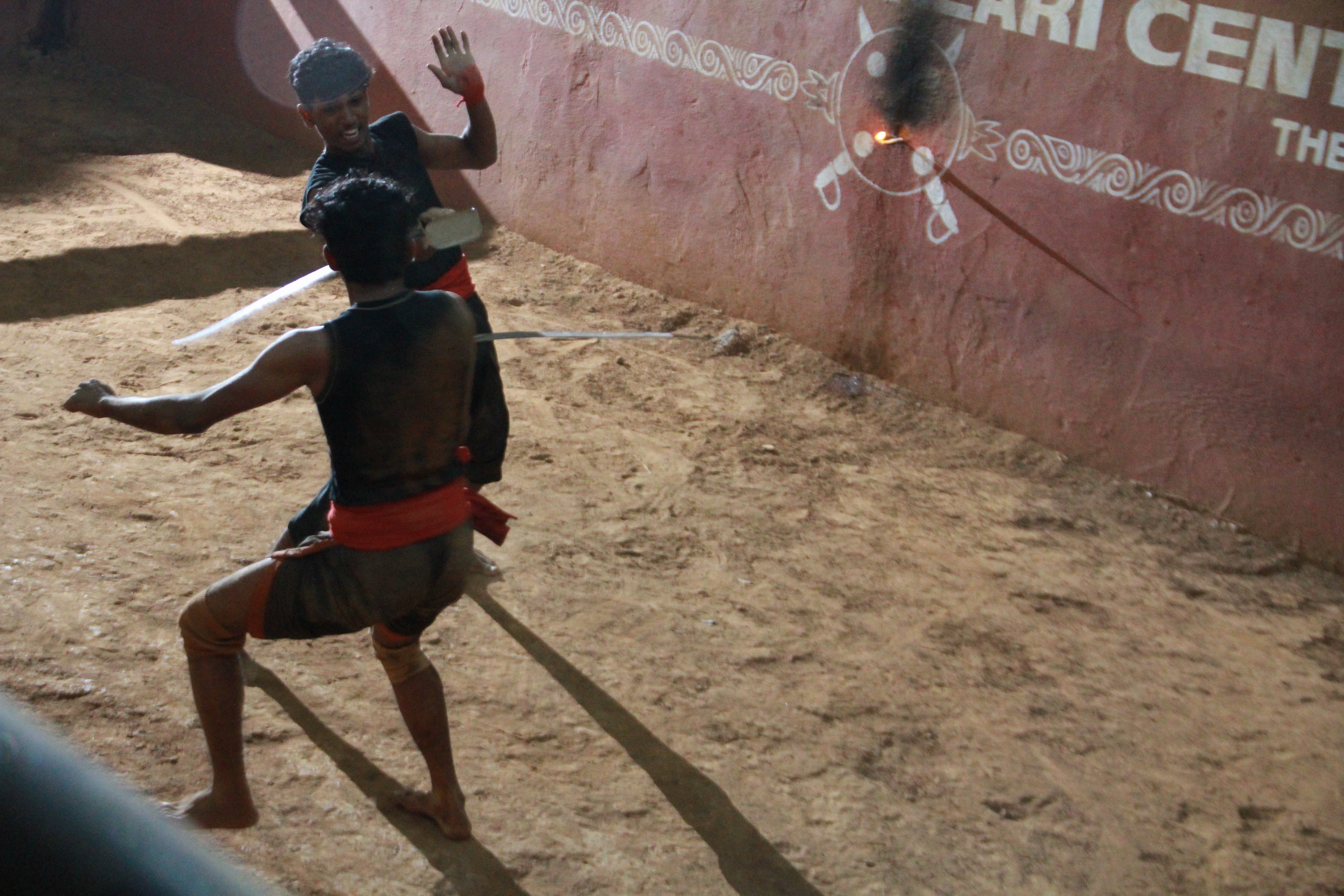
You may have heard the common expressions, ‘jumping through hoops’ or ‘bending over backwards’ to describe an act, done for someone else, which is in some way a difficult challenge. I’m now willing to venture a guess that these phrases originated from the practitioners of kalari payattu – an ancient martial art native to Kerala – who literally do both of these things as devotional acts and for the love of their art. Continue reading

A Brief History of the Houseboat

Earlier this week I had the pleasure of having lunch aboard one of the houseboats in the Raxa Collective fleet of comfortable crafts: buoyant examples of luxury as defined in a recent post. That is to say that these are unique vessels upon which one’s thirst for experience can be quenched and one’s hunger for life can be satiated… Continue reading

A Splashy Finish

Devas Chundan wins Nehru trophy boat race

“Alappuzha, Sunday, August 14, 2011: In a photo finish, snake boat Devas Chundan powered by oarsmen of Jesus Boat Club lifted the coveted silver trophy in the annual Nehru Trophy Boat Race, billed as the country’s biggest water sporting event, at Punnamada Lake here on Saturday.

Devas whizzed past Karichal Chundan of Freedom Boat Club and Muttel Kainakari of United Boat Club in a thrilling race….”

*     *     *

Here’s how Sung saw it:

Continue reading

Profile: Varghese & Resource Management

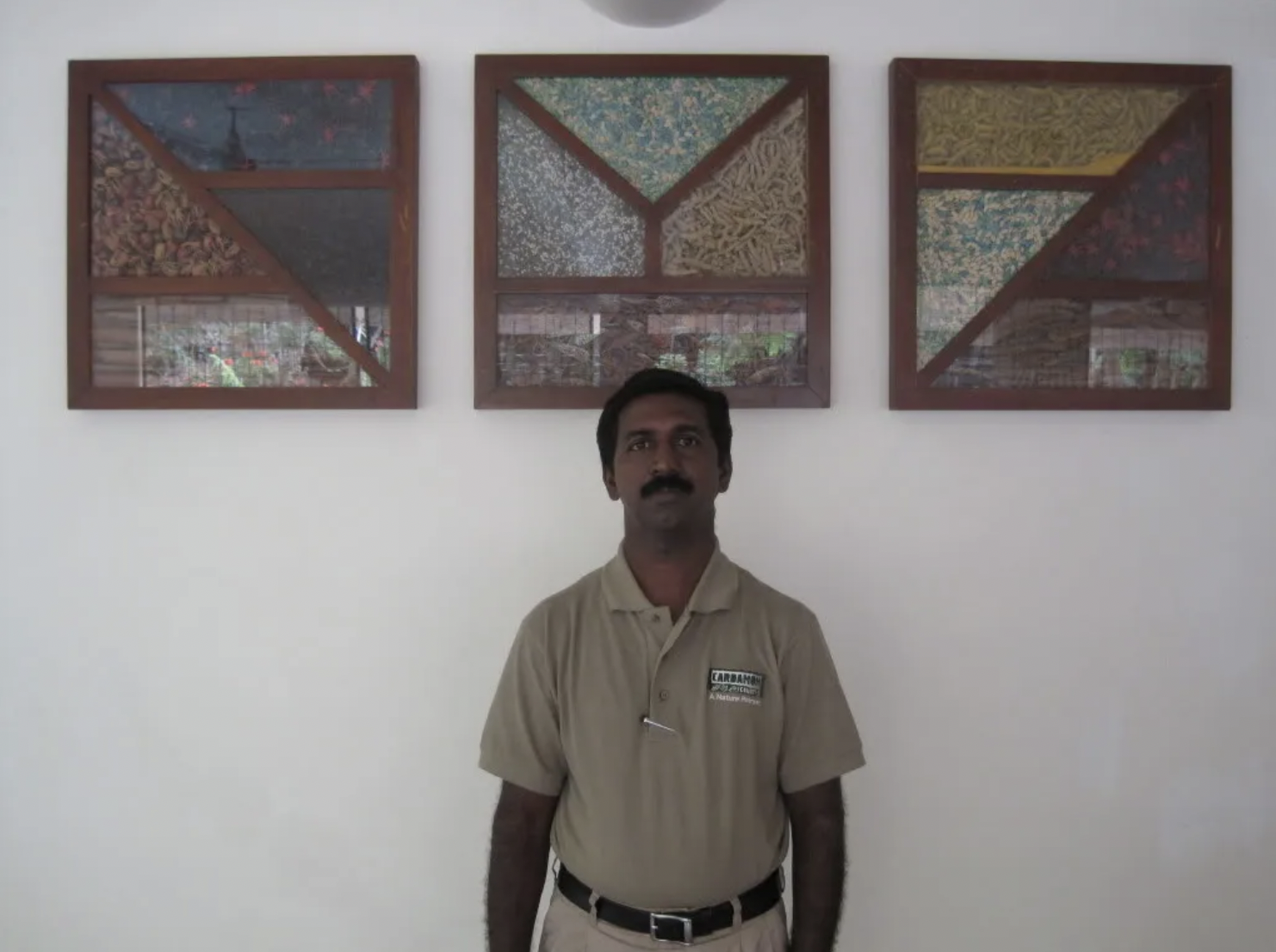
A few days ago I spoke with Varghese, the restaurant manager and head of the food and beverage department here at Cardamom County, who prides himself in running a tight ship and making sure that guests are at their happiest. Varghese is another long-time member of the Cardamom County family, originally arriving here eleven years ago, in 2000. Having taken a two-year hospitality course in Ravipuram in Ernakulam (the same district housing Cochi), at a school that has now shifted to become the Fort Munnar Catering College in the misty mountains of nearby Munnar, and training with Taj Group of Hotels, he arrived to fill the role of a restaurant supervisor.
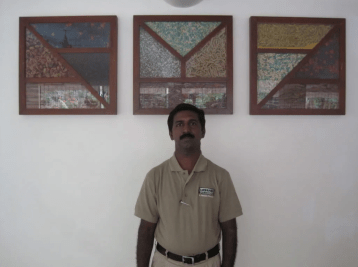
 

Varghese told me about his Uncle Phillip who was one of the many well-educated people from Kerala who went over to a Gulf country, in this case being Bahrain. We talked about this brain drain, which Varghese mentioned had been going on since as early as the 1970s. The highly educated people and professionals of Kerala go in search of new opportunities, higher living standards, and money to send back home. Varghese also talked about Arabic being a language that is not too difficult to pick up, especially because of the difficulty and speed with which the native tongue of Malayalam is spoken. However, what is interesting to note is the stark contrast of climate between the Gulf countries and Kerala, the former being very dry, arid, and hot with the latter being humid and comfortably cooler especially at higher altitudes near the Western Ghats such as here in Kumily, Idukki. Continue reading