Murphey Candler Park

Not far from where my grandmother lives just outside of Atlanta, there’s a public park with a lake that I have recently visited several times to go birding. On eBird, the park’s hotspot boasts one hundred and fifty-four species of birds, so it was a natural place for me to check out, especially given that the park’s lake might attract some water birds I haven’t seen yet.

In addition to the thirty-eight species I saw myself during three morning walks around the lake–several of which will become Bird of the Day photos over the following months–I also enjoyed the forest scenery in this suburban oasis, and got to see Continue reading

The Whole Picture

Did you take these for just some stunning water colors? Well, these are hard data on climate change. An artistic expression of an ugly, oft overlooked truth. Jill Pelto, the artist, who graduated in December from the University of Maine with a degree in earth science and studio art, created these paintings based on graphs of data on the environmental effects of climate change.

Continue reading

What Does It Take to Plant a Forest?

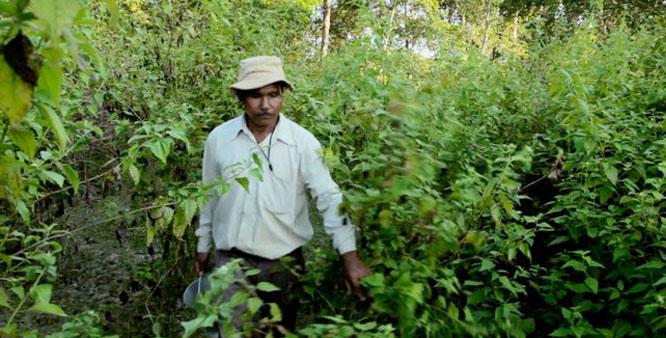
Indian man, Jadav "Molai" Payeng, has single-handedly planted a 1,360 acre forest In Assam. PHOTO: Jagran

Indian man, Jadav “Molai” Payeng, has single-handedly planted a 1,360 acre forest In Assam. PHOTO: Jagran

For many people the sight of a dead snake would be an unpleasant but not tragic image, but for Indian activist Jadav “Molai” Payeng it was a call to action that inspired him to create an entire forest. When Payeng was just a teenager in 1979 he came across a bed of dead snakes on the sun-baked shores of the Brahmaputra river. The limbless beasts had been stranded on the barren banks and perished in the unmitigated heat due to the lack of shade or tree cover. Payeng wept over the corpses but resolved to turn his sadness into action.

Continue reading

Talking the Lion’s Share of Conservation

An image of a lion projected on to New York's Empire State Building in memory of Cecil, the lion hunted down in Zimbabwe recently. PHOTO: BBC

An image of a lion projected on to New York’s Empire State Building in memory of Cecil, the lion hunted down in Zimbabwe recently. PHOTO: BBC

The hue and cry over Cecil the lion’s killing is yet to die down. Zimbabwe’s most popular lion’s death did stir up outrage in the quarters of animals rights crusaders and much indignation at how a ‘man who restores lives’ could take the life of another. While the need for a better conservation-hunting model has risen yet again and efforts are on to chalk out more effective regulation on hunting, the focus returns to how man-habitat-animal conflicts abet loss of lives. More interesting are the isolated voices that call animals in the wild just what they are – “killers”.

Continue reading

China, What Will it Be?

China recently announced plans to build a 5,300 km railway linking the Atlantic with the Pacific, cutting through the heart of the Amazon jungle in Brazil and Peru. PHOTO: Andrew Snyder

Rail or road – what is the best mode of transport for free flow of goods from Brazil to China? PHOTO: Andrew Snyder

China recently announced plans to build a 5,300 km railway linking the Atlantic with the Pacific, cutting through the heart of the Amazon jungle in Brazil and Peru. Environmental groups are concerned that the railway will threaten sensitive ecosystems, wildlife and indigenous peoples. Indeed on the face of it, this would be a disaster for conservation in the most biologically rich place on Earth. But is a train line in fact the lesser of two evils?

Roads bring access to previously remote areas – and consequently bring down a cascade of problems on tropical forests. Logging, mining, and hunting result in the destruction of forests, all paving the way for their complete conversion to agriculture. Indeed, in the Amazon 95% of deforestation occurs within 5km of a road. Train lines on the other hand are usually state-controlled and more easily regulated. The proposed line will cost an estimated US$10 billion to build and will reduce the cost of shipping oil, iron ore, soya, beef and other commodities from Brazil and Peru to Asian markets.

Continue reading

Bosque del Cabo and Xandari

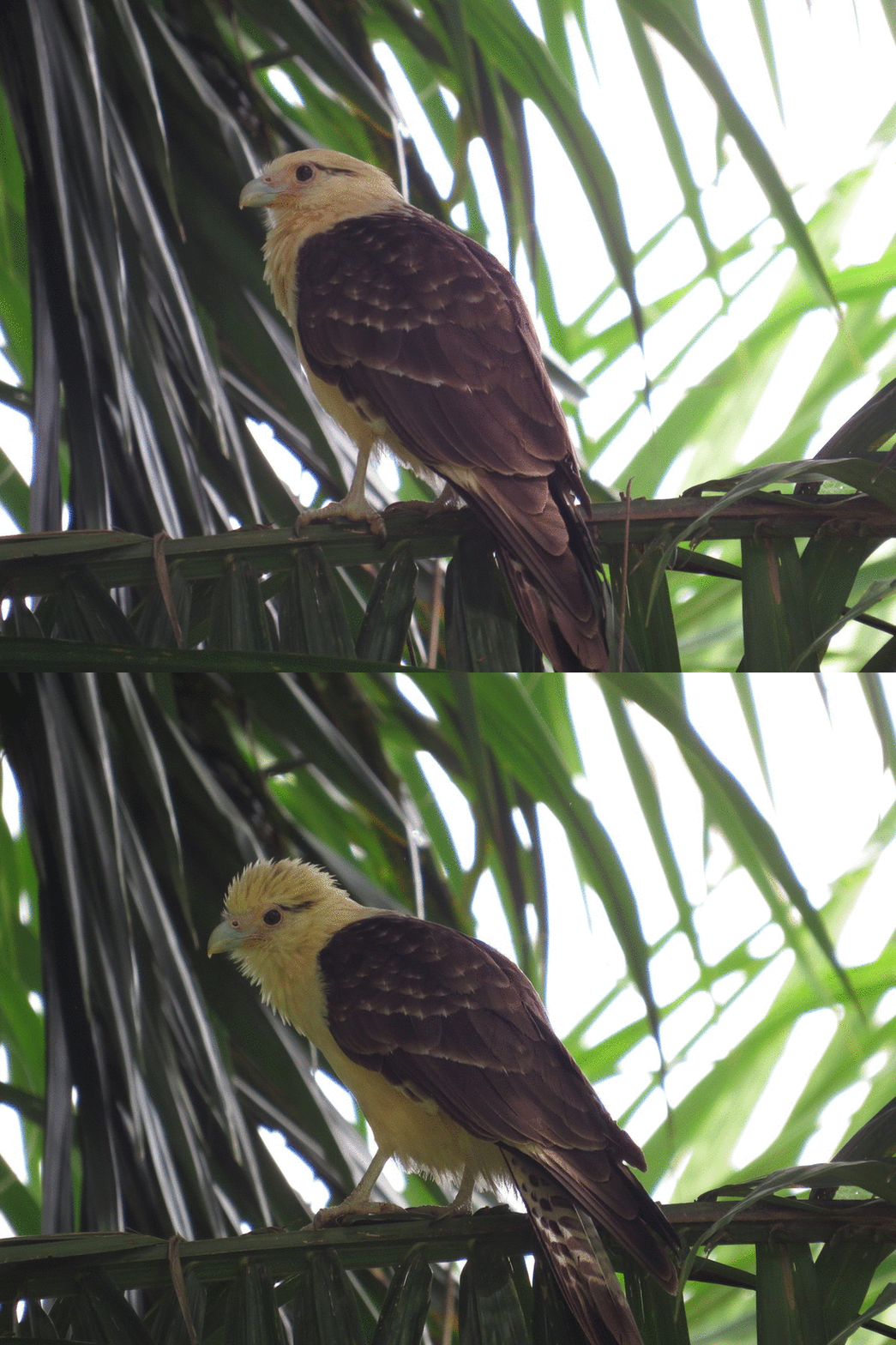
A Yellow-headed Caracara raising its head feathers

A Yellow-headed Caracara raising its crest at Bosque

I’ve posted before on the beauty of Bosque del Cabo and some of the wildlife that my family and I spotted when we were there just about a month ago, but at the time I didn’t touch on the complementarity of the coastal rainforest nature lodge with Xandari Resort in the Central Valley, where I’ve been based the last six months.

My first experience of the compatibility between Bosque del Cabo and Xandari was vicarious. One of my good friends at Cornell knew that I had lived in Costa Rica and asked for advice on places to stay for his parents and younger sister over spring break (unfortunately, he had to stay in Ithaca for varsity athletics). Of course, my first recommendation was Xandari Continue reading

Spying on Mammals: Camera trapping in Ecuador

Hey Raxa readers, I thought I’d  share with you the process of putting up a camera trap in a tree, and also a couple of videos that I recorded with the camera trap. What adorable rodent did I get a great video of in a shade coffee plot? Take a look and find out! Continue reading

So I’ve arrived at Cardamom County

This week, I arrived in Thekkady, at the frontier between Kerala and Tamil Nadu. My name is Allegra I’m a french professional who decided to take a break from hectic Paris to learn about entrepreneurial conservation and eco-tourism. I’ll spend the next two months at Cardamom County with Raxa Collective. Cardamom County borders the Periyar Tiger Reserve. As it nears the center of a bustling spice-trading town, I sometimes forget we’re in a forest. Nature always finds a way to remind you though. Continue reading

Beauty Of Kerala – Wayanad

photo Credits: Nidhin Poothully

Photo credits:  Nidhin Poothully

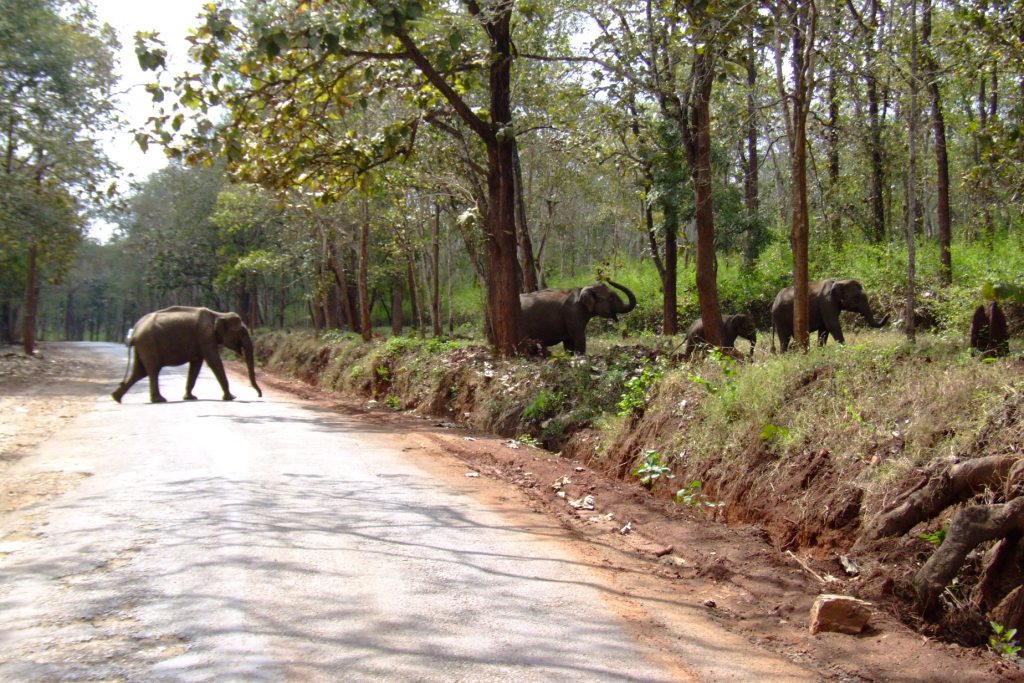
The road leading to Wayanad is smooth and even and surrounded by greenery from deciduous forest to soaring bamboos. The sanctuary around Wayanad is rich in fauna and flora. Elephants are the most common wildlife sighting, sometimes even amidst the the thick bamboo groves flanking the road en route to the sanctuary. Continue reading

Wayanad Wildlife Sanctuary

Photo credits: Ramesh Kidangoor

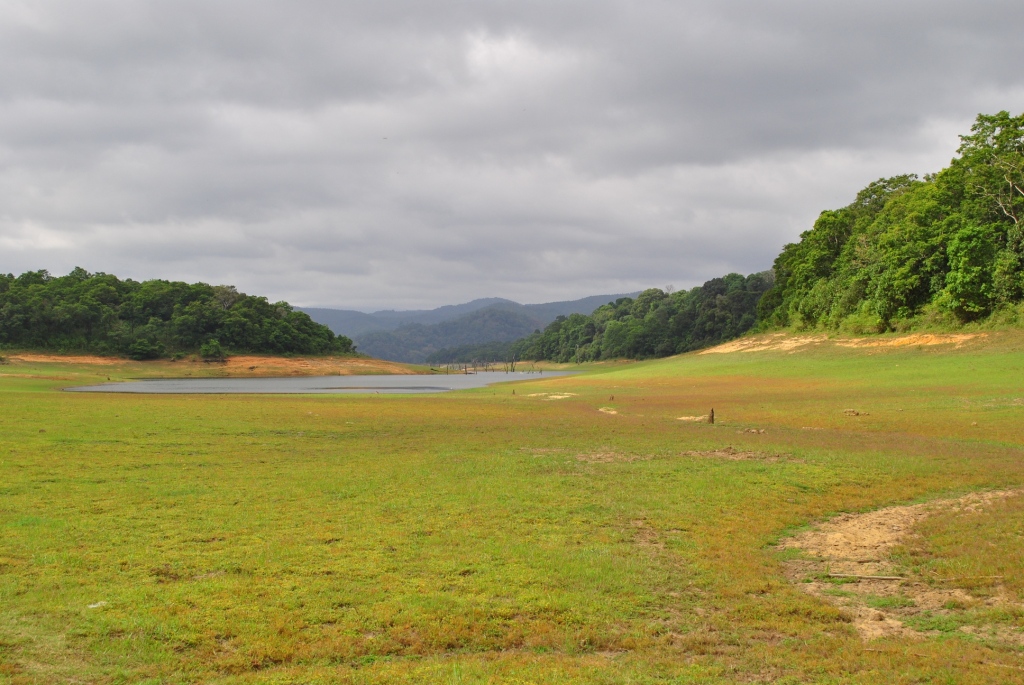
Part of the Nilgiri biosphere, Wayanad  Wildlife Sanctuary is an area of 344.44 square kilometres formed by two discontinuous pockets, Muthunga in the south and Tholpetty in the North. Nearly one third of the area is covered by plantations of Teak, Rosewood, Silver oak and eucalyptus.The rest is covered with Bamboo groves, moist deciduous and semi- evergreen forests. The sanctuary boasts a rich fauna, with elephants and deer the most commonly sighted.

Continue reading

Wayanad Wildlife Sanctuary

Located on the southern tip of the Deccan plateau, Wayanad is packed with scenic beauty. The region includes  sub-tropical savannahs, thickly wooded hills, evergreen forests, rolling paddy fields in the valleys and verdant spice plantations in the heights. Blasted by wind and lashed by rain, Wayanad spreads across 2,132 square kms of the lofty Western Ghats and is recognised for its biodiversity. Continue reading

Indian Leopard

Indian Leopard at Wayanad Sanctuary

Indian Leopard comes under one of the categories of five Indian big cats, which are massively spreaded on the Indian sub-continent. Preferring dry, deciduous areas with  significant amounts of rainfall these leopards inhabit tropical rainforest upwards of  2200 meters above sea level. Continue reading

Walk, Feel The Nature

One who loves Nature Mother will love this walk, especially during monsoon. You feel the soft earth on the bog, hear the whispering movements in the forest and smell her flowers everywhere. Nature Walk is a three hour trek which passes through evergreen and moist deciduous forests interspersed with marshy grasslands in Periyar Tiger Reserve. The trail normally covers 4 to 5 km area of Reserve escorting along with a  tribal forest guide. This program offers an excellent opportunity of Bird watching, butterflies and other wildlife of Periyar Tiger Reserve. Continue reading
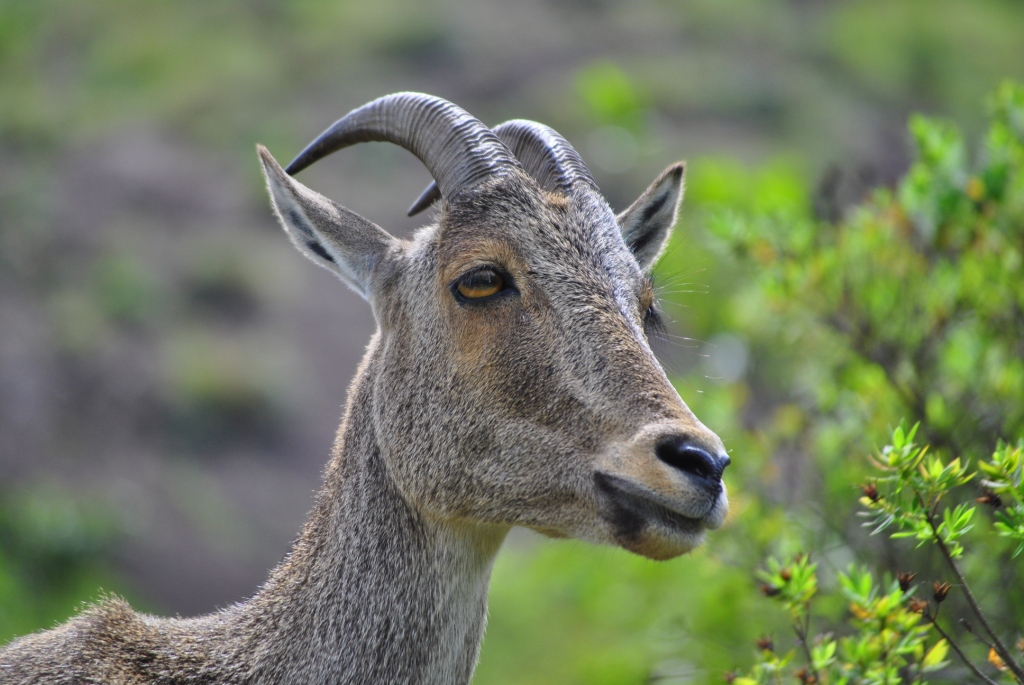
Nilgiri Tahr

The Nilgiri tahr is a wild goat commonly found in India’s Western Ghats at elevation of 1200m-2600m. These animals can be found in abundance in Eravikulam National Park, Kerala. Female Nilgiri tahr are short with smaller curved horns comparing to males. It is the state animal of Tamil Nadu (one of the southern states of India). These photographs were taken at the national park during a staff tour to Munnar.

Continue reading

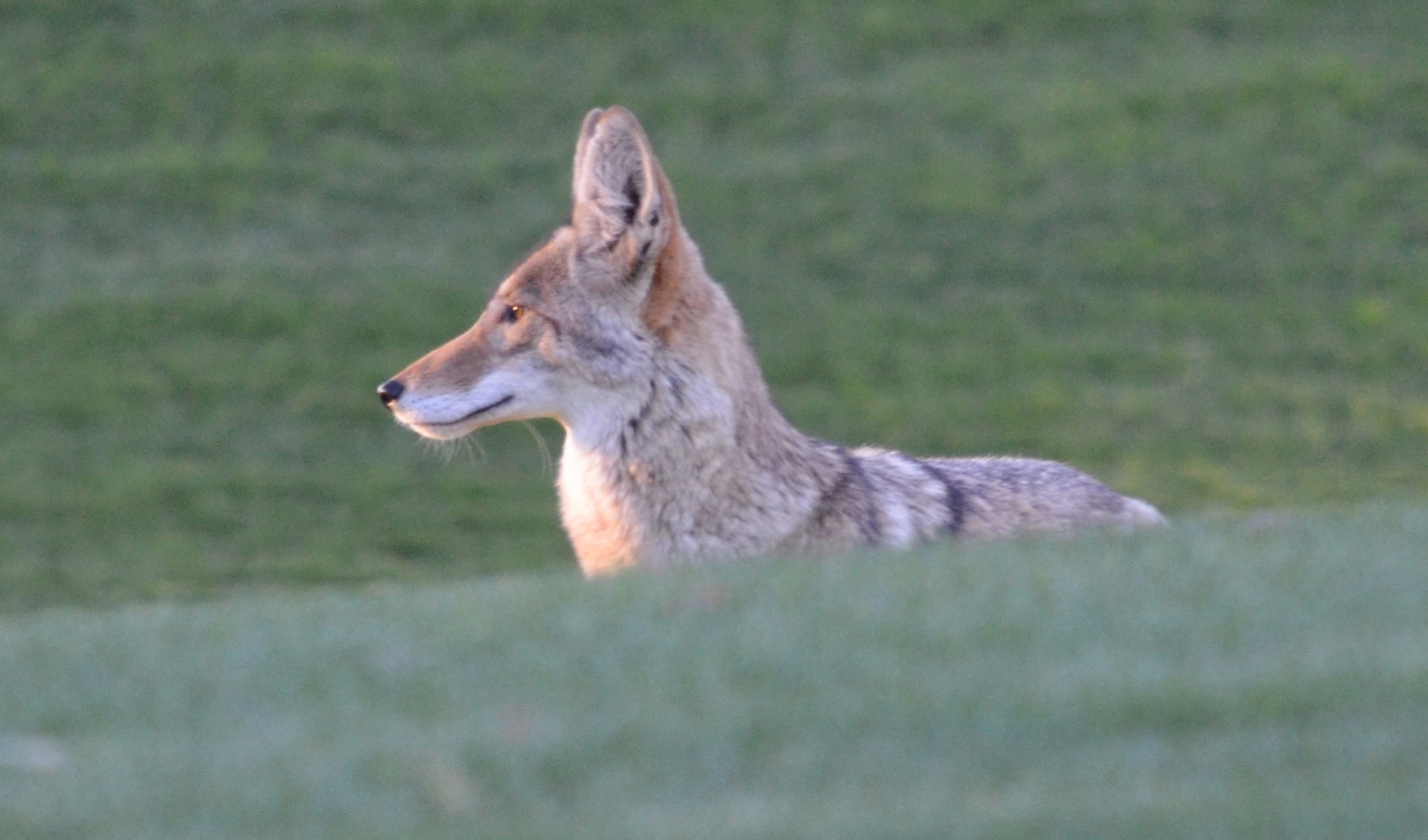
Golf Course Wildlife

From Scotland and South Africa to Scottsdale and South America, certain destinations draw countless visitors whose singular recreational motivation is golf. Few other sports or activities require the amount of terrain that golf does, so its environmental implications go further than most sports. But when considering golf’s land use, it is refreshing to recognize how many courses end up being preservations of rich natural areas and contribute to conservation as places of refuge for wildlife and plant life.

Continue reading

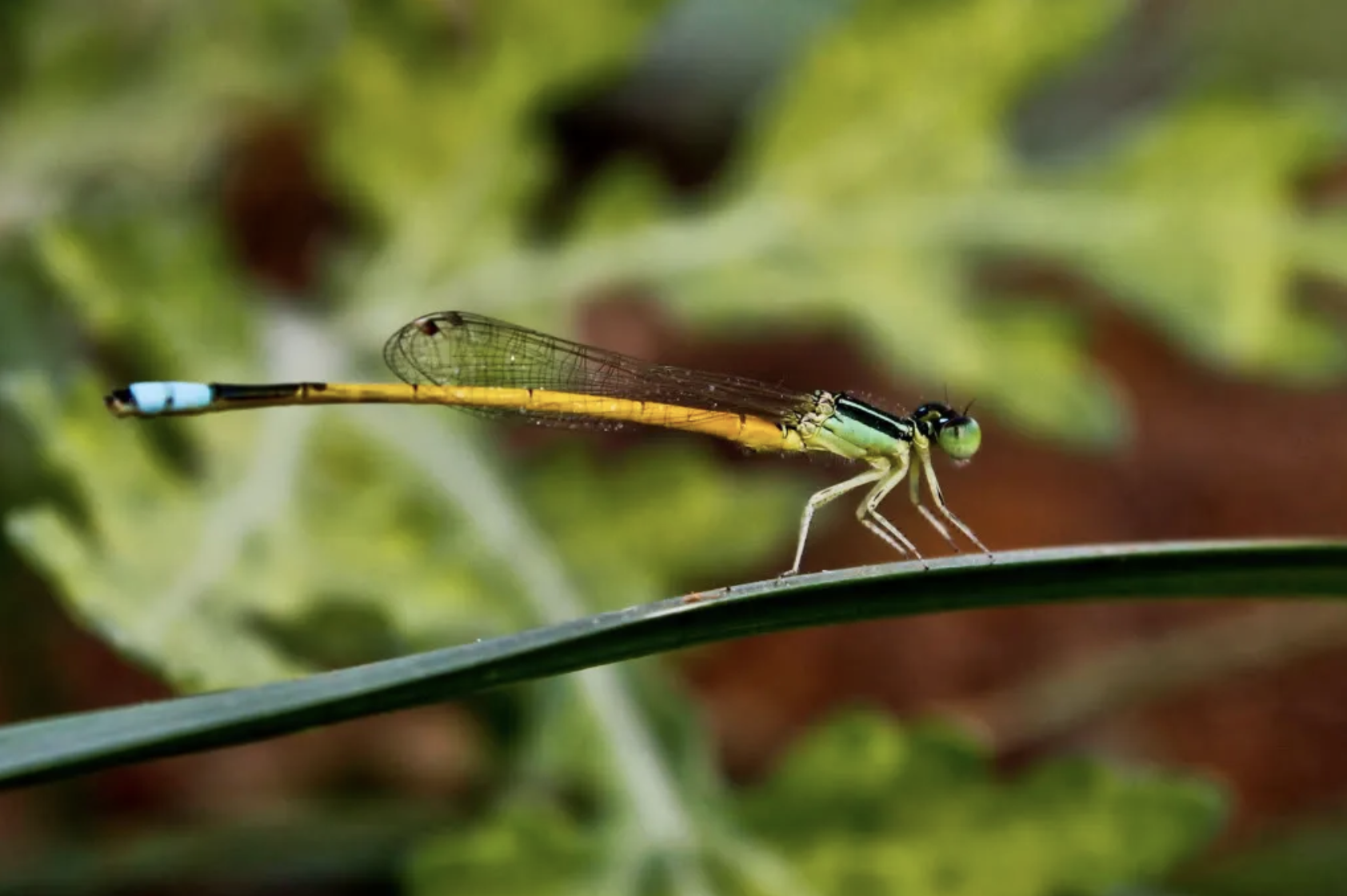
The Truly Golden Dartlet

The Golden Dartlet, or Iscnura aurora, is a small species of damselfly that resides in the general vicinity of small streams and ponds. The above photograph was taken several hundred meters from any sizable body of water – a testament to the creature’s rugged and functional, yet beautiful design.  Continue reading

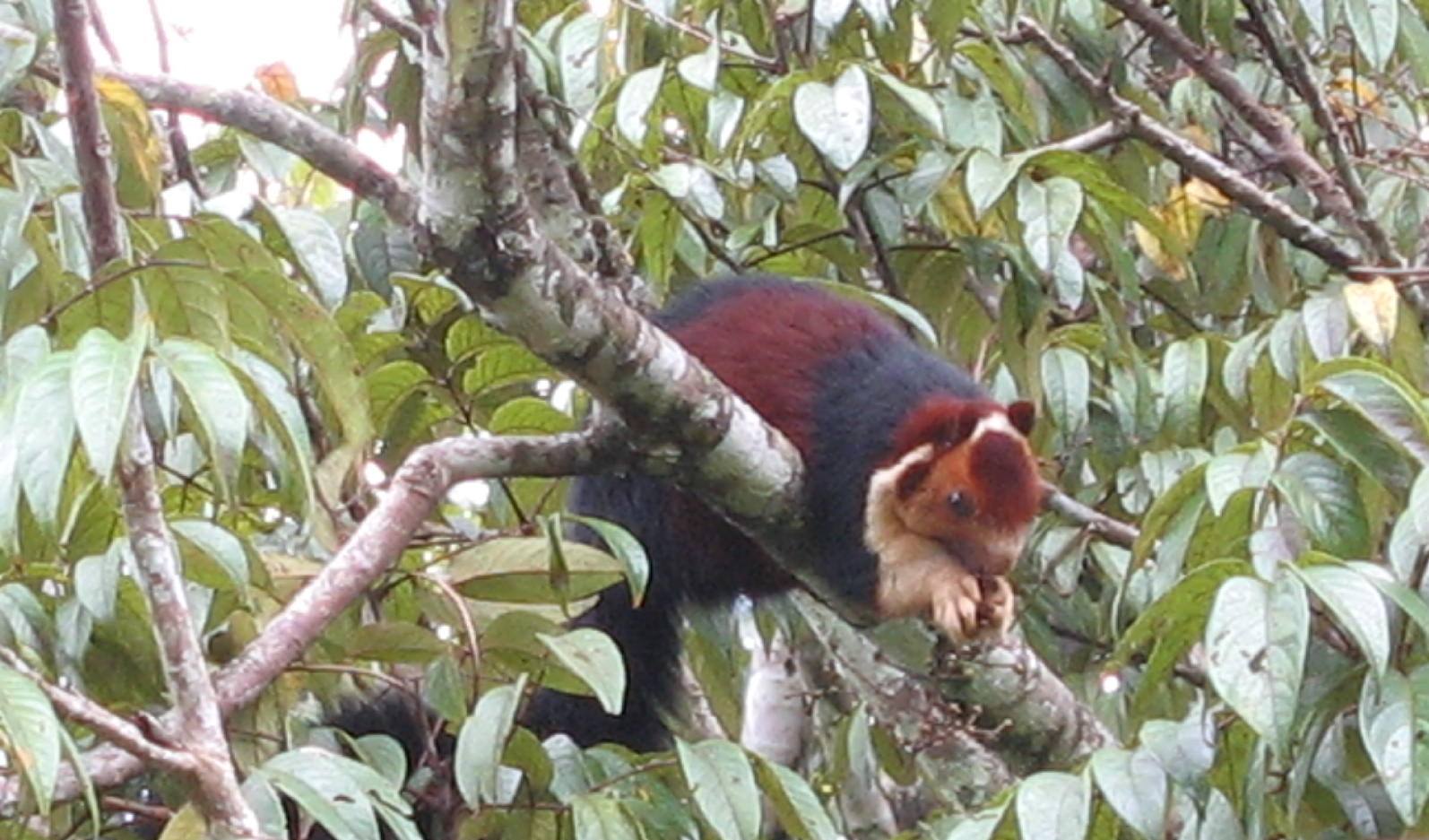
Malabar Giant Squirrel

My friends and I usually head into the forest every now & then to bask in the sounds of the forest- the chirping birds, crickets, sounds,  monkeys and always in the hope of sighting wild animals. And most of the time we hear the rattling calls of the Malabar Giant Squirrel but we rarely get to capture a photograph of the beautiful creature. Continue reading

Sambar Deer (Cervus unicolor)

SAMBAR DEER (Cervus unicolor) are found inhabiting mainly damp woodland environments, like marshes and swamps. In Periyar we have thousands of sambar deer, which is the favourite prey for Wild Dogs, Leopards and Tigers. Whenever they perceive danger, they start giving a repetitive honking alarm call.

Continue reading