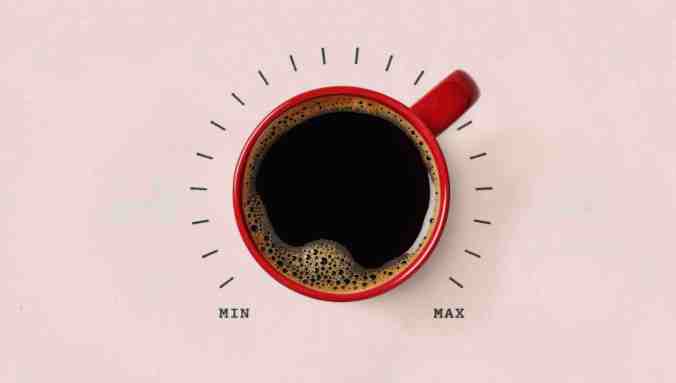
Illustration by Ben Kothe / The Atlantic. Source: Getty.
Considering the coffee habits, and commercial interests of those of us contributing on this platform, we thank Yasmin Tayag, at The Atlantic for this:
Caffeine’s Dirty Little Secret
“How much is too much?” is an impossible question.
On Tuesday, curiosity finally got the best of me. How potent could Panera’s Charged Lemonades really be? Within minutes of my first sip of the hyper-caffeinated drink in its strawberry-lemon-mint flavor, I understood why memes have likened it to an illicit drug. My vision sharpened; sweat slicked my palms.
Laced with more caffeine than a typical energy drink, Panera’s Charged Lemonade has been implicated in two wrongful-death lawsuits since it was introduced in 2022. Though both customers who died had health issues that made them sensitive to caffeine, a third lawsuit this month alleges that the lemonade gave an otherwise healthy 27-year-old lasting heart problems. Following the second death, Panera denied that the drink was the cause, but in light of the lawsuits, it has added warnings about the drink, reduced its caffeine content, and removed the option for customers to serve themselves.
All the attention on Panera’s Charged Lemonade has resurfaced an age-old question: How much caffeine is too much? You won’t find a simple answer anywhere. Caffeine consumption is widely considered to be beneficial because it mostly is—boosting alertness, productivity, and even mood. But there is a point when guzzling caffeine tips over into uncomfortable, possibly unhealthy territory. The problem is that defining this point in discrete terms is virtually impossible. In the era of extreme caffeine, this is a dangerous way to live…
Read the whole story here.
 Organikos