Still Standing – the Last Jews of Jew Town

The Paradesi synagogue in Jew Town, Fort Kochi, Kerala.  Credit: Alyssa Pinsker

The Paradesi synagogue in Jew Town, Fort Kochi, Kerala. Credit: Alyssa Pinsker

Xandari Harbour, going beyond a hotel, doubles as a gateway to history. Located between the tourist paradise of Fort Kochi and the heritage rich bylanes of the spice markets of Mattanchery, it sees people and time come and go. Among the tales we hold precious is the heartwarming lifestory of the Jews of Jew Town. A handful left, behind doors and windows they sit – reminders of a people who found warm refuge in an alien land. Reminders of a page of a history turning to close.

In a small neighbourhood in the South Indian city of Cochin, Kashmiri shopkeepers in Islamic dress stand in front of shops emblazoned with banners reading “Shalom!” Inside, Hindu statues and shawls vie for space with Jewish stars, menorahs and mezuzahs. Although this multiculturalism might seem strange, the majority-Hindu city is well known for its substantial Muslim and Christian populations. Less known is that there’s also a fast-dwindling native Jewish community, known as the Paradesi (Foreign) Jews, who once populated the neighbourhood of Jew Town.

Continue reading

Cod’s Feeling the Heat

Zach Whitener, research associate at the Gulf of Maine Research Institute, holds a cod while collecting samples for a study. PHOTO:  Gulf of Maine Research Institute

Zach Whitener, research associate at the Gulf of Maine Research Institute, holds a cod while collecting samples for a study. PHOTO: Gulf of Maine Research Institute

As climate change has warmed the Earth, oceans have responded more slowly than land environments. But scientific research is finding that marine ecosystems can be far more sensitive to even the most modest temperature change. A telling effect of rising temperatures is the problems fishing is plagued by.

Cod was once so plentiful in New England that legend had it you could walk across the local waters by stepping on the backs of the fish. Now, though, this tasty species is in such trouble there that cod fishing is practically shut down. And scientists say it looks like rapid warming in the Gulf of Maine explains why regulators’ recent efforts to help the cod while allowing fishing were a failure.

Continue reading

A Tiny Land and Its Large Ocean Reserve

The president of Palau signed legislation Wednesday designating a reserve that's about 193,000 square miles (500,000 square kilometers) in size. This makes it one of the five largest fully protected marine areas in the world. PHOTO: National Geographic

The president of Palau signed legislation Wednesday designating a reserve that’s about 193,000 square miles (500,000 square kilometers) in size. This makes it one of the five largest fully protected marine areas in the world. PHOTO: National Geographic

The Chilean government recently announced that it has created the largest marine reserve in the Americas by protecting an area hundreds of miles off its coast roughly the size of Italy. The new area, called the Nazca-Desventuradas Marine Park, constitutes about eight percent of the ocean areas worldwide that have been declared off-limits to fishing and governed by no-take protections. Now, the Pacific island nation of Palau has resolved to protect nearly 80% of its oceans.

Continue reading

Design Lessons from History

Masdar city in the United Arab Emirates has attempted to combine some of the lessons learned from the past with modern technologies by increasing shaded areas, creating narrow streets and constructing a wind tower.

Masdar city in the United Arab Emirates has attempted to combine some of the lessons learned from the past with modern technologies by increasing shaded areas, creating narrow streets and constructing a wind tower.

Oil heartlands of Abu Dhabi, Dubai, Doha and Iran’s coast will experience higher temperatures and humidity than ever before on Earth if the world fails to cut carbon emissions, according to a recent study. While air-conditioned homes and offices provide respite from the heat, architects are looking to history to find how civilizations battled the hostile conditions.

Historically, the inhabitants of the Gulf were either farmers living near oases in agricultural villages, Bedouins living in tents in the desert, or urban dwellers living in cities. Given the global trend toward urbanisation, it makes sense to take a closer look at how the latter group coped with the heat. Traditional buildings in the gulf’s cities and villages are designed to maximise shading, reduce thermal gain of the sun radiation, regulate building temperature and enhance air circulation. These effects are achieved through a clever combination of building materials, placement and design.

Continue reading

On the Rocks

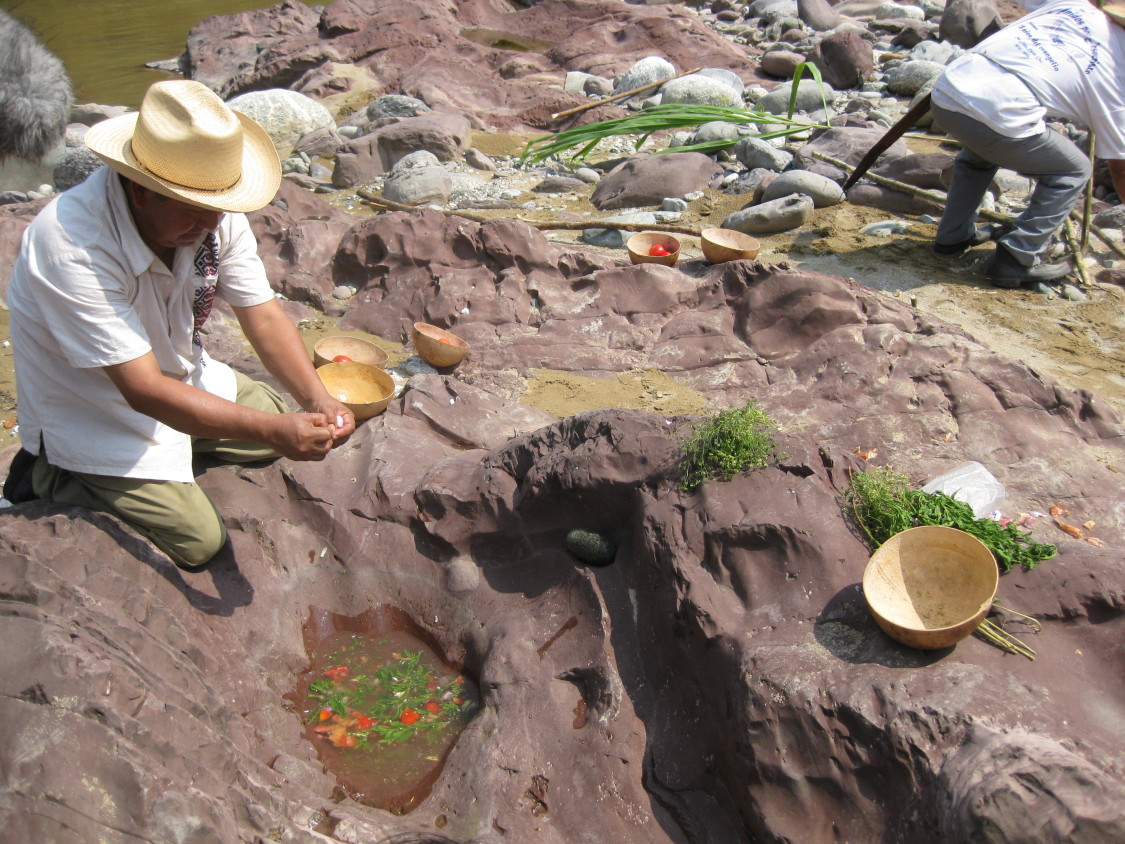
Chinatec elders prepare stone soup the traditional way, by the Papaloapan River. PHOTO: SARAH BOREALIS

Chinatec elders prepare stone soup the traditional way, by the Papaloapan River. PHOTO: SARAH BOREALIS

National Geographic’s The Plate explores the “global relationship between what we eat and why, at the intersection of science, technology, history, culture and the environment”. The latest in its daily discussion on food is the preparation of  real stone soup in Oaxaca, Mexico.

The soup originated in a remote ritual site in the Papaloapan River basin, about 12 hours by car from Oaxaca City, in the highlands of the Sierra Madre mountain range. The geography there is very rocky, and in the Pre-Ceramic [period,] Chinantec ancestors developed an elemental way to cook their food using fire and stone. The ritual site features large boulders excavated to serve as large cooking pots, and I guess you might say that the rest is history! The recipe for stone soup features local ingredients and really is a product of this unique environment.

Continue reading

When Development Usurps Lakes

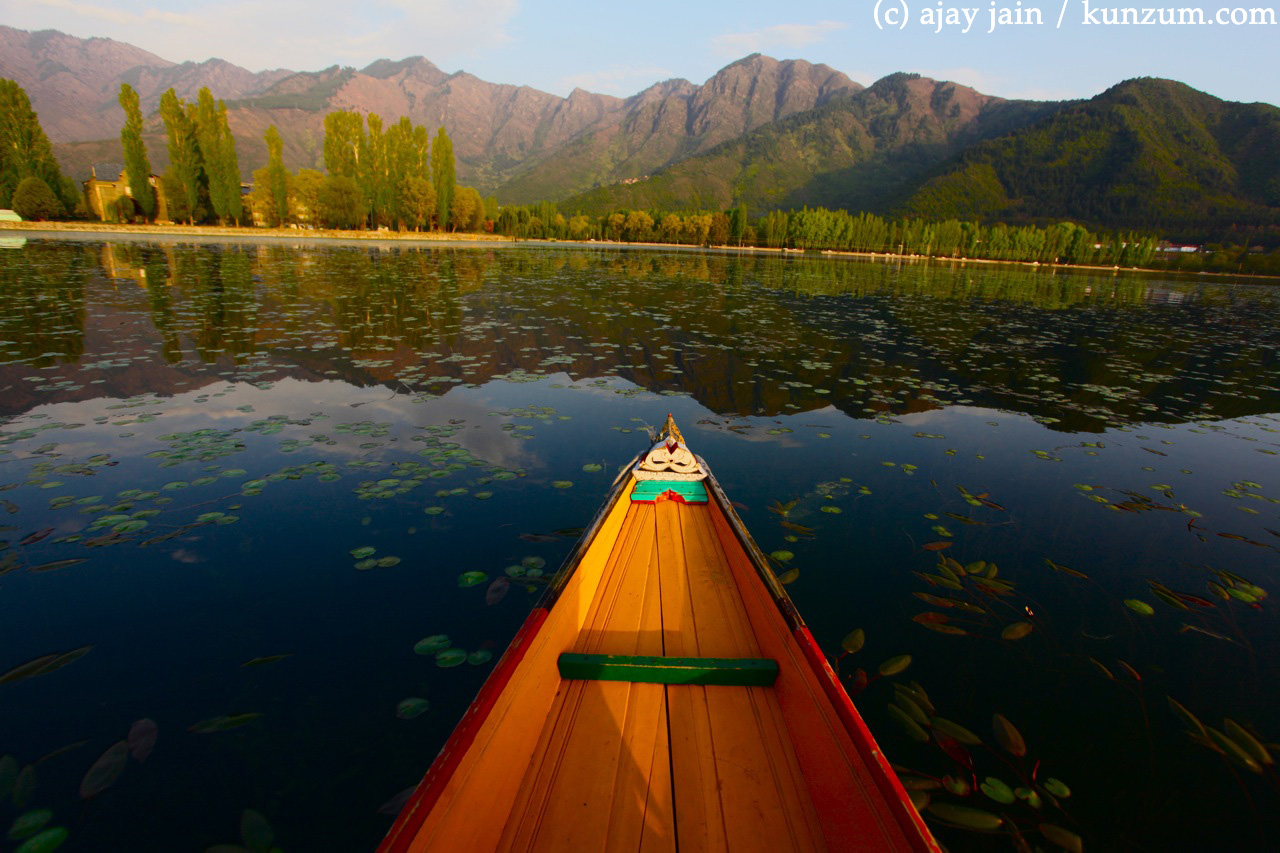
Half of the water bodies in and around Srinagar have disappeared over the last century under the pressure of rapid and badly managed urbanisation. PHOTO:

Half of the water bodies in and around Srinagar have disappeared over the last century under the pressure of rapid and badly managed urbanisation. PHOTO: Kunzum

Urban India is witnessing a rapid growth with more than 300 million Indians already living in cities and towns. In the coming 20-25 years, another 300 million people will be added to the urban population. If not managed properly, Indian cities will turn into ecological disaster zones. In a hurry to expand, cities have already eaten into their local water bodies. Kashmir, the land of snow\clad mountains and unrivaled natural beauty, is feeling the heat already.

The beautiful Kashmir Valley has over a thousand small and large water bodies, which are the bedrock of both its ecology and its economy. Unfortunately over the last century, massive urbanisation around these water bodies has led to pollution, siltation due to deforestation and overexploitation of the many streams and lakes. Many have shrunk to a fraction of their original size while some have all but disappeared.

Continue reading

When Art Bridges Communities

The Islamic Cultural Center of Northern California hosts plays, open mic nights, painting and ceramics classes. PHOTO: ICCNC

The Islamic Cultural Center of Northern California hosts plays, open mic nights, painting and ceramics classes. PHOTO: ICCNC 

Places of religious significance have long been centers of the community spirit. Moving beyond discourses and rituals, their supreme ability lies in bringing people together on some common ground. And projects like the Islamic Cultural Center in Northern California demonstrate how art and culture can bridge gaps within the space of beliefs.

Many mosques preach against even listening to music, let alone playing it on the premises. But here, in a huge auditorium filled with dozens of people, a Moroccan singer on stage sings the praises of the Prophet Muhammad, playing a stringed instrument called an oud. Next to him, a man plays a North African drum called thedumbek. The people here are white, black, Asian — some in embroidered green Sufi robes, others in black Shiite turbans or flowing white Arab jalabeyas. Some women cover their hair, some don’t. Ask anyone who’s been to a mosque, and they’ll tell you this scene is definitely not a common one — which is precisely why many people feel comfortable here.

Continue reading

Saving the Hill of Her Childhood

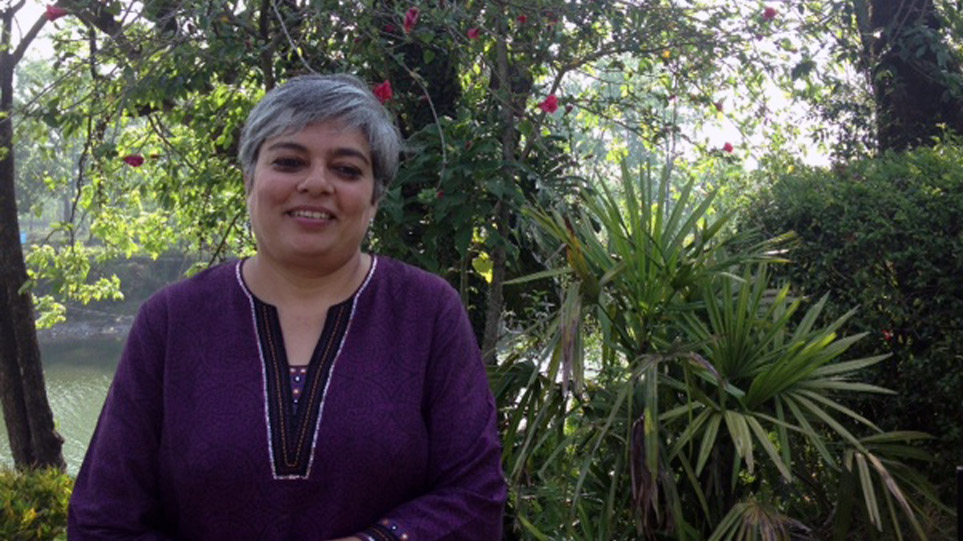
Plant and animal life on Flag Hill, near the hill station town of Mussoorie in north India, has been restored through the efforts conservationist Sejal Worah.

Plant and animal life on Flag Hill, near the hill station town of Mussoorie in north India, has been restored through the efforts conservationist Sejal Worah.

Environmentalist and WWF India Programme Director, Sejal Worah, and her local team have spent the last two years attempting to revive a 400 acres area situated in the Garwhal Himalayas, in Mussoorie, Uttarakhand.  From being a degraded and over grazed territory, within two years of conservation efforts the protected area has become a sanctuary for wildlife which hadn’t been reported for years, like the Himalayan black bear and Sambhar deer.

Continue reading

When a Way of Life Melts With the Ice

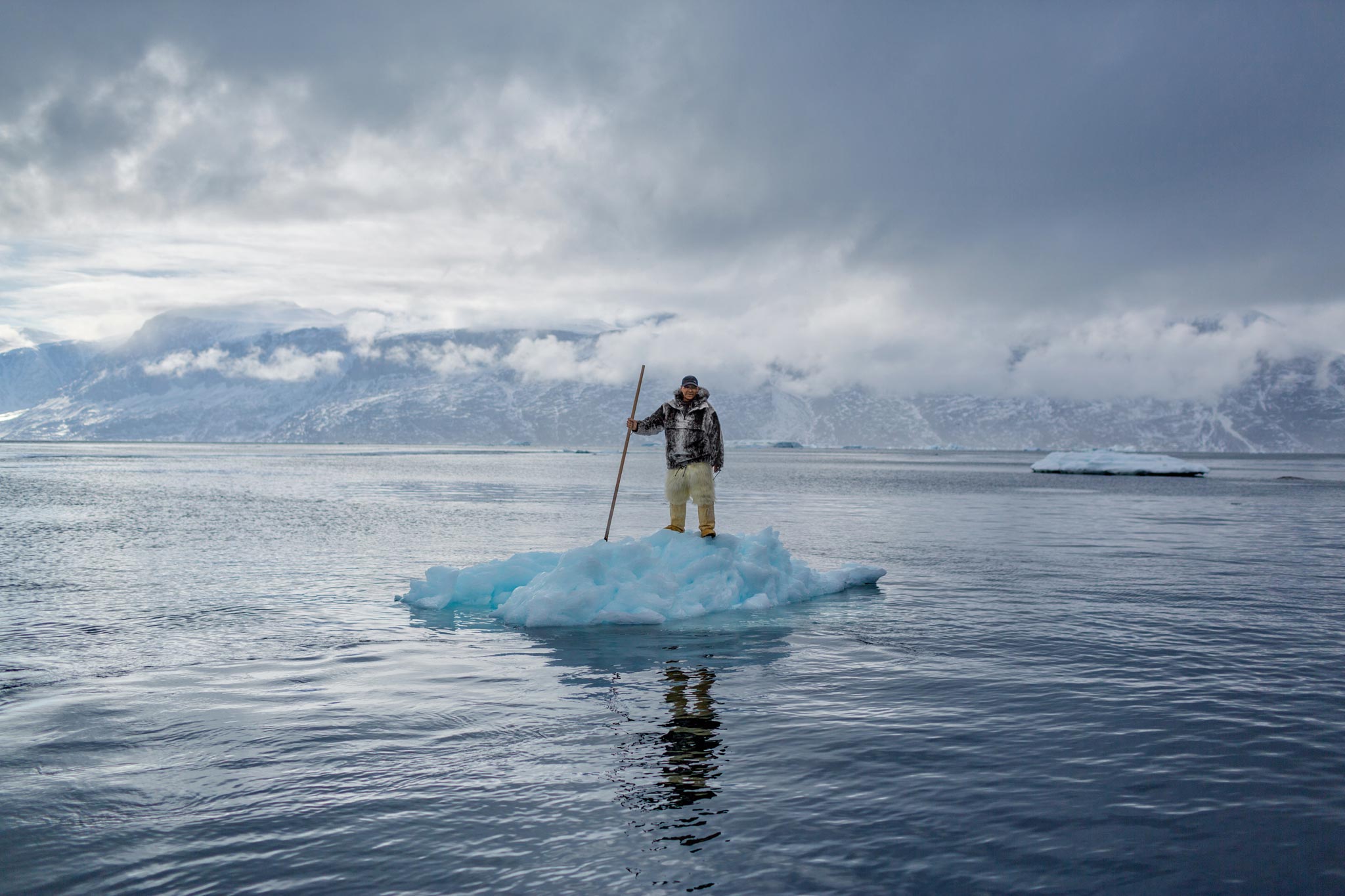
Albert Lukassen’s world is melting around him. When the 64-year-old Inuit man was young, he could hunt by dogsled on the frozen Uummannaq Fjord, on Greenland’s west coast, until June. This photo shows him there in April. PHOTO:  Ciril Jazbec

Albert Lukassen’s world is melting around him. When the 64-year-old Inuit man was young, he could hunt by dogsled on the frozen Uummannaq Fjord, on Greenland’s west coast, until June. This photo shows him there in April. PHOTO: Ciril Jazbec

Climate change – a situation that choices can better, but circumstances see it go from bad to worse. Much talk, much less done. Temperatures rise, glaciers melt, and seas begin to usurp shores. Also, people like the natives of Kiribati and now the Inuit are forced to rethink ways to survive on their lands which once provided for all. And did not threaten their lives. National Geographic reports from the North:

Something else is vanishing here too: a way of life. Young people are fleeing small hunting villages like Niaqornat. Some of the villages struggle to support themselves. And now a culture that has evolved here over many centuries, adapting to the seasonal advance and retreat of sea ice, is facing the prospect that the ice will retreat for good. Can such a culture survive? What will be lost if it can’t?

Continue reading

Nature’s Waste Management Powerhouse

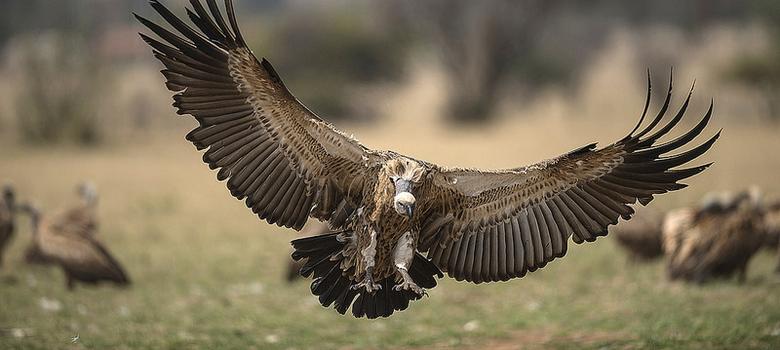
69% of vulture and condor species are listed as threatened or near-threatened, most of which are classed as “endangered” or “critically endangered”.

69% of vulture and condor species are listed as threatened or near-threatened, most of which are classed as “endangered” or “critically endangered”. PHOTO: Mujahid Safodien

Vultures play an important role in the ecosystem by consuming animal carcasses, which helps prevent the spread of disease. The cinereous vulture (Aegypius monachus), the largest bird of prey is distributed throughout Eurasia and is an iconic bird in the Far East. Its population is estimated to number 7,200–10,000 pairs globally, with 5,500–8,000 pairs residing in Asia. Over the past two centuries, its numbers have declined across most of its range leading to this species being classified as ‘near threatened’ on the International Union for Conservation of Nature (IUCN) Red List.

Continue reading

Wedded to Their Land Despite the Tides

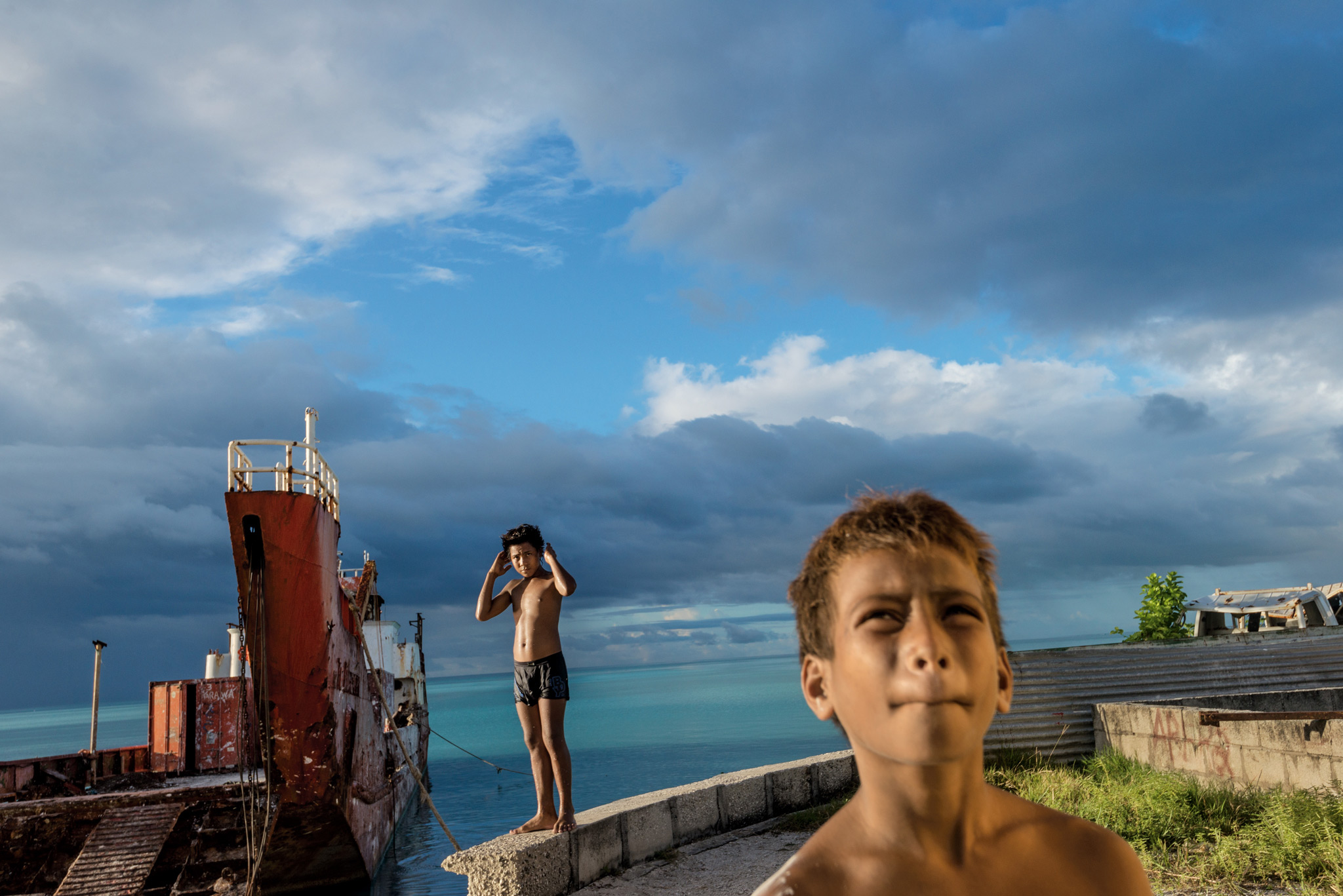
 Kiribati—33 coral islands in an expanse of the central Pacific larger than India—is “among the most vulnerable of the vulnerable” to climate change. PHOTO: Kadir Van Lohuizen

Kiribati—33 coral islands in an expanse of the central Pacific larger than India—is “among the most vulnerable of the vulnerable” to climate change. PHOTO: Kadir Van Lohuizen

They do not think of themselves as “sinking islanders,” rather as descendants of voyagers, inheritors of a proud tradition of endurance and survival.

That’s how National Geographic captures the spirit of the people of Kiribati, a spirit that forgives the seas despite the threats that its warming, rising, acidifying waters pose to their native islands. A people who believe that planting mangroves will stop the encroaching sea in its tracks, a people whose lives are centered on the seas that without it, they maybe forced to question who they are. This is their story then, from “the front line of the climate-change crisis.”

Continue reading

Airports and Urban Farming

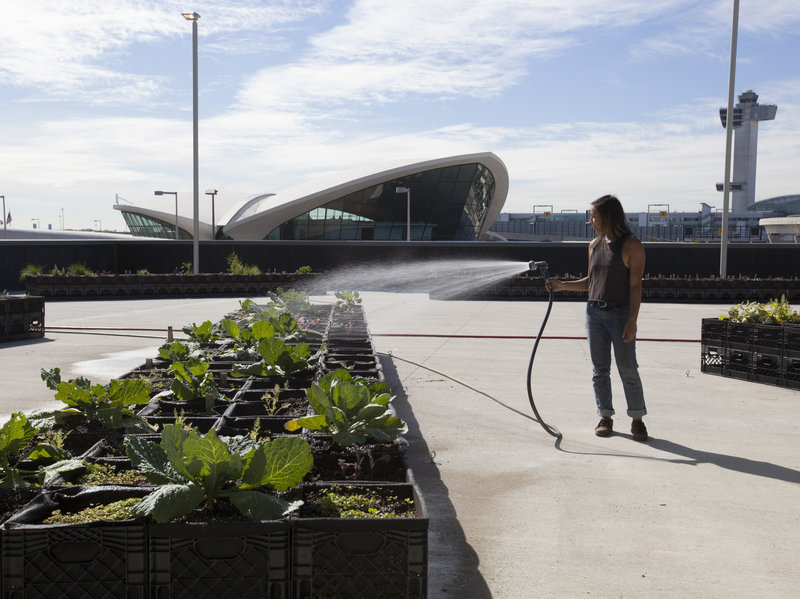
Katrina Ceguera tends JetBlue's farm outside Terminal 5 at New York's John F. Kennedy International Airport. PHOTO: Chelsea Brodsky /JetBlue

Katrina Ceguera tends JetBlue’s farm outside Terminal 5 at New York’s John F. Kennedy International Airport. PHOTO: Chelsea Brodsky /JetBlue

Airports are growing a ‘green’ conscience, and how! If Kochi in Kerala, India is home to the world’s first airport to be completely powered by solar energy, then the Galapagos airstrip is not far behind. Going off-grid is just one way to offset massive carbon footprints left behind by the use of fossil fuels. Another way might be to add a touch of green – like JetBlue did at the New York airport.

JetBlue was intent on growing potatoes and other produce at John F. Kennedy International Airport in New York. It took three years of jumping through hoops before the T5 Farm, named for its location outside Terminal 5, came to fruition in early October, the company says.

Continue reading

Look At the Germans

Wind turbines surround a coal-fired power plant near Garzweiler in western Germany. Renewables now generate 27 percent of the country’s electricity, up from 9 percent a decade ago. PHOTO: Nat Geo

Wind turbines surround a coal-fired power plant near Garzweiler in western Germany. Renewables now generate 27 percent of the country’s electricity, up from 9 percent a decade ago. PHOTO: Nat Geo

Germany has been one of the few countries that have successfully moved away from nuclear energy. Germany has so far successfully shut down its nine units that had the capacity of generating enough power for at least 20 million homes in Europe. In fact, the contribution of nuclear power in Germany’s electricity generation has now fallen to just 16 percent and renewables are now the preferred source of electricity generation in the country.

Germany is pioneering an epochal transformation it calls the energiewende—an energy revolution that scientists say all nations must one day complete if a climate disaster is to be averted. Last year about 27 percent of its electricity came from renewable sources such as wind and solar power, three times what it got a decade ago and more than twice what the United States gets today. The change accelerated after the 2011 meltdown at Japan’s Fukushima nuclear power plant, which led Chancellor Angela Merkel to declare that Germany would shut all 17 of its own reactors by 2022.

Continue reading

Let the Corals Have Their Colors

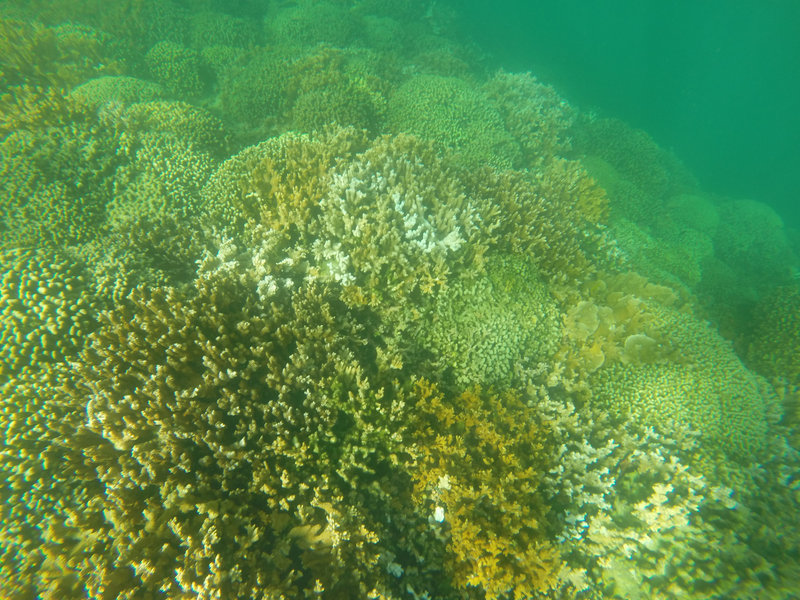
Partially bleached coral in Kaneohe, Hawaii. Coral reefs worldwide are at risk of damage from the suncscreen ingredient oxybenzone. PHOTO: AP

Partially bleached coral in Kaneohe, Hawaii. Coral reefs worldwide are at risk of damage from the suncscreen ingredient oxybenzone. PHOTO: AP

Corals worldwide are losing their colors, they are getting bleached. We’d discussed how stress due to global warming and climate change is forcing corals to drive out the zooanthellae that give them their colors. And now here’s more evidence on how human lifestyles are affecting life beneath the waters.

New research about sunscreen’s damaging effects on coral reefs suggests that you might want to think twice before slathering it on. Reports about the harmful environmental effects of certain chemicals in the water have been circulated for years, but according to the authors of a new study, the chemicals in even one drop of sunscreen are enough to damage fragile coral reef systems. Some 14,000 tons of sunscreen lotions wind up in coral reefs around the world each year.

Continue reading

What Lies Beneath Your Feet

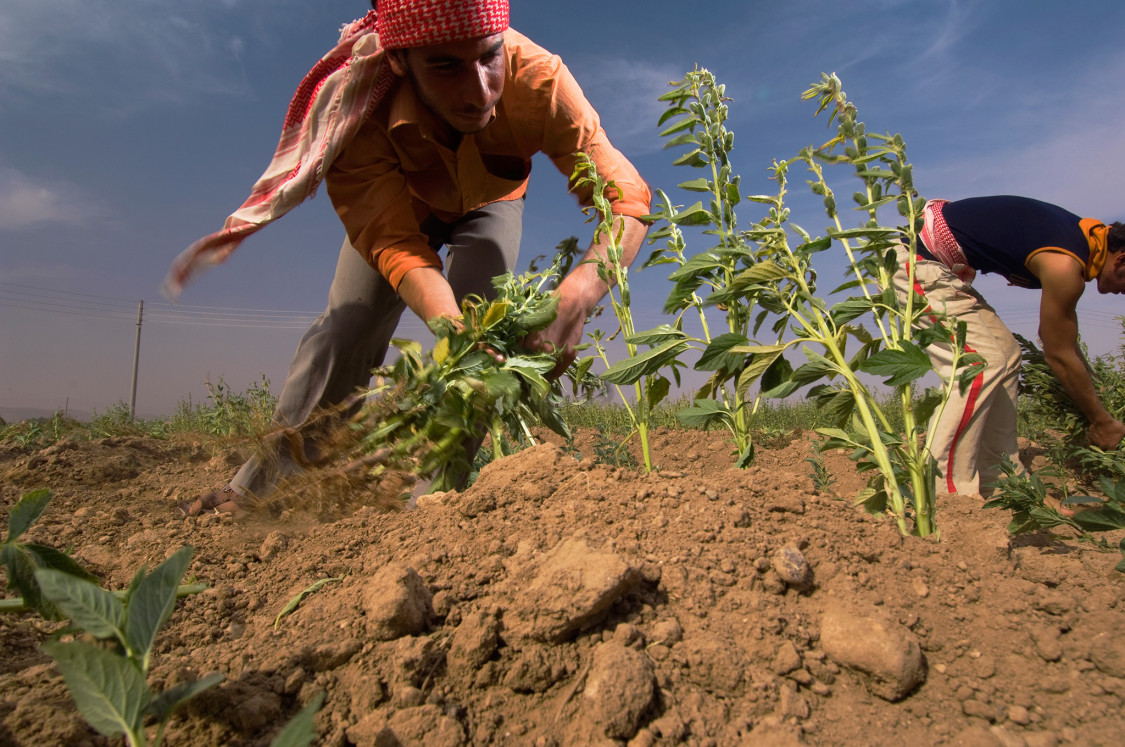
Farmers harvest sesame in Syria. PHOTO: JIM RICHARDSON

Farmers harvest sesame in Syria. PHOTO: JIM RICHARDSON

The 68th UN General Assembly declared 2015 the International Year of Soils. It aims to increase awareness and understanding of the importance of soil for food security and essential ecosystem functions. According to scientists, soil is being eroded faster than that the Earth can replace it. So the next time the words ‘dirt cheap’ come up, think again and take not the soil below your feet for granted.

Dirt is not only rare, but it’s complicated. To the uninitiated, dirt may look like grubby generic mush, but actually it has character, individuality, and a taxonomy all its own. Soil scientists recognize twelve major orders of dirt, each divided into suborders, groups, subgroups, families, and series, according to its various allotments of minerals and organic matter. Each dirt has a pedigree. Furthermore, dirt is proactive. It’s not an inert blanket; it’s a dynamic entity.

Continue reading

When the Sun Goes Down

About seven out of every 10 households in rural India have no access to electricity. Many of these households still use less efficient energy sources that are harmful to the environment, such as kerosene. Even in places where electricity is accessible, shortages are frequent and the supply is inconsistent. In such a scenario, solar lamps come as a blessing and are revolutionizing lives in the country and around the world.

PRASHANT MANDAL FLIPS ON A CANDY-BAR-SIZE LED LIGHT in the hut he shares with his wife and four children. Instantly hues of canary yellow and ocean blue—reflecting off the plastic tarps that serve as the family’s roof and walls—fill the cramped space where they sleep.  He shuts down the solar unit that powers the light and unplugs it piece by piece, then carries it to a tent some 20 yards away, where he works as a chai wallah, selling sweet, milky tea to travelers on the desolate road in Madhotanda, a forested town near the northern border of India.

“My life is sad, but I have my mind to help me through it,” Mandal says, tapping the fraying cloth of his orange turban. “And this solar light helps me to keep my business open at night.”

Continue reading

Wildlife Photographer of the Year: Finalists

The 2015 British Natural History Museum’s Wildlife Photographer of the Year competition has recently come to a close, and, as always over the last fifty-one years, the results are fantastic and fascinating to see. Below check out a brief slideshow of some finalists below, which met the judges’ goals: “outstanding images that raise awareness of nature’s beauty and fragility, while also championing the highest ethical standards in wildlife photography. From intimate animal portraits to atmospheric landscapes, groundbreaking photojournalism to innovative technique, the 2016 jury wants to see it all.”

This slideshow requires JavaScript.

Continue reading

Drinkwell: A Pioneer of Potable Water

Photo credit: Drinkwell

Water is the essence of all life on Earth, and access to potable water is an absolute human right. To resolve the global arsenic water crisis that affects over 200 million people across 70 countries, Drinkwell is pioneering an alternative method for providing potable water to affected communities by transforming existing arsenic-affected tube wells into local profitable water enterprises. The organization provides affected villagers with water filtration technology and business tools, and in turn, the villagers become entrepreneurs of these mirco-water businesses.

Drinkwell filtration systems extract the arsenic and do it efficiently. “Whereas current solutions use Reverse Osmosis technology that wastes 40%-60% of input water, Drinkwell wastes only 1% of water,” their website explains. The polymers, or resin beads, are infused with nanoparticles which extract arsenic from water flowing through them. These polymers are regenerable and can filter water for years.

Continue reading

To Keep The Mountain Gorillas Alive

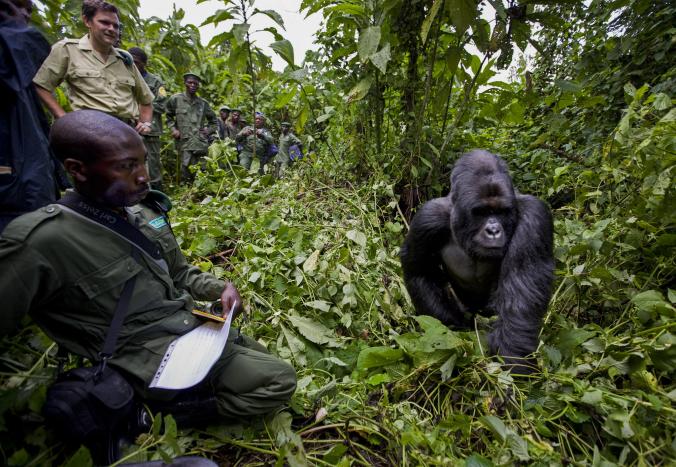
In November 2008, conservation authorities in the DRC had their first sighting of a mountain gorilla in more than 15 months. Because of the commitment and bravery of its rangers, the gorilla population is now estimated to be 880. PHOTO: BRENT STIRTON, GETTY

In November 2008, conservation authorities in the DRC had their first sighting of a mountain gorilla in more than 15 months. Because of the commitment and bravery of its rangers, the gorilla population is now estimated to be 880. PHOTO: BRENT STIRTON, GETTY

The Virunga National Park in the Democratic Republic of Congo is one of the world’s deadliest parks. It’s also home to some 300 mountain gorillas—more than a quarter of those that remain on the planet. Beneath Virunga’s surface lies a wealth of minerals and oil, coveted by multinational companies. Deadliest park because since 1996, more than 150 Virunga rangers have been killed in the line of duty. Emmanuel de Merode, director of Virunga National Park and a National Geographic Society Explorer of the Year, was nearly killed in 2014 for protecting the park and its mountain gorillas.

Continue reading