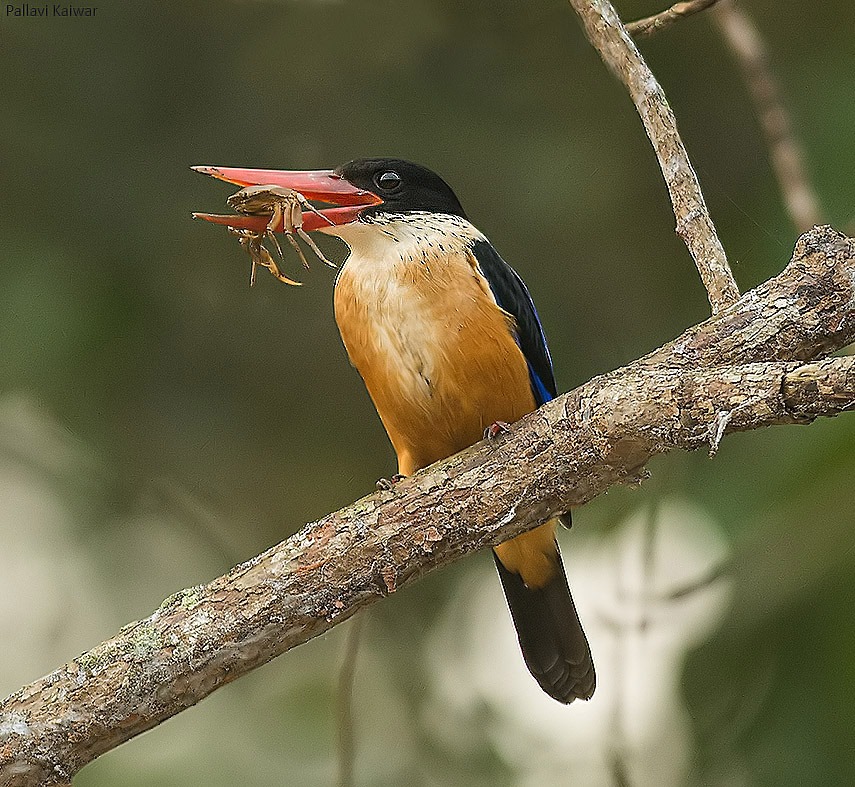
photo credit: Pallavi Kaiwar
Bhitarkanika National Park, Orissa
photo credit: Pallavi Kaiwar
Bhitarkanika National Park, Orissa
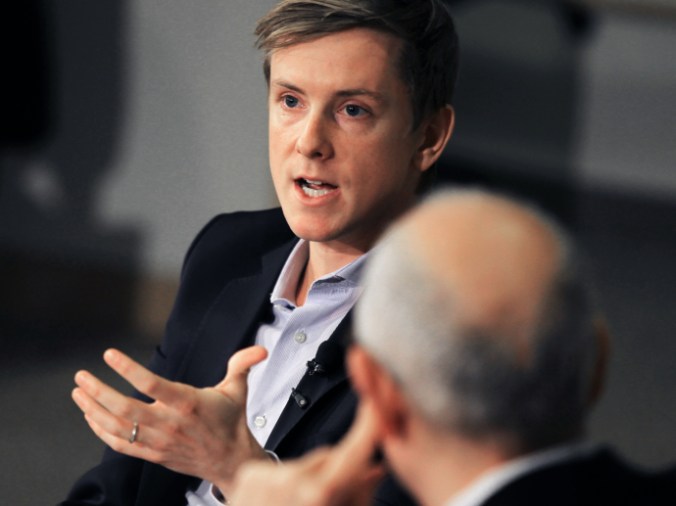
Chris Hughes, the thirty-one-year-old owner of The New Republic. CREDIT PHOTOGRAPH BY JONATHAN WIGGS/THE BOSTON GLOBE VIA GETTY
We care about books, and libraries, and languages, and long form journalism among other reasons to get perspective, to become informed beyond our local experience. When a century-old vital institution from any of these realms perishes, it is worth taking note, and mourning as George Packer does in a short punch of a post:
…As for the mass self-purge of editors and writers at The New Republic, it might be taken as part of the ongoing demise of old journalistic institutions in the face of new realities of technology and business. Or it might just be the story of one incompetent media mogul. Two years ago, with a lucky Facebook-based fortune and earnest talk about great journalism, Chris Hughes seduced a lot of hardened veterans of the New York-Washington news world who were desperate for a vision of the future.

Image © KPG_Payless | Shutterstock
Thanks to Conservation for Roberta Kwok’s summary of scientific news we had not quite expected, nor wished for:
A relaxing stroll in a botanic garden sounds like a lovely way to spend an afternoon. These green oases can encourage people to appreciate nature and bring attention to conservation issues. But some botanic gardens might harbor an ecological threat: they could be prime sources for invasive species to spread into the wild. Continue reading
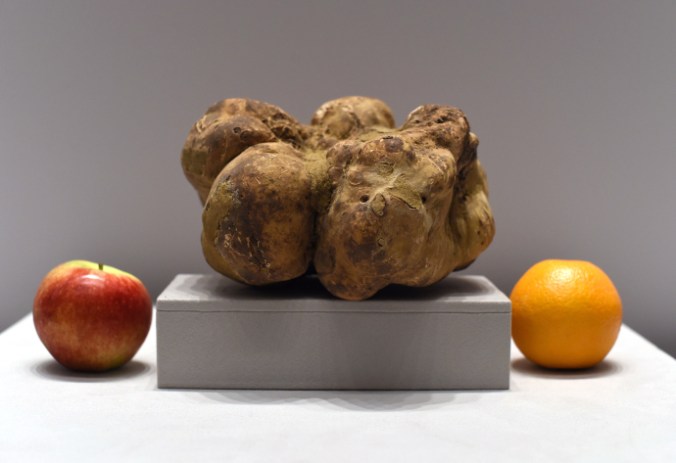
PHOTOGRAPH BY TIMOTHY A. CLARY / AFP / GETTY
In other news:
A few minutes after 9 A.M. on Saturday morning, at Sotheby’s, on the Upper East Side of Manhattan, a small group of people huddled around a knobbly, dirt-smudged tuber sitting on a white china cake stand. Federico Balestra, the C.E.O. of the North American branch of his family’s company, Sabatino Tartufi, put on a pair of white gloves, squeezed past a rack of oil paintings, and rotated the tuber a few degrees—“for showing its good side” to the in-house photographer, Balestra said. “To be honest, we really didn’t know what to expect,” Dan Abernethy, a Sotheby’s representative, said apologetically. It was the auction house’s first experience with selling a truffle. Continue reading
As preparation for the second edition of the Kochi-Muziris Biennale slides into the preopening home stretch the streets of Fort Kochi are awash with colorful activity. Stay tuned for more images as they continue to unfold!

Thanks to Conservation for this reference to a concept, a design, and a design firm which all catch our full attention:
THIS ENTIRE HOUSE IS A WATER FILTER
Hungarian design firm IVANKA is an avant-garde concrete company. Over the past decade, they’ve developed unexpected ways to incorporate this utilitarian material into everything from designer handbags to BMW concept cars. Lately, though, the company is focusing not just on luxury goods but on the most basic of everyday resources: clean water. Their new “bio-concrete” could turn houses, schools, and factories into giant water filters to produce drinking water from rain. Continue reading
 We hope that the review of his book (thank you National Public Radio, USA), a hard cover tome that began as what we then called comic strips, brings one of the great graphic novelists of our time appropriate rewards worthy of his herculean efforts:
What is it about Richard McGuire’s Here? A simple-looking, black-and-white cartoon that first appeared in Raw magazine in 1989 — clocking in at a mere 36 panels — it’s maintained its hold on comic artists’ imaginations ever since. McGuire himself spent more than eight years creating this book-length version.
The words of his publisher, Pantheon, about the author make us want to explore this book and his earlier work, especially the toys:
Richard McGuire is a regular contributor to The New Yorker. His work has appeared in The New York Times, McSweeney’s, Le Monde, and Libération. He has written and directed for two omnibus feature films: Loulou et Autre Loups (Loulou and Other Wolves, 2003) and Peur(s) du Noir (Fear[s] of the Dark, 2007). He has also designed and manufactured his own line of toys, and he is the founder and bass player of the no-wave band Liquid Liquid. The six-page comic Here, which appeared in 1989 in Raw magazine, volume 2, number 1, was immediately recognized as a transformative work that would expand the possibilities of the comic medium. Its influence continues to be felt twenty-five years after its publication.
We have posted on the topic of intangible patrimony and include it in our explanation of entrepreneurial conservation; the topic extends to our interest in reading and the liberal arts. Below is a link to an op-ed piece published today, penned by a savvy academic whose primary focus is language, that we consider worthy of the brief reading time, even if you are not a language fanatic:
GRAY MATTER
Why Save a Language?
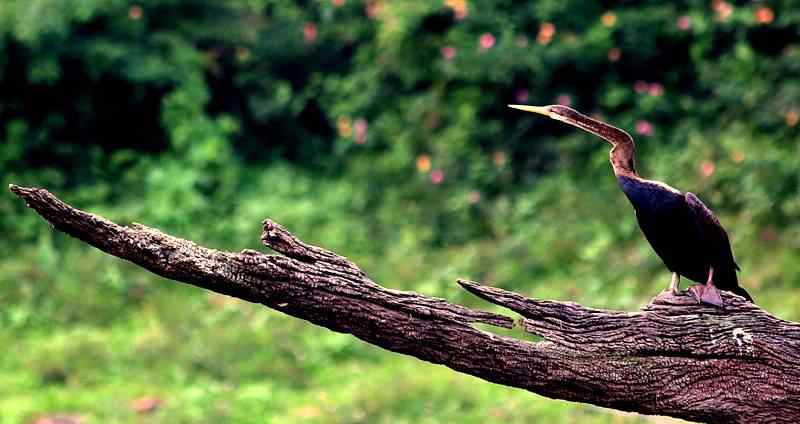
Photo credit: Sanjayan Kumar
Periyar Tiger Reserve, Kerala
 We read both publications regularly, and find that both cover environmental issues well, as such; but the difference between this New York Times article and the New Yorker post we started the day with speaks for itself. We understand the purpose of the article below meeting current needs, but do we really need our news to be so parochial? Sorry, Times. You will have to work harder for your subscription money.
Steep Slide in Oil Prices Is Blessing for Most
If history is any guide, it’s hard to see falling oil prices as anything but good news for everyone whose fortunes aren’t tied to oil.
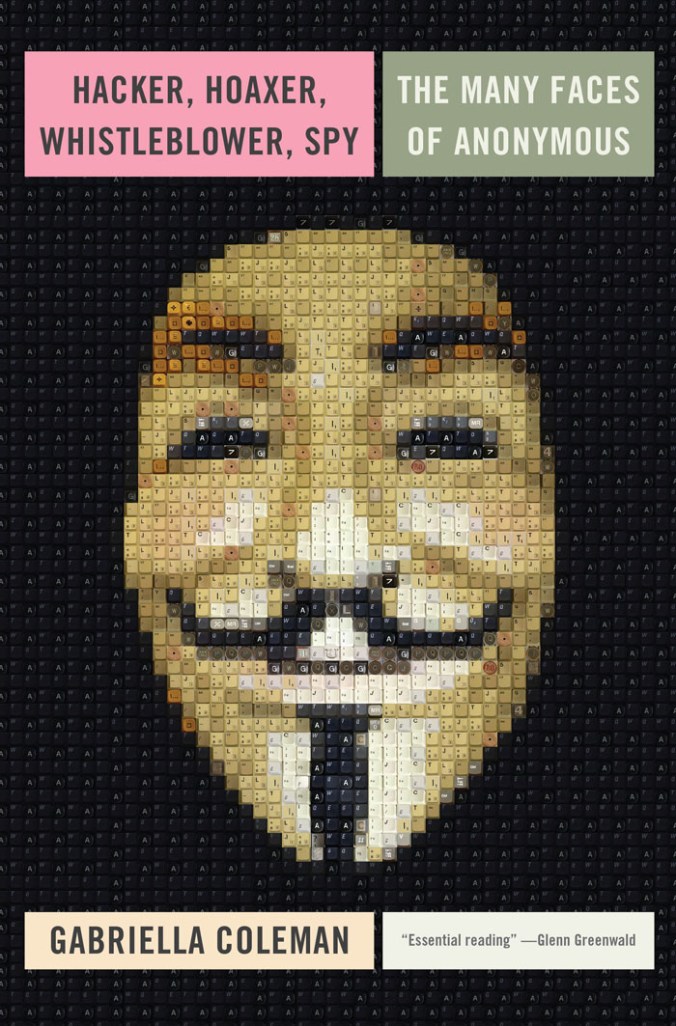 We are the antithesis of radical, in the political science and political activism sense of that word. We have been more incremental, often experimental and necessarily patient in our approach to entrepreneurial conservation than political radicals are in their approach to social change. Working with children, as we often do in our community outreach, we use methods appropriate to the situations. We sometimes say, perhaps just in the spirit of cheekiness, that we “hack” solutions in remote locations. We even say sometimes that the outcome is “radical.”
But that is the slang use of the word, just as we once called skateboarding or ball-dribbling moves in football “wicked.” We aspire to neither radical nor wicked outcomes in our day to day work, in the proper definitions of those words. Still, as with Mr. Watson, whose methods are different from ours but his objectives are akin, this review of Hacker, Hoaxer, Whistleblower, Spy: The Many Faces of Anonymous in the current issue of Book Forum helps us see some recognizable objectives in this particular culture of hack (with plenty of notable exceptions, as the review makes plain to anyone who regularly reads our blog):
By Any Memes Necessary
An inside look at the hacking group Anonymous reveals a boisterous culture of dissent and debate
ASTRA TAYLOR
THE FIRST TIME I SAW Gabriella Coleman speak about the hacker group Anonymous I was befuddled. It must have been around 2009. Anonymous was already at least three years old, having materialized out of the bowels of the popular, and often excruciatingly obscene, online bulletin board 4chan as early as 2006, yet it was still known mostly for its antisocial pranks. Continue reading
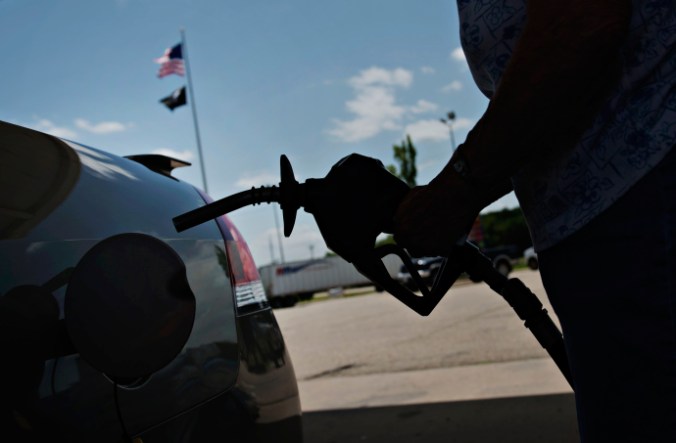
PHOTOGRAPH BY DANIEL ACKER/BLOOMBERG VIA GETTY
There is a quarter hour podcast about the Lima climate change talks that is as good as it gets in terms of bringing complex issues to a bearable level of simplicity (spoiler alert: our maven of doom is at her best in terms of realism), and that dose of information pairs well with this dose by Michael Specter, the New Yorker‘s other “tough truths” guy:
Just before the turn of the millennium, I met a man who had recently invested a fortune in wind power. He said he wanted to do all that he could to slow the course of climate change. He was also convinced that, as the world began to run out of oil, alternative sources of energy would offer a unique entrepreneurial opportunity. “Oil prices will fluctuate for a while,” he told me. “But, eventually, they can only move in one direction. Up. Oil is a finite resource and, as supplies dwindle, the costs will have to rise. That will make alternatives like wind power much more attractive.” Continue reading
Thanks to National Public Radio for this story of unusual collaboration:
The Mystery Of The Missing Martins
When half a million songbirds didn’t show up at their usual roosting spot this summer, I went looking for them. My search took me to the back roads of South Carolina, where I saw firsthand evidence of Shakespeare’s influence on American ecology, met a society of strangely enthusiastic landlords, and learned a bizarre fact about the missing birds: They don’t nest in nature anymore. They only breed in houses provided by humans.
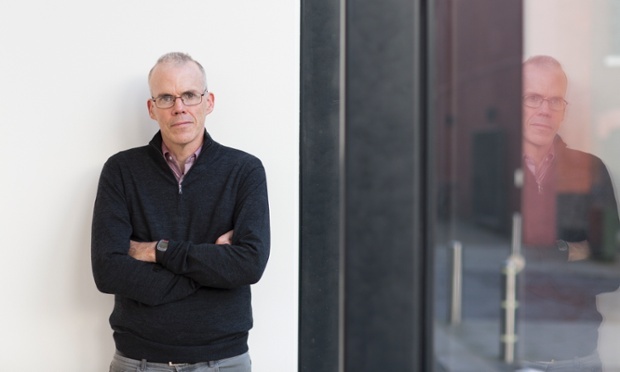
Bill McKibben: ‘I’d rather be causing more trouble more directly, as well as doing some writing’ Photograph: Graeme Robertson
that tag line in the title of this post is directed specifically at the organization, for reasons the article below makes clear, but we extend the sentiment equally to one of our most admired and favorite heroes due to his relentless activism:
Keystone XL opponent Bill McKibben steps down as head of 350.org
‘I’ve had enough years of reviewing budgets’ says US author and climate activist as he steps down from leadership role
The author Bill McKibben, who founded a new generation of environmental activism in the Keystone XL pipeline and divestment campaigns, is stepping down from the daily leadership of his 350.org organisation.
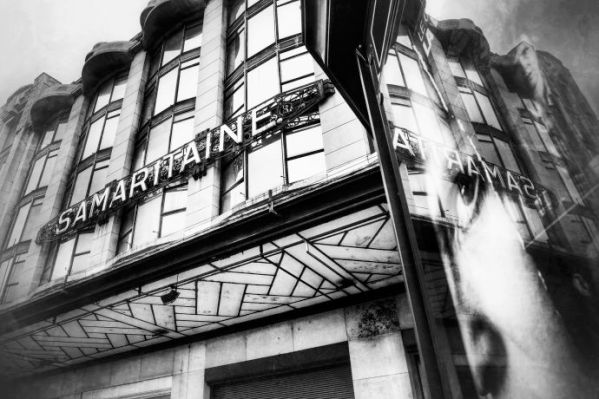
A plan to turn the old Samaritaine department store into a five-star hotel is at the center of a debate about what Paris is becoming. CREDIT PHOTOGRAPH BY DENIS ALLARD / REA / REDUX
One of the great essayists of our time on a topic we find hitting very close to home as an organization that recycles usage of places in a manner that generates profit, to support conservation, looking forward while trying to retain the core of authenticity:
The Pont des Arts, in Paris, is a steel-and-wood footbridge that connects Left Bank to Right—or, more important to its history and its name, connects the École des Beaux-Arts, where generations of French artists were told how to draw, to the Louvre, where generations went to find out how to look. It was, until relatively recently, a soulful and solitary passerelle, where one could stand for hours in winter, mostly alone, staring out at the view west toward the older, stone parapet of the Pont Royal and the Eiffel Tower, or east toward Notre-Dame and the sharp-jawed Île de la Cité. The view north, toward the Right Bank, remained, until the end of the twentieth century, interestingly mixed, with the newly cleaned Cour Carrée of the Louvre straight ahead and, just to the right, the shiplike prow of the Samaritaine department store, proudly flying a couple of pennants from its top.
In the past nine years, all that has changed. Continue reading

Each item, including boots from Guatemala, a basket from Rwanda and a soda can cuff from Kenya, are handmade. And when people buy these gifts, the profits go back to the artisans and their community. Courtesy of Teysha; Indego Africa; Serrv
Thanks to National Public Radio (USA) for this coverage of artisanal products that use materials that might otherwise be called waste, all of which channel resources to where they are most needed, a topic we never tire of reading about:
After you’ve seized all the deals on Black Friday, Small Business Saturday and Cyber Monday, it’s giveback time.
Today is Giving Tuesday, the day that asks people to donate to a good cause. This online campaign was created three years ago by the 92nd Street Y, a cultural and community center in New York, with the support of a slew of partners, including entrepreneurs, philanthropists and the United Nations. The idea is that you can kick off the holiday season by donating your money or time. At least $32.3 million was donated on Giving Tuesday 2013, according to a survey by the trade publication NonProfit Times.
But if you’re still in an acquisitive mood, there are ways to shop altruistically. There are nonprofits and even companies that sell handmade products whose profits go back to artisans and toward community projects in poorer countries. Continue reading
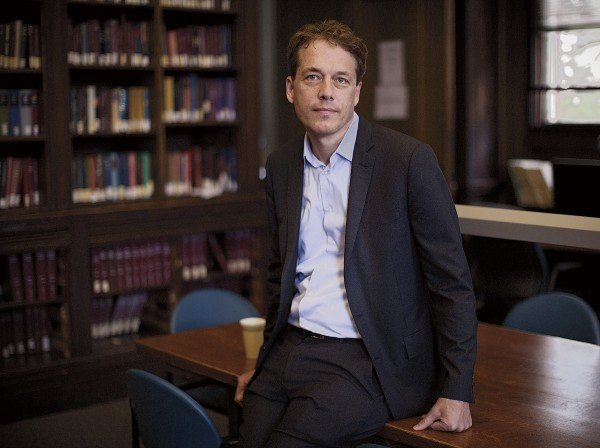
Photograph by Charlie Mahoney: Sven Beckert
The historians among our contributors, as well as the many readers who seem most oriented to those posts, will find this article from Harvard magazine in synch with many of our non-history stories and posts on this blog. These “sweeping” views are a daily recurring theme for many of us who have worked in more than one region of the world:
The New Histories
Scholars pursue sweeping new interpretations of the human past.
IN MAY 1968, the university’s students wanted to change the world. Left-thinking ideologies like Maoism and socialism were in their minds, and “Vietnam” was on their lips. They went on strike, skipping classes and exams. They rioted and clashed with police. One student was killed, 900 arrested.
If this sounds like a scene from Kent State, where student demonstrators were killed two years later, that is because the May 1968 unrest at the University of Dakar in Senegal was part of the same general mood around the world that moved students to protest, says Omar Gueye, professor of history at Cheikh Anta Diop University in Dakar. Gueye spent six months at Harvard during the 2013-14 academic year as a postdoctoral fellow at the Weatherhead Initiative on Global History (WIGH), a program premised on the belief that events like these—not unlike the seemingly contagious uprisings of the Arab Spring—can be fully understood only in a global context. Continue reading
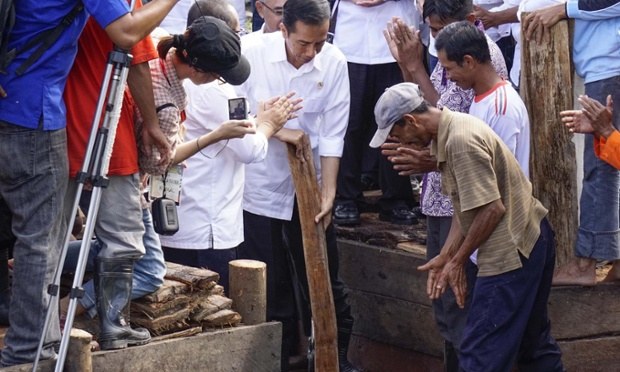
Indonesian President, Joko Widodo joins members of the Sungai Tohor community in damming a canal draining peatlands on Tebing Tinggi island on Thursday. Photograph: Ardiles Rante/Greenpeace
Welcome news, thanks to the Guardian‘s coverage:
Indonesia cracks down on deforestation in symbolic u-turn
Indonesia’s new president announces plans to protect rainforest and peatlands, signalling a new direction for country with worst rate of deforestation in the world
Indonesia’s reforming new president is to crack down on the rampant deforestation and peatland destruction that has made the nation the world’s third largest emitter of climate-warming carbon dioxide.
Joko Widodo signalled the significant change of direction for Indonesia when he joined a local community in Sumatra in damming a canal designed to drain a peat forest. Halting the draining and burning of peatland will also tackle the forest fires which have trebled since 2011 and can pump smoke across the entire region.

Koons’s “Inflatable Flower and Bunny (Tall White, Pink Bunny),” 1979. BROAD ART FOUNDATION, SANTA MONICA
Because we are not experts in any sense of the subject, contemporary art is only rarely a topic of interest on this blog. But as readers of media far and wide related to the cultures we operate in, we cannot help noticing what experts say about it. We have once or twice linked out to articles that reflect our concern about the overwhelming sense of art and commerce overlapping more than seems right. Jeff Koons, on show in Paris currently, offers an other prime example of our concern. A review of the New York retrospective of Koons earlier this year had this respectful insight:
…Koons’s smiley mien and a line of patter that is part huckster and part self-esteem guru—“Everybody’s cultural history is perfect”—call to mind Degas’s remark to Whistler: “You behave as though you had no talent.” But Koons has no end of talent and, within his range, mastery, marked by an obsessive perfectionism, and wound tightly around some core emotion, perhaps rage, which impels and concentrates his ambition. It’s really the quality of his work, interlocking with economic and social trends, that makes him the signal artist of today’s world. If you don’t like that, take it up with the world… Continue reading
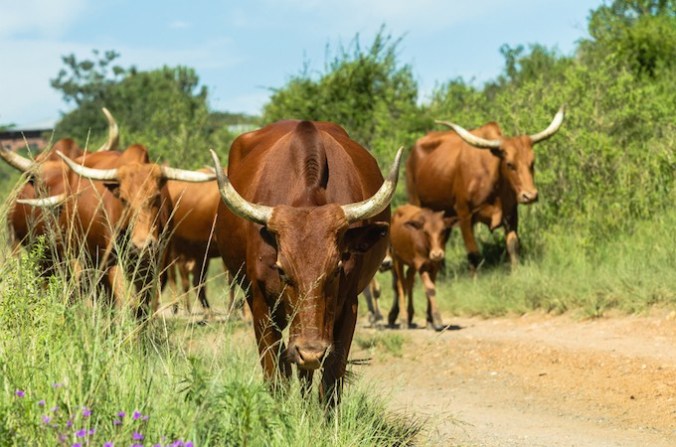
One of our most popular posts of all time, Carbon Emissions Series: Vacationers’ Diets, was an eye-opener for many of us 3+ years ago. The 10,000 views of that one post help us understand that readers of this blog care about the food they eat in more ways than one. Thanks to Conservation for this summary:
ACCOUNTING FOR MEAT: THE HIDDEN EMISSIONS IN YOUR STEAK
Each year, the average American chows down on a whopping 120 kilograms of meat. The same is true in New Zealand and Australia. Most Europeans and South Americans dine on slightly more than half that amount of meat each year. Combined that means that as a species, we’re eating some 310 metric tons of meat each year, a 300% increase in fifty years. Meat – which is the primary product of the livestock industry – doesn’t just impact our planet in terms of the quantity of animals slaughtered or the acres of land converted into suitable grazing pastures. It is also a significant contribution to greenhouse gas emissions. Continue reading
 Organikos