The Count Is On

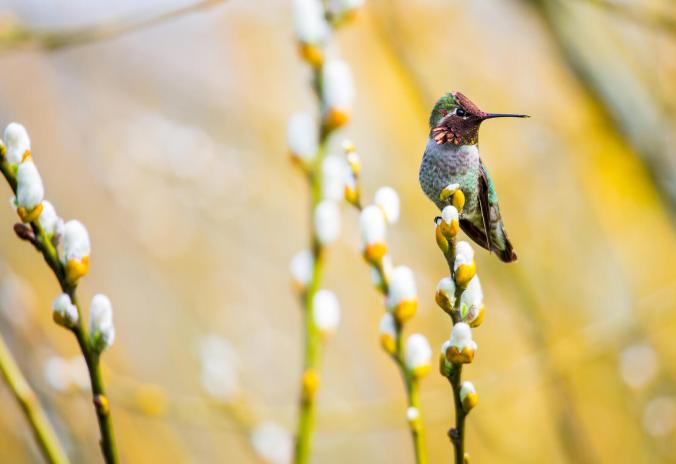
Anna’s Hummingbird. Photo: Matthew Olson/Audubon Photography Awards

This time of the year we always save some time for the census, and not surprisingly 2020 necessitates some adaptation to methodology:

Audubon’s Christmas Bird Count Will Look Very Different This Year

While some local counts may be cancelled due to regional COVID-19 rules, many community scientists across the hemisphere will carry on one of the longest-running wildlife censuses in a socially distanced fashion.

NEW YORK — For the 121st year, the National Audubon Society is organizing the annual Audubon CBC. Between December 14 and January 5, tens of thousands of bird-loving volunteers will participate in counts across the Western Hemisphere all while abiding by Audubon’s COVID-19 guidelines. Continue reading

There Once Was A Puffin

Our thanks to a reader who brought this book to our attention after seeing this photo. If you a puffin aficionado, you might also find these earlier posts worth a visit (there are plenty of others, which you can find by searching our site with the word puffin). The book’s publisher describes it this way:

A seaside story to read with baby! Oh, there once was a Puffin, Just the shape of a muffin, And he lived on an island In the bright blue sea! The dear little Puffin is lonely on his island for he has no one to play with. In this beloved nonsense poem, children will rejoice when the muffin-shaped Puffin, who has a hat for almost every occasion, comes up with a simple—and simply delicious—solution to his problem.

The Weight Of Humanity

Bill McKibben‘s Climate Crisis newsletter this week has an interesting segment on the total weight of things humans have made, mentioning the book to the right for visual reference. Turns out our stuff now weighs more than all living things on the planet. That is impressive, but not necessarily in a good way:

We are necessarily occupied here each week with strategies for getting ourselves out of the climate crisis—it is the world’s true Klaxon-sounding emergency. But it is worth occasionally remembering that global warming is just one measure of the human domination of our planet. We got another reminder of that unwise hegemony this week, from a study so remarkable that we should just pause and absorb it. Continue reading

Ancestral Plants Worth Saving

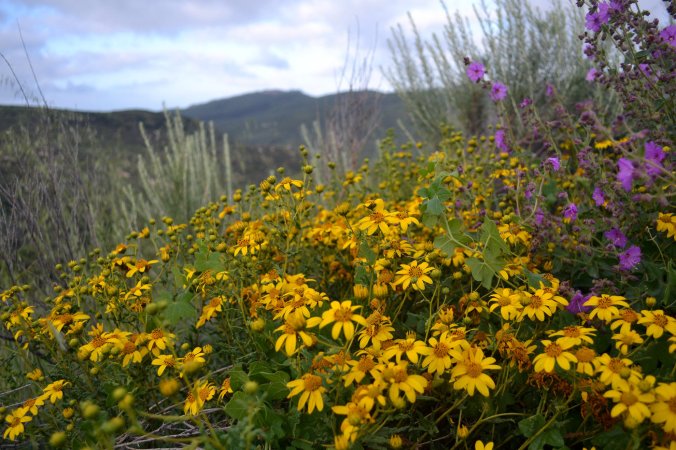
These sunflowers in San Diego National Wildlife Refuge are wild relatives of sunflowers that farmers around the world grow to produce oil. Lisa Cox/USFWS

Thanks to National Public Radio (USA) for this summary of a recent scientific study:

Distant Cousins Of Food Crops Deserve Respect And Protection

Hundreds of native North American plants, often dismissed as weeds, deserve a lot more respect, according to a new study. These plants, distant cousins of foods like cranberries and pumpkins, actually represent a botanical treasure now facing increased threat from climate change, habitat loss and invasive species.

The crops that the human race now depends on, including grains like wheat and tree fruit like peaches, originally were selected or bred from plants that grew wild hundreds or thousands of years ago. And those ancestral plants, like the small wild sunflowers that can be found across the United States, still exist. “If you see them growing along roadsides, those are the ancestors,” says Colin Khoury, a research scientist at the International Center for Tropical Agriculture. Continue reading

Phenomenal Fungi Discovery

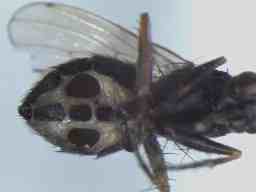
Spores of the parasitic fungus Strongwellsea acerosa. Infected hosts continue to function for days. Photograph: Faculty of Science/University of Copenhagen

The image above, on its own, would be a mystery calling to be explained. Phoebe Weston  has our attention again, this time with a story from the fungi universe:

Scientists find two new species of fungi that turn flies into ‘zombies

Insect-destroying fungi ‘may represent the next frontier for drug discovery’

A fly infected with the fungus Strongwellsea tigrinae. Spores are discharged through a hole in the abdomen. Photograph: Faculty of Science/University of Copenhagen

Two new fungi species that infect flies and eject spores out of a large hole in the insect’s abdomen “like small rockets” have been discovered in Denmark.

The new species, Strongwellsea tigrinae and Strongwellsea acerosa, are host-specific and rely on two species of Danish fly – Coenosia tigrina and Coenosia testacea, according to researchers at the University of Copenhagen. Continue reading

Rewilding Britain With Natural Regeneration

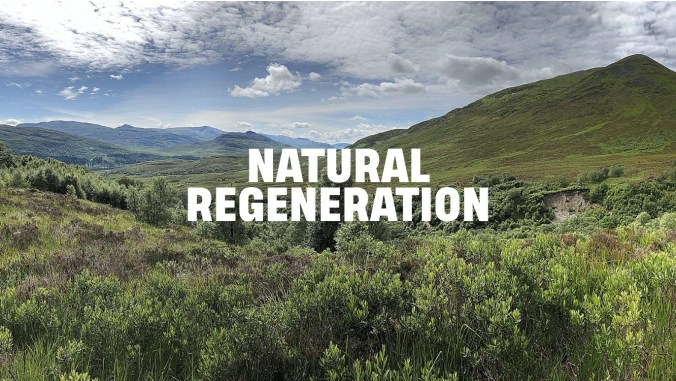
Rewilding Britatin has published a report on the value of allowing trees to naturally disperse seeds as a mechanism for rewilding:

13%OF BRITAIN HAS TREE COVER

compared to 40% of the EU area and 46% of Europe as a whole

When we talk about expanding woodland and tree cover, sometimes we jump on tree planting as the solution. It certainly has a role to play, but nature is an old hand at planting trees and usually does it better.

Letting nature expand woodlands naturally: Continue reading

Big Wins for Marine Conservation in Belize

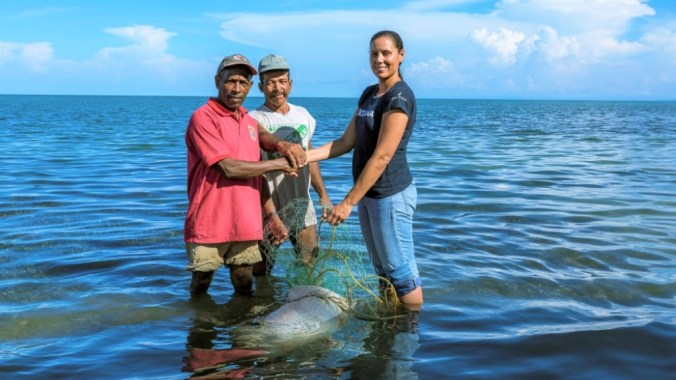
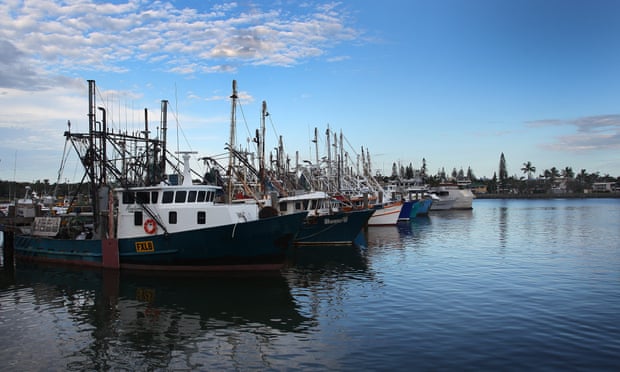
Ray Jacobs (left) hands over his gillnet to Janelle Chanona, Oceana’s Vice President in Belize. Also pictured is Fidel Audinett (center), a Belizean fisher who had been petitioning the government to ban gillnets since 1997. Photo Credit: © Oceana/Alex Ellis

Wonderful news out of Belize!

Tackling a triple threat: Belize banned bottom trawling, offshore drilling, and now gillnets

For a country that’s slightly smaller than the U.S. state of Massachusetts, Belize boasts an inordinate number of ocean wonders. It’s home to the world’s second longest barrier reef, which Charles Darwin once described as “the most remarkable reef in the West Indies.” Here, you’ll find more than 500 unique fish species – enough to give every Belizean island its own mascot and still have about 50 left over.

Because this little Caribbean country has a lot worth protecting, it has enacted some of the strongest ocean conservation laws in the world – and they just got even stronger. Following hard-fought victories that banned all trawling and offshore oil drilling in Belize’s waters, the country has now outlawed gillnets, a fishing gear that kills turtles, manatees, and many other marine animals.

In addition to implementing a nationwide gillnet ban, the Belizean government signed an agreement with Oceana and the Coalition for Sustainable Fisheries to help licensed gillnet fishers transition to other jobs. As a result, Belizean resources and livelihoods will be protected well into the future.

As Janelle Chanona, Oceana’s head in Belize, put it: “This is a historic moment for Belize, her people, the Caribbean Sea and, most importantly, for everyone who depends on the country’s marine resources for their livelihoods.” Continue reading

Bees & Citizen Science

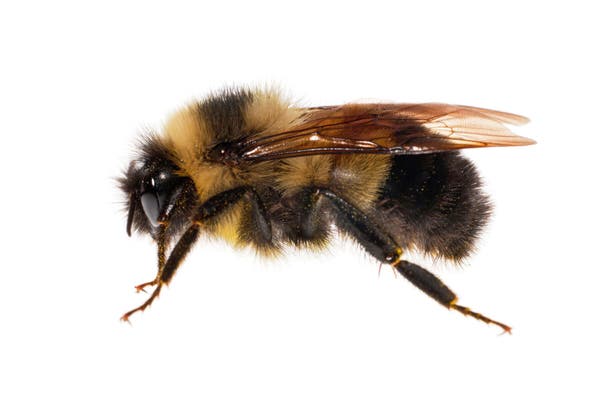
A rusty patched bumblebee. Nature Picture Library/Alamy

If you are a regular here you have seen plenty about citizen science. And plenty about bees. We have posted only one time previously about the intersection of bees and citizen science. Today makes twice:

How You Can Help Count and Conserve Native Bees

Honeybees and their problems get the most attention, but scientists are using tactics learned from bird conservation to protect American bees. Continue reading

What It’s Like To Be A Bird–Book, Author Interview & Master Class

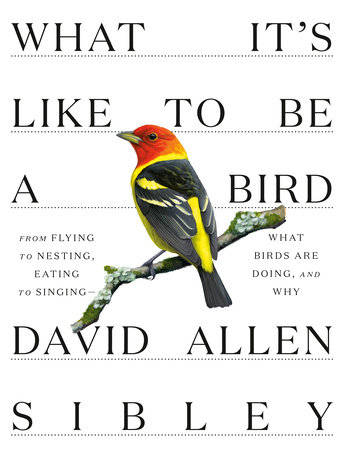
We missed this book when it was published earlier this year, until now–an interview with its author about best birding practices caught our attention. The publisher has this to say about the book:

The bird book for birders and nonbirders alike that will excite and inspire by providing a new and deeper understanding of what common, mostly backyard, birds are doing–and why

“Can birds smell?” “Is this the same cardinal that was at my feeder last year?” “Do robins ‘hear’ worms?” In What It’s Like to Be a Bird, David Sibley answers the most frequently asked questions about the birds we see most often…

David Allen Sibley is also offering this online course in conjunction with 92Y:

Have you ever wondered what it’s like to be a bird? Can birds smell? Is that the same cardinal that was at your feeder last year? What are backyard birds doing and why? Continue reading

Reef Rescuers

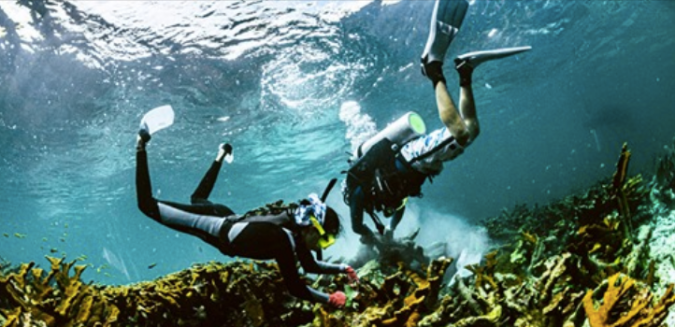
Members of a team calling itself “the Brigade” work to repair hurricane-damaged corals off the coast of Mexico.

An inspiring example of collaborative efforts that bring environmentalists and the insurance industry together to protect fragile marine ecosystems.

A Race Against Time to Rescue a Reef From Climate Change

In an unusual experiment, a coral reef in Mexico is now insured against hurricanes. A team of locals known as “the Brigade” rushed to repair the devastated corals, piece by piece.

When Hurricane Delta hit Puerto Morelos, Mexico, in October, a team known as the Brigade waited anxiously for the sea to quiet. The group, an assortment of tour guides, diving instructors, park rangers, fishermen and researchers, needed to get in the water as soon as possible. The coral reef that protects their town — an undersea forest of living limestone branches that blunted the storm’s destructive power — had taken a beating.

Now it was their turn to help the reef, and they didn’t have much time.

“We’re like paramedics,” said María del Carmen García Rivas, director of the national park that manages the reef and a leader of the Brigade. When broken corals roll around and get buried in the sand, they soon die. But pieces can be saved if they are fastened back onto the reef.

“The more days that pass, the less chance they have of survival,” she said.

The race to repair the reef is more than an ecological fight; it’s also a radical experiment in finance. The reef could be the first natural structure in the world with its own insurance policy, according to environmental groups and insurance companies. And Hurricane Delta’s force triggered the first payout — about $850,000 to be used for the reef’s repairs.

The success or failure of this experiment could determine whether communities around the world start using a new tool that marries nature and finance to protect against the effects of climate change. The response to Delta was a first test. Continue reading

Urban Rewilding: Giving Space for People and Nature

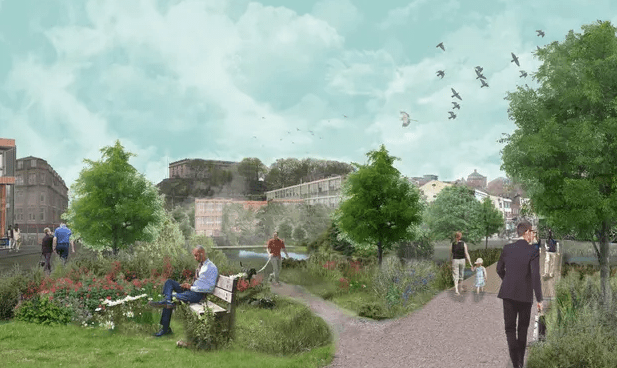
What the Broadmarsh area of central Nottingham could look like if the Wildlife Trust’s ambitious post-Covid wildscape plan gets the go-ahead. Photograph: The Wildlife Trusts

When we’ve written about rewilding on this site before we usually are referring to bringing  wildlife back into a landscape that had lost it for decades, if not centuries.  This Nottingham project has precedent in terms of plans to transform an urban eyesore into public space that is welcoming to both biodiversity of fauna and flora, and the people who will benefit from taking pleasure in it.

Thanks to the Guardian for highlighting the story. We look forward to reading about the finished project!

An additional Public Service Announcement: If you like this story the Nottingham Wildlife Trust has an ongoing petition to help make this project a reality. Please feel free to follow the link and add your name. Being local to Nottingham is not required.

Going wild? A radical green plan for Nottingham’s unloved shopping centre

An empty 1970s shopping centre in Nottingham could be transformed into wetlands, pocket woodlands and a wildflower meadow as part of a post-pandemic urban rewilding project.

The debate about Broadmarsh shopping centre, considered an eyesore by many, has rumbled on for years. This year it was undergoing a £86m revamp by real estate investment trust Intu when the firm went into administration.

The number of empty shops on UK high streets has risen to its highest level in six years, and as retail giants such as Debenhams and Arcadia Group falter, Nottinghamshire Wildlife Trust has come up with a new model of inner city regeneration: urban rewilding.

The trust wants to bulldoze the already half-demolished Broadmarsh building and turn it into 2.5 hectares (6 acres) of scruffy green space at an estimated cost of £3-4m. The designs were created with Influence Landscape Architects and could set a precedent for what to do with the growing amount of vacant retail space in other cities. “It’s unbelievable to hear that stores like Debenhams are in the position they are in – they’re stalwarts of the city, but it does put out an opportunity,” said Sara Boland, managing director of Influence. Continue reading

The Miracle Of Soil, Explained

As we work to improve the soil in advance of planting thousands of coffee seedlings in a few months, we appreciate a video like this one as a tool for explaining what we are doing, and why. Thanks to Phoebe Weston for bringing this to my attention.

A Step To Reduce Overfishing, Even A Modest One, Is Better Than No Step

Research has found that sustainably managed oceans can provide six times more food than today. Photograph: Lisa Maree Williams/Getty Images

It is too few countries protecting too little ocean space, but it is a step in the right direction:

Global sustainable fishing initiative agreed by 14 countries

Governments to reduce pollution in oceans and end subsidies that contribute to overfishing

Governments responsible for 40% of the world’s coastlines have pledged to end overfishing, restore dwindling fish populations and stop the flow of plastic pollution into the seas in the next 10 years.

The leaders of the 14 countries set out a series of commitments on Wednesday that mark the world’s biggest ocean sustainability initiative, in the absence of a fully fledged UN treaty on marine life.

The countries – Australia, Canada, Chile, Fiji, Ghana, Indonesia, Jamaica, Japan, Kenya, Mexico, Namibia, Norway, Palau and Portugal – will end harmful subsidies that contribute to overfishing, a key demand of campaigners. They will also aim to eliminate illegal fishing through better enforcement and management, and to minimise bycatch and discards, as well as implementing national fisheries plans based on scientific advice.

Each of the countries, members of the High Level Panel for Sustainable Ocean Economy, has also pledged to ensure that all the areas of ocean within its own national jurisdiction – known as exclusive economic zones – are managed sustainably by 2025. That amounts to an area of ocean roughly the size of Africa. Continue reading

2020 Goldman Prize Winners

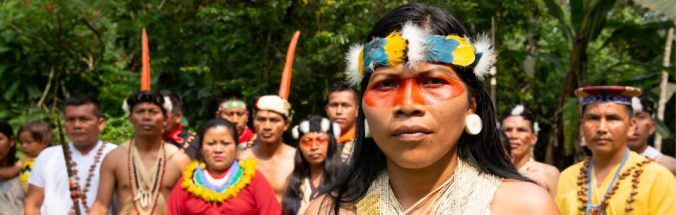
Nemonte Nenquimo led an indigenous campaign and legal action that resulted in a court ruling protecting 500,000 acres of Amazonian rainforest and Waorani territory from oil extraction. Nenquimo’s leadership and the lawsuit set a legal precedent for indigenous rights in Ecuador, and other tribes are following in her footsteps to protect additional tracts of rainforest from oil extraction.

The last time we mentioned a Goldman Prize winner was also the only time we have done so. What explains that? Nothing, really. Just a missed opportunity each year to celebrate things we care about. Today we share the news on one of the six prize winners for 2020:

Guardians of the Amazon Rainforest

Despite its relatively small area, Ecuador is one of the 10 most biodiverse countries on Earth. It contains pristine Amazon rainforests with rich wildlife, complex ecosystems, and significant populations of indigenous communities. Long protectors of this territory, the Waorani people are traditional hunter-gatherers organized into small clan settlements. Continue reading

Ending Perverse Subsidies

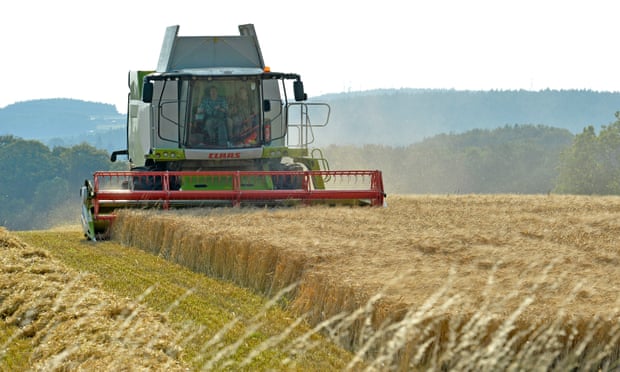
The wealthiest landowners – those receiving payments over £150,000 a year – will face the sharpest cuts. Photograph: Owen Humphreys/PA

We post so much about farming on this platform that it could be considered a major topic of interest. Subsidies, less so, but just as with farming there are both better and worse forms of subsidies. We favor reforming the perverse ones, and so cheer this news:

Environment to benefit from ‘biggest farming shake-up in 50 years’

£1.6bn subsidies for owning land in England to end, with funds going to improve nature

Wildlife, nature and the climate will benefit from the biggest shake-up in farming policy in England for 50 years, according to government plans.

The £1.6bn subsidy farmers receive every year for simply owning land will be phased out by 2028, with the funds used instead to pay them to restore wild habitats, create new woodlands, boost soils and cut pesticide use.

The wealthiest landowners – those receiving annual payments over £150,000 a year – will face the sharpest cuts, starting with 25% in 2021. Those receiving under £30,000 will see a 5% cut next year. Continue reading

Obsessively Eliminating Protections To The End

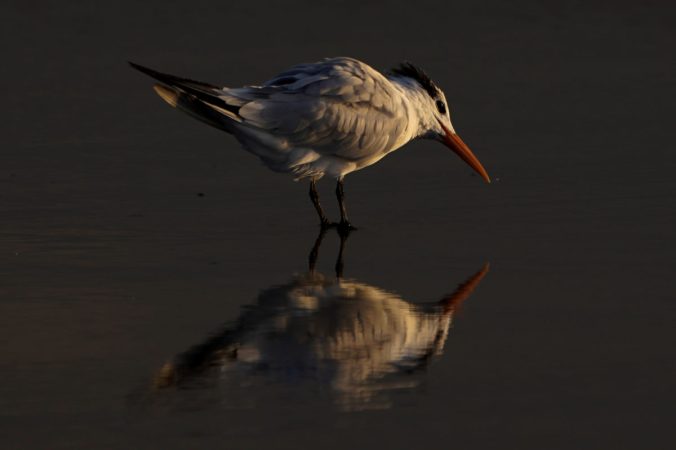
A sea bird is reflected in the water during low tide at Cardiff State Beach in Encinitas, California, U.S. October 17, 2019. REUTERS/Mike Blake

No special prognostication talent was required to know this was coming, if you have been paying attention for the last four years. Environmental, among other protections, have been gutted constantly since shortly after this administration’s inauguration in 2017. The only important question is how quickly some of these protections can be restored by the incoming administration:

Trump administration moves forward with gutting bird protections

The Trump administration moved forward Friday on gutting a longstanding federal protection for the nation’s birds, over objections from former federal officials and many scientists that billions more birds will likely perish as a result.

The U.S. Fish and Wildlife Service published its take on the proposed rollback in the Federal Register. It’s a final step that means the change — greatly limiting federal authority to prosecute industries for practices that kill migratory birds — could be made official within 30 days. Continue reading

Sheltering in Nature

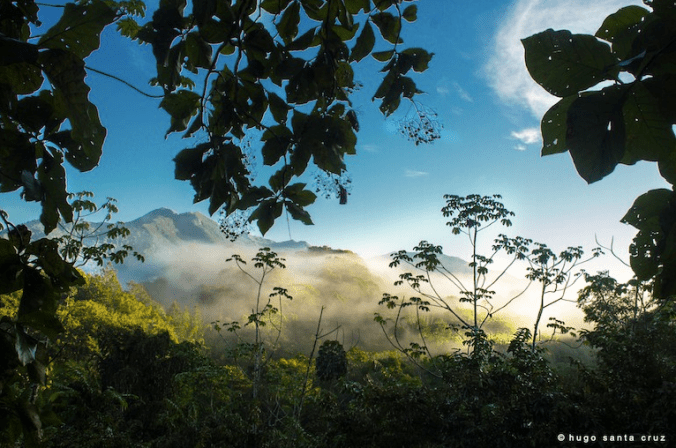
The Turrubares Hills in Costa Rica’s Central Pacific region. Photo courtesy of Hugo Santa Cruz.

This is an exciting example of the old adage about life’s lemons and making lemonade. The Macaw Sanctuary is an inspirational space and we’re proud to have explored it with Hugo during the Global Big Day.

Thank you to Milan Sime Martinic and the inspiration of Mongabay for nature and conservation stories.

A new conservation project is created in Costa Rica thanks to COVID-19

  • Hugo Santa Cruz is a photographer contributing to a new Netflix documentary about nature and coping with COVID-19.
  • A Bolivian currently stuck in Costa Rica due to the pandemic, he has turned his camera lens on the local landscape, which has helped him deal with his separation from family and friends.
  • Many hours spent in the rainforest have given him solace and also an idea to aid the rich natural heritage that he is currently documenting.
  • Santa Cruz is now a co-founder of the new Center for Biodiversity Restoration Foundation, which will work to restore and connect natural areas in the region.

Call him inspired.

If Biblical Ishmael were banished to the desert, naturalist Hugo Santa Cruz is quarantined to wander in paradise, a paradise in the Costa Rican jungle, that is.

He is in the Central American rainforest along the Paso de Las Lapas Biological Corridor, an area near the Pacific coast that converges with the mountainous foothills of the western dry tropical forest.

Roaming some 370 hectares of ample primary and secondary forests, regenerated forests restored from human damage, plus plantings, ponds, and biodiverse jungle, Santa Cruz is deep in the wilderness, far from home due to the COVID-19 shutdown of travel and normal activities. He is exploring the jungle, studying the animals, photographing, filming, and registering the species he encounters. Continue reading

Sugar’s Greater Potential

The wily ways of the biggest petrochemical companies have been a concern since we started this platform, and when something seems like big news, but turns not to be so big, we share what we find.  We have previously shared a story or two about sugar’s potential as an energy source, but in its recent edition The Economist weighs in on what may be sugar’s bigger than big potential:

Better disposable coffee cups

They can be made with the waste from sugar cane

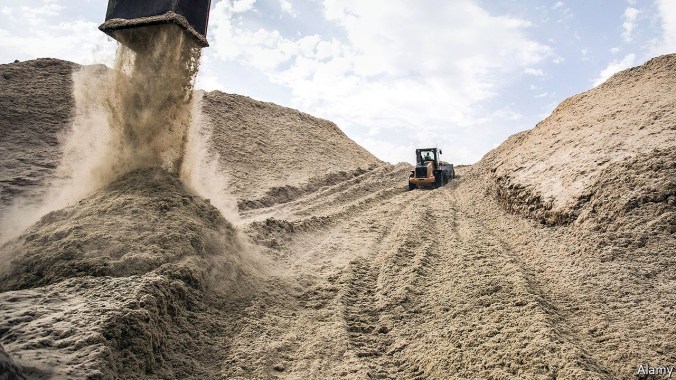
Sugar cane contains around 10% sugar. But that means it contains around 90% non-sugar—the material known as bagasse (pictured) which remains once the cane has been pulverised and the sugar-bearing juice squeezed out of it. World production of cane sugar was 185m tonnes in 2017. That results in a lot of bagasse. Continue reading

Support Your Local Family Farms

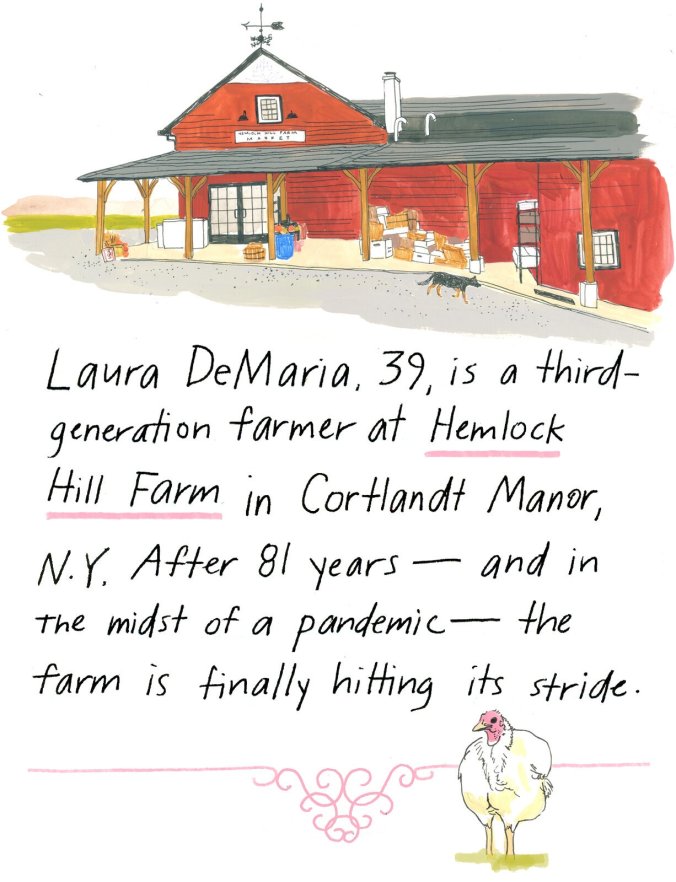
Sometimes graphics make a great story greater, and this would be as good an example as you might find at the moment. We like the basic story first of all because it is about a small family farm that is nearing a century of operation catering to the local market; but there is  plenty more  to  appreciate: Continue reading

Beware Of “This Is Big” & Other Snappy Catchphrases

The Miniature Science series of ads, created last year by the very talented folks at BBDO on behalf of their client ExxonMobil, are snappy.

By now most people who pay attention to climate science are aware of ExxonMobil’s active role in creating doubt about the emerging facts that their own scientists established about mankind’s impact on climate. In addition to actors like that giant petrochemical company, there are also behind-the-scenes, complicit creatives who have provided essential messaging to strengthen the deception. In a new essay, Bill McKibben turns his attention to those folks, and expects accountability:

If money is the oxygen on which the fire of global warming burns, then P.R. campaigns and snappy catchphrases are the kindling. Illustration by Lia Liao

When “Creatives” Turn Destructive: Image-Makers and the Climate Crisis

Past sins are past no more: an overdue historical recalibration is under way, with monuments being pulled down, dorms renamed, restitution offered. People did things, bad things; even across the span of centuries, they’re being held to account, and there’s something noble about that. The Reverend Robert W. Lee IV, for instance, recently backed the removal of his famous ancestor’s statue from Richmond, Virginia. The memorial, he wrote, “is a hollow reminder of a painful ideology and acts of oppression against black people. Taking it down will provide new opportunities for conversations, relationships and policy change.” Such a response raises an uncomfortable question: What are we doing now that our descendants will need to apologize for? Might we be able to get ahead of the sin this time? Continue reading