Visitors to this site know that coffee plays a significant role in the lives of many of our contributors, so the threat of rust is something we’ve been aware of for some time as well. We’re usually in favor of finding natural and non-invasive solutions to pest problems, but are quite aware that “non-invasive” must be the operative word.
The unintended consequences of using the invasive Asian tramp snail as a biological control could be significant, causing more harm than help. The studies here suggest that selective planting amid the coffee could provide various solutions, which consider the benefits of the polyculture planting methods of shade-grown coffee.
Zachary Hajian-Forooshani never expected to find snails in the mountainous, coffee-producing heart of Puerto Rico. In 2016, when he was a University of Michigan masters student, he and his peers noticed some curious excrement on the undersides of coffee plants, which they eventually traced to the invasive Asian tramp snail. “Cool things pop out and you follow up with them,” says Hajian-Forooshani, who has made the snails and their colorful poop the subject of his doctoral research. “I just followed a trail of excrement.”
The oddly colored snail poop was, not coincidentally, the same bright-orange color as coffee rust, a parasitic fungus that’s coming for your morning buzz.
Central American farmers have tried breeding hybrid coffee species that are rust-resilient, but the fast-moving fungus is quick to develop an immunity to that resistance. ADAM KEOUGH/PUBLIC DOMAIN MARK 1.0
Coffee leaf rust has been a menace for more than a century. After appearing on Sri Lanka in the late 1800s, it enveloped the island within 20 years, ridding what was once the world’s greatest coffee exporter of its cash crop in near entirety. Traveling on the wind across Africa’s coffee belt, coffee rust reached the Atlantic coast by the 1950s. Its arrival in Brazil in 1970 sowed panic in a heavily coffee-reliant economy, and within 12 years, no coffee-producing region in Latin America, where seven-eighths of the world’s joe is produced, was rust-free. Today, 70 percent of Central American farms are infected, costing the region $3.2 billion in damage and lost income. Continue reading →
The harvest of the much-extolled but long-lost Judean dates was something of a scientific miracle. The fruit sprouted from seeds 2,000 years old.
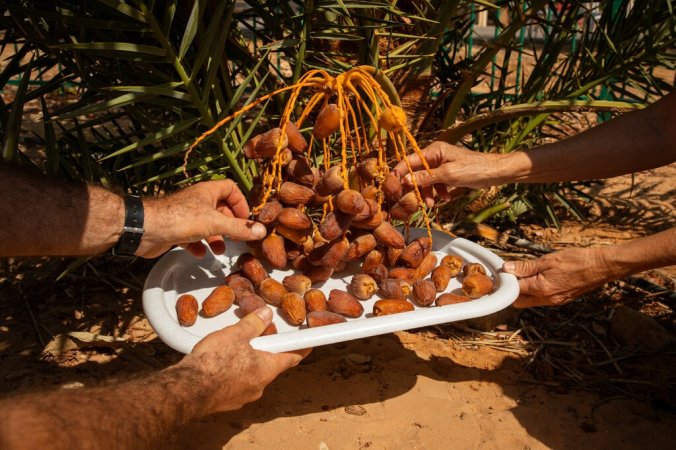
The proud father Methuselah, grown from ancient seeds, at Kibbutz Ketura in the Arava desert, Israel. Dan Balilty for The New York Times
KETURA, Israel — The plump, golden-brown dates hanging in a bunch just above the sandy soil were finally ready to pick.
They had been slowly ripening in the desert heat for months. But the young tree on which they grew had a much more ancient history — sprouting from a 2,000-year-old seed retrieved from an archaeological site in the Judean wilderness. Continue reading →
With farms on our collective minds recently, considering how edibles grow, why we plant this versus that. Thanks to Alexander Villegas, a journalist and farmer, for today’s look at what grows where, and why, in a bittersweet story about a family farm in northwest Costa Rica:
In an area devastated by droughts and erratic rainfall, I took a chance on a bright little magenta ball of hope.
LIBERIA, Costa Rica — I hated the family farm as a kid.
It was hot; it reeked of manure; and it’s where a tree crushed and killed my grandfather. When we visited, I spent my time playing with my Game Boy while the other kids took turns riding young bulls.
So I was surprised when my dad asked me to take the farm over last year. He’d recently retired and was planning on selling part of it to pay off his house in the city. He’d live off the rest and drive up to the farm throughout the week. But the lawyer he hired stole the land. My dad lost his house and was afraid he’d lose everything else. Continue reading →
Coca-Cola’s new PlantBottle is made from 30 percent sugar cane and other plants, with the rest made from traditional oil-based plastic. COCA-COLA
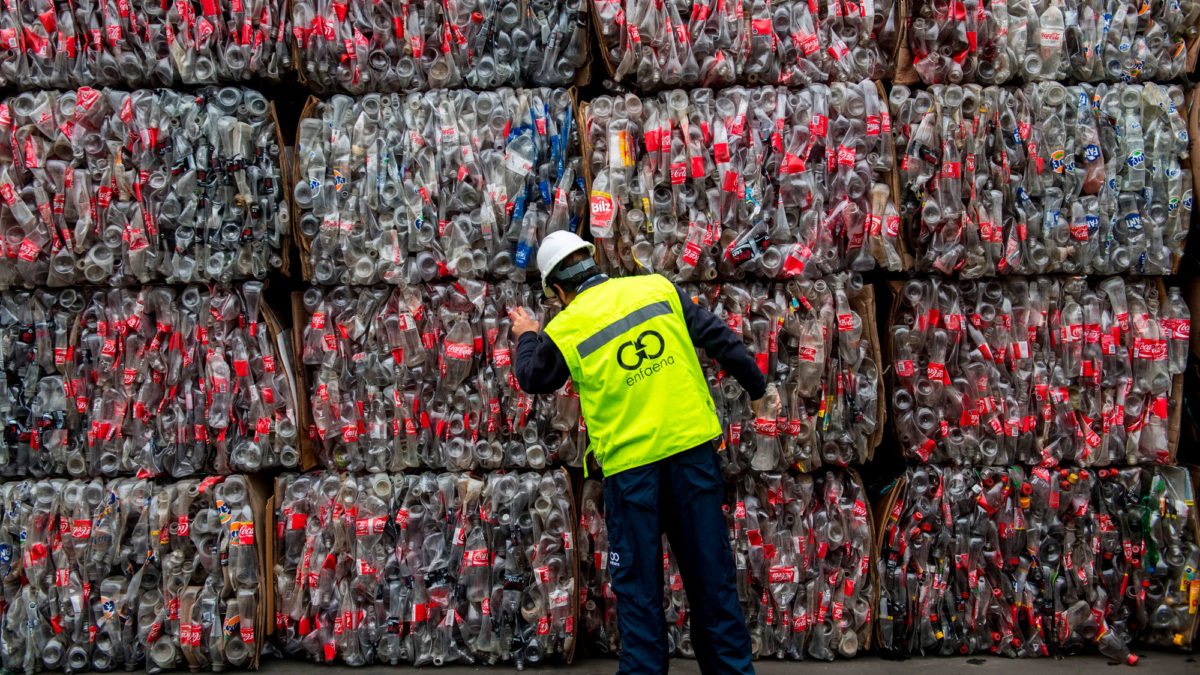
Bioplastics are being touted by industry marketers as the solution to plastics pollution. But the idea that bottles and packaging made of plant-based material can simply be discarded and then break down and disappear is false – recycling and reuse are the only strategies that can work.
Coca-Cola calls it the PlantBottle — a new kind of recyclable plastic container, 30 percent of which is made from sugar cane and other plants, with the remaining 70 percent made from traditional oil-based plastic. The company says that PlantBottle packaging now accounts for nearly a third of its North American bottle volume and seven percent globally. Continue reading →
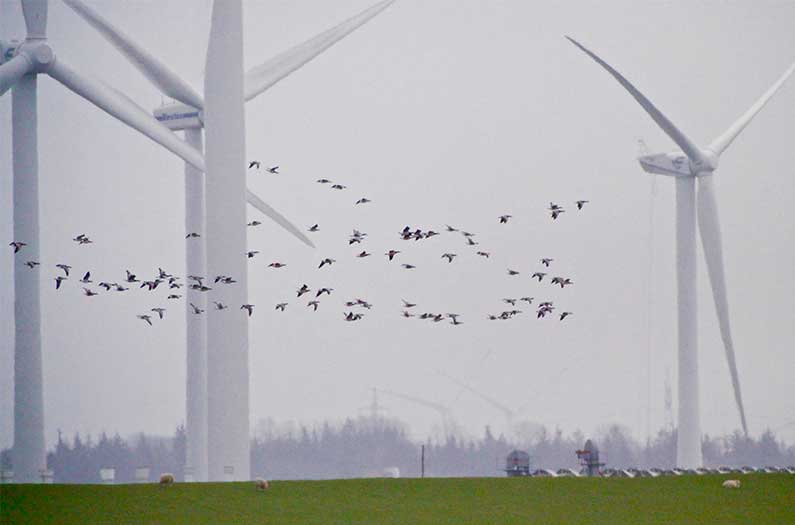
Wind is a formidable renewable energy option, but the impacts on wildlife have long been discussed. It’s heartening that such a simple solution as paint has the potential to so drastically reduce the dangers to birds and bats.
A small study in Norway showed that painting one blade of a wind turbine black reduced bird mortality by over 70%.
Wind energy is one of the world’s most popular renewables. It’s also one of the most promising—some calculations suggest that strategically placed wind turbines could conceivably power the entire planet. As more turbines go up worldwide, they’ll help us reduce pollution, water use and carbon emissions, along with the environmental degradation, habitat loss and human health risks that come with fracking and oil extraction.
But there are some who don’t benefit quite as much: flying animals. Each year, turbine blades kill hundreds of thousands of birds and bats. As wind power becomes more prevalent, this number may rise into the millions—although it’s important to remember that other power generation methods likely kill far more birds than wind farms do.
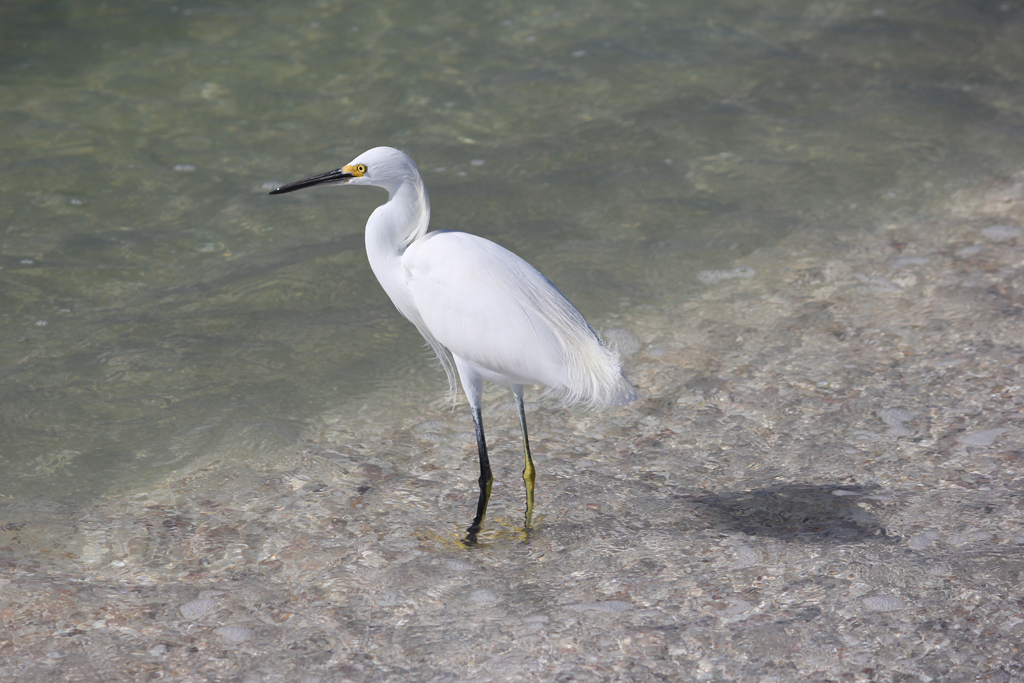
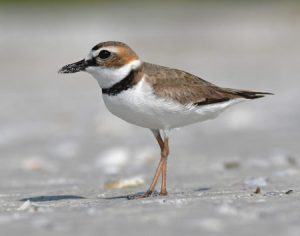
September is right around the corner and migratory birds are making their way south. World Shorebirds Day 2020 is Sunday, September 6th and we need your help to count Caribbean shorebirds at your favorite birding spot (or spots)!
Wilson’s Plovers are one of the many shorebird species found in the Caribbean. (Photo by Hemant Keshan)
Where are these fascinating birds to be found? While you will find them on shores and beaches, some shorebirds use habitats further inland, including freshwater and brackish marshes and ponds. Shorebirds are also fond of salt ponds, mud flats, mangrove areas, and tidal flats.This year’s Global Shorebird Count will take place from September 3 to 9, 2020. All across the Caribbean, birders will be compiling checklists from island to island and recording them on eBird Caribbean. Our migratory shorebirds are more vulnerable than ever, threatened by human activities that have changed or destroyed their habitat. Most species of shorebirds are in decline around the world.
eBird Caribbean is a critical tool for tracking and understanding bird migration and population changes – never more so than for our shorebirds. If you do not have an account, it is easy to register – here’s a quick guide to enter eBird data online. There is even a free eBird Essentials course to get you fully oriented. Download the free mobile app for recording your data in the field.
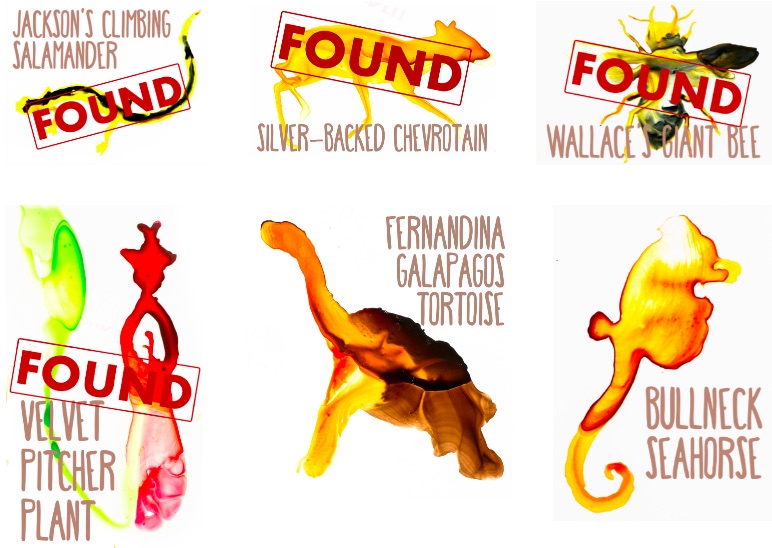
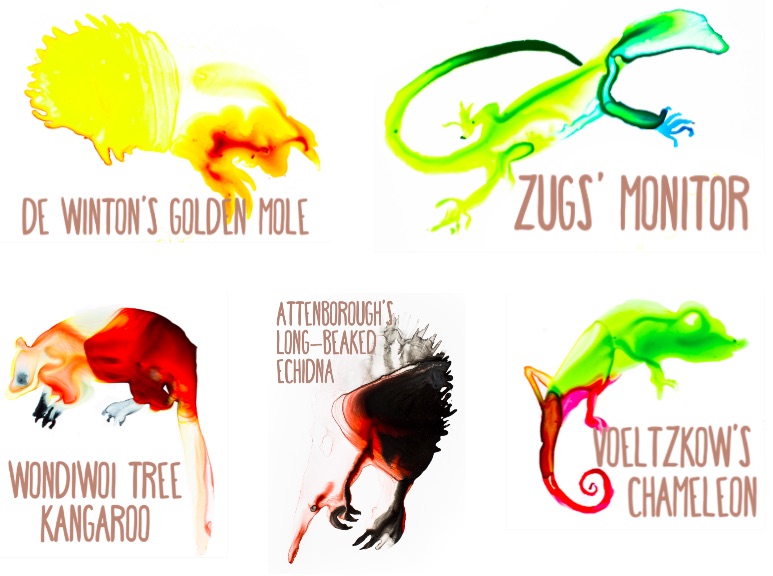
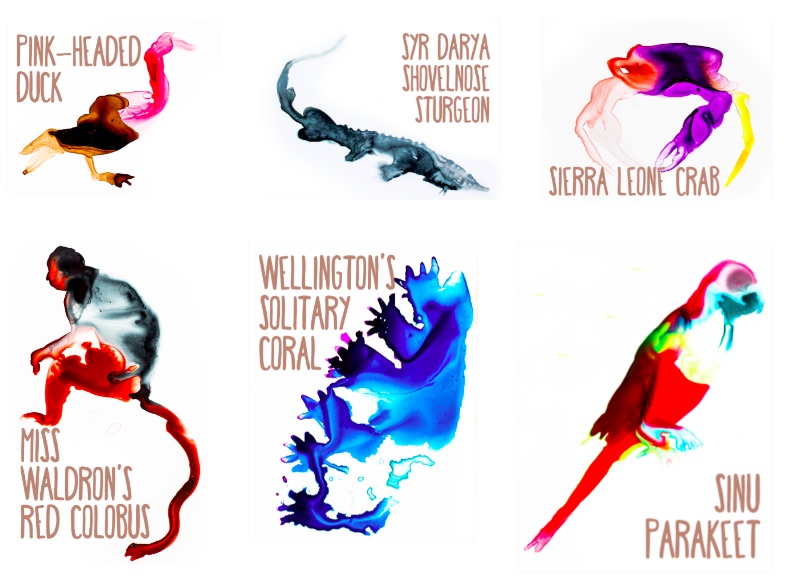
Yesterday’s happy surprise is the reason for today’s look at one organization’s work to support finding lost species. If you look at the image below you will see in the upper right quadrant the species mentioned yesterday, and that find is so fresh they still have not stamped FOUND on it.
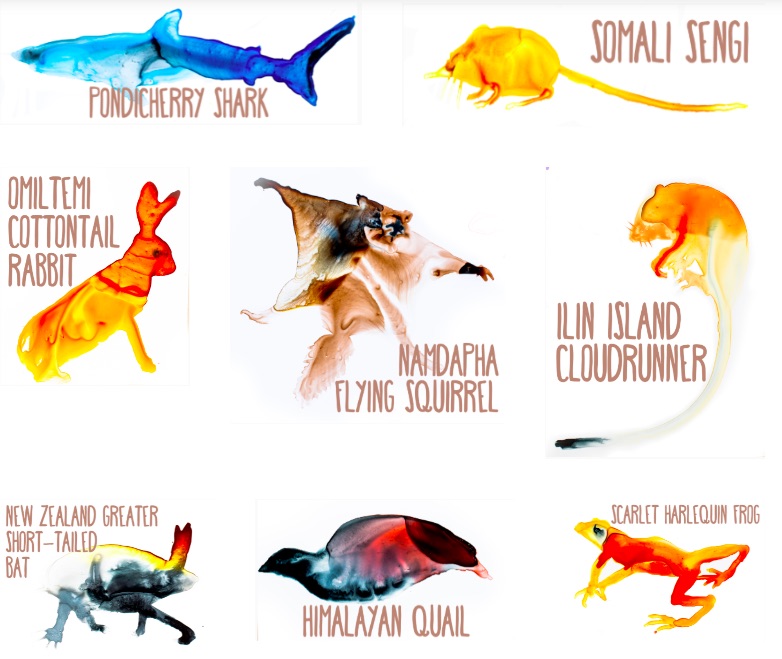
Global Wildlife Conservation has created a graphic for what they consider the 25 Most Wanted species, and this colorful display is the trigger to get you hooked on helping:
In collaboration with more than 100 scientists, Global Wildlife Conservation has compiled a list of 1,200 species of animals and plants that are missing to science. GWC and our partners search some of the planet’s forgotten places and then work to protect species once found.
But this is about much more than the expeditions GWC is directly involved in. We’re calling on others to join the search and conduct their own expeditions for the lost species that have captured their hearts. GWC is working with teams and individuals the world over to publicize their stories of rediscovery and adventure as part of this shared campaign of hope and celebration. Read more in our FAQ and explore the partners behind the search.
For those of you not triggered by this display, there is also a photo of Daniel Craig holding a lost & found tortoise. He is looking you in the eye, asking you to donate. Resistance is futile.
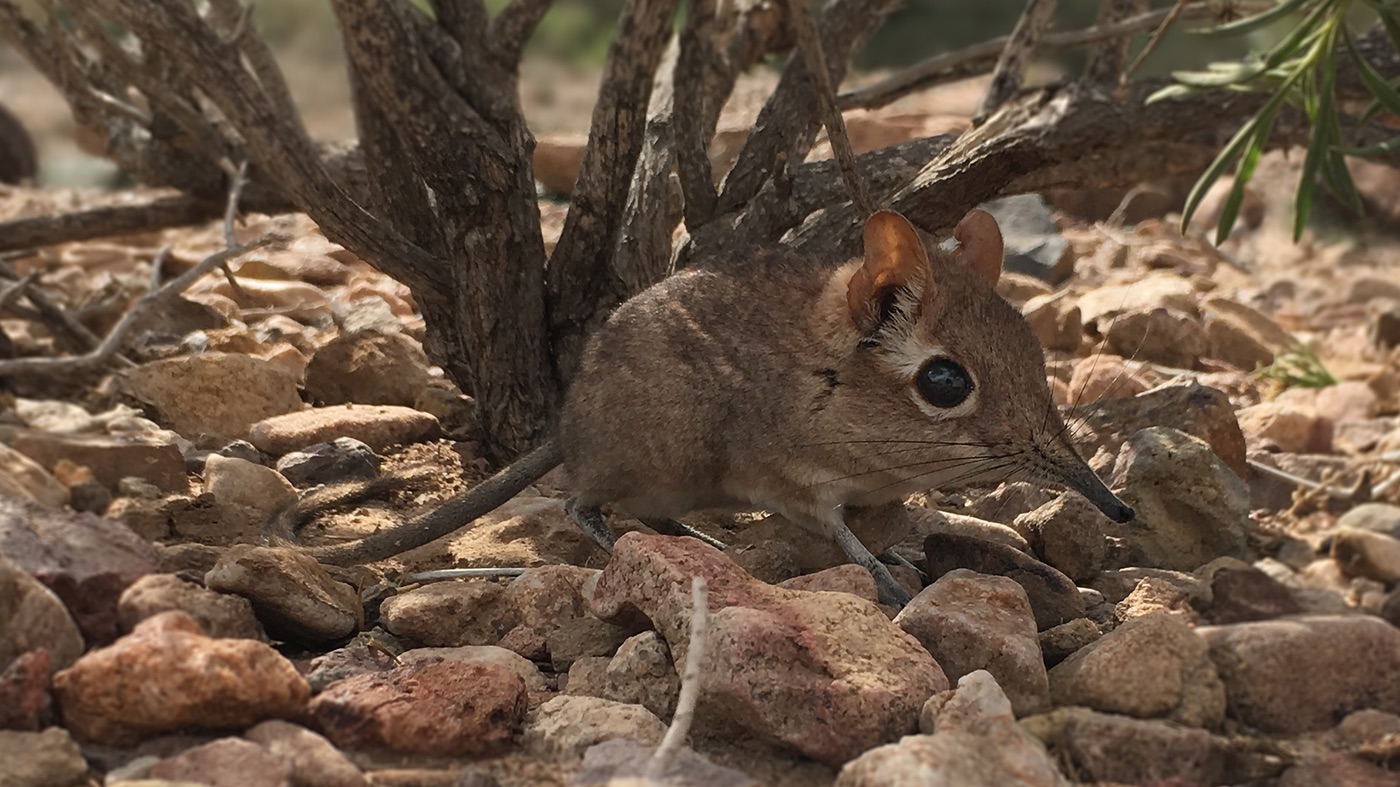
Researchers have spotted the Somali sengi, a relative of aardvarks and elephants, in Djibouti. Steven Heritage/Duke University Lemur Center
We have used lost & found within post titles enough times since we started that maybe it should be a category. They are mostly happy surprise stories. More complicated than cute kitten videos, but worth the read. For now, our congratulations to the scientists who made the discovery and our thanks to National Public Radio (USA) for reporting this:
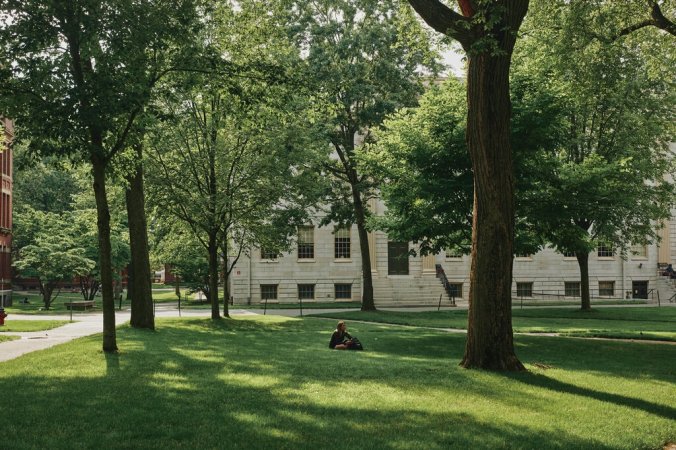
Harvard, with an endowment of more than $40 billion, has resisted calls to drop fossil fuel investments from its portfolio. Credit…Tony Luong for The New York Times
This successful petition campaign is in good company. Bravo Harvard for taking fact-forward action.
The candidates were the first ones elected through a petition campaign since 1989, when anti-apartheid activists put Archbishop Desmond Tutu on the panel.
Bucking tradition, a group of climate activists has won three seats in an election to an important governing body at Harvard University, the Board of Overseers, the university announced Friday.
The slate of candidates ran on a platform that included calls for the university to drop fossil fuel investments from its portfolio, part of a divestment movement that has swept college campuses for the better part of a decade.
Harvard, with an endowment of more than $40 billion, has resisted those calls. In April, the university’s president, Lawrence Bacow, said that divestment “paints with too broad a brush” and instead announced that Harvard was setting a course to become greenhouse-gas neutral by 2050, a move that he correctly predicted would not satisfy those seeking total divestment.
Candidates for the six-year terms on the board are customarily nominated through the Harvard Alumni Association. These candidates were elected through a petition campaign, the first to successfully do so since 1989, when a group seeking divestment from South Africa put forward Archbishop Desmond Tutu. Continue reading →
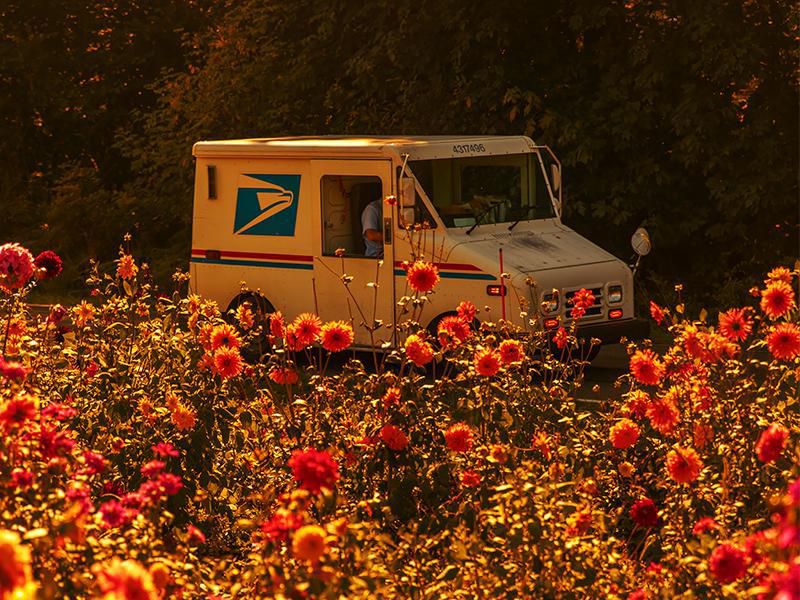
“The postal service is one of the oldest federal agencies,” says Daniel Piazza, a curator of philately at the Smithsonian’s National Postal Museum. “Maybe for that reason, we tend to take it for granted. But we have always relied on it, whether for news from home, prescription medications or e-commerce.” (Levi Mandel)
We have committed to using the US Postal Service for delivery of our coffees in the USA We already believed it to be a historically essential institution in that country and we want to support it as much as we want to benefit from its services. We have no second thoughts about this commitment, even while it is in the news for all the wrong reasons. We have known the agency needs attention, but we have not known exactly what that attention should look like. So, it is helpful to read this background history:
To forge a nation, the founders needed an efficient communications network
From 1753 to 1774, as he oversaw Britain’s colonial mail service, Benjamin Franklin improved a primitive courier system connecting the 13 fragmented colonies into a more efficient organization that sped deliveries between Philadelphia and New York City to a mere 33 hours. Franklin’s travels along the post roads would inspire his revolutionary vision for how a new nation could thrive independent of Britain. But not even he imagined the pivotal role that the post would play in creating the Republic. Continue reading →
As a study trumpets the food’s medicinal properties, there’s a buzz about beekeeping in the UK
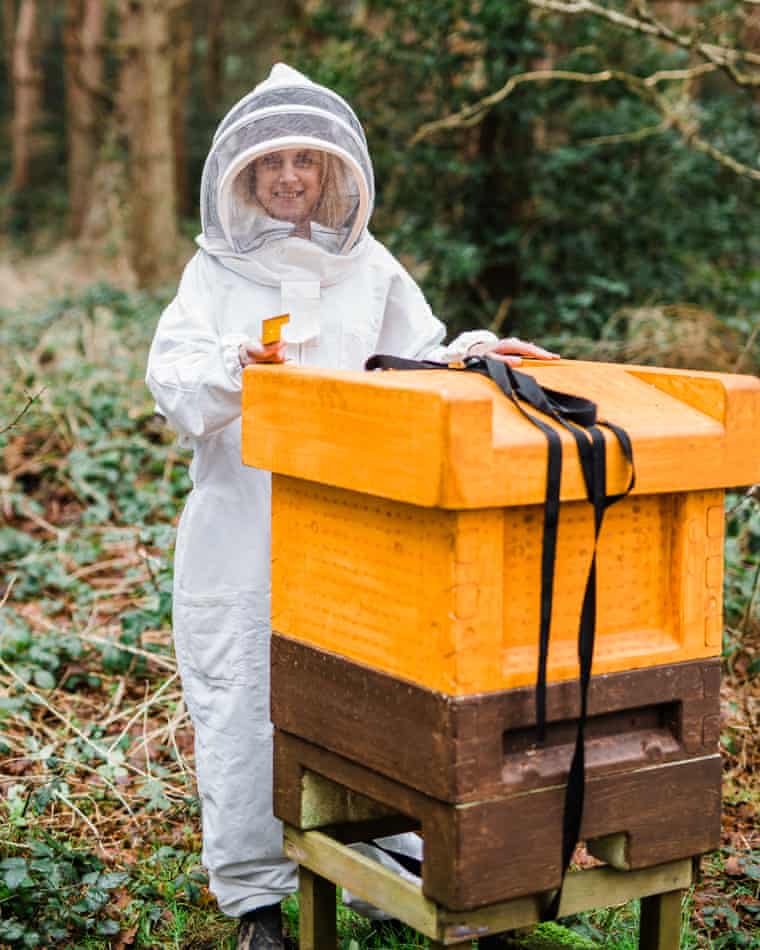
Carly Hooper: ‘Bees are my life’. Photograph: Anita Parry
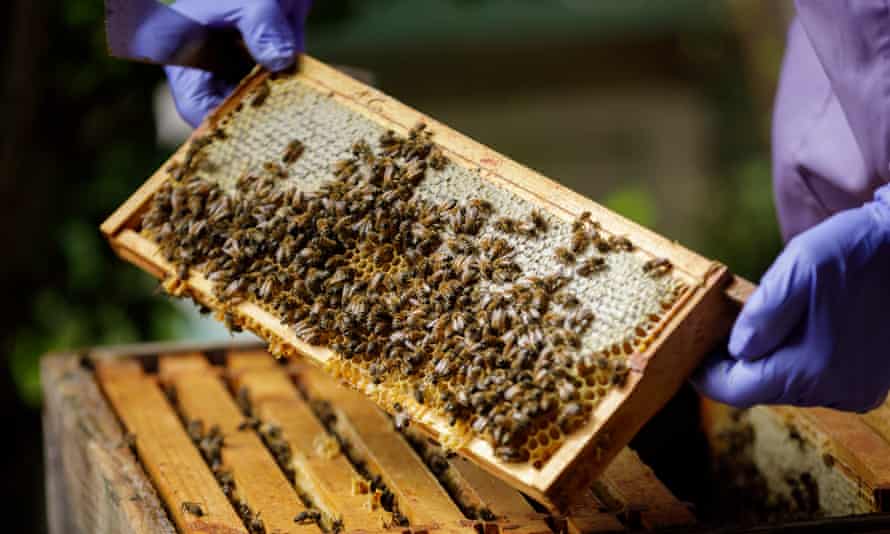
When honey made headlines this week as a better treatment for coughs and colds than antibiotics, beekeepers sat smugly by. “I’ve been saying this for ages,” says Carly Hooper, who has 12 hives near her home in Fleet, Hampshire, and a honey-based business.
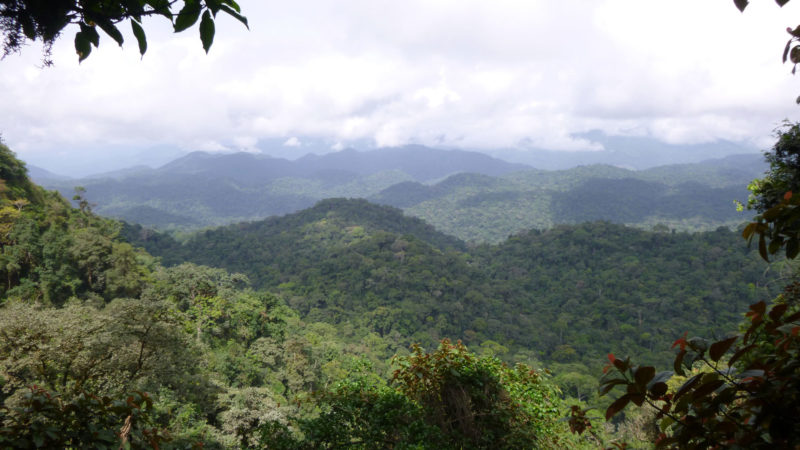
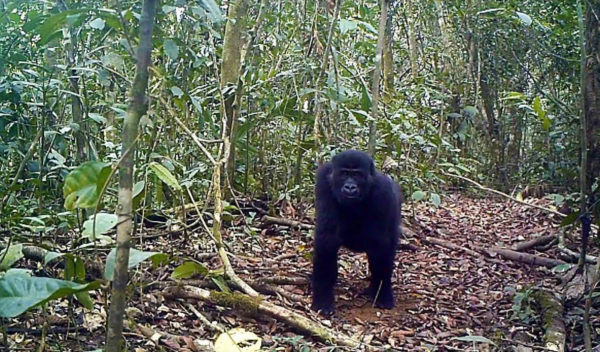
A gorilla in the Ebo Forest, located in southwestern Cameroon. SAN-DIEGO GLOBAL ZOO
The Cameroon government has announced it is canceling a plan to log nearly 170,000 acres of the Ebo Forest following sharp criticism from indigenous communities, conservation groups, and scientists. The ecosystem is one of the last intact forests in central Africa and a biodiversity hotspot, harboring hundreds of rare plant and animal species, including the tool-using Nigeria-Cameroon chimpanzee, western gorilla, and giant frogs. Continue reading →
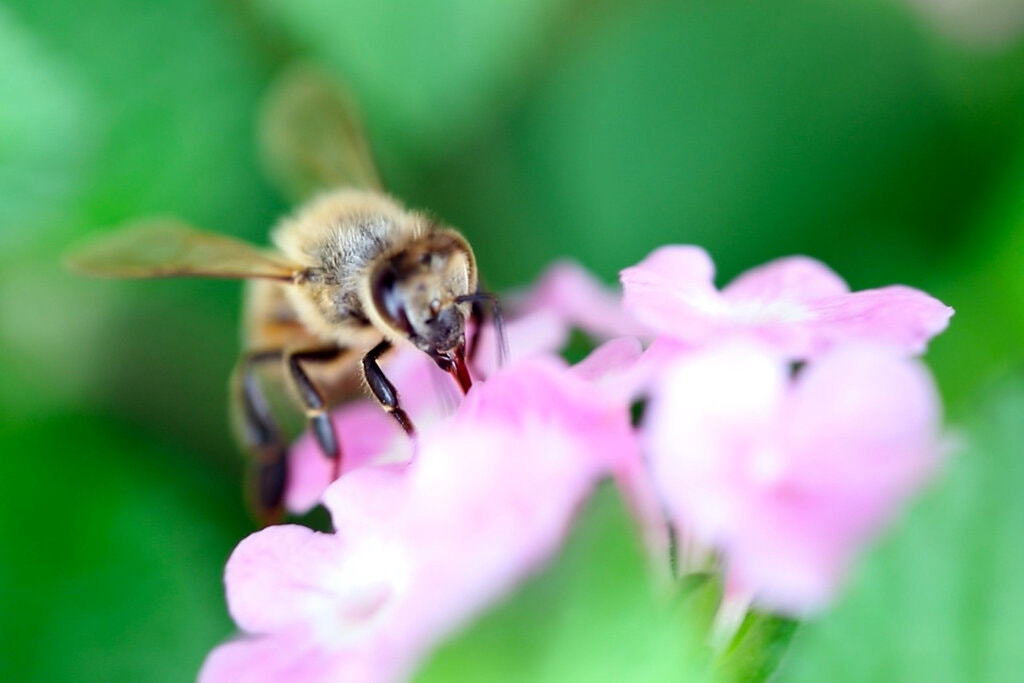
Researchers found that bees’ tongues are so sensitive to the viscosity of nectar that “they switch at the exact point you would expect, to get the best reward for the energy invested.” Jiangkun Wei
Bees, in all their surprising ways, are important to humanity, so we share science about them. Our thanks to one of science writing’s most deft explainers, James Gorman, for one more insight. If only for the video, showing the precision of the bee’s ability to drink nectar, this article is worth a look:
Once again, insects prove to be more complicated than scientists thought they were.
For a century, scientists have known how honeybees drink nectar. They lap it up.
They don’t lap like cats or dogs, videos of whose mesmerizing drinking habits have been one of the great rewards of high speed video. But they do dip their hairy tongues rapidly in and out of syrupy nectar to draw it up into their mouth. For the last century or so, scientists have been convinced that this is the only way they drink nectar. Continue reading →
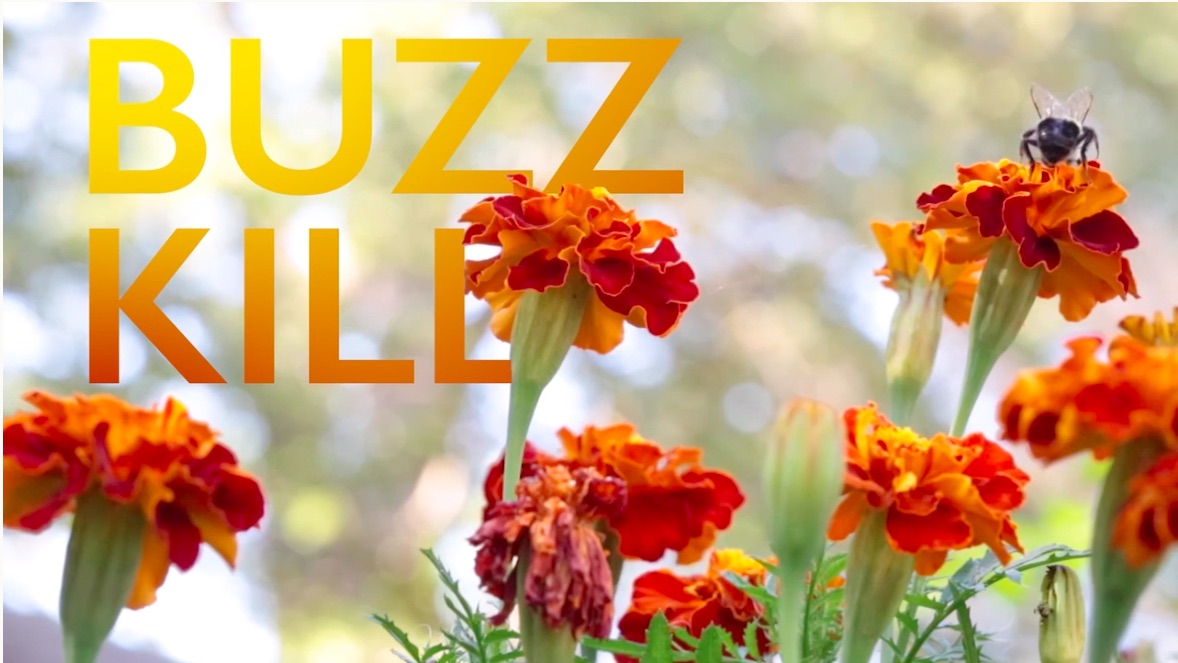
Thanks to Yale e360, as always, for at minimum illuminating important environmental questions and, on days like today, lifting our spirits in the process. Click the image above to go to the award winning video:
Native bees are at risk across the United States. “Buzz Kill” — winner of the 2020 Yale Environment 360 Video Contest — depicts the beauty and key ecological role played by these bees and shows how industrialized agriculture and its use of honeybee colonies threatens endemic bee species. Continue reading →
How can butterflies and moth find food-plants and mates by smell if they don’t have a nose? Ecologist Alex Morss explains how they can sense with other parts of their body. Continue reading →
Renewable-energy projects are now finding capital faster than fossil fuels. Photograph by Ken Cedeno / Getty
Since our platform name change, each daily post has been either about coffee or about birds. We have not neglected or forgotten our commitment to all the other important environmental, conservation, culture and related themes this platform has showcased, under whichever name. Today, Bill McKibben, one of our favorite sources of both depressing and heartening environmental news, is our go-to for some good news:
I enjoy big machinery, and it punched all those buttons,” Jay Johnson told me. “They really are big, and, if you like machinery, then there you go.” Johnson has one of the jobs that might, with luck, come to define our era. At Lake Region State College, in Devils Lake, North Dakota, he trains former oil workers for new careers maintaining giant wind turbines. The skills necessary for operating the derricks that frack for crude in the Bakken shale, he says, translate pretty directly into the skills required for operating the machines that convert the stiff winds of the high prairies into electricity. That is good news, not only because it’s going to take lots of people to move the world from oil and gas to solar and wind but because people who work in hydrocarbons are going to need new jobs now that the demand for hydrocarbons is dropping. “It’s impossible to overstate the stillness” in the oil fields now, Johnson says. “Nothing is happening, zero work, and it sure is scary.” Continue reading →
La Paz Group, having sponsored and administered this site since its inception, was the name up top until yesterday. Now the name Organikos makes more sense up there. For those of you who have been following us for any length of time, this probably does not come as a surprise. We have been talking about Organikos more and more frequently in the last two years. In late August, 2019 La Paz Group opened two Authentica shops in Costa Rica and that is when and where Organikos started selling coffee. As Organikos prepares to sell coffee in both the USA and Costa Rica with its own virtual shop, sponsorship of this platform makes sense. The themes–entrepreneurial conservation especially, and you can see the others on the right column–remain the same. Thanks for visiting.
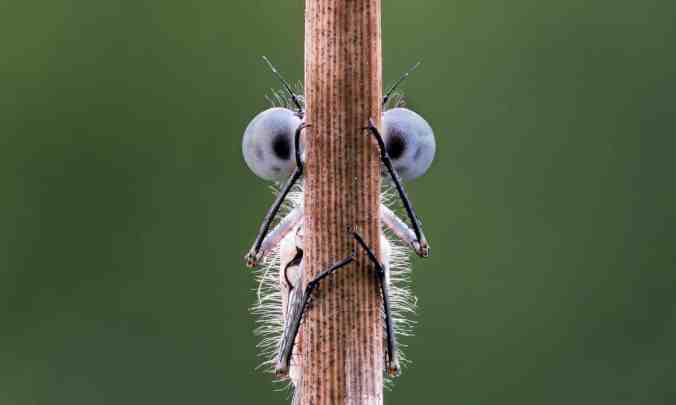
 Thanks to Matt Fidler’s display of the work by photographers in the right place at the right time to induce a needed smile in this contest’s audience.








 Organikos