Plastic Straws Going, Going, Gone

gettyimages-497396938-c0057d75cb37fad8b412cd6413d77744e2063de2-s1100-c15.jpg

Marriott International became the latest company to announce it will stop using plastic straws, saying it would remove them from its more than 6,500 properties by next July. Justin Sullivan/Getty Images

We did not foresee the straw revolution gaining such momentum so quickly. But we are certainly happy to see it going mainstream, going global, going company-wide:

The days of plastic straws are drawing shorter.

Marriott International on Wednesday became the latest big company to announce it will stop using plastic straws, saying it would remove them from its more than 6,500 properties by next July. The giant hotel chain said it will stop offering plastic stirrers, too.

It said the environmentally friendly move could eliminate the use of more than 1 billion plastic straws and about 250 million stirrers per year. Marriott said its hotels will “offer alternative straws upon request.” Continue reading

The Footprint Of Our Data-Driven Lives

New-Dark-Age-1050-5927870a2b206657f6b87133d3f776c4.jpgThanks to John Harris, writing in the Guardian, for “Our phones and gadgets are now endangering the planet,” an opinion essay that doubles as a review of the book to the right:

It was just another moment in this long, increasingly strange summer. I was on a train home from Paddington station, and the carriage’s air-conditioning was just about fighting off the heat outside. Most people seemed to be staring at their phones – in many cases, they were trying to stream a World Cup match, as the 4G signal came and went, and Great Western Railway’s onboard wifi proved to be maddeningly erratic. The trebly chatter of headphone leakage was constant. And thousands of miles and a few time zones away in Loudoun County, Virginia, one of the world’s largest concentrations of computing power was playing its part in keeping everything I saw ticking over, as data from around the world passed back and forth from its vast buildings.

Most of us communicate with this small and wealthy corner of the US every day. Thanks to a combination of factors – its proximity to Washington DC, competitive electricity prices, and its low susceptibility to natural disasters – the county is the home of data centres used by about 3,000 tech companies: huge agglomerations of circuitry, cables and cooling systems that sit in corners of the world most of us rarely see, but that are now at the core of how we live. About 70% of the world’s online traffic is reckoned to pass through Loudoun County. Continue reading

Last Resort Waste Management

Incinerate.jpg

In our sustainable hospitality practice we do from time to time think of incineration as an option worthy of consideration. Especially in India, where waste management is at a completely different stage of development, we thought about it quite seriously. But in the UK, it is clearly not the first best option. If you want to learn a thing or two about waste management, a few minutes with this article will be worth your while:

Waste incineration set to overtake recycling in England, Greens warn

Amount of rubbish burned by local authorities triples while household recycling rates stall

3450.jpg

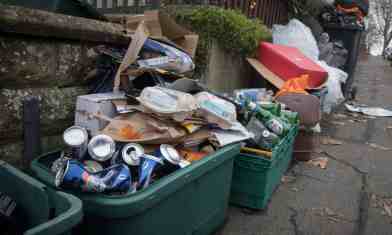
Full recycling bins on pavement in Bristol. Photograph: Matt Cardy/Getty Images

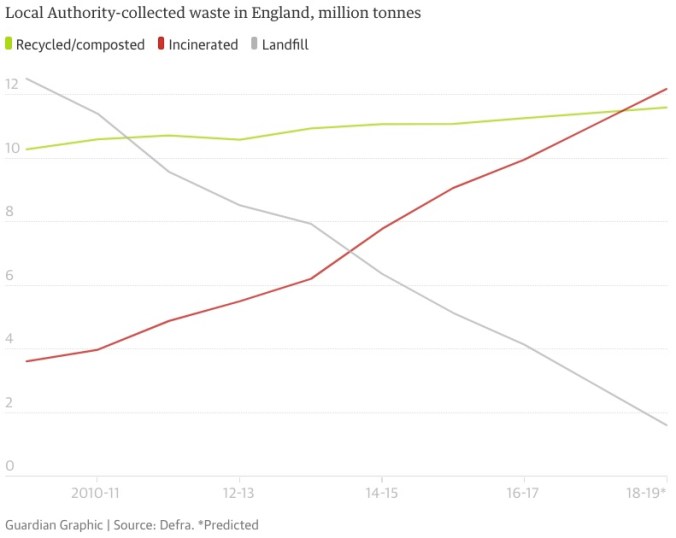
England is on the brink of burning more of its rubbish in incinerators than it recycles for the first time, according to a new analysis.

The amount of waste managed by local authorities and sent to incinerators, or energy-from-waste plants, tripled between 2010-11 and 2016-17. By contrast, household recycling rates have stalled since 2013.

If those trends continue, the millions of tonnes of waste incinerated will overtake the amount sent for recycling by the end of the current financial year, a report by the Green party found. Continue reading

Rewilding Croatia’s Velebit Mountains

0A2A4816-1.jpg

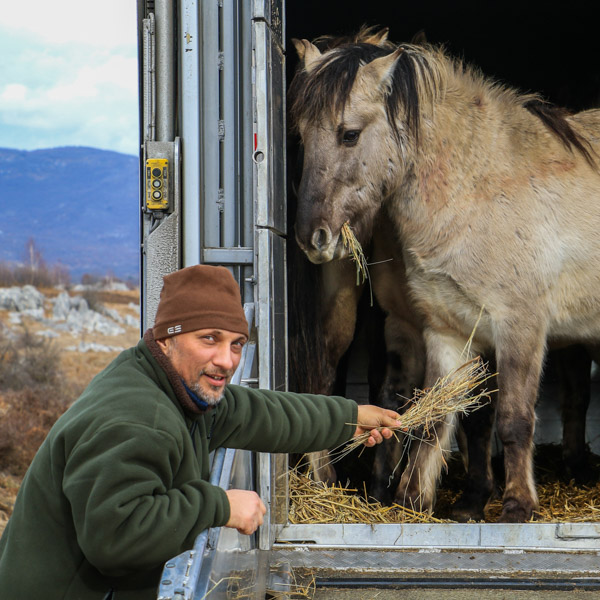
Davor Krmpotić
Team leader of Velebit Mountains

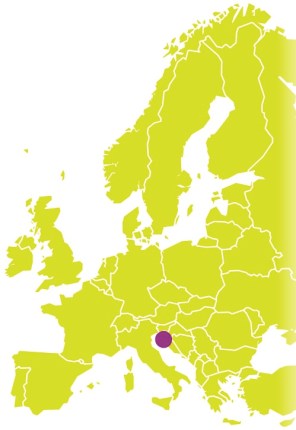
VelebitMap.jpgCroatia, playing in its first World Cup final today, makes this rewilding story from the Velebit Mountains, and interview with its team leader, timely:

This dramatic mountain chain, right on the Adriatic coast in Croatia, is one of the wildest areas of the whole Mediterranean. A region where wild nature is really coming back.

Velebit is one of the most important natural areas in the Balkans and situated on the Adriatic coast of Croatia. It hosts two national parks, a biosphere reserve and several wonderful old-growth forests, deep canyons, ancient open lands and exciting wildlife like Balkan chamois, red deer, brown bear, wolf and lynx…

Velebit hosts a diversity of habitats

Velebit.jpgHow would you characterise your rewilding area?
Velebit is one of the most important natural areas in the Balkans. The area hosts an extraordinary diversity of different habitats, from barren Mediterranean landscapes at sea level, via vast beech forest of central European type, to almost boreal systems and alpine grasslands at higher altitudes. Outside protected areas in the south and east there are several other very interesting areas also with great rewilding potential, mainly consisting of abandoned farm and grazing lands. Apart from its fantastic wildlife, Velebit is also a climber’s paradise, home to spectacular caves and breathtaking sceneries. Continue reading

Rewild The Uplands?

Poster_battle

Int2.jpgIntelligence Squared has an app that allows you to listen to their debates and lectures at your own convenience, on your phone or wherever, whenever you choose. If, like us, you have found the rewilding debate interesting, this is one you will want to listen to:

THE BATTLE FOR THE COUNTRYSIDE: BRITAIN SHOULD REWILD ITS UPLANDS

Imagine if swathes of the British countryside were allowed to be wild once again, if trees and rare plants could flourish and beavers, boars and white-tailed eagles could retake their place in the ecosystem. That’s the goal of the growing numbers of nature-lovers who support the idea of rewilding Britain’s uplands. We tend to think of these uplands as ‘wild’ and ‘natural’. But in fact, as the rewilders point out, they are entirely man-made, the result of clearances by man to make way for millions of sheep whose grazing over the last 200 years has rendered the land bare. Continue reading

Norway’s Plastic Innovation

4928

Infinitum recycling plant in Fetsund, Norway. Worker Michael Gebrehiwet is sweeping up paper from the bottles. Photo: Elin Høyland Photograph: Elin Høyland for the Guardian

Thanks to Matthew Taylor and colleagues at the Guardian for this news:

Can Norway help us solve the plastic crisis, one bottle at a time?

A bottle deposit hub on the outskirts of Oslo has had a stream of high-level international visitors. Can its success be replicated worldwide?

4436

Infinitum runs Norway’s deposit return scheme for plastic bottles and cans. Photograph: Elin Høyland for the Guardian

Tens of thousands of brightly coloured plastic drinks bottles tumble from the back of a truck on to a conveyor belt before disappearing slowly inside a warehouse on the outskirts of Oslo.

As a workman picks up a few Coke bottles that have escaped, Kjell Olav Maldum looks on. “It is a system that works,” he says as another truck rumbles past. “It could be used in the UK, I think lots of countries could learn from it.” Continue reading

Wilderness, Massive Infrastructure Projects & Changing Global Norms

NairobiNtlPark_ChinaKenyaRailroad_Getty_web.jpg

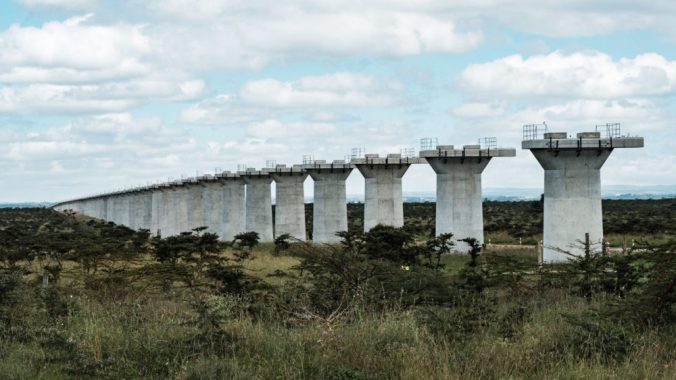
Construction of the second phase of the Chinese-financed Standard Gauge Railway in Kenya crosses through Nairobi National Park, as pictured here in June. YASUYOSHI CHIBA/ AFP/ GETTY IMAGES

Thanks to William Laurance for this informative opinion essay that gives a bit of hope for wilderness preservation:

Is the Global Era of Massive Infrastructure Projects Coming to an End?

The world’s wild places have been badly carved up by decades of roadbuilding, dam construction, energy exploitation, and other megaprojects. Now, as the financial community, environmental groups, and local citizens increasingly oppose big infrastructure development, the tide of environmental destruction may be turning.

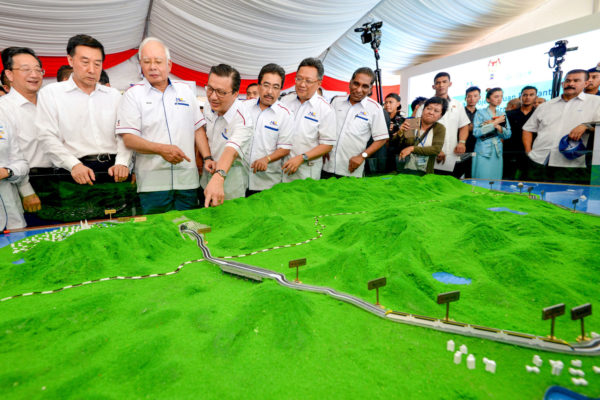
AP_MalaysiaChinaRailroad_web.jpg

Malaysia’s former Prime Minster Najib Razak, third from left, looks at a model of the China-backed East Coast Rail Link in 2017. Malaysia has since canceled the project due to mounting costs. AP PHOTO

We are living in the most explosive era of infrastructure expansion in human history. To meet the United Nations’ development goals, we would need to invest tens of trillions of dollars in new roads, railways, energy ventures, ports, and other projects by 2030 — dramatically amplifying an infrastructure tsunami that is already shattering the world’s biologically richest ecosystems. But this great wave of infrastructure development is suddenly looking shaky — and it might just be the best outcome for nature and humanity alike. Continue reading

Fishing Brinksmanship

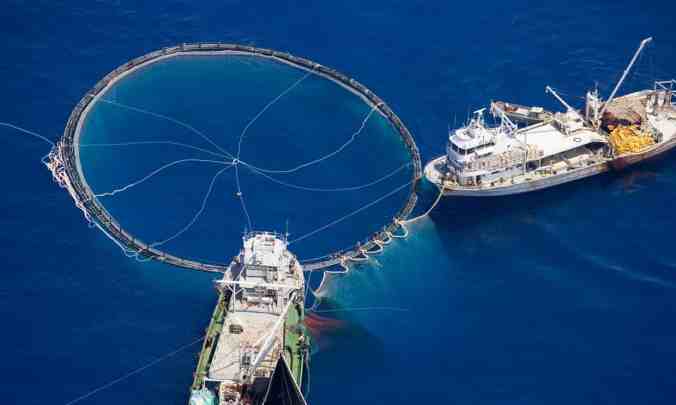
5025.jpg

Using purse seine nets to fish for bluefin tuna, Turkey. Two-thirds of species are overexploited in the Mediterranean. Photograph: Gavin Newman/Alamy

Thanks to Damian Carrington, Environment editor at the Guardian, for bringing this to our attention:

One in three fish caught never makes it to the plate – UN report

Global fish production is at record levels thanks to fish farming, says the UN FAO, but much is wasted and many species are worryingly overfished

One in three fish caught around the world never makes it to the plate, either being thrown back overboard or rotting before it can be eaten, according to the UN Food and Agriculture Organization. Continue reading

Resisting Cruise Ship Pollution

4134.jpg

The MS Allure of the Seas, the largest passenger ship ever constructed, leaves Marseille. Photograph: Gerard Julien/AFP/Getty Images

We thank Angelique Chrisafis, correspondent for the Guardian, for this reminder of an element tarnishing tourism, which can otherwise often be a force for good. Cruise ship tourism pollutes on a grand scale. This particular machinery demonstrates how parts of the tourism machinery can be a force for dark, very dirty impact. It calls for resistance:

‘I don’t want ships to kill me’: Marseille fights cruise liner pollution

Shipping is estimated to account for 10% of city’s air pollution, and campaigners are targeting cruise industry in particular

From his balcony above Marseille’s port, Jean-Pierre Eyraud has a prime view of the giant, luxury cruise liners that dock in the city bringing 1.5 million passengers a year.

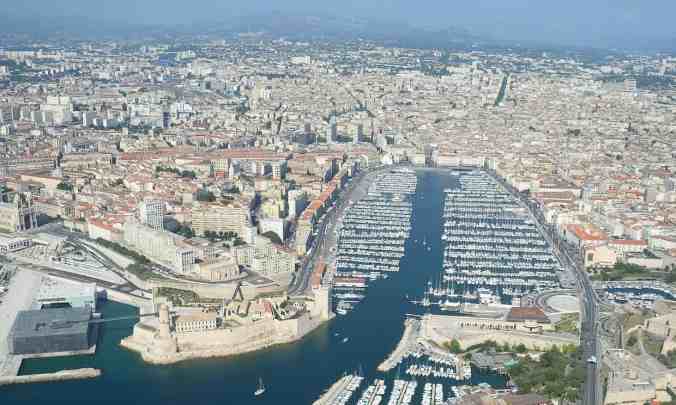
4252.jpg

The Old Port area of Marseille. Photograph: Boris Horvat/AFP/Getty Images

But since Eyraud was diagnosed four years ago with throat cancer – a diagnosis several others in his neighbourhood by the port have also had – he watches with a sense of dread as the floating holiday palaces drop off day-trippers.

He and environmental campaigners fear the air pollution caused by cruise ships burning fuel all day at port is choking Marseille’s citizens along the coast.

“The paradox is that in Marseille we love all form of ships – we watch them leave with a kind of longing, they are symbols of freedom with the sea as an infinite expanse,” Eyraud said. “But at the same time, I don’t want ships to kill me.” Continue reading

Biobrick, Another Wonder Enabled By Mycelium

1500 (2).jpg

The Hulett hotel, Cleveland, which Redhouse are currently building using the biocycling process.
Illustration: Redhouse Studio

Thanks to Redhouse Studio and the Guardian’s Laura Dorwart for this story:

Magic mushrooms: how fungus could help rebuild derelict Cleveland

Could a process that uses mycelium to help recycle old buildings into new ones solve the problem of the city’s many abandoned homes?

1000

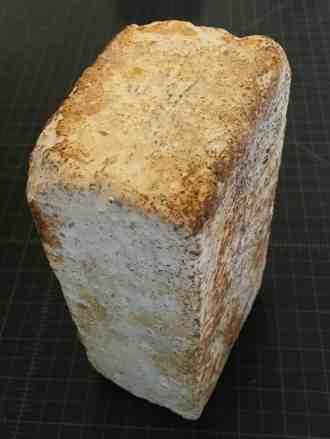
A biobrick created using broken down construction waste combined with biobinders made of fungi, plant material and microbes. Photograph: Redhouse Studio

Over 7,000 abandoned or condemned homes litter the urban landscape of Cleveland, Ohio, where a stunning population loss of about 100,000 residents in 25 years and widespread foreclosures have sparked a housing crisis marked by growing racial and economic disparities. Posing concerns in terms of economic stability, public health and safety, the abandoned homes that line many of the city’s streets are at once symbols of its resilience and ongoing obstacles to growth and prosperity.

Cleveland native Christopher Maurer, founder and principal architect at local humanitarian design firm Redhouse Studio and adjunct professor at Kent State University, has plenty of ideas about how to address the city’s complex challenges.

2500 (3)

Construction debris is ground to a pulp and combined with biobinders, then pressed and treated to make bricks and other materials. Illustration: Redhouse Studio

Continue reading

Using Canine Sense of Smell to Save Bees

Cybil Preston, chief apiary inspector for the Maryland Department of Agriculture, is expanding her canine detection program, training dogs to find traces of American foulbrood, a bacteria that can decimate beehives. Credit Andrew Mangum for The New York Times

There’s plenty of news about bees being under environmental threat, so we thank NYTimes contributor Tejal Rao for this story of harnessing a natural strength of one species to help save another.

With a Sniff and a Signal, These Dogs Hunt Down Threats to Bees

Ms. Preston seals dog toys in a plastic bag with foulbrood to saturate them with the scent. Credit Andrew Mangum for The New York Times

JARRETTSVILLE, Md. — Cybil Preston stretched her bare hands into a noisy beehive and pulled out a frame of honeycomb, its waxy cells filled with nectar, its surface alive with bees.

“This girl right here was just born,” she said, pointing out a bee with a silvery thorax. “See how her hair is still matted down like a teddy bear?”

Ms. Preston, the chief apiary inspector for the Maryland Department of Agriculture, was on a routine survey of registered colonies northeast of Baltimore. “I’m always looking for signs and signals,” she said, as she examined a worker bee with a misshapen wing. “It’s like ‘CSI.’” Continue reading

Helping Plants Make Their Own Nitrogen

img_20171013_133748571_hdr-3-bab7de57d14653c47b66cf3afc9fa586b3731b9c-s1400-c85.jpg

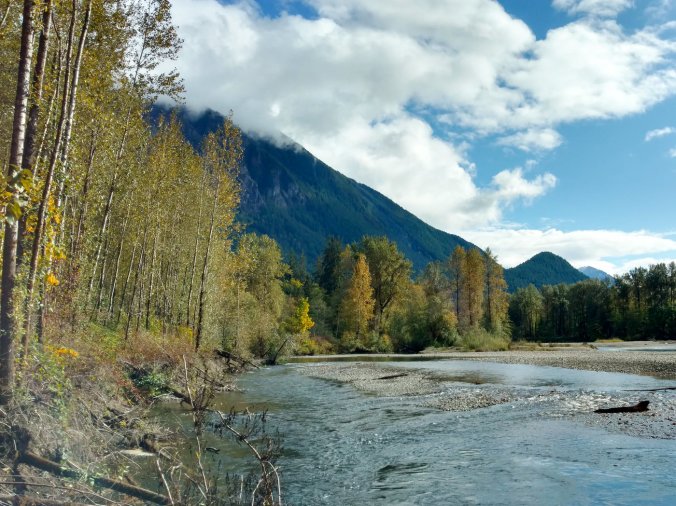
Poplar trees at the Snoqualmie River in Washington State. The river is fed mostly by snow melt and is extremely low in nitrogen, yet the trees thrive thanks to endophytes. Sharon Doty

Thanks to our friends at the salt, and National Public Radio (USA) for this:

Microbial Magic Could Help Slash Your Dinner’s Carbon Footprint

m1_zstack4-1-18cd73a7dc27353a90c3aeda47317503af40edca-s1400-c85.jpg

Endophytes are microbes that live inside plants — the ones tagged with a fluorescent dye in this image are found in poplars. The microbes gather nitrogen from the air, turning it into a form plants can use, a process called nitrogen fixation. Researchers are looking at how these microbes could be used to help crops like rice and corn make their own fertilizer.
Sam Scharffenberger

If you’re interested in sustainability, you’ve probably thought about how to reduce your carbon footprint, from how you fuel your car to how you heat your home. But what about carbon emissions from growing the food you eat?

Most of the crops in the United States are grown using chemical fertilizer – a lot of it: American farmers used over 24 billion pounds of nitrogen fertilizer in 2011. And making nitrogen fertilizer requires fossil fuels like natural gas or coal. Continue reading

Rise Products Reduce Waste


merlin_136683216_717972aa-9b50-4c20-a0e1-7823ac25f3e8-jumbo.jpg

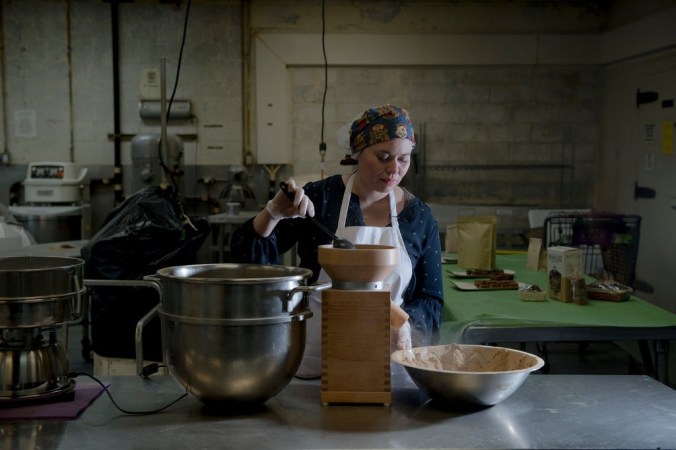
Bertha Jimenez milling flour at Rise Products’ temporary kitchen in Long Island City, Queens.
Ms. Jimenez, an Ecuadorean immigrant with a doctorate in engineering, helped develop a method for making flour from the grain left over after brewing beer. 
George Etheredge for The New York Times

Thanks to Larissa Zimberoff for this:

From Brewery to Bakery: A Flour That Fights Waste

merlin_136683021_001d3c91-70a2-4942-bbef-c40181c31510-jumbo.jpg

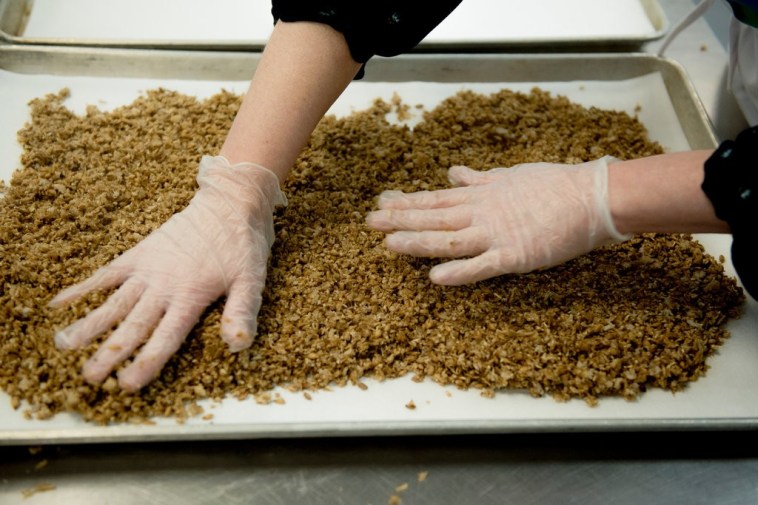
In a temporary commercial kitchen in Long Island City, Queens, Rise Products dries spent beer grains in an oven before they are ground, milled and sifted into a fine flour. George Etheredge for The New York Times

For some people, beer is the perfect end to a workday. For Bertha Jimenez, it’s the start of a new way to eliminate food waste.

Breweries throw out millions of pounds of used grain every day that could have other uses. While some is repurposed as animal feed, compostable products or heating fuel, little has been exploited for its value as food.

20flour-new2-jumbo.jpg

Because of the growing interest in reducing waste, many chefs and bakers are already eager to work with the flour. George Etheredge for The New York Times

But Ms. Jimenez, 35, has created a small start-up, Rise Products, that converts the grain into a flour that is finding its way into sustainable bakeries and kitchens in New York and as far away as Italy.

The potential for recycling beer waste first came into the cross hairs of Ms. Jimenez, an immigrant from Ecuador, while she was working toward her doctorate in 2015 at the Tandon School of Engineering at New York University. Intent on finding ways to reduce industrial waste, she started a side project with like-minded friends — most of them also immigrants — and craft beer provided an easy target: Everyone loved it, but it had issues.

Ms. Jimenez lives in Brooklyn, which at last count had 20 craft breweries that are tossing out grain. Ms. Jimenez and Ashwin Gopi, a classmate and a founder of Rise, began asking around for samples so they could figure out how best to reuse them. Continue reading

Tasmanian Tiger Tale

180702_r32368_rd.jpg

Like the dodo and the great auk, the Tasmanian tiger is more renowned for the tragedy of its death than for its life, about which little is known. Enthusiasts hope it will be a Lazarus species—an animal considered lost but then found. Illustration by Bene Rohlmann

We thank Brooke Jarvis for her reporting on this compelling tale:

The Obsessive Search for the Tasmanian Tiger

Could a global icon of extinction still be alive?

Andrew Orchard lives near the northeastern coast of Tasmania, in the same ramshackle farmhouse that his great-grandparents, the first generation of his English family to be born on the Australian island, built in 1906. When I visited Orchard there, in March, he led me past stacks of cardboard boxes filled with bones, skulls, and scat, and then rooted around for a photo album, the kind you’d expect to hold family snapshots. Instead, it contained pictures of the bloody carcasses of Tasmania’s native animals: a wombat with its intestines pulled out, a kangaroo missing its face. “A tiger will always eat the jowls and eyes,” Orchard explained. “All the good organs.” The photos were part of Orchard’s arsenal of evidence against a skeptical world—proof of his fervent belief, shared with many in Tasmania, that the island’s apex predator, an animal most famous for being extinct, is still alive. Continue reading

Insects, Underappreciated Often-Charismatic Fauna

4177.jpg

This article by Robin McKie, Observer science editor, will have you thinking differently about what are often called the pests of summer:

Where have all our insects gone?

There is a crisis in the countryside – and a massive decline in insect numbers could have significant consequences for the environment

4928 (1).jpg

A great yellow bumblebee. Its numbers have declined steeply in recent years. Photograph: Alamy

When Simon Leather was a student in the 1970s, he took a summer job as a postman and delivered mail to the villages of Kirk Hammerton and Green Hammerton in North Yorkshire. He recalls his early morning walks through its lanes, past the porches of houses on his round. At virtually every home, he saw the same picture: windows plastered with tiger moths that had been attracted by lights the previous night and were still clinging to the glass. “It was quite a sight,” says Leather, who is now a professor of entomology at Harper Adams University in Shropshire. Continue reading

Copenhagenize Your City

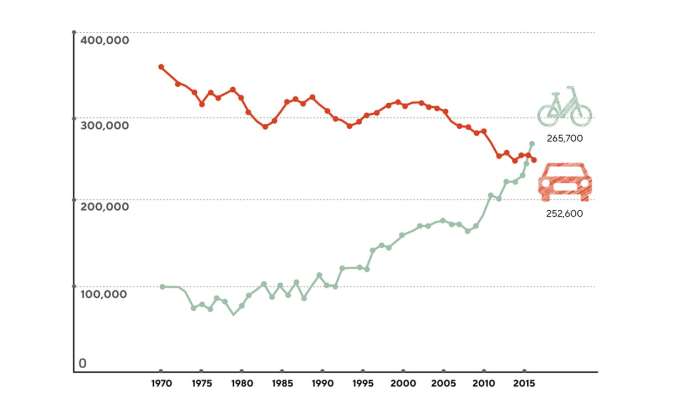
3872 (1).jpgWho knew you could do such a thing? When did that become a thing? Nevermind, just read the graphs that accompany this story:

Danish-Canadian urban designer Mikael Colville-Andersen busts some common myths and shows how the bicycle has the potential to transform cities around the world (All images: Copenhagenize Design Company/ Mikael Colville-Andersen)

8889 (1).jpg

Ultra Premium Coffees

Hacienda-La-Esmeralda-edited-image.jpg

We favor coffee from Costa Rica. Full stop. But we recognize excellence elsewhere. Even selling for $350/pound, this coffee is not at the top of the list, but we must anyway share congratulations with our neighbors to the south, just for making this list:

This coffee has won numerous first place awards in worldwide coffee contests over the past many years. It is cultivated on the sides of Mount Baru in Panama in the shade of guava trees. This rare coffee delicacy offers a once-in-a-lifetime experience for connoisseurs with its fantastic taste and rich flavor. It bagged a whopping $350.25 per pound at a recent auction.

We knew that coffee passing through the civit cat was a thing, but now we learn that coffee passing through an elephant is an even bigger thing (scroll to the end of the list):

black_ivory-min.jpg

First step in the elaboration process

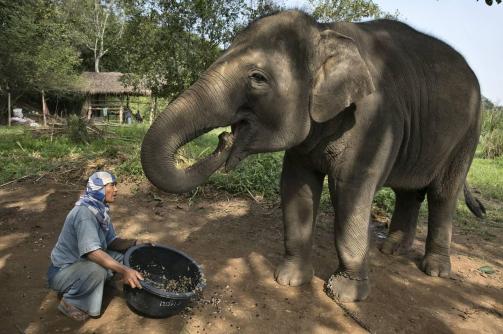
This coffee is made from Arabica beans by the Black Ivory Coffee Company in Thailand. Similar to civet coffee, it is prepared by elephants that consume the Arabica coffee beans and process them during digestion. Their stomach acid breaks down the bean proteins and provides a characteristic robust flavor to the drink. This coffee is rare and expensive because only a small amount of beans are available at any time. You need to shell out about $50 for a cup of black ivory coffee which makes it currently the most expensive coffee in the world.


A Familiar Pleasure That May Save Species

Sage_Down-from-Stairs-overview-180-dpi_web.jpg

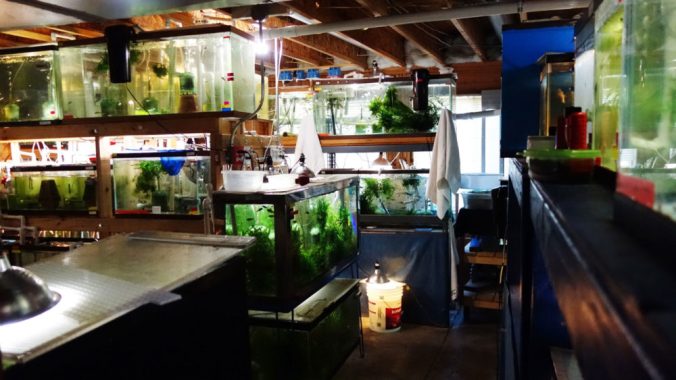
Fish tanks in the basement of a home in Erie, Colorado containing dozens of threatened species, including some that are extinct in the wild. COURTESY OF GREG SAGE

Thanks to Adan Welz and colleagues at Yale e360:

Basement Preservationists: Can Hobbyists Save Rare Fish from Extinction?

Freshwater fish are the most endangered group of vertebrates on earth. Now, networks of home-based aquarists are trying to save some of the most threatened species, keeping them alive in basement aquariums in the hope they might someday be reintroduced into the wild.

Koeck_Bild7_web

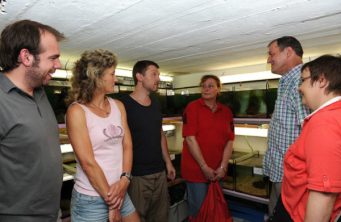
Michael Koeck [center left] gives a tour of the 90 tanks he manages in the basement of the Haus des Meeres aquarium in Vienna. CREDIT: JUTTA KIRCHNER

In August 1940, just after the first-ever British bombing raid on Berlin in World War II, Hitler decided to construct colossal Flakturme — fortified anti-aircraft towers, supporting gun batteries and radar dishes — in important cities of the Reich. Their walls were up to 3.5 meters thick, which is why Flakturm V-L in Vienna proved impossible to demolish after the war, and why we now know that the basement of a Nazi blockhouse is the perfect place to keep 90 glass tanks full of obscure Mexican fish. Continue reading

Plastic Reduction Via Straws Off The Menu

3500 (5).jpg

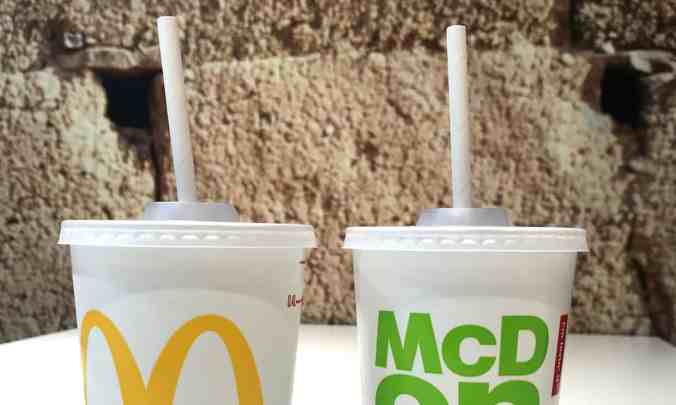
The switch will affect McDonald’s 1,361 outlets in Britain but not the rest of its 36,000 restaurants worldwide. Photograph: McDonald’s/PA

Most of the stories we link out to are examples of revolution, or at least incremental innovation, by way of market forces. At a time when there appear to be incentives for sliding backwards, it is even more important to highlight the rationality and logic of conservation. One small but important example here on the plastic reduction front, where the clientele of a large company take the lead:

McDonald’s to switch to paper straws in UK after customer campaign

Fast-food chain, which uses 1.8m straws a day, says plastic straws will go by 2019

McDonald’s will end the use of plastic straws in its British restaurants next year, after nearly half a million people called on the company to ditch them.

The decision by the US fast-food chain to switch from plastic to paper straws follows a trial at a number of outlets in the past two months. The firm uses around 1.8m straws a day in the UK.

The switch will affect McDonald’s 1,361 outlets in the UK, but not the rest of its 36,000 restaurants worldwide. Continue reading

Audubon’s Reasonable Request

apa_2016-a1_2147_4_northern-harrier_diana_whiting_kk.jpg

Northern Harrier. Photo: Diana Whiting/Audubon Photography Awards

A message from friends:

NEW YORK — “Audubon is committed to protecting birds and the places they need — and the greatest threat to birds and people is climate change,” said David Yarnold (@david_yarnold), president and CEO of National Audubon Society.

“While some may be holding out for a perfect solution to climate change, we know that it will take an array of approaches to reduce planet-warming pollution.

“The Carbon Capture Coalition is pursuing many avenues—including a market-driven approach that has deep bipartisan support. Audubon is excited to be at the table with a range of voices exploring policy options that accelerate a reduction in carbon pollution,” Yarnold added.

The Carbon Capture Coalition is led by the Center for Climate and Energy Solutions and the Great Plains Institute. With over 50 members ranging from the energy industry, agriculture, labor unions and conservation leaders, the coalition is non-partisan and solutions-oriented. Recently, the coalition successfully advocated for improving and extending the carbon capture tax credit, known as the 45Q tax credit, led by Senators Heidi Heitkamp (D-ND), John Barrasso (R-WY), Sheldon Whitehouse (D-RI) and Shelley Moore Capito (R-WV). Continue reading