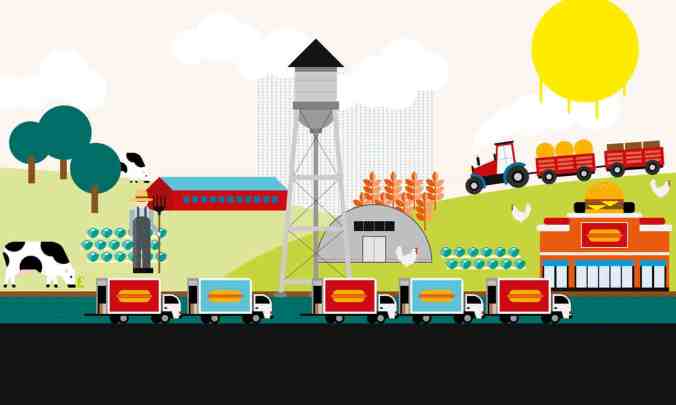
Meatless Monday Economics Info Session

5333W

It is Monday, a good time to revisit the “meatless” movement, the one where you take one small step at a time to a better diet. Thanks to Bibi van der Zee and colleagues at the Guardian for arranging this guide to all the good reasons to reduce or eliminate meat from the diet:

What is the true cost of eating meat?

As concerns over the huge impact on the environment, human health and animal welfare grow, what future is there for the meat industry

What are the economics of meat?

5616 (2)

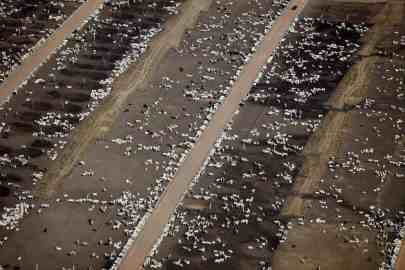
Cattle in the Brazilian Amazon. Photograph: Rodrigo Baleia

Food and farming is one of the biggest economic sectors in the world. We are no longer in the 14th century, when as much as 76% of the population worked in agriculture – but farming still employs more than 26% of all workers globally. And that does not include the people who work along the meat supply chain: the slaughterers, packagers, retailers and chefs.

In 2016, the world’s meat production was estimated at 317m metric tons, and that is expected to continue to grow. Figures for the value of the global meat industry vary wildly from $90bn to as much as $741bn. Continue reading
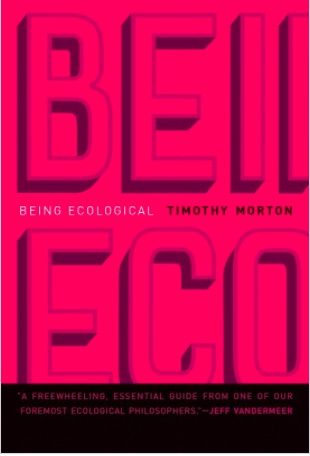
Being Ecological When Nature Is Perceived With Limits

BeingEco

A book about ecology without information dumping, guilt inducing, or preaching to the choir.

This new book is mentioned in a description of coming to terms with a life without water, an essay written from the perspective of living in Cape Town, South Africa. The essay is moving in the way a dream can be, which fits the writer’s reference to what we all might come to know as “the water-anxiety dream.”

The essay was effective enough to get me to click through to find out more about the book to the left. Which leads to Timothy Morton, who has somehow avoided our notice until now. How had we missed an author of books with titles like Dark Ecology, and The Ecological Thought, as well as Ecology without Nature?

Nevermind how. My thanks to Rosa Lyster for this, among other gifts from her essay.

Lyster-Capetown-Drought

For some residents of Cape Town, the memory of the drought is already fading. But, in an increasingly parched world, will the anxiety ever really end? Illustration by Owen Gent

A friend of mine got married in her parents’ garden last year, on a lavishly beautiful late-summer afternoon in Cape Town. Many of the guests were British, and they could not stop remarking on the fineness of the weather. It was a startling reminder that some people still relish hot days with no possibility of rain, that not everyone looks upon February in the Western Cape as something to be endured. After the ceremony, my date and I stood by the swimming pool, drinking sparkling wine and monitoring the canapés. My friend’s stepfather came by to say hello, carefully picking his way past the bride’s two young brothers, who were playing an ecstatic game of hide-and-seek on the lawn, getting grass stains on their tiny suits. After gracefully accepting our praise about how lovely everything had been, he told us that he’d been having torrid anxiety dreams. We nodded. Weddings are notoriously hard on the old nerves—guests to be tended to, speeches to be made, and the pool just lying there, waiting for any old idiot to accidentally fall in and cast an undignified pall over the happy day. He shook his head. His dream, he explained, was about the garden. Continue reading

Humpback Comeback, Brink To Boom

merlin_137560146_04720b59-267d-4943-82e7-2da5e9f11e4d-master768

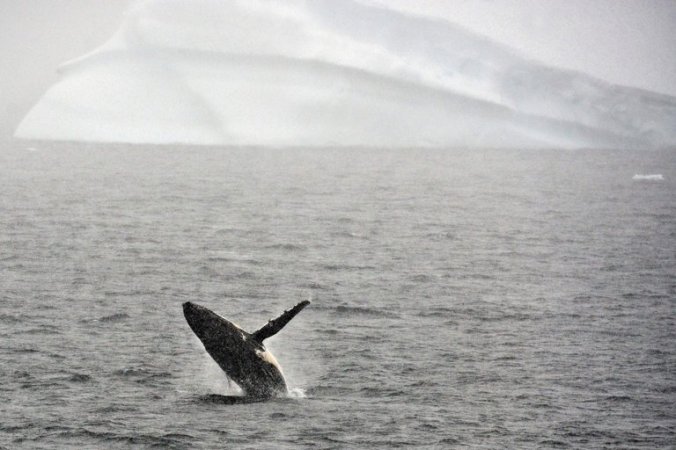
Humpback whales in the southern oceans around Antarctica appear to be breeding successfully, recovering their population. Credit Eitan Abramovich/Agence France-Presse — Getty Images

Ford does what it thinks to be in the best interest of its shareholders, and other companies follow suit as they sense the opportunity to do so, reducing their environmental responsibilities. Meanwhile and nonetheless, thanks to the work of organizations like WWF and Greenpeace, we have the opportunity to witness, if from afar, the rebirth of a population that signals some intact corners of the earth’s environment:

Humpback Whale Baby Boom Near Antarctica

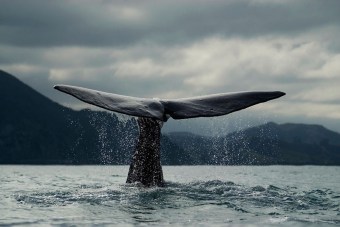
Blue whale, New Zealand

© naturepl.com/Mark Brownlow/WWF

In a rare piece of good news for whales, humpbacks who live and breed in the southern oceans near Antarctica appear to be making a comeback, with females in recent years having a high pregnancy rate and giving birth to more calves.

Humpback whales were nearly hunted out of existence in the late 19th and most of the 20th centuries until treaties were signed to stop killing them and protections were put in place for the world’s coldest, least accessible continent.

Humpback Whales in the Southern OceanThe end of hunting has fostered the recovery of the school-bus-sized animals whose life spans are roughly comparable to ours, according to Ari Friedlaender, an associate researcher at the University of California Santa Cruz, who led the new study.

The population was believed to have been reduced to less than 10 percent of it pre-whaling levels. Continue reading
Celebrating A Force Of Nature, The Sky, With Clouds In All Their Visual Wonder

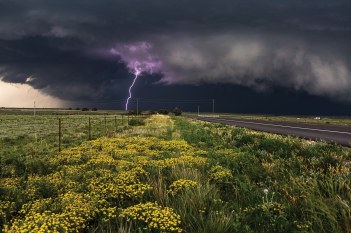
Big%20Cloud%20pg%2092.jpg

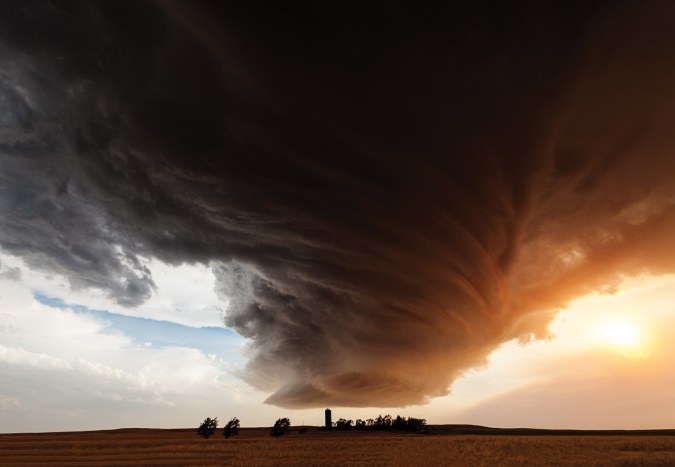
Nebraska, June, 2012.

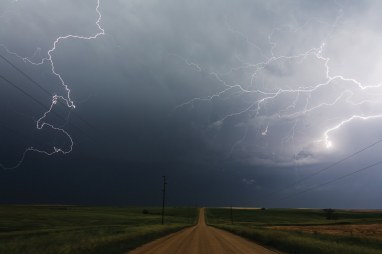
Just because the climate is changing at a pace both dangerous and seemingly impossible to slow, given human tendencies; just because the storms that come from clouds can cause fear and worse; none of that diminishes our wonder and our ability to see importance in those clouds:

A Storm Chaser’s Unforgiving View of the Sky

Big%20Cloud%20pg%20173.jpg

Texas, June, 2014.

By Alan Burdick

Photography by Camille Seaman

A cloud is a shade in motion. Shape-shifting and moody, it arrives with a message that is opaque as often as it is threatening. “Clouds always tell a true story,” the Scottish meteorologist Ralph Abercromby wrote, in 1887, “but one which is difficult to read.”

Big%20Cloud%20pg%2057.jpg

Kansas, June, 2008.

The appeal of clouds is obvious: no two are the same, and no one is the same for long. And they not only manifest change but inflict it as well. A cloud can be beautiful, terrible, or both—the embodiment of the sublime. Few other things on earth still present us with a power larger than ourselves. To watch a supercell gather force over the plains, as storm chasers take such pleasure in doing, is to watch Zeus take shape on earth. Continue reading
Drink The Wonk

5219.jpg

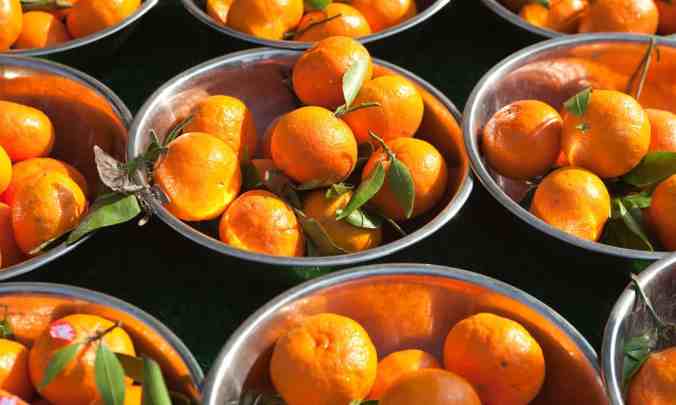
Soft fruit, such as oranges, root vegetables and salad are particularly prone to waste. Photograph: Eric Farrelly/Alamy

Rebecca Smithers, consumer affairs correspondent for the Guardian, has reported on a simple idea to not waste fruit just because its appearance is not standard. Wonky, as they say on the island where the English language comes from. Don’t fear the wonk, this article and this brand are saying. Was this not already happening with juice, as with other waste-reducing beverages? Can a brand be built on such an idea? Thumbs up to that:

‘Wonky’ fruit and vegetables that would have been thrown away are now being used to make a new range of juices, in one of a number of assaults on food waste.

One of the UK’s largest fresh produce growers has teamed up with a Spanish fruit supplier to create a new product, Waste Not, which will stop edible but visually ‘imperfect’ ingredients such as fresh celery, beetroot and oranges from being dug back into the soil, or used for animal feed. The new juices will go on sale in branches of Tesco.

The move is one of a growing number of innovations to reduce food waste throughout the supply chain, following criticism of supermarkets and suppliers that perfectly good food is being thrown out while UK consumers are relying increasingly on food banks. Continue reading
Polar Bears, Hudson Bay & Informed Opinion

Polar.jpg

Polar bears haunt the landscape around the remote town of Churchill in northern Manitoba.Published On Credit Image by Ian Kerr

Thanks to Ian Kerr, a filmmaker who has spent years documenting polar bears in Churchill, Manitoba and shared this op-ed in the New York Times:

Polar Bears of Hudson Bay

Polar bears sleep a lot. That sight can leave an observer feeling disappointed, even insulted — it’s like watching a superhero clean his nails while you’re wishing he’d fly or pick up a car.

Keep watching, though, and you begin to notice interesting things about the sleeping bear’s world: the hard, cold snow blown across ice or the sun turning into a vertical streak through sheets of sleet; the odd, sticky sensation of frost slowly growing over your beard. Continue reading

Thinking Outside The Vegetable Box

03VEGDESSERTS2-superJumbo.jpg

Arugula tops a pecan pear cake with blue cheese mousse at Gramercy Tavern. Credit An Rong Xu for The New York Times

We try not to source from the same medium two days in a row, but an exception is made today, going from wind turbine technology to a rethinking of when and how to eat vegetables (thanks to Tara Parker-Pope):

A Surprising Way to Eat Vegetables: For Dessert

00VegCarrotSorbet-jumbo.jpg

At Blue Hill in New York City, colorful sorbets rely on the natural sweetness of purple sweet potatoes and carrots. CreditBlue Hill

Struggling to cut down on added sugar and get more vegetables into your diet? Take a lesson from some of the best chefs in the country and try eating vegetables for dessert.

Chefs are pushing the culinary boundaries of traditional desserts, reducing added sugars and experimenting with the natural sweetness of corn, carrots, fennel, squash, sweet potatoes and other vegetables. At the restaurant Gwen in Los Angeles, a deliciously sweet roasted artichoke, celery sorbet and green olives with crème fraîche cheesecake have appeared on the dessert menu. At Blue Hill in New York City last fall, diners delighted in the natural sweetness of a honeynut squash with ice cream, parsnip cake and naturally sweet carrot sorbet.

00VegCurry-blog427

A popular green curry ice cream sundae at Gramercy Tavern gets its kick from chiles, cilantro and lemongrass.

“We’re shooting for a pastry kitchen that doesn’t gratuitously use any sugar because there is so much natural sweetness in the fruits and vegetables we use,” said Dan Barber, the Blue Hill chef and co-owner who works with the pastry chef Joel De La Cruz to create veggie-focused desserts. “We like looking at vegetables in a new way.”

At Gramercy Tavern in Manhattan, pecan pear cake is served with arugula and blue cheese mousse. A grapefruit panna cotta includes cilantro and avocado, and a popular green curry ice cream sundae gets its kick from curry made with chiles, cilantro, lemongrass and other traditional Thai ingredients. Continue reading
Turbines, Bigger & Better

WindTurbs2

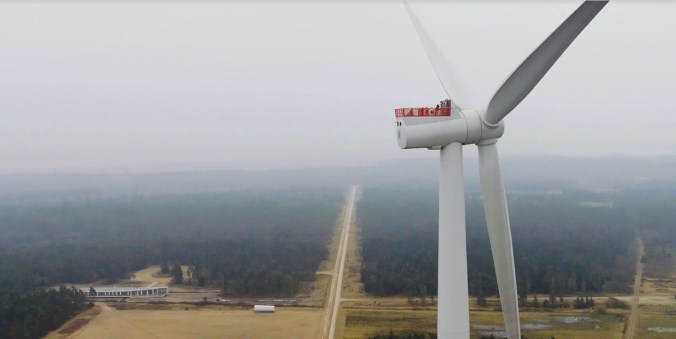
Prototype wind turbines whirl at a testing site in Osterild, near the northern end of Denmark’s Jutland peninsula. By Rasmus Degnbol

Thanks to the New York Times for this reminder that, in spite of what headlines often lead us to believe, progress is out there on as many fronts as we care to look to:

How Windmills as Wide as Jumbo Jets
Are Making Clean Energy Mainstream

WindTurbs.jpg

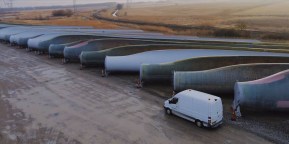
Blades for wind turbines lie outside a factory, waiting to be transported to wind farms.By Rasmus Degnbol

OSTERILD, Denmark — At the northern end of Denmark’s Jutland peninsula, the wind blows so hard that rows of trees grow in one direction, like gnarled flags.

WindTurbs3.jpg

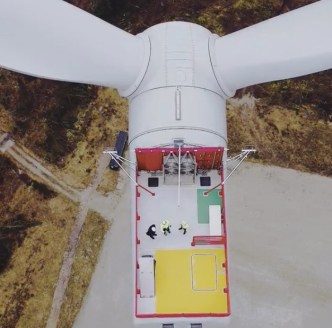
Technicians reach the roof of these enormous wind turbines either via an internal elevator or, if the turbine is installed offshore, by helicopters that lower them into the fenced-off area.By Rasmus Degnbol

The relentless weather over this long strip of farmland, bogs and mud flats — and the real-world laboratory it provides — has given the country a leading role in transforming wind power into a viable source of clean energy.

After energy prices spiked during the 1973 oil crisis, entrepreneurs began building small turbines to sell here. “It started out as an interest in providing power for my parents’ farm,” said Henrik Stiesdal, who designed and built early prototypes with a blacksmith partner. Continue reading

Lyft Is Now Carbon Neutral

Image © Medium

We’ve already expressed our natural preference for Lyft, although Uber is still necessary and useful in certain countries outside the US. But now there is yet another reason to support the underdog, after they announced a few days ago that their rides were from then on (i.e., now) carbon neutral, through the funding of emission mitigation and capture, reforestation projects, and renewable energy programs.

Continue reading

Global Problems, Forests & Solutions

19lovejoy-reid-jumbo.jpg

Thomas E. Lovejoy a pioneer in the use of economics to conserve forests and other ecosystems globally is joined by John Reid, who has worked in the Amazon since 1965, in presenting a case for:

How Big Forests Solve Global Problems

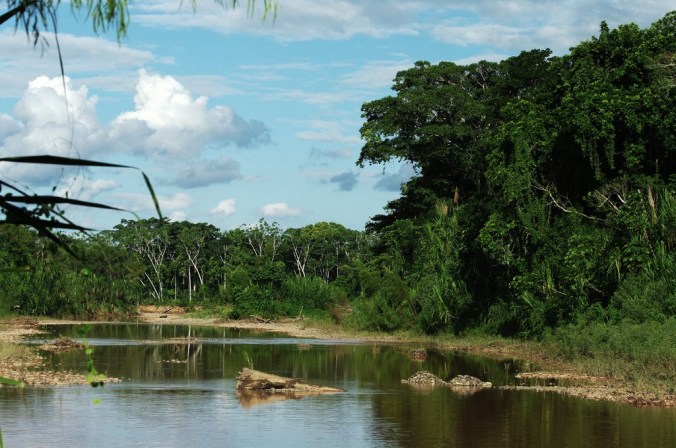
Sit on a log by the Madidi River in Bolivia at dusk and you can hear what an Amazon forest should sound like. The music includes red howler monkeys, breathy thumps from the mutum jungle fowl, droning cicadas, eerie calls locals attribute to deadly bushmaster vipers and the unhinged excitement of elusive titi monkeys. Around your feet, the beach is crisscrossed by jaguar tracks and those of the pony-size tapir, a shy beast that, if you keep quiet, will saunter out of the forest and swim across the river.

This is what scientists call an “intact forest landscape.” It’s a swath of at least 500 square kilometers (about 193 square miles, equal to 70,000 soccer fields) of unbroken forest. Because of their size, these areas have maintained all their native plant and animal life and biophysical processes. These forests still adorn parts of our planet’s tropical midsection, notably the Amazon, Congo Basin and the island of New Guinea. And they form a northern belt, the boreal forests of Canada, Russia, Alaska and Scandinavia. Continue reading

Trees For Life In Scotland

4000m.jpg

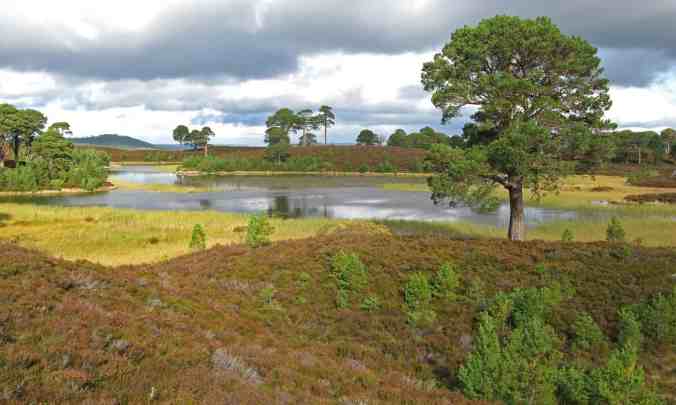
Trees for Life have planted 1.5m native trees in Glenmoriston and nearby Glen Affric since being founded 30 years ago. Photograph: Desmond Dugan/RSPB/PA

Thanks to Damian Carrington, the Guardian’s Environment editor, for this:

‘Magical’ mushroom mix to boost regrowth of lost Scottish forests

Return of Great Caledonian forest speeded up with fungi spores to help saplings flourish

The return of the Great Caledonian forest that once covered much of Scotland’s highlands is being boosted with a special mix of mushroom spores that should help saplings survive better on the hills.

Fungi living on the roots of trees play a vital role in the ecology, helping to break down nutrients in the soil. But trees were lost in much of the Highlands many years ago so the fungi vanished too.

The new project, run by Trees for Life, is adding the spores when young trees are planted. Continue reading

What Is It With Pigeons?

Negativ004.jpg

Photographs courtesy Rorhof / Stadtarchiv Kronberg

Thank you Andrea DenHoed. We did not know how much we should appreciate them:

The Turn-of-the-Century Pigeons That Photographed Earth from Above

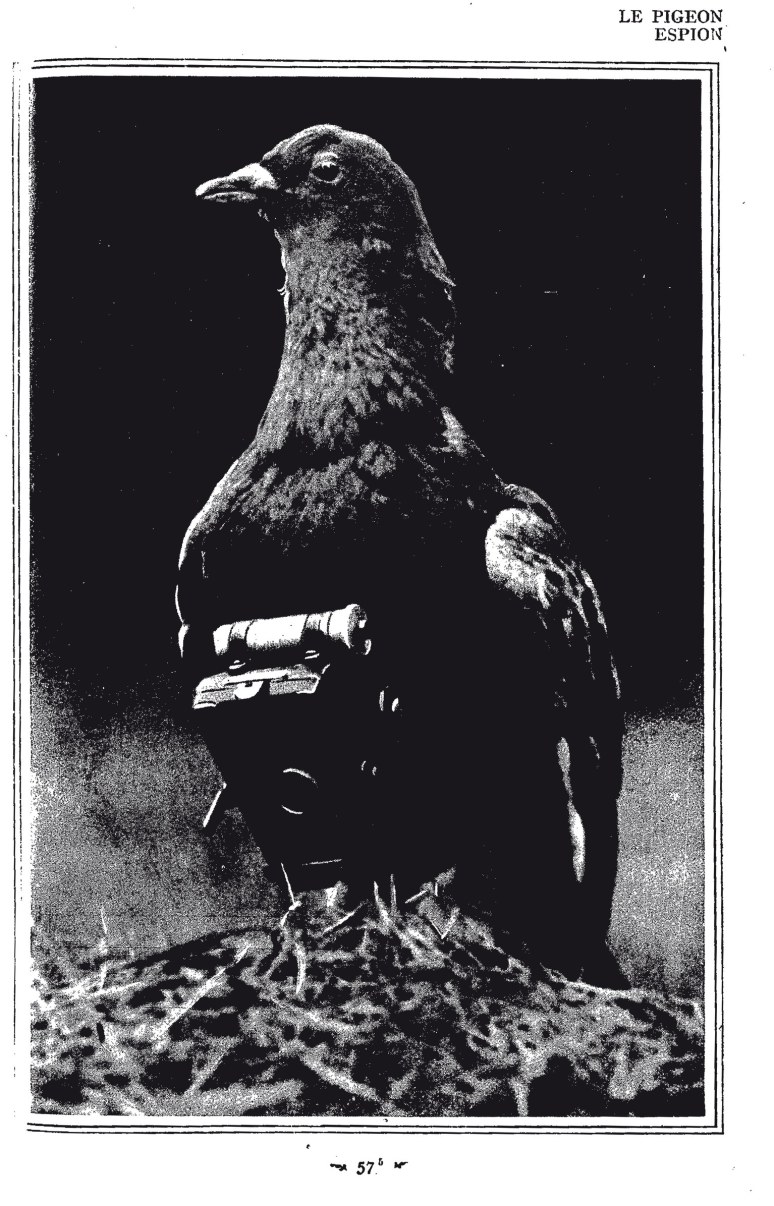
_3.jpgIn 1907, just a few years after the Wright brothers lifted off in Kitty Hawk, and while human flight was still being measured in metres and minutes, Dr. Julius Neubronner, a German apothecary, submitted a patent application for a new invention: the pigeon camera. The device was precisely what it sounds like—a small camera fitted with straps and equipped with a timer so that pigeons could carry it and take photos in flight. Neubronner first used the device on his own flock of homing pigeons, which he sometimes employed to deliver prescriptions. In the following years, he showed his camera at international expositions, where he also sold postcards taken by the birds. Additionally, he developed a portable, horse-drawn dovecote, with a darkroom attached to it, which could be moved into proximity of whatever object or area the photographer hoped to capture from on high. Continue reading

Entrepreneurial Conservation & Armenian Foodways

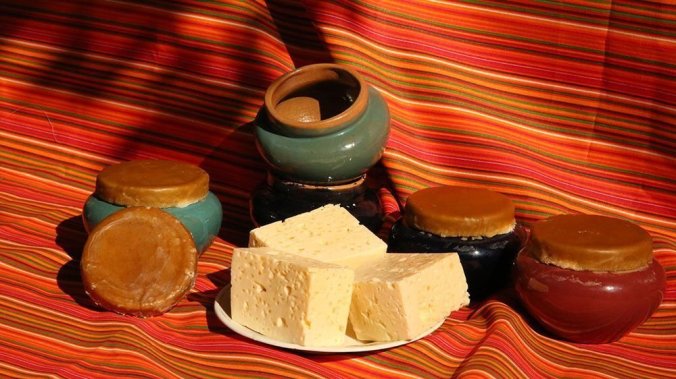
04_preview_wide-17fa88f30bcf886db25337ed12b9accfbc084db0-s1400-c85

Motal cheese is a fresh goat’s milk cheese made primarily in remote mountain areas in Armenia. Cross of Armenian Unity/Ruslan Torosyan

We are on the lookout for stories that combine our interest in topics such as conservation, and entrepreneurship, and traditional foodways, and innovation (among other things) and this story touches on several of our favorite themes. Thanks to the salt team at National Public Radio (USA):

Armenia’s Ancient Motal Cheese Makes Its Way Into The Modern Age

In the mountains of eastern Armenia, about 75 miles north of the capital Yerevan, motal means change.

Motal cheese is like a business card for our region,” says Arpine Gyuluman, who owns Getik Bed and Breakfast in Gegharkunik. “[Because of it], we’re seeing more and more visitors annually.”

Motal is a white goat cheese flavored with wild herbs that is similar to homestyle country cheeses in Iran and Azerbaijan. Motal is prepared in locally made terra cotta pots sealed with beeswax ― a method that dates back at least 5,000 years. A little more than a decade ago, it was in danger of disappearing. That is, until a local university student named Ruslan Torosyan embarked on a personal crusade to save motal. Continue reading

Meanwhile, North Of The Border

Kormann-Ryan-Zinke.jpg

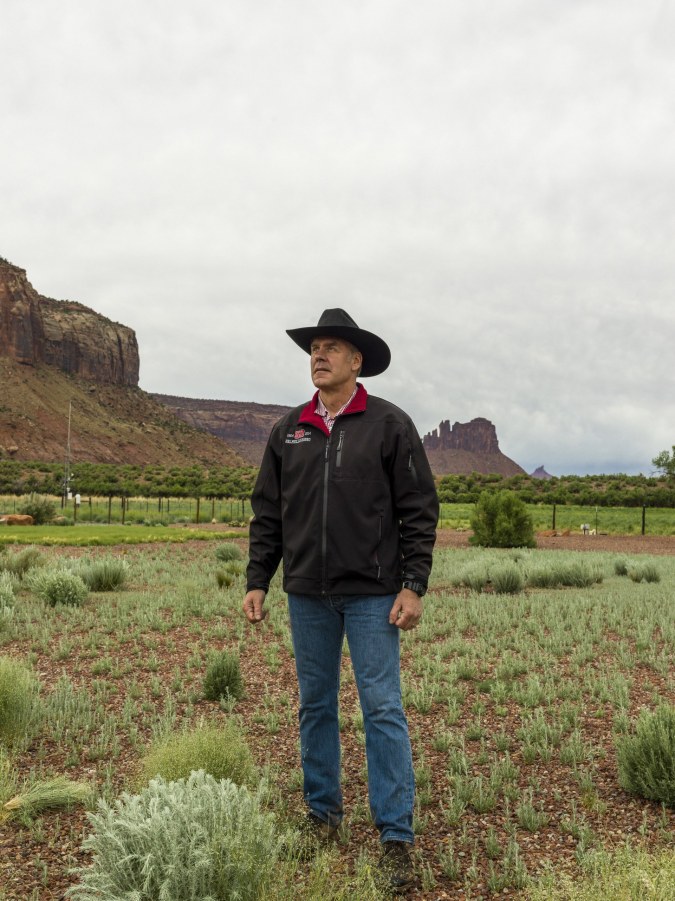
The Interior Secretary, one of President Trump’s most loyal allies, sees public lands as the key to an “energy-dominant” future. Photograph by Morgan Rachel Levy / Redux

Yesterday’s rich south of the border story is complemented, not flatteringly, by this note by Carolyn Kormann:

Ryan Zinke’s Great American Fire Sale

Not long ago, the Bureau of Land Management, an agency within the U.S. Department of the Interior, began distributing “vision cards” to its employees. The front of each card features the B.L.M. logo (a river winding into green foothills); short descriptions of the Bureau’s “vision,” “mission,” and “values”; and an oil rig. On the flip side is a list of “guiding principles,” accompanied by an image of two cowboys riding across a golden plain. Amber Cargile, a B.L.M. spokeswoman, told me that the new cards are meant to reflect the agency’s “multiple-use mission on working landscapes across the West, which includes grazing, energy, timber, mining, recreation, and many other programs.” Individual employees, she added, can opt to wear or display the cards at their own discretion. But, according to the advocacy group Public Employees for Environmental Responsibility, which obtained photos of the cards and shared them with the Washington Post, supervisors in at least two B.L.M. field offices have been verbally “advising that employees must clip them to their lanyards.” Some workers, speaking to the Post anonymously, said that they felt they had no choice but to comply. Continue reading
Legume’s Lost Legacy, Found

180423_r31919.jpg

Rancho Gordo’s heirloom beans look like gems in a jewelry case. The company sells half a million pounds of them a year.Illustration by Cari Vander Yacht

180423_r31939

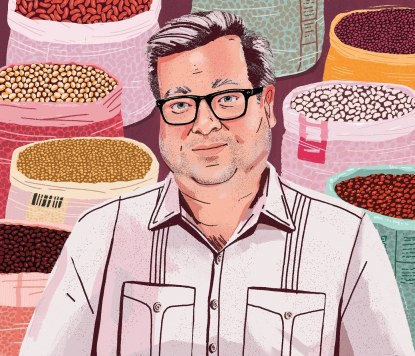
“My favorite bean is always the last one I ate,” Steve Sando says.Illustration by Cari Vander Yacht

If you only had read the first sentence in this story, you might move right on to something more promising.

Look at the author and look at the title, both familiar to those visiting this platform over the years, and it is certain not to disappoint. It is about this man to the right, and his culinary/cultural mission:

The Hunt for Mexico’s Heirloom Beans

Rare varieties discovered by Rancho Gordo’s Steve Sando have turned the humble legume into a gourmet food.

By Burkhard Bilger

The best meal of my life, or at least the most memorable, came from a can. I was thirteen at the time and living in France, so that may have had something to do with it. But I credit the beans. My older sisters and I were at a hippie camp in the Alps that summer, not far from the Italian border. My parents had stashed us there while they went home to Oklahoma to check on our house, which they’d rented to some graduate students while my father was on sabbatical. The camp was the cheapest one they could find, and they seemed to have done next to no research before signing us up. My mother just loved the name: Jeunesse du Soleil Levant, Youth of the Rising Sun. Continue reading

Mary River Turtle, Hang On!


Thanks to the Guardian for bringing this to our attention:

Green-haired turtle that breathes through its genitals added to endangered list

With its punky green mohican the striking Mary river turtle joins a new ZSL list of the world’s most vulnerable reptiles

3500 (3)

The Mary River turtle, found in Queensland, Australia, features on a new list of the most vulnerable reptile species on the planet. Photograph: Chris Van Wyk/ZSL/PA

It sports a green mohican, fleshy finger-like growths under its chin and can breathe through its genitals.

The Mary river turtle is one of the most striking creatures on the planet, and it is also one of the most endangered.

The 40cm long turtle, which is only found on the Mary river in Queensland, features in a new list of the most vulnerable reptile species compiled by the Zoological Society of London (ZSL). Continue reading

Us & Them Instead Of Us Versus Them

Thanks to Emily Buder at the Atlantic for this five minute recommended viewing. In the video above, by Nani Walker and Alan Toth, the question is:

Can Humans and Lions Get Along?

“Lions are really causing us havoc,” laments an African pastoralist in Nani Walker and Alan Toth’s short documentary, Living with Lions.  Continue reading

Road Electrification, The Latest Automotive Paradigm Shift

ElecCarVid

Take a minute to watch this video, and you may find the article below worth the read:

World’s first electrified road for charging vehicles opens in Sweden

Stretch of road outside Stockholm transfers energy from two tracks of rail in the road, recharging the batteries of electric cars and trucks

ElecCar1.jpgThe world’s first electrified road that recharges the batteries of cars and trucks driving on it has been opened in Sweden.

About 2km (1.2 miles) of electric rail has been embedded in a public road near Stockholm, but the government’s roads agency has already drafted a national map for future expansion.

Sweden’s target of achieving independence from fossil fuel by 2030 requires a 70% reduction in the transport sector. Continue reading

Sweet Potato Origin Story


merlin_136754454_c4302230-80b3-4890-af60-f6030c8dde14-master675.jpg

A chromolithograph of Christopher Columbus arriving at the Caribbean. Credit Louis Prang and Company/Getty Images

Thanks to Carl Zimmer for this 1493-ish story:

All by Itself, the Humble Sweet Potato Colonized the World

Many botanists argued that humans must have carried the valuable staple to the Pacific from South America, a hidden chapter in human history. Not so, according to a new study.

merlin_136706727_2ce09f86-757c-4b1a-9282-57e2695eda29-jumbo

The distribution of the sweet potato plant has baffled scientists. How could the plant arise from a wild ancestor in the Americas and wind up on islands across the Pacific? Credit Karsten Moran for The New York Times

Of all the plants that humanity has turned into crops, none is more puzzling than the sweet potato. Indigenous people of Central and South America grew it on farms for generations, and Europeans discovered it when Christopher Columbus arrived in the Caribbean.

In the 18th century, however, Captain Cook stumbled across sweet potatoes again — over 4,000 miles away, on remote Polynesian islands. European explorers later found them elsewhere in the Pacific, from Hawaii to New Guinea.

The distribution of the plant baffled scientists. How could sweet potatoes arise from a wild ancestor and then wind up scattered across such a wide range? Was it possible that unknown explorers carried it from South America to countless Pacific islands? Continue reading

From Re-Wilding To Un-Wilding

03SNAKE-GIF-superJumbo

Illustrations by R. Kikuo Johnson

Yesterday our attention was riveted by heroic efforts in the Highlands to re-wild, and today it is back to the sadder topic of un-wilding. Thanks to Rachel Nuwer for this article on a topic long of interest in these pages:

That Python in the Pet Store? It May Have Been Snatched From the Wild

03SNAKE3-superJumbo.jpg

R. Kikuo Johnson

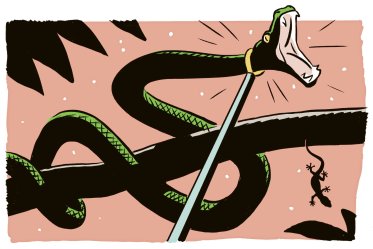
JAKARTA — In the market for a new pet? Maybe something a bit exotic? For many consumers, reptiles and amphibians are just the thing: geckos, monitors, pythons, tree frogs, boas, turtles and many more species are available in seemingly endless varieties, many brilliantly colored, some exceedingly rare.

Exotic reptiles and amphibians began surging in popularity in the early 1990s, not only in the United States but also in Europe and Japan. From 2004 to 2014, the European Union imported nearly 21 million of these animals; an estimated 4.7 million households in the United States owned at least one reptile in 2016.

But popularity has spawned an enormous illegal trade, conservationists say. Many reptiles sold as pets are said to have been bred in captivity, and sales of those animals are legal. In fact, many — perhaps most, depending on the species — were illegally captured in the wild. Continue reading