Preventing Invasive Fire

In general, species adapt to ecosystems in which they have greater chances of prospering, and abandon areas that are not conductive to survival and reproduction. Arctic species, for example, have specialized for harshly cold conditions and thereby made it very hard for themselves to live in desert or even temperate biomes. These are common trade-offs that occur with natural selection, and somewhat to be expected. But there are species in certain areas of the world that are not indigenous and still survive in those ecosystems. In many cases, these species have advantages over native ones and flourish. Termed “invasive species,” these organisms often replace autochthonous populations to the point of extermination (one could argue that humans are the ultimate invasive species), causing irrevocable damage to the original habitats.

John Dryzek defines the Promethean discourse in his book “The Politics of the Earth.” The metaphorical name comes from the ancient Greek myth of Prometheus, who stole fire from the gods; fire represents technology and the potential it gives for humans’ improvement. Prometheans are those who approve of a free market that unleashes human ingenuity on the world’s “unlimited” resources, propose liberalization, decentralization, and growth to improve human livelihood around the planet. Every one of these prescriptions, however helpful to humans, is practically a different form of poison for ecosystems in that they tend to greatly increase the numbers of invasive species around the world, contributing to rampant biodiversity loss and environmental degradation.

On the topic of invasive species, I consider myself a Survivalist, or one who believes that Continue reading
Conciliating Human Nature and Conservation

When we started this site a few months ago we had the primary objective of sharing what was happening in our field work, starting with Michael in Kerala and myself in Nicaragua.  Writing from Morgan’s Rock, or from Kerala, may have made the posts feel focused on only two locations.  Others have joined in along the way, thankfully, so it is a much broader spectrum geographically and otherwise.  Some of us are back on campus now, and our task remains the same: getting important ideas and examples related to entrepreneurial conservation, and community-based problem solving, out there in a creative forum.

I have decided to bring my work–at Cornell’s Lab of Ornithology and at Cornell Outdoor Education–as well as some of my “book learning” onto the page here.  The main reason for doing the latter is to show that, to put it bluntly, we are not making this stuff up.  Even on our most innovative days in the field, someone has thought about it or done it before, somewhere, sometime.  And that is good news.  So today I thought I would share a bit on the interplay between our basic tendencies and our better selves. Continue reading

Earth’s Eye

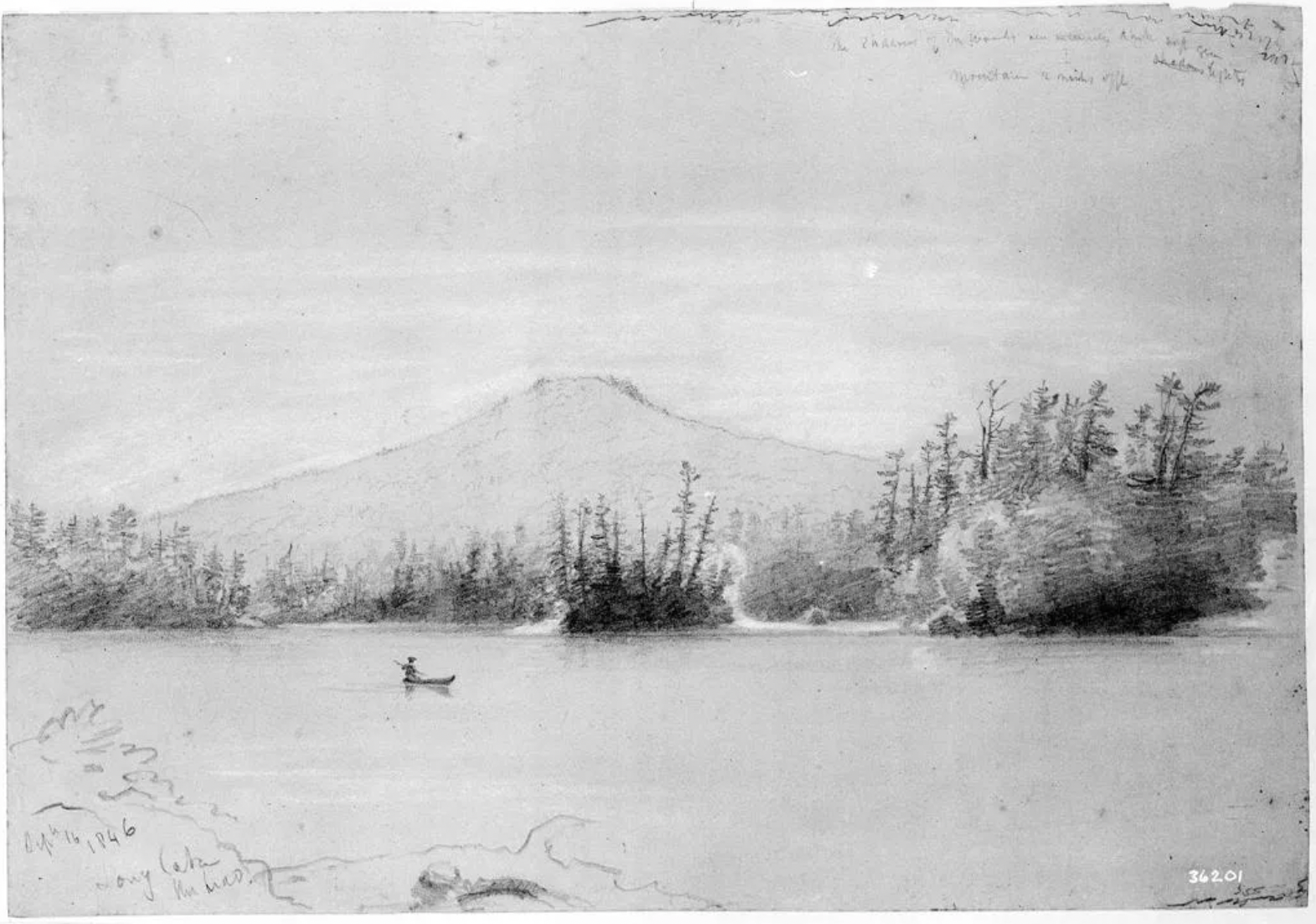
Thomas Cole’s Long Lake Sketch 1846

“Nothing so fair, so pure, and at the same time so large, as a lake, perchance, lies on the surface of the earth. Sky water. It needs no fence. Nations come and go without defiling it. It is a mirror which no stone can crack, whose quicksilver will never wear off, whose gilding Nature continually repairs; no storms, no dust, can dim its surface ever fresh; a mirror in which all impurity presented to it sinks, swept and dusted by the sun’s hazy brush—this the light dust-cloth—which retains no breath that is breathed on it, but sends its own to float as clouds high above its surface, and be reflected in its bosom still.” — Henry David Thoreau, Walden p177

Thoreau’s description of Walden and other lakes in New England came to mind this weekend as I was canoeing and swimming with friends across Lake Cayuga, Ithaca’s own majestic mirror (albeit a crinklier one than Walden, given our weather). Continue reading

Citizen Science

Bird watchers are everywhere. Countless households around the world sport bird-feeders in back yards, and thousands of photographers like Vijaykumar Thondaman dedicate much of their lives to capturing stunning images. It is practically impossible to believe that anyone could fail to see the beauty in a toucan or quetzal, Latin American species that tourists travel whole hemispheres to see for themselves in the wild.

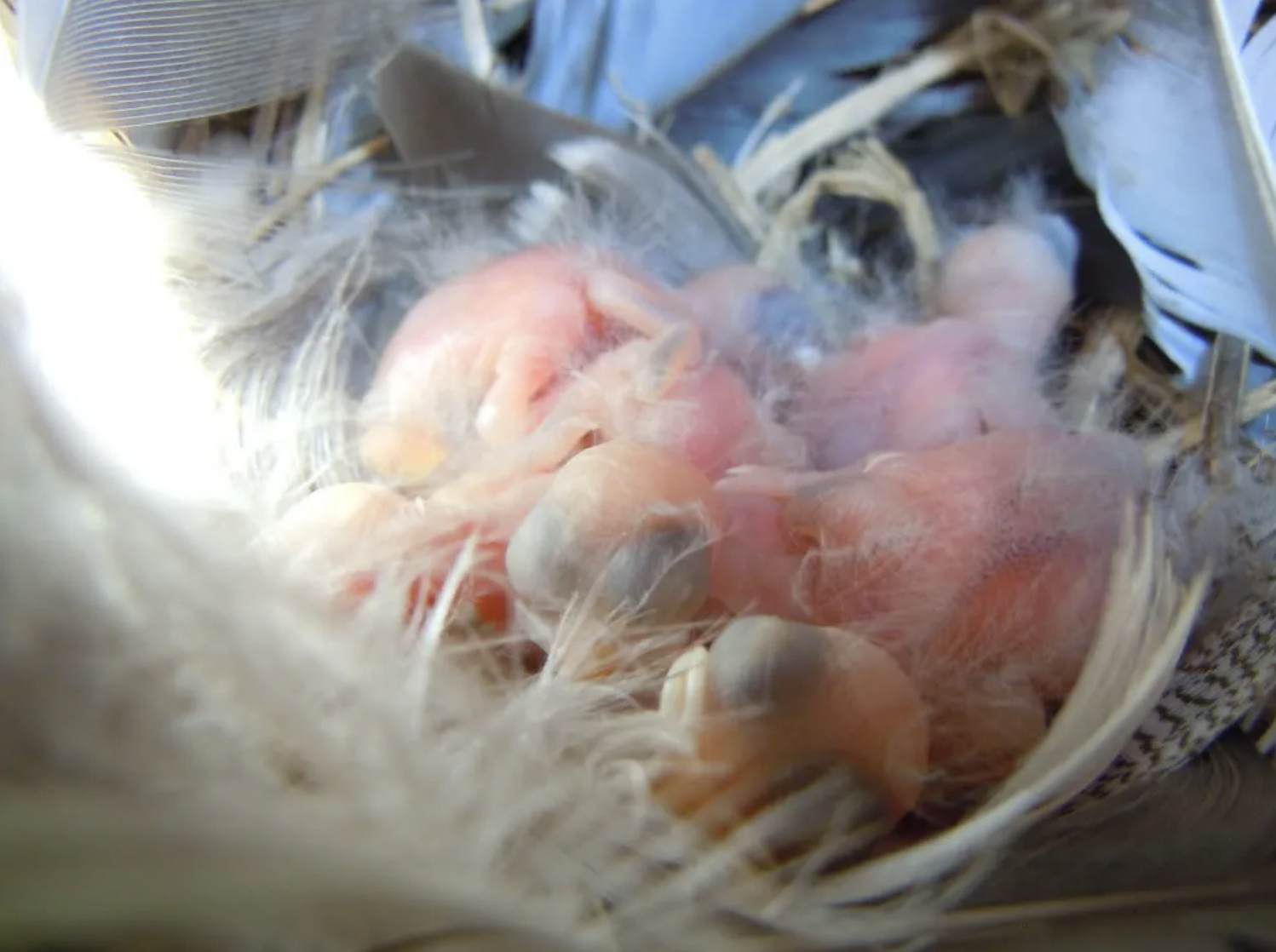
Swallow nestlings studied by Cornell students

Collecting data on birds is a difficult process because there aren’t enough ornithologists to be in the field all the time. But what about the casual bird watchers carrying around their binoculars, the families gathering on their porches to watch hummingbirds flit around flowers, or the schoolchildren staring out the classroom window at the distant and free shadows of birds of prey in the sky? Citizen science involves using these millions of bird lovers as a resource. As one of the world leaders in the study of birds, the Cornell Lab of Ornithology has been using citizen science since 1966, and is involved in many projects that bring bird watchers together while building an impressive database that is used for important research.

Here’s an article on Cornell Lab of Ornithology and the National Audubon Society’s citizen science project eBird.org.

Starting next week I will be working at one of these projects, called Celebrate Urban Birds, managing/deciphering this data and helping people around the country get involved in the surprisingly simple and rewarding experience of watching and identifying birds, whether they have a background in ornithology or not.

Changing the Land

A previous post described the beliefs about land usage that settlers brought to New England, and the resulting impact on the  environment.  The same source material (Cronon’s “Changes in the Land”) provides a fascinating description of what Native Americans had been doing to “improve the land” since pre-Columbian times.

In southern New England they would burn large areas of the surrounding forest once or twice a year, creating forests that Europeans saw as “open and parklike.” The fires would consume all the undergrowth so that the result was “a forest of large, widely spaced trees, few shrubs, and much grass and herbage.” Wherever Native Americans in southern New England lived, the English traveler (1633) William Wood noted, “there is scarce a bush or bramble or any cumbersome underwood to be seen in the more champion ground.”

Continue reading

Improving the Land

When the English arrived on the coasts of New England to form colonies in the 17th Century, they generally viewed Native Americans as savages who, despite their skills at hunting and farming, didn’t rightfully own the land they occupied.

The northern tribes didn’t practice agriculture at all, and the southern tribes were partially agricultural: during temperate months they would harvest corn, beans, and squash, and when winter came they moved north because it was easier to track and hunt animals in the snow. All tribes were fairly nomadic; every year they picked up their few possessions and traveled wherever seasonal sustenance was to be had.

In the King James edition of the Bible, which Pilgrims carried across the ocean, Genesis 1:28 has God commanding man to “fill the earth and subdue it.”  To say the least, Puritan colonists took these words very seriously. When they saw that Native Americans weren’t taming the land as the norms in Europe dictated, it was clear evidence that they did not have the right to own it.

Continue reading

K-12 Growth

Last month I wrote about the Dunwoody Community Garden, and commented on my surprise at its seemingly exponential rate of growth and improvement. I also promised to check out Dunwoody High School’s (DHS) current involvement with the community garden, and I can finally deliver on that one:

Grow Dunwoody is a community enterprise designed to bring gardens directly to Dunwoody’s schools. According to Danny Kanso, a senior at DHS, the purpose of the program is

to integrate hands-on learning into science, wellness, and special education, to produce renewable classroom and community resources, and to instill sustainable practices and values within our student body.

Continue reading

EZ Water Fountain

From the side the water fountain looks like most others: a spigot shoots arcs of water from a corner when you press a button somewhere. But when you face the EZH2O water station — a bottle-filling station — you see that the spigot in the corner is not the only mechanism on the wall.

I’ve been carrying around aluminum or hard plastic bottles for years, and am always annoyed when I have to replenish from a water fountain that doesn’t shoot water in a high enough arc so that my bottle can fill to the brim. With the EZH2O, all you have to do is place a bottle in front of the motion sensor in the back panel, or simply stand it on the grey plastic platform, and water will come down in a straight and soft stream.

As your bottle fills, a little meter in the top corner of the panel tallies how many plastic bottles have been saved by using reusable bottles. Also, the bottle filling station has a WaterSentry filter (and a light in the top right corner that shows when it needs to be replaced). So far, I have only seen these in Cornell’s Olin Library, both in the stacks and the basement. Hopefully they will spread to every building at Cornell.

Desert Blues

Last year, during the summer prior to starting college, I worked at Feynan in Jordan teaching English to the children of the local Bedouin community.

The hybrid of Berber, Arab, Western and black African music styles of the Malian group Tinariwen serves as a sound track to his experience.  I had the pleasure of hearing some members of the group in a small venue last year, and that sound of desert yearning, or “asuf”, was almost palpable.   Take a listen to the embedded songs in the multimedia files in both of the above links and tell me if you agree.

…soon it will once again be time for Tinariwen — which operates as a collective, with anywhere from five to nine members, depending on factors like who has herds to tend or whose wife is pregnant — to move out of its cultural space and into ours.  And with that, the feeling of asuf will return, feeding a yearning for the desert even as it powers the music.

This slideshow requires JavaScript.

Environotes

While shopping for notebooks at Cornell University’s bookstore yesterday I came across a brand that I hadn’t seen before. The cover of the dark, forest-green notebook said “Environotes sustainable paper products” in the lower right corner, and a removable card-stock label declared the paper to be a “green” product.

I was somewhat skeptical, because I know how many trees are cut down in the US to provide Americans with paper (about a billion a year) and the only sustainable mass-produced paper I’d ever seen was the banana leaf paper sold in Central America.

Then I saw that the one of the companies behind the notebooks was called Cane Fields, and that the paper was not only made from sugar cane fiber, but the fiber left over from the sugar-making process. This reduces landfill waste, is recyclable, and saves trees! To make it even better, the manufacturing process is powered by wind and biomass renewable energy, doesn’t use acid or chlorine bleaches, and is carbon-neutral through carbon trading. Needless to say, I purchased one of these notebooks, and got a 3-subject one to save space.

I’m glad that the Cornell Store carries these sorts of products; just today when I stopped back at the Store to get small pocket notepads, I found notebooks made by one of Cane Fields’ partners, Roaring Spring Paper Products. With 60 sheets of recycled 5″ by 3″ paper, the so-called “little green book” has a nice little recycling symbol on the front. I bought two.

The Anthropocene

I wrote yesterday about the North American cod stocks that have practically disappeared during the last century as a result of overfishing. Needless to say, this is just one of many species that humans have had a seriously detrimental effect upon in their shaping of the Earth. An article from The Economist this May discusses the geological forces that humans have had on the Earth, focusing on topics like the carbon cycle or nitrogen fixation rather than species extinction.

Paul Crutzen and Eugene Stoermer coined the term “Anthropocene” in 2000 to classify what they see as a new age on the geological time scale, and the fairly abrupt and sharp decline of cod may be one of the many changes visible in the fossil record thousands or millions of years from now. As you can see in the image below, we are currently in the Holocene, but Crutzen and Stoermer, along with many other scientists, including several of those in the International Commission on Stratigraphy (which arbitrates the geological time scale), believe that we have entered an age primarily shaped by Homo sapiens.

Image from The Economist

Continue reading

The Gadus Commons

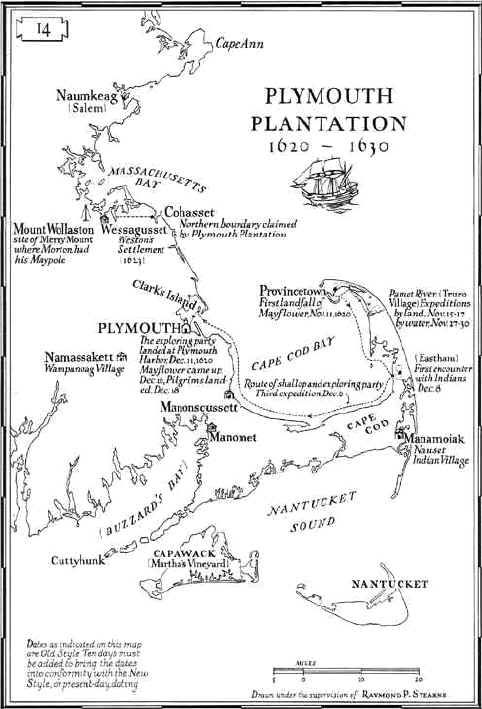
William Bradford, governor of Plymouth Colony in Massachusetts for much of the first half of the 1600s, from whom North Americans  have inherited the notion of  communal Thanksgiving (and incidentally my grandfather 26 generations removed) noted:

The major part [of the Pilgrims] inclined to go to Plymouth chiefly for the hope of present profit to be made by the fish that was found in that country (Cod; 67).

Fast forward a few centuries.  Bottom trawling, longlining, and gillnetting during the 19th and 20th Centuries were probably the most responsible for cod’s population decline in North America. Faced with the same great abundance that had helped bring settlers to Cape Cod, huge fishing companies acted rationally to maximize their own gain, taking advantage of the bountiful commons, and this led to ruin. With the near disappearance of cod came the absence of herring, capelin, humpback whales, and squid. Continue reading

Ramírez, Reading & Responsibility Update

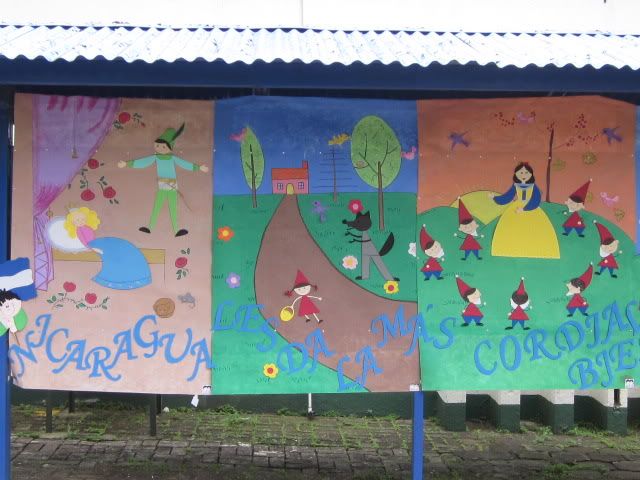
In my post about Sergio Ramírez, former vice-president of Nicaragua, I had very few pictures. I have corresponded with José Tomás, and thanks to his camera I can provide some pictures here:

A welcome poster made by children showing famous stories

Continue reading

Summing Up Summer

During the past two and a half months in Nicaragua I was mostly working at Morgan’s Rock Hacienda & Ecolodge, exploring the property through nature tours as well as hiking by myself. I accompanied the local guides on their excursions with guests, offering constructive criticism based on my previous ecotourism experience and feedback gleaned from the tourists I joined. I wrote over 27,500 words and compiled a couple hundred pictures to publish around 26 posts directly related to Morgan’s Rock, and 20 others from locations around Nicaragua. Combined with the ever-growing variety of fellow contributors to this blog, I hope my posts have educated or at least entertained readers interested in wildlife, sustainability, and conservation.

I arrived in the States about ten days ago, and starting this Wednesday I’ll be back studying at Cornell University’s College of Arts & Sciences. During the Fall semester I expect to continue sharing on Raxa Collective, since several of my courses cover relevant topics within environmentalism. Although I may not be able to include the exotic sort of posts that include photos of amazing animals or my translation of an ex-vice-president’s opinion on reading, Ithaca is well known for its sustainably-oriented citizens, so I’m sure I’ll have enough local material to include on the blog. Until then!

It Takes a Thief. And 50 Million Years of Practice

Roughly 50 million years before the first Neolithic human  grain in the ground on purpose, three insect groups—ants, beetles, and termites—evolved the ability to practice agriculture with fungi. When humans started planting nearly 12,000 years ago, it changed the trajectory of life on earth, and today our species dominates its environment with a visible sense of superiority. Insects have been at agriculture for tens of millions of years longer than we have, and we are just beginning to understand their tools and traditions. We don’t know have a sense of their own purpose or not, but we do know that their collective act has had consequences that are still playing out today. Humans may seem to rule the planet, but hidden from their eye most of the time there are insects that dominate the undergrowth.

Fungiculture originated in the beetle family tree at least seven independent times (by comparison, it only originated once each in ant and termite lineages), which Dr. Ulrich Mueller of the University of Texas at Austin says is “perhaps not surprising, given the sheer diversity of beetle species and given the importance of feeding specializations in beetle diversification.” [1]

About 40% of all insect species are in the family Coleoptera, more commonly known to us as beetles. Fungiculture is carried out by the 3,400 species of beetles known as ambrosia beetles, which line the wooden walls of their burrows, or galleries, with fungi that absorb nutrients from the wood. The various fungi strains have been called ambrosia since the late 19th Century.

The black stains that the fungal growths leave on wood are Continue reading

Where the Sidewalk Ends

During my two final years of high school, I became involved with the Dunwoody Community Garden (previously mentioned here). We joined the group while the Garden was still in the process of being set up, and my family would help out on weekends, digging holes or laying out lines to create a grid for the 4×8 foot garden plots. At some point around this time, I became one of the officers for Dunwoody High School’s National Honor Society (NHS). Since the officers were always looking for community service projects to suggest to NHS members, I recommended sending Dunwoody NHS students to help build the Community Garden during a time when so much grunt-work was needed.

A handful of high school students was exactly what was needed to speedily complete the garden. A good adult leadership team was already in place, and energetic teenagers were eager to help, spreading newspaper and mulch to lay the foundation for fertile land. Once the plots were all set out, NHS purchased one so that students could raise flowers and vegetables to give away.

Since then, the Garden has only grown. Over 3,200 square feet have been added to the original land, creating more than 25 new plots for Dunwoody community members. In addition to the privately owned plots, DCG maintains several plots for economically stressed families (10% of the cultivable garden), and gives away another 10% of produce to the Atlanta Community Food Bank. To learn more, I’d recommend visiting DCG’s blog or the DunwoodyPatch.

This slideshow requires JavaScript.

In the next few days I’ll try to learn more about what Dunwoody High School has done to stay involved with the Community Garden.

Volcano Sandboarding Update: Part 1

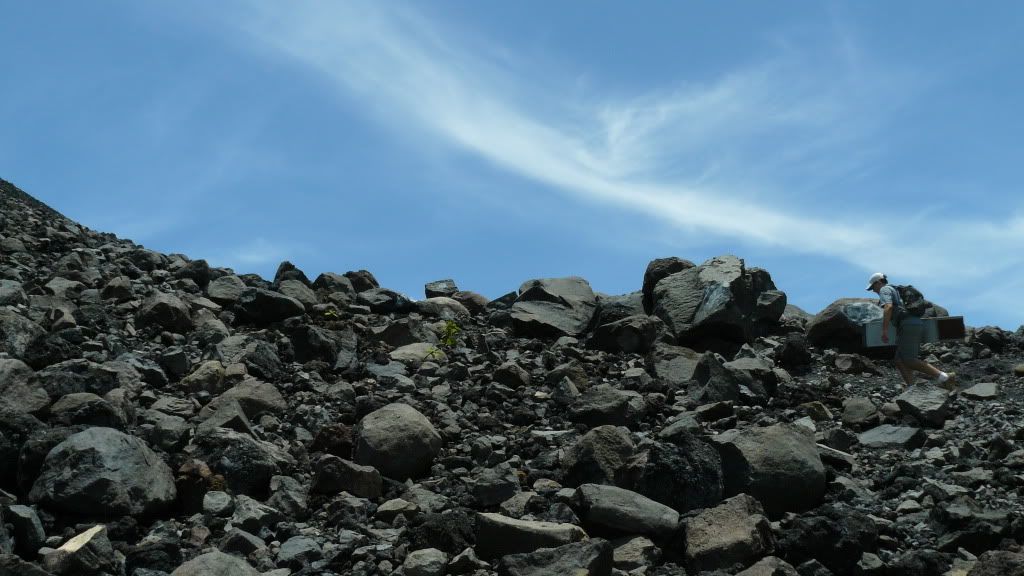
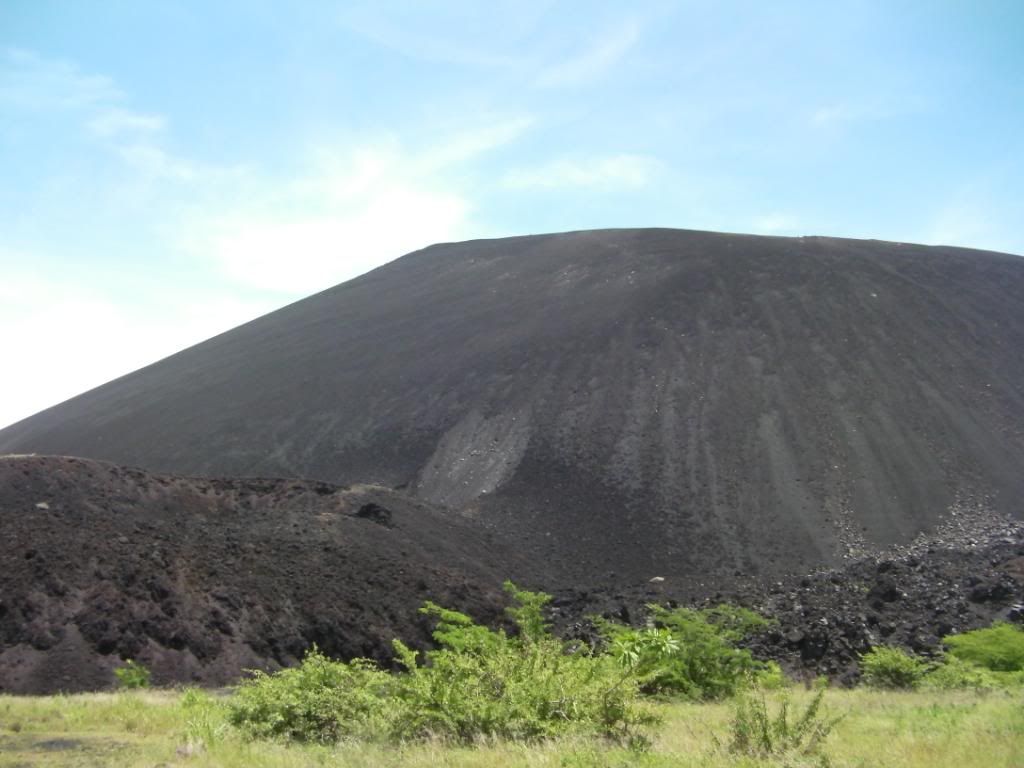
As promised, I have more photos of Volcán Cerro Negro (I’m still looking for some video). The photo below shows the variety of rock size on the hike up the volcano, as well as the underside of the sleds.

P1040541

Unfortunately, Pierre and I didn’t take many pictures of the actual descent, since we were preparing ourselves and didn’t think we’d be able to safely use our cameras while sledding. What we did photograph was the natural beauty of the volcano and its surroundings

This slideshow requires JavaScript.

Here’s a more full explanation of how the sledding ended: The transition from the slope to level ground wasn’t as jolting as I’d feared, and I skidded to a stop just a meter or two from the slope without wiping out. Standing up, I shook the gravel out of my shorts and shirt, looking around for Pierre, who was pouring stones out of his shoes nearby. As long as you can sit straight in the middle of a sled, it seems that you can slide down the volcano with only basic protection and get away with only having to wash up afterwards.

Volcano Sandboarding

Note: More photos of the experience are in my first and second updates to this post.

Volcán Cerro Negro, the youngest volcano in Central America, last erupted in 1999. Less than twenty miles from León, a city that I will be posting about soon, the volcano’s main attraction isn’t the crater itself, although the powerful opening to the center of the Earth–which in the past three decades has spewed columns of ash and gas up to 24,000 feet high–is not unimpressive. Instead, most people climb Cerro Negro just to descend it. Why? Because its steep slopes, almost 2,400 feet high, consist of black volcanic stones, which are finer than normal gravel and heavily mixed with ash and dust. How do visitors get from top to bottom? Many locals do it by foot, running down in great leaps. Most tourists rent a wooden board with a metal underside: either a snowboard or sled design depending on their experience and daring.

SANY0001

The volcano and its surroundings, together known as the Reserva Natural Complejo Volcánico Pilas El Hoyo, amount to a protected area of 2,140 hectares that includes at least five different types of ecosystem. Entrance fees, as well as the rental of sleds and protective gear, somewhat help incentivize the conservation of the volcanic complex by surrounding communities, mostly farmers (cattle, peanuts, eucalyptus, corn, etc.).

Having only snowboarded once before, I opted for the sled, and Pierre did the same. We hiked up the volcano on the larger rocks (fist-sized to full boulders) for maybe fifty minutes, pausing to take photos of the beautiful hills that starkly contrasted with Continue reading

Seaweed Sunset

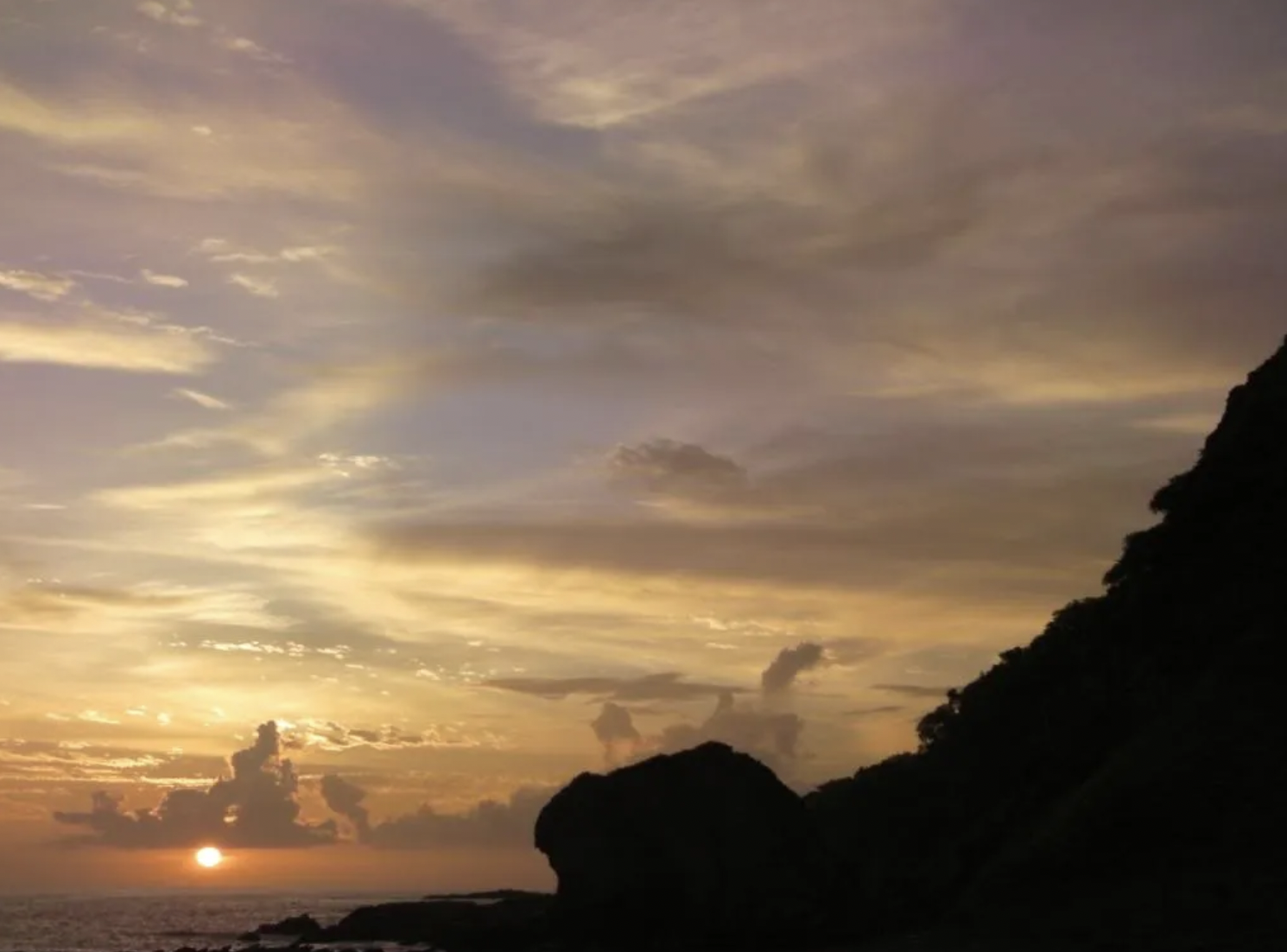
A couple days ago the tides at Morgan’s Rock had shifted a couple hours apart, so that during the sunset, which is normally at full high tide, the waves were absent, leaving a surprising amount of the sand and rocks bare.

This cloud, backlit by the setting sun, offers itself up to the traveler’s imagination

These rocks, which I’d noticed from Sunset Hill before, were now accessible by foot, so instead of hiking to the summit, which I had done several times, I climbed over the rocks until I had a good angle of the sunset as well as waves crashing violently into the rocks (video to come). Since they are so often under water, these formations are covered in sheets of seaweed and house sea urchins. This makes the surface of the rocks look like a fluffy duvet and the tidal pools a bed of nails.

To Morgan’s Rock guests: When the tides are right and you have strong shoes, Continue reading