Controlling Invasive Lionfish – Update on Market Solutions: Part 2/2 — Lionfish Art

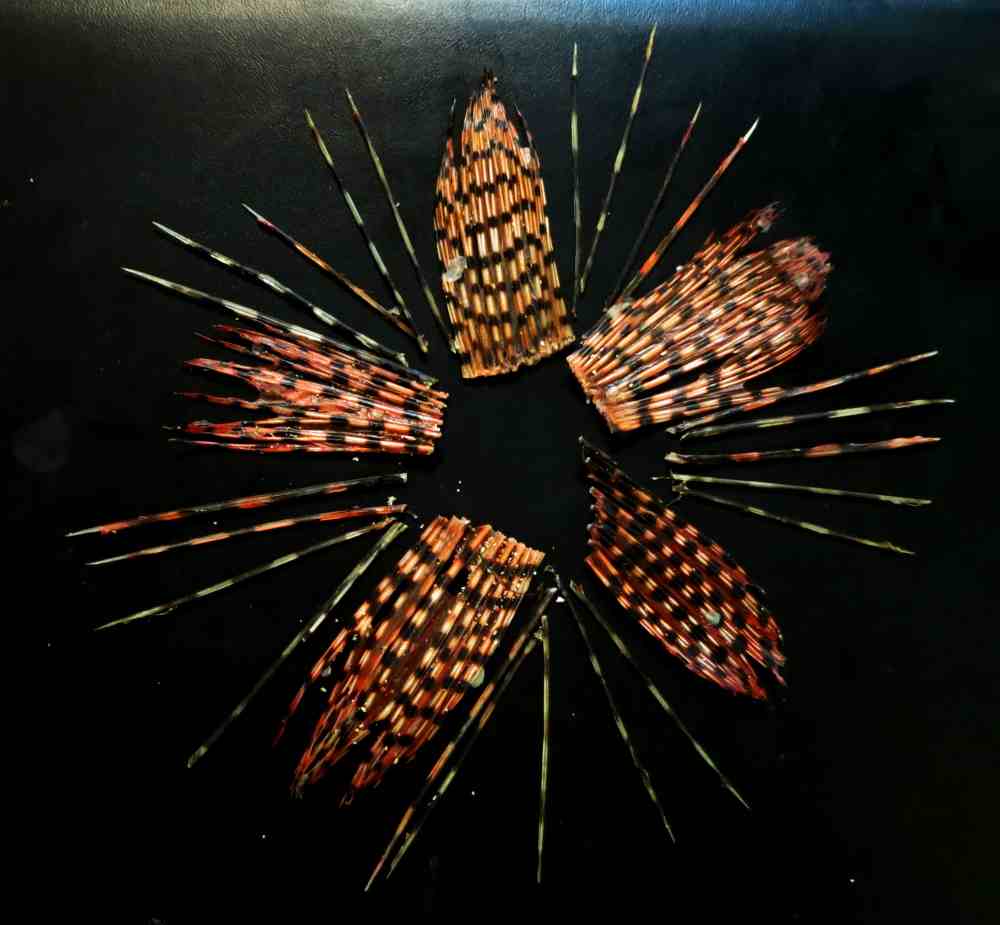
spines and tails-photo3

Array of dried lionfish spines and tails -ready for jewelry use Credit: ReefCI

In Part 1 of this post regarding market-based solutions to fighting the lionfish invasion that is threatening coral reef and other marine ecosystems throughout the Caribbean, Gulf of Mexico, and Southern Atlantic Seaboard of the United States, I wrote about the challenge of developing commercially sustainable strategies for undertaking the systematic removals that are needed to keep lionfish populations under control. I discussed the need to develop a series of vertical markets, pointing to promotion of lionfish as a seafood choice as the most obvious of these. Capture of juvenile lionfish for the aquarium trade as another.  A third market, and one in which I’m personally involved, is use of lionfish spines and tails for jewelry and other decorative items.  Continue reading

Collapsitarians Rising

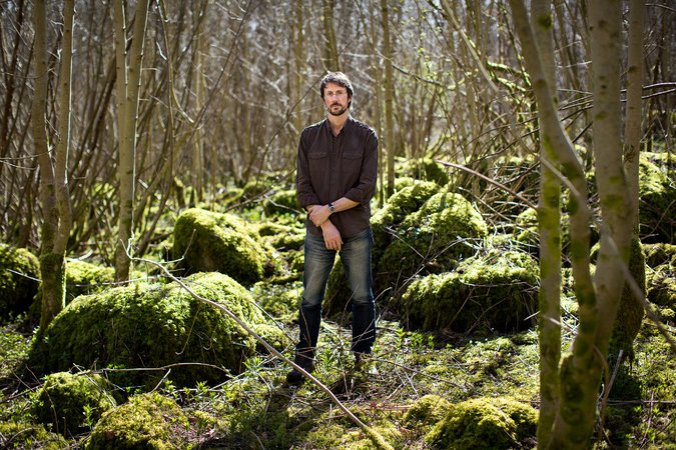
Paul Kingsnorth. Photo by Kenneth O Halloran

Paul Kingsnorth. Photo by Kenneth O Halloran

Collapsitarian sounds decidedly like the opposite of our approach on this platform, but in this profile I recognize observations and motivations, and even actions if not conclusions, out there among the practitioners. Read the story in this week’s New York Times Magazine:

By DANIEL SMITH

After decades of fervent environmental activism, Paul Kingsnorth decided it’s too late — collapse is inevitable. So now what?

If that seems intriguing, and especially if you want to smile and even laugh a bit, visit Paul Kingsnorth’s website:

OAQs

(Occasionally Asked Questions)

Could you puff yourself up in a few paragraphs of third person prose please?

Certainly. Paul was born in 1972. He studied modern history at Oxford University, where, as well as studying, he edited the student newspaper and was politically radicalised by his involvement in the road protest movements of the 1990s. Continue reading

Duchamp Design Du Jour

tumblr_mjnoeg7QzL1qz5g9bo1_1280

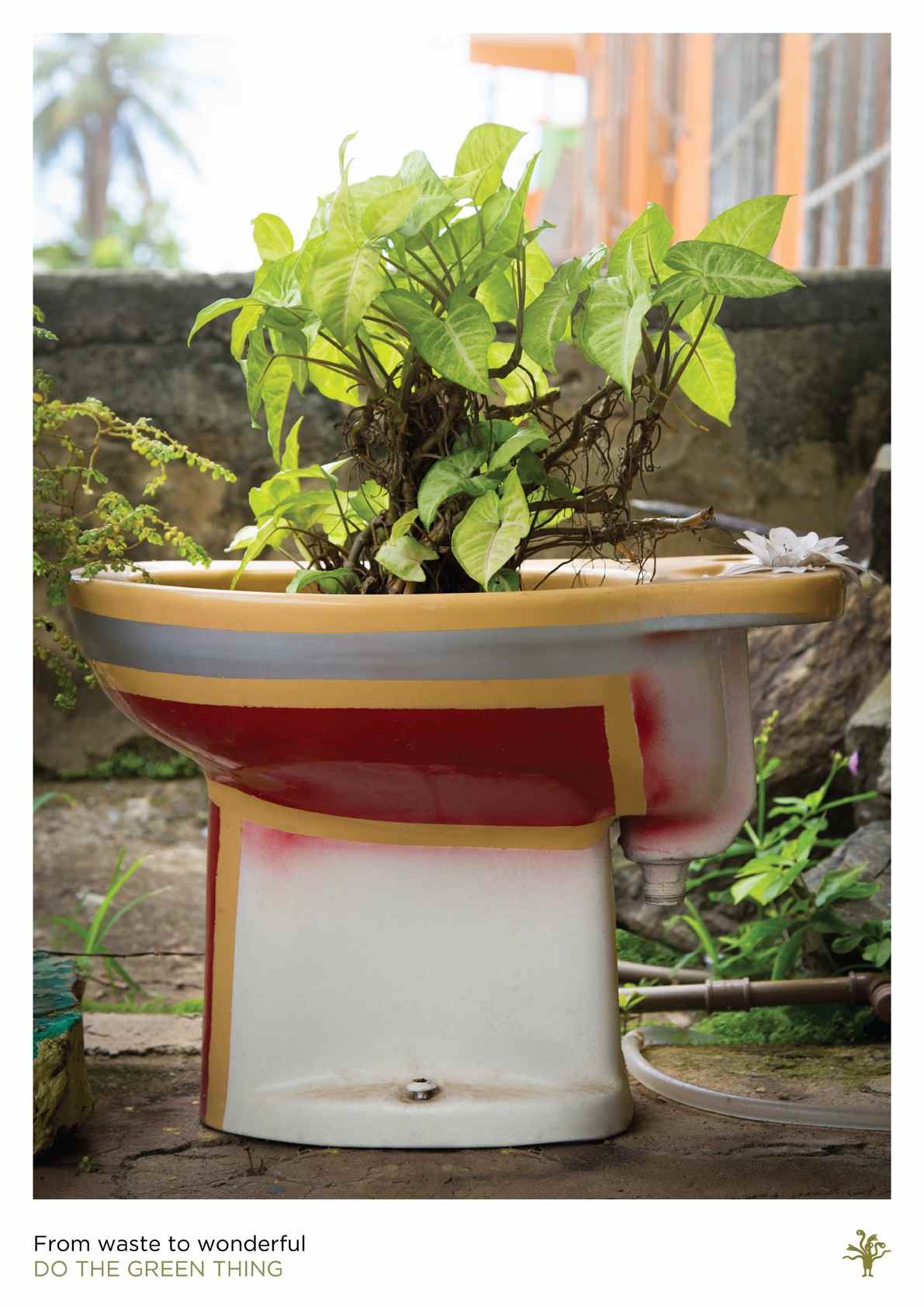
Our thanks to Mel Duarte for this referral of a design idea that has artistic legs and history, but is as fresh as ever:

In a small Brazilian village, artist and photographer Mel Duarte came across this great example of turning an old thing into a new thing.

“I really like the idea of creative recycling, and hope to inspire people with the potential it offers. With this in mind, I took the chance when I was in a little town in Bahia, Brazil, called Serra Grande, to wander through the village looking for something that could express this idea. That’s how I came across the recycled toilet bowl – it’s such a lovely example of how waste can be turned into something funny and beautiful.” Continue reading

Better Driving

tumblr_mo9zu18bZf1qz5g9bo1_1280

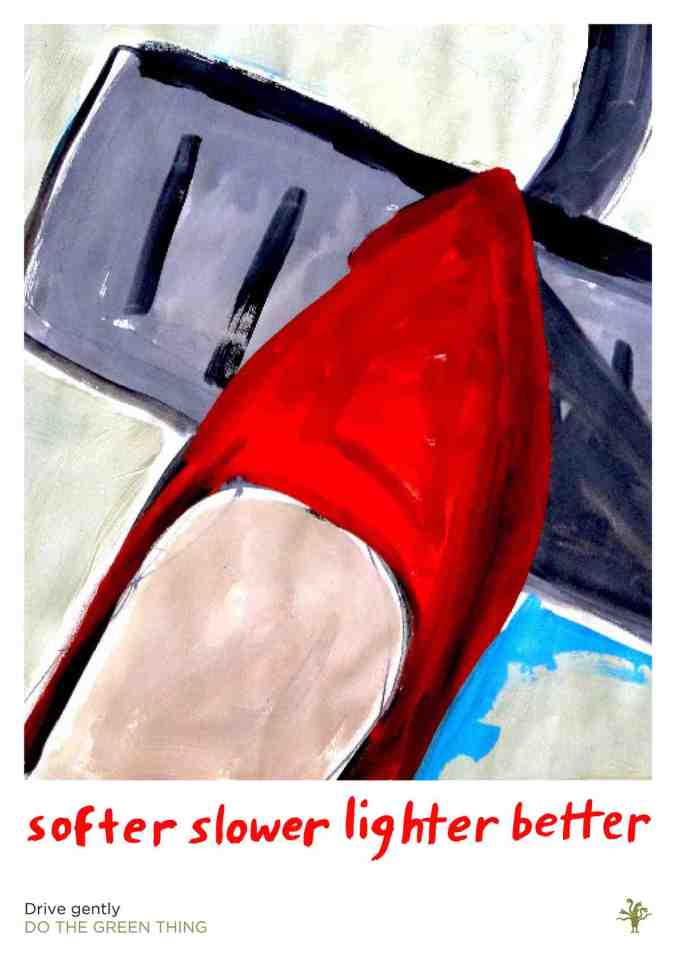
No matter how you view it, driving more fuel-efficiently is a worthy goal, but in a world with more than enough aggression already we think “Softer Slower” by Huntley Muir sends just the right visual reminder of another reason why driving more gently is a worthy goal:

Su and Donna, the two halves of artist duo Huntley Muir, have painted a poster that encourages people to be more tender on the accelerator.

“We decided to cut our speed by 10 miles an hour to save fuel and cut pollution and noise. It really works – we do use less fuel, it’s safer, less stressful and we don’t even notice the difference. And we are below the legal speed limits as well. Such goody two shoes. Continue reading

Amazon Not Prime

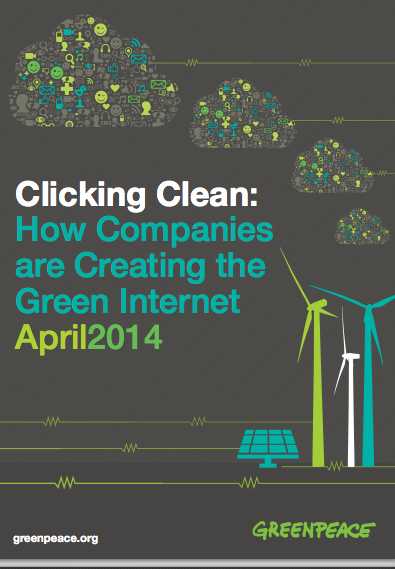
Screen Shot 2014-04-04 at 9.06.54 AMJeff Bezos wants Amazon to be “Earth’s most customer-centric company.” What do customers’ interests and concerns include? We believe customers increasingly care about the environmental practices, and cultural impact, of companies they buy from.

George Packer published a profile of Amazon in mid-February that raises questions about the modern form of capitalism, especially with regard to its impact on culture. Today in a follow up blog post about Amazon on the New Yorker’s website Packer brought to our attention this study about cloud computing’s best and worst corporate citizens. Amazon does not fare well in the analysis. Click the image to the left to go to the full publication, but start with the quick summary below:

Executive Summary

For the estimated 2.5 billion people around the world who are connected to the internet, it is impossible to imagine life without it. The internet  has rewoven the fabric of our daily lives – how we communicate with each other, work and entertain ourselves – and become a foundation of the global economy.

Seemingly on a daily basis, new businesses that use the internet as their foundation are disrupting and often replacing long-standing business models and industries. From music and video to communications and mail, more and more of our “offline” world is moving online. We can expect that trend to continue and accelerate as the global online population reaches 50% of the world’s projected population, moving from 2.3 billion in 2012 to an expected 3.6 billion people by 2017. Continue reading

Perchance To Dream

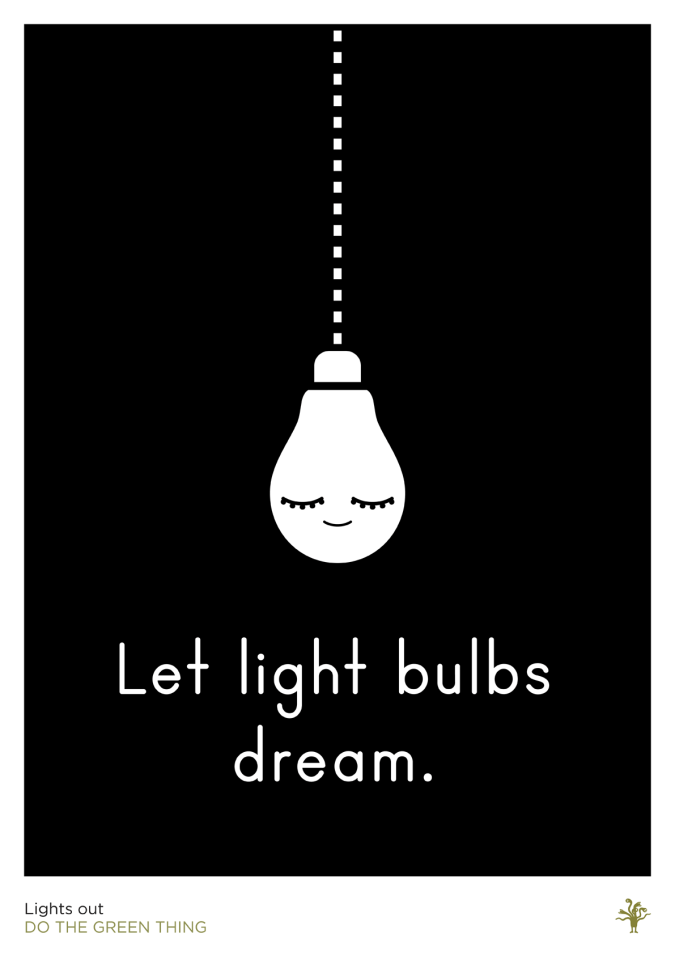
Endearing, yes, unless “Lights Out” makes you think the way Philip K. Dick did about dreaming while inanimate, or even as Shakespeare did; dark stuff that, but we get the point of our friends at this great initiative:

Design company Hudson-Powell have created this rather endearing poster, encouraging us to show light bulbs a bit of compassion.

“In the Shinto religion inanimate objects are often given a persona or spirit to help people relate to them in a more humanistic way and to create a dialog with the object. Taking this idea and applying it to light bulbs, making them delicate living things that need rest and can dream seemed like a playful way of getting people to remember to turn them off.”

Why? Continue reading

Bring Your Own Bottle

tumblr_mrzmgv3ZXg1qz5g9bo1_1280

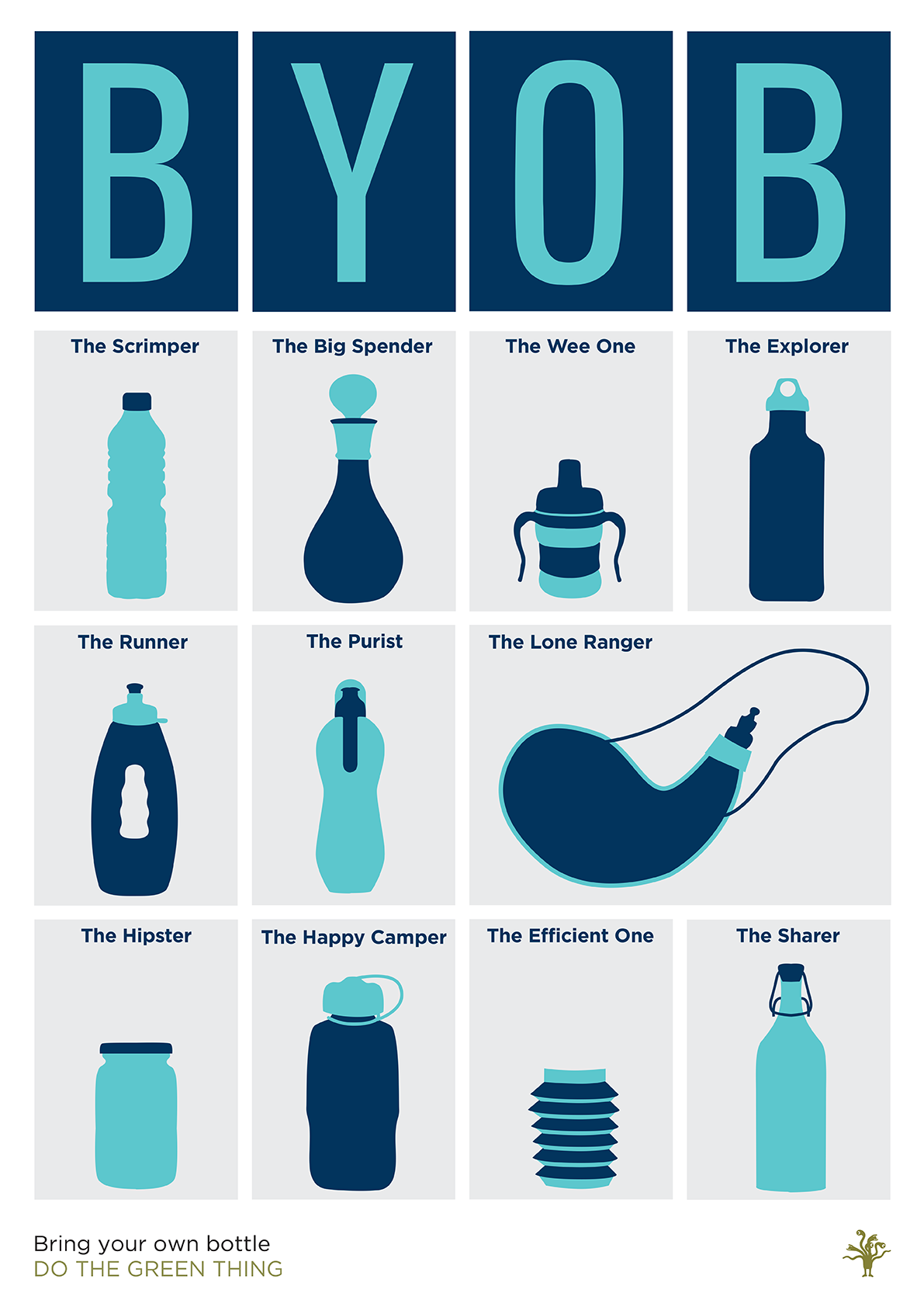
The image above is a reminder for us, as much as it is a pass along to you. After finally securing, in early 2013, a supply of beautiful glass water bottles for all of our restaurants and guest rooms in Kerala, Raxa Collective has been working for the last year to source a reusable and conveniently portable water bottle. The Earth Hour original purpose of the series of which the above poster is a part has a long tail of utility. Today we give thanks for “BYOB” by Rebecca Penmore, one of the altruistic designers at Pentagram giving us more clarity on why we should re-use:

On a hot summer’s day when hydration was the name of the game, Pentagram designer Rebecca Penmore noticed that our bottles of tap water are much more than liquid containers – they are an extension of our personality.

“The aim of my poster is to encourage people to carry their own bottle of tap water and avoid countlessly re-buying mineral water. I have used the well known acronym BYOB as a simple and straightforward way to communicate this message,” says Rebecca. “Bringing your own bottle is not only an easy way to reduce your global footprint, but it can be a great form of self expression!”

Why? Continue reading

Make The Pledge by Nikki Miles

tumblr_mwb61wXD4G1qz5g9bo1_1280

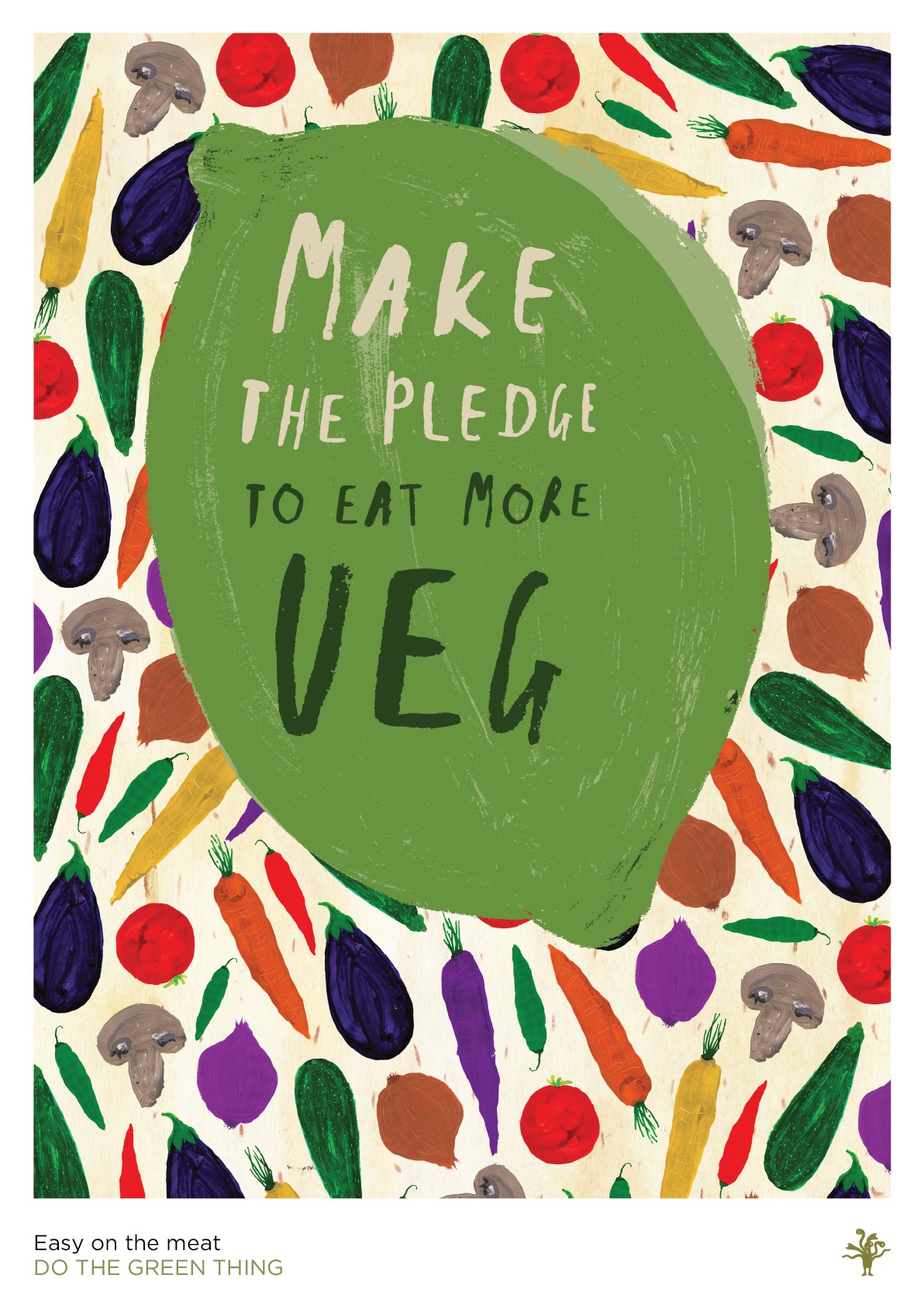
The day has come. Come! During the last month of food trials at 51, we were looking forward to the day–yesterday–when the doors officially opened and we could invite both vegetarian and non-vegetarian friends to dine, and in particular feast on a roasted vegetable dish rooted in Malabar Coast vegetables and Eastern European foodways. Thanks to another of the Young Creatives for this encouragement on getting non-vegetarians to pledge to add more vegetables to their diet–all it takes is better-tasting veggies, we think, and some creative promotion:

With this playful painting, illustrator Nikki Miles is urging us to make a pinky promise to go easy on the meat and its carbon consequences and enjoy some veg instead.

“I don’t eat a lot of meat but I’m not strictly a vegetarian either,” says Nikki. I have tried being a vegetarian in the past but I found it to hard to give up the odd bacon sandwich or roast dinner with beef gravy.  I only eat meat around once or twice a week because vegetables are yummy too! Eating more veg and less meat is a simple way to make a big difference to your health and the environment.” Continue reading

Climate Change Preparedness

Photograph by Ed Kashi/VII.

Photograph by Ed Kashi/VII. On Monday, the United Nations Intergovernmental Panel on Climate Change released a report on the impacts of global warming, for which it says the world is ill prepared. Elizabeth Kolbert wrote about a leaked draft of the report in this piece, originally published on November 5, 2013.

Not everything we read pleases us. So not everything we post on this site, in spite of our overriding mission to report positive news about conservation wherever we can find it, is meant to draw a smile. Wouldn’t be prudent, as someone once said. Nor would it be prudent to assume someone, somewhere, or anyone anywhere, has taken appropriate measures to even catalogue ways in which we should be preparing for the consequences of climate change. Not if, as some greedy doubt-mongers want people to wonder, but when. Thanks to Elizabeth Kolbert, our favored dismalist on climate change, for this Comment on the New Yorker‘s website:

Late last week, a Web site that claims that there is no scientific consensus on global warming published a leaked draft report on the impacts of global warming. The leak was apparently intended to embarrass the authors of the report, which is the latest installment from the Intergovernmental Panel on Climate Change. However, it seems mostly to have had the opposite effect: Continue reading

Earth Hour 2014


Earth Hour

Earth Hour

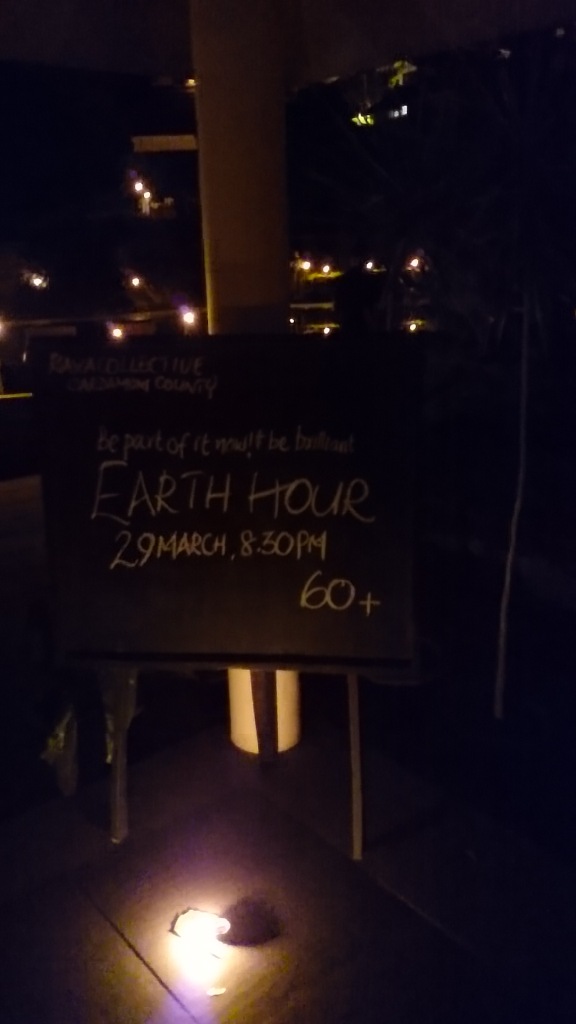
RAXA Collective properties joined the millions of people around the world celebrating Earth Hour on March 29th. Earth Hour is a voluntary movement with the goal to highlight global activism about energy consumption. One hour staggered in local time across the globe people come together and switch off all their electricity. Continue reading

The Lights Are On by Sylvia Moritz

tumblr_n0msx5vlNw1qz5g9bo1_1280

As noted yesterday, we will continue highlighting the best of the Young Creatives for the Do The Green Thing campaign. Raxa Collective’s operations teams at various properties can relate to Sylvia’s challenge to all of us to collaborate on conservation of electricity, whether in the hospitality community, the traveler community, in our residential home community or wherever:

Graphic designer and illustrator Sylvia Moritz wants to spell an end to the stupidity of leaving lights on in empty rooms.

“Electricity is a daily comfort we take for granted,” says Sylvia. “It is our sun when it is night, it is our means of living out our modern daily lifestyles. To recklessly exhaust this energy source, to squander something so integral to our survival, is wasteful. I hope this illustrated idiom can switch people’s behaviour.” Continue reading

Still Counting On Do The Green Thing

tumblr_n377x1rxqr1qz5g9bo1_1280

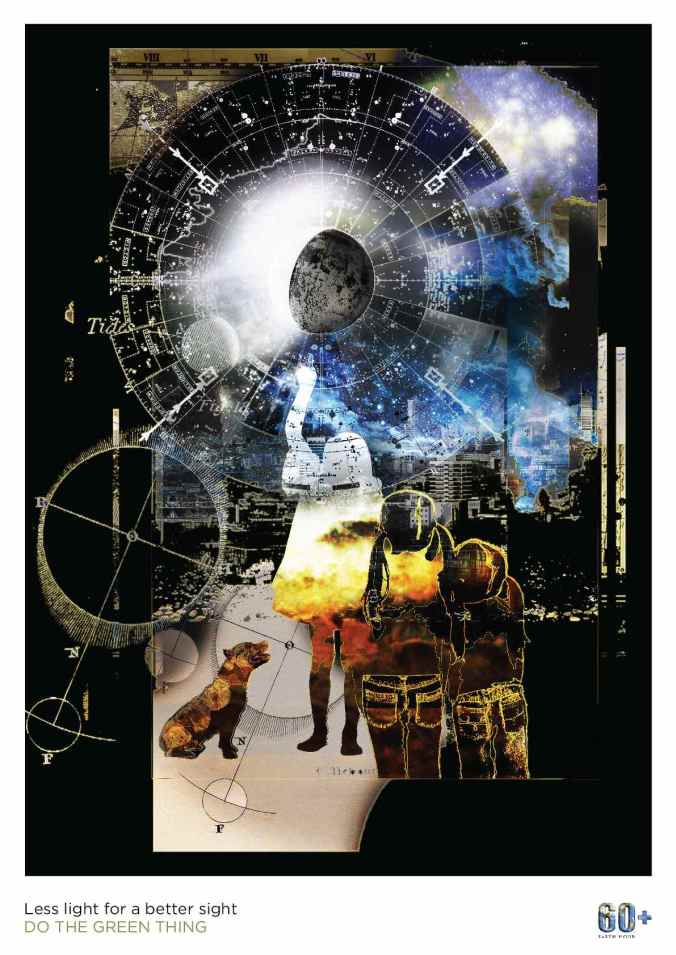
Since we started highlighting these posters only during its final week or so, there are many other posters to highlight and we intend to do so in the coming days. Not all, since not all creative output is created equal. In this final campaign poster, about reduction of light pollution, the Young Creatives series concluded on a cosmic note:

The shining star of our 29 Posters for the Planet campaign is Rebecca Charlton, the winner of WWF and Do The Green Thing’s Young Creatives competition. With her intricate and dazzling illustration, she reminds every person in every building in every city that stars not bulbs are the best sources of light in the night.

Continue reading

Do The Green Thing Countdown 29/29

29 Posters Final Template

Today’s the day this series was designed for, and Shiv’s “Less Light” provides a fitting conclusion about doing the green thing this evening:

Illustrator and art director Shiv uses a blend of photography and computer trickery to create a bewitching image to get us warmed up for Earth Hour tomorrow evening. Her poster urges us to switch off, save energy and enjoy the the galaxies above. Shiv said:

“I moved out of London nearer the countryside a couple of years ago and what I love is how much of the sky at night i can see now. I think Earth Hour is a great opportunity to see the stars while the urban lights are down, and that everyone should take advantage of this.”

Why?

Continue reading

Do The Green Thing Countdown 28/29

tumblr_n33p2xFFaL1qz5g9bo1_1280

“Let’s Ride” is a cool, clean visual that says it all, whether you are already a member of the biking community, or yet to become one:

Josh Higgins built and led the design team behind Barack Obama’s 2012 presidential campaign and is now Communication Design Manager for Facebook. Using fresh colours and geometrical shapes, his poster rallies the world to do more bike riding and less driving.

“I have always loved cycling and rode a bike since age 6 because it is fun,” says Josh. “Now I am a bit older I realize it is so much more. Riding a bike is a proven stress releaser. It is great for our environment and whether you are riding purely for pleasure or to get from point A to point B, you will arrive feeling relaxed, energized and happier about the world.”

Why?

Continue reading

Do The Green Thing Countdown 27/29

tumblr_n31wkrCfVp1qz5g9bo1_1280

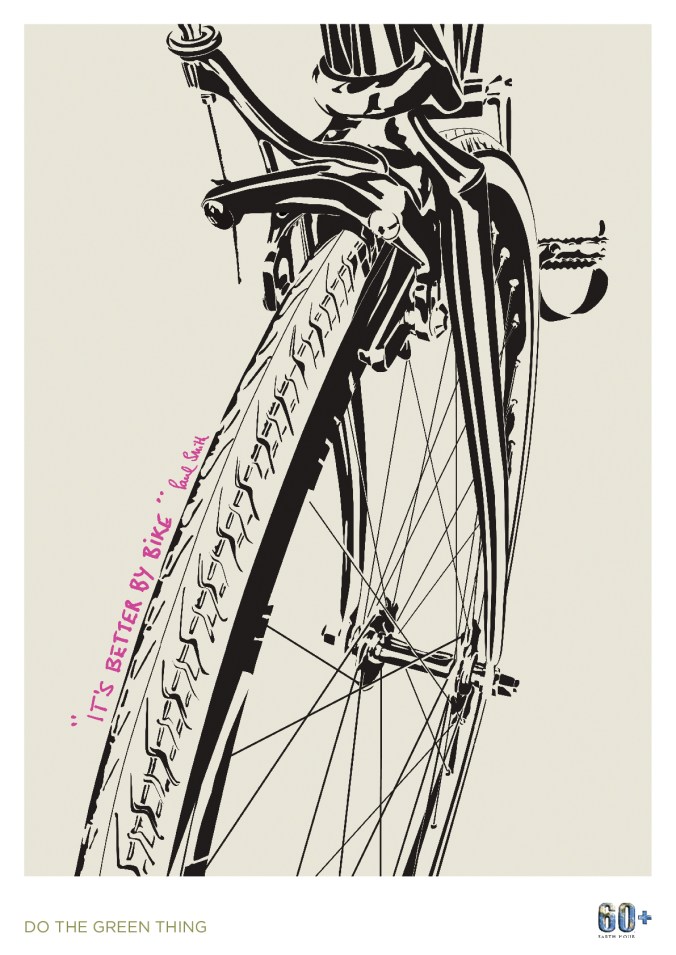
Better By Bike” speaks again on the topic of bicycle power, in the interest of Earth Hour as promoted by WWF and which Raxa Collective’s community will be participating in:

Today we are delighted to present a poster from a man who needs no introduction, but that won’t stop us from introducing him anyway. Sir Paul Smith is one of the most admired figures in the world of fashion: a style guru, a gentleman and a mad keen cyclist. He has created a piece of heartfelt pro-pedal propaganda featuring one of his own cycles and a message in his own writing: “it’s better by bike”. We agree.

Why?  Continue reading

Do The Green Thing Countdown 26/29

tumblr_n2zzyyGvp21qz5g9bo1_1280

Today’s is a dark one, darker than our normal post content but in the spirit of going with the flow we link out to this poster appropriately called Extermination Workshop:

Step forward Michael Wallis, a left-field thinker and co-founder of branding agency Corke Wallis. In this satirical poster-cum-drama set in the future, he speculates on the totally ridiculous idea of standby mode, and makes us ask ourselves: “why on earth would humanity come up with such a hopeless invention?”

Michael says: “I’m supporting Green Thing and Earth Hour so that when the apocalypse comes it is at the hands of something really epic like aliens or cyborgs or giant reptiles from another dimension, not DVD players.”

Why?


Continue reading

Do The Green Thing Countdown 25/29

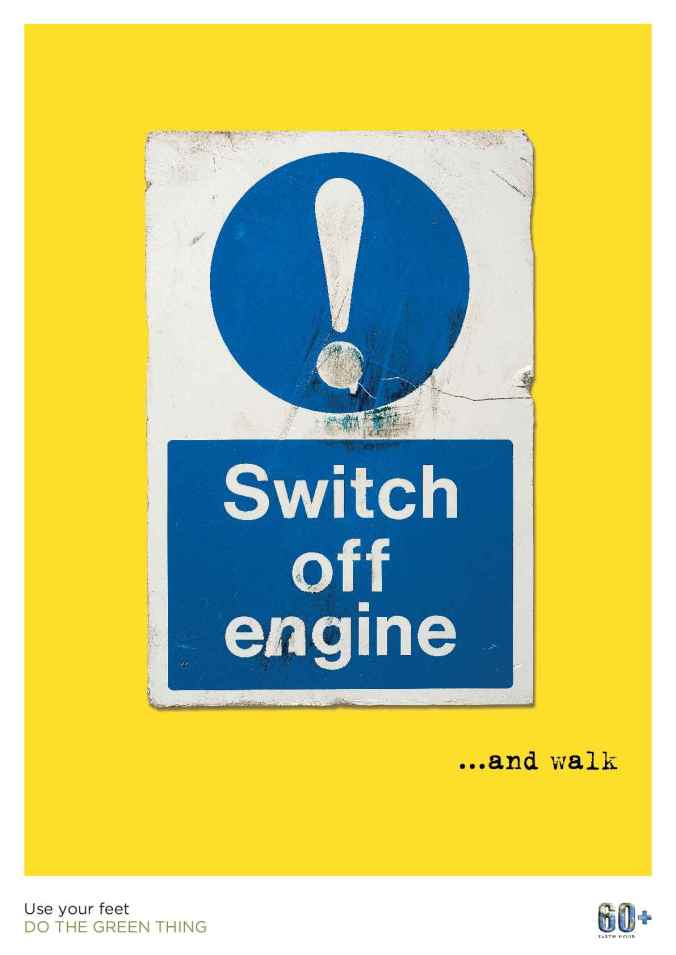
Continuing our promotion of Do The Green Thing’s campaign on behalf of WWF for Earth Hour, we point you to Switch Off Engine by Harry Pearce in which he:

…takes a warning sign from the depths of the car world and reuses it to create a messages that instructs us to step away from our vehicles and go by foot instead.

“The visual language of obedience demands our attention and compliance,” says Harry. “Maybe the car industry should follow its own rules.”

Why?

Continue reading

Creating CommuniTEA

Since I am a new writer for RAXA Collective, here is an introduction. My name is Kayleigh Levitt and I am currently a Sophomore at Soka University of America in Southern California. My major is in Environmental Studies with a focus in urban sustainability. I am an avid gardener and biophiliac. I believe in the transformative power of community.

I love when I meet people who show me that there are different ways to live than what is expected of us. Guisepi Spadafora serves free tea out of a mini-school bus that runs off recycled vegetable oil and biodiesel. There is a solar panel on the roof of his bus that powers his refrigerator, lights, outlets, water pump and anything he needs electricity for. He gets herbs for his tea donated on a continual basis, so he is able to have a steady menu. The companies give to him freely because they believe in what he does and he believes in what they do.He travels the land, and during a tea party, he opens up his bus and sets out chairs and rugs and serves tea for people.

The way he got started serving free tea for people was not actually on purpose. He honestly started because of loneliness in a big city. He was living in Los Angeles, in his pick-up truck, working full time and did not really have friends other than the friend he was working for. He started going to Hollywood Boulevard and would open up his tailgate, pull out his camp stove and cook a bit of dinner. He would cook a little bit of extra dinner because inevitably someone would say ‘What are you doing?’ and he would say, ‘Oh, I’m cooking dinner, would you care to join me?’ and people would then sit and eat with him, and to keep those interactions going he would just make tea for hours. Every walk of life would sit down with him, from street performers to Japanese tourists to television producers. He got really excited about the actual genuine human interactions he was having.

He had tried to go to the bars, one of the only places where you can know no one and meet people. Girls would come up and talk to him and ask him to buy them a drink, which he considered as the least genuine type of interaction one could have because the only thing they were looking for was his money.

He realized so many of his interactions with strangers were over money. Continue reading

If You Happen To Be In Denver

We are always on the lookout for more information about counter-intuitive relationships between various communities of outdoor enthusiasts–including those involving people with guns, bows & arrows, and fishing rods–and their collaboration with/as conservationists. An op-ed article today on the Atlantic‘s website, by Tovar Cerulli, got us thinking about posting something we would title “Hunters, Anglers, Conservationists:”

For many environmentalists, the word “hunter” suggests a mindless brute, an enemy of nature who loves guns, kills for fun, and cares nothing for biodiversity or ecological integrity. For many hunters, the word “environmentalist” suggests a self-righteous tree-hugger, an enemy of freedom who hates guns, has no respect for hunting, and imagines nature as a Disney-like fantasyland where humans should not tread.

Though these stereotypes contain grains of truth, hunters and environmentalists aren’t as separate as many imagine. The Nature Conservancy counts many hunters among its members and staff and works closely with hunting-conservation organizations. Likewise, Pheasants Forever has thousands of non-hunting members who appreciate the organization’s work on behalf of native prairie habitats, wetlands, butterflies, and clean water.

Then we clicked through his byline to see that he is affiliated with this organization that is hosting an event this weekend in Denver and decided this would make a more interesting post: Continue reading

If You Happen To Be In Oxford

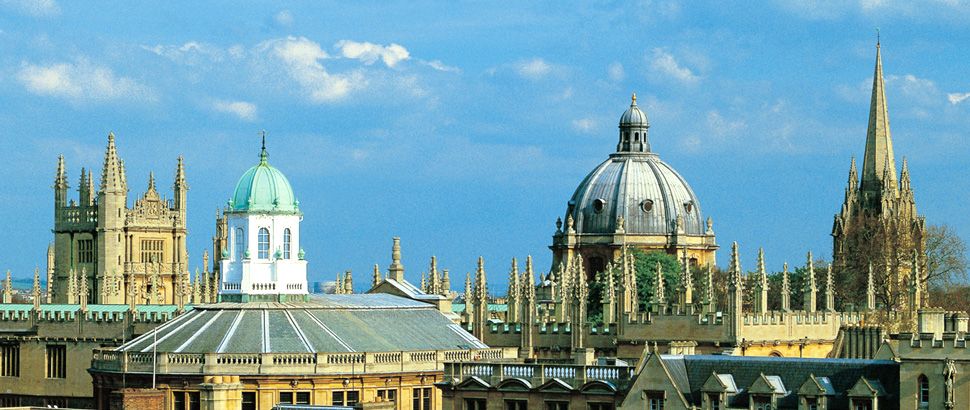
spires_view__970

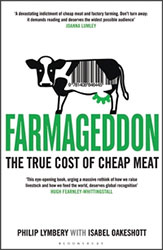
As we continue menu/kitchen-testing at 51, we confront daily the question of how much meat we want to offer guests, how to source it ethically, and how to improve our vegetarian options.  This book has generated considerable food for thought, so to speak. March 27 at 4pm, during the Oxford Literary Festival, co-author of the book Farmageddon, which is reviewed here and here, will be speaking for one hour. Wish we could attend. If you can and do, please send video or notes:

39829The chief executive of Compassion in World Farming Philip Lymbery uncovers the trend towards mega-farming that he says is threatening our countryside, farms and food. He says farm animals have been disappearing from our fields as food production becomes a global industry. And the recent horsemeat scandal demonstrates that we no longer know for certain what is entering the food chain. Lymbery collaborated with Sunday Times journalist Isabel Oakesott onFarmageddon, an investigation into mega-farming that ranges from the UK to Europe, the USA, China, Argentina, Peru and Mexico. Continue reading