Rwanda, Third Message

Rw3a.jpeg

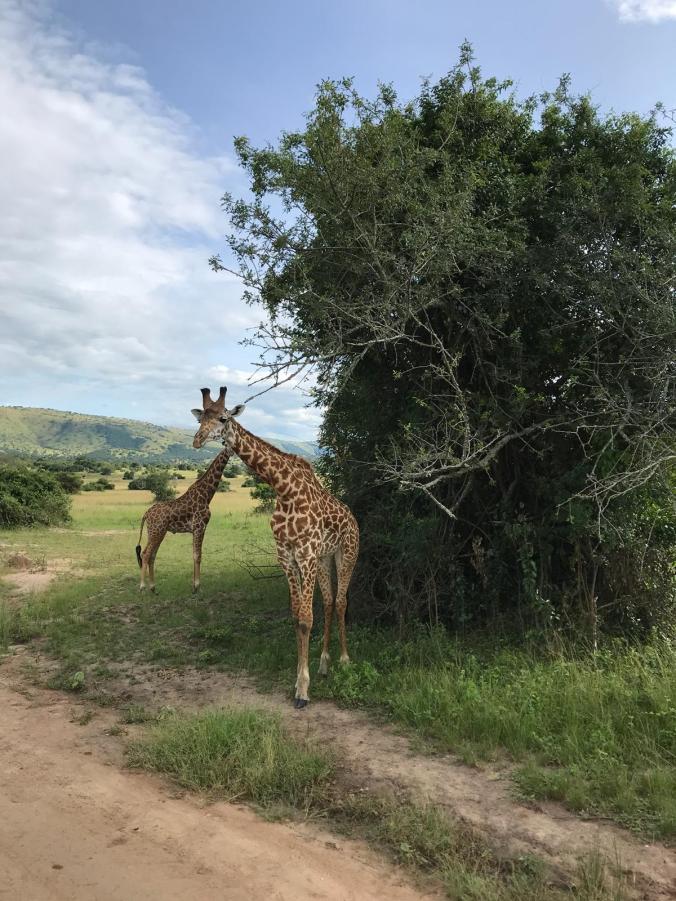
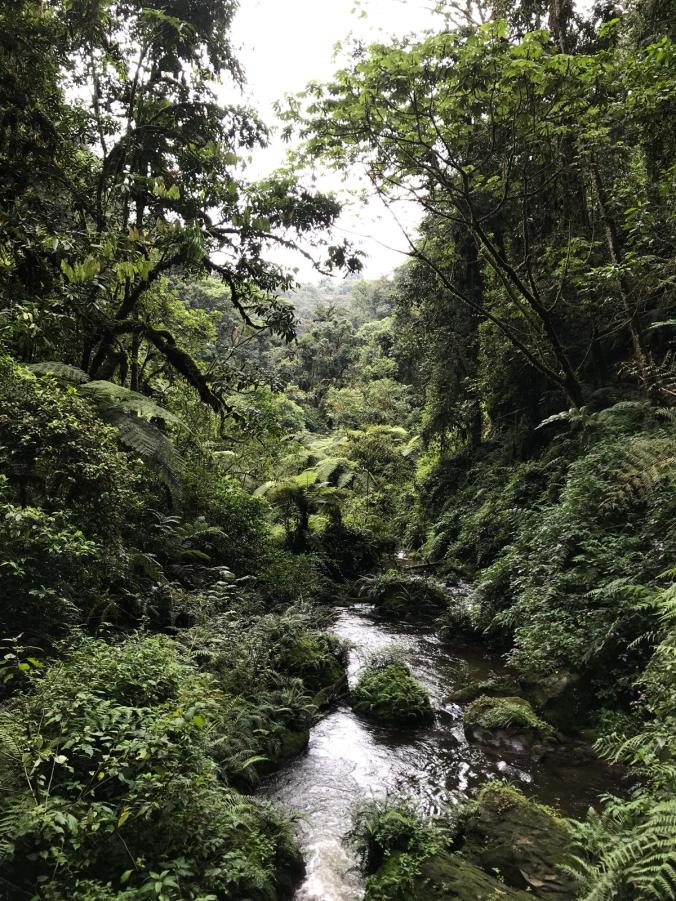
The image above was taken after the last giraffe photo, but I do not know where. Today Seth sent more photos after he and his colleagues hiked up, through a national park, to the upper reaches of a volcano.

Rw3b.jpeg

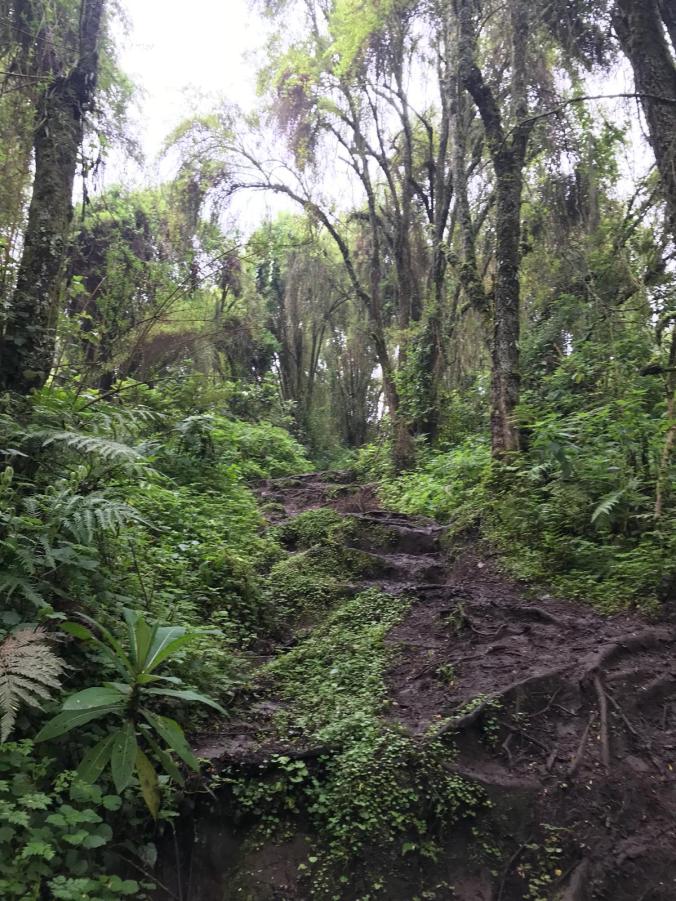
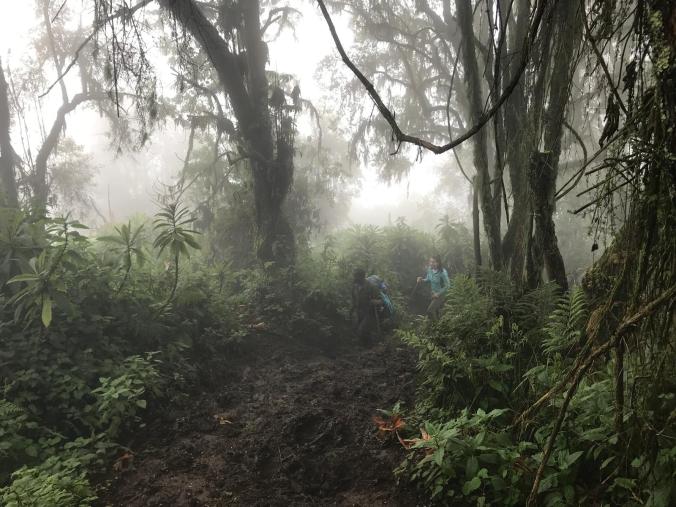
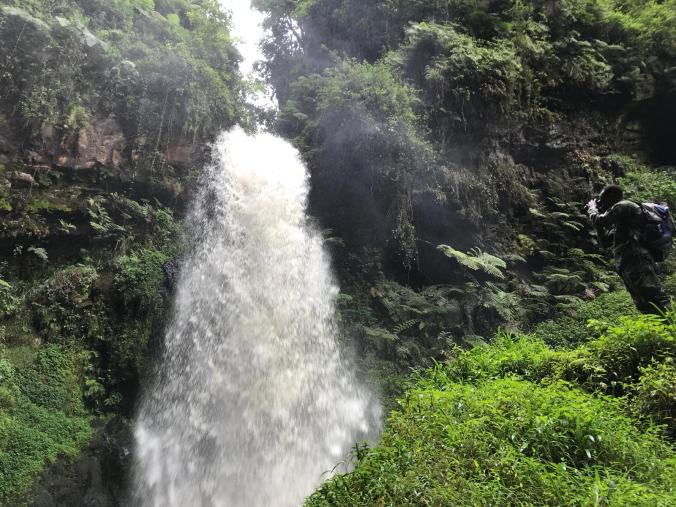
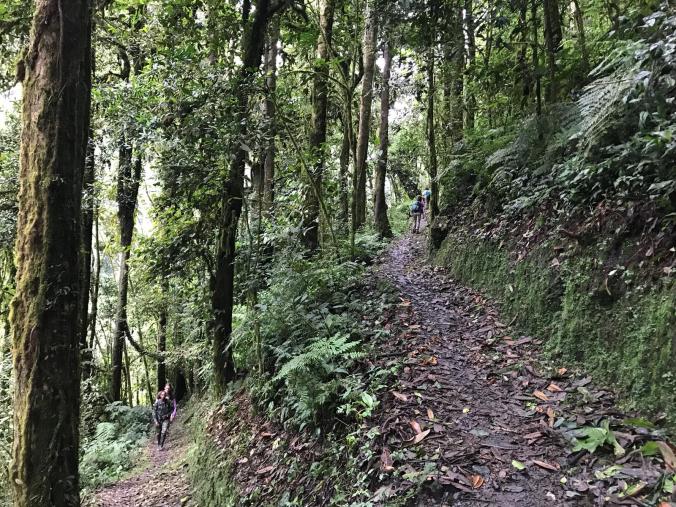
Hiked to the summit of Visoke volcano in the national park, the toughest hike I’ve done just for elevation (got up to 3711 meters asl) through the wettest slush mud

Seth is plenty verbal. But under these circumstance I appreciated the parsimony of words in his message accompanying the photos. I have been at that altitude and it does not encourage chit chat.

Rw3c.jpeg

We have lived and worked in beautiful places; again, all I can say is I look forward to Ghana.

Rw3d.jpeg

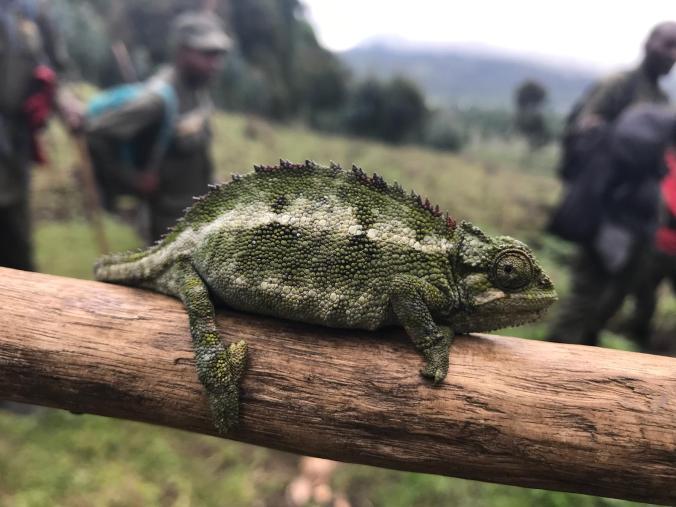
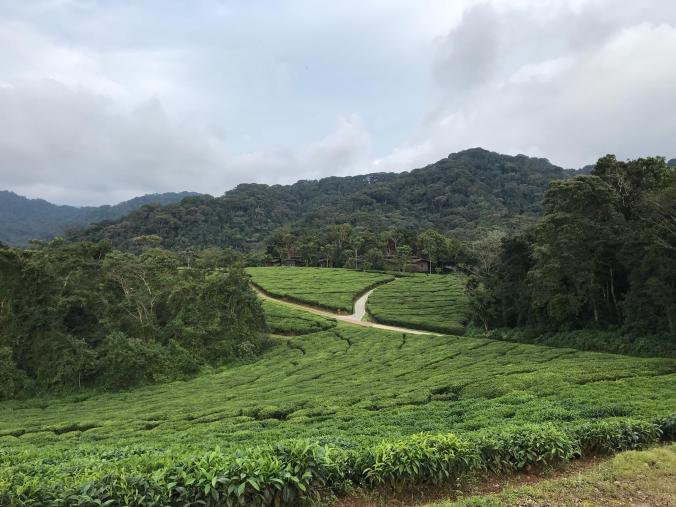
And again, my favorite image is not the one I would have expected.

Rwandan Charismatic Megafauna (& Honey)

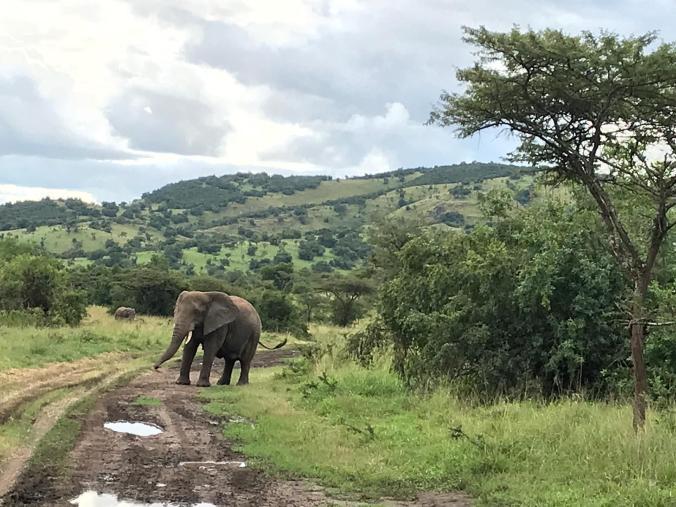
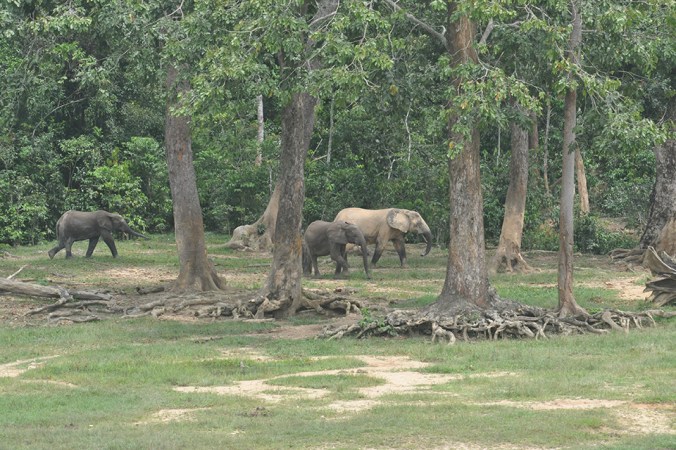
RwElephant.jpeg

Seth sent a few more messages, in the form of images, from Rwanda. One day soon I will describe what he is doing there, but for now the images say more than enough.

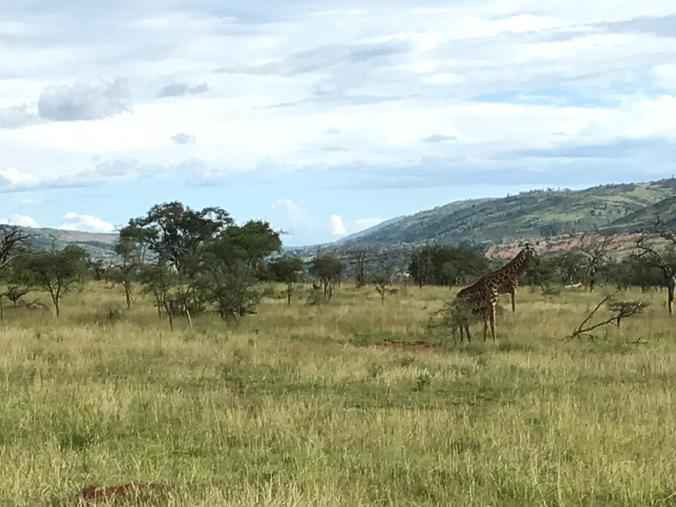
RwGiraffe.jpeg

While elephants are a childhood favorite animal for Seth, he had seen Asian elephants in the wild, so that probably made seeing giraffe the charismatic topper so far.

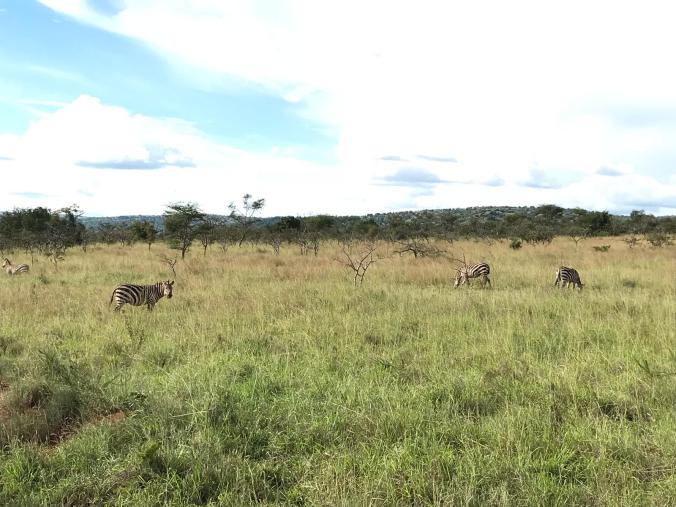
RwZebra.jpeg

Once zebra is added to the list of species seen, it might start feeling like all is well in the wild (even if we know it is not).

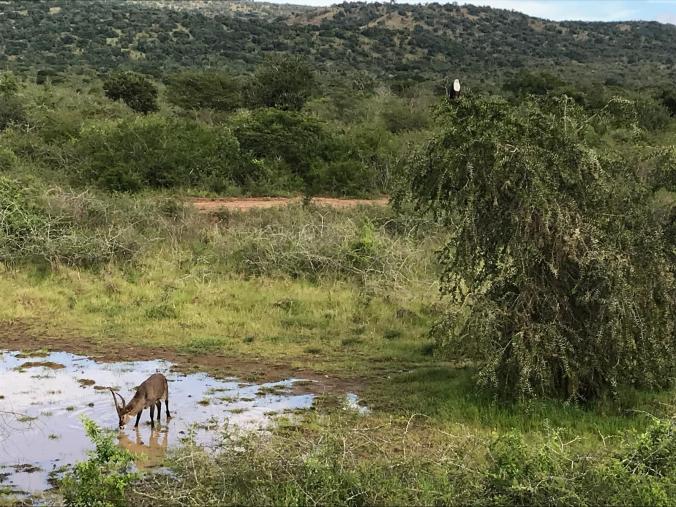
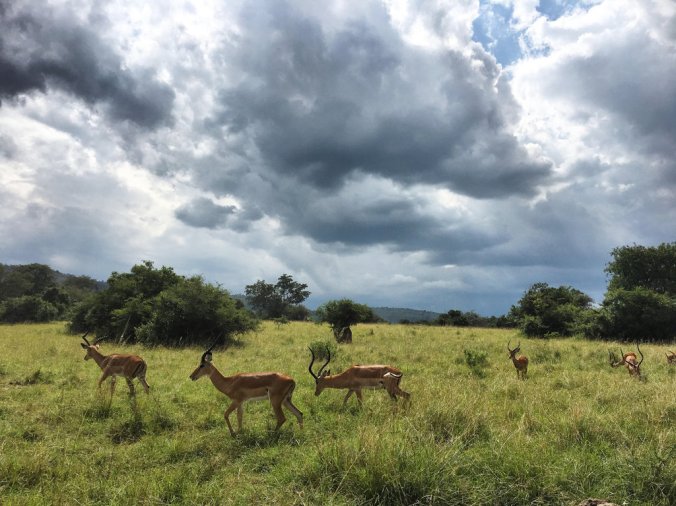
RwBuck.jpeg

Waterbuck with African Fish-Eagle

One of the few photos that had any words to explain was this one, which is to be expected of a birder in the realm of charismatic megafauna.

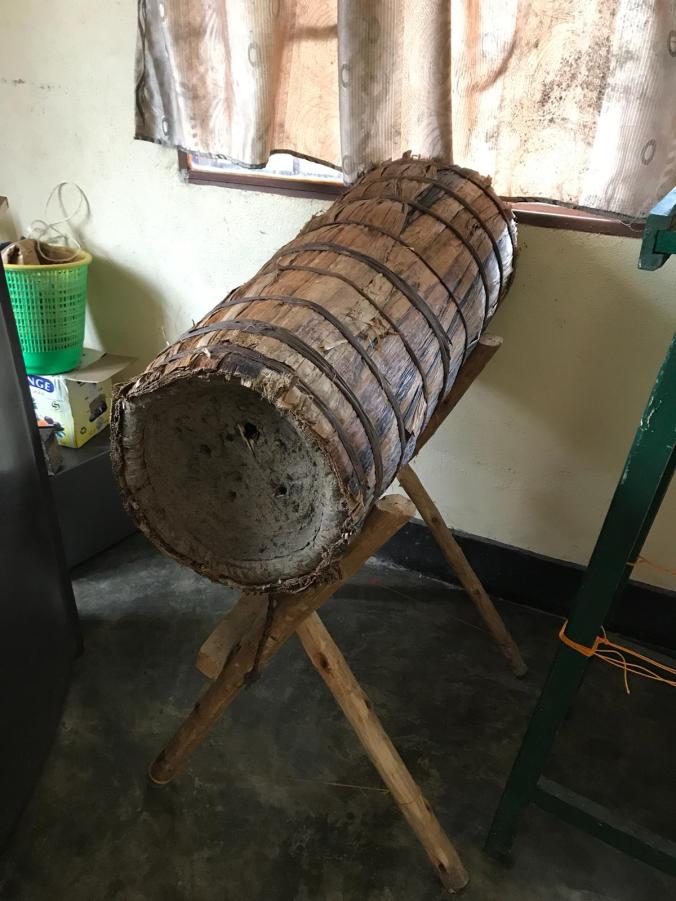
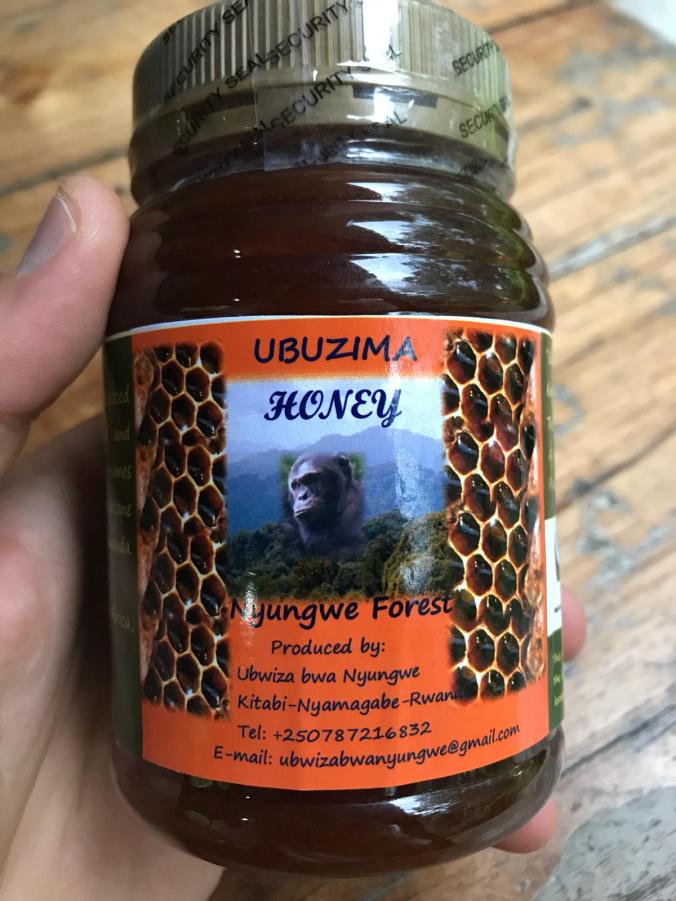
RwHoney1.jpeg

But of all the photos, the one that caught my eye was the one above, which I do not yet have an explanation for but it is in surrounded by the following photos which put it in some context.

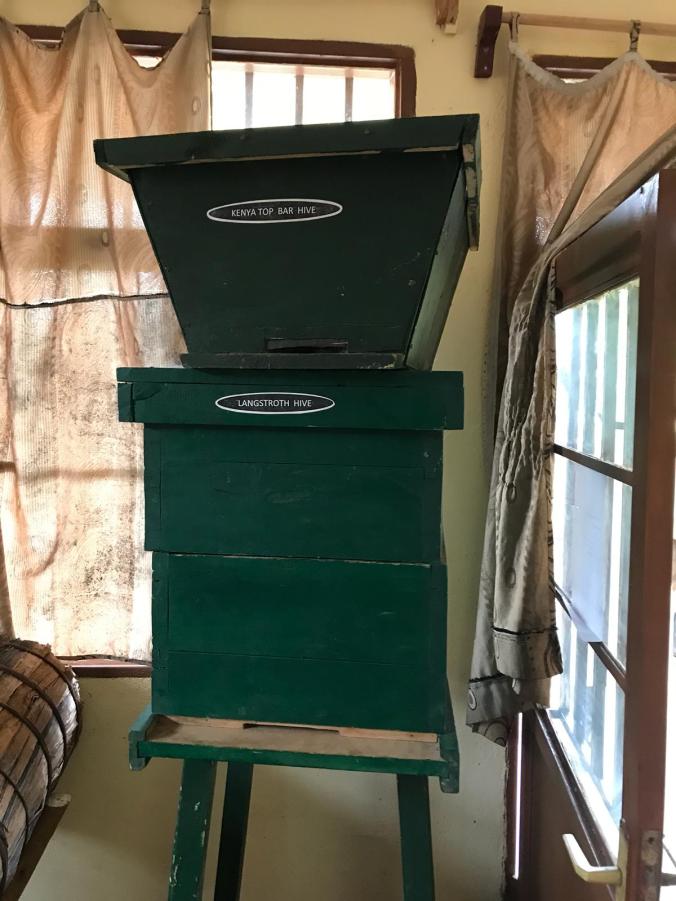
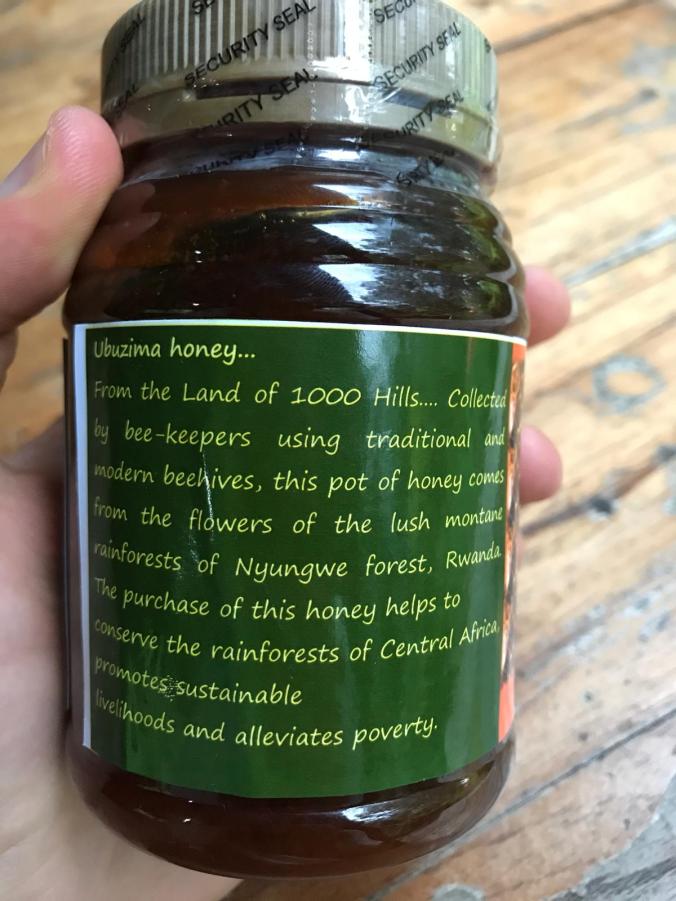
RwHoney2.jpeg

That gives a hint.

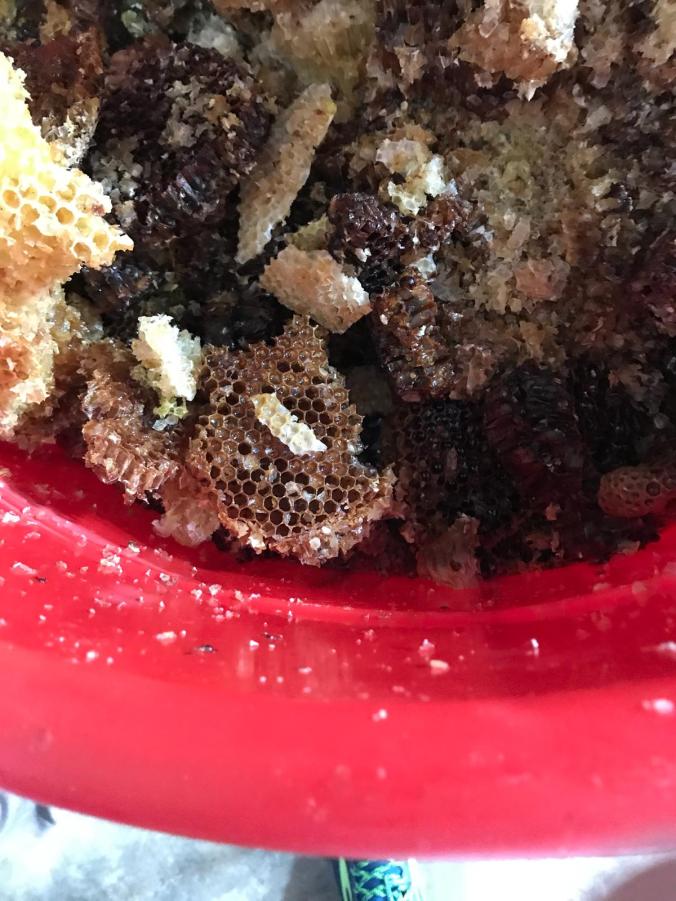
RwHoney3.jpeg

This answers the question.

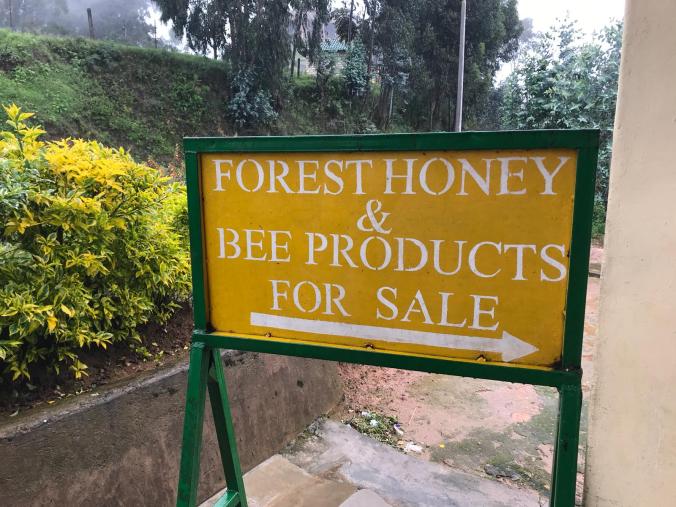
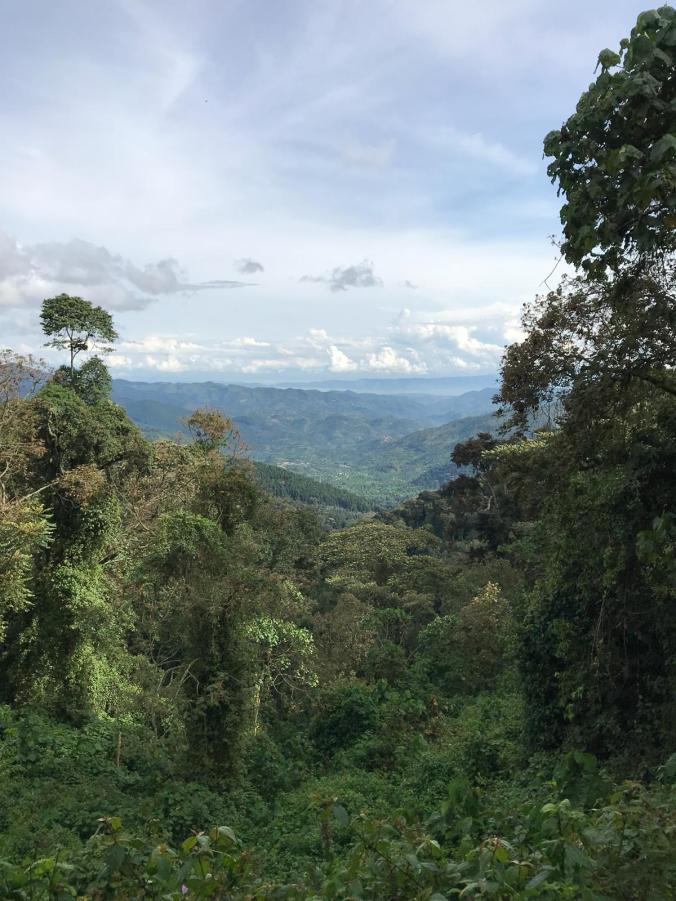
RwHoney4.jpeg

And this makes it crystal clear. Seth had already sent an image from an earlier field visit that he knew would catch my attention.

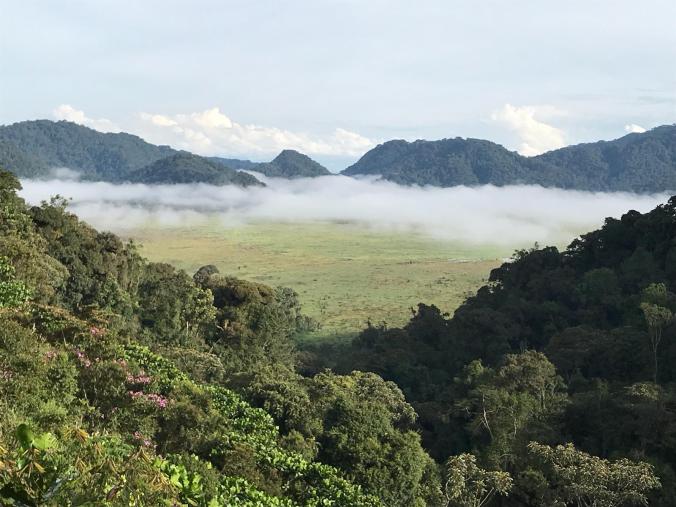
RwHoney5.jpeg

The origins of Organikos can be traced to a project I led in 2005 in Paraguay, where I had the idea that wild-hunted honey from the Pantanal region could share the taste of place with the world while at the same time providing much-needed cash infusion to the honey hunters and the protection of their wilderness areas. Seth knows that story and knows to send me photos of honey from wild places as a polite indication that the idea was a good one, if not original.

RwHoney6.jpeg

Problem Solving the Entrepreneurial Way


The phrase “necessity is the mother of invention” comes to mind when related to overcoming the obstacles of handling emergencies in remote or dangerous locations. But after listening  to Zipline founder Keller Rinaudo’s TED talk, “entrepreneurship is the new philanthropy” seems more apropos. Our direct experience is more within the entrepreneurial conservation model in developing economies, but the energy with which many countries have leap frogged established technologies with 21st century models and solutions belies their assumed status of development. Continue reading

Visual Notes From Rwanda

Rwanda1.jpeg

Seth is in Rwanda, and until now only one of his photos was posted here. His last written post on this platform was about a year ago, when he was preparing for graduate school, but since then dozens of his photographs have been shared here as bird of the day. I do not expect him to have time to share written description here of his work in Rwanda, so I will share some of the photos he is sending us.

Rwanda2.jpeg

I do not know where these places are, yet. But I hope to hear soon.

Rwanda3.jpeg

La Paz Group was part of a consortium a decade ago competing for a project, funded by USAID, to assist Rwanda’s government with planning for the future of nature-based tourism. Our proposal was not the winning proposal, so I did not have the chance to see the country in person. Yet. But based on these photos, I will.

Rwanda4.jpeg

My last long term assignment in Africa was in Ghana. My last prospecting for a long term assignment was in Ethiopia. Both of those countries are worthy of revisiting, and I intend to do so. But Rwanda has jumped to the top of the must visit list in Africa.

Rwanda5.jpeg

What is not visible in any of these photos is Seth’s encounters with wildlife. I have heard about gorillas, chimpanzees, colobus monkeys and plenty of bird species. He has sent pictures of wildflowers, mushrooms, ants. Not just any ants. Driver Ants! But for now, the bucolic natural and manicured landscapes are enough to convince me.

Rwanda6

Stories Without End – The Grandmother Project

The Ogelthorpe University Museum of Art is one of the gems of the Atlanta area, for good reason. Not only does the museum have its own well curated collections, it receives visiting collections that are timely and powerful.

Tara Rice‘s Grandmother Project photographic series highlights the historically matriarchal influence within African cultures, coinciding with the project based in Senegal “promoting health, well-being and rights of women and children in developing countries through grandmother-inclusive and intergenerational programs that build on communities’ cultural values and resources.”

The photo series dovetails perfectly with the female centric collection of sculptures and masks in the sister exhibit, Stories Without an End.

Stories Without an End: Power, Beauty and Wisdom of Women in African Art of the Mehta Collection

January 18 – April 21, 2018

The exhibition Stories Without an End: Power, Beauty and Wisdom of Women in African Art of the Mehta Collection includes a selection of 50 classically carved wooden sculptures and masks drawn from the collection of Dileep and Martha Mehta.

The exhibition represents art from more than 25 ethnic groups spanning 12 countries. These objects are gathered into thematic groups including women in governance, maternity, idealized beauty, and female ancestors.

OUMA members Dileep and Martha Mehta are collectors of African and Asian arts. Their African art collection, including objects in this exhibit, has greatly benefited from diligent sourcing by and wise counsel of African Art dealers Tamba Kaba and Sanoussi Kalle.

This exhibition was developed by Elizabeth H. Peterson, OUMA director, and organized by Amanda Hellman, PhD, curator of African art, Michael C. Carlos Museum, Emory University.

Stories Without an End was inspired in part by the work of the Grandmother Project (GMP) an American 501(c)(3) nonprofit organization and a Senegalese NGO with representatives throughout the USA and abroad. GMP, with headquarters in Senegal, works with elders in West African villages to fight the maltreatment of young girls. This includes bettering maternal and child nutrition, reproductive health, and marriage standards. The exhibition title is inspired by the GMP initiative “stories without an ending,” which is a tool used to facilitate communication via the elders. For more about the Grandmother Project please visit www.grandmotherproject.org.

The Grandmother Project: Photographs by Tara Rice

January 18 – April 21, 2019

The Grandmother Project (GMP) develops community approaches that promote positive and sustained improvements in the lives of girls, children, women, and families by building on existing cultural and community values, roles and assets in southern Senegal. Continue reading

Adaptation & South-South Cooperation

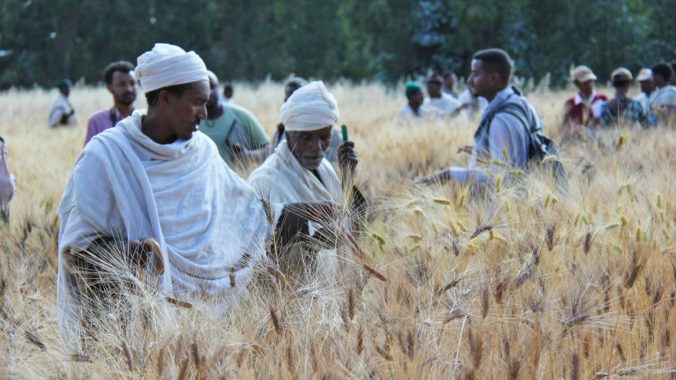
Ethiopia_Wheat_23496722552_5868e72816_k_web

Ethiopian farmers examine the results of a trial of wheat varieties. BIOVERSITY INTERNATIONAL

The bread we eat in the not so distant future may depend on the type of cooperation described below. Thanks to Yale e360 and Virginia Gewin for this story:

How Crowdsourcing Seeds Can Help Farmers Adapt to Climate Change

In Ethiopia and other developing nations, scientists are working with small-scale farmers on trials to see which seed varieties perform best in changing conditions. These initiatives are enabling farmers to make smarter crop choices in the face of rising temperatures, drought, and more extreme weather.

Ethiopia_Wheat_23605266175_c076fa1be7_k_web.jpg

Durum wheat varieties grow in trial plots in Ethiopia’s Amhara region. Thousands of farmers participated in the project, testing how various wheat strands performed under changing climatic conditions. BIOVERSITY INTERNATIONAL

In Ethiopia’s undulating, high-elevation grasslands, farmers — most of them working parcels of only two to three acres — produce more wheat than anywhere else in sub-Saharan Africa. They accomplish this feat in the face of chronically short supplies of high-quality seed. Still, Ethiopia’s record harvest of 4.6 million metric tons in 2017 didn’t satisfy the country’s needs, forcing it to import an additional 1.5 million tons of wheat. Continue reading

Anything But Sweet

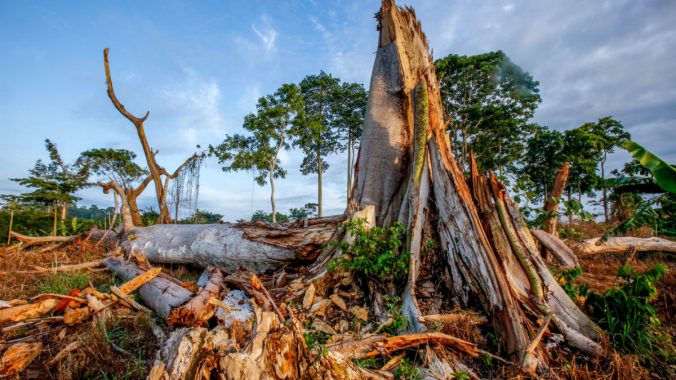
ScioForest_Better_Cocoa-0689_web2.jpg

Trees felled for a cocoa plantation inside the Scio Forest Reserve in western Ivory Coast. MIGHTY EARTH

Fred Pearce provides puzzling yet somehow understandable examinations of environmental challenges, that make it impossible to look away with a clear conscience. Since reading this (note the photo above and in that story) I have been paying more attention to chocolate and its origins. I appreciate Mr. Pearce’s deep dive into the dark reality documented in this story:

The Real Price of a Chocolate Bar: West Africa’s Rainforests

Ivory Coast has lost more than 80 percent of its forests in the last 50 years, mainly to cocoa production. The government has a plan to turn over management of former forest to international chocolate manufacturers: Is it a conservation strategy or a land grab?

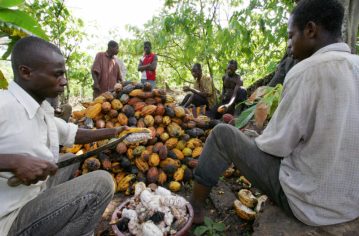
IvoryCoast_Cocoa_GettyImages-77612143_web.jpg

Workers cut cocoa in the Ivory Coast village of Godilehiri. Most of the country’s cocoa is grown by small farmers, on plots of 7 to 10 acres. ISSOUF SANOGO/AFP/GETTY IMAGES

How can you save the last rainforests from rampant deforestation in one of Africa’s most biodiverse countries? A crackdown on those responsible — in this case, chocolate growers and traders? In the Ivory Coast, the government thinks differently. It is unveiling a plan instead to remove protection from most of its remaining forests and hand them over to the world’s chocolate traders. Is this madness, a brutal land grab, or the only way out?

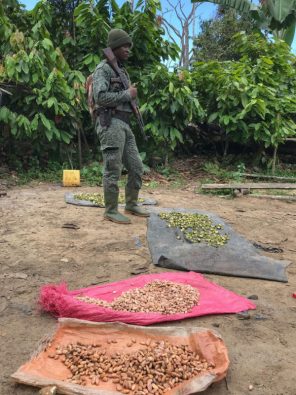
Best-Cocoa-Photos-03_SODEFOR-park-ranger-in-charge-of-Cavally-protected-area-standing-over-illegal-cocoa-found-during-a-patrol_web.jpg

A park ranger stands over illegally harvested cocoa, found during a routine patrol of the Cavally Classified Forest in Ivory Coast. MIGHTY EARTH

In the past half-century, few countries have lost rainforests as fast as the Ivory Coast. More than 80 percent of its forests are gone, most following an illegal invasion by as many as a million landless people into national parks and other supposedly protected forests. The Marahoue National Park alone has 30,000 illegal inhabitants. The invaders are growing cocoa to supply the global chocolate business.

The Ivory Coast, a West African country the size of New Mexico, produces more than a third of the world’s cocoa. The crop contributes around a tenth of the nation’s GDP. But around 40 percent of the country’s cocoa crop — more than a tenth of the world’s chocolate bars — is grown illegally in the country’s national parks and 230 supposedly protected government-owned forests, known as forêts classée, says Etelle Higonnet of Mighty Earth, a United States-based environmental group active in cataloging the footprint of key global commodities.

Most cocoa is grown in monocultures of what is known as the full-sun system, requiring the removal of all surrounding trees. Meeting the world’s insatiable demand for the beans that make chocolate has resulted in many protected areas being “completely converted to farms,” according to Eloi Anderson Bitty of the University Felix Houphouet-Boigny in Abidjan. Continue reading

When Pictures Are Worth a Thousand Words

_105461276_mediaitem105461275

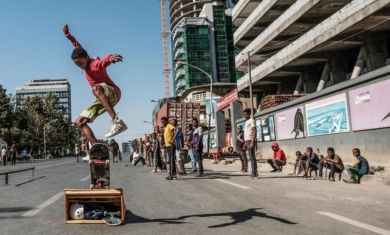
With none of the usual traffic clogging the capital, Sunday football devotees took to the streets.

I remember car free days in Paris with pleasure, sunny autumn weather topped by cyclists, pedestrians and skaters enjoying wide boulevards and narrow city lanes alike. New York City has a smaller scale version, with a 2 mile stretch of lower Broadway, plus a mile up in Washington Heights.

_105461998_mediaitem105461997

The event also allowed skateboarders to show off their skills.

No traffic days taking place in developing countries somehow feels all the more impactful, especially considering it’s a monthly event, rather than an annual one! Thanks to the BBC for bringing this to our attention with the story No traffic in Addis Ababa as Ethiopia marks Car Free Day:

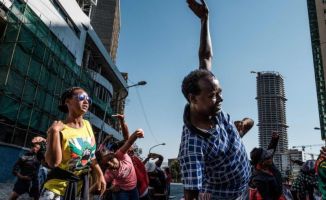
Thousands of people have marked Car Free Day in cities across Ethiopia by walking and exercising.

_105462371_052075291-1

The measure was implemented by the government of Prime Minister Abiy Ahmed, who was came to office last April after his predecessor resigned.

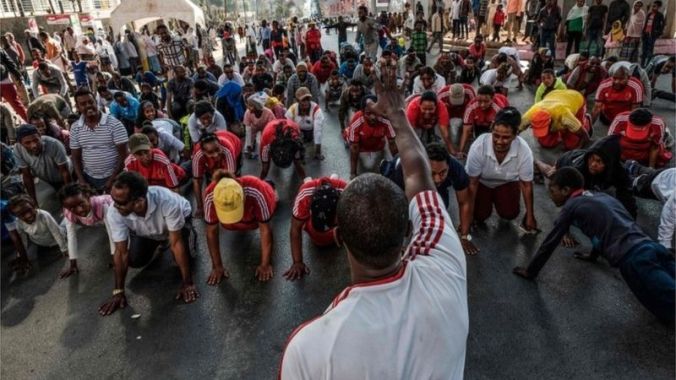
Major roads were shut as Health Minister Amir Aman led the walk in the capital, Addis Ababa.

This was the first Car Free Day held in Ethiopia to promote healthy living, and to reduce pollution on roads usually clogged with traffic.

Tents were also set to offer free health checks to those who were walking and exercising.

_105461278_mediaitem105461277

All photos by Eduardo Soteras, AFP

Mr Amir is trying to change that and Car Free Day will be held on the last Sunday of each month, he adds. Continue reading

Hunting Wild Coffee

merlin_149142180_e389d902-4d9f-4559-b2f6-687d704e15eb-jumbo.jpg

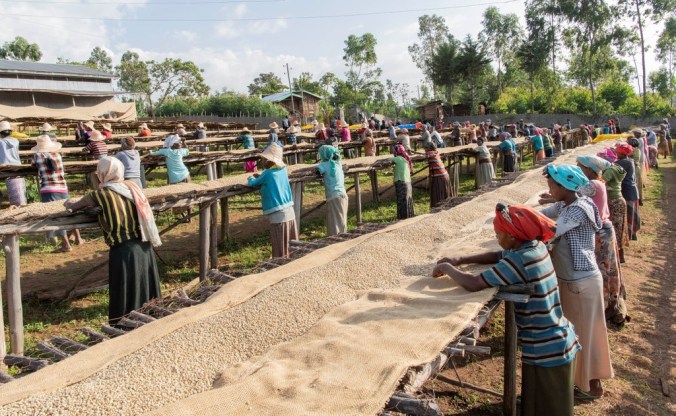
Drying coffee beans in Ethiopia. More than half of all species are at risk of vanishing in the wild because of climate change and deforestation. Maheder Haileselassie/Reuters

As much as I thought I learned in the last year about coffee, I got a hint just now, reading the article below, how steep my learning curve remains. 124 species of coffee? So much to hunt, so little time! Thanks to Somini Sengupta for this story:

15CLI-COFFEE2-jumbo.jpg

Picking coffee berries on a farm in Ethiopia. Maheder Haileselassie/Reuters

Aaron Davis, a British botanist, has spent 30 years trekking across forests and farms to chronicle the fate of one plant: coffee.

He has recorded how a warming planet is making it harder to grow coffee in traditional coffee-producing regions, including Ethiopia, the birthplace of the world’s most popular bean, arabica. He has mapped where farmers can grow coffee next: basically upcountry, where it’s cooler. He has gone searching for rare varieties in the wild. Continue reading

Defending Megafauna

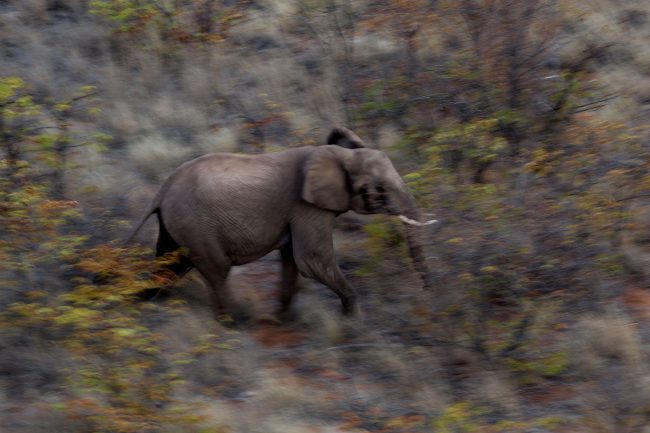
Canby-Elephant-Path-Njaia-Njoku.jpg

Perhaps as few as eighty thousand African forest elephants remain, and a new documentary explores the megafauna’s threats and defenders.Photograph Courtesy Elephant Path / Njaia Njoku

When we moved to Kerala in 2010 one of our motivations was that among the properties we would take responsibility for one was within a vast protected forest area in southern India. It was/is one of the great remaining habitats of elephants and tigers among other mammals, not to mention birds and all kinds of other life. Which is to say the ecosystem is intact enough to support apex predators and their megafauna prey, and everything around them and below them in the food chain. Which makes their viability as species possible. We networked as much as possible with scientists whose initiatives seemed relevant to our own.  Todd McGrain somehow escaped our attention until now, even though his work at the Lab of Ornithology should have caught it the way other artists’ did. Thanks to Peter Canby for pointing us here, and we have taken the liberty of inserting some of Tom’s other photos within the text below, which you can click on to go to one of his websites to learn more:

EP_0277.jpg

EP_0419.jpgIn Africa, there are two kinds of elephants: savanna and forest elephants. The species diverged somewhere between two and six million years ago, with the better-known savanna elephants spreading over the plains and open woodlands of Eastern, Southern, and Western Africa while forest elephants stayed behind in the dense forests at the center of the continent. Although the two occasionally hybridize, they are widely viewed as separate species. Forest elephants are smaller, with smaller and straighter tusks. The size of their tusks, however, has not protected them from rampant poaching, because the tusks have a distinctive hue, sometimes known as “pink ivory,” that has made them particularly valuable.
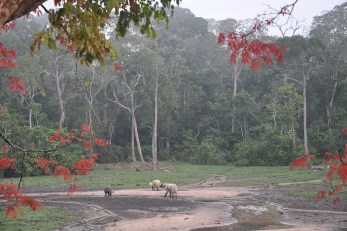
EP_0634.jpgSomething about the nobility of forest elephants regularly raises concern for their extinction. The tropical forests of the Congo Basin, once considered impenetrable, are now yielding to logging roads, mines, and even palm-oil plantations. In 2013, a widely respected study by Fiona Maisels, of the Wildlife Conservation Society, found that, between 2002 and 2011, the population of forest elephants had declined by sixty-two per cent. Perhaps as few as eighty thousand remain. The story of these declining numbers is also a story of habitat destruction. Where forest elephants exist in an undisturbed state, they build networks of trails through the deep forest. These trails connect mineral deposits, fruit groves, and other essentials of forest-elephant life. In Central Africa, there are dozens of fruit trees whose seeds are too large to pass through the guts of any other animal and for which forest elephants have evolved as the sole dispersers. These trees line the forest-elephant paths. Where elephant populations are disturbed, the paths disappear.
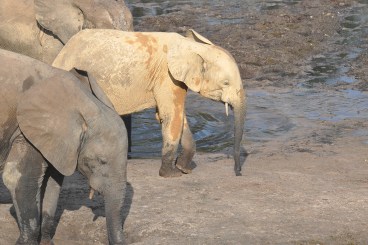
EP_0480.jpgMatt Davis, a researcher in ecoinformatics and biodiversity at Aarhus University, in Denmark, recently published a paper arguing that we are entering a period of extinction of large mammals akin to the scale of the extinction of the dinosaurs. “We are now living in a world without giants,” he told the Guardian, and went on to detail the many ecological consequences of the loss of megafauna. When I asked John Poulsen, an assistant professor of tropical ecology at Duke’s Nicholas School of the Environment, if this observation could apply to the role of forest elephants, he said, “Absolutely.”

The sculptor Todd McGrain has made a name for himself, over a thirty-year career, as the creator of sculptural monuments to birds that have been the victims of “human-caused extinction.” It’s not, therefore, entirely surprising that he has directed a documentary about forest elephants, “Elephant Path / Njaia Njoku,” showing at New York’s DOC NYC film festival this Wednesday and Thursday. McGrain’s subjects have included, among others, the passenger pigeon, the great auk, the Labrador duck, the heath hen, and the Carolina parakeet. When McGrain was the artist in residence at the Cornell Lab of Ornithology, Katy Payne, founder of the Elephant Listening Project at the Bioacoustics Research Program, introduced him to something she had discovered: forest-elephant infrasound, which is how elephants communicate inside the forest, at a frequency too low for human ears to register. She pitched up the recordings of elephant calls so that McGrain could listen to them. “I couldn’t help but hear them as bird calls,” he told me. “It was the complexity of their language that grabbed me.” Continue reading

Protecting Nature & Defying The Odds

23akagera2-jumbo-v2.jpg

On a game drive in Akagera. Shannon Sims

Thanks to Shannon Sims for this story of a refuge defying the odds:

A Rwandan Game Park Defying the Odds

Despite modest tourism numbers, Akagera National Park is a success story in the making, particularly considering that, like its host country, it survived catastrophe.

23akagera-jumbo-v2

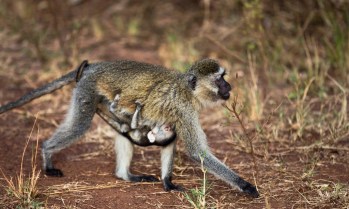
A velvet monkey and her baby in Akagera National Park. The Rwandan park is a success story, despite modest tourism numbers. Credit Ben Curtis/Associated Press

The road through Akagera National Park in eastern Rwanda was blocked. Two giraffes had positioned themselves smack in the middle of the dirt road and were rubbing their necks together. In the car, with a driver and a guide, my cell service was long gone; there was nothing to do but sit back, relax and enjoy the show.

Right around this time of year, to the east of Rwanda’s borders, in Tanzania and Kenya, big packs of tourists are stumbling over each other to get the perfect photo of a scene like this. They’re driving through protected areas like Serengeti National Park and the Maasai Mara National Reserve in caravans of Land Rovers, each packed so tightly that peoples’ binocular straps get tangled up. It makes sense: the animal migrations that occur in this part of the world these months are rightly considered by many to be the greatest natural show on earth. Continue reading

World Elephant Day

23 July 2018. Elephant Relocation from Venetia Limpopo Nature Reserve (South Africa) to Zinave Reserve (Mozambique). Picture: JAMES OATWAY

Our fascination with elephants is evident throughout the history of this site, and are heartened by actions taken toward increased conservation of these magnificent animals. Relocating large African mammals to new protected areas due to either habitat loss or overpopulation has successfully been done before, but the challenges continue.

Giants on the Move

Written by Patricia Sims, Co-Founder, World Elephant Day

Each year for World Elephant Day we put a lot of our elephant conservation attention toward the ivory poaching crisis threatening African elephants, and the tourism and captivity issues that the endangered Asian elephants face. Yet the larger conservation challenge of habitat loss for both African and Asian elephants is looming. Our increasing encroachment on elephant habitat throughout Africa and Asia is putting elephants at greater risk, resulting in human-elephant conflict issues, and the demise of elephant populations and the ecosystems that they, as a keystone species, maintain.

So what are the solutions? Can moving elephants – from one location where there isn’t enough space for them – to another location where there aren’t enough elephants, help solve this issue? At the heart of this critical elephant conservation conundrum is a partnership between the De Beers Group – the world’s leading diamond company – and Peace Parks Foundation, a leading not-for-profit organization focused on the preservation of large cross-border ecosystems. They have just completed the first phase of the largest and longest translocation of elephants ever recorded in South Africa. This translocation project is called “Moving Giants.

Continue reading

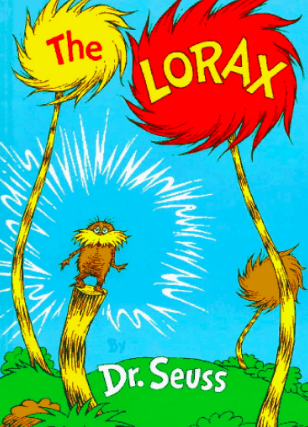
The Mystery of the Lorax: Solved

Dr. Seuss has held an important place in my life, stretching from my own childhood and into parenthood, and connecting the dots between the pure joy of reading and powerful messages keeps him at the top. So what fun to discover the story, species and science behind the inspiration for his most impactful books!

Who Was the Real Lorax? Seeking the Inspiration for Dr. Seuss

What inspired the creature who was “shortish and oldish and brownish and mossy?” The one who spoke in a voice that was “sharpish and bossy?” He spoke for the trees, yet he called them his own. All that he left “in this mess was a small pile of rocks, with the one word … ‘UNLESS.’”

In 1970, millions of people observed Earth Day for the first time, and the Environmental Protection Agency was born. Joni Mitchell’s “Big Yellow Taxi” topped the charts.

And in La Jolla, Calif., Theodor Geisel, also known as Dr. Seuss, was fighting to keep a suburban development project from clearing the Eucalyptus trees around his home. But when he tried to write a book about conservation for children that wasn’t preachy or boring, he got writer’s block.

At his wife’s suggestion to clear his mind, they traveled to the Mount Kenya Safari Club, an exclusive resort where guests watched animals along Kenya’s Laikipia plateau.

And if you haven’t guessed by now, it was there that “The Lorax” took shape — on the blank side of a laundry list, nearly all of its environmental message created in a single afternoon. Continue reading

I’d Like To Spend Some Time In Mozambique

merlin_140018319_94bfdc4a-189d-4677-b377-eb8b81f1a037-jumbo.jpg

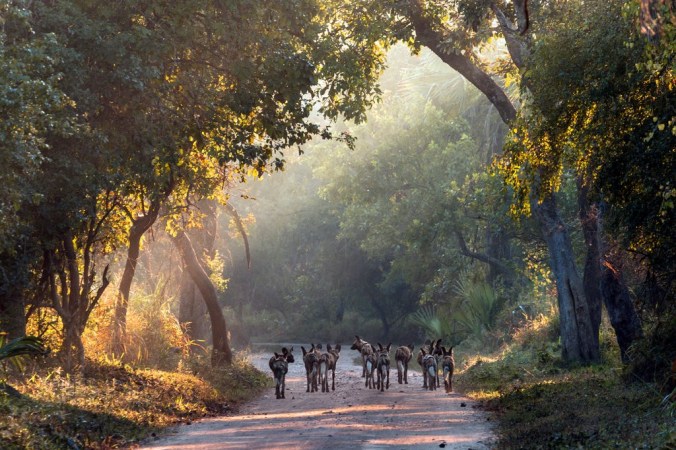
Wild dogs, apex predators missing from Gorongosa National Park for decades, have been reintroduced and are slowly making a comeback, part of an ongoing experiment in reviving the park ecosystem after years of devastating war. Credit Brett Kuxhausen/Gorongosa Media, via Associated Press

Thanks to one of our favorite science writers, the ever-optimistic Natalie Angier, for this note of hope:

In Mozambique, a Living Laboratory for Nature’s Renewal

At Gorongosa National Park, scarred by civil war, scientists are answering fundamental questions about ecology and evolution, and how wildlife recovers from devastation.

merlin_141449499_47b588fd-25e2-4c3c-81b1-1071419e6d19-jumbo.jpg

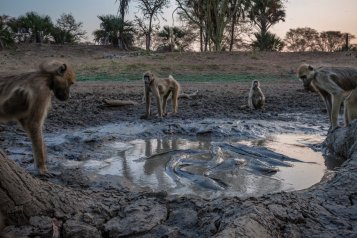
Baboons and sharptooth catfish in the Mussicadzi River in the park during the dry season. The baboons in Gorongosa are brazen and plentiful, as there aren’t many leopards to keep them in check. Credit Piotr Naskrecki & Jen Guyton/NPL/Minden Pictures

GORONGOSA NATIONAL PARK, MOZAMBIQUE — The 14 African wild dogs were ravenous, dashing back and forth along the fence of their open-air enclosure, or boma, bouncing madly on their pogo-stick legs, tweet-yipping their distinctive wild-dog calls, and wagging their bushy, white-tipped tails like contestants on a game show desperate to be seen.

Since arriving at the park three months earlier, as they acclimated to their new setting and forged the sort of immiscible bonds that make Lycaon pictus one of the most social mammals in the world, the dogs had grown accustomed to a daily delivery of a freshly killed antelope to feast on. Continue reading

Cacao, Spices & Imagination

chocolate_dyptch_wide-b516bb95a47d1e00652f58b3dc29f210dc8f324d-s1300-c85

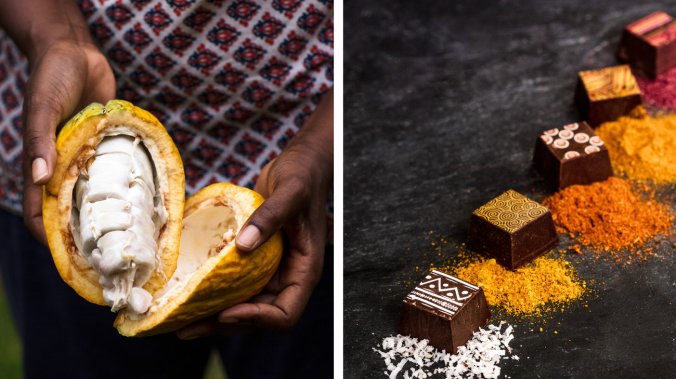
Left, a ripe cacao pod. Right, truffles from Midunu chocolates contain spices and flavors from all over Africa. Midunu Chocolates

Thanks to Amy E. Robertson and National Public Radio (USA) for telling the story of Midunu, a brief excerpt of which is sampled below:

One Woman’s Quest To Tell ‘The African Story Through Chocolate’

…While working in Senegal, Atadika joined forces with two more food-loving friends, and created a pop-up restaurant that was wildly popular. After dipping her toes in the culinary world for a couple of years, she finally took the plunge. In 2014, Atadika resigned from the UN, moved back to her native Ghana and began cooking full time.

Atadika started with catering and pop-up dinners. “It wasn’t my plan to do chocolates,” she says. “But whatever I do in food I look at in terms of adding value, and chocolate just kind of popped in, because we have this cocoa but we weren’t really processing it at the level we should be.” Midunu Chocolates was born. Continue reading

What Is A Hut?


colorhut_2-final_custom-09aeb5ea9bba873e9bc96c627d2154710c4b6e11-s1300-c85

Malaka Gharib/NPR

Thanks to National Public Radio (USA) for bringing this to our attention:

Is It Insulting To Call This A ‘Hut’?

The complaints came in shortly after we ran a story on a government aid program that gave cash to the poor in Zambia. The piece included a profile of a young woman who, along with her husband, had used the money to start a business that had lifted their family to a level self-sufficiency they’d never enjoyed before.

Several readers — okay, just two, but still, it made us take note! — wrote to take issue with my use of the word “hut” to describe the family’s dwelling. Continue reading

Ethiopian Development Puzzles

Omo

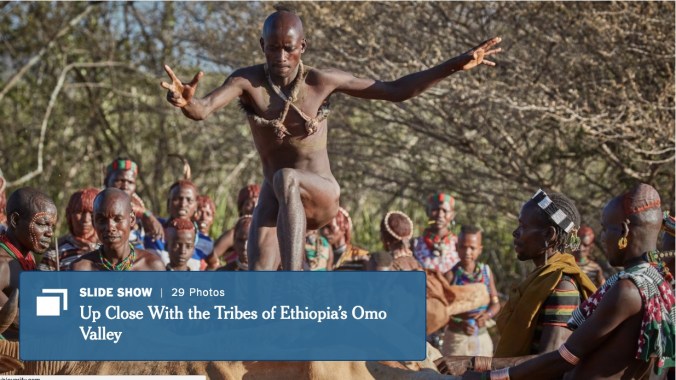
An African subject, for a second day in a row; thanks to Andrew McCarthy and the New York Times for this:

Up Close With the Tribes of Ethiopia’s Imperiled Omo Valley

Both dams and overtourism threaten the Omo Valley. But a sustainable travel initiative offers an intimate experience with local peoples. Continue reading

All In, Eliminating Plastic Bags, Rwanda Is A Leader

RWANDAmap

By The New York Times

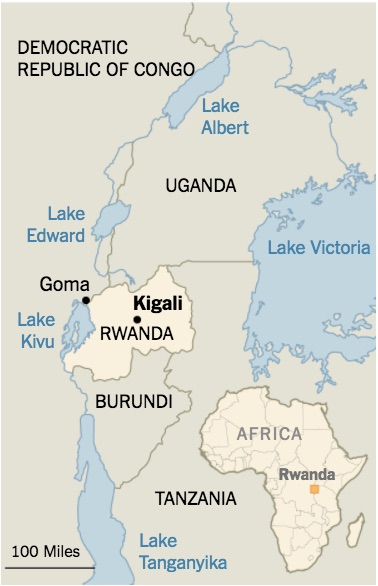
Thanks to the New York Times for this success story from a small country in Africa that has been working its way steadfastly to global leadership, quietly but surely for the last decade-plus. Eliminating plastic bags from a country seems impossible, until you read how it was done:

GISENYI, Rwanda — They are sometimes tucked into bras, hidden in underwear or coiled tightly around a smuggler’s arms.

They’re not narcotics or even the illegally mined gold and diamonds that frequently make it across the border into Rwanda. But they are, at least in the eyes of Egide Mberabagabo, a watchful border guard, every bit as nefarious.

The offending contraband? Plastic bags.

“They’re as bad as drugs,” said Mr. Mberabagabo, one of a dozen border officials whose job it is to catch smugglers and dispose of the illicit plastic he finds. Continue reading

Jane Goodall Then And Now

Jane

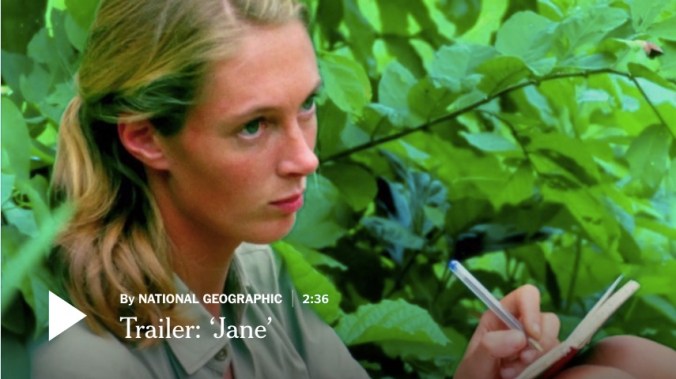
A preview of the film. By NATIONAL GEOGRAPHIC on Publish DateOctober 18, 2017.Image courtesy of Internet Video Archive. Watch in Times Video »

Several of us contributing to this platform have had the opportunity to meet her, and can attest to what Melena Ryzyk says below. There really are not sufficiently powerful words to describe her, but we link out to those stories that try.  It may be that photography or film offer the best medium for understanding and more fully appreciating her work. Click above for the trailer, or click the title below to read the review of this film, high on our list for viewing:

Jane Goodall’s Unparalleled Life, in Never-Before-Seen Footage

If you ever meet Jane Goodall and well up with overwhelmed joy, you won’t be alone. “I make everybody cry,” said Dr. Goodall, the primatologist and conservationist. “The Jane effect.” Continue reading

Nature Needs More Good Ideas

5000d.jpg

There is no known vaccine against temptation to harness nature. There is not enough nature left on the planet to allow this temptation to spread. But bad ideas are infectious:

Tanzania presses on with hydroelectric dam on vast game reserve

Stiegler Gorge dam on the Selous park, a world heritage site listed as ‘in danger’, will cause irreversible damage, say conservationists Continue reading