Hackers, Lentils & Love In A Flower Bed

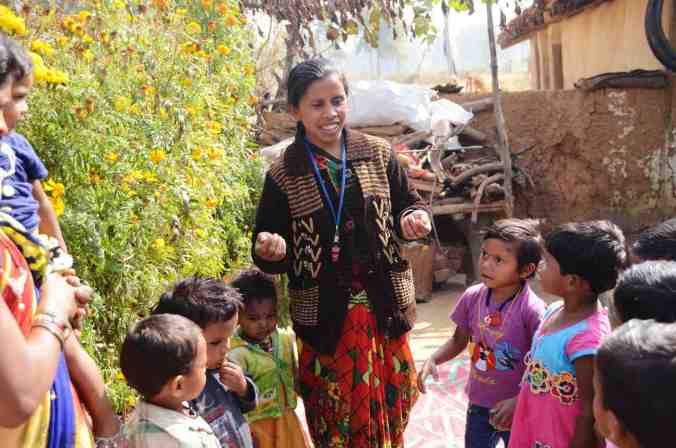
Nursery worker Shivkumari Pate leads children in a learning song. Pate works with the nonprofit Jan Swasthya Sahyog, which developed the first network of community nurseries. Ankita Rao for NPR

Nursery worker Shivkumari Pate leads children in a learning song. Pate works with the nonprofit Jan Swasthya Sahyog, which developed the first network of community nurseries. Ankita Rao for NPR

It would be remarkably easy to fill these pages with stories from India, from various places in Africa and Latin America where we also have projects, that give a strong sense that no matter how quickly solutions get hacked, there are more problems than can possibly be resolved; we spare you those most of the time. Instead, we point to stories like this one (thanks National Public Radio, USA):

…For decades, aid organizations tried to improve the health of moms and babies in Chhattisgarh. Little made a dent. But then a garden of flowers rose up in the state. Continue reading

Sugar Beets, Wherefore Art Thou?

shutterstock_79736593

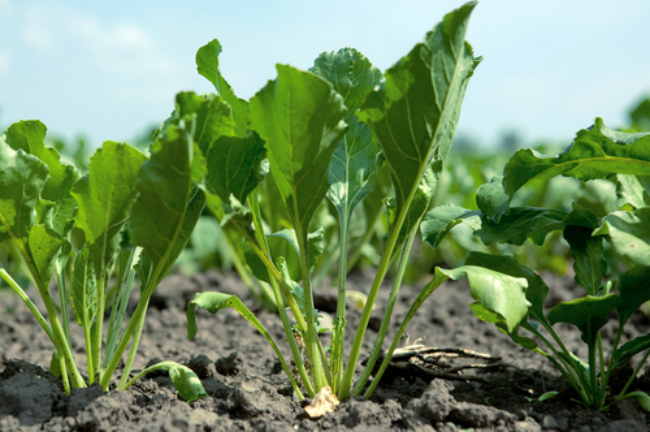
A Dutch scientist has created a process for turning sugar beet leaves into protein. Photo credit: Shutterstock

Thanks to Ecowatch, we can consider the long lost love of our better, healthier selves, found:

Sugar Beet Leaves Create Vegan Protein Alternative

Katie Levans

A scientist in the Netherlands is turning plant waste into a potential substitute for environmentally unsustainable proteins like meat, dairy and soy. The Dutch government commissioned Peter Geerdink, a food scientist at TNO, to identify a use for the 3 million tons of beet sugar leaves produced each year and left to rot after the beets themselves are harvested. The result of his work is a vegan gluten-free plant-based protein extracted from the pressed green juice of sugar beet leaves that, according to Geedink, is as versatile as a chicken egg.

Continue reading

Urban Homesteading, Inspiration For Kayal Villa & 51

This urban homestead produces 6,000 pounds of food a year.

This urban homestead produces 6,000 pounds of food a year.

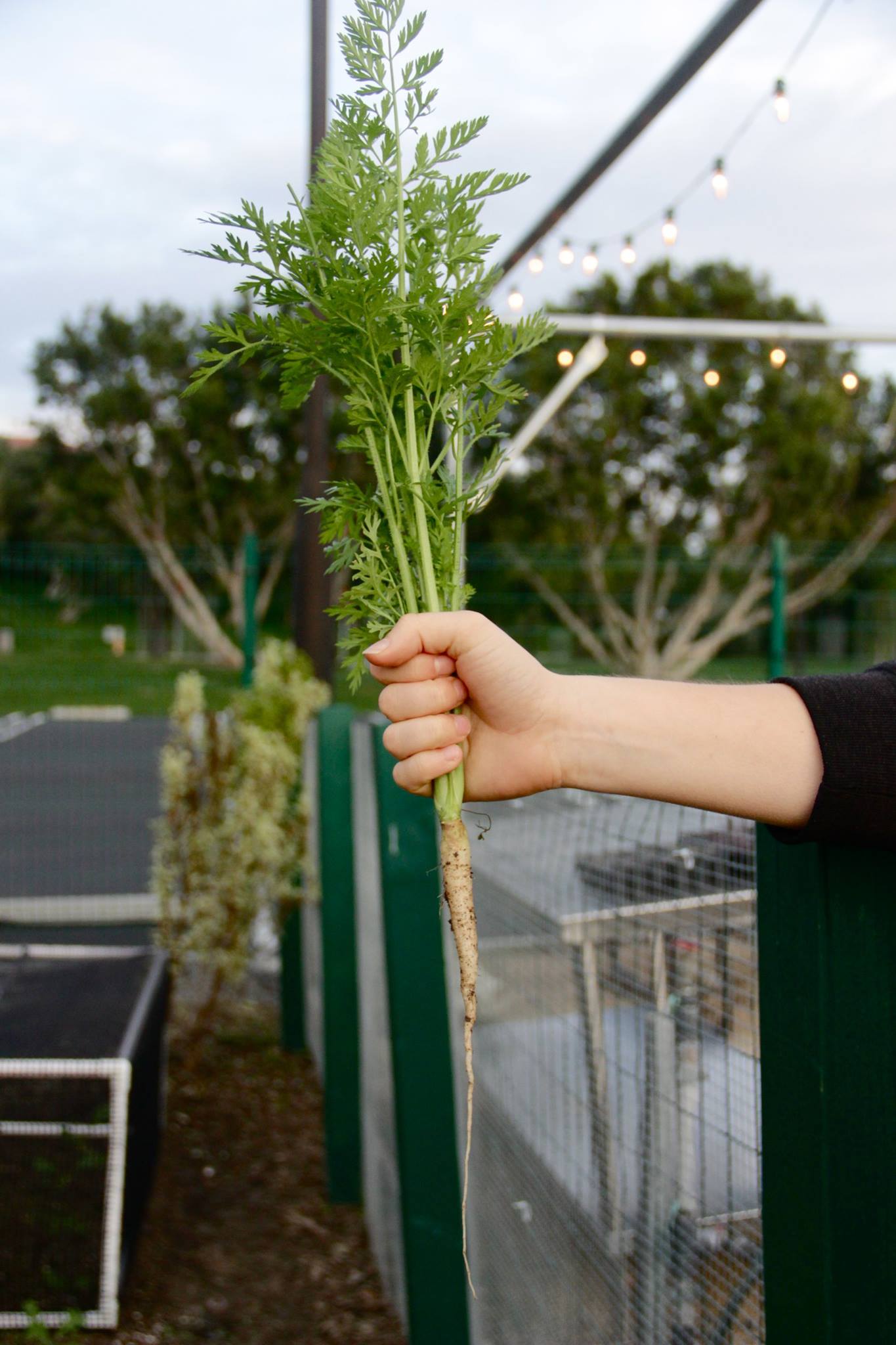
When Kayleigh completed her internship, she left in place a great banana genome initiative as part of the edible gardens landscape at Marari Pearl; ditto for the farm-to-table initiative at Kayal Villa, supplying organic produce and dairy to 51, the restaurant at Spice Harbour. Reading the article below, as always with such stories, we are glad to be part of this particular corner of the green revolution with goals akin to those of a family in Pasadena, California, USA:

Think you can’t grow much food in an urban area? Think again. One family’s 4,000 square foot farm in Pasadena, California “not only feeds a family but revolutionizes the idea of what can be done in a very unlikely place—the middle of a city.” KCET reporter Val Zavala gives us a glimpse into the Dervaes family’s Path to Freedom Urban Homestead. “I brought the country to the city rather than having to go out to the country,” said Jules Dervaes, who created the farm with his three adult children, Justin, Anais and Jordanne.

Continue reading

A Reflection On My Summer In Kerala

Soka Instructional Garden, photo courtesy of Nina Boutin

Soka Instructional Garden, photo courtesy of Nina Boutin

It has been a little over 4 months since I finished my internship, which has given me a lot of time to integrate and reflect on what I learned at Raxa Collective. I spent my first month in Thekkady at Cardamom County and my second month in Cochin at Spice Harbour. I am deeply grateful for this experience because it has informed my personal growth and career path in ways that are hard to articulate, but- I will try.

The month before coming to India, I walked part of the Camino de Santiago, a pilgrimage in Spain. If that wasn’t exhausting enough, I promptly went to India, and when I got to Raxa Collective, I hit the ground running, trying to figure out how I could best be of service and learn as much as possible. I expected for it to be difficult, but I didn’t know how it would be (though I was forewarned about the monkeys).

I’m working towards an environmental studies liberal arts degree at Soka University. A liberal arts degree is interdisciplinary, therefore I’m always looking for the intersection between things people think are separate. Profit and conservation are definitely things people usually think are separate.

I got to look deeply into the way those can intersect when I interviewed Crist about the path they have taken up until now. That interview has been so valuable for me in planning a business model that incorporates environmental and cultural conservation. Now, I think I want to start a restaurant that incorporates my passion for local food, biodiversity, sustainability, agriculture, and community. Continue reading

Pop Up Restaurant Trends

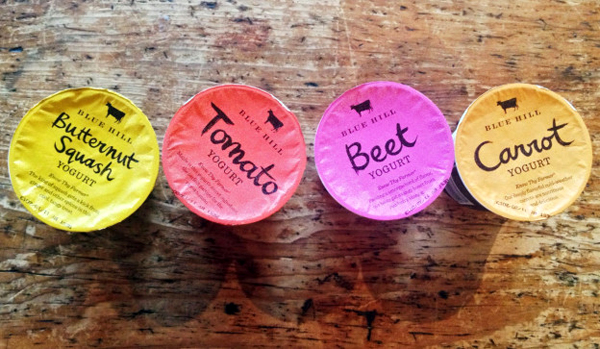
Savory yogurt is one of this year’s top food trends. Photo credit: Blue Hill Yogurt / Facebook page

Savory yogurt is one of this year’s top food trends. Photo credit: Blue Hill Yogurt / Facebook page

Thanks to EcoWatch for this note on trending foodways to watch this year:

On today’s Here & Now, host Jeremy Hobson talked with foodies Kathy Gunst, resident chef for Here & Now, and J.M. Hirsch, food editor for the Associated Press, about some of the trends in food for 2015.

Several trends that the guests identified include, savory yogurt, butter and full-fat dairy, mini vegetables and “new” whole grains such as freekeh, hemp, chia and spelt. Continue reading

Goats, Sheep, Dairy

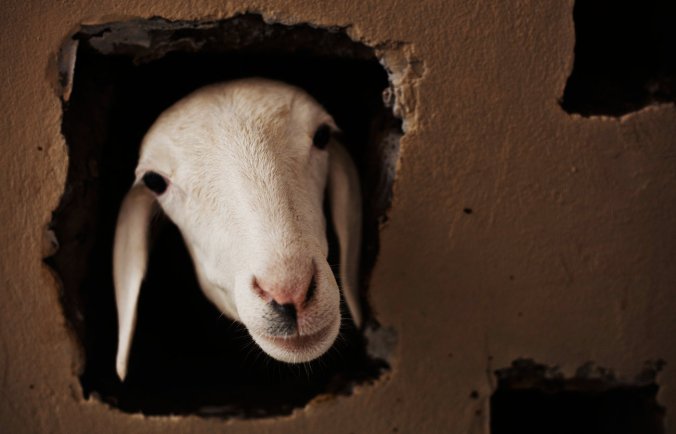
The photographer thought it was a goat. The photo editor thought it was a goat. Sure looked like a goat to the author of this post. It turns out to be a sheep, in Dakar, Senegal. Claire Harbage for NPR

The photographer thought it was a goat. The photo editor thought it was a goat. Sure looked like a goat to the author of this post. It turns out to be a sheep, in Dakar, Senegal. Claire Harbage for NPR

From a strictly culinary vantage point, those of us at Raxa Collective who are not vegetarian are at least slightly more inclined to lamb than to mutton (though this dish is a favorite); but we find ourselves in goat territory more often than in sheep territory. And in goat territory, from a productive agriculture vantage point, we are focused on dairy rather than meat. From the time we started paying close attention to goats we have also been wondering whether sheep might be adaptive to the same territory, and this post got us thinking further along those lines:

So perhaps you noticed a post I wrote last weekend about how you know if your goat is happy. Yes, scientists do study that.

The story had a cute picture of a goat at the top, taken by a photographer in Dakar, Senegal. The farmer told the photographer that the animal was his “goatie.” And to our untutored eyes, it looked like a goat.

And then NPR’s ruminant-wise Africa correspondent, Ofeibea Quist-Arcton, send me an e-mail with the subject: “MARC, THAT’S A PIC OF A SHEEP, NOT A GOAT!”… Continue reading

Understanding Gleeful Goats

Farmers raise millions of goats, but little has been known about whether their ruminants are happy. Now we know better. Kerstin Joensson/AP

Farmers raise millions of goats, but little has been known about whether their ruminants are happy. Now we know better. Kerstin Joensson/AP

Thanks to National Public Radio (USA) for this story on their blog with a funny name, which covers a subject much on our mind as our farm-to-table program at Kayal Villa prepares to supply 51 with dairy from our happy herd:

Goats are having a moment, and we’re not just saying that because our blog is called Goats and Soda.

There are nearly 900 million goats in the world today, up from 600 million in 1990. The reason for this goat spurt is the growing popularity of goat cheese, goat milk and goat meat.

For goat farmers to do a good job, they need to understand their goats. And that’s where Alan McElligott comes in. He’s a senior lecturer in animal behavior at the Queen Mary University of London. And he says that goats are “underrepresented” in animal welfare studies. Continue reading

Healthy Hybrids In Vivid Living Color

Kalettes, BrusselKale, Lollipop Kale and Flower Sprout: This little vegetable, a cross of kale and Brussels sprouts, goes by a lot of names. Rain Rabbit/Flickr

Kalettes, BrusselKale, Lollipop Kale and Flower Sprout: This little vegetable, a cross of kale and Brussels sprouts, goes by a lot of names. Rain Rabbit/Flickr

Our farm to table program in support of 51‘s Malabar Soul Food menu, in which Kayal Villa‘s acreage is serving double duty as beautiful and bountiful, is in full swing, so National Public Radio (USA)’s story here catches our attention:

Does a cross between Brussels sprouts and kale sounds like your vegetable dream come true? Maybe so, if you’re someone who’s crazy for cruciferous vegetables and all the fiber and nutrients they pack in.

Meet Kalettes, a hybrid of the two that looks like a small head of purple kale. It arrived in U.S. supermarkets like Trader Joe’s and Whole Foods this fall, and is being marketed as “a fresh fusion of sweet and nutty.” Continue reading

Carbon Footprint Of Beef

cow-shutterstock_176807426-680x450

One of our most popular posts of all time, Carbon Emissions Series: Vacationers’ Diets, was an eye-opener for many of us 3+ years ago. The 10,000 views of that one post help us understand that readers of this blog care about the food they eat in more ways than one. Thanks to Conservation for this summary:

ACCOUNTING FOR MEAT: THE HIDDEN EMISSIONS IN YOUR STEAK

Each year, the average American chows down on a whopping 120 kilograms of meat. The same is true in New Zealand and Australia. Most Europeans and South Americans dine on slightly more than half that amount of meat each year. Combined that means that as a species, we’re eating some 310 metric tons of meat each year, a 300% increase in fifty years. Meat – which is the primary product of the livestock industry – doesn’t just impact our planet in terms of the quantity of animals slaughtered or the acres of land converted into suitable grazing pastures. It is also a significant contribution to greenhouse gas emissions. Continue reading

Farming, Food & Climate Change

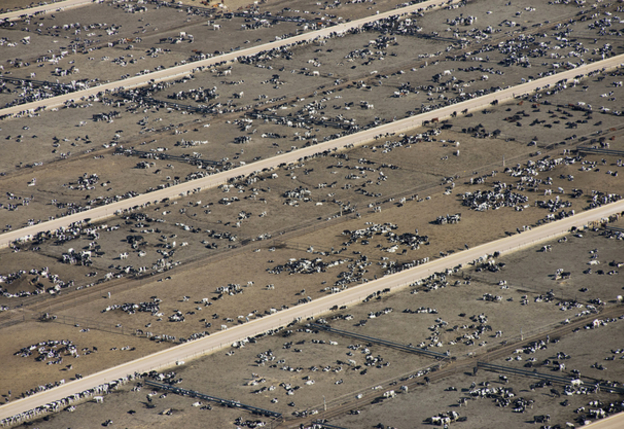
Cattle feedlot, southeastern Colorado. April 2013. 84760. Credit: John Wark

Cattle feedlot, southeastern Colorado. April 2013. 84760. Credit: John Wark

Thanks to Audubon magazine for the interview in their current issue with one of the go-to explainers we most frequently seek out on food sustainability issues:

Food Fight: Reforming the Farm

Celebrated author Michael Pollan talks climate change, and how farming can help stop it.

BY RENE EBERSOLE  Published: November-December 2014

Q: Should we be looking more closely at how the food we eat affects the climate?

A: I think there’s a growing recognition that you can’t really address climate without looking at the food system. Yet exactly how you do that, what that means from a policy point of view, is a lot more complicated than regulating coal-fired power plants.

Agriculture is a large source of global warming emissions. Yet you propose that it can help reverse climate change?

Continue reading

Bravo To Our Friends At EARTH, Thanks To Our Friends At Whole Foods

141029Bananas-300x194

Bananas from EARTH University are available at over 400 Whole Foods locations in Canada and the U.S. (Courtesy of EARTH University)

The Tico Times, in Costa Rica, reports on the the growth of sustainably grown banana cultivation, and their distribution in North America:

The supermarket chain’s new “Responsibly Grown” produce rating system was launched earlier in October and divides fruits, flowers and vegetables into three categories: Good, Better and Best, based on suppliers’ farming practices.

Continue reading

Throwback Thursday: October Olives Redux

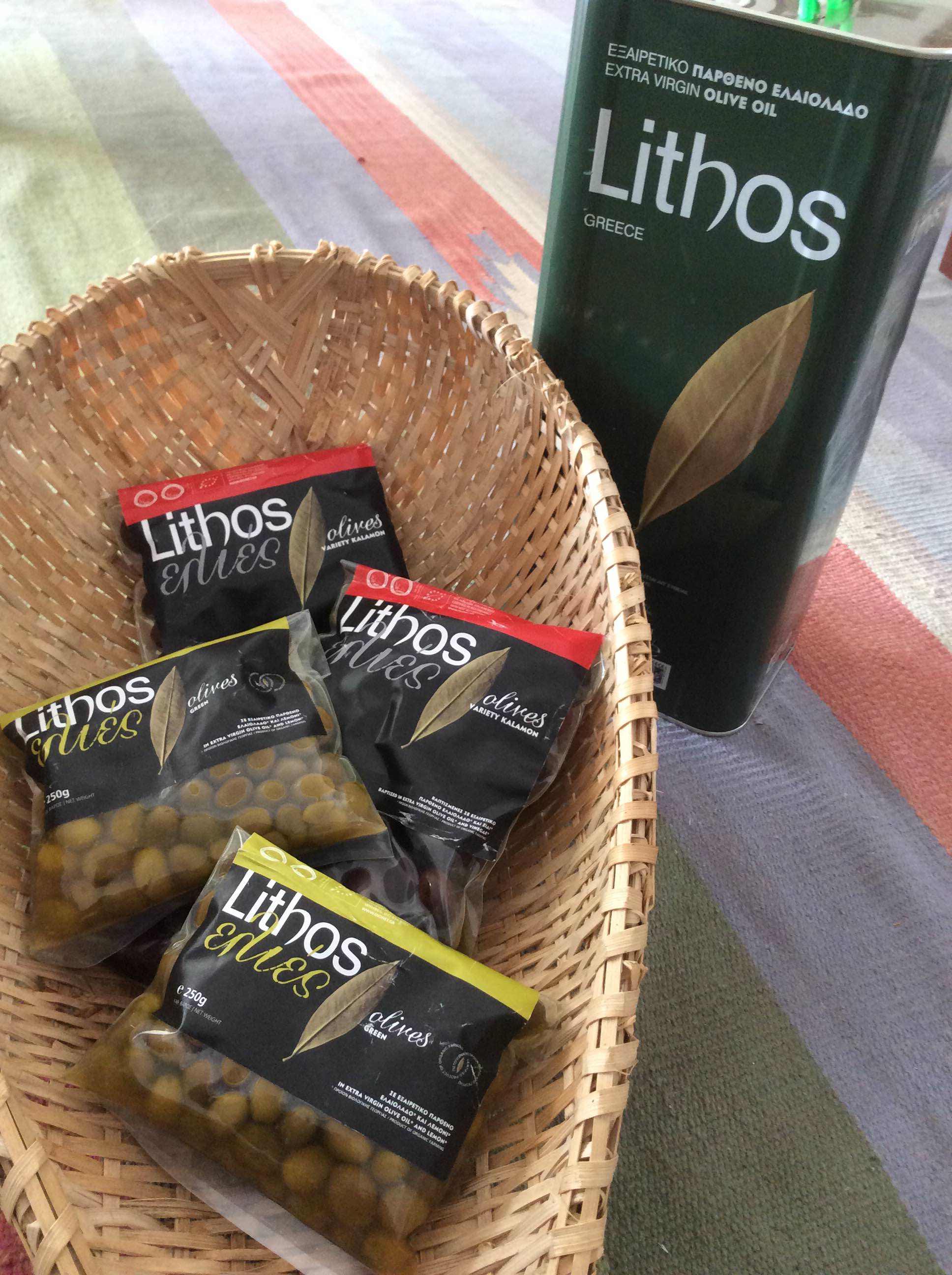
One aspect of the reconnaisance for projects in Greece included embracing and honoring past experiences. The place of foodways and cuisine in the narrative of lives can never be underestimated. The taste and aroma of a specific food brings back floods of memories, crossing the bounderies of time and space.

Visiting Laconia, the region in the Greek Peloponnesus that year after year receives accolades for both it’s olives and extra virgin olive oil (EVOO) was in many ways like coming home. Coming home to family heritage, coming home to living in other olive producing countries and how we embraced those cyclical events that humans have engaged in from time immemorial.

In the village of Soustiani in Laconia we met Nikos Papadakos and his wife, after a 6 year hiatus, to again talk about their company, Lithos. In this region of olive excellence they form a cooperative of organic farmers, collecting the harvest into one source and both pressing the fruit into EVOO and packaging the olives in both jars and vacuum packed sachets for easy transport. Continue reading

Bee Friendlier

Screen Shot 2014-10-13 at 12.46.44 PM

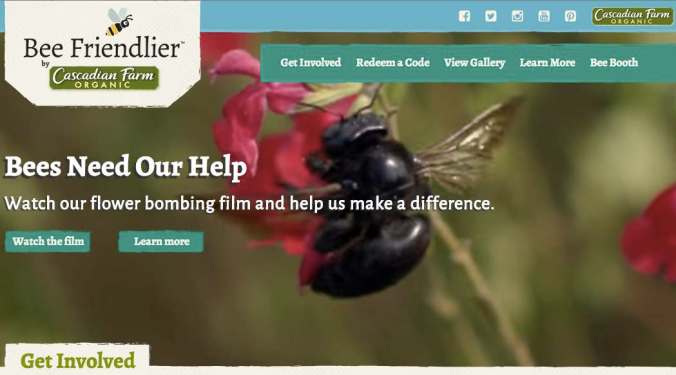
Our otherwise impenetrable fortress, resisting commercial interests everywhere, sometimes lets one over the wall.  For worthy causes only. Good stuff here, we think, especially learning about The Xerces Society through this company’s initiative:

Our Commitment

At Cascadian Farm, we’ve been farming organically since 1972, and we know how essential bees are to the environment and food supply. In fact, almost all of the food that we make depends on bees. That’s why we’re spearheading Bee Friendlier, an education and support program to help bees thrive. It’s also why we’re donating $0.50, up to $150,000, for every code redeemed online before December 31, 2014, to help support bee research and habitat creation… Continue reading

If You Have No Problems

Mother and kids at Kayal Villa

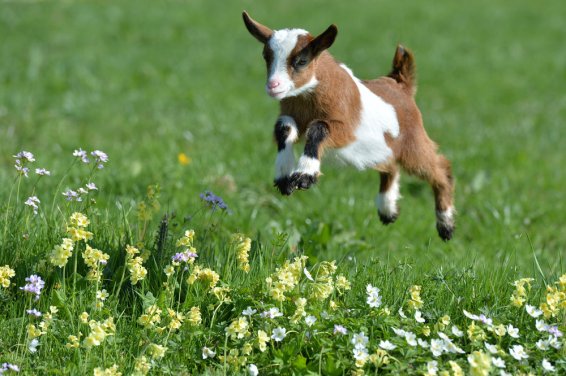
Goats have been on our radar recently for various reasons, mainly dairy. Kayal Villa got its first family of goats a few months ago and the herd has expanded organically, so to speak. And we have expanded it by bringing in new individuals from various locations to expand the gene pool.

We do so with some awareness of the challenges ahead, all in the interest of better dairy for our kitchens. We have heard it said that “if you don’t have any problems, get a goat” — the humorous meaning of which is related to goats being notoriously troublesome in their eating habits, devouring everything in sight and very cleverly finding their way to go where they should not go and do things they should not do (i.e. if you have no problems, you will if you get a goat).

But this briefing in Conservation gives us more reason to appreciate these hooved creatures:

Where herbicides and mowers have failed, goats might succeed. In a new study, scientists have found that these humble herbivores can devour 12-foot-high invasive plants, allowing native species to regain a foothold in wetlands.

Continue reading

Popcorn Patrimony

01-JP-POPCORN2-sfSpan

Dennis Chamberlin for The New York Times. Ears of heirloom popcorn are smaller than with other types of corn but deliver more flavor.

We link to stories about entrepreneurial conservation, most often involving wilderness, whose tangible value is straightforward. Other times it is about art, or language; these forms of cultural patrimony are more intangible in value–not less obviously of value, but less tangibly so.

It should not diminish the concept of patrimony, nor the tangible/intangible divide, to talk about heritage popcorn, as trivial as that might at first sound. In the interest of tangible patrimony that has intangible value embedded into it, we appreciate this New York Times Dining & Wine section offering, an unexpected small pleasure:

Heirloom Popcorn Helps a Snack Reinvent Itself

Heirloom varieties you pop yourself deliver more flavor than those store-bought bags.

Continue reading

Licensed to Kill: A Look at Noble Rot

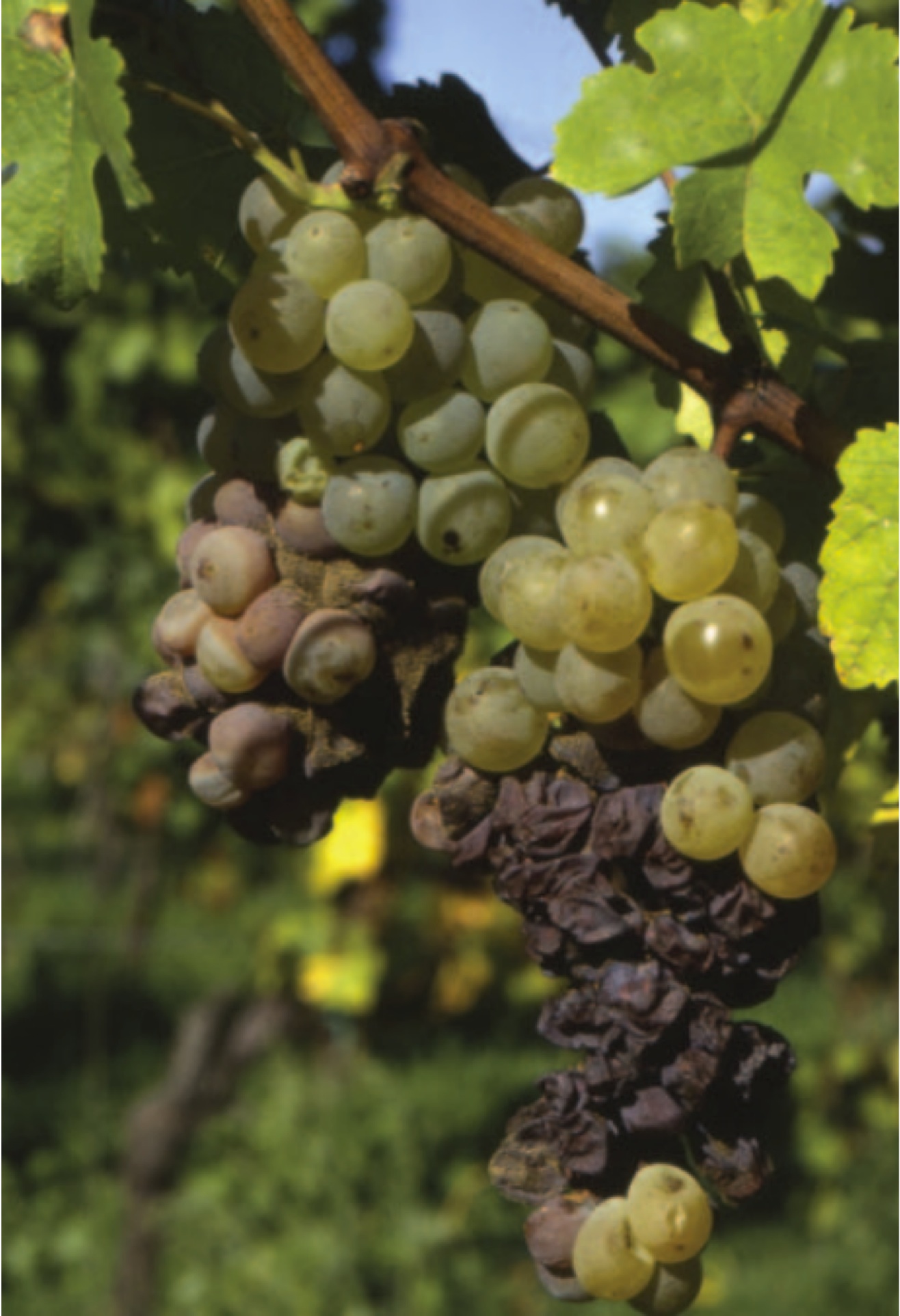
Jackson, Ron. Wine Science Principles and Applications Plate 9.1 - Cluster of grapes at different stages of rot.

Jackson, Ron. Wine Science Principles and Applications Plate 9.1 – Cluster of grapes at different stages of rot.

The fungus Botrytis cinerea — a type of gray mold — is the kind that grows on the old berries in your fridge, but in the vineyards of Europe (and more recently some other wine-producing regions artificially infected, but more on that later) B. cinerea doesn’t always turn valuable fruit into a furry mush. Also known as noble rot, B. cinerea has the potential to positively change wine grapes, in the right conditions. Depending on a vineyard’s microclimate, infection can result in either gray rot, which essentially ruins the grapes, or noble rot, which leads to unique dessert wines such as the Tokaji Aszú of Hungary, the higher Prädikat wines of Germany, and the Sauternes of France (the most prized of which can fetch $750 a bottle!).

In a single vineyard there can be completely healthy grapes, grapes with gray rot, and grapes with noble rot, all in close proximity to each other. The required conditions for noble rot formation are incredibly narrow. Like with most fungi, humid conditions favor formation. However, alternating dry and rainy periods, particularly frequent morning fogs, are necessary for the formation of asexual conidia (spores). Therefore, noble rot seldom occurs in hot and dry areas, since sunny and windy conditions allow more water evaporation. Continue reading

Pollinators And Diet

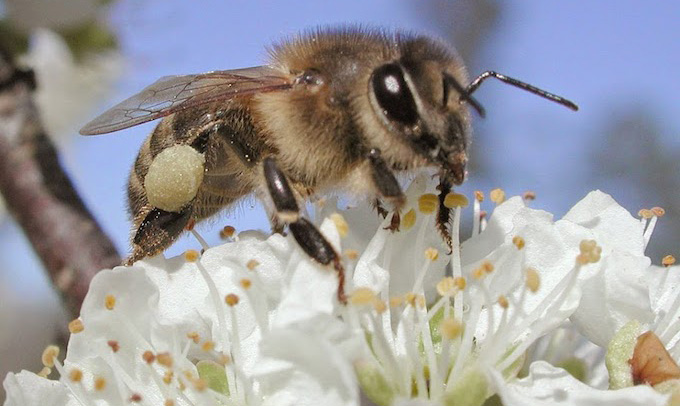
680px-Plumpollen0060

From the current issue of Conservation onlinea review of the latest science on one of our favorite topics:

SHOULD POLLINATOR RESEARCH FOCUS ON REGIONS WITH MALNUTRITION? September 19, 2014

Pollinators + plants = food. Right? The domesticated honeybee, along with a handful of wild bee species, is in decline. But 75 percent of the 115 major crop species grown around the world rely on pollinators to give us that food. This equation is woefully out of balance.

Pollinator-dependent crops make up only a fraction of total agricultural revenues, but that’s because the nine priciest crops, which together comprise half of global agriculture as measured by revenue, can become pollinated by wind, or can pollinate themselves. But the economic value of agriculture is only one way to understand the value of different crops. Another is the value of the different crops to human health and nutrition. Continue reading

Roots and Seeds at Xandari

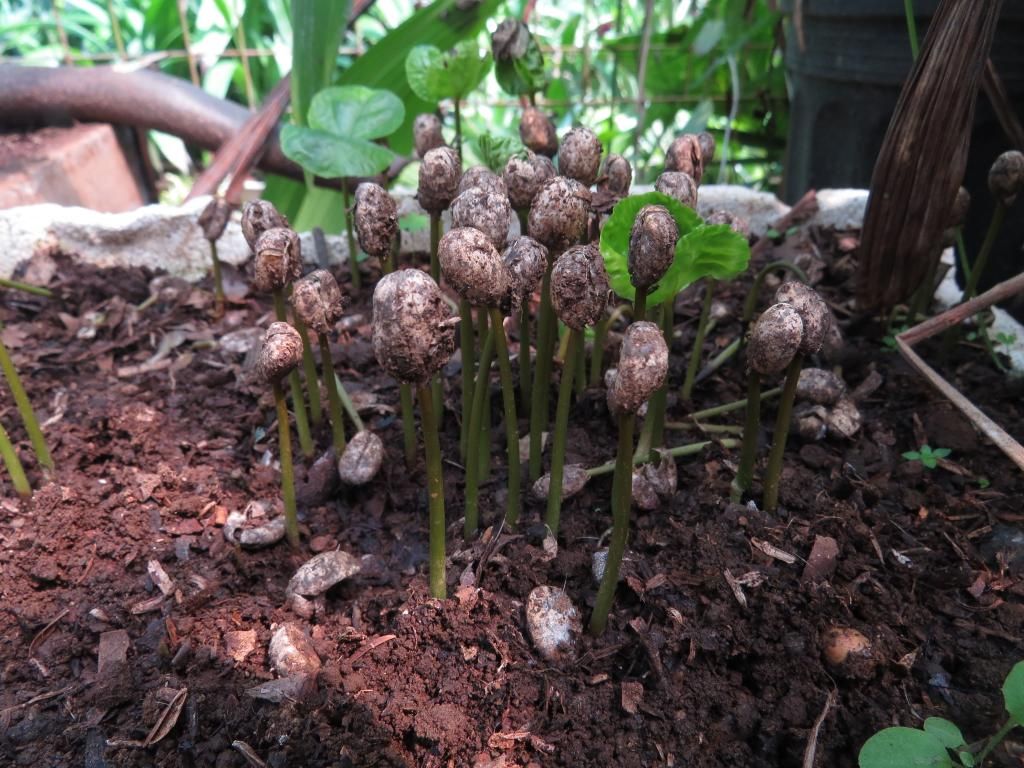
Back in the beginning of July, James and I helped José Luis plant some Bourbon coffee seeds so that they would eventually become seedlings that could be put in bags to grow into saplings. Now, after months of watering and patience, many of the seedlings are finally beginning to emerge. As more and more of them germinate and create their shoots, we’ll be putting them into the bags with soil to wait another year before planting them in the ground at Xandari.

Plenty of other plants have been productive over the last couple months: Continue reading

Food Rebels

From guerilla gardeners, to food foraging, to our own movement toward preserving food biodiversity and farm to table sustainability, we love to write about the food we eat and how it reaches our plate.

Luckily for all of us we’re not alone in either our interest or speaking out about it. Generations since Rachel Carson‘s seminal book there have been people writing about, and more importantly, acting upon the need to re-embrace the old methods of food production while sometimes using technology to our more healthy advantage.

Food Forward opens the door into a new world of possibility, where pioneers and visionaries are creating viable alternatives to the pressing social and environmental impacts of our industrial food system. Continue reading

Thank You, Oxfam International

Photo courtesy of behindthebrands.org

Photo courtesy of behindthebrands.org

The Oxfam International campaign Behind the Brands aims to address how little is known about supply chains of the top 10 largest food and beverage companies. Listening to the NPR Salt Chat provides a good explanation about how pushing for transparency from these big companies is a catalyst for on-the-ground change. The campaign has only been around for a year and a half and they’ve already seen great progress in terms of land rights for local community, government intervention, and women’s rights.

It’s not always easy to connect the dots between the food we consume and the people who grow it, or the impact of growing and processing that food on the health of our planet.

But a campaign called Behind the Brands, led by Oxfam International, an advocacy organization dedicated to fighting poverty, is trying to make the inner workings of the 10 biggest food companies in the world more visible…

We sat down to talk with Chris Jochnick, one of the architects of this campaign and Oxfam America’s director of private sector development. We touched on how social media is giving activists more power, why big food companies respond to pressure, and whether corporate executives are his friends or his enemies.

We also wanted to know: Will the promises that these companies make really translate into concrete changes on, say, cocoa farms in West Africa?

Continue reading