 I have been following the Paper Trail since I got here as an intern and got involved in this social entrepreneurship project Raxa Collective has been working on! There are some types of environmental action that focus on being inherently low-impact from the original design while other methods focus on closing loops from more poor designs that leave good material wasted, such as newspapers. Something is sustainable when it meets the triple bottom line: environmental, economic, and social. RAXA Collective has been meeting this triple bottom line with its newspaper bag initiative! Working with the group, PaperTrails, they have been able to provide a livable income for local people who are unable to get work for whatever reason. They have work based on creating useful bags or envelopes out of recycled newspaper. Paper Trails has been providing bags and envelopes for Raxa Collective’s properties from newspapers and other recycled material. Now, we are taking the newspaper bag initiative to the next level. Continue reading
Agriculture
Notes from the Garden: Tropical Composting
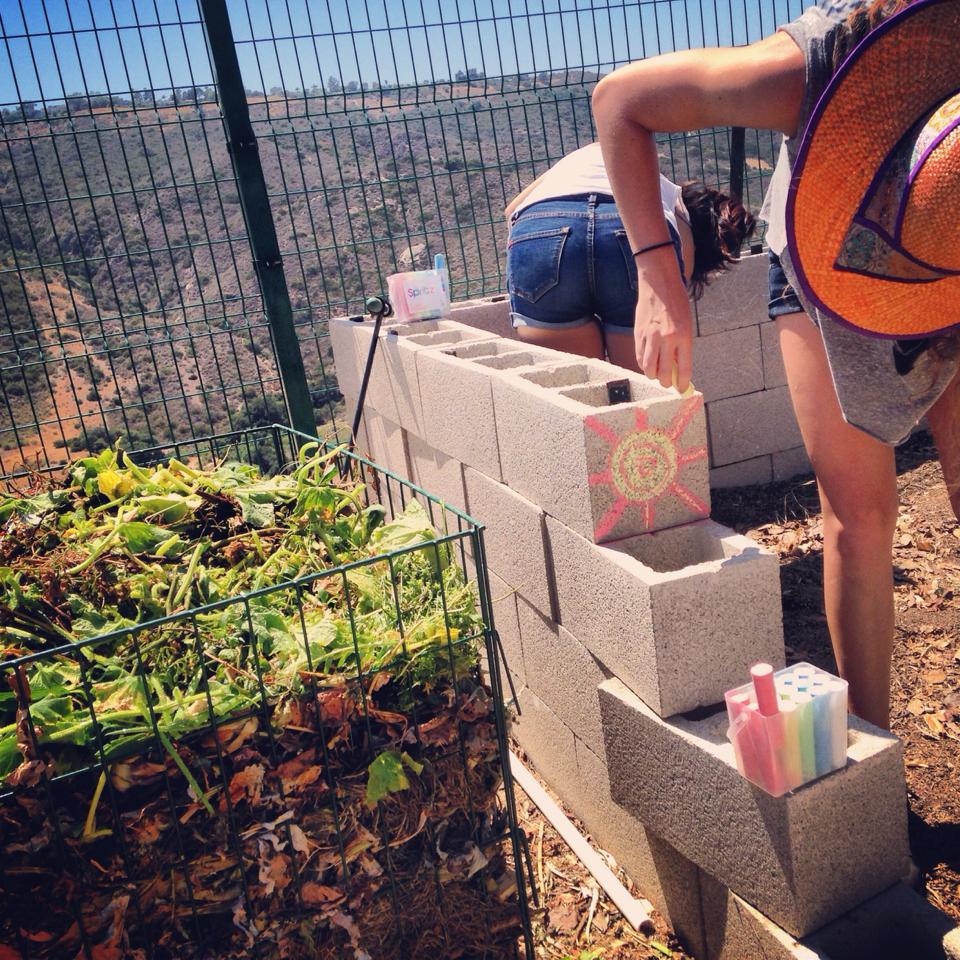
Soka Instructional Garden, Soka University of America. Photo credit: Leia Marasovich
Composting where I live in a sunny Southern California desert climate is very different than the composting we have done since I have been here in tropical Thekkady, India. Here are some pictures of our composting at my university garden I work at. We do ‘hot composting’ above ground. At Cardamom County they’ve been doing a type of vermicomposting, or worm composting. As a gardener, I have always considered earthworms to be a little magical. When there are worms in our garden beds, we always take it as a good omen that our soil is healthy, and healthy soil is the only path to healthy plants. They speed up the decomposition process and essentially create compost gold. They add really beneficial microorganisms to the soil and their castings, or poop, is extremely nutrient rich with the essential ingredients of good soil: nitrogen, phosphorous, and potassium! Where I work in the Soka Instructional Garden (SIG), we make compost tea from the worm castings, and any time a crop is struggling, we can usually nurse it back to life within weeks of adding worm compost tea.
So here, I was happy to see, not only are the worms already dancing happily in the soil, but they have a thriving worm composting bed.There is a hole dug in the ground, maybe 6 feet deep and a good 10 feet across. They fill the hole with any garden waste, add several wheelbarrows of dirt dug up from the poultry area, which is already rich in nitrogen from their poop (therefore speeding up the decomposition process and helping the pile heat up) and then just let the worms feast. Continue reading
Wayanad Natives

Photo credits: Jithin vijay
“Tribals,” the term used to refer to native peoples in Kerala/India, have been an integral part of Wayanad for ages. As dense forests and wooded hillsides made way for commercial farming and plantations, Wayanad lost a great part of its quintessential character. Today, around 200,000 tribals belonging to different tribes subsist in isolated pockets, making a living from small land holdings to big plantations. Continue reading
Coffee Seedlings
 Last week, using Borbón coffee seeds graciously given to us by the Doka estate, we started growing new seedlings to eventually plant in the ground at Xandari. José Luis showed James and me how to prepare a substrate of earth mixed with decomposing leaf litter he had put through a sort of wood-chipper to make a soil that closely mimics the forest floor where coffee often grows wild here.
In a wooden box with a corrugated tin floor (so water can drain easily), we made a bed of about an inch of soil. Then we put the two varieties of Borbón on either side of the box. Once the box was full, and we had removed all the rounded seeds that wouldn’t be as healthy as the seeds with a flat face, we added another layer of soil on top and watered the box.
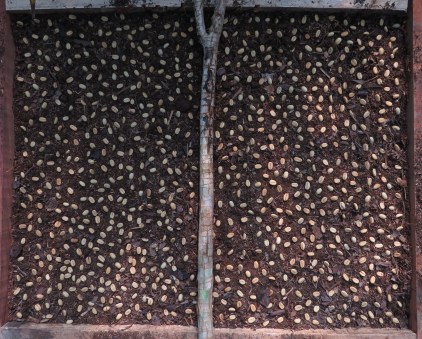 After we had gone, José Luis remembered to add a layer of dead leaves on top of the soil to help keep in the moisture and recreate natural conditions of the forest floor. Later, we went to visit his friend who had sold us the Borbón we planted earlier last month, so that James and I could see what our seedlings would eventually look like as they were transplanted into the black plastic bags we knew so well.
Monkeying around in Cardamom County

Monkey mischief at the Periyar Tiger Reserve, neighbor of Cardamom County
I have never had to take monkeys into consideration when gardening before.
I am at this jungle-like Raxa Collective property in Thekkady, India. I am here to work as an intern to help with creating a more farm-to-table relationship in the restaurant at Cardamom County. There is an organic garden here that is already providing the restaurant with a decent percentage of their staple foods. However, we face a little problem with some main ingredients such as tomatoes, eggplants, and actually anything sweet that we might like to grow such as grapes or pomegranates.
Monkeys. Continue reading
Throwback Thursday: IPM
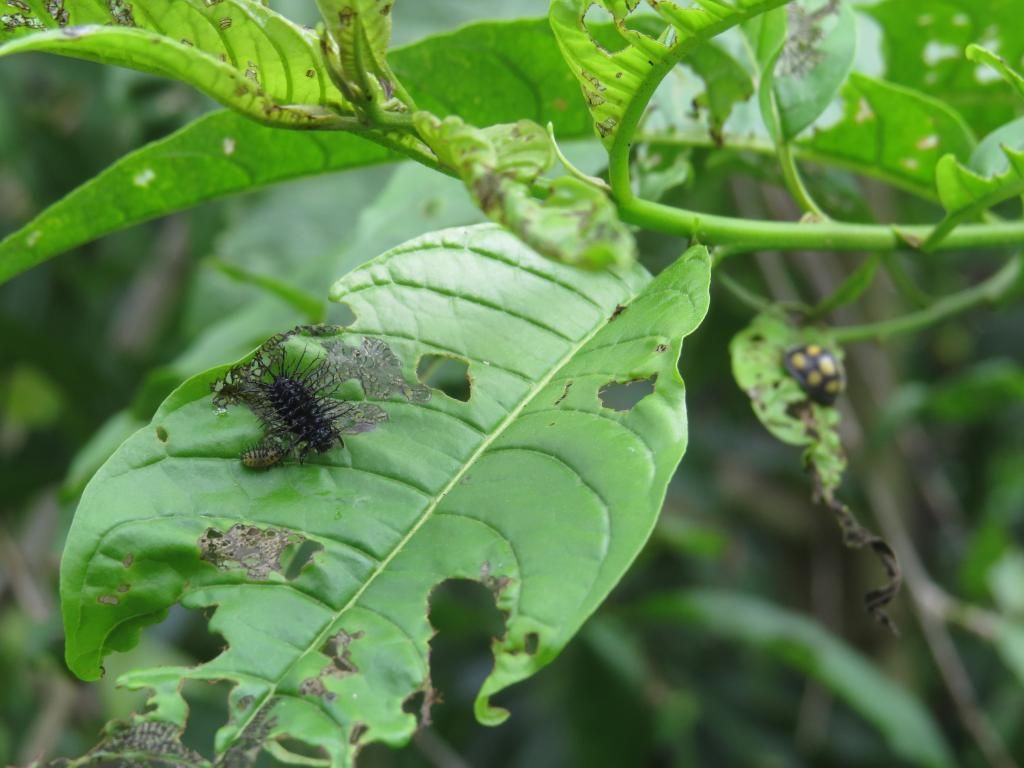
A ladybug relative nymph in the foreground and a mature individual in the background. The tiny thing next to the nymph might be a larvae.
Yesterday, as James and I were on one of our birding walks around Xandari, we ran into José Luis, who had a couple new things to show us about the gardens and orchard that he runs. At first, it looked like a ragged young tree, its leaves half-devoured and its trunk stained black. But we quickly learned Continue reading
El Café Borbón
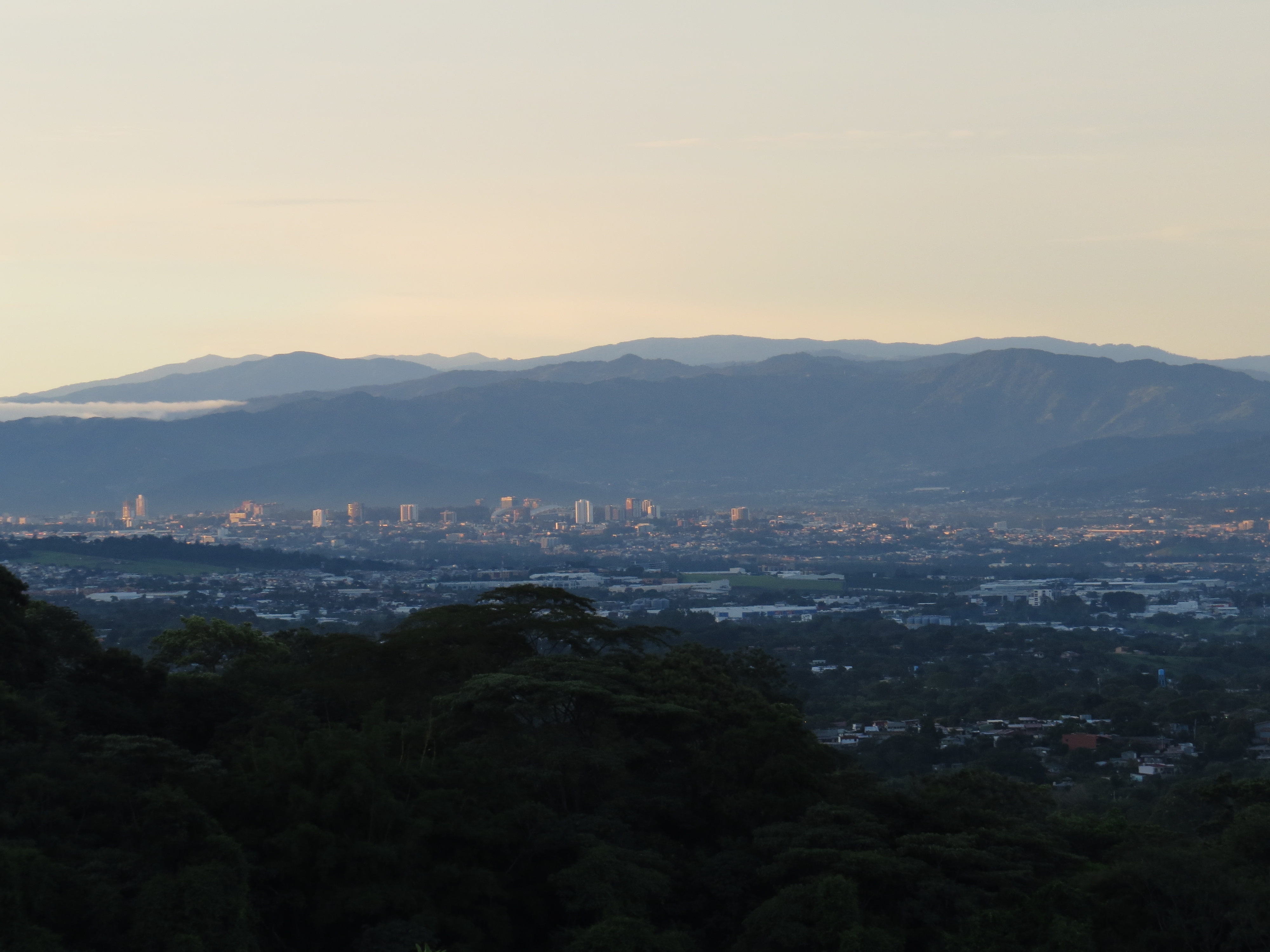
A great morning view of the Central Valley and opposing mountain range from the coffee field
The current batch of Xandari’s mountainside Bourbon coffee is all planted, and James and I have a slideshow of photos we sporadically took to celebrate it! Continue reading
Bourbon Coffee — It’s No Cocktail
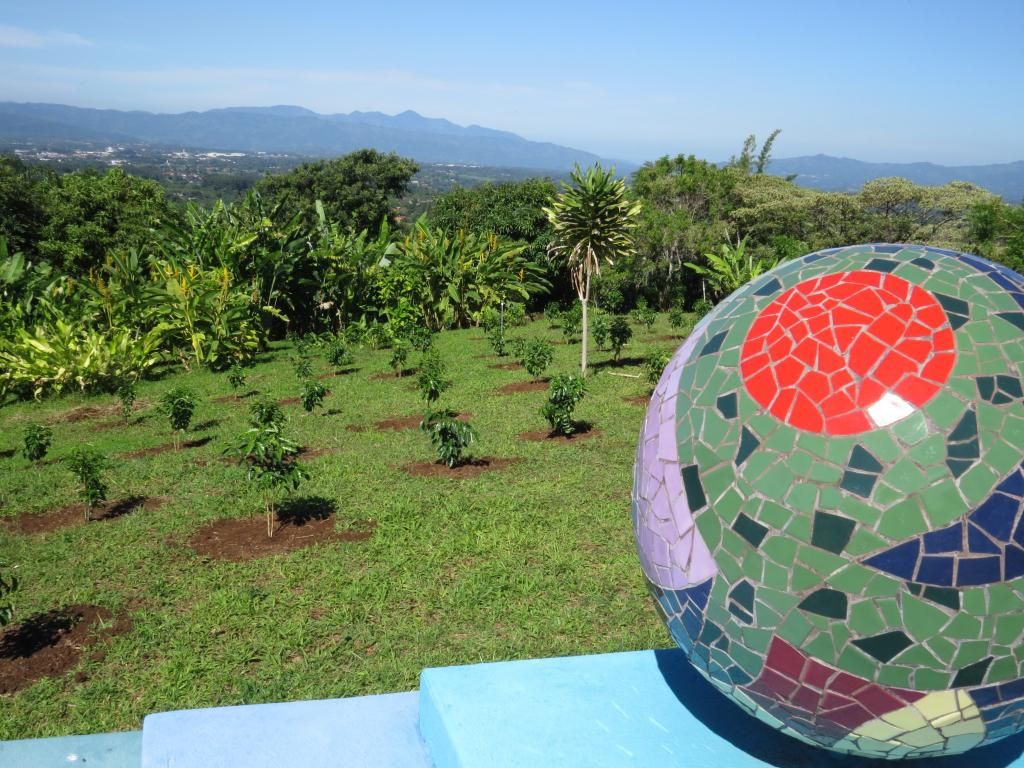 The prevailing etymology of the word ‘cocktail’, according to the Oxford English Dictionary, is of equestrian origin: any horse that was not a thorough-bred, or whose tail was cut short because it was serving as a hunter or stage-horse, could be described as a cocktail or a cocktailed horse. Eventually gaining a negative connotation, it probably was used to describe any sort of adulterated alcohol in the form of a mixed drink. Nowadays, we even use it for harmful or otherwise potent amalgams of substances, such as cocktails of drugs or Molotov cocktails.
Most of us, when we hear the phrase “Bourbon coffee,” likely think of Continue reading
Ice Cream, Natural Foods, And Typically Vermontian Leadership

Thanks to Atlantic‘s website for this post on a topic (or topics, if ice cream is counted separately from our ongoing discussion of the meaning and importance of natural food) of interest to many of our readers:
Last month, Vermont became the first state to require that all foods that are entirely or partially produced with genetically modified ingredients be labeled as such. This month, a coalition of food industry groups, including the Snack Food Association and the Grocery Manufacturers Association, filed a lawsuit, saying that the measure is arbitrary and impedes interstate commerce. Continue reading
Coffee in the Ground at Xandari
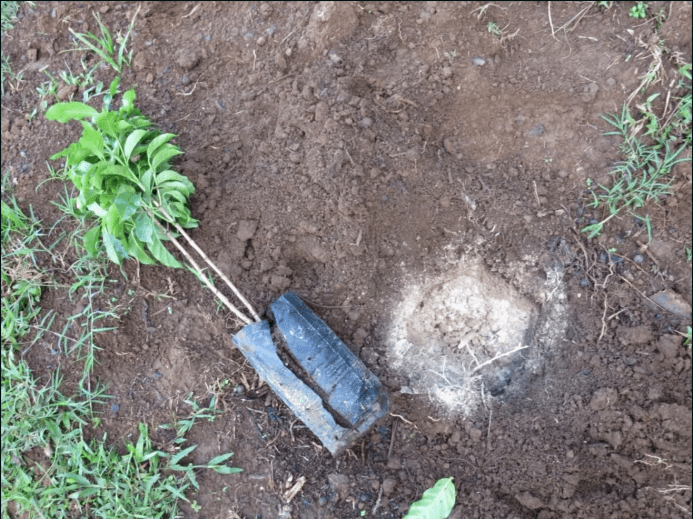
Coffee ready to be planted, next to its hole
On Monday, we began planting coffee and made great headway on getting the shrubs in the ground. Fortunately, José Luis, Xandari’s head gardener, and his team (or should we say “coffee crew” in this case?) had already done significant work in preparing the soil to receive the plants. Continue reading
Growing Fruit and Vegetables at Xandari

The view from the path right before reception
Much of the fresh, rich compost that Xandari produces from all sorts of organic material is used as the perfect substrate to grow delicious fruits and vegetables on property, both in greenhouses and out in the open. During our tour a few days ago with José Luis, James and I saw dozens of tomatoes (three different varieties), lots of lettuce, citrus and other tropical fruits, green beans, and much more.
Coffee in Xandari
Here at Xandari (Alajuela, Costa Rica) everything is ready for coffee’s big return. The resort’s land was once dedicated to growing and harvesting the finest estate coffee this country offers (you can visit the Doka Estate, to which Xandari’s land once belonged, in one of our guests’ favorite day tours), but for the last 18 years more attention was given to the organic vegetables, orchards and gardens that now dot the verdant grounds. Plans are in motion, however, to bring the crop back to this area long celebrated for the quality of its coffee.
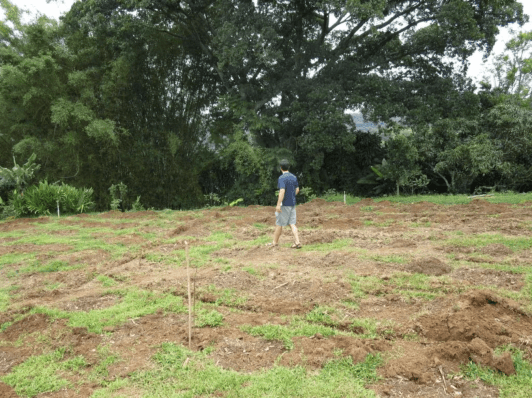
The ground is tilled:
Dairy Story, India Edition

A dairy in India, covered as a feature story in the New York Times? This catches our attention because our conservation initiative, Amboli Reserve (more about this 2,000 acre project soon), is in the same state and likely within driving distance for our guests to visit:
…On a 26-acre farm a couple hours’ drive inland from Mumbai, hundreds of black-and-white Holstein-Friesian cows laze around, dining on seasonal greens and listening to a custom playlist of rap, pop, classical and even devotional music. They are treated to a routine medical checkup before heading to a ‘rotary milking parlor,’ where their udders are gently squeezed, until the cows step away, at will… Continue reading
Portraiture Of Self-Sufficiency
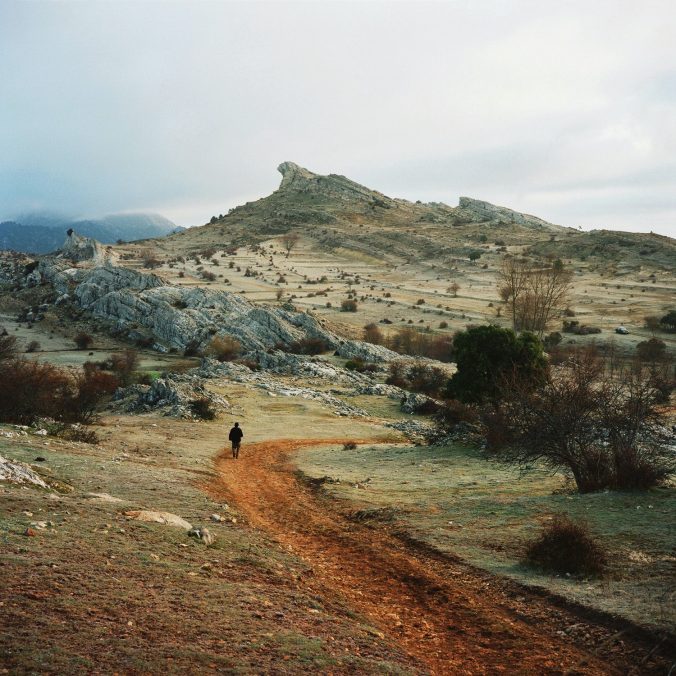
A view of the village of El Pardal, Sierra de Cazorla, Spain, 2013.
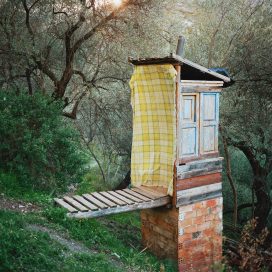
A composting toilet, Sierra Nevada, Spain, 2013.
Many contributors to our platform here, and its readers, have probably considered life off-grid. Most will experiment during their travels, but stop short of the full monty, which would mean divestiture or most/all possessions and hitting the road. Thanks to this photographer (and the New Yorker‘s far-reaching sampling) for giving us both candid and portrait-like views into some examples of “self-sufficient” lives:
In 2006, while he was backpacking in Australia, the French photographer Antoine Bruy signed up with an international exchange program for volunteers who want to work on organic farms.
Unexpected Problems With Urban Farming

Above: A rendering of City Slicker Farms’ plans for a farm and park in West Oakland. Image courtesy City Slicker Farms.
In interesting juxtaposition to the article on urban farming we linked to yesterday, a post on the New Yorker‘s website covers a related topic from a completely unexpected angle:
In 2012, Linnette Edwards, a Bay Area real-estate agent, produced a video promotingNOBE, a name conjured up by developers for an area covering parts of Oakland, Berkeley, and the town of Emeryville. She posted it on NOBE Neighborhood, a Web site she created to drum up buzz among potential home buyers. The video includes interviews with enthusiastic young residents, a local cupcake maker, a bartender at a new watering hole, and with Edwards herself. It also features a local, volunteer-run enterprise called the Golden Gate Community Garden. “We’re super psyched that there’s a community garden across the street—it’s definitely a bonus to this block,” a new homeowner says, over footage of greenery. “The fabulous edible garden movement is in full swing,” the NOBEWeb site notes. “It’s not uncommon to find neighbors crop swapping their homegrown edibles and frequenting the local Farmer’s Markets.” The site listed several neighborhood community-gardening programs, including one run by a nonprofit called Phat Beets Produce. Continue reading
Unexpected Benefits Of Urban Farming
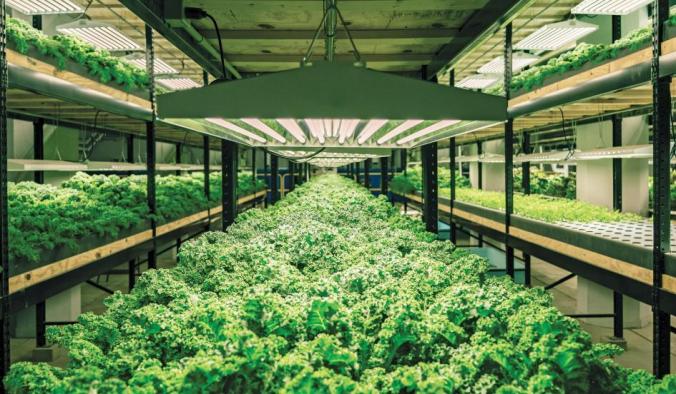
A converted Minnesota brewery now combines hydroponics and fish farming Urban Organics
While the article opens with some hairy, crunchy stereotypes of organicistas (left out here because of their tedium) we nonetheless are happy to see an old school publication like Newsweek paying attention to such important issues more often left to specialist publications:
…It’s a huge, airy space, completely climate-controlled, filled with racks of vegetables that reach up to the ceiling. There’s no dirt—plant roots are suspended in water that flows through the racks like a gentle river. On the far wall past the vegetables, large, circular, windowed tanks of fish reside on raised platforms four feet off the ground. The platforms look like big decks, and pipes connect the fish tanks to the racks of plants. Bugs? Not a one—but if workers do find one with their Integrated Pest Management system, it’s dealt with sans pesticide, in compliance with organic guidelines from the U.S. Department of Agriculture. Haider and co-founders Fred Haberman, Chris Ames and Kristen Koontz Haider ask visitors to clean their feet at the door so as not to track in anything unsavory. Continue reading
Tea Plantations – Munnar
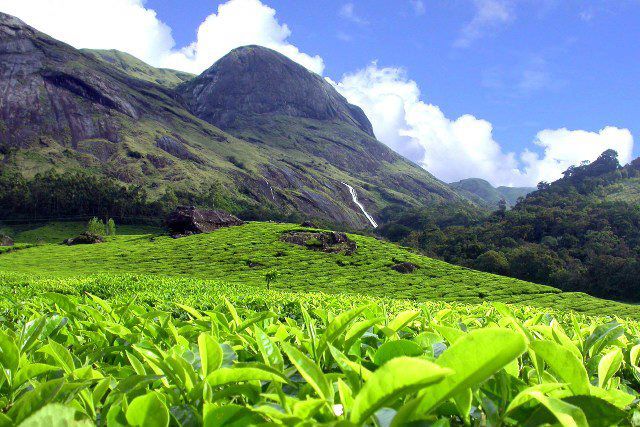
Photo credits: Ramesh Kidangoor
Munnar is a popular tourist destination in Kerala, attracting many people mesmerized by its manicured tea gardens and unique biodiversity. The region holds the largest tea plantations in India. In the nineteenth century, the British Resident of the Travancore Kingdom, John Daniel Munro, visited Munnar and had a great interest in the plantations. Continue reading
There Might Never Have Been A Better Time To Visit India
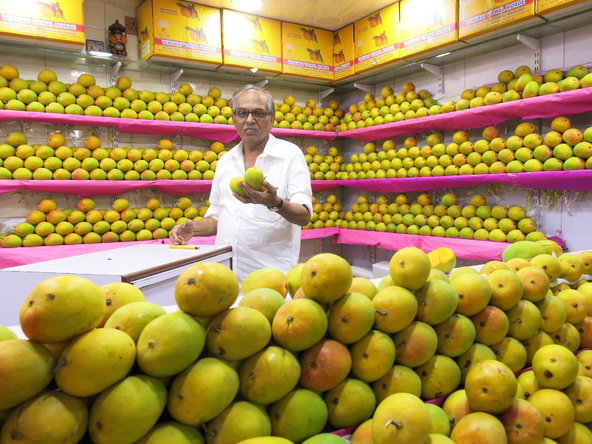
Photo credit: Neha Thirani Bagri. Arvind Morde, a mango retailer and exporter, at the Crawford market in Mumbai, Maharashtra.
Europe’s loss may be the gain for those of us who find ourselves living in India. That includes 1.2 billion locals and a few more of us who now have a few more of the most amazing edibles on this planet (thanks to India Ink for the story):
Alphonso Mangoes Flood Indian Market After E.U. Ban
MUMBAI, India — The Indian mango, and in particular the Alphonso, is a much-coveted and much-fetishized fruit by Indians, loved as much for its flavor as for its scarcity. Continue reading
Jack Fruit, Again

Jackfruits grow on the branches and trunks of tall trees. You don’t wait to harvest until they drop of their own accord — by that time, they’d be overripe. iStockphoto
We recently started noticing interest in our hometown fruit, and here is some more courtesy of the Salt program on National Public Radio (USA):
It’s not every fruit that gets its own international symposium.
Then again, the jackfruit is not your typical fruit. It’s got a distinctive, musky smell, and a flavor that some describe as like Juicy Fruit gum.
It is the largest tree fruit in the world, capable of reaching 100 pounds. And it grows on the branches — and the trunks — of trees that can reach 30, 40, 50 feet. (Trunk-growing is a good thing because it reduces the odds of a jackfruit bopping you on the head.) Continue reading
Jackfruit, Kerala’s Mega Food
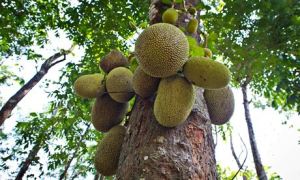
Jackfruit (Artocarpus heterophyllus) growing in Kerala, India. Photograph: Olaf Krüger/Corbis
Based in the epicenter of jackfruit habitat, we did not need to know this news (thanks, Hindu) to enjoy this season when these giants come down from the trees, but it sweetens the taste just a bit to know how much more important they may become:
It’s big and bumpy with a gooey interior and a powerful smell of decay – but it could help keep millions of people from hunger.
Researchers say jackfruit – a large ungainly fruit grown across south and south-east Asia – could be a replacement for wheat, corn and other staple crops under threat from climate change. Continue reading
 Organikos