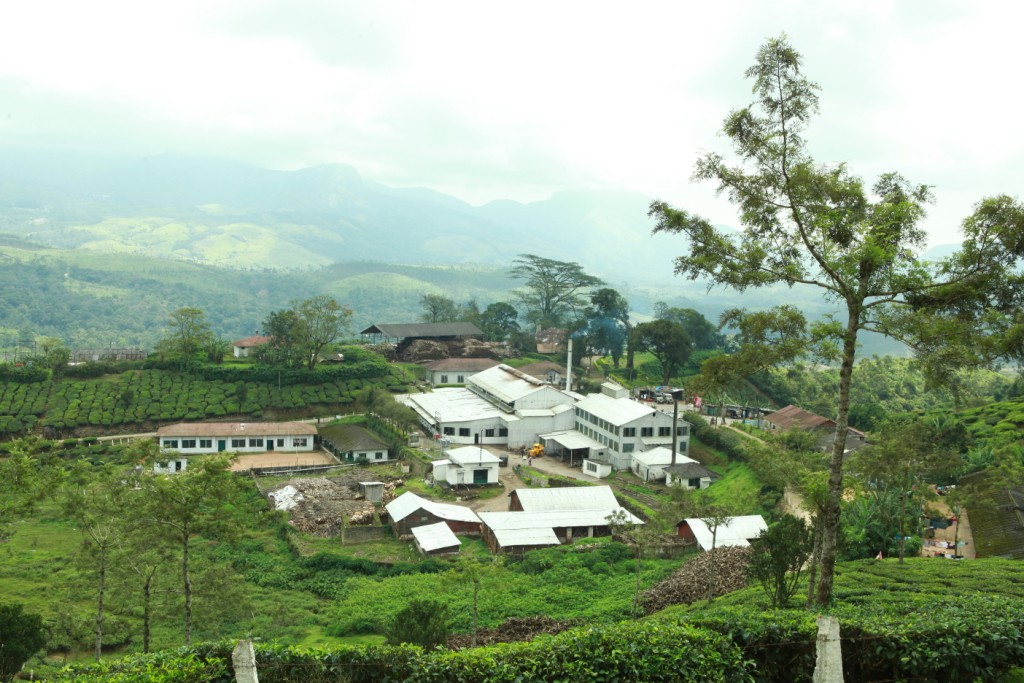
Beauty Of Munnar

Photo credits: Ramesh Kidangoor

Photo credits: Ramesh Kidangoor

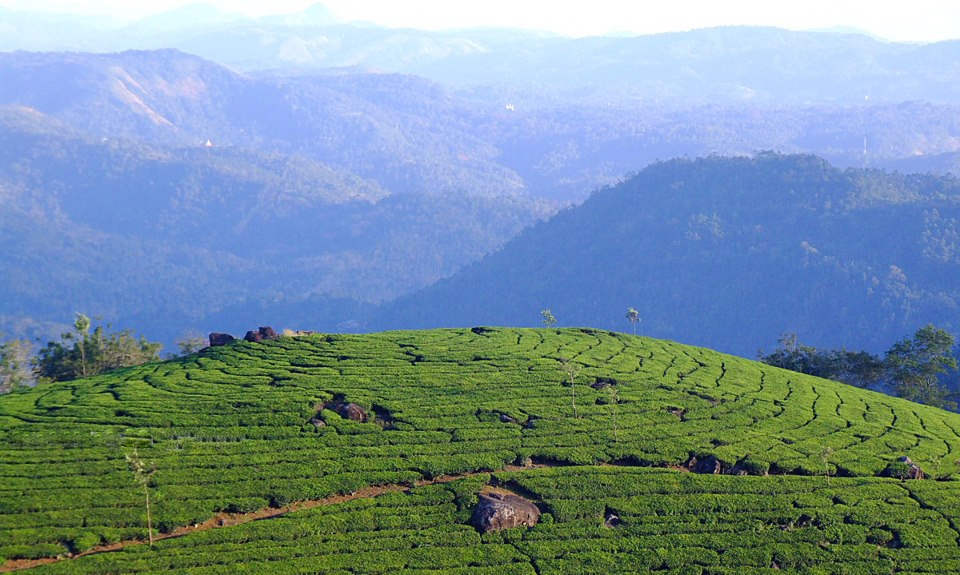
Munnar is a major tea producing area of South India. Over time Munnar became the headquarters for several tea plantations scattered throughout the High Ranges, and the need to service these estates led to the growth of Munnar town. With the attending “Hill Station” tag Munnar became a centre for tourism as well as plantation life. Continue reading

Coffee’s Contentments

In the mid-1990s I moved with Amie and our two sons Seth and Milo from Ithaca, NY in the USA to Costa Rica for my first post-Ph.D. venture, working with the governments and business leaders in each country of Central America.  The project combined a few then-young strategic and economic development models–competitiveness, economic clustering, and sustainable development–with several of their luminary proponents from Harvard Business School and at the Harvard Institute of International Development.  My job was to take those ideas and apply them to my area of expertise as a newly minted Ph.D. from Cornell University.

Sustainable Tourism Development was the terminology applied to this hybrid. In 1996, the third country in my regional rotation was El Salvador, after Costa Rica and Nicaragua. I have not had reason to think of El Salvador lately, but a nearly-lost article in my to-read-later folio popped out today:

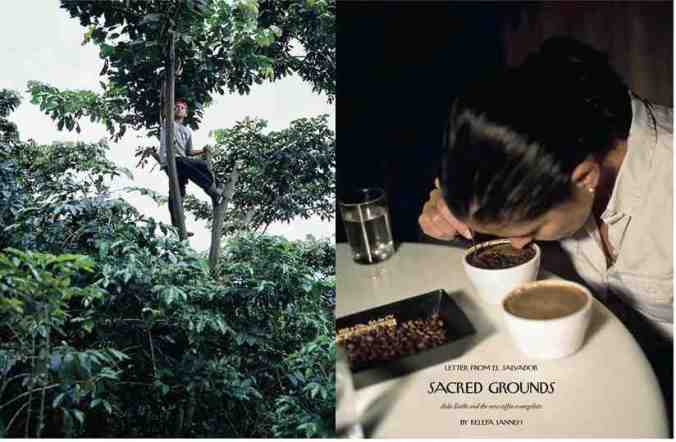
Aida Batlle is a fifth-generation coffee farmer and a first-generation coffee celebrity. On the steep hillsides of the Santa Ana Volcano, in western El Salvador, she produces beans that trade on the extreme end of the coffee market, where a twelve-ounce bag may cost twenty dollars or more and comes accompanied by a lyrical essay on provenance and flavor. These beans have made Batlle an object of obsession among coffee connoisseurs and professionals–the coffee equivalent of a European vigneron–and she is willing to play the role, if it helps raise coffee’s status. Continue reading

Really, Monsanto (Again)?

frankenstein-fruit-vegetable

There are plenty of reasons to be concerned about the intersection of business interests and political interests around the world.  As an entrepreneurial organization, we take a business approach to what we care about, and believe in the rights and responsibilities associated with influencing public policy.  But we also believe in the importance of transparency, clear rules of the game, and common sense decency.  We do not believe in making a buck at any cost.  We do not believe companies who cut corners and sacrifice others’ wellbeing for the sake of making a buck are serving society’s interests.

So, in a series of shout outs to investigative journalists whose critical work points us to the ugly back alley activities of businesses and open air atrocities of little countries as well as otherwise commendable huge countries, we now return to one company for the second time:

Remember that one time? In Congress? When an anonymous group of House Republicans tried and failed to sneak a rider into the farm bill that would have exempted agribusiness from liability for biotech crops and all but eliminated the government’s power to regulate them? Good times. Continue reading

Gangsta Guerilla Gardening

Food activist Ron Finley campaigns to “change the composition of the soil” in his hometown of South Central LA. In place of the “food desert” made up of liquor stores and fast food (not to mention drive-by shootings) he and his volunteer organization LA Green Grounds plants “food forests” in abandoned lots, traffic medians and sidewalk parkways.

Finley’s point of view is a call to arms to change our conversation about food.

The city of LA leads the United States in vacant lots. They own 26 square miles in vacant lots. That’s the equivalent of 20 New York Central Parks. That’s enough space to plant 724,838,400 tomato plants.

As a combination vegetable graffiti artist and gardening gangster, Continue reading

Beauty Of Kerala – Palakkad

Photo Credits: Jisa

Photo Credits: Jisa

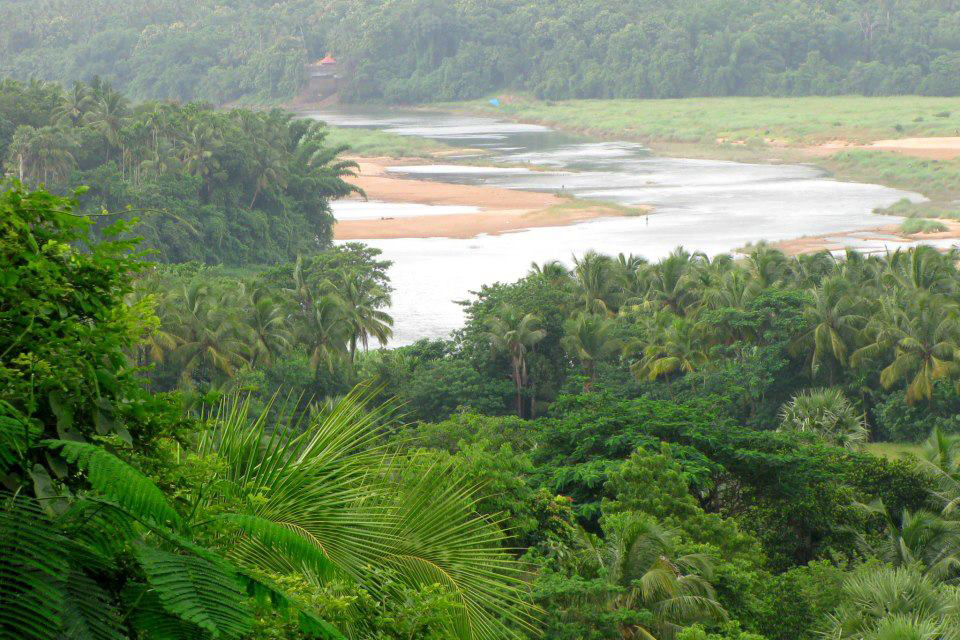
Palakkad is a vast expanse of verdant plains interspersed with hills, paddy fields, rivers, mountains, streams and forests. A 40 km break in the mountains known as the Palakkad Gap serves as a gateway to Kerala from the north, giving access to the land situated at the foot of the Western Ghats. The pass acts as a corridor between Kerala and neighbouring Tamil Nadu and plays a major role in the trade contacts between East and West coasts of peninsular India. Continue reading

Wild Bees And Crop Yields

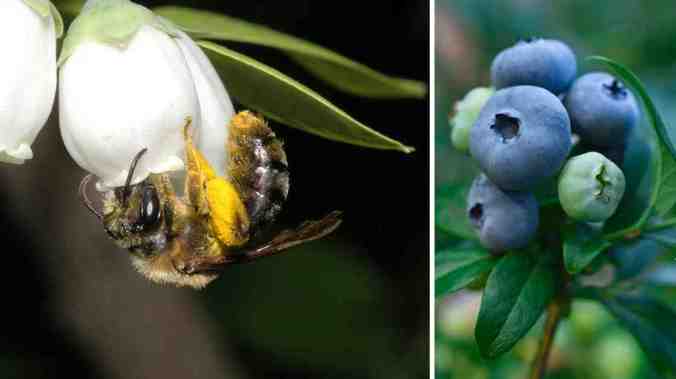
Wild bees, such as this Andrena bee visiting highbush blueberry flowers, play a key role in boosting crop yields. Left photo by Rufus Isaac/AAAS; Right photo courtesy of Daniel M.N. Turner

We like stories about bees for many reasons, but mostly in relation to the seemingly unrelated topics of food and collective action. In less than five minutes, this podcast news story adds important information to the mix:

Some of the most healthful foods you can think of — blueberries, cranberries, apples, almonds and squash — would never get to your plate without the help of insects. No insects, no pollination. No pollination, no fruit.

Farmers who grow these crops often rely on honeybees to do the job. But scientists are now reporting that honeybees, while convenient, are not necessarily the best pollinators. Continue reading

South Indian Open Markets

Photo credits: Ramesh Kidangoor

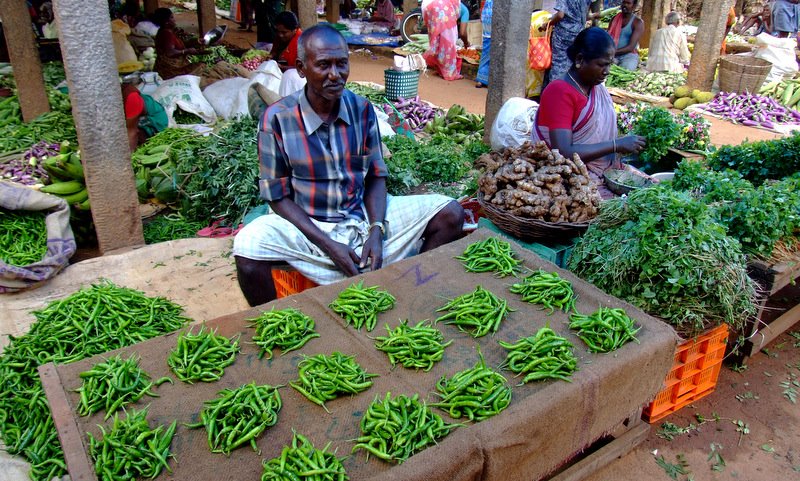
Vegetables and fruits typically constitute an essential part of the daily diet in India and they are in great demand year-round by most sections of the population. Open markets are very common in both small towns and cities of South India, where people buy and sell their fresh vegetables and fruits. Continue reading

Paddy Field – Kuttanad, Alappuzha

Photo credits: Ramesh Kidangoor

With its abundant paddy, Kuttanad has been termed the “Rice Bowl of Kerala”. Kuttanad is a large area made up of land from the three adjoining districts of Alappuzha, Kollam and Kottayam. Most of Kuttanad consists of paddy fields that spill out into vast stretches inland from the backwaters. Heavy monsoon rains bring top soil and minerals from the high ranges of the Western Ghats, depositing them in the low-lying Kuttanad region in a periodic replenishment that keeps the soil fertile.

Continue reading

Beauty Of Kerala – Araca Nut Plantations

Photo credits: Ramesh Kidangoor

India is the largest producer of Araca nut and at the same time the largest consumer. The nut, popularly known as supari, is extensively used during religious practices. Kerala produces about 30 percent of  India’s total production. Continue reading

Industrialized Biofuels Part 2: Brazil’s Production

This post continues my discussion of biofuels from Part 1.

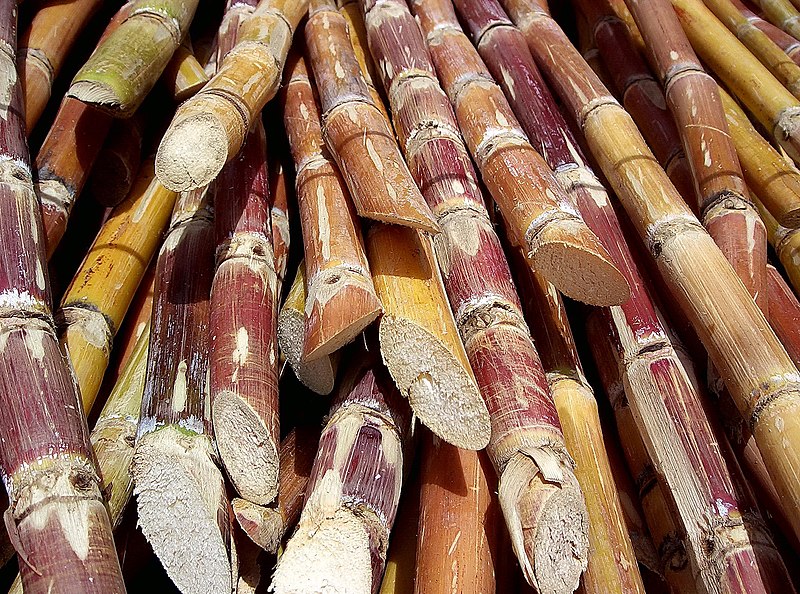
Brazil contains many of the world’s biodiversity hotspots, as well as one of the most important CO­2-sinks in the form of rainforests. As the second largest sugarcane grower in the world, Brazil’s biofuel production relies heavily on sugarcane ethanol, which has one of the highest savings in GHG emissions compared to fossil fuels. However, increasing sugarcane production is not sustainable in the long-term if one of Brazil’s goals is to curtail GHG emissions, since growing more sugarcane means cutting down more rainforest. Instead, second- and third-generation (advanced) biofuels should be considered viable options for replacing sugarcane, or at least strongly supplementing it.

Continue reading

Sweet Potato Tango

Ted Aljibe/AFP/Getty Images

Ted Aljibe/AFP/Getty Images

It wouldn’t be the first time that we’ve written about the “Columbian Exchange” on this site. So many of the foods now considered synonymous with “Old World” or “Asian” cuisines are actually endemic to the Americas, and according to NPR’s The Salt “anthropologists think that a few foods made the 5,000-mile trek across the Pacific Ocean long before Columbus landed in the New World.”

Sweet potatoes originated in Central and South America. But archaeologists have found prehistoric remnants of sweet potato in Polynesia from about A.D. 1000 to A.D. 1100, according to radiocarbon dating. They’ve hypothesized that those ancient samples came from the western coast of South America. Among the clues: One Polynesian word for sweet potato — “kuumala” — resembles “kumara,” or “cumal,” the words for the vegetable in Quechua, a language spoken by Andean natives.

But until now, there was little genetic proof for this theory of how the tater traveled. Continue reading

Industrialized Biofuels Part 1: US Production

Image via Renaissance Ronin

The United States plans to produce 70 billion liters of advanced biofuels by 2020. In 2007, the global production of all biofuels roughly matched this amount, and the US used 24% of its corn to produce its share of the ethanol included in those 70 billion liters. Even given this impressive amount of corn used for ethanol, American corn ethanol only accounted for 1.3% of the US’ national liquid fuel consumption. An increase in either corn harvests or ethanol production efficiency is clearly necessary if the US is to meet the 2020 goal with corn alone. Given the significant drawbacks to producing more corn, and the unlikelihood of efficiency increasing enough to meet requirements, it would be more prudent to invest in second- and third-generation, or advanced, biofuels.

These biofuels, such as ethanol made from cellulose, biogas, or hydrocarbon fuels converted from biomass to liquid (BtL) are made from feedstock rich in cellulose like grass and wood. Advanced biofuels have better environmental profiles than what are referred to as first generation biofuels (e.g. ethanol produced from corn or sugarcane) because they generally require less land and are converted from biomass more efficiently—the processes also use less energy and water than ethanol since they do not involve distillation. A biofuel’s emissions depend largely on land considerations, nativity to the region, and feedstock technology. If land was converted from forest or prairie, the feedstock was not native to the region, and the feedstock required excessive fertilizers to grow, then GHG emissions are higher. Continue reading

Beauty Of Munnar – Tea Plantations

Munnar is famous for its tea plantations, most of which are privately owned. With its rolling hills, sparkling waterfalls, sprawling tea estates and undulating valleys, Munnar has all the makings of an ideal hill destination.  The ‘discovery’ of Munnar dates back to the 1870’s when British Resident JD Munro recognised the agricultural  potential  of the region and started planting crops such as coffee, cinchona, sisal, tea and cardamom. The pioneer planters found that tea was best suited for the area.  Continue reading

Good Goods And Value Proposition

From free-range eggs to green energy, sales of ethical products and services are bucking the economic trend. Photograph: Daniel Berehulak/Getty Images

From free-range eggs to green energy, sales of ethical products and services are bucking the economic trend. Photograph: Daniel Berehulak/Getty Images

Some unusual news in tough times, about consumers spending more even when they have less, if the product speaks good:

Sales of ethical goods and services have increased despite the recession, growing to more than £47bn last year.

Since the onset of the economic downturn five years ago, the value of ethical markets from Fairtrade products and green energy to free-range and sustainable food has grown from £35.5bn to £47.2bn, according to a report produced by the Co-operative Bank.

The annual ethical consumer markets report shows that sales in the sector have grown from £13.5bn in 1999. Continue reading