Urban Renewal We Can Relate To

copenhgn2

We like the sound of it:

In Denmark, Brewery’s Departure Offers a Chance to Go Green

By

Copenhgn3.jpgCOPENHAGEN — Perched in his centrally located office, Laust Joen Jakobsen looks out onto a small plaza, a rooftop basketball court and a grass bed that will be lush with flowers by the summer.

Just months ago, Mr. Jakobsen, the rector of University College Copenhagen, was sitting in a suburban campus between parking lots and a residential neighborhood. “We are happier here when we look out the windows,” he said. Continue reading
Truffle Entrepreneur, Immigrant Son’s Success

lavin-howatexasteen-agerbecamenewyorkcitystoptruffledealer-800

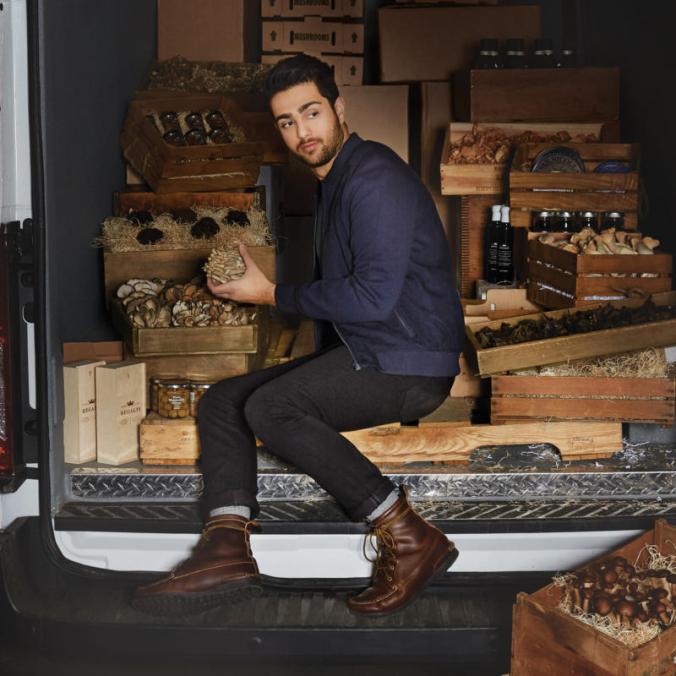
Ian Purkayastha, the twenty-four-year-old wunderkind behind the luxury-food company Regalis, aims to “demystify this bourgeois product for a new generation.” PHOTOGRAPH BY KRISTIN GLADNEY / WIEDEN+KENNEDY

It could just be that I have had a nearly two-decade love for truffles; or the storyline combining entrepreneurship, economics and food, a mix that I favor; or maybe my being the son of an immigrant explains my response to this post at the New Yorker’s website; probably it is because I can almost picture my own son in such a story, in a parallel universe; whatever, enjoy:

HOW A TEXAS TEEN-AGER BECAME NEW YORK CITY’S PREMIER TRUFFLE DEALER

On a bare side street in Long Island City, Queens, beside Oh Bok Steel Shelving & Electric Supply, the Regalis luxury-food company keeps its goods. Upon entering the warehouse through a small red door, a visitor is immediately greeted by an intoxicating and pungent scent: the unmistakable, and nearly indescribable, odor of truffles. Continue reading

Small Dairy Farm & Value Creation

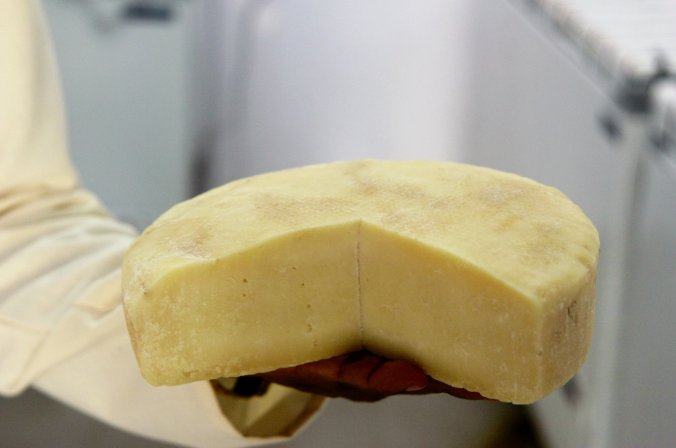
cheese1-c6070525cade53b6706864da524537124dd434af-s1400-c85

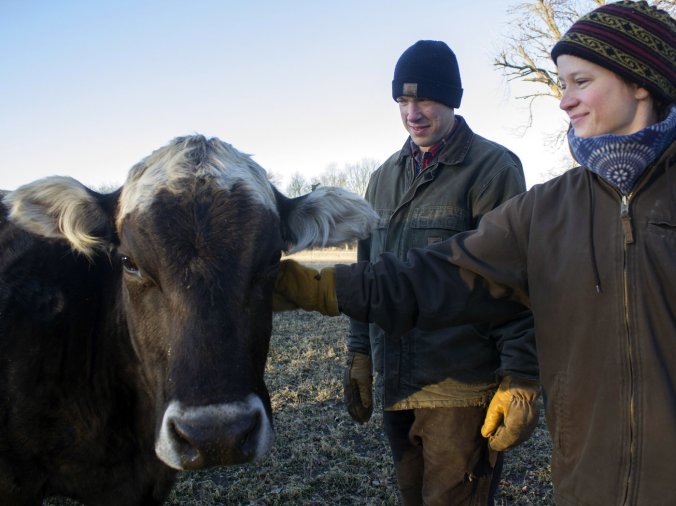
Kevin and Ranae Dietzel, owners of a small dairy herd near Jewell, Iowa, named their signature cheese after this cow, Ingrid. Amy Mayer

A lovely little piece from the salt, over at National Public Radio (USA), that illustrates again how the production of artisanal cheeses can add value, in this case to an otherwise economically challenged farming enterprise

On a clear, cold winter evening, the sun begins to set at Lost Lake Farm near Jewell, Iowa, and Kevin Dietzel calls his 15 dairy cows to come home.

“Come on!” he hollers in a singsong voice. “Come on!”

Brown Swiss cows and black Normandy cows trot across the frozen field and, in groups of four, are ushered into the small milking parlor.: Continue reading

Made In India, Another Success Story

india-cheese-1_custom-cdfd530867a80077bdc11384d4b4e94c6ec88a84-s1400-c85.jpg

A wheel of hard, aged cheese. Aarthi Gunnupuri

Since our setting up shop in India in 2010 we have seen many improvements all around us, all much more important than cheese. But, finally, even the cheese is making life here better. Thanks as always to the folks at the salt, from National Public Radio (USA):

These Monks Have A Calling: Making Fresh Italian Cheese — In India

AARTHI GUNNUPURI

In a monastery tucked away in a quiet back lane of Bangalore, India, Benedictine monks of the Vallombrosian Order are using their European connections to meet rising demand for fresh, Italian-style cheese in this South Asian country. Continue reading

Catch Da Lion

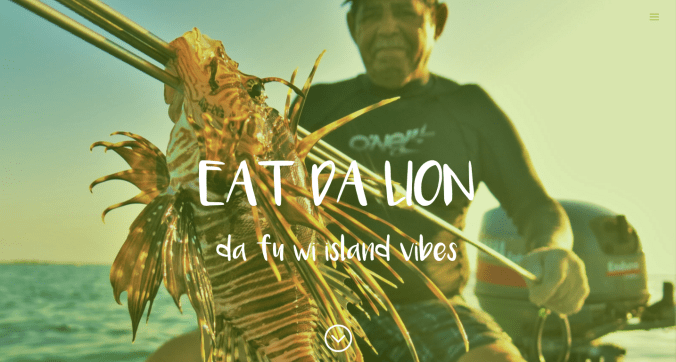
Our contributors have posted frequently about the implications of lionfish as invasive species on this site, but we’re always happy to support new programs and initiatives, especially in Belize.

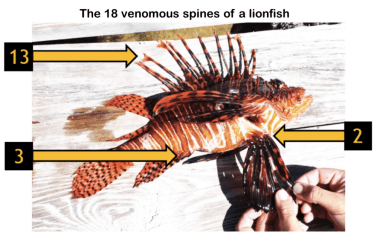
This one is particularly fun and informative, explaining exactly how to manage the spines, how to catch them, how to eat them and how to wear them!

Multiple programs are popping up to help reduce the impact of this invasive species…

Get involved!

  1. Ask your local dive shop, tour operator or tour guide about going out to catch lionfish! Many businesses around Belize offer guests the chance to go out and remove lionfish from our beautiful reefs!
  2. Find that friend who has a boat and head out to the reef to go catch lionfish yourself! See the FAQ below for more information on the tools you will need!
  3. Organize or participate in a Lionfish tournament! Lionfish tournaments have been organized in San Pedro, Caye Caulker, Dangriga and Placencia. Anybody can form a team and enter to catch the most, biggest & smallest lionfish for prizes and good fun!Interested in organizing one, contact us here for support regarding best practices, tournament rules and the materials you will need to get started!
  4. OR, join one of Blue Ventures’ Lionfish expeditions, to get involved in research & culling efforts in Bacalar Chico Marine Reserve!
  5. OR join ReefCI’s lionfish programme

Now you try!

Continue reading

Back To The Land, And A Future

18Farmers5-superJumbo-v2.jpg

Vincent Martin, right, made a living selling health club memberships in Paris until he left his job about five years ago. “Land is key,” he said. Credit Dmitry Kostyukov for The New York Times

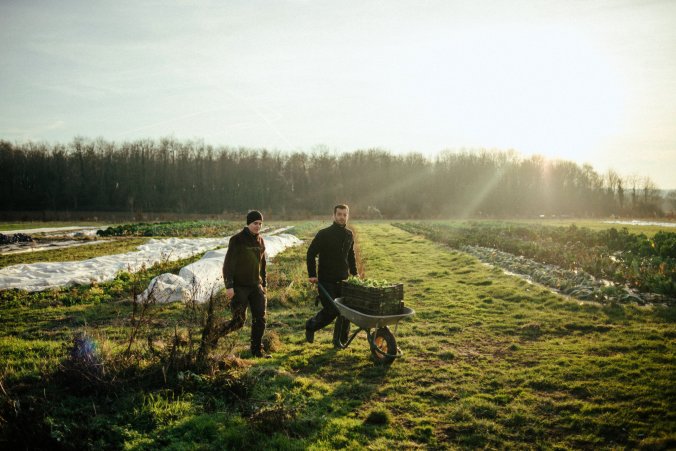
We are going back to the land this year, in Belize, and can relate to the description and explanation these ex-urbanites give for their retreat to the rural, agricultural life of their forebears:

Life on the Farm Draws Some French Tired of Urban Rat Race

By

SAULX-LES-CHARTREUX, France — Two years ago, Elisabeth Lavarde decided to quit her office job in Paris and start a new life in Saulx-les-Chartreux, a small town with two butchers and one baker just south of the capital.

Ms. Lavarde, 39, is now an apprentice farmer at a 24-acre farm that grows organic vegetables, sold directly to local consumers. New farmers like Ms. Lavarde usually make what they see as a decent salary of about 1,500 euros, or about $1,600, a month, slightly above the French minimum wage.

“I wanted a job with more meaning,” she said. “I felt like I was tilting at windmills.” Continue reading

Ancient Grain, Great Again

11rye-slide-it3z-master768

It is not quite as ancient as geological time, but rye grain goes way back. And deserves as comeback, we think, almost regardless of all the nifty innovations that will determine the future of grain-growing. While we are busy with greatness-making, our thought is at this moment, let’s not forget the grains that got us here:

Rye, a Grain With Ancient Roots, Is Rising Again

By Julia Moskin

Any adventurous eater who has wandered into the woods of modern Nordic cuisine has probably tripped over a loaf of rye bread. There is wonderfully chewy rugbrod at Great Northern Food Hall in Grand Central Terminal, spice-scented Swedish limpa at Plaj in San Francisco, and darkly rugged toast at Bachelor Farmer in Minneapolis. Continue reading

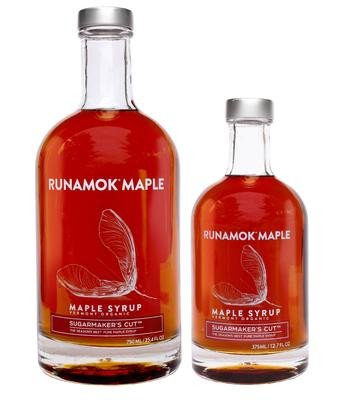
Maple Was Always Good, Got Better, And Finally Runamok

runamok

sgmkr_comp_front_345x_e71869c9-7dac-4854-9ef9-e38dde839f5e_1024x1024When we saw this the other day, it had us thinking that 2017 was already off to a crafty-bottled-flavor start. Now another non-alcoholic liquid we adore, crafted and packaged with flair.

Several among the contributors to this site have connections to maple syrup consumption going back decades, most notably Harrington’s of Vermont circa 1970s. So, combining nostalgia with artisanal and organic, Runamok had us at maple:

Sugarmaker’s Cut™ The Season’s Best Maple Syrup Continue reading

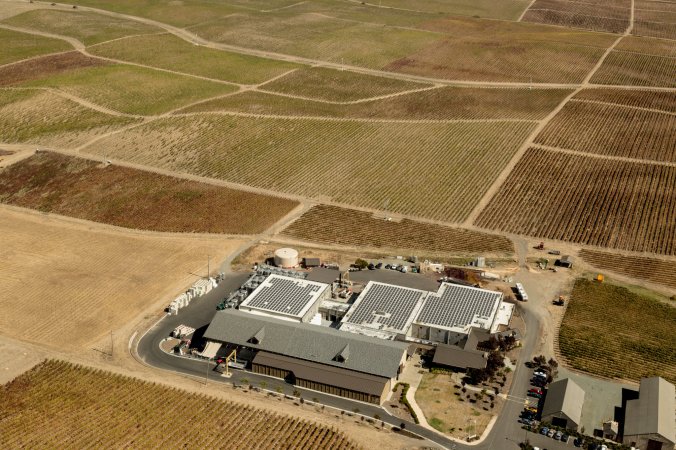
Adaptation, Climate Change, Winery Operations

08wine9-superjumbo

Solar panels dot the buildings at the family’s Carneros Hills Winery. Jason Henry for The New York Times

When a family does its homework on the property that represents its livelihood and our own appreciation for their craft, we take note just as we do when the professor teaches:

Falcons, Drones, Data: A Winery Battles Climate Change

Jackson Family Wines is among California
winemakers employing both high-tech and old-school
techniques to adapt to hotter, drier conditions.

By

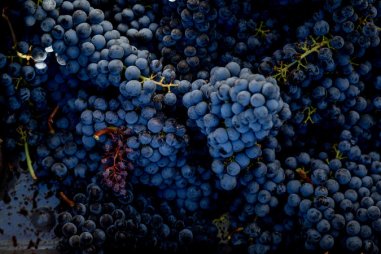
08wine2-master675

Harvested grapes. Jackson Family Wines is one of the largest family-owned winemakers in the country. Jason Henry for The New York Times

On a misty autumn morning in Sonoma County, Calif., Katie Jackson headed into the vineyards to assess the harvest. It was late in the season, and an army of field workers was rushing to pick the grapes before the first rains, however faint, began falling.

But on this day, Ms. Jackson, the vice president for sustainability and external affairs at Jackson Family Wines, was not just minding the usual haul of cabernet, chardonnay and merlot grapes. She also checked on the sophisticated network of systems she had put in place to help crops adapt to a changing climate.

Continue reading

One Type Of Farm Of The Future

img_4002-58_custom-e07c5a73d9c530cfd3b5ce3232509e17950feb69-s1100-c85

Dan Charles/NPR

The last story of 2016 offered by the salt, at National Public Radio (USA) seems a fitting story for us to link to as we jump in to 2017, which will be a year for stretching our farming and food activities beyond simple farm-to-table, onward to a bigger reach (more on which to come). It is useful, and heartening, to hear this family’s story:

By Returning To Farming’s Roots, He Found His American Dream

by Dan Charles

Eighteen years ago, on New Year’s Eve, David Fisher visited an old farm in western Massachusetts, near the small town of Conway. No one was farming there at the time, and that’s what had drawn Fisher to the place. He was scouting for farmland. Continue reading
Brew & Conservation

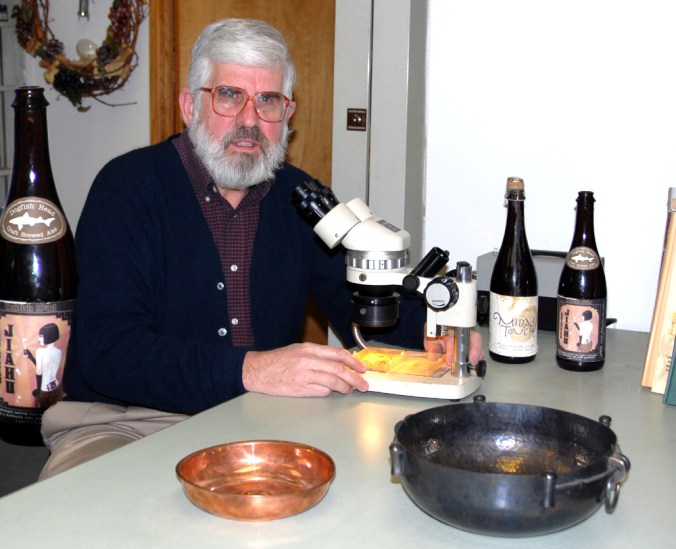
Patrick_McGovern_Analyzing_Midas_sample_at_Microscope.jpg

Patrick McGovern, Scientific Director of Biomolecular Archaeology Laboratory at the Penn Museum, examines a sample of the “King Midas” beverage residue under a microscope. Photo © Pam Kosty / Wikimedia through a Creative Commons license

And in other beer-related news, thanks to the Nature Conservancy’s contributors at Cool Green Science, particularly for Matt Miller’s article Dogfish Head’s Sam Calagione on Archaeology, Conservation and Beer:

Spain, Hops & Craft Beer

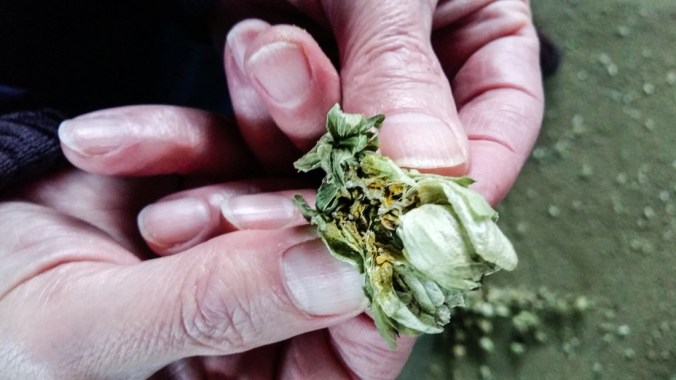
hops_wide-d79a830a1be1de6c8b818c90c577a0ca779d620f-s1100-c85

Ignacio Nicolas Campillo, director of a hops production facility in northern Spain, peels apart the flower of the hops plant, to reveal yellow powder inside. The powder is used to make beer. Lauren Frayer/NPR

This story from the salt over at National Public Radio (USA) adds to our hops coverage from time  to time:

Only the oldest residents of Villanueva del Carrizo, a town on the fertile banks of the Órbigo River in northern Spain, remember that day just after World War II, when all the area farmers were called to a meeting in the center of town.

Spain’s tiny beer industry was in a bind: It could no longer import hops – a key ingredient in beer – from war-devastated Germany. But brewers had spotted wild hops along the Órbigo River, and they had a hunch it could grow on farms too. Continue reading

Surfing, Farming, Learning

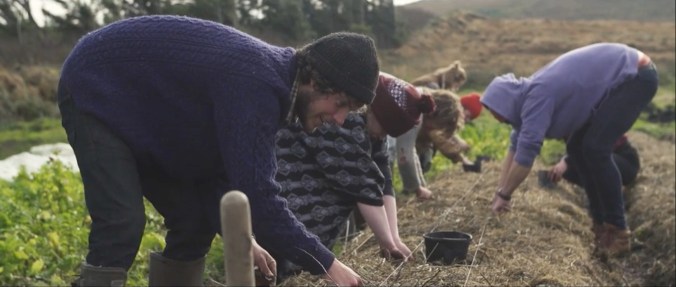
surf1

We have on occasion linked to video shorts offered over at the Atlantic website; this one is worth the seven minutes:

When Pro Surfers Learn to Farm

Video by The Perennial Plate

What happens when a group of professional surfers get tired of the global surfing circuit?

Surf2.jpg

This charming short documentary tells the story of how three friends abandoned their sports careers for the whimsical calling of growing organic vegetables on Ireland’s Wild Atlantic Way. Continue reading
Liquid Cultural Heritage

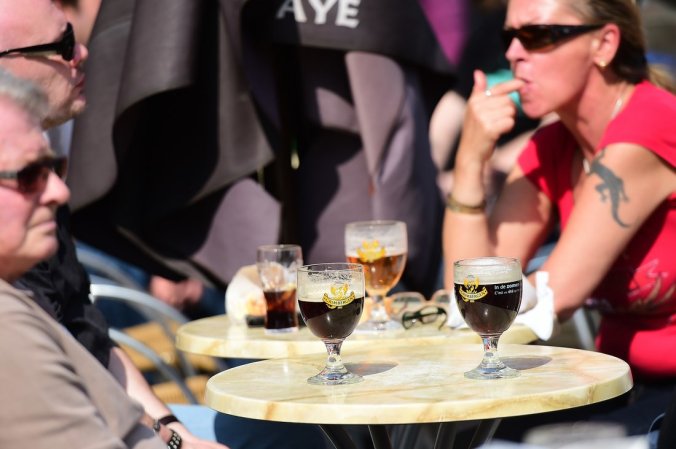
gettyimages-469021312_custom-329fa9e1c141d0d8702acb69c33e17f3c7dc2133-s1100-c85.jpg

UNESCO cited Belgians’ affinity for a wide range of beer in its official recognition of the beer culture of Belgium as a treasure of human culture that should be protected. Emmanuel Dunand/AFP/Getty Images

We might have assumed that yoga had already been recognized as intangible patrimony worthy of UNESCO status. But, surprisingly, that is just happening now, according to the Guardian. Speaking of surprises, beer culture–specifically that of Belgium–makes the cut as well. We are impressed with variety within this brewing heritage and hope the classification helps preserve the knowledge for all of us to get to sample all those styles. Thanks to National Public Radio (USA) for this story:

UNESCO Deems Belgium’s Beer Culture A Treasure Of Humanity

BILL CHAPPELL

Citing Belgian beer’s integral role in social and culinary life, UNESCO is putting the country’s rich brewing scene (with nearly 1,500 styles) on its list representing the Intangible Cultural Heritage of Humanity. Belgium’s beer culture is one of 16 new additions that were announced Thursday. Continue reading

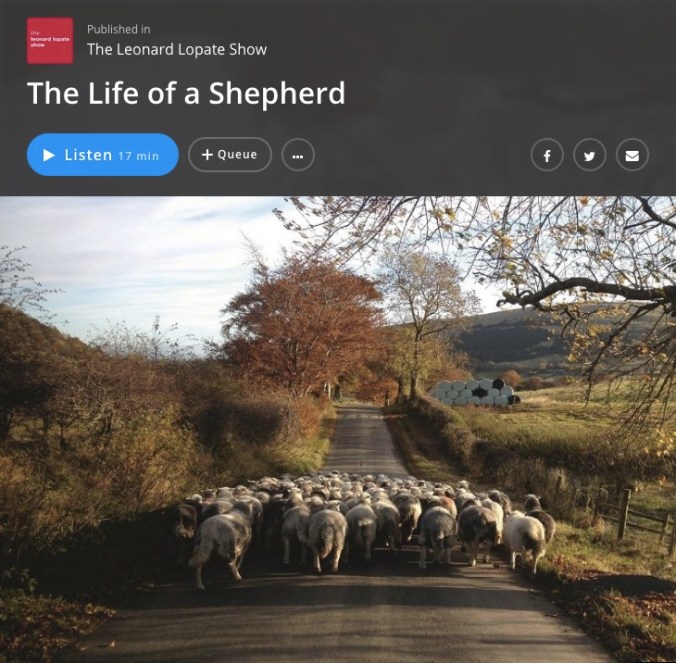
Shepherds, Preserving Many Fine Forms Of Life

ShepherdLopate.jpg

Ignore the irony of our recommendation that you click the image above in the interest of remembering a world without ubiquitous connectivity. Listen. Imagine. Digital detox might make more sense after that. Continue reading

Trees & Wine

02pour1-master768

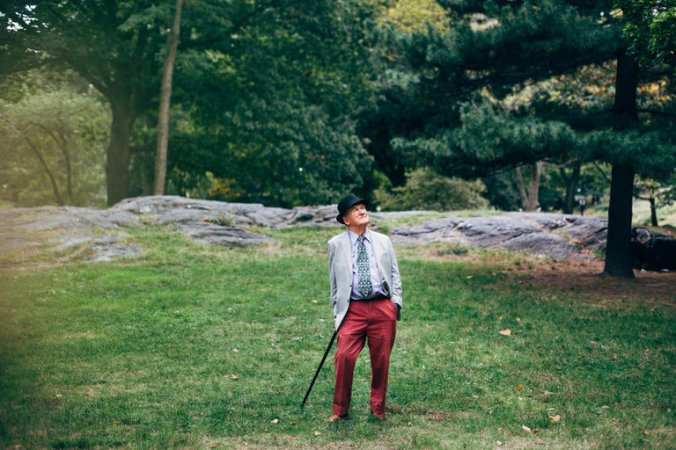
The wine writer Hugh Johnson in Central Park, where he admired one of the last stands of American elms in North America. Credit Andrew White for The New York Times

The New York Times keeps us looking at the trees…

Hugh Johnson’s Lifelong Journey Among the Trees

By

Hugh Johnson, the venerable English wine writer, had just arrived in New York City on a trip he tries to make every year, especially in the fall when “the elms start to fire up.”

As is his custom, he visited old friends, took in a few restaurants — Le Coucou, the new Rouge Tomate Chelsea and an old favorite, Jean-Georges Vongerichten’s JoJo. He stopped at a few museums and strolled through Central Park, where he indulged another passion that is as dear to his heart as wine — trees. Continue reading

Traditions Taken Beyond The Limit Of Logic

wine

The annual harvest of the sangiovese grapes at the tiny Colombaia winery outside Siena. Credit Susan Wright for The New York Times

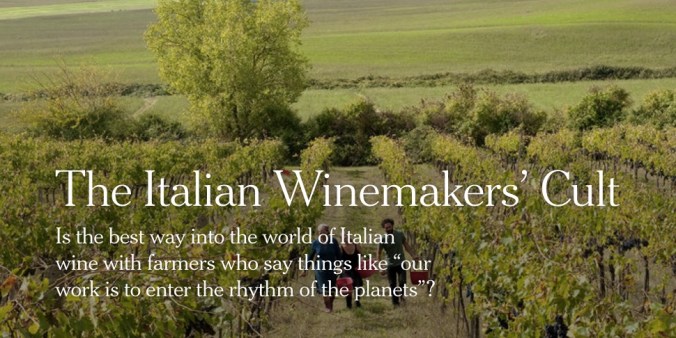
This story touches on many of our favorite themes, so thanks to Mr. Pergament for telling it well (click the image above to go to the original, at the New York Times website):

By DANIELLE PERGAMENT

It was a hot, late summer evening in Tuscan wine country — and, unexpectedly, I was getting a lesson in astrology.

Inside a grid of cool, lush green vines, amid hills and valleys rippling toward the horizon, a cherubic woman in a wide straw hat named Helena Variara was pointing toward the sky.

“You have days of fire, air and days of earth — the 12 constellations are our helpers,” she said matter-of-factly. “Our work is to enter the rhythm of the planets.” Continue reading

If You Happen To Be In The Boston Area

so16_image_page_036_image_0001

Saint Barbara, attributed to the “Ghent Associates” of the Master of Mary of Burgundy, from a book of hours-missal, c. 1485-1490. Courtesy of Houghton Library/Harvard University

We check in from time to time at magazines published by universities where we have recruited. This article, which we appreciate topically because of the conservation of cultural heritage described, makes us wish we could visit the venues described in “Illuminations.”  Lily Scherlis provides a good example of why we keep coming back to this magazine–crisp, clear writing and a compelling argument in favor of looking back into history for an enriching perspective on crowdsourcing versus individual authorship (read to the end of the quoted section):

…These works were born into a world where literacy was scarce and almost universally affiliated with religion: the exhibition description refers to monasticism as, at its heart, a “cult of the book.” I imagine how compelling written religious text would have been to early readers: the words echo off the page, as if read by an invisible voice heard only by you, but are available to other readers as well. Continue reading

Carbon-Calculated Menu Planning

co2emmissionsmeal

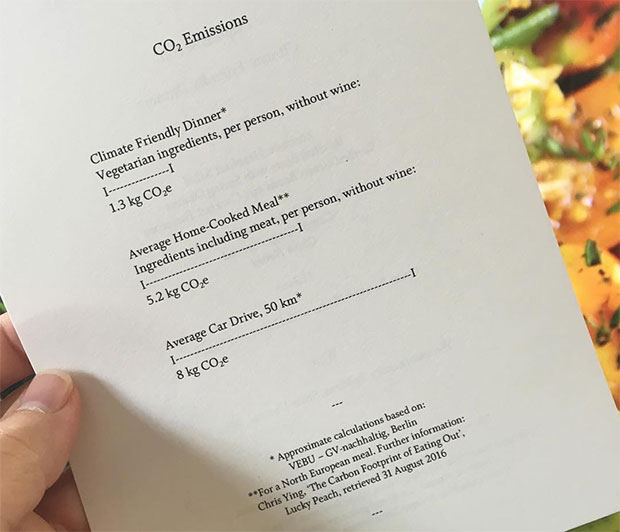
The menu from Studio Olafur Eliasson’s dinner for the Climate Museum’s Miranda Massie. Image courtesy of the artist’s Instagram

From the folks at Phaidon, news of a top artist’s contribution to the climate change conversation, in a manner we can kind of relate to:

Olafur Eliasson puts carbon on the menu

When Eliasson’s studio cooked a meal for NYC’s Climate Museum director it listed one additional ingredient.

The artist Olafur Eliasson is on the board of the Climate Museum, a US institution which endeavours to use the sciences, art, and design to inspire dialogue and innovation that address the challenges of climate change. The museum hasn’t been built, yet Eliasson has submitted a few concept sketches, picturing a globular structure that should, someday soon hopefully stand in New York City. Continue reading