Gardens As Havens For Wildlife

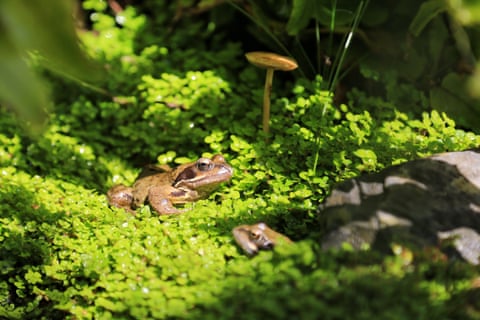
Two frogs in a garden pond enjoying the sunshine on a bed of weed.

Common frogs and other amphibians will spawn in the most modest of garden ponds. Photograph: Brendan Allis/Getty Images/iStockphoto

There are many variations on the theme of garden as haven in our pages over the years. The common thread is that at the scale of a garden, there is much that the individual can do to support conservation. Thanks to Jules Howard for adding to the theme:

The frogs may be gone, but life goes on: how I regained my faith in gardening for wildlife

Wildflower field

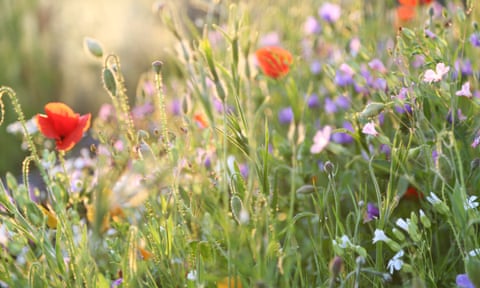
Gardens allowed to grow a little wild can be a lifeline for struggling pollinator populations – in rural as well as urban areas. Photograph: kirin_photo/Getty Images/iStockphoto

The extremes of the climate crisis mean it’s harder than ever to provide a garden haven for birds, insects and other animals. Some gardeners are questioning whether trying to do the right thing is time well spent

More than two decades ago, I had the honour of running the world’s last (possibly only) frog telephone helpline. No, this is not a set-up for a punchline. Continue reading
Crows Counting

This photo shows a black-colored crow with its beak raised in the air and partially open. In the blurry background are green foliage and a light blue sky.

Crows can be trained to count out loud much in the way that human toddlers do, a study finds. Andreas Nieder/Universal Images Group Editorial

We have paid crows passing attention, and have not considered them obviously charismatic but always worthy of further consideration:

Crows can count out loud like human toddlers — when they aren’t cheating the test

Math isn’t just a human thing. All kinds of animals, from African grey parrots to chimpanzees, are thought to have some kind of mathematical ability, but it can be hard to test. Now, a new study finds that certain crows have a way with numbers — one that resembles that of human toddlers. Continue reading

Nature’s Sobering Scenes Challenge Our Simple Wonder

Matt Williams

James Gorman‘s nature and scientific work has appeared so many times in our pages that we can say his style of writing mixes sobriety and wonderment. This essay’s message– birdwatching is not all rainbows and unicorns–is an amplification of that mixture:

From sibling murder to snakes for breakfast, birds’ lives may be darker than you imagine.

I saw a couple of crows dining on roadkill the other day as I was driving by and wondered, Does this count as bird-watching?

I think it should. I know that birding is having a moment. It was something you could do outside without catching Covid at the height of the pandemic. Continue reading

Saving Birds With Mosquitoes

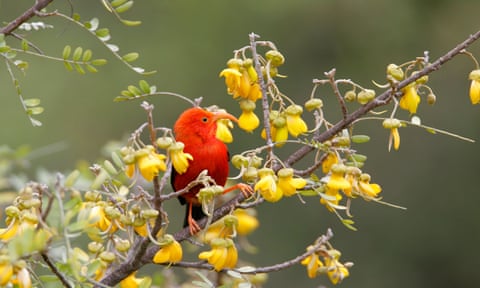
A small red bird on a branch with yellow flowers

The scarlet honeycreeper, or ‘i’iwi, has a 90% chance of dying if bitten by an infected mosquito. Thirty-three species of the bird are already extinct. Photograph: Photo Resource Hawaii/Alamy

We had not heard of such risk to birds before, but this may be the rare case of mosquitoes potentially serving a good purpose:

Millions of mosquitoes released in Hawaii to save rare birds from extinction

Conservationists hope insects carrying ‘birth control’ bacteria can save honeycreeper being wiped out by malaria

Millions of mosquitoes are being released from helicopters in Hawaii in a last-ditch attempt to save rare birds slipping into extinction. Continue reading

Culling Questions

Because invasive species are among the main drivers of extinction today, conservationists have made efforts to cull mice in favor of albatrosses, rats in favor of puffins, and pythons in favor of bobcats. Illustration by Javier Jaén; Source photographs from Getty

Invasive species have received plenty of attention in our pages in the years since we first shared on this topic. Creative approaches to solving the problem abound. Elizabeth Kolbert reviews two books that take up the moral implications:

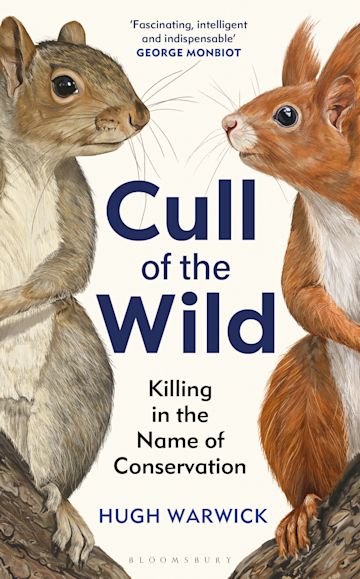
Cull of the Wild coverShould We Kill Some Wild Creatures to Protect Others?

Where humans have tilted the game in favor of one species, some believe we should cull predators to save their prey. Others think it’s a mistake to pick sides.

The northern spotted owl is about a foot and a half high, with very dark eyes, a greenish beak, and a rim of feathers, called a facial disk, that makes it appear to be regarding the world with worried perplexity. Like most owls, northern spotteds are nocturnal, but, unlike most of their brethren, they are picky. They can live only in old-growth forests in the Pacific Northwest. Their diet is restricted and seems to consist mainly of flying squirrels. They’re incapable of building nests of their own, and so, to raise their young, they rely on tree cavities or on basketlike growths that are produced by arboreal infections and known, evocatively, as witches’ brooms.

Hedgehogs, Killing, and Kindness: The Contradictions of Care in Conservation PracticeThe spotted owl’s fastidiousness produced one of the great environmental conflicts of the twentieth century. By the late nineteen-eighties, it was estimated that only fifteen hundred breeding pairs survived. Since the owls depended on old growth, the only way to save them, according to biologists, was to preserve the Northwest’s remaining stands of ancient trees. The timber industry countered that leaving those trees untouched would cost thousands of jobs. The two sides adopted increasingly confrontational tactics. Continue reading

Ed Yong With Binoculars

Ed Yong has graced our pages for a decade and still finds new ways to communicate the wonders of nature:

When I Became a Birder, Almost Everything Else Fell Into Place

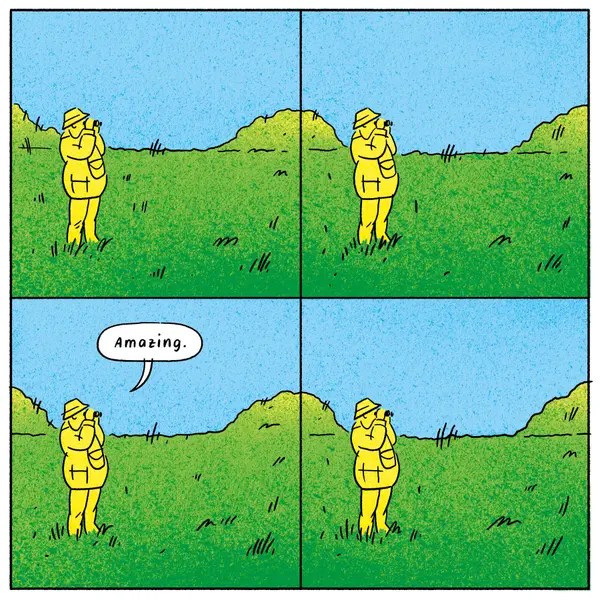
Last September, I drove to a protected wetland near my home in Oakland, Calif., walked to the end of a pier and started looking at birds. Throughout the summer, I had been breaking in my first pair of binoculars, a Sibley field guide and the Merlin song-identification app, but always while hiking or walking the dog. On that pier, for the first time, I had gone somewhere solely to watch birds. Continue reading

How Birds See Color

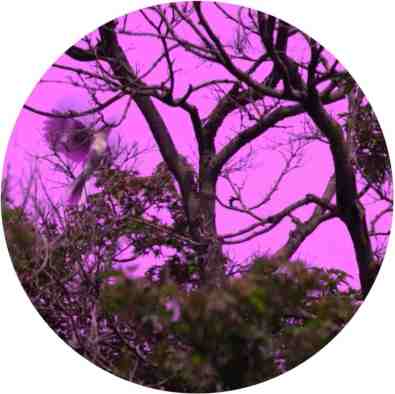
Forget cerulean — a bright, clear sky is actually dominated by ultraviolet light. Humans can’t see ultraviolet light, but many birds can. “Their sky will be essentially an ultraviolet sky,” said Daniel Hanley, a sensory ecologist at George Mason University.

Birds have gotten more attention in our pages than any other person, place or thing since we first started. Today that attention is focused on their sight:

A Bird’s-Eye View of a Technicolor World

Scientists have devised a new video system that reveals how animals see color, and us.

Is the sky truly blue?

Bird-Friendly Architecture

The New York Times building uses fritted glass clad with rods, which make its facade more visible to birds. Photograph: Daniel Slim/AFP/Getty Images

Birds fall victim to carelessly designed buildings. Bravo to the New York Times for building a bird-friendly HQ. Also to the Guardian for reporting on their competitor’s leadership, and on the architects leading the way with careful design:

Buildings kill a billion US birds a year. These architects want to save them

Highly transparent glass can lead to devastating collisions. But innovations in design are creating safer skylines – without sacrificing beauty

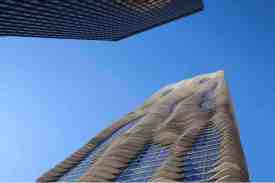
Chicago’s Aqua Tower was designed with birds in mind. Photograph: Radomir Rezny/Alamy

Chicago’s 82-story Aqua Tower appears to flutter with the wind. Its unusual, undulating facade has made it one of the most unique features of Chicago’s skyline, distinct from the many right-angled glass towers that surround it.

In designing it, the architect Jeanne Gang thought not only about how humans would see it, dancing against the sky, but also how it would look to the birds who fly past. The irregularity of the building’s face allows birds to see it more clearly and avoid fatal collisions. “It’s kind of designed to work for both humans and birds,” she said.

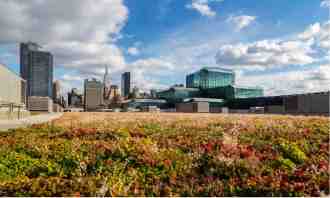
A green roof on the Javits Convention Center serves as a sanctuary for birds. Photograph: David Sundberg/Courtesy of Dan Piselli

As many as 1 billion birds in the US die in building collisions each year. And Chicago, which sits along the Mississippi Flyway, one of the four major north-south migration routes, is among the riskiest places for birds. This year, at least 1,000 birds died in one day from colliding with a single glass-covered building. Continue reading

Holiday Cheer From Mr. Grouse

Bill Hartline and Mister Grouse. “He can be a pain, too,” Mr. Hartline said. Bill Hartline

Apart from bird-feeders, habituating wild animals among humans is troublesome. The Cornell Lab of Ornithology promotes birdfeeders so we trust that there is science supporting the practice. The science behind this grouse’s behavior represents another good exception:

Ruffed grouse are elusive and stealthy, but scientists are seeking a genetic explanation for why some of the birds become best buddies with people.

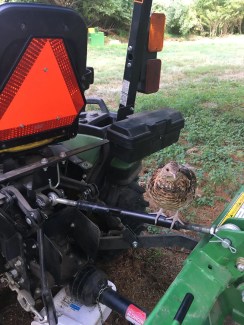
Mister Grouse helping with chores around the property. Bill Hartline

When Bill Hartline bought 50 acres of forested land outside Muncy, Pa., he was looking for a bit of solitude and a place to eventually build a new home in retirement. But during a camping trip there in early 2020, he discovered the wooded plot wasn’t as lonely as he thought. That evening, a ruffed grouse — a crow-size bird with a tiny mohawk and mottled feathers — appeared at his feet.

“I crouched down and said, ‘Hello.’ He cooed back and started following me around,” Mr. Hartline, 66, said. “Three years later, he’s still following me around.” Continue reading

Carl Safina, Ecologist & Author, Interviewed

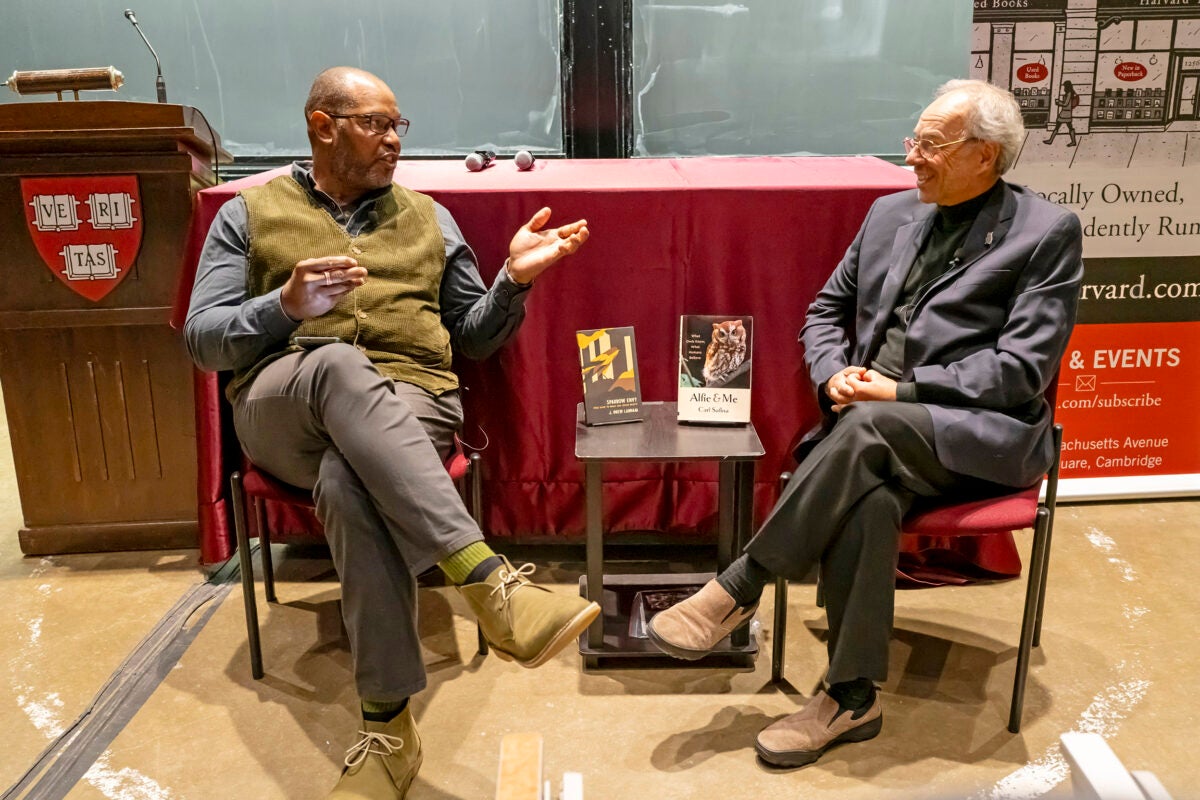
Joseph Drew Lanham and Carl Safina.

Joseph Drew Lanham (left) interviews fellow ecologist Carl Safina during a recent Harvard talk about Safina’s book “Alfie and Me: What Owls Know, What Humans Believe.” Jon Chase/Harvard Staff Photographer

We have linked to the work of Carl Safina only twice before (the second time just a photo credit) but now realize what we have been missing. Our thanks to Alvin Powell,
Harvard Gazette staff writer:

Screech owl wisdom

It took an ailing screech owl to teach a scientist the value of up-close-and-personal study.

Alfie and Me: What Owls Know, What Humans Believe by Carl Safina ...In a talk Monday at the Science Center, Carl Safina, an ecologist at Stony Brook University and author of several books about humanity’s relationship with nature, recalled that the chick was found on a friend’s lawn as the pandemic was tightening its grip on the world. In the picture Safina received, the bird looked beyond saving.“How did it die?” he asked.

“It was just a downy little, dying thing,” Safina, whose most recent book is “Alfie and Me: What Owls Know, What Humans Believe,” said in his Harvard talk, which was sponsored by the FAS Division of ScienceHarvard Library, and the Harvard Book Store and included questions from Clemson University ecologist Joseph Drew Lanham. Continue reading

Big Turbines, Big Location, Big Wind Farm

Image via U.S. Bureau of Ocean Energy Management
A map shows the location of Dominion’s federal lease and where the company proposes to run associated infrastructure.

Thanks to National Public Radio (USA) station WHRO for this news.

It is a big deal:

Dominion can soon start building Virginia Beach offshore wind farm, feds say

Dominion Energy will soon have the green light to start building its long-awaited wind farm off the Virginia Beach coast.

Dominion Energy’s pilot turbines off Virginia Beach this summer. (Photo by Laura Philion)

The Biden administration announced Tuesday its approval of the $9.8 billion Coastal Virginia Offshore Wind project, which when constructed will be the largest in the country’s history.

Dominion can now start constructing infrastructure for the project on-shore, said spokesperson Jeremy Slayton. The company just needs the Bureau of Ocean Energy Management to OK its construction and operations plan for the offshore farm. Continue reading

Stories from the Field: Spoon-billed Sandpiper

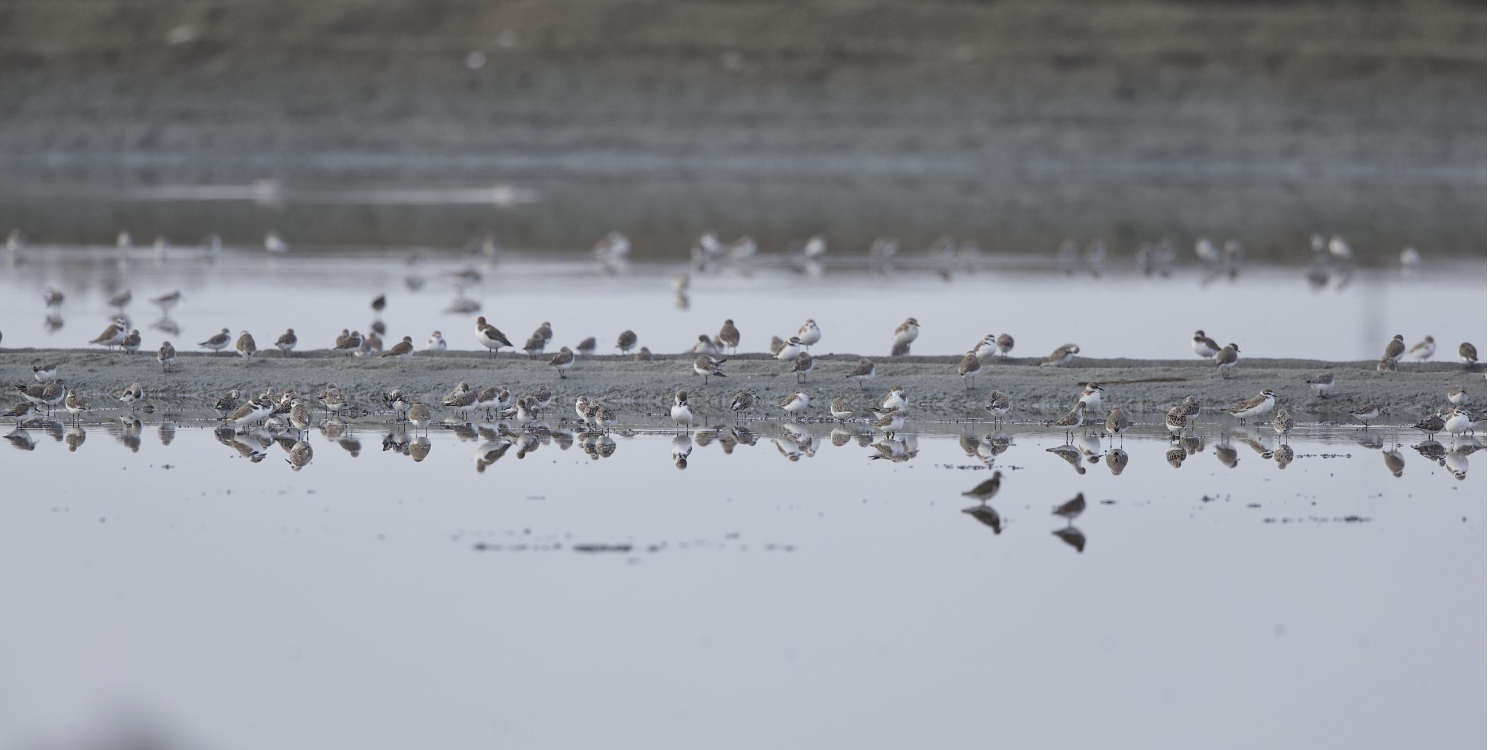
In my previous post I’d written about birding with Clement Francis and how educational he was in so many ways – sparking my interest in birding, my abilities as a bird photographer, and not least, my understanding of the challenges that birds and other wildlife suffer in the face of climate change and human related habit destruction. The story of the Spoon-billed Sandpiper impacted me in a huge way.

This tiny bird travels between the Arctic Tundra and the South Asiatic regions. While they breed in the tundra, they migrate southwards during winters in a migratory route of 8000 kilometres. Just 200 pairs of this birds existed back then. Now due to human intervention and the implementation of captive breeding programmes, the population are reaching to a decent number.

The International Union for Conservation of Nature (IUCN)  has listed the Spoon-billed Sandpiper under the “critically endangered” species. During one of our trips Clement showed me the picture of the bird in its breeding plumage that was shot in Siberia. From that moment on my mind was set on seeing the bird. It may appear like an exaggeration, but the bird appeared in my dreams quite often and the desire to see it for myself grew stronger every day. At the time of our trip the bird was in migration to a small patch in the Sunderbans of Bangladesh,  but the numbers there were decreasing, and their path seemed to be shifting toward stopovers in Thailand instead. 

Continue reading

Stories from the Field: Birding with Clement Francis

Tawny Eagle

Fast forward to June of 2012, when I started scouting for birds in the grasslands. Clement Francis showed me the birds of Hesaraghatta. Clement is a topnotch bird photographer. I was amazed at his skills. He could identify every bird there and explained their features and behaviour. We roamed around the grasslands in our car and upon sighting a raptor on the ground, Clement would approach the bird from the car, going around it in wide circles, gradually reducing the distance from the bird. As I sat on the passenger seat with my lens rested on the car door, Clement whispered to me not to make eye contact with the bird, or make any large movements while he parked the car at the comfort-distance and with the sunlight behind us. He approached the bird with such skill that it never felt threatened as he mumbled the ideal camera settings for perfect photographs under his breath. He gave me very valuable lessons in approaching the various species of the grasslands, while advising on the ideal light conditions and inculcated patience in making handsome pictures. Continue reading

Migratory Birds Across The Americas

I rarely read comments from other readers on articles, but for some reason I did on this one; they are almost as interesting as the article itself:

For Migrating Birds, It’s the Flight of Their Lives

America’s birds are in trouble. Since 1970, nearly 3 billion birds have vanished from the skies over North America. Continue reading

Franzen On Motivating Nature Preservation

Illustration by Benoit Leva

Yesterday a writer, whose care for nature is as famous as his books are popular, posted this:

The Problem of Nature Writing

To succeed—to get people to care about preserving the world—it can’t be only about nature. 

The Bible is a foundational text in Western literature, ignored at an aspiring writer’s hazard, and when I was younger I had the ambition to read it cover to cover. After breezing through the early stories and slogging through the religious laws, which were at least of sociological interest, I chose to cut myself some slack with Kings and Chronicles, whose lists of patriarchs and their many sons seemed no more necessary to read than a phonebook. Continue reading

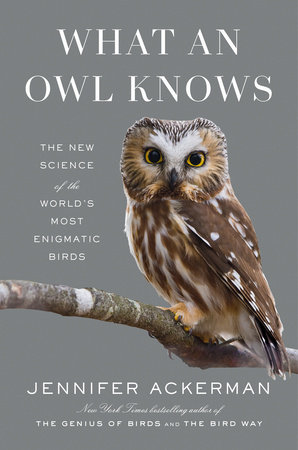
What An Owl Knows, Reviewed

The Economist reviews this new book by Jennifer Ackerman, and if you do not subscribe to that magazine you can see other reviews here or here:

A raptor’s mystique inspires “What an Owl Knows”

They know rather a lot, reveals the book’s author, Jennifer Ackerman

With a face as round as the first letter of its name and a stance as upright as the last—along with human-like features and a haunting cry—the owl has a mystical, mythical perch in the imagination. Difficult to spot because of their mostly nocturnal habits, and sporting cryptic plumage that helps them melt into landscapes, owls, writes Jennifer Ackerman, are the most enigmatic of birds…

Bring Birds Back Podcast

A new (to us) podcast to get your bird nerd fix:

Let’s All Go to Gullah Geechee Sea Islands with Isaiah Scott

Bring Birds Back Season 4: Episode 4

This episode’s guest may be too young to remember the 90’s children’s show, Gullah Gullah Island, but he’s certainly influencing the next generation the same! Isaiah Scott, a rising Gen-Z bird-influencer and ornithologist, reconnects with Tenijah to dish all about his journey into birding while young, Black and curious. He also shares how his Gullah Geechee heritage continues to inspire his work, including a forthcoming field guide that seeks to preserve his ancestral connection to birds. There’s definitely “lots to see and to do there”– press play and take the journey with us!


Birds, Citizen Science & You

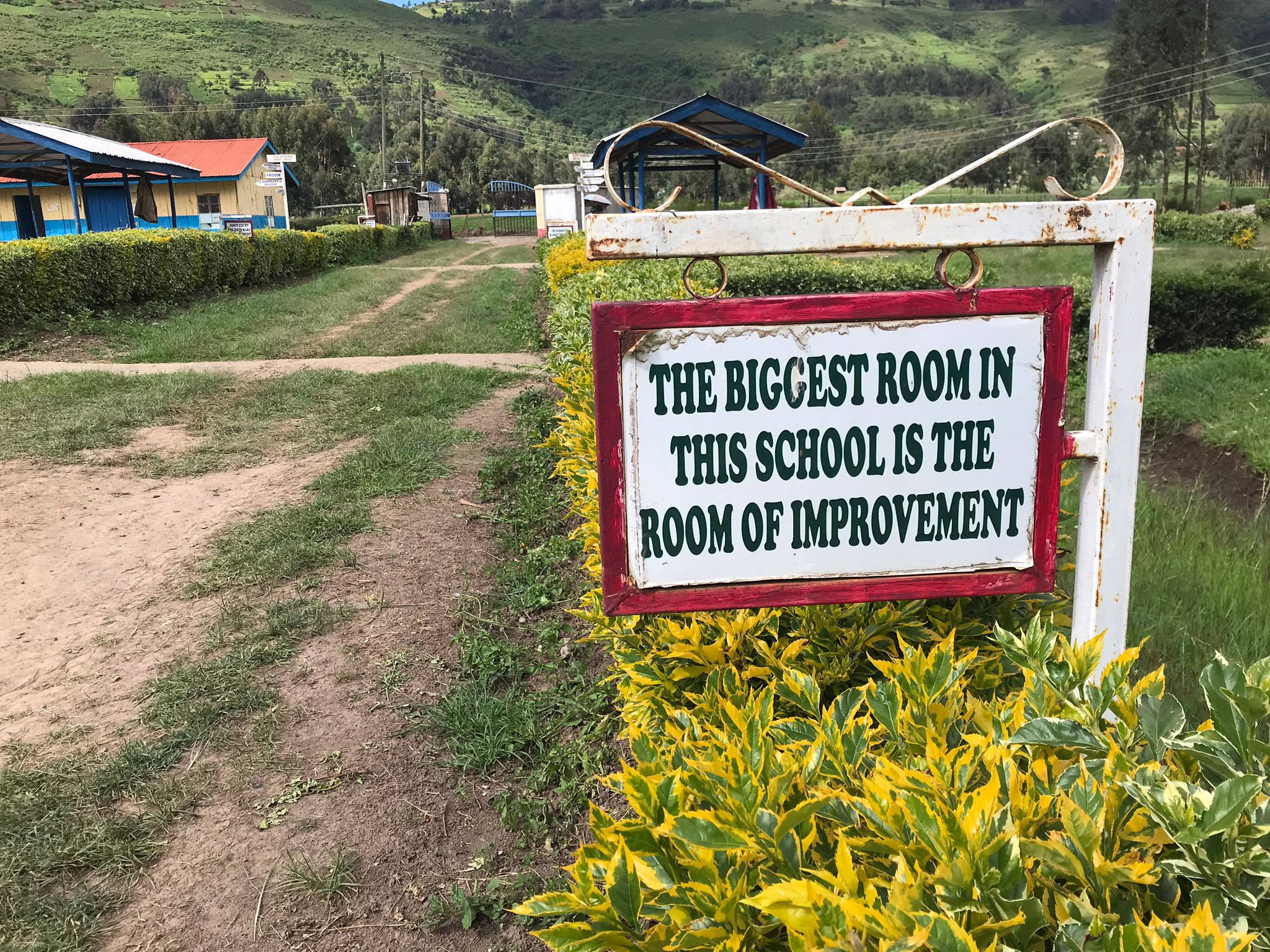
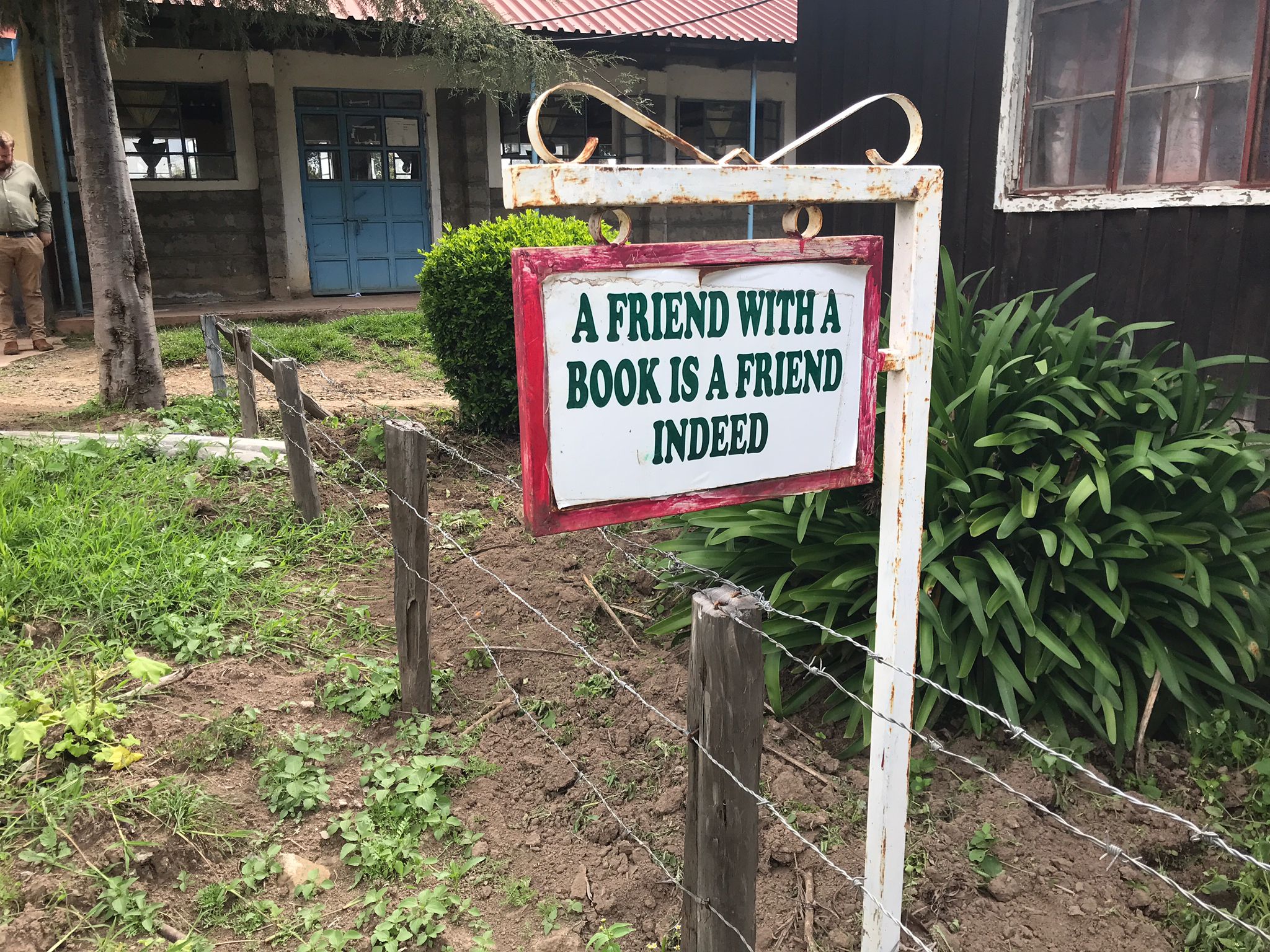
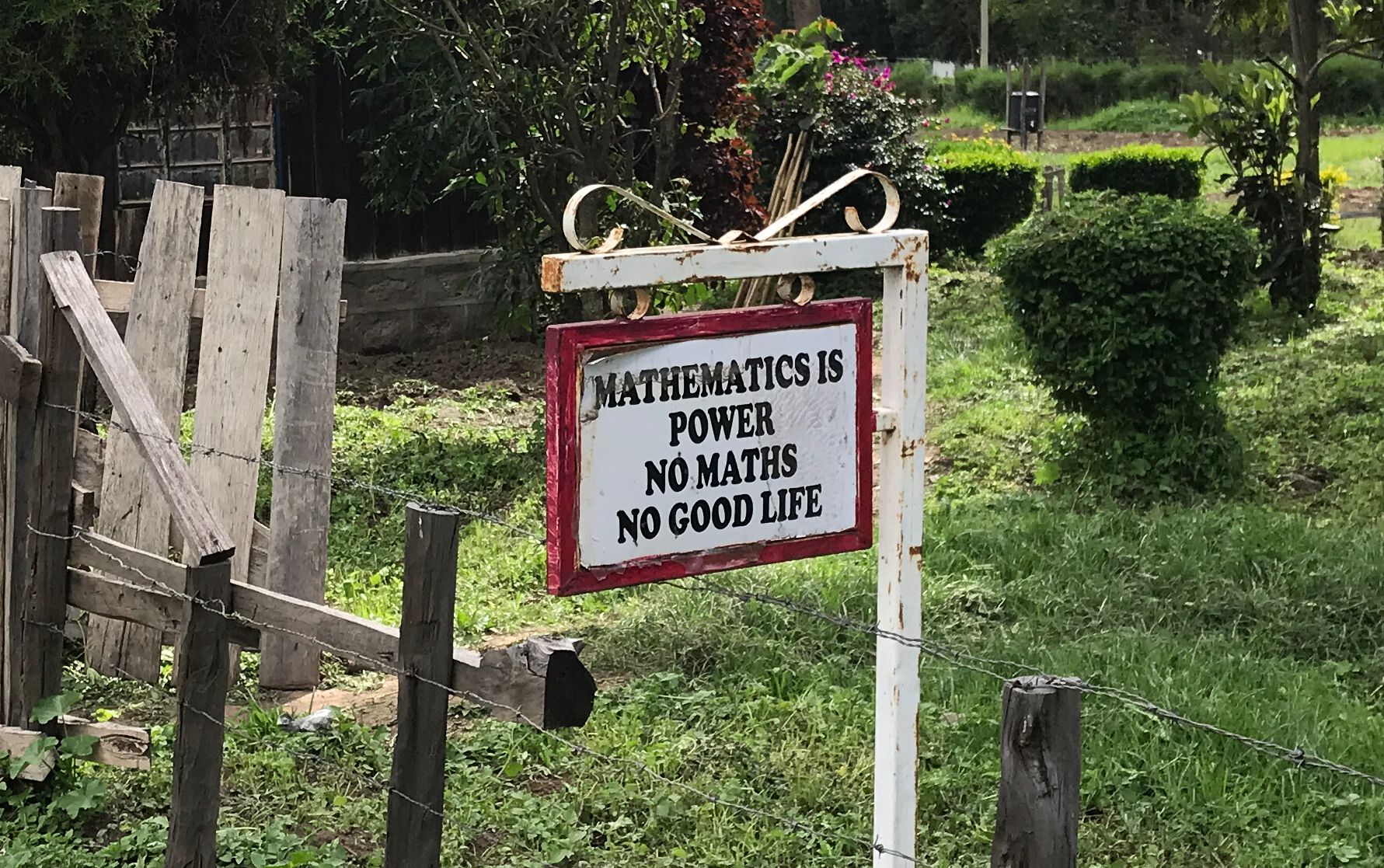
Seth has been working in various African countries recently, and is somewhere in Kenya at this moment, for work. There is a school in the vicinity, with these signs. We have not yet had the chance to hear any details about the school, but these signs anyway say most of what we might want to know.

His work, related to forest management, clearly intersects with his longstanding interest in birds, strengthened by his three years working at the Cornell Lab of Ornithology. That period coincides with our learning about citizen science and in the years since we have shared many stories from the field.

The pictures arrived from Kenya just as this initiative between the Cornell Lab of Ornithology and the New York Times comes to my attention, which you might find interesting:

Mike McQuade

Go Birding With The Times

Our understanding of birds has been profoundly shaped by the work of everyday people. After all, anyone can step outside and pay attention to an untamed world swooping above. Continue reading

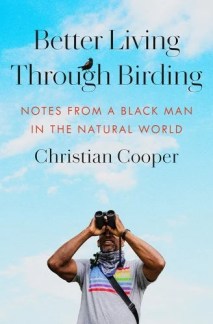
Better Living Through Birding, Christian Cooper’s Forthcoming Book

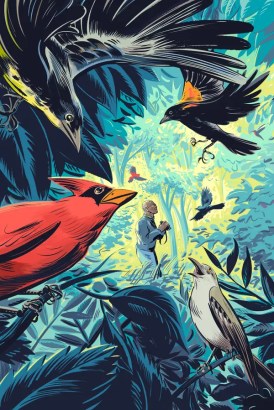
Wesley Allsbrook

Christian Cooper, an American science writer, is author of the forthcoming book (below left) from which the following essay in the New York Times is adapted:

Three Years After a Fateful Day in Central Park, Birding Continues to Change My Life

Early in the morning of May 25, 2020, I biked from my apartment on Manhattan’s Lower East Side to Central Park to go birding in the Ramble. Despite the uncertainties of the time — New Yorkers were living in a hot spot of the raging Covid pandemic, with no vaccine in sight — I strove to start this warm, sunlit Memorial Day on a happy note by wandering my favorite urban woodlands in search of migrating songbirds.

I was focused on the end-of-season hunt for a mourning warbler, a small yellow and gray skulking bird that’s difficult to spot and relatively rare. I hadn’t yet seen one that year.

Visiting the park in the morning to look for birds has long been a springtime routine for me. I wake before sunrise and grab my Swarovski binoculars — a 50th-birthday present from my father — and head out the door. Continue reading

The Birds Of Australia, Interactive Exhibition Of John & Elizabeth Gould’s Illustrations

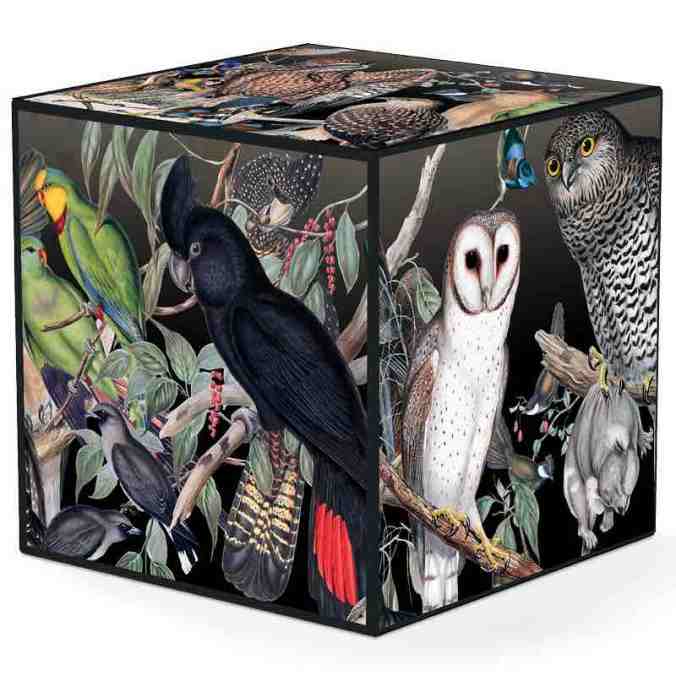
A new exhibition showcasing the incredible world of Australia’s birdlife will launch in Newcastle. Presented on STORYBOX, an interactive storytelling cube, The Birds of Australia, brings to life the iconic bird illustrations of John and Elizabeth Gould together with First Nations storytelling and knowledges.

We have linked to stories about both John Gould and his wife Elizabeth, and now there is a museum exhibition honoring both together, so if you happen to be in Australia:

Touring exhibition: The Birds of Australia

Trace the journey of English ornithologist John Gould and his wife Elizabeth, as they travelled across New South Wales in the 1800s on one of the most significant birding expeditions in history, helping inform contemporary knowledge and conservation of Australian birds. The Goulds described and illustrated over 300 birds that were completely new to science, including the Pied Butcherbird (Cracticus nigrogularis) and the now extinct Paradise Parrot (Psephotellus pulcherrimus). It was an astonishing record of observation and sustained hard work. Continue reading