Biodiversity via Rwanda’s Resiliency

While the actual events of the Environmental Film Festival had been canceled, the wonder and value of each entry remains intact. In fact, the DCEFF is offering hundreds of the films for streaming on line.

So many of these amazing projects strike home, but the one featured above has even more so, as Claver Ntoyinkima was Seth’s field assistant during his work doing bird surveys in Rwanda’s Nyungwe National Park.

A Walk Through The Land of a Thousand Hills

Claver Ntoyinkima, a native park ranger, shares the secrets of Nyungwe National Park in Rwanda as he guides us through the forest. With almost 300 bird species, over 1,000 plant species, and dozens of large and small mammals, Nyungwe is one of the most biodiverse places in the world. Twenty-five years after the devastation of the Rwandan Civil War, the park is now one of the best-conserved montane rainforests in Central Africa. As Claver walks through the forest we uncover the origins of his conservation values and the history of an ecosystem that survived one of Rwanda’s darkest periods.

Find this and more films here.

Heralding Libraries as the Superheroes They’ve Always Been

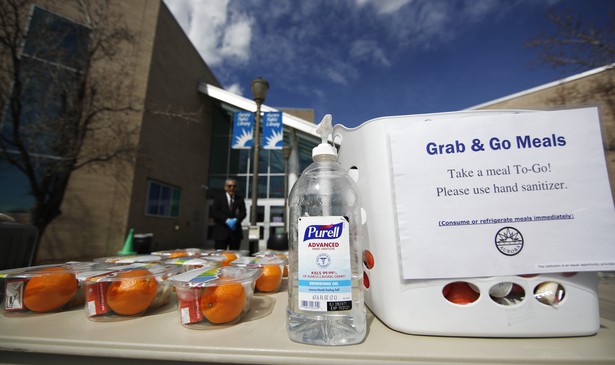
A bottle of hand sanitizer stands next to free lunches for people under the age of 18 outside the Aurora Public Library as branch manager Phillip Challis, back, looks on in an effort to help city residents and reduce the spread of the new coronavirus Wednesday, March 25, 2020, in Aurora, Colo. The new coronavirus causes mild or moderate symptoms for most people, but for some, especially older adults and people with existing health problems, it can cause more severe illness or death. (AP Photo/David Zalubowski)

This is far from the first time we’ve heralded librarians, media specialists and libraries on this site as the super heroes they are, not to mention their ability to adapt; we will continue to herald their adaptiveness in times of public turmoil:

Public Libraries’ Novel Response to a Novel Virus

America’s public libraries have led the ranks of “second responders,” stepping up for their communities in times of natural or manmade disasters, like hurricanes, floods, shootings, fires, and big downturns in individual lives.

Throughout all these events, libraries have stayed open, filling in for the kids when their schools closed; offering therapeutic sessions in art or conversation or writing after losses of life; bringing in nurses or social workers when services were unavailable to people; and hiring life-counselors for the homeless, whom they offer shelter and safety during the day.

Today, interventions like those have a ring of simpler days. But libraries have learned from their experience and attention to these previous, pre-pandemic efforts. They are pivoting quickly to new ways of offering services to the public—the core of their mission. When libraries closed their doors abruptly, they immediately opened their digital communications, collaborations, and creative activity to reach their public in ways as novel as the virus that forced them into it.

You can be sure that this is just the beginning. Today libraries are already acting and improvising. Later, they’ll be figuring out what the experience means to their future operations and their role in American communities.

Here are some of the things libraries are doing now. These are a few examples of many: Continue reading

In Costa Rica, With Rwanda On My Mind

In Costa Rica, where tourism has been shut down and our own business interests completely on hold, I have resilience of family farms on my mind, which may seem quite a narrow focus but it is my choice, for now. Even with that narrow focus, as always I enjoy stories about this little country’s contributions to the world (click above). But Costa Rica is not the only little country doing remarkable things, it just happens to be where I live and work.

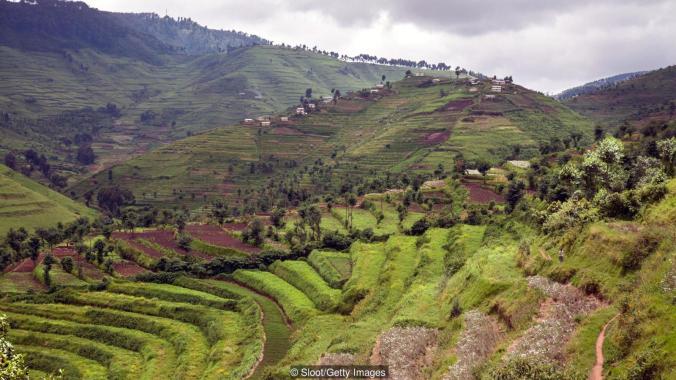
Newly constructed terraces in Rwanda

Rwanda has had experience in similar health crises, managing to successfully contain Ebola from its borders in 2019

This hunger for stories about little countries and their phenomenal achievements keeps me searching for stories to share here each day. And I just found one worth sharing. BBC’s website has a story in their travel section today on what they believe will be the five most resilient economies in terms of recovery from the current combined health and economic crisis. They use the 2019 Global Resilience Index to make some baseline inferences and then share their own expert opinion on how this would translate to recovery. I was struck that Rwanda, a country I have been musing about since Seth’s field work there last year, was in their top five:

Rwanda

We felt confident that the Rwandan government would handle the situation way better than in our home countries Continue reading

Saving The Harvest In Europe

4288.

Strawberries at Greens Berry farm in Wexford, Ireland. Photograph: John Greene

With farmers on our mind, recently, and especially the ability of family farms to get harvesting and distribution done we are watching for stories like this:

Farmers across Europe bank on improvised armies of pickers to save harvest

Growers from Ireland to Spain says coronavirus lockdown has stopped migrant workers from arriving

4500.

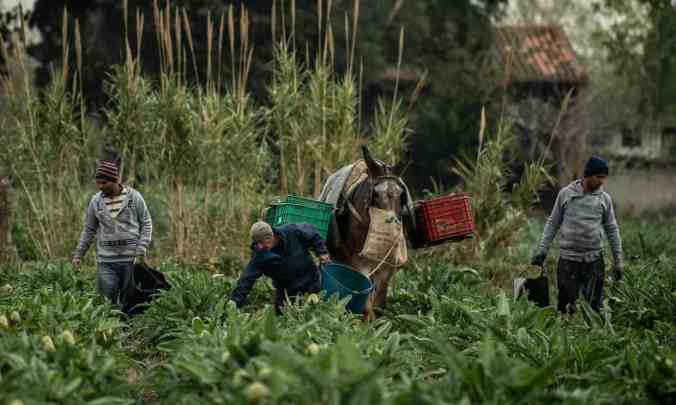
Workers on a farm at El Prat del Llobregat, near Barcelona, harvest artichokes in March. Photograph: David Ramos/Getty Images

At this time of year John Greene is usually preparing to welcome dozens of Slovakian strawberry pickers for another harvest at his farm in County Wexford in south-east Ireland.

The work is arduous and repetitive and he relies on their experience and stamina to get the fruit picked, packed and sold.

Greene surveyed his fields this week with foreboding. “I look out my window and there’s no one to pick it. None of them are on site at the moment.”

His pickers remain in Slovakia, immobilised by a continent-wide lockdown. It is a similar story for hundreds of thousands of other seasonal agricultural workers who cannot travel just at a time when Europe needs them for harvests. Continue reading

Ed Yong, Excellent Explainer

EdYongGiraffe

Davis Huber

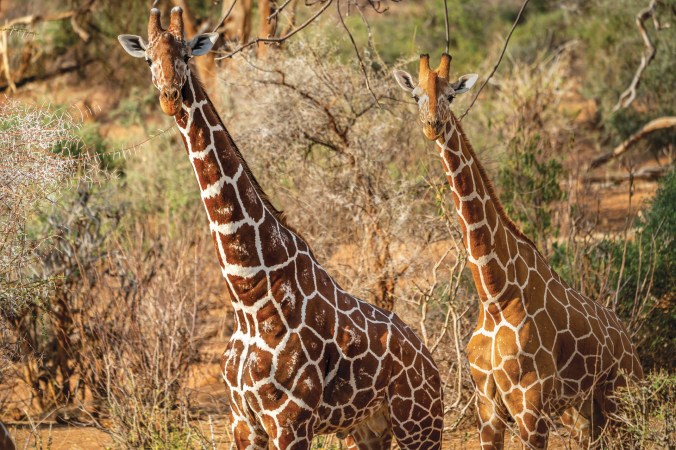
A little over seven years ago the great science writer Ed Yong first came to my attention, and he has featured dozens of times in these pages ever since, never failing to enlighten me. When I saw his recent work on giraffes in the Atlantic I neglected to post it here, but I am correcting that now. It is important work, and I now know he has taken leave from his book-writing assignment from which that story is derived. He has taken leave so he can explain to us something much more pressing. I learned that in his conversation here:

EdYong

I recommend listening to him talk about reporting his most recent work, which he says is the most important work he has done to date.

Shipworms, Pasts & Futures

merlin_166107183_88f5b417-0852-4d36-a84a-d531e035fd7b-jumbo

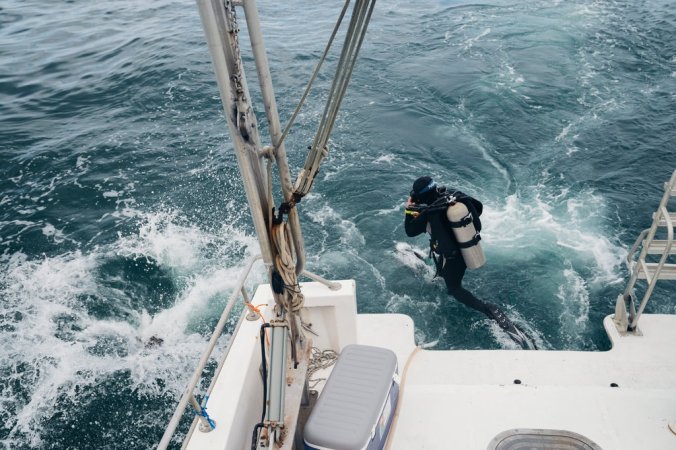
Bailey Miller, a postdoctoral researcher at the University of Utah, dived off the Research Vessel E.O. Wilson to explore an ancient underwater cypress forest in the Gulf of Mexico off of Dauphin Island, Ala.

Thanks to JoAnna Klein, who now more than ever is appreciated for the reminder of the wonders of natural history:

A Forest Submerged 60,000 Years Ago Could Save Your Life One Day

Before this underwater forest disappears, scientists recently raced to search for shipworms and other sea life that might conceal medicine of the future.

An ancient log, home to shipworms, which may help researchers discover new medicines.

An ancient log, home to shipworms, which may help researchers discover new medicines.

DAUPHIN ISLAND, Ala. — It was 6 a.m. at the dock on a Tuesday in December, and the weather did not look promising. Fog hovered over the water, and the engine of the Research Vessel E.O. Wilson rumbled.

Our ship disappeared into the mist, and by 7:30 the crew, a team of biologists, chemists and microbiologists, reached its destination. The sun lounged on obsidian water, masking a secret world where land and sea swap places, and past, present and future collide.

This is the underwater forest. Its unusual residents, shipworms and related marine organisms, could serve as incubators of unexpected medicines, churning out new lifesaving formulas and compounds that may not be found anywhere else on the planet. But first the group of scientists had to manage to dive 60 feet beneath the ocean’s surface to recover their unusual subjects, a task made more challenging by three days of uncooperative weather.

Another log recovered from the underwater forest.

Another log recovered from the underwater forest.

“Underwater forest” is not a metaphor — this is a not a coral reef or a sea grass bed that resembles surface woodlands but bona fide trees with roots and leaves. For thousands of years, this cypress grove — about two football fields long and five feet wide — lay silent, preserved within an oxygen-less tomb of sand and sediment. Then came Ivan.

In 2004, the hurricane, category 5 before making landfall, ripped through the Gulf of Mexico, with winds up to 140 miles per hour kicking up 90-foot waves. The storm scooped up nearly 10 feet of sand from the seabed, awakening the sleeping forest beneath. Continue reading

Another Victory Favoring Earth, We Hope

25CLI-DAKOTAPIPELINE1-jumbo

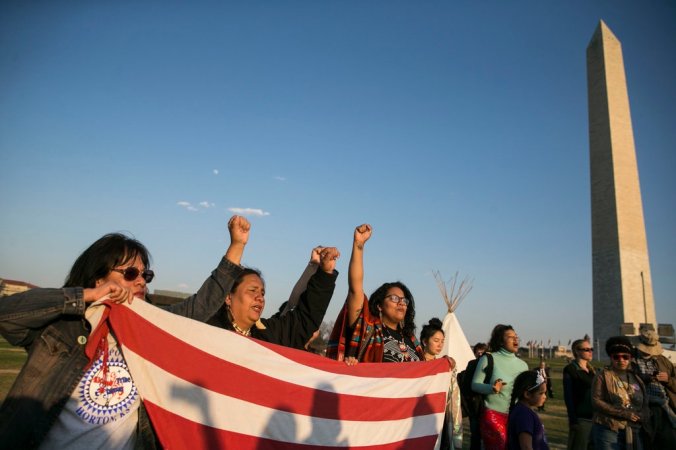
Demonstrators protested against the Dakota Access Pipeline on the National Mall in Washington in 2017.Credit…Al Drago/The New York Times

In 2017 two separate stories by Lisa Friedman were featured in the same post we titled Victory Favoring Earth, We Hope. The title fits the article she has published today, which gives a bit more hope:

Standing Rock Sioux Tribe Wins a Victory in Dakota Access Pipeline Case

WASHINGTON — In a significant victory for the Standing Rock Sioux Tribe, a federal judge on Wednesday ordered a sweeping new environmental review of the Dakota Access Pipeline.

The pipeline, which runs from North Dakota to Illinois, has been carrying oil for nearly three years and has been contested by environmental groups and Native American tribes who live near it. President Trump sought to keep the project alive.

The ruling by United States District Judge James E. Boasberg found that the pipeline’s “effects on the quality of the human environment are likely to be highly controversial” and that the federal government had not done an adequate job of studying the risks of a major spill or whether the pipeline’s leak detection system was adequate. Continue reading

Next, Clean Ocean Sailing

25travel-cleanocean-05-jumbo

Simon Myers, who volunteered on a recent Clean Ocean Sailing expedition with his son, Milo.

The smoke has not cleared, but it is not too early to share thoughts of what will need our attention next:

The Plastic-Hunting Pirates of the Cornish Coast

The Clean Ocean Sailing initiative removes plastic waste from areas of England’s coastline that are inaccessible by foot.

25travel-cleanocean-06-jumbo

The Clean Ocean Sailing crew aboard the 112-year-old Annette.

The Cornish coast — with its high cliffs and inlets, lining the peninsula that juts out from England’s southwest corner — has a long association with pirates. Its rocky coves, secret anchorages and long winding creeks have historically been a haunting ground for seafaring scoundrels and salty sea dogs. Continue reading

Small But Important Triumphs Can Make Your Day

ntw_doughmorebeach_banner

STW__Artboard-5In 2006, our family moved to a small island in the Adriatic, one of the Elafiti islands near Dubrovnik. We were there working on one of my favorite of all our projects. There was a young man who did sea kayaking guiding for our guests; he was from the USA for one year doing this work and learning Croatian because of family heritage. Years later we reconnected and I learned that he had become the leader of this amazing conservation organization, so I follow their work. And today I was rewarded with some news that made me smile (video from an earlier Save The Waves post from 1+ year ago is worth another watch):

International campaign succeeds against Trump International Golf Links

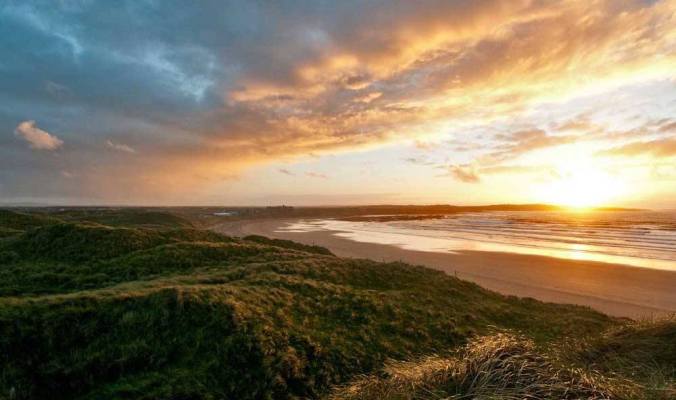
(March 18th, 2020) After more than four years of campaigning and fighting to save beloved Doughmore Beach in Ireland, the #NatureTrumpsWalls campaign and coalition has succeeded in stopping the construction of major seawalls that would have led to catastrophic impacts to the coast.

Trump International Golf Links (TIGL) had submitted a plan to place hard armoring on the natural coastal dunes of Doonbeg that provide sediment for the surf ecosystem and breaking waves, as well as natural coastal protection from climate change. 

On March 12th, Ireland’s national planning appeal board, An Bord Pleanála, formally rejected the plan, citing the concerns submitted by the coalition about the adverse impacts to the dune ecosystem. Continue reading

From The Lab Of Ornithology

Continuing the theme, our thanks to our friends at the Cornell Lab of Ornithology, and especially its director, for this message. It came in an email, but click the image above to go to the Lab’s website where the message continues with the resources you will also find below:

Birds Can Be Beacons of Hope

A Message from Our Director

Dear Friend,

March is normally the month when my wife Molly and I head to central Florida where, every year since 1972, I have studied Florida Scrub-Jays. Things are quite different this year, with the entire world hunkering down for an extended fight against the spread of COVID-19.

Even though I’m sticking close to home for now, I am comforted to know the scrub-jays are there, pairing up under the bright Florida sun, lining new nests with palmetto fibers, unperturbed by the tremendous human ordeal around them.

I often talk about the power of birds, but this year they take on an even more powerful meaning. They enliven our days, brighten the trees, serenade in our backyards and city parks, and bestow us with so much joy and hope, all bundled together in feathers and lively personalities.

Like everyone around the world, we at the Cornell Lab are adjusting to new routines. We’ve also spent recent days scouring our brains and our servers for ways to help—in some small way—people who find their daily lives upended.

If you’re a teacher prepping for a new kind of remote class, we’ll send you ideas. A parent or grandparent whose kids are on an unexpected “spring vacation”? They can play our games and learn. Are you a bird watcher with extra time on your hands—or an inveterate traveler now homebound? We can bring birds and bird song into your home—or let you explore the farthest reaches of the world in sounds and images.

A core part of our mission is to help people celebrate the wonder of birds. We do it because you (and we) love birds, are amazed by their powers, and even gain solace from them and a deep, clean breath of hope.

Together we’ll all get through this. In the meantime, whenever you may need a moment of respite, we invite you to explore, enjoy, wonder, replenish, and spark hope with the resources we have to share.

With my best wishes

John W. Fitzpatrick, Director
Cornell Lab of Ornithology Continue reading

Bag Snaggers, Inc., We Hardly Knew Thee

Fazier-PlasticBag

Photograph from Alamy

You can count on these pages continuing to feature these kinds of stories, that remind us of what still can and must be done, or simply provide a daily dose of charm:

My Old Nemesis: Plastic Bags

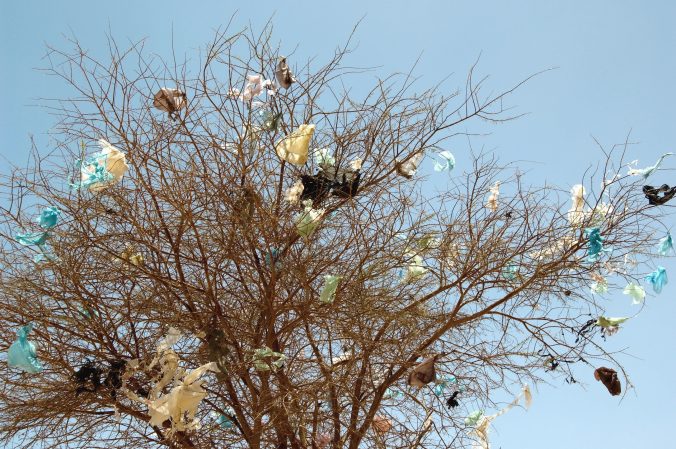
On Earth Day, 2019, when New York’s Governor, Andrew Cuomo, signed a bill banning single-use plastic bags, he said, “You see plastic bags hanging in trees, blowing down the streets, in landfills, and in our waterways, and there is no doubt they are doing tremendous damage.” It is true that nowadays people do see plastic bags in trees. But they didn’t used to—not because the bags weren’t there but because the people didn’t see them. I believe I am the first person who actually saw bags in trees—that is, noticed them in any official way. Twenty-seven years ago, I wrote a short article for this magazine about plastic bags and other debris in the trees of New York City. Once I started noticing the bags, I couldn’t stop, and I soon passed the affliction on to my friends Bill McClelland and Tim McClelland. Noticing bags in trees changed our lives. Continue reading

Roadside Wildflowers In The UK

5399

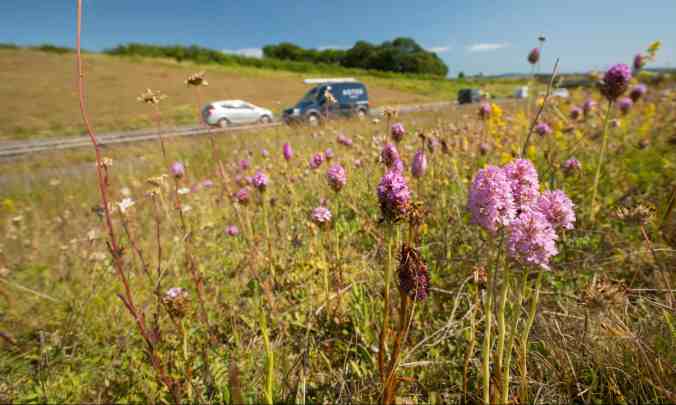
Traffic passing pyramidal orchids and other wildflowers along the A354, near Weymouth, Dorset. Photograph: http://www.pqpictures.co.uk/Alamy

A dose of this kind of news, taken daily, is surely good for mental hygiene:

Solar Canoe As Protest

3610

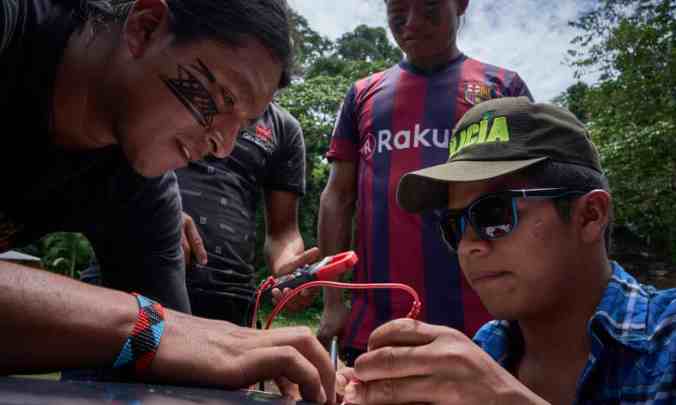
Sunkirum, one of the solar-powered canoes, sails on the Pastaza river. Photograph: Pablo Albarenga

Thanks to the Guardian, and specifically to Francesc Badia i Dalmases in Kapawi, Ecuador, for this story:

Here comes the sun canoe, as Amazonians take on Big Oil

Ecuadorian indigenous groups hope innovation will reduce amount of oil taken from forest only to be brought back as pollution

6000 (3)

Nantu and his colleagues check the state of a canoe’s solar panels. Photograph: Pablo Albarenga

A canoe slides noiselessly upstream through a landscape of luminous bright clouds reflected in the water. A team of young indigenous people are onboard.

Such vessels are an essential and ubiquitous part of life in the Ecuadorian Amazon, but this one boasts a hugely symbolic difference from its predecessors. It is powered by the sun.

The nine members of the Achuar indigenous group on board are returning home after learning about solar power and installation. It is a technological development they hope to use in their battle with a more traditional power source that threatens their very existence. Oil. Continue reading

Bioflourescing Amphibians

merlin_169642665_14a4ae74-6362-4534-a6c7-83d777f2fc19-jumbo

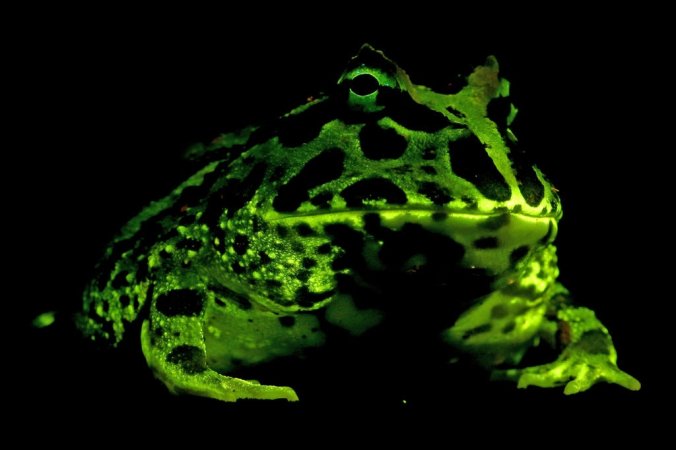
A biofluorescing Cranwell’s horned frog. Jennifer Lamb and Matt Davis

Thanks to Joanna Klein, as always:

Salamanders and Frogs Hide a Glowing Secret

Many amphibians — possibly all of them — are biofluorescent, according to a new survey.

merlin_169642629_a3e022bf-ee8a-498f-a8a3-471f5cb3b125-jumbo

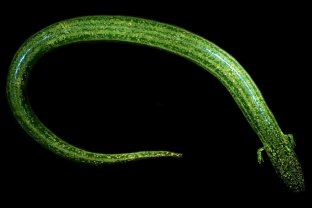
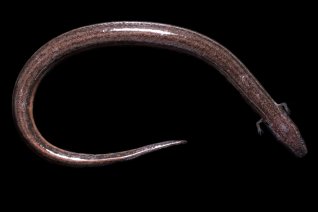
A glowing dwarf siren… Jennifer Lamb and Matt Davis

Amphibians are half-landlubbers, half water-babies. They breathe through skin that is moist, warty, crested and in some cases, poisonous or hallucinogenic. Some wear dull, leaflike-camo patterns. Others sport Guy Fieri flames.

And as cute, gross, pretty, ugly, magical and witchy-named as these slip-sliding creatures may be, they’ve been hiding something in a secret, fluorescent world invisible to humans. Many amphibians, whether salamanders, frogs or their distant cousins — possibly all of them — glow, according to a survey published Thursday in Scientific Reports.

merlin_169642605_292f5de5-d7ba-4b2c-90ff-b7f395a9544a-jumbo

Jennifer Lamb and Matt Davis

“There is still a lot out there that we don’t know,” said Jennifer Lamb, a biologist who conducted the research with Matt Davis, both at St. Cloud State University in Minnesota. “This opens up this whole window into the possibility that organisms that can see fluorescence — their world may look a lot different from ours.”

The study paves the way for new research into how or why amphibians possess this special adaptation, which has potential applications in medical technology and conservation. Continue reading

Leadership, Prepping For Change

IMG_3276_Swinomish_clam-garden_web

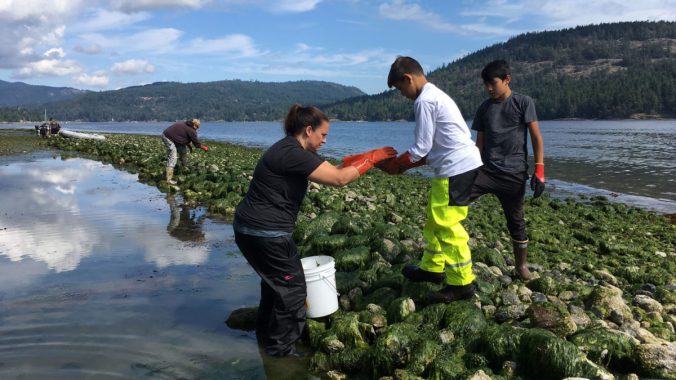
Swinomish tribal members from Washington state participate in a clam garden restoration in British Columbia. PHOTO COURTESY OF SWINOMISH INDIAN TRIBAL COMMUNITY

Thanks to Nicola Jones for this:

How Native Tribes Are Taking the Lead on Planning for Climate Change

With their deep ties to the land and reliance on fishing, hunting, and gathering, indigenous tribes are especially vulnerable to the impacts of climate change. Now, native communities across North America are stepping up to adopt climate action plans to protect their way of life.

GettyImages-1175044784_whiteback-montana_web

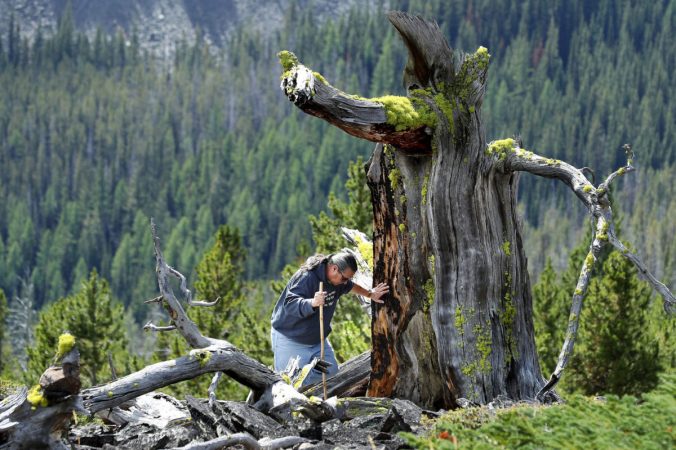
Tribal program manager Mike Durglo Jr. examines what remains of a 2,000-year-old whitebark pine on the Flathead Indian Reservation in Montana, where trees are dying from warming-related diseases. CHIP SOMODEVILLA/GETTY IMAGES

On a hot summer’s day, marine ecologist Courtney Greiner walks the shore of a rocky Washington beach at low tide with a handful of staff and interns. They stake out the ground and hunch down, digging up the top two inches of mud, silt, and gravel looking for baby clams.

For thousands of years, the indigenous peoples of the West Coast would build rock walls at the low tide line, allowing sand to pile up behind them, making the slope of the beach gentler, and expanding the area of the intertidal zone that clams like to call home. These simple clam gardens are effective at boosting shellfish numbers, and have long been used to improve food security for traditional peoples. Continue reading

McKibben’s Latest Venture

McKibben-ClimateNewsletter1

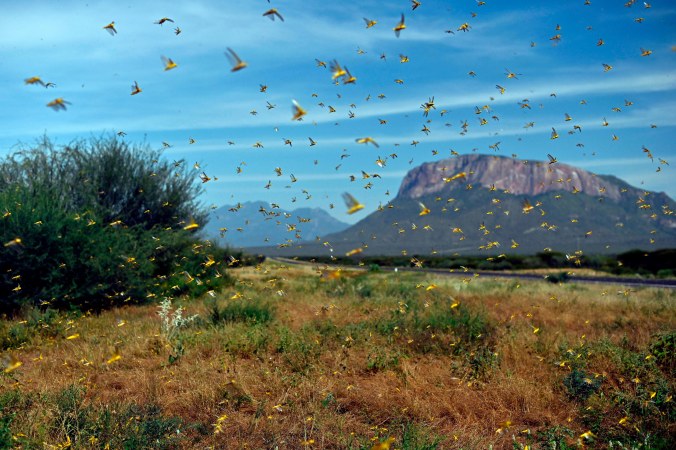
A swarm of locusts north of Nairobi, Kenya, in January. The U.N. described an outbreak of desert locusts as a threat to food security. Photograph by Tony Karumba / AFP / Getty

We need more information, better quality information, and the most relevant information on climate issues. A newsletter, maybe? Bill McKibben is on it:

WELCOME TO THE CLIMATE CRISIS NEWSLETTER

We’re eight weeks into the new decade, and, so far, we’ve had the warmest January ever recorded. (Indeed, researchers at the National Oceanic and Atmospheric Administration said that 2020 is more than ninety-eight per cent likely to be one of the five warmest years ever measured, with a nearly forty-nine-per-cent chance to set a new annual record.) We’ve seen the highest temperature ever measured on the Antarctic continent, and also record swarms of locusts descending on the Horn of Africa, a plague which scientists assure us will “become more frequent and severe under climate change.”

I’m calling this new newsletter—and welcome aboard—The Climate Crisis because this is what a crisis looks like. Continue reading

Eyes On Prize, Do Not Get Numbed

GettyImages-1091137346_elephants_web

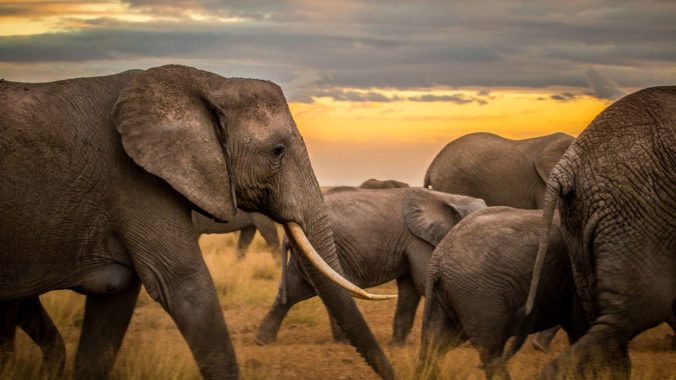
An elephant herd in Kenya. PIETER RAS / 500PX / GETTY IMAGES

Thanks to Yale e360 for the reminder that, as trouble rumbles, there is more need than ever for keeping our eyes on the prize:

Psychic Numbing: Keeping Hope Alive in a World of Extinctions

The litany of lost species can be overwhelming, leading to what has been called “psychic numbing.” But as the recovery of species from bald eagles to humpback whales shows, our actions do matter in saving species and the aliveness and beauty they bring to the world. Continue reading

Field Expeditions, Panama, Ferns

200126PanamaExp10-1

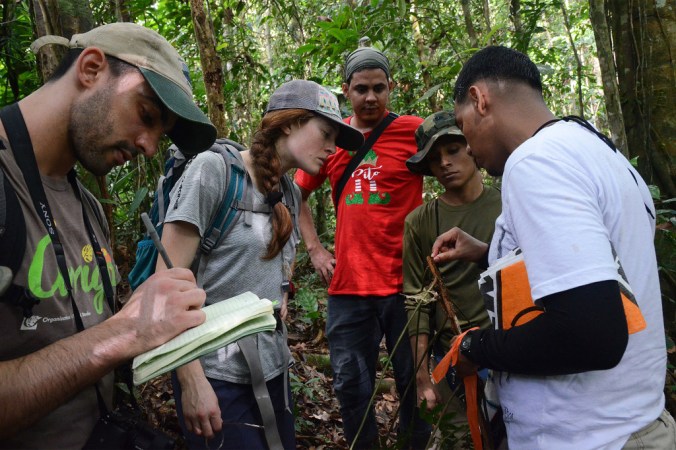
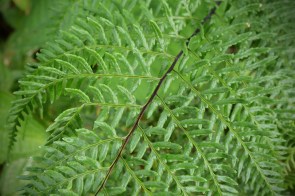
Student members of the Mamoní Valley Preserve Natural History Project, Jacob Suissa (left), Sylvia Kinosian, Brian Vergara, Jose Palacios, and Christian López examine the rhizome vasculature of a fern species during their first collection trip in the rainforest.

While most of our work between 1999 and 2019 was field work, once this platform started we distinguished field expeditions from our “regular work,” and Seth’s posts have dominated the expedition realm here. Today, with Seth in wintry New Haven in desk mode, my expeditionary imagination is instead fueled by the field expedition described below, on a topic not featured in these pages for seven years, so I am correcting the neglect:

Going where the diversity is

200126PanamaExp8

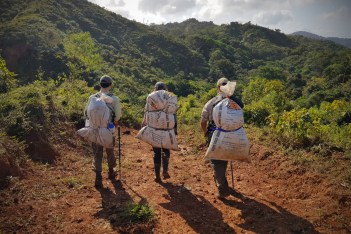
Student researchers Ben Goulet-Scott (left), Sylvia Kinosian, and Jacob Suissa, reach the crest of a hill overlooking the Mamoní Valley Preserve while carrying 90 species of ferns on their backs.
Photos by Ben Goulet-Scott/Harvard University Department of Organismic and Evolutionary Biology

Last month, two graduate students from the Arnold Arboretum of Harvard University traveled to one of the most species-rich landscapes in the world: a remote strip of tropical rainforest at the narrowest point in the Central American country of Panama.

Ben Goulet-Scott, a Ph.D. candidate in the Graduate School of Arts and Sciences’ Department of Organismic and Evolutionary Biology (OEB) and a fellow in the Arboretum’s Hopkins Lab, and Jacob Suissa, OEB Ph.D. candidate in the Friedman Lab at the Arboretum, hope their research in the Mamoní Valley Preserve in Panama will increase our understanding of how biodiversity can persevere in the face of climate change, deforestation, and human disturbance.

200126PanamaExp26The 20-square-mile land conservancy on the isthmus separating Central and South America teems with life, making the condensed rainforest habitat a perfect location for their research project because of the vast number of known and potentially undiscovered species living there, Goulet-Scott said. Continue reading

Getting a Bigger Bang Out of Plastic

Plastic has been on our radar for years, both as an environmental scourge and a raw material for the rising recycle and “upcycle” economy.  Finding these creative uses for an ubiquitous waste material around the world has been inspiring, to say the least.

We hadn’t been familiar with the Precious Plastic model until we met the wonderful women from the Wagát Upcycling Lab. We applaud the community ethos of open source plans to address a global crisis.

Big Bang, Indeed!

Maya Nut, Superfood & Superdrink

BZ MayaNut&C&C

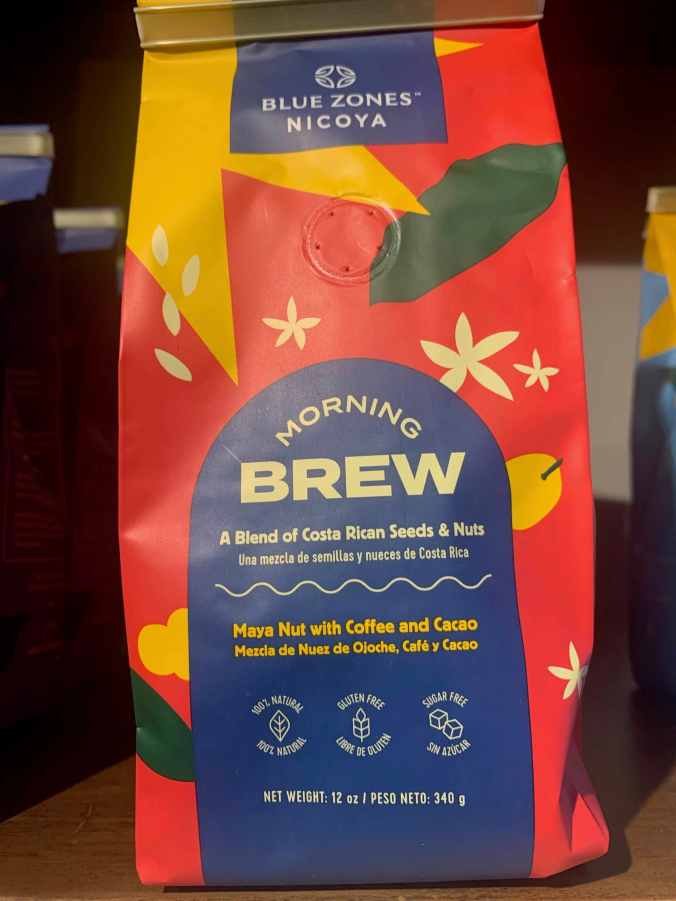
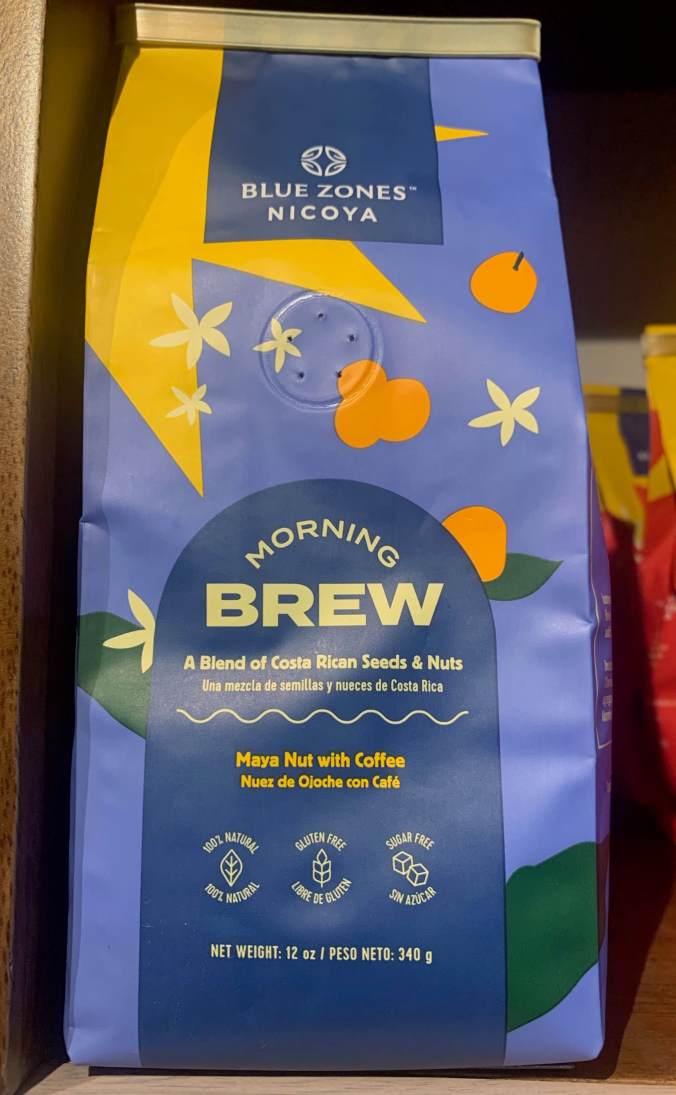
From the time it came to my attention in 2017, Maya nut was an obsession for a year until I learned everything that was available to learn. Between the internet and a group of anthropologists focused on Maya culture who I came to know through their work in Belize, the knowledge went from zero to overload quickly. I ordered large quantities of organic roasted, ground Maya nut and tested so many recipes that I can confirm it is a versatile ingredient to savory dishes and deserts, in addition to being a superfood.

BZ MayaNut&C

Continue reading