Mr. Trash Wheel Is Going Strong

Kormann-MrTrashWheel.jpg

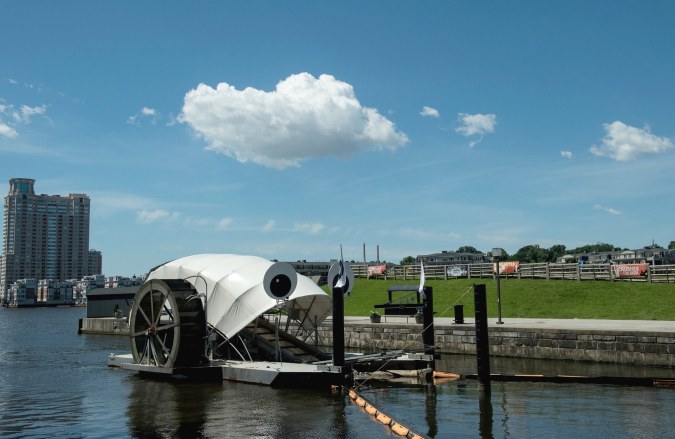
Since 2014, Mr. Trash Wheel has collected approximately twelve hundred and thirty-three tons of trash and debris that otherwise would have flowed into Baltimore’s Inner Harbor. Photograph by Nicholas Kamm / AFP / Getty

Thanks to a writer who never disappoints for this update to an inspiring story we lost track of:

The Promise of Mr. Trash Wheel

By Carolyn Kormann

John Kellett, the former director of Baltimore’s Maritime Museum, used to cross a footbridge over Jones Falls, the largest tributary feeding into Baltimore’s Inner Harbor, every day on his way to work. “When it rained, there was a river of trash flowing down,” he told me. He had spent twenty years working on the harbor, primarily in environmental education and shipbuilding, and had a deep knowledge of its hydrodynamics and history. City officials, he told me, “said they were open to ideas, so I started sketching.” He drew plans for a machine powered by an old-fashioned water wheel—a technology that had once been a staple throughout the city—designed to intercept trash at the mouth of Jones Falls, which is the main source of harbor pollution. A prototype was installed in 2008. By 2014, Kellett’s invention was reborn as Mr. Trash Wheel—a fifty-foot-long machine, weighing nearly a hundred thousand pounds, that resembles a friendly mollusk, with giant, googly eyes and its own Twitter account.

Five years later, Mr. Trash Wheel has spawned three replicas around Baltimore—Professor Trash Wheel, Captain Trash Wheel, and another that was announced last week but has yet to be named or installed in the water. Continue reading

Technology & Conservation

TrailBlaz.jpgYesterday’s post, on the application of technology in the interest of conservation, came just in time for this podcast episode by Walter Isaacson to enter my feed.

Listening to it took me straight back, seven years, to when I first learned about the benefits elephants were deriving from new technology, at the same time we (family, and interns and employees) were spending large amounts of time in the Periyar Tiger Reserve. Technology, broadly speaking, has gotten us into the mess we are in, so why not expect it to get us out of it?

Conservation: Next Generation Technology

EPISODE SUMMARY

Technology and nature used to reside at the opposite ends of the spectrum. But like our environment, that relationship has changed over the years and the two have a cyclical relationship of preservation and innovation. The commitment to conserve and heal our diverse ecosystems has pushed technology further and with urgency. Because there’s no time to waste. From the American Great Plains and the African Sahara to the furthest depths in the ocean, we’re talking to the trailblazers who are innovating everyday to save the planet.

Bioacoustics & Conservation

AcousticMonitor_web

The AudioMoth recording device in New Forest National Park, in the U.K., where it is searching for sounds of the New Forest cicada. COURTESY OF ALEX ROGERS

Yale e360 shares more on the value of new recording technology as it relates to conservation:

Listening to Nature: The Emerging Field of Bioacoustics

Researchers are increasingly placing microphones in forests and other ecosystems to monitor birds, insects, frogs, and other animals. As the technology advances and becomes less costly, proponents argue, bioacoustics is poised to become an important remote-sensing tool for conservation.

Mitch Aide, a tropical ecologist based in Puerto Rico, thinks we should listen to the earth a lot more than we do now — and not just listen to it, but record and store its sounds on a massive scale. His aims are not spiritual, but scientific: He, his colleagues, and other experts are developing and deploying audio recorders, data transmission systems, and new artificial intelligence software that together are rapidly expanding scientists’ ability to understand ecosystems by listening to them.

BioAcous1.jpg

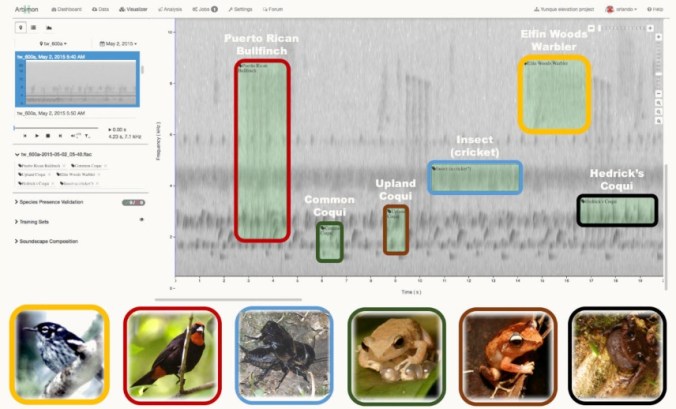
A 20-second spectrogram, showing various audio frequencies, from Puerto Rico includes the calls of these six species. COURTESY OF SIEVE ANALYTICS

Today, Aide can nail a cheap digital audio recorder to a tree in Puerto Rico’s Luquillo Forest and transmit its recordings to a computer running prototype software, which indicates almost in real time whether any of 25 species of frogs and birds are vocalizing in the forest. The system’s apparent simplicity belies its power – Aide thinks that it and similar systems will allow scientists to monitor ecosystems in ways we can’t yet imagine.

shutterstock_1411303766_birdsinging_web

A golden-browed chlorophonia (Chlorophonia callophrys) in Costa Rica. SHUTTERSTOCK

He dreams that one day soon, audio recordings of natural soundscapes will be like rainfall and temperature data, collected from a worldwide network of permanent stations, widely available for analysis, and permanently archived. Each clip will be “like a museum specimen,” he said, “but containing many species.” Aide says scientists will be able to efficiently determine how species are moving or changing in response to global warming, habitat destruction, or human disturbance, and chart population shifts over large areas. Continue reading

Charisma Catalyzes

OwlinBag-720x609

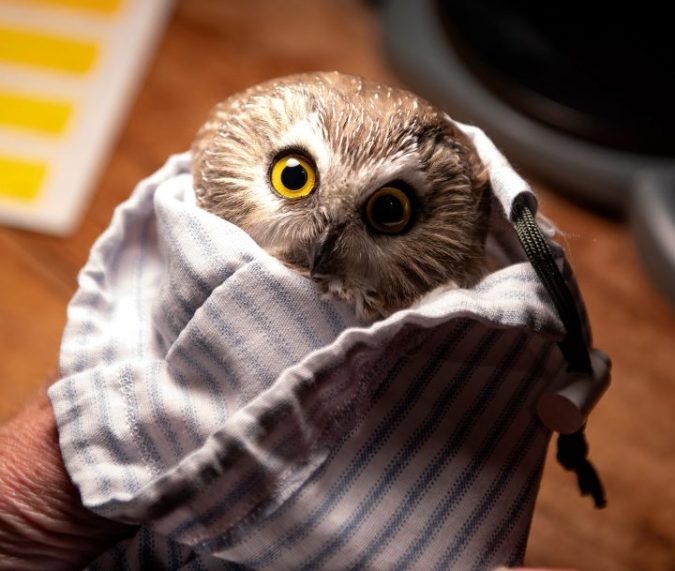
A saw-whet is ready for a quick exam when researchers will collect data and affix an identifying leg band.

No one is immune to the charisma of small owls, as far as we know. And that charisma would explain how the volunteers working to band this bird got catalyzed. Thanks to the Lab of Ornithology and this article from the current issue of Living Bird magazine:

A Grassroots Banding Project Reveals How Amazing Northern Saw-whet Owls Are

Story By Scott Weidensaul; Photography By Chris Linder

Owl1There is something wonderful about an autumn night; the sharp bite to the air, the rustle of a north wind in the last leaves clinging to the tops of the oaks, Orion shining in a moonless sky over the central Appalachian ridges of Pennsylvania—and echoing over it all, a repetitive, me­chanical beep that reminds most people of the warning alarm when a garbage truck is backing up. Continue reading

Rewilding Patagonia

Heroes who made it happen, and here is a bit of the story, thanks to Sierra Club:

The Fashion Executives Who Saved a Patagonian Paradise

Tompkins Conservation donations are the largest act of wildlands philanthropy in history

THE MINISTER of public lands was about to arrive, a television crew in tow, so everything had to be just right. It was 8:15 on a summer morning in February, and the office of Tompkins Conservation outside the Chilean hamlet of El Amarillo was hive-busy. The philanthropy’s controller was hunched over a laptop filled with spreadsheets. A supervisor was giving orders to groups of men in blue coveralls. Kristine McDivitt Tompkins, the organization’s president, sat at a conference table toggling between a pair of laptops and her cellphone. Continue reading

No Age Limit in Citizen Science

Our most recent post about marine ecosystem citizen science connects the dots between the amazing community of people involved in gathering much needed information about the health of biodiversity in the deep.

Women’s photography of greater sea snake, once believed to be an anomaly in the Baie des Citrons, help scientists understand the ecosystem

A group of snorkelling grandmothers who swim up to 3km five days a week have uncovered a large population of venomous sea snakes in a bay in Noumea where scientists once believed they were rare.

Dr Claire Goiran from the University of New Caledonia and Professor Rick Shine from Australia’s Macquarie University were studying a small harmless species known as the turtle‐headed sea snake located in the Baie des Citrons, but would occasionally encounter the 1.5 metre-long venomous greater sea snake, also known as the olive-headed sea snake.

Goiran and Shine believed the greater sea snake was an anomaly in the popular swimming bay as it had only been spotted about six times over 15 years. From 2013, they decided to take a closer look at the greater sea snake to better understand its importance to the bay’s ecosystem.

“The study zone is in the most touristic bay in Noumea, so I often meet people when I am doing field work on sea snakes,” Goiran said. “When I was snorkelling on my own studying sea snakes, I used to meet a friend of mine called Aline that was snorkelling and taking photos on the same reef. In order to help me, she started taking photos of sea snakes and would send them to me by mail.

“I was very happy, so she asked her neighbour and friend Monique to help me too. Monique asked another friend, and soon there were seven grandmothers helping me.” The group named themselves “the fantastic grandmothers” and range in age from 60 to 75. Continue reading

250 Miles Of Protected Bike Lanes, At Long Last

Today, good news from New York City resulting from some extended bad news. Instead of putting the headline and the photo from the news story (tragedy), we have placed the video above to digest before reading the news below:

Riding a bicycle in New York City is often a harrowing journey across a patchwork of bike lanes that leave cyclists vulnerable to cars. The dangers came into focus this year after 25 cyclists were killed on city streets — the highest toll in two decades.

Now Mayor Bill de Blasio and the City Council have agreed on a $1.7 billion plan that would sharply expand the number of protected bike lanes as part of a sweeping effort to transform the city’s streetscape and make it less perilous for bikers.

Its chief proponent, Corey Johnson, the City Council speaker, calls it nothing less than an effort to “break the car culture.’’

Such ambitions show how far New York has come since around 2007 when the city, under Mayor Michael R. Bloomberg, started aggressively taking away space for cars by rolling out bike lanes and pedestrian plazas. Continue reading

Time To Make Lemonade

3000u

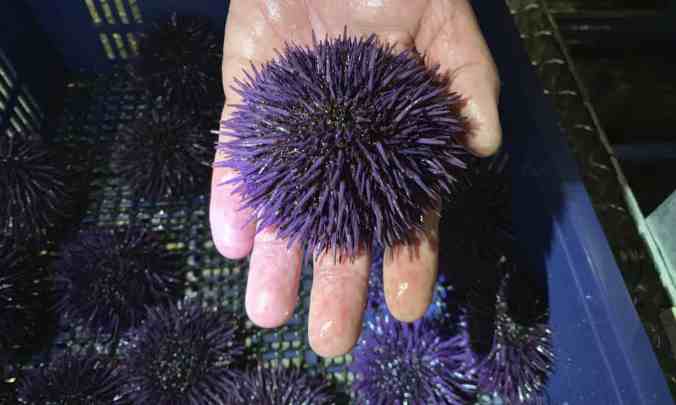
A purple urchin at Bodega Marine Lab in California, which is running a pilot project to remove purple urchins from the ocean floor, restore them to health, then sell them as premium seafood. Photograph: Terry Chea/AP

With invasive species, sometimes the only thing to do with such lemons is make them tasty:

Sea urchin population soars 10,000% in five years, devastating US coastline

Voracious purple urchins in waters of California and Oregon pose threat to kelp forests and risk upending delicate ecosystems

3000k

An aerial view of one of the last remaining kelp forests near Elk, California, on the Mendocino county coast, which has lost more than 90% of its bull kelp in less than a decade. Photograph: Terry Chea/AP

Tens of millions of voracious purple sea urchins that have already chomped their way through towering underwater kelp forests in California are spreading north to Oregon, sending the delicate marine ecosystem off the shore into such disarray that other critical species are starving to death.

A recent count found 350m purple sea urchins on one Oregon reef alone – more than a 10,000% increase since 2014. And in northern California, 90% of the giant bull kelp forests have been devoured by the urchins, perhaps never to return.

Vast “urchin barrens” – stretches of denuded seafloor dotted with nothing but hundreds of the spiny orbs – have spread to coastal Oregon, where kelp forests were once so thick it was impossible to navigate some areas by boat. Continue reading

A Color, Sans-Charisma, Worthy Of A Mission

ochre-hunter-slide-1J1C-jumbo

ochre-hunter-slide-8OK0-superJumbo.jpg

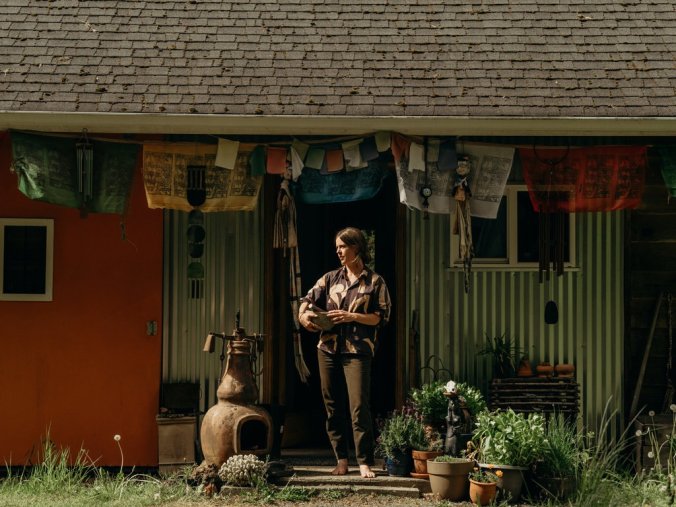
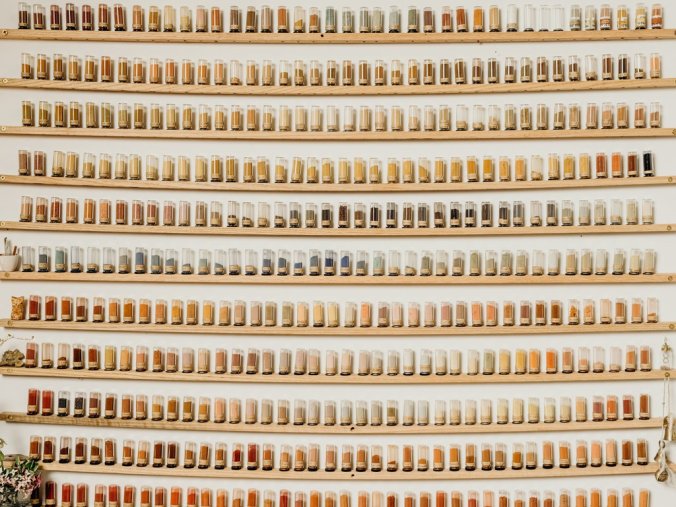
Inside Gustafson’s cabin are shelves lined with samples of ocher and the powdered pigments she makes from them. She likes to keep all processing to a minimum: She hand-grinds specimens with a mortar and pestle and then runs the resulting powder through a sieve. It’s more “personal and connective” that way, she says. Kyle Johnson

In the Pacific northwest of the United States there is a hunter-gatherer renaissance that we have been paying attention to in recent years, if only at our desks. The Willows Inn was the first story we started following, but they continue to come our way, including today. Improbably captivating, this story is about a need to know, and in the process conserve knowhow, about the source of naturally occurring colors that has a history as old as art. Even if some colors are not inherently charismatic (in the eye of the beholder), we take note:

The Woman Archiving the World’s Ochers

At her cabin in the woods of Washington, Heidi Gustafson is creating a many-colored library of one of mankind’s first pigments.

ochre-hunter-slide-7Q3A-jumbo.jpg

The archive at Gustafson’s cabin comprises over 400 vials of hand-ground ocher, and she doesn’t have an endpoint in mind. “I’ll keep doing it and see where it leads me,” she says. Chantal Anderson

ochre-hunter-slide-UHIP-superJumbo

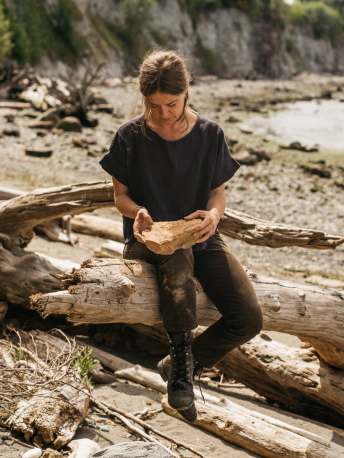
“This piece has a lot less iron in it and a lot more clay,” she says of a shard of rock discovered on the sand. “You can use it right away. It’s like a giant piece of sidewalk chalk.” Kyle Johnson

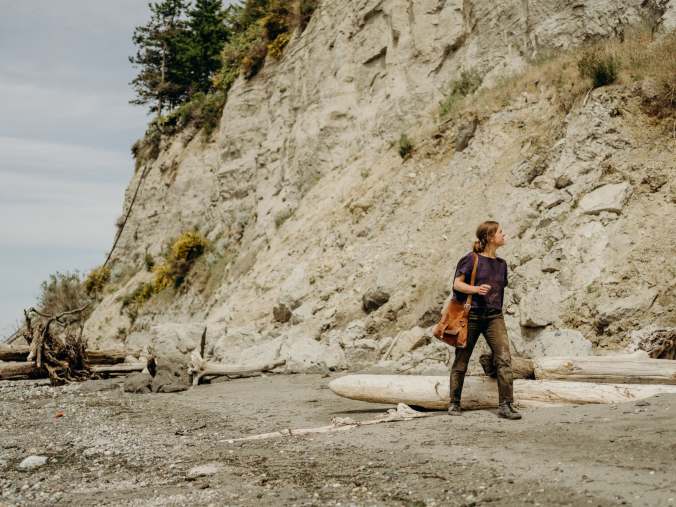
Heidi Gustafson has Whidbey Island’s Double Bluff Beach to herself. But she’s not sunbathing or scanning the waves for whales. Instead, she’s traveled to the northern end of Puget Sound in Washington to crouch, back to the ocean, foraging for ocher at the base of a cliff. Armed with a small magnet and a knife, she stoops low to assess the striations in the rock face, formed by glacial activity hundreds of thousands of years before.

Gustafson considers ocher to be any natural material primarily made up of iron (hence the magnet) that contains oxygen, a definition that she acknowledges is a bit “less strict” than ones used in various scientific communities. Seeking out the material has become, by happenstance, her life’s work.

ochre-hunter-slide-EQBY-superJumbo

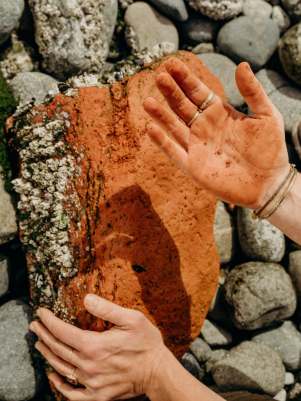
An especially low tide reveals a large piece of barnacle-clad red ocher that came from the nearby cliff. “It’s probably between 150,000 and 200,000 years old,” Gustafson says. She often contacts geologists if she needs help dating ocher from a particular site. Kyle Johnson

For years, she has been engaged in a wide-ranging, multidisciplinary exploration of the mineral: collecting samples all over the Pacific Northwest; grinding shards down into pigments she sells to artists through her website Early Futures; making her own art with ocher pigments; and, at her small cabin near the foothills of the Cascade Mountains, creating an extensive ocher archive to catalog samples she’s gathered along with submissions of the mineral sent in from all over the world. While there has recently been renewed interest in creating paints from natural pigments, Gustafson’s focus is on ocher alone — and it extends beyond the material’s artistic uses to its scientific, symbolic and spiritual properties.

ochre-hunter-slide-PNIO-superJumbo

Heidi Gustafson, who has spent the past five years collecting and working with ocher, walks along Whidbey Island’s Double Bluff Beach, off the coast of Washington, in search of the material. She came to scout this area, where she spent time as a child, after recalling its interesting cliff exposure. The beach is a scenic two-hour drive from her cabin near the foothills of the Cascade Mountains. Kyle Johnson

Her first encounter with the earthy compound began at a less scenic location than Double Bluff Beach: a Safeway parking lot in Oakland, Calif. Several years after earning a B.F.A. in sculpture at the Maryland Institute College of Art, Gustafson moved to the Bay Area to get a masters in philosophy, cosmology and consciousness at the California Institute of Integral Studies. After graduating in 2014, she wasn’t sure what to do. Continue reading

Feeding Protesters

We were wondering how this worked. Thanks to Dan Hancox and the Economist for showing us how:

How to feed a protest movement: cooking with Extinction Rebellion

A peek inside the “Rebel Kitchen”

Taste the difference A view of Extinction Rebellion’s catering tent in Trafalgar Square, London

Running a kitchen in the middle of a protest camp presents some unusual operational challenges. “We’re cooking most of the hot food offsite at the moment,” says George Coiley, as he leads me past boiling stove-top kettles, catering-sized saucepans and two volunteers preparing a fruit salad of epic proportions. “The police keep taking our stuff…”

This is Coiley’s fourth Extinction Rebellion kitchen. Staffed by a rotating squad of around 30 volunteers, it serves food and hot drinks 24 hours a day to protesters and anyone else who needs it. All the food is vegan or vegetarian and is assembled from donations. Continue reading

Citizen Science Deepdive

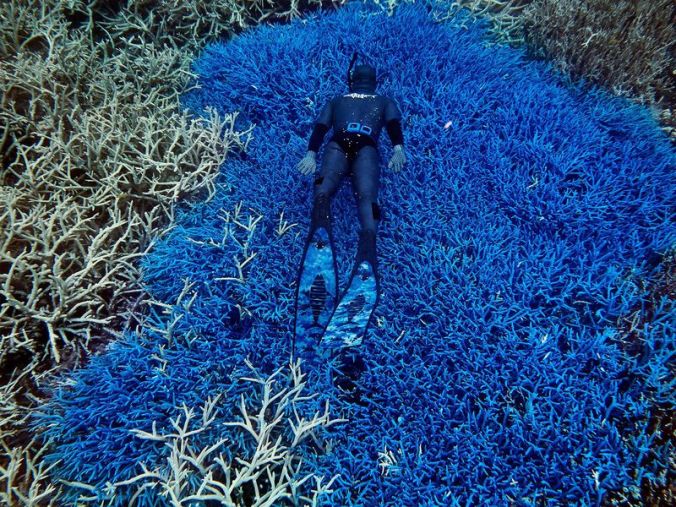
By collecting images and GPS data from citizen divers, scientists can get a better sense of the health of the entire Great Barrier Reef. (Damian Bennett)

Citizen Science has been a common thread for us on this site, linking creatures of land, sea and air as subjects of study. Marine Ecosystem citizen science has especially  fascinated us in terms of the creative thinking applied to problems of invasive species.

The collaborative goal of documenting such a vast ecosystem as the Great Barrier Reef, and using creative solutions to combat threats to this wonder of the natural world is inspiring, to say the least.

Massive Citizen Science Effort Seeks to Survey the Entire Great Barrier Reef

Only about 1,000 of 3,000 individual reefs have been documented, but the Great Reef Census hopes to fill in the gaps

The majority of individual reefs that make up the Great Barrier Reef have not been directly surveyed. (Damian Bennett)

In August, marine biologists Johnny Gaskell and Peter Mumby and a team of researchers boarded a boat headed into unknown waters off the coasts of Australia. For 14 long hours, they ploughed over 200 nautical miles, a Google Maps cache as their only guide. Just before dawn, they arrived at their destination of a previously uncharted blue hole—a cavernous opening descending through the seafloor.

After the rough night, Mumby was rewarded with something he hadn’t seen in his 30-year career. The reef surrounding the blue hole had nearly 100 percent healthy coral cover. Such a find is rare in the Great Barrier Reef, where coral bleaching events in 2016 and 2017 led to headlines proclaiming the reef “dead.”

“It made me think, ‘this is the story that people need to hear,’” Mumby says.

The expedition from Daydream Island off the coast of Queensland was a pilot program to test the methodology for the Great Reef Census, a citizen science project headed by Andy Ridley, founder of the annual conservation event Earth Hour. His latest organization, Citizens of the Great Barrier Reef, has set the ambitious goal of surveying the entire 1,400-mile-long reef system in 2020.

“We’re trying to gain a broader understanding on the status of the reef—what’s been damaged, where the high value corals are, what’s recovering and what’s not,” Ridley says. Continue reading

Sumatra & Creative Conservation

merlin_158633856_04c0cbda-34a4-4ee4-bdb8-5eb8a97b742b-jumbo.jpg

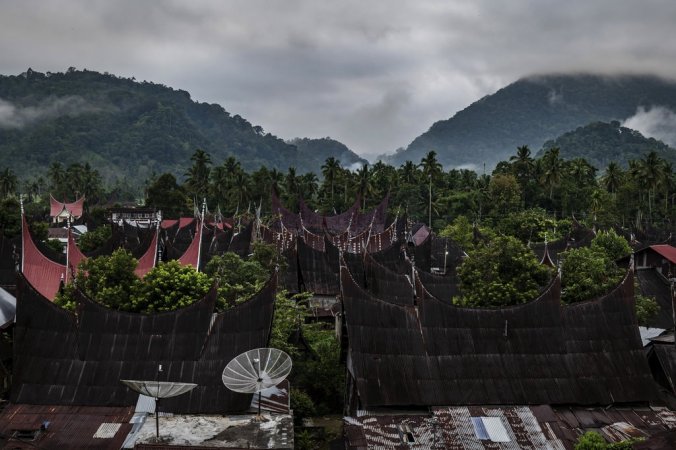
Traditional houses in West Sumatra. Ulet Ifansasti for The New York Times

Finding this story by Mike Ives, with Topher White getting up into the trees for a good purpose, brightens the day just a little bit:

Using Old Cellphones to Listen for Illegal Loggers

merlin_158633796_0015aced-a89f-4c3e-a120-91137af3e642-jumbo

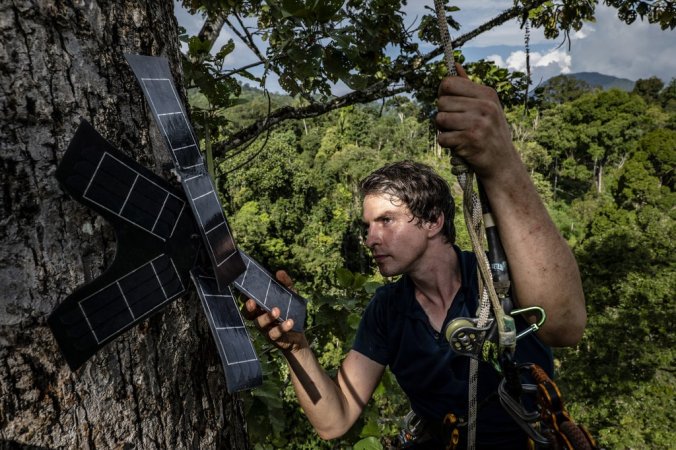
Topher White installing a solar-powered listening unit in a rainforest on the Indonesian island of Sumatra in July. Ulet Ifansasti for The New York Times

PAKAN RABAA, Indonesia — This village in West Sumatra, a lush province of volcanoes and hilly rain forests, had a problem with illegal loggers.

They were stealing valuable hardwood with impunity. At first, a group of local people put a fence across the main road leading into the forest, but it was flimsy and proved no match for the interlopers. Continue reading

Greta’s Generation Says Stop Digging

5283.jpg

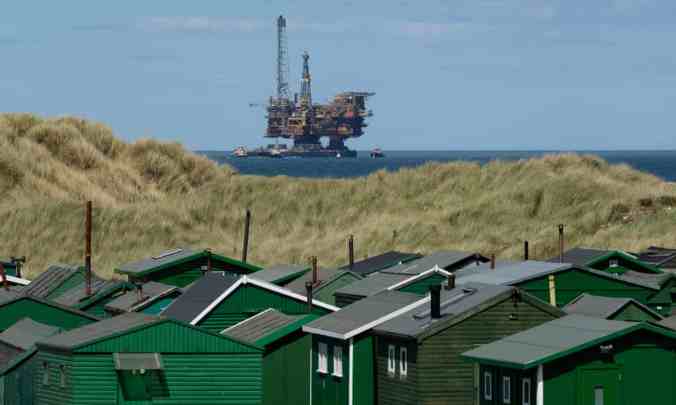
Shell said last year that divestment had become a material risk to its business.’ Shell’s Brent Bravo oil rig arrives on Teesside for decommissioning, June 2019. Photograph: Ian Forsyth/Getty Images

Bill McKibben explains the movement and its best chance of success:

Divestment works – and one huge bank can lead the way

On 15 October, the European Investment Bank meets to decide its policy on fossil fuels. The hand of history is on its shoulder

Millions of people marched against climate crisis over the past two weeks, in some of the largest demonstrations of the millennium. Most people cheered the students who led the rallies – call them the Greta Generation. But now we’ll start to find out if all their earnest protest actually matters.

Continue reading

Organikos, 100% Forward To 1,000,000

6555On July 5th I first read the news about what planting a trillion trees might do for the fight against climate change. One week later this magazine cover drove the point further home for me with the Woody Guthrie reference. Organikos already had ideas and imagery for the commitment of 100% of its profits to conservation, and by the time I saw this cover I knew our focus would be on planting treesComing back to this magazine cover now, I am struck by the power of the number referenced in the scientific study.

One trillion.

1,000,000,000,000.

How long would it take Organikos to plant one million of those trees?

Collapsitarian, No

natasha-lythgoe-041.jpg

‘Wyrd goes ever as it must.’
Beowulf

After some weeks of letting the ideas in this essay settle in, and not reading (until now) any of the criticism of those ideas, it is more clear to me that I mistook Franzen’s position for something familiar, even close to home. Going back through my own postings on this platform, the mistake is understandable. We have been highlighting soft and gradual and mostly (but not all, by any means) comforting approaches to thinking about climate change.

I just revisited this post, thinking that Franzen’s position is like that word I heard 5+ years ago, but Franzen is not a collapsitarian. From my poking around, it is not clear that Paul Kingsnorth is one either. In that earlier post I linked to the About section on his website and it is still as funny ever, but now this:

Occasionally Asked Questions

Who are you?

I am 75% English, 25% Greek Cypriot, 100% European and 0% European Union. I share 96% of my genetic material with chimpanzees and 60% with bananas. I am descended from the Viking Earls of the Orkney Isles. I live with my English-Punjabi wife and our two children in the west of Ireland, where 85% of the men are descended from eastern Mediterranean farmers.

I’m a writer. I mainly write novels, poetry and essays.

Tell me about your writing

My non-fiction takes deep dives into big questions about how we might live in a world losing its cultural and ecological bearings at a rapid rate.

My fiction is mythological, otherworldly and multilayered, and is aimed at adults with at least one underworld journey under their belts…

It is worth reading in full, to see how his views may have changed in recent years, but mainly what caught my attention is the program of courses he has created, which look worthy of promotion, especially as captured in the photos (©Natasha Lythgoe) below and at the top:

The Wyrd School is a writing school unlike any other. Founded in 2018 by Paul Kingsnorth, an award-winning novelist, poet and essayist, with two decades of writing experience, we are home to unique writing courses, talks, and other events designed to bring the human and the non-human worlds back into contact, and to help you produce writing and art from the resulting sparks.

Wyrd is an old Anglo-Saxon word, often translated as fate or destiny. Continue reading

Elderberries, Up & Coming From The Past

20191003_bite-elderberries_2000.jpg

Heiko Wolfraum/dpa/AP

Thanks to Marisa Endicott at Mother Jones for this:

This Ancient Fruit Holds Secrets for How to Farm in Climate Change

Respect your elder-berries.

Cloverleaf Farm, a small produce operation in Davis, California, managed to do okay during the extreme drought that lasted from 2012 to 2016. But in the first wet year after the long dry period, the farm lost its entire apricot crop to disease—$40,000 to $50,000 down the drain.

Researchers predict that as climate change worsens, there will be more frequent shifts between extreme dry spells and floods. As Cloverleaf learned the hard way, the phenomenon is already taking a toll on growers in the country’s largest food producing state. During the drought, California’s agricultural and related industries lost $2.7 billion in one year alone. Big cash crops like almonds and grapes are at particular risk in the future, unnerving farmers and vintners already taking hits from erratic and extreme weather. Continue reading

Kids Saying It The Way Kids Say Things

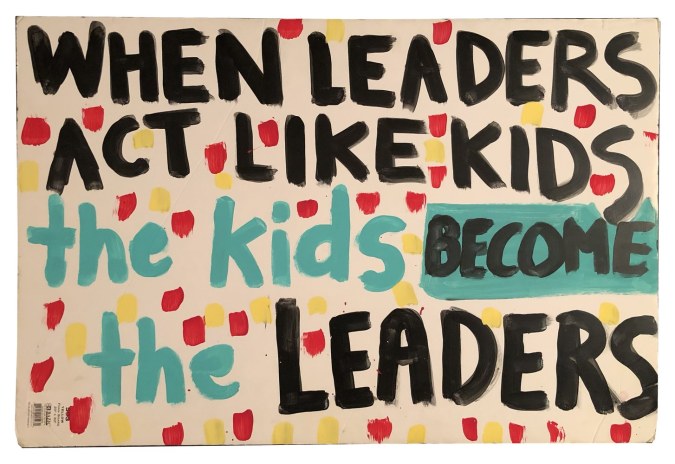
signs-3-LEADERS.jpg

Thanks to Alex Kalman for the story and to Mmuseumm for the photos:

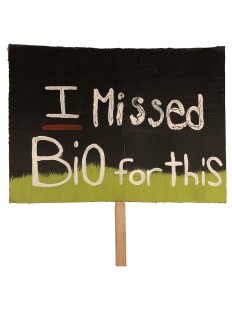
Children Lead the Way: A Gallery of Youth-Made Climate-Strike Signs

signs-4-BIO.jpgWhen is skipping school more important than attending? When is a child’s design more effective than a professional’s? When are children more responsible than adults? On September 20th, millions of children, led by the activist Greta Thunberg, took to the streets to protest the world’s inaction on climate change. Here are some of the signs made by children who participated in the New York City march. Inspiring and confrontational, these signs provide a visual counterpoint to the individual voices of our children as they plead with the powers that be to act, and act responsibly.

Signs-2-DENIAL.jpg

See the entire collection here.

Gleaning Garbage From The Great Patch

2000m.jpg

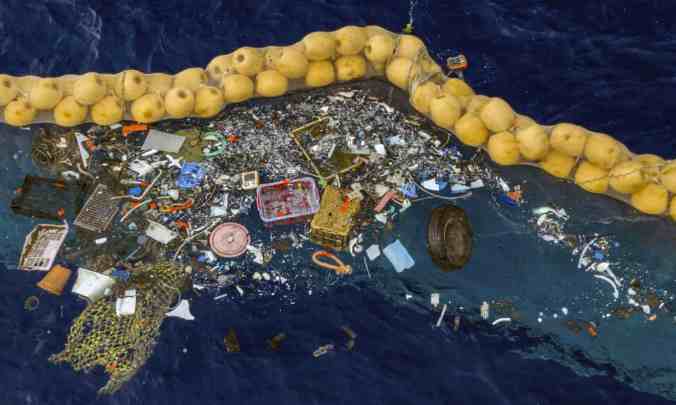
The floating boom skims up waste ranging in size from a discarded net and a car wheel complete with tire to chips of plastic with diameters as small as 1 millimetre. Photograph: AP

Some encouraging news from the big mess out in the middle of the Pacific:

Ocean cleanup device successfully collects plastic for first time

Huge floating boom finally retains debris from the Great Pacific Garbage Patch, creator says

A huge floating device designed by Dutch scientists to clean up an island of rubbish in the Pacific ocean that is three times the size of France has successfully picked up plastic from the high-seas for the first time.

5184 (2).jpg

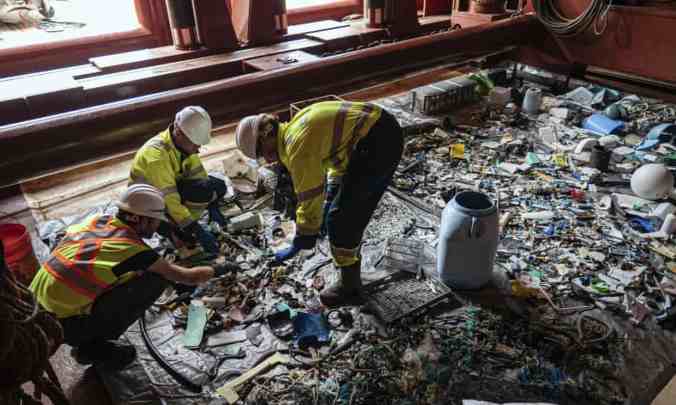
Crew members sort through plastic on board a support vessel on the Pacific Ocean. Photograph: AP

Boyan Slat, the creator of the Ocean Cleanup project, announced on Twitter that the 600-metre (2,000ft) long floating boom had captured and retained debris from what is known as the Great Pacific Garbage Patch.

Alongside a picture of the collected rubbish, which includes a car wheel, Slat tweeted: “Our ocean cleanup system is now finally catching plastic, from one-ton ghost nets to tiny microplastics! Also, anyone missing a wheel?” Continue reading

133+ Reasons To Smile

OC1.jpeg

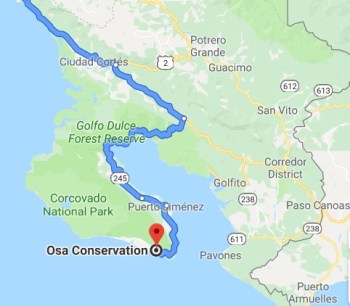
OC2.jpgIn early May Amie and I accompanied a group of conservation-minded investors to the southeastern tip of the Osa Peninsula, on the Pacific coast of Costa Rica. Over a long weekend we visited lodges in that area, but the highlight of those days was our visit to Osa Conservation. We determined to return, to understand better what this organization has accomplished and what its future plans are.
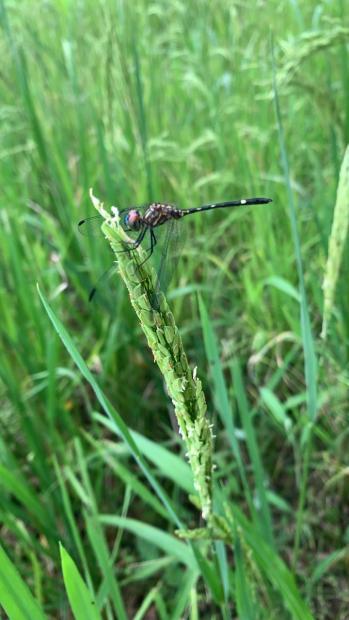
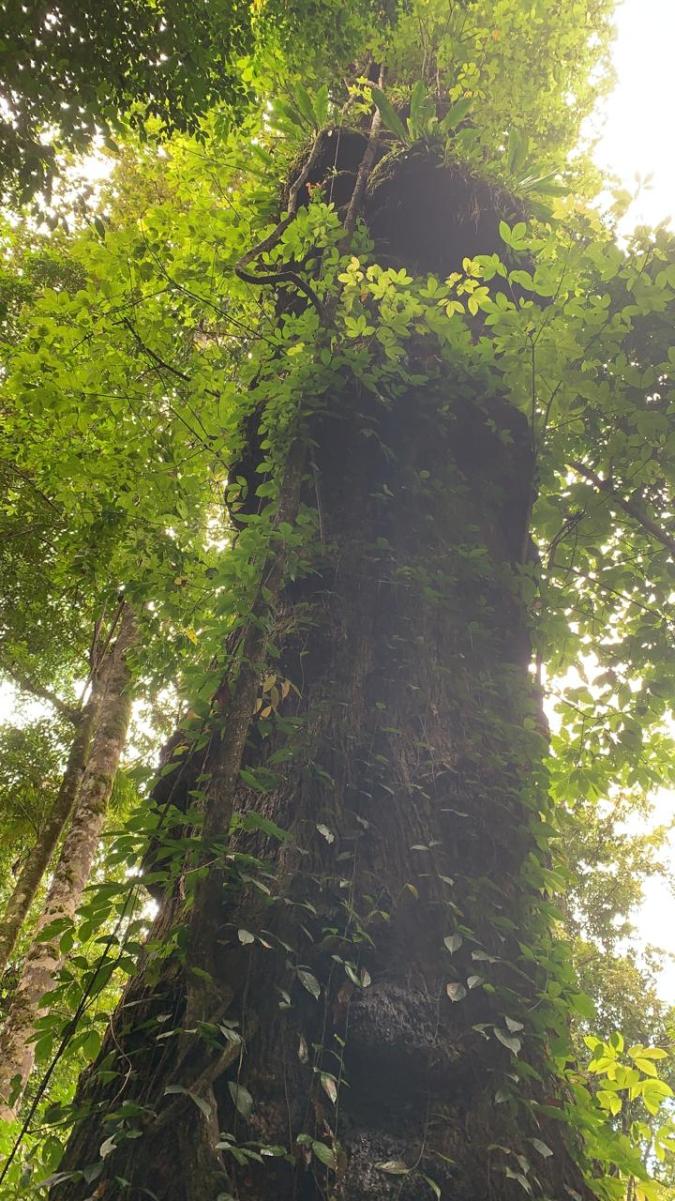
OC3.jpegFinally we had the chance to do that this past weekend. The tree above is a good representative for why the Osa Peninsula is so important. With one of the longest life spans of any tree in this tropical forest, the abundance of diverse plants and animals that depend on the tree for life make it symbolically important as much as it is biologically important. The insect to the right, feeding on the top of a rice stalk, shifted my attention from the charismatic megaflora that made Saturday an immersive biophilia exemplar of a day–and helped me focus on acts taken by Osa Conservation to make their operation more sustainable. A one-time farm in their land holding has been rewilded. A few hectares were retained for experimental organic farming.
OC4.jpeg

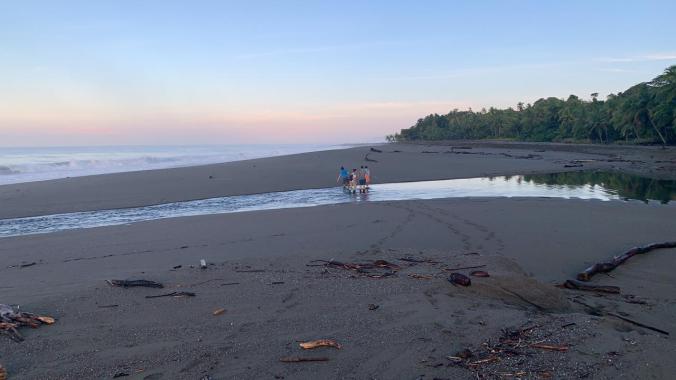
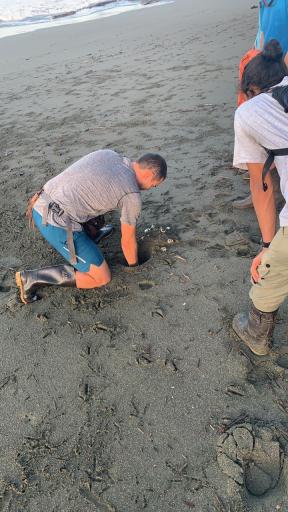
OC5.jpegThe rice strain is an example of that, but I will save that story for another day. After being fully immersed in terrestrial wonders in the forest and the farm, the beach is where I had one of life’s more profound experiences. It started at dawn on Sunday when Amie and I joined a small team from Osa Conservation who focus on turtle habitat. Our family has had multiple experiences with sea turtle nesting and egg-laying, but we have never been witness to the hatchlings returning to the sea. Yesterday was our lucky day to round out our first hand knowledge of turtle birthing life cycle. It started with a couple of spot checks on nesting sites that had been predated–in the case of the nest in the photo to the left you can see the bird tracks all around were the eggs had been ravaged.

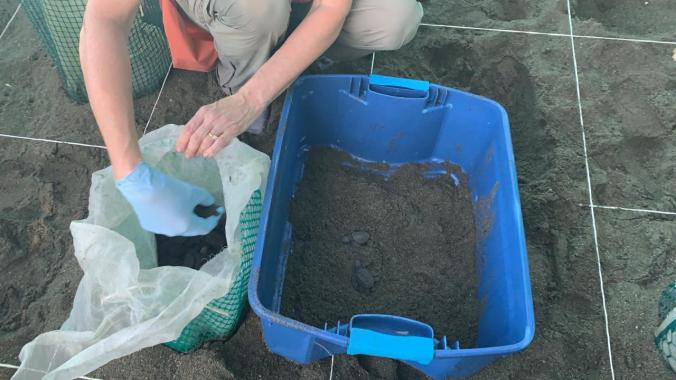
OC6.jpegWe may have been a mere 15 minutes too late in that case, but soon enough another nesting site was found and the surgical strike–to remove the eggs and transfer them to a hatchery where they are better protected–was under way. The protocols allow for digging carefully so that not a single egg is in danger of rupture, or even addled. They are removed one by one, counted, and placed in exactly the same formation as they were in the nest, so they can be re-nested in the hatchery as the mother turtle had laid them. Marine biologists believe that the order in the nest matters to their viability.
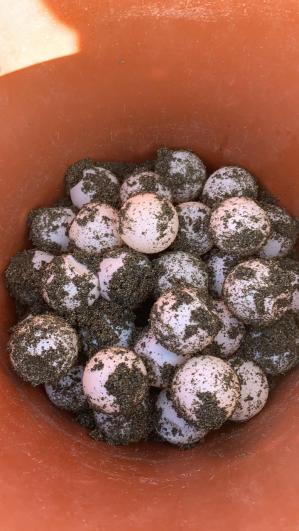
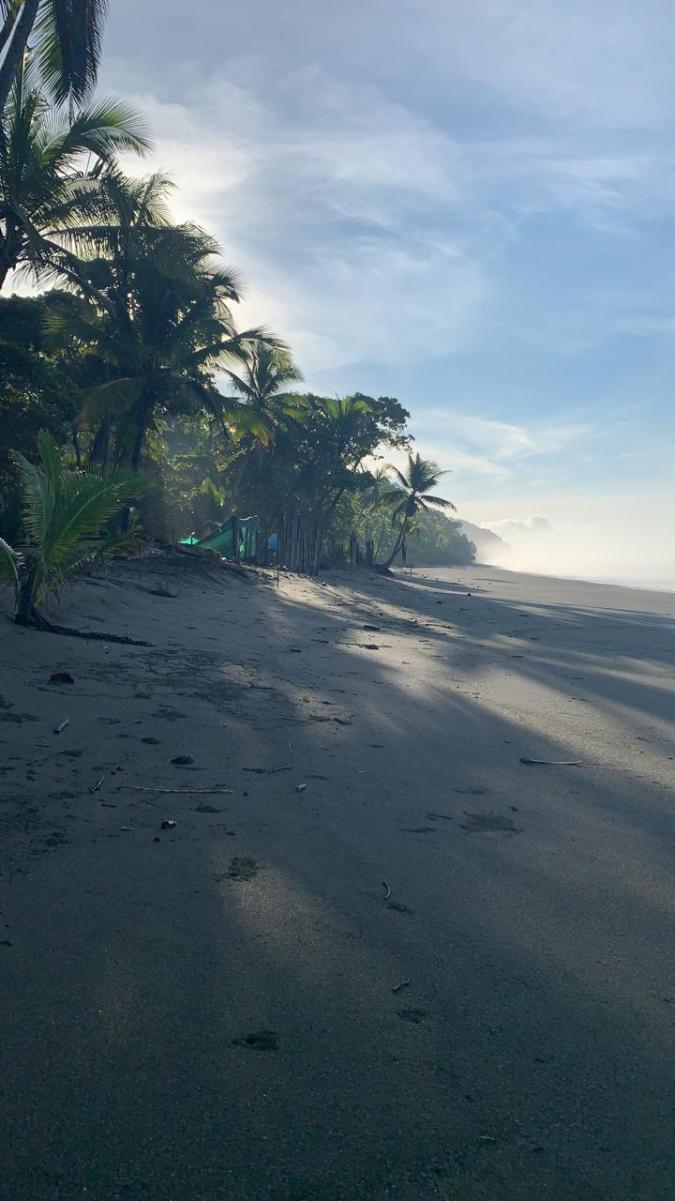
OC7.jpegIt was almost 6am at this point and by 8am this nest moved to safety and hatchlings from two previously moved nests were ready for release. Of all the photos I took yesterday it is difficult to choose one that is most evocative of the power of this experience. But somehow a bucket full of eggs is a candidate. We keep chickens in our yard at home, and on any given day we collect anywhere from zero to a dozen eggs from a group of 15 hens. Here one turtle had laid a hundred or so eggs (they were counted but I cannot recall the exact number now) that looked exactly like ping pong balls. Several kilometers of beach here are regularly patrolled by Osa Conservation staff, and the team of volunteers make their daily rounds to do this work.

This bucketfull was taken to the hatchery further down the beach.
OC8.jpeg

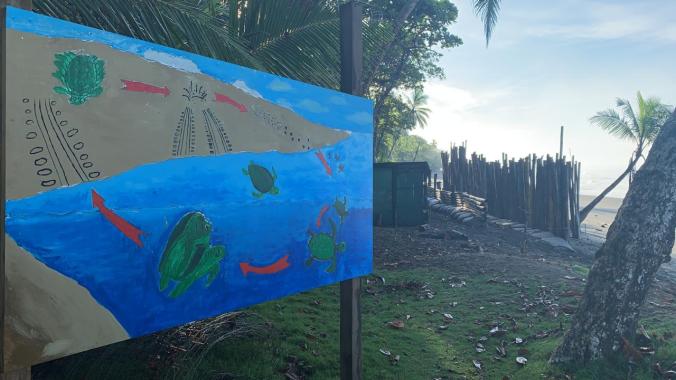
The signage is rustic but the message is clear.
OC9.jpeg

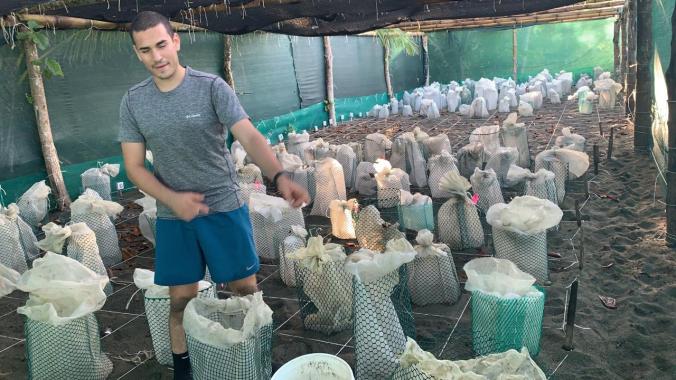
Inside the hatchery the re-nesting begins.
OC10.jpeg

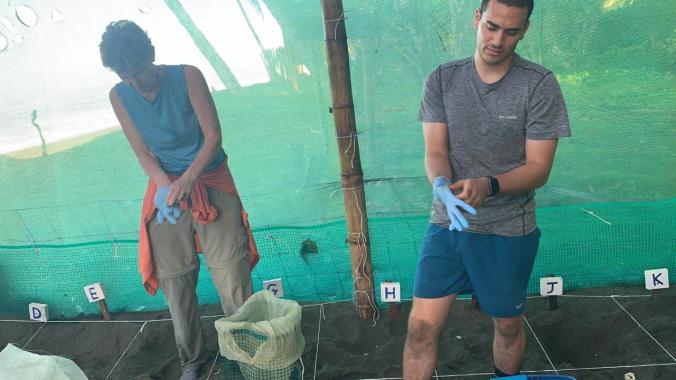
The eggs removed from the nest on the beach are replaced in the hatchery nest and meanwhile Amie is taught how to extract hatchlings.
OC11.jpeg

Counting again, one by one.

OC12

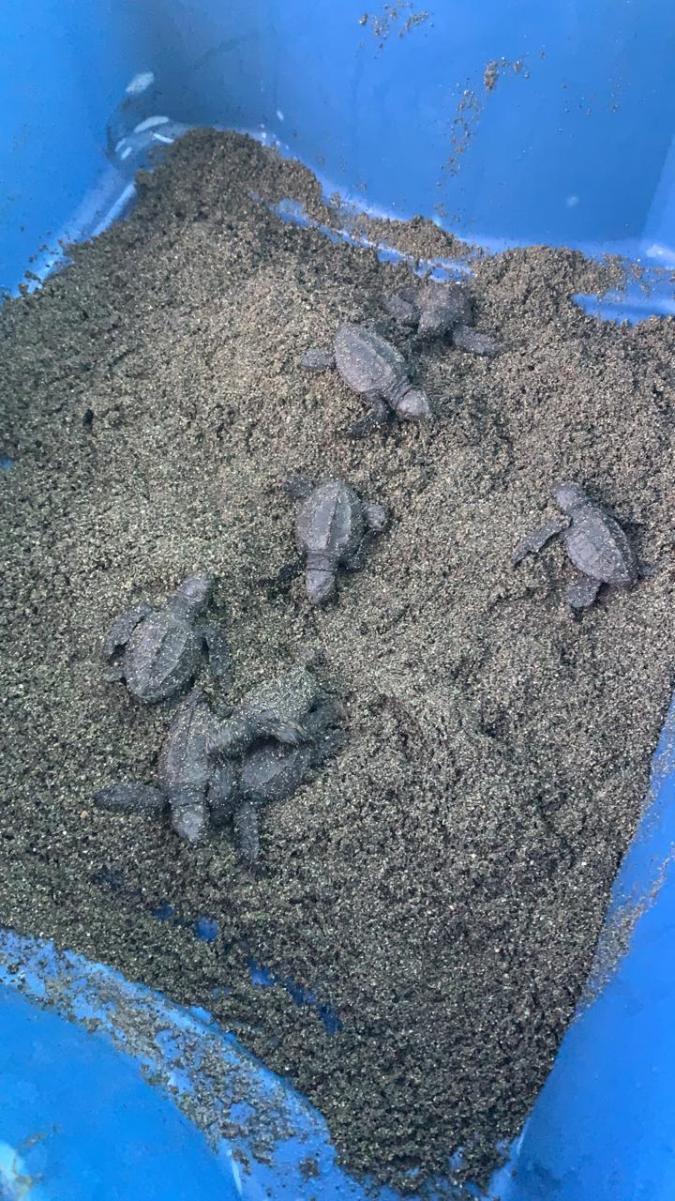
This time it is baby turtles coming out of the nest and into the box, and as always, seeing babies is a joy.
OC13.jpeg

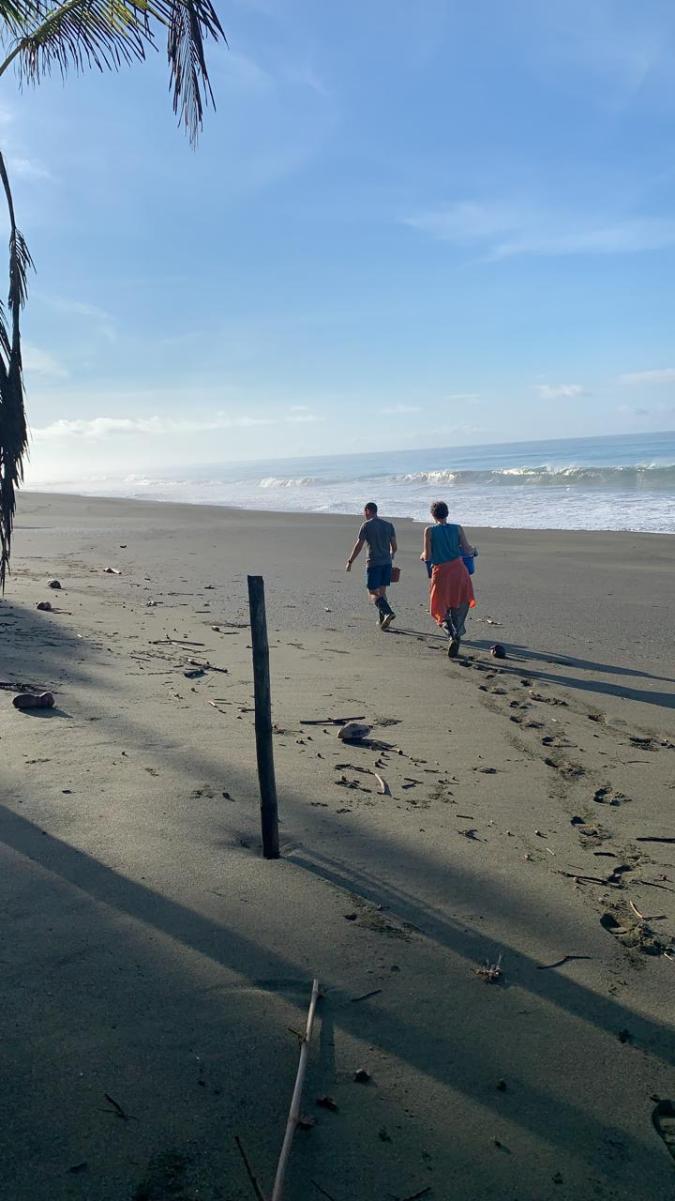
Seeing them walked out to the beach has its own impact.
OC14.jpeg

And then the release.

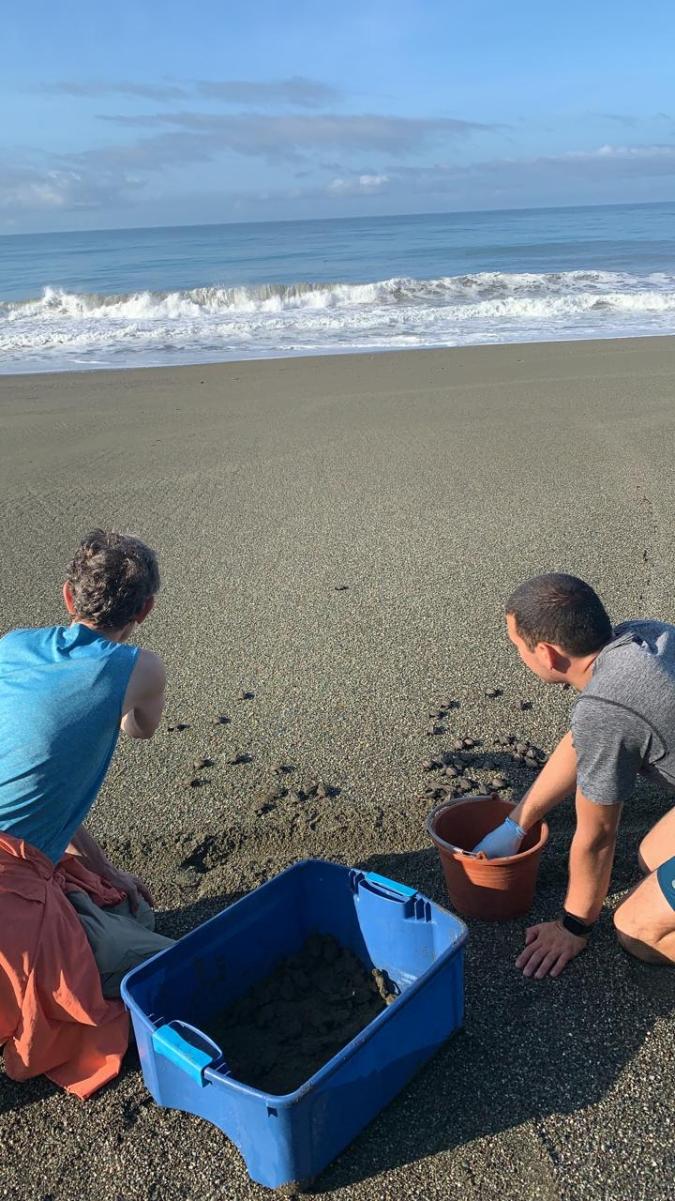
OC15.jpeg133 in total, marching to the water. A race of sorts.
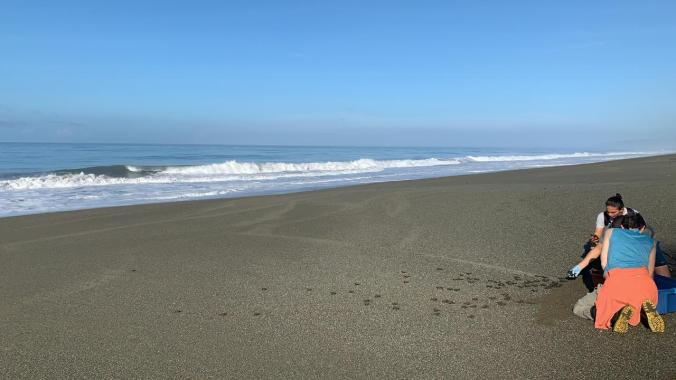
OC17.jpegAmie, a bird-lover, wields a stick to keep them away in case that is needed.
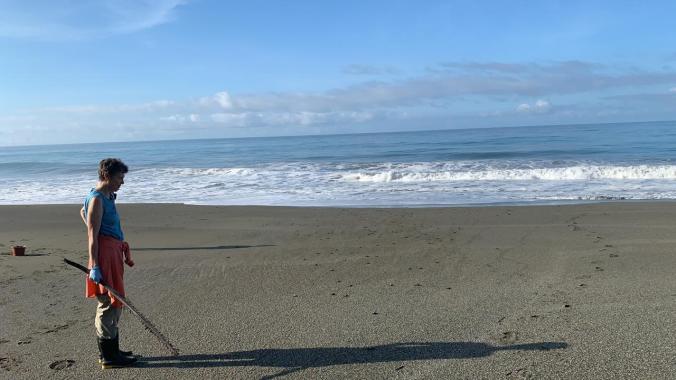
OC19

And finally #133 of these Olive Ridley babies makes it to the edge of the waves.
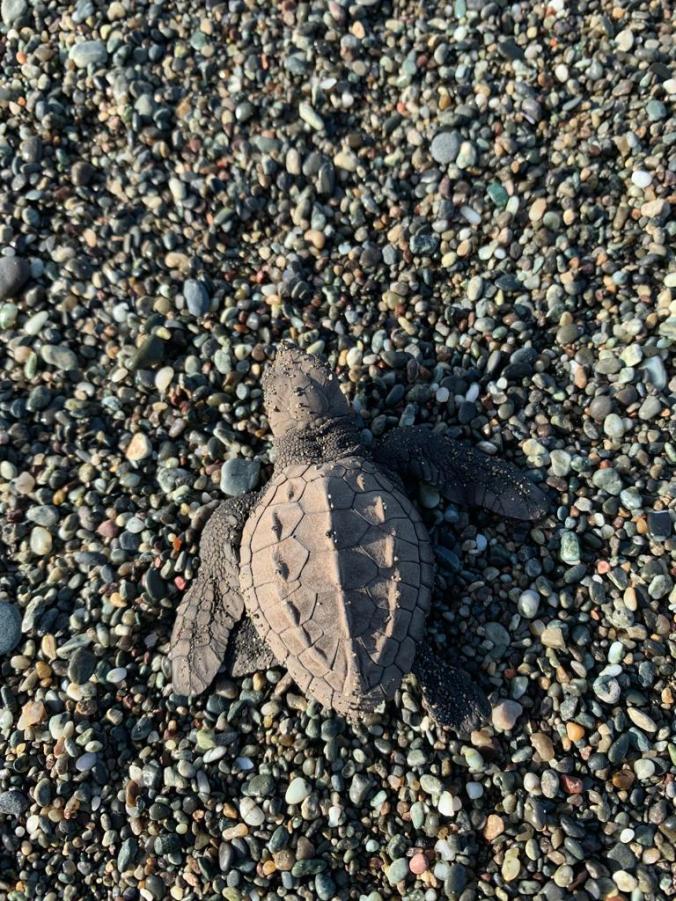
OC20.jpeg

The Little Things We Can Do

tnc_87148027_preview_cropped-1260x708.jpg

A hairstreak butterflies in a Florida backyard. Photo © Bill Spitzer / TNC Photo Contest 2019

If you are fortunate enough to have a yard of your own, consider this suggestion by Charles Fergus:

Create Wildlife Habitat Around Your House

By itself, a plain grass lawn is stark and visually unappealing—which is why most homeowners add shrubs, flower beds, and specimen trees. Today, there’s a new movement afoot known as natural landscaping: using native trees, shrubs, and low plants to add textural diversity to a yard while attracting and benefiting wildlife.

Research has shown that seeing wildlife around your home—hearing birds sing, glimpsing brightly colored butterflies and dragonflies, seeing a garter snake slither into a stone wall— makes life more enjoyable.

tnc_56914004_preview_cropped-1260x708.jpg

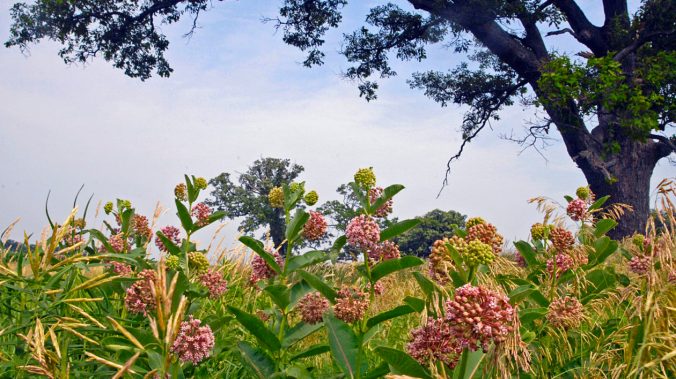
Common milkweed growing in Illinois. Photo © Timothy T. Lindenbaum / TNC

Many of us have a visceral need to be in touch with wild creatures and to acknowledge that we ourselves are part of nature, even if we live in suburbs and other settings where housing is dense. Continue reading