Migration Celebration

When I graduated from Cornell not too long ago, I drew a bird on my graduation hat. It was a stylized yellow-bellied sapsucker, a symbol I encountered almost every day in my four years as an undergraduate as I studied, worked and conducted research at the Cornell Lab of Ornithology. The Lab shaped my undergraduate experience and inspired my love of science and multimedia. This past weekend I had the gratifying opportunity to give back a little and pass on the inspiration.

As the Autumn chill set in – which in Ithaca means grey skies and a constant drizzle of rain – the Lab opened its doors to the community for a day of Migration Celebration. It was a day to celebrate birds: their fascinating behaviors, plumages, songs, migrations, habitats and ability to bring together people from all walks of life. The event was mainly geared towards children, with innovative educational activities organized by all Lab departments:

“What’s your favorite bird? A sandpiper? Can you draw it? Cool! Now let’s put it on a map and look up where it spends the winter.” Continue reading
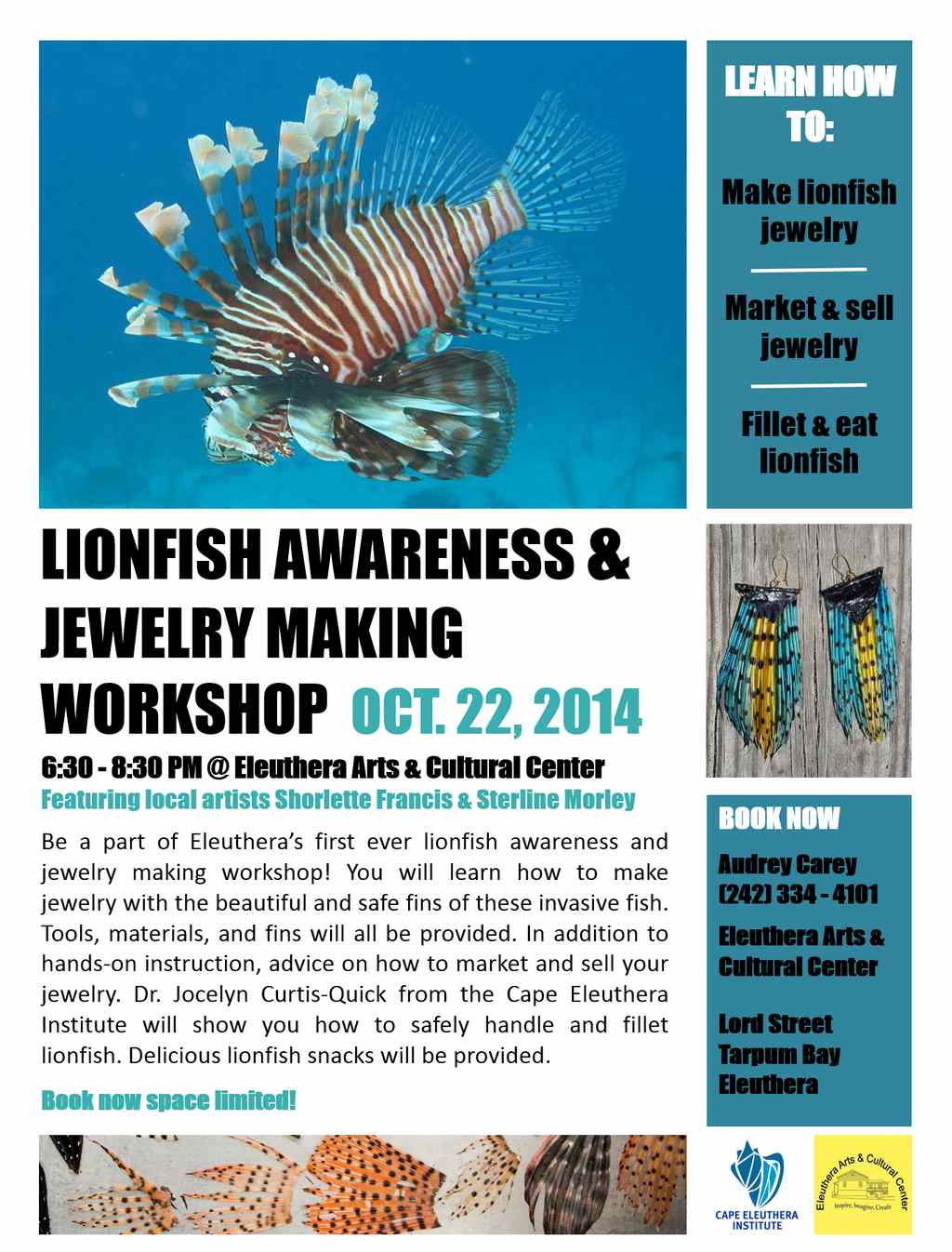
If You Happen To Be In Eleuthera…

Bahamas-Lionfish-Jewelery

Regular readers of this site are familiar with contributor Phil Karp’s wonderful posts about this invasive species. He’s been advising this group in Eleuthera for several months. We wish we could be there!

Can you?

Book Covers, Storytelling, And The Mind’s Eye

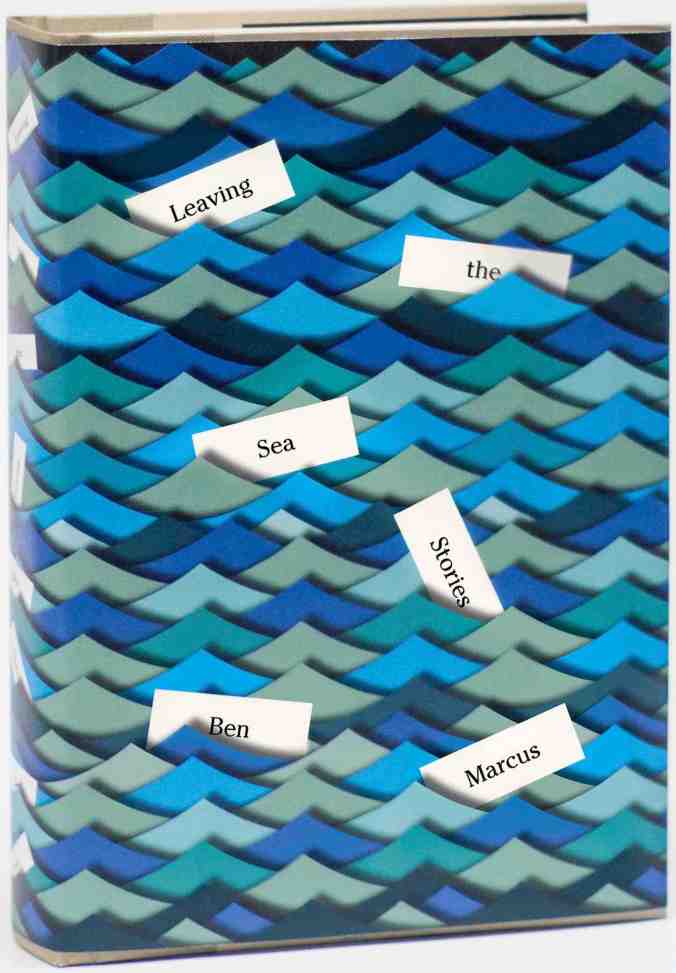
Author Ben Marcus described Peter Mendelsund's cover for his story collection Leaving the Sea as "sumptuous, playful and gorgeous to look at."

Author Ben Marcus described Peter Mendelsund’s cover for his story collection Leaving the Sea as “sumptuous, playful and gorgeous to look at.”

We are most of the time sharing stories, told by our own contributors or chosen by them from other sources, that say something relevant about community, about collaboration, and/or about conservation.  And many of us are involved day to day in hospitality that offers authentic experiences of immersion in “faraway places” relative to where the traveler comes from. We frequently share stories about books and libraries because they are the building blocks of preparation for appreciating what one finds on a long journey away from the familiar. So, this story about a book cover designer was destined to capture our attention:

Peter Mendelsund estimates he’s designed “somewhere between 600 and 1,000 book covers,” ranging from Crime and Punishment to Girl with the Dragon Tattoo. But the self-taught, sought-after designer says he spends a lot of time reading, too. Continue reading

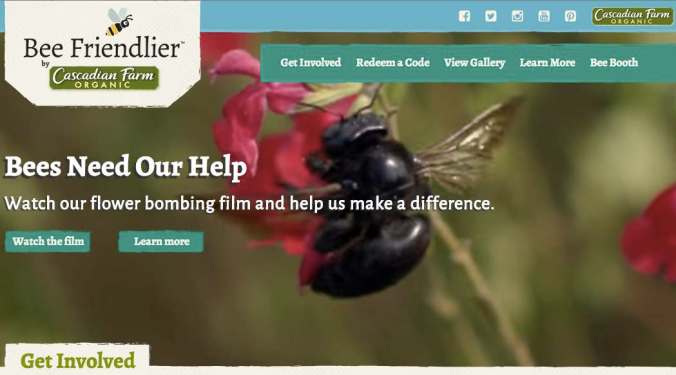
Bee Friendlier

Screen Shot 2014-10-13 at 12.46.44 PM

Our otherwise impenetrable fortress, resisting commercial interests everywhere, sometimes lets one over the wall.  For worthy causes only. Good stuff here, we think, especially learning about The Xerces Society through this company’s initiative:

Our Commitment

At Cascadian Farm, we’ve been farming organically since 1972, and we know how essential bees are to the environment and food supply. In fact, almost all of the food that we make depends on bees. That’s why we’re spearheading Bee Friendlier, an education and support program to help bees thrive. It’s also why we’re donating $0.50, up to $150,000, for every code redeemed online before December 31, 2014, to help support bee research and habitat creation… Continue reading

Flowering Plants Of The Western Ghats

05tv_western_ghat__2140103e

For flower lovers, ecologists, and concerned citizens everywhere, important news in today’s Hindu:

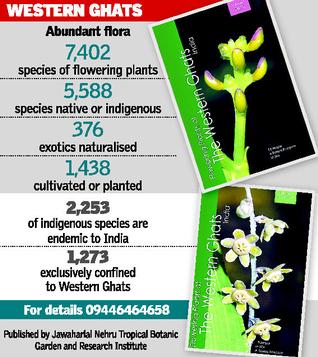
As a global biodiversity hotspot and a world heritage site, the Western Ghats is a magnet for conservationists, nature lovers, scientists and researchers hoping to delve into the secrets of its abundant flora and fauna. But despite decades of study by individuals and groups, an essential reference work cataloguing the rich biodiversity of the region has remained a dream.

In a bid to address this need, scientists at the Jawaharlal Nehru Tropical Botanic Garden and Research Institute (JNTBGRI) at Palode near here have come out with a comprehensive work on the flowering plants of the Western Ghats.

Published in two volumes, the 1,700-page book reveals the occurrence of a total of 7,402 species of flowering plants in the region, out of which 5,588 species are native or indigenous. Of the rest, 376 are exotics naturalised and 1,438 species are cultivated or planted as ornamentals. Continue reading

Walter Isaacson On Geniuses Of The Digital Revolution

File photo by Kris Snibbe/Harvard Staff Photographer.  "We’re now in a phase in which the connection of creativity to technology is going to drive innovation," said Walter Isaacson ’74, a Harvard Overseer, biographer, and CEO of the Aspen Institute. "I do believe that it’s important for people to have an appreciation for the arts and humanities."

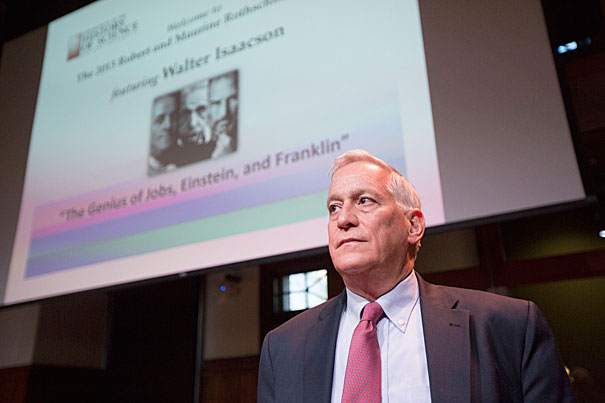
File photo by Kris Snibbe/Harvard Staff Photographer. “We’re now in a phase in which the connection of creativity to technology is going to drive innovation,” said Walter Isaacson ’74, a Harvard Overseer, biographer, and CEO of the Aspen Institute. “I do believe that it’s important for people to have an appreciation for the arts and humanities.”

Thanks to Christina Pazzanese and Harvard Gazette for this conversation with one of the more interesting biographers writing today:

Ghosts in the machines

The history of the Digital Revolution touches our hearts and heads, Isaacson says

In many ways, the entire Digital Era can rightly be laid at the courtly foot of Lord Byron’s rebellious daughter, Ada. Lady Lovelace was the poet’s only child born in wedlock, inheriting both her father’s headstrong, Romantic spirit and her mother’s practical respect for mathematics.

As the Industrial Revolution bloomed, her appreciation for the beauty of numbers and invention, an analytical approach she called “poetical science,” led her to write what is now regarded as the first algorithm and to help refine a machine that could be programmed to perform many different tasks, an idea that anticipated the modern computer by a century.

That’s where Walter Isaacson’s latest book, “The Innovators: How a Group of Hackers, Geniuses, and Geeks Created the Digital Revolution,” steps off.

Continue reading

Pre-Colonization Food

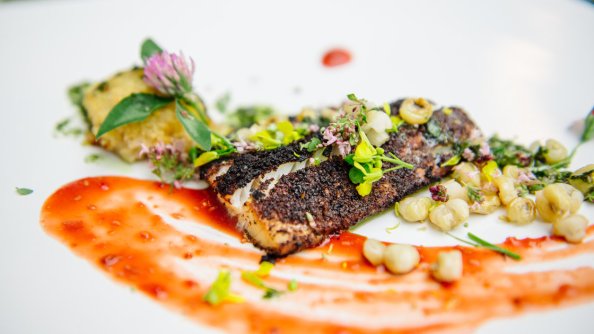
Sean Sherman’s Walleye filet with sumac and maple sugar, a white bean and smoked walleye croquette and toasted hominy; Becca Dilley/Courtesy of Heavytable.com

As we fine tune the concept of Malabar Soul Food at 51 we’re always on the lookout for other stories of cultural culinary crossovers. This is especially relevant with chefs who are pushing culinary limits by reaching back to early foodways like Sean Sherman, a member of the Oglala Lakota tribe. Mr. Sherman’s life is in the kitchen, but a great deal of his energies go into discovering the pre-colonization foods of his Great Plains ancestors. Thanks once again to NPR and the Salt for sharing this story.

Sherman, who calls himself the Sioux Chef, grew up on the Pine Ridge Indian Reservation in South Dakota. It’s where he first started to learn about the traditional foods of the Plains, whether it was hunting animals like pronghorn antelope and grouse, or picking chokecherries for wojapi, a berry soup.

“We were close to the Badlands and its sand hills, which is not the best growing area by far,” says Sherman, who’s now 40. “But we would also spend weeks in the Black Hills, crawling around and learning stuff.”

Sherman’s grandfather was among the first Native American children to go to mission schools on the reservation, and he was one of Sherman’s first teachers. Continue reading

If You Happen To Be In Big Sur (But You Don’t Have to Be…)

Big Sur fallen redwood auction: Proceeds benefit the Henry Miller Memorial Libarary

Big Sur fallen redwood auction: Proceeds benefit the Henry Miller Memorial Libarary

Although we’d never wish damage to a tree of this age and history we’re happy to hear that the rare and beautiful wood will help a cause near and dear to our hearts.

Profits generated from the redwood auction will be used for the following purposes:

Upgrading the Library to meet State and Federal regulatory requirements. This includes a water-treatment system, ADA compliant bathrooms, upgraded septic system, and more. Bringing the Library into compliance will ensure the Library can remain operational while also providing exceptional programming, including our acclaimed short film screening series,workshops, audio series, etc. This will require paying for building and maintaining a water system as well as paying related legal and administrative fees. Continue reading

World Tourism Day

September 27th is World Tourism Day! As the UNWTO Secretary-General Taleb Rifai said in his address this year,

Tourism is a people-based economic activity built on social interaction, and as such can only prosper if it engages the local population by contributing to social values such as participation, education and enhanced local governance. At the same time, there can be no real tourism development if such development damages in any way the values and the culture of host communities or if the socio-economic benefits generated by the tourism sector do not trickle down to the community level.

Continue reading

Pollinators And Diet

680px-Plumpollen0060

From the current issue of Conservation onlinea review of the latest science on one of our favorite topics:

SHOULD POLLINATOR RESEARCH FOCUS ON REGIONS WITH MALNUTRITION? September 19, 2014

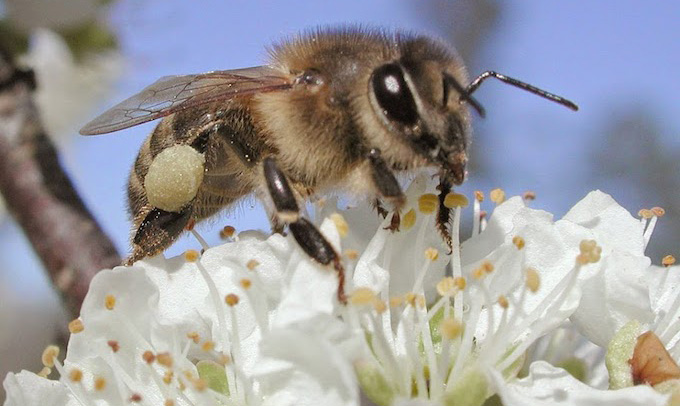
Pollinators + plants = food. Right? The domesticated honeybee, along with a handful of wild bee species, is in decline. But 75 percent of the 115 major crop species grown around the world rely on pollinators to give us that food. This equation is woefully out of balance.

Pollinator-dependent crops make up only a fraction of total agricultural revenues, but that’s because the nine priciest crops, which together comprise half of global agriculture as measured by revenue, can become pollinated by wind, or can pollinate themselves. But the economic value of agriculture is only one way to understand the value of different crops. Another is the value of the different crops to human health and nutrition. Continue reading

Floating Fences

At Spice Harbour boats aren’t the only colorful item floating past the property on a daily basis. While the water hyacinth is lovely, it can also clog the water ways and make boating difficult to manage when it piles up along the edges and eddies of the harbour front.

We hired local fisherman to create a floating bamboo fence Continue reading

Food Rebels

From guerilla gardeners, to food foraging, to our own movement toward preserving food biodiversity and farm to table sustainability, we love to write about the food we eat and how it reaches our plate.

Luckily for all of us we’re not alone in either our interest or speaking out about it. Generations since Rachel Carson‘s seminal book there have been people writing about, and more importantly, acting upon the need to re-embrace the old methods of food production while sometimes using technology to our more healthy advantage.

Food Forward opens the door into a new world of possibility, where pioneers and visionaries are creating viable alternatives to the pressing social and environmental impacts of our industrial food system. Continue reading

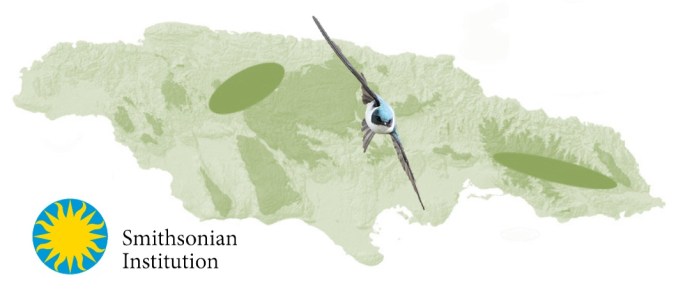
Golden Swallows, Jamaica Expedition

Article BannerIt was in 1844 that English naturalist Philip Henry Gosse arrived in Jamaica for his first time. Gosse would ultimately spend 18 months on the island, where he became fascinated in studying the local birdlife he found there. After returning back to London, he went on to publish a book entitled, “The Birds of Jamaica,” in which can be found the first formal descriptions of many birds still cruising about the Caribbean landscape today. The encounters he had with one bird in particular inspired Gosse to write the following:

This exceedingly lovely little Swallow, whose plumage reflects the radiance of the Hummingbirds, is found, as I am informed by Mr. Hill, in the higher mountains formed by the limestone range of the very centre of the island, as in Manchester, and St. Ann’s. It is not until we ascend this central chain, that we meet with this sweet bird, occasionally in the more open dells, but principally confined to the singular little glens called cockpits.

In this passage Gosse speaks of the Golden Swallow, a small passerine that has only been historically known from two islands, Hispaniola and Jamaica.  And while populations of this species continue to persist in several mountain ranges of Haiti and the Dominican Republic, the beautiful bird that Gosse describes in his Jamaican travels has not been seen on that island for more than 25 years.

Continue reading

Throwback Thursday: Community, Collaboration & Conservation Exemplified

When Horace Greely (well, actually John B. L. Soule) said “Go West, young man, and grow up with the country!” he was speaking from the perspective of limitless possibilities. The Lewis and Clark Expedition had helped map out the west and many young men, and later women, answered the call.

With wilderness in peril, that same entrepreneurial spirit has opened up a new world of empowerment and possibilities for later generations.  The California Conservation Corps and Southwest Conservation Corps have teamed with the non-profit Veterans Green Jobs in a win-win program to support both the country’s military veterans and the country’s national parks. Continue reading

Conservation, Passenger Pigeons, History Of Extinction

Gérard DuBois

Gérard DuBois

My favorite doomsday journalist (and I mean that as the highest compliment) posted over the weekend an unamusing memo to remind us that this is an important centenary anniversary. It ups the ante on our commitment to the community of birdwatchers, casual and serious alike, who support important conservation of wildlife habitat all over the world.

It is not amusing to be reminded about various tragic commons, especially ones for which collective action would seem to have been achievable. We link to these stories in the hope that doomsday outcomes will become less likely if we remind ourselves often enough.

Yesterday the ever-better New York Times, newspaper of record that pays more and better attention to environmental issues than most other publications, saw fit to print this piece by the Executive Director of the Cornell Lab of Ornithology, for which we give our thanks and share with you in whole due to its value as a public service:

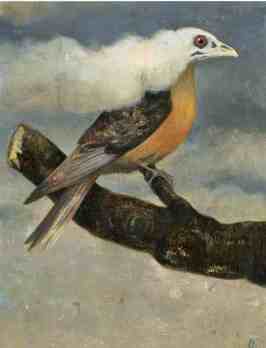
ITHACA, N.Y. — THE passenger pigeon is among the most famous of American birds, but not because of its beauty, or its 60-mile-an-hour flight speed. Nor is it a cherished symbol of our great country. No, we remember the passenger pigeon because of the largest-scale human-caused extinction in history.

Continue reading

Robo-bees

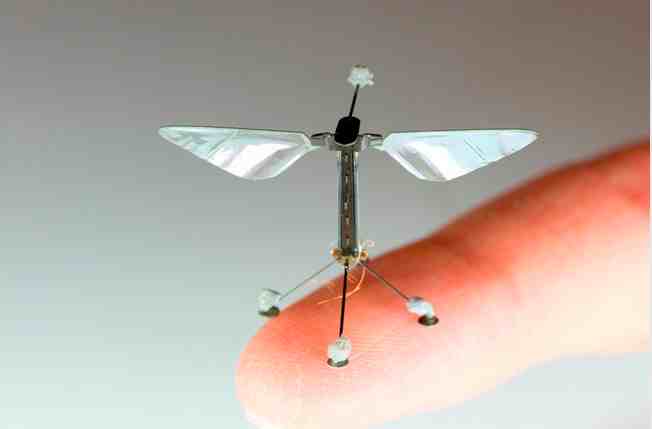
PHOTO COURTESY OF KEVIN MA AND PAKPONG CHIRARATTANANON

PHOTO COURTESY OF KEVIN MA AND PAKPONG CHIRARATTANANON

At RAXA Collective we’re often writing about the birds and the bees within the context of ornothological and entomological biodiversity, as well as the agricultural health of the planet. The impact of CCD, or colony collapse disorder, is significant enough that the Obama administration has challenged scientists with the same force of urgency as Kennedy’s 1962 appeal for a moon landing before the decade was over.

Food attorney and National Geographic contributor Mary Beth Albright writes:

To stay optimistic on this planet I have to believe that most agree that saving honeybees is vastly preferable to replacing them but an interesting alternative is coming out of Harvard. On its website a research team led by engineering professor and National Geographic Emerging Explorer Robert Wood states “we do not see robotic pollination as a wise or viable long-term solution to Colony Collapse Disorder. If robots were used for pollination—and we are at least 20 years away from that possibility—it would only be as a stop-gap measure….”

Continue reading

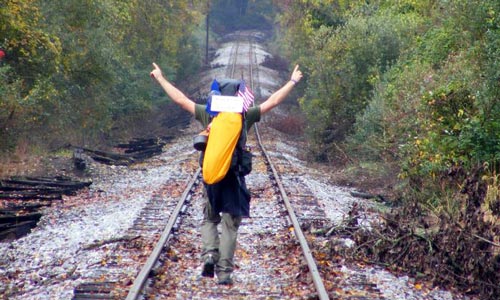
Andrew Forsthoefel, Come To Kerala!

AndrewSlider

Andrew Forsthoefel. Photo by Therese Jornlin, Andrew’s mom. Chadds Ford, PA.

The interns we have had the honor of hosting since setting up shop in Kerala a few years ago have all shared in the responsibility to communicate their experiences in writing on this blog. We are committed to the written word, but not Ludditically opposed to other forms of communication. We have barely put a toe in the water with video, and not even thought about radio as an option, even though we consider Jay Allison an epic hero of good, important communication.

Because of him, we know alot of worthy things that otherwise would have escaped our attention; most recently we learned of and from Andrew Forsthoefel, whose radio story is worth an hour of your time. After which, if you are like us, you will want to know where he is now, and what he is doing. We hope Andrew will see our shout out here and consider our welcome mat in Kerala. Here is his introduction to the podcast when it originally aired nearly 17 months ago: Continue reading

A little taste of Kerala

photo 2

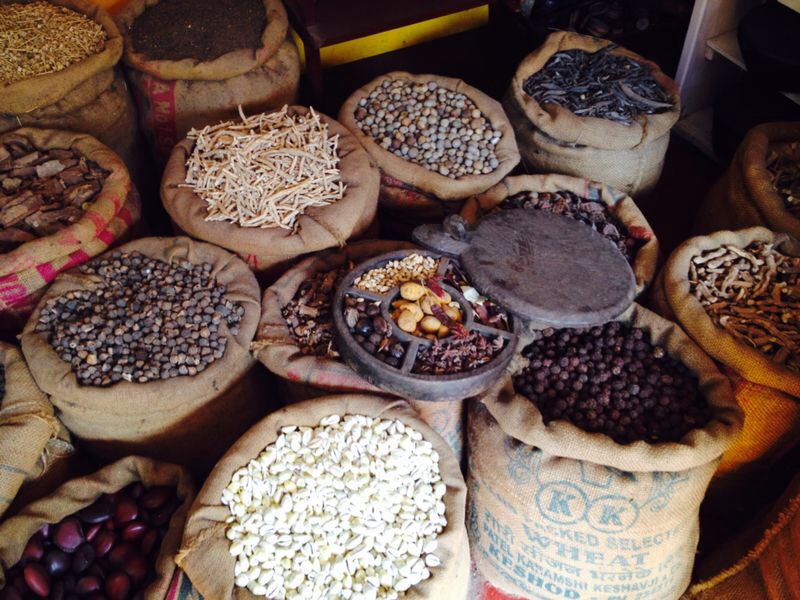
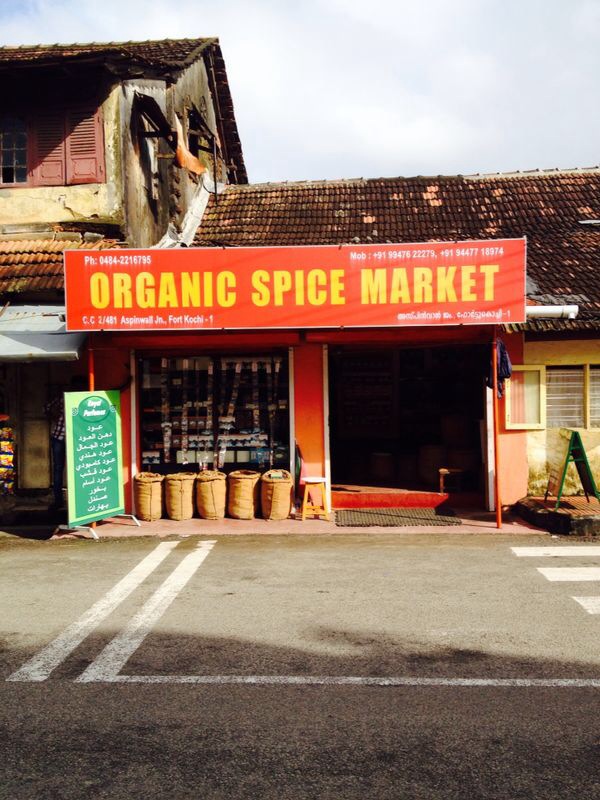
Just down the street in Mattancherry is an organic spice shop with a wide variety of classic South Indian spices. The aroma inside of the shop definitely met my olfactory needs for new smells.

The 51 restaurant at Spice Harbour serves a Xandari Salad to represent Raxa Collective’s other property, Xandari Resorts. The Xandari Salad has become a favorite at 51 with its tahini-yogurt dressing, avocado, roasted cashews, and feta cheese on top of a fresh lettuce mix.

photo 1
Continue reading

Seed Saving as a Safeguard for Biodiversity

logo

This is a seed savers network we are looking to collaborate with on our organic farm initiatives.

The recent post here about The New Yorker article on genetically modified seeds and Vandana Shiva helped me understand more about this era we are entering of biotechnology.

Regardless of whether or not it’s healthy to consume genetically modified foods, we are at risk of losing biodiversity and heirloom varieties. In support of protecting biodiversity, having heirloom varieties of plants in the La Paz Group gardens is important. Once the plants go to seed, we can save them to plant the following season.  Continue reading

Sacred Music, Desert Edition

The Monastery of Christ in the Desert in northern New Mexico inspired Robert Kyr to compose the music on his new album of choral works. Karen Kuehn for NPR

The Monastery of Christ in the Desert in northern New Mexico inspired Robert Kyr to compose the music on his new album of choral works. Karen Kuehn for NPR

We all need to escape the madding crowd from time to time. Where and how? Plenty of choices. Desert. Sacred, devotional acts. Music. As you choose. Or all of the above. Thanks to National Public Radio (USA) for the reminder of such places and activities:

Inspiration can come from unlikely places. For composer Robert Kyr, the silence of a desert monastery is key to the radiant music on his new disc of recent choral works performed by the vocal ensemble Conspirare and its director Craig Hella Johnson. Continue reading