Trees Cooling Urban Jungles

Brooklyn Bridge Park.

Thanks to Cool Green Science:

Using Cloud Computing to Untangle How Trees Can Cool Cities

BY TIMOTHY BOUCHER

We’ve all used Google Earth — to explore remote destinations around the world or to check out our house from above. But Google Earth Engine is a valuable tool for conservationists and geographers like myself that allows us to tackle some tricky remote-sensing analysis.

After having completed a few smaller spatial science projects in the cloud (mostly on the Google Earth Engine, or GEE, platform), I decided to give it a real workout — by analyzing more than 300 gigabytes of data across 28 United States and seven Chinese cities. Continue reading

Empowered Tribal Communities Innovate

16tribal4-master675

Bolin Bay in the Great Bear rain forest near Klemtu, on the central coast of British Columbia. CreditRuth Fremson/The New York Times

There is an excellent article about old treaties and new alliances empowering indigenous people in North America, which this excerpt captures well:

…In Idaho last summer, tribal representatives from 19 states met for what organizers said was the biggest Native American workshop on climate change, and they concluded that global environmental changes transcended national boundaries.

“This is how land resource decisions are going to be made in the future — through co-management with people who have been on the land forever,” said Hadley Archer, the executive director of the Nature Conservancy Canada, which helped put together the Great Bear forest agreement. To that end, the University of Victoria law school in British Columbia will begin enrolling students next year in a degree program that will combine the traditional study of court precedents and legislation with the study of tribal law. Continue reading

Navajo Foodways In Time Of Protest

navajo-chef-2_wide-9ed5518ac8f6bac84dca24f36fabe574d853eed5-s1100-c85

Thank you Maria and National Public Radio (USA):

A Navajo Chef Gives A Glimpse Inside The Makeshift Kitchens At Standing Rock

At the Standing Rock Indian Reservation, as a Sioux tribe fights the construction of the Dakota Access Pipeline, the months-long standoff has raised a question: How do you feed the encamped masses? Continue reading

Lessons In Urban Water Conservation From Down Under

01fixes1web-master768.jpg

Residents of Melbourne, Australia, reduced their water consumption during the long drought and effectively saved the city from running dry. Credit Carla Gottgens/Bloomberg

Thanks to the New York Times for this tutorial, provided at city scale, on more sensible management of natural resources:

Australia’s Lesson for a Thirsty California

Sylvia Rowley

MELBOURNE, Australia — On his first visit to Melbourne in 2009, Stanley Grant, a drought expert and professor of civil and environmental engineering at the University of California, Irvine, had a question for his taxi driver.

“How’s the drought?” he asked.

“It’s about 28 percent,” came the reply.

Grant was puzzled. But shortly afterward, they drove past an electronic road sign announcing that the city’s reservoirs were indeed at just 28 percent of capacity. Continue reading

Sani Choice, Yasuni Future

5760

Wildlife watch … the author’s guide, Victor, explores an area of flooded forest in the Yasuni national park, Ecuador. Photograph: The Guardian

The Guardian keeps attention on this difficult balancing act, requiring Solomonic wisdom, that we have linked to on more than one occasion:

Ecuador’s Yasuni park: where oil vies with tourism for the rainforest

The Sani people face a choice between encouraging ecotourism to their rainforest – one of the world’s most biodiverse – and allowing in the oil companies

Kevin Rushby

Fernando was sitting on his veranda listening to the whoops and whistles of the jungle. Our visit was a surprise, but the old man was soon answering my questions, keen to talk.

“I arrived here in about 1960,” he told me. “A group of us came to start a new life. Hunting was easy. The animals were almost tame. We just used a blowpipe, no guns.” Continue reading

Fiber Fashion

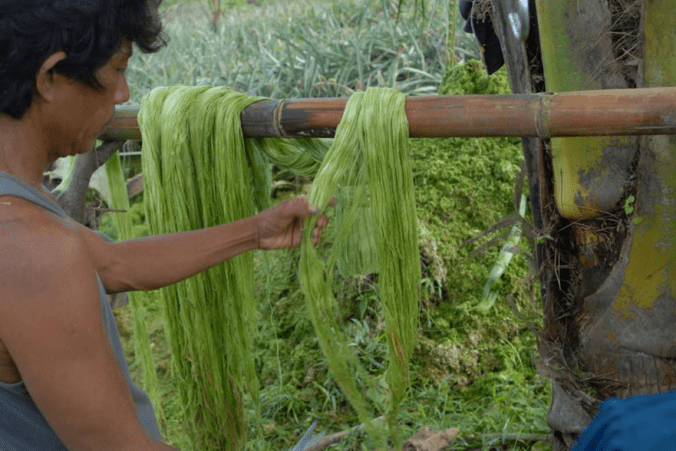
PiñatexTM production will bring new income opportunities for pineapple harvest farmers in developing countries, with the initial development stage taking place in the Philippines

We’re not insensitive to the frequent commentary on both news and social media by animal rights activists against viewing animals as commodities. With those feelings in mind, this discovery of Ananas Anam, a not for profit organization that is developing leather-like textiles using natural fibers that are the by-product of the pineapple harvest, is an exciting one.

I’ll definitely be on the look out for Pinatex products and hope our readers will as well!

ananas- anam – new materials for a new world

OUR SOCIAL IMPACT

Ananas Anam supports pineapple-farming communities in the Philippines. We are developing a new industry that will enhance the social network in rural areas as farmers will be able to sell fibres as a commercial and viable proposition.

Furthermore, the farming communities will benefit from the potential output of natural fertilizer/biogas which is the by-product of fibre extraction.

Other pineapple-growing developing countries will join the Philippines in the production of Piñatex, which will support local economies and strengthen their exports. Continue reading

The Morning Walk At Aarvli

aarvlimorningwalk

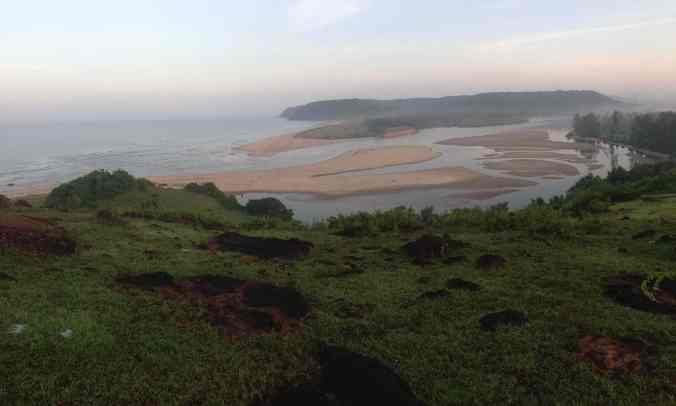
As soon as there is enough light each day I start my walk from the Aarvli bluffs to the water below. I start in the estuary, then move along the sea. The patterns around sunrise are not unlike those at sunset.

aarvlifishboatfar

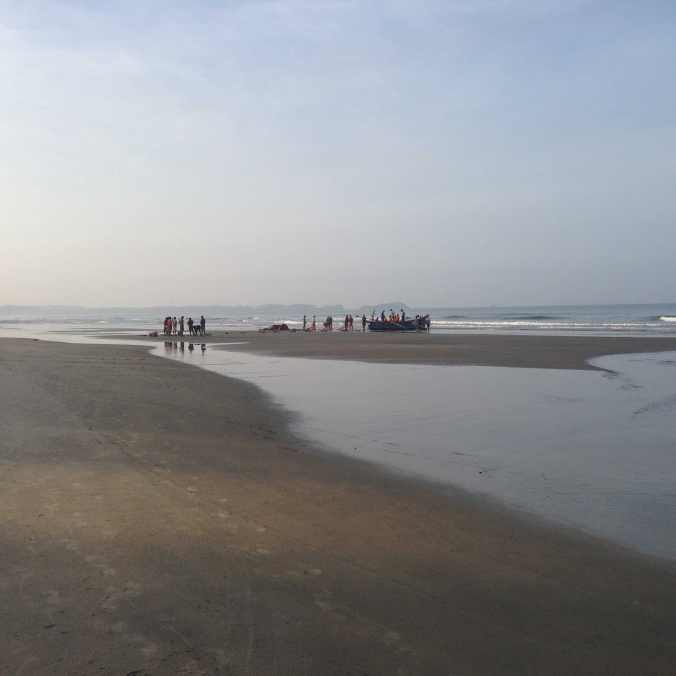
Fishing with this type of boat is a community activity, day in and day out. Many are required to get the boat back onto shore, first with the nets coming off and then the boat being block and tackled up the sand. Continue reading

Save The Truffle, A Campaign We Are Destined To Support

3b044a32123901-56703376190bcThis is a series of videos realized to launch “Save The Truffle” a new brand aiming to promote traditions and the conservation of the White Truffle of Alba. In this videos Agnello Renato, one of the last and most important “trifulau” (truffle seeker) of the zone, shares his stories about being a truffle seeker.For this project I took care of shooting, lighting and editing.
Creative project by Grid Studio.

Our family has a very happenstance connection to truffles that goes back to some sustainable tourism development work I carried out in Croatia starting in 2000, which led to our nirvanic 2006-2007 spent on an island in the southern Adriatic. But on my first visit to Croatia, in late autumn 2000, on a weekend off from work a local friend took me to Istria and the rest is history. You either love them or you probably will be disgusted by them, and I was in the former camp. A month later, coming home to my family in Costa Rica, I had some vacuum-packed fresh truffles; since then, we have been devotees.

A few years later, Milo became an encyclopedic mycophile, and a few years after that Seth had the chance to take a mycology courses at Cornell as an undergrad. So we are all happy to see this campaign represented by the logo above left. The article that brought our attention to this campaign is worth a read, whether you are a foodie, a fungist, or any kind of traditionalist. Click the logo to see some of the early creative work emerging for the campaign. We look forward to seeing more, but for now appreciate the journalist’s keen eye for what really matters in this story:

Amid Hills of Wine and Truffles, a Mission to Give Fungus Room to Breathe

Tasting The Place

aarvlisalt

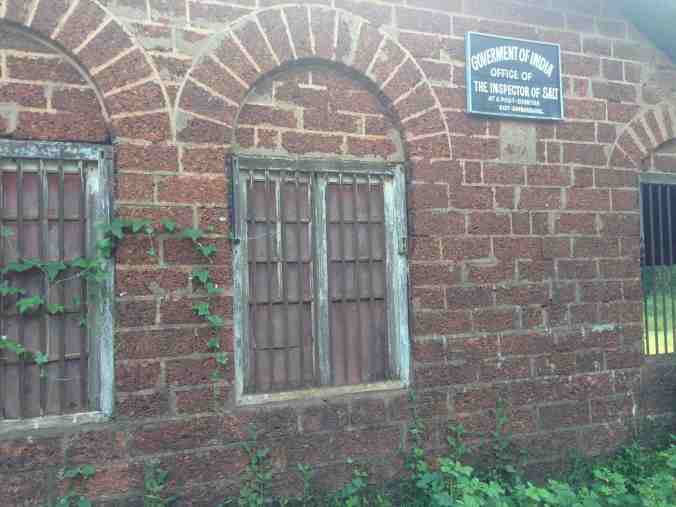
Where I am located, since last week and until next, there is an abundance of flavors; both in terms of intensity and in terms of diversity. Thanks to a longstanding tradition of ensuring that those flavors pop, there is not only salt, but salt inspection. Only the finest will do, and the finest is also harvested locally. Just as the fish is harvested locally as in the photo below, taken a few hundred meters from where I am typing right now.

img_5532

Continue reading

If You Happen to Be In Gainsville

This slideshow requires JavaScript.

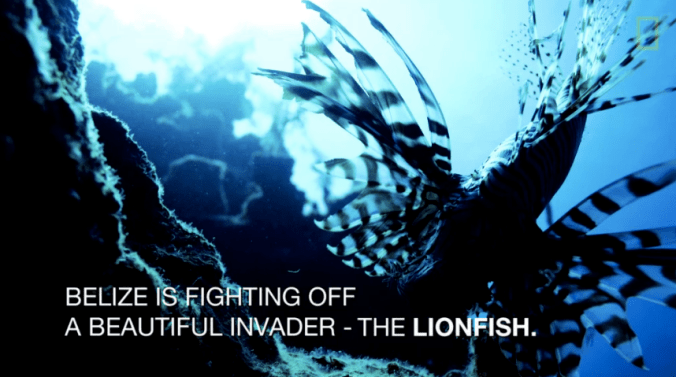
We’ve been posting on the environmental impact of the invasive lionfish ever since contributor Phil Karp took on the project of building a demand for the notoriously difficult to catch fish. Helping to build a market for the delicious meat and beautiful spines created income for local fishermen and their families in numerous areas of the Caribbean.

ReefSavers was created with all these goals in mind. Founded to gain control of the Lionfish population in the southeast US and Caribbean, they work toward both harvesting and developing a stable market in which supply can always meet the current demands. By unifying

the organizations working to control the Lionfish outbreak into a cohesive market place. Channeling all harvested Lionfish through a centralized market place will allow for a more stabilized fishery. With the creation of the Lionfish Market Place organizations will have a centralized place to sell their catch and buyers will not have to worry about limited supplies. By opening the Lionfish Market buyers for the whole state of Florida will be connected with a more constant supply, in turn this access will help to grow the industry and put revenue into the hands of the people trying to fight the outbreak.

The ReefSavers team came up with innovative strategies to help with supply and demand logistics, fanning the market for the fish for both chefs and more importantly, consumers. Welcome the Lionfish Invasion Tour in Gainsville, Florida! Continue reading

Agricultural Exploration, Flavor Surprise


aarvliag1

Where is Asha, or at least her book? I could utilize her culinary inputs related to southern Indian vegetables and flavors right about now.

I am in the coastal region of southern Maharashtra now, just north of the Goa border. The cuisine is different from that of Kerala, but with many of the same vegetable inputs. For ten days my mission is primarily to food-focused. For a new project we are working on, our current task is to determine what food items will be grown on property and which will we sourced from local farmers. This is always a curious task. Continue reading

Hudson Gardens & Bees

bee-keeping-1_custom-a8509931c91172a9b5681ef572c8d35e73a5f844-s1100-c85

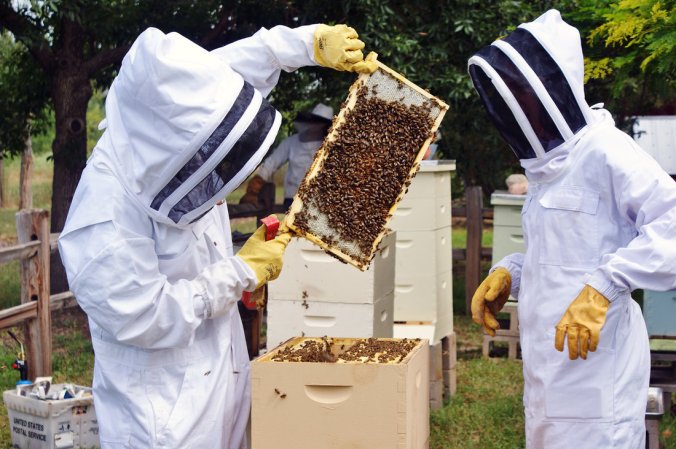
Beekeepers inspect bee frames at the Hudson Gardens community apiary near Littleton, Colo. Modeled after community gardens, community apiaries allow beekeepers to maintain hives in public spaces — and offer each tips and support. Courtesy of Hudson Gardens

We like what we have been learning about Hudson Gardens:

Beekeepers Benefit From The Hive Mind In Community Apiaries

JODI HELMER

Even though Marca Engman read countless books, watched YouTube videos and took a beekeeping class before installing her first hive in 2012, she knew she’d need help in the field.

“The whole idea of beekeeping was overwhelming,” she recalls. “Every year is different and every hive is different.”

Rather than working a backyard beehive solo, Engman installed her first hive in the community apiary at Hudson Gardens, a nonprofit garden near Littleton, Colo. Continue reading

An Unusual Travelogue

9780374710750.jpg

Publishers’ blurbs are sometimes much better than the sound of the word blurb would imply, and anyway I always trust them more than I could possibly trust Amazon’s tricky sales methods. Reviews in trusted publications are best, but they take much longer to read; this blurb has my attention, especially after pondering two decades of life online:

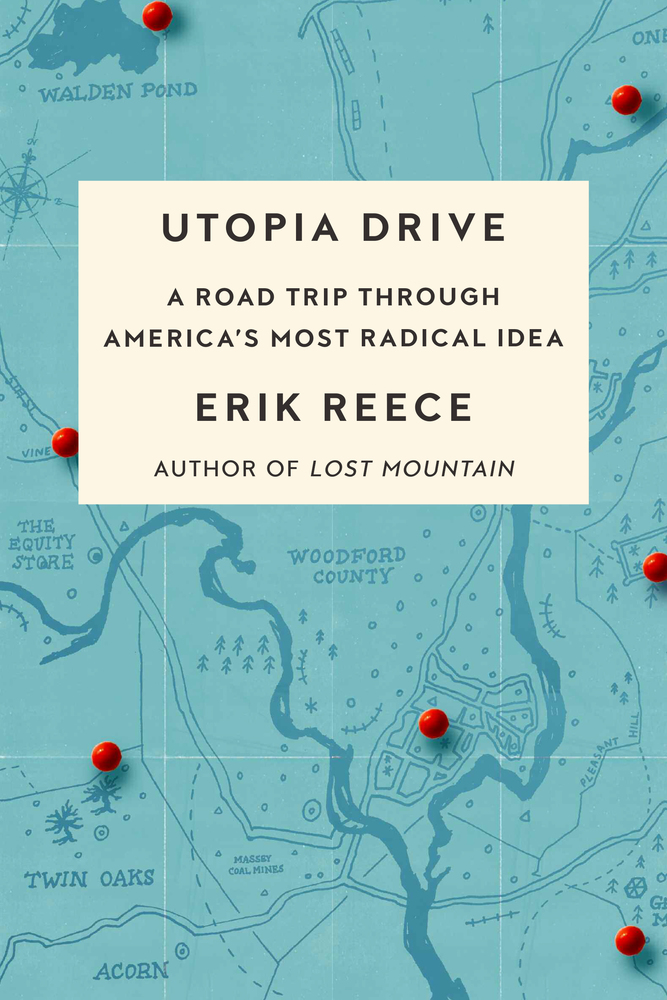
For Erik Reece, life, at last, was good: he was newly married, gainfully employed, living in a creekside cabin in his beloved Kentucky woods. It sounded, as he describes it, “like a country song with a happy ending.” And yet he was still haunted by a sense that the world–or, more specifically, his country–could be better. He couldn’t ignore his conviction that, in fact, the good ol’ USA was in the midst of great social, environmental, and political crises–that for the first time in our history, we were being swept into a future that had no future. Where did we–here, in the land of Jeffersonian optimism and better tomorrows–go wrong? Continue reading

Being Human, Sharing Relevant Information, Building Community

16-distraction-lede-w512-h600-2x

In the first few years of our building this wordpress platform to communicate about things that concern us and especially about things that inspire us, we occasionally found something that Andrew Sullivan had posted that was relevant here (only rarely since his site was mainly dedicated to politics and other topics that do not belong on our platform).

So we know a bit about him and always admired his relentless pursuit of what he believed in. We also know he is an excellent writer, so almost always worth a read. The same relentlessness we admire is also one we vigilantly guard against in these pages, where we have tried to limit our daily contribution to just a few essentials. We want only to have some shared space with a community of readers who care about some of the issues that interest us the most. This article Mr. Sullivan just published is definitely worth a read:

I Used to Be a Human Being

An endless bombardment of news and gossip and images has rendered us manic information addicts. It broke me. It might break you, too.

By

I was sitting in a large meditation hall in a converted novitiate in central Massachusetts when I reached into my pocket for my iPhone. A woman in the front of the room gamely held a basket in front of her, beaming beneficently, like a priest with a collection plate. I duly surrendered my little device, only to feel a sudden pang of panic on my way back to my seat. If it hadn’t been for everyone staring at me, I might have turned around immediately and asked for it back. But I didn’t. I knew why I’d come here. Continue reading

Lionfish Tales

This is issue has been on our radar for some time, in most part due to contributor Phil Karp‘s posts on his work with groups in Belize and other parts of the Caribbean focused on this goal. The concept of “If You Can’t Beat ’em, Wear ’em” carries a powerful message of innovative practices to manage the invasive species that’s causing havoc in the southern Atlantic and Caribbean waters. Continue reading

A Different Type of Hero

The Veerni Institute now makes it possible for 75 girls to continue their education. But the group has to turn away nearly 300 applicants each year for lack of funding. Poulomi Basu for NPR

The Veerni Institute now makes it possible for 75 girls to continue their education. But the group has to turn away nearly 300 applicants each year for lack of funding.
Poulomi Basu for NPR

“It all began with a shawl…” seems like the stuff of fairy tales, but the combined attraction to a handmade textile and the desire to help the woman weaving it proved a pathway to Jacqueline de Chollet’s life work. Over 20 years ago while traveling in a dusty village of India she saw a woman weaving the shawl in her home.

“She had three or four children including a baby she was nursing in her arms,” de Chollet recalls. “And she looked way older than her age.”

Hoping to provide a little help, de Chollet offered to buy the shawl. “And as soon as I gave her the money a man walked in and took the money away from her.”

De Chollet was outraged. “I felt, this woman — nobody cares about her. She’s off the map. She has no rights.”

Although de Chollet came from far different circumstances as this woman, growing up in the 1950s she felt that society dictated her position as a wife and mother. She wanted to make a difference in the world, and felt that addressing the issue of the rights of women and girls in India was an important first step. Continue reading

Beware The Compost

veggiegarden_cropped-680x450

Image credit: US Department of Agriculture via Flickr

Thanks to Conservation for their tireless effort to review important science and summarize it for we, the less scientifically-trained folk:

HOME-GROWN VEGGIES CAN FIGHT CLIMATE CHANGE—BUT BEWARE THE COMPOST PILE

Vegetables grown in home gardens are associated with lower greenhouse gas emissions than vegetables bought at the store, according to a study by researchers at the University of California, Santa Barbara. Home gardening reduces emissions by about 2 kilograms for every kilogram of produce, they report in the journal Landscape and Urban Planning.

The study is the first to show that gardening could make a meaningful contribution to helping cities and states meet their emissions reductions targets. Continue reading

Onam, Kerala, 2016

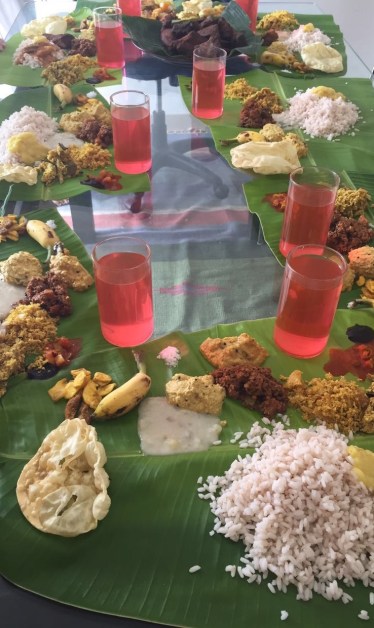
img_5224-1Yesterday, the midday meal was a traditional one for this time of year. We have written about Onam festivities each of the years that we have been based in Kerala, since 2010. Now, during our seventh such celebration, we finally hosted an Onam feast in our own home. In order to be sure that the guests at our table would have the best of the traditional foods of the season we made the only sensible decision: we ordered the feast from a local kitchen we favor.
These dishes, which we have written about in previous years, tasted as if they were the best we have yet had. Maybe because it was all so easy and pleasant. Our guests, anyway, we knew to be not high maintenance. It was a cross section, functionally speaking, of La Paz Group’s Kerala team, including (from left going around the table in the picture below) engineering, finance, revenue management, reservations, sales, design, me, and front right is the man in charge of it all, who was also the photographer. Continue reading

The Kindness Of Strangers

sanchez-cart_wide-29683f2f2abfb52b42bdcdab6c6787e5bbef67b4-s1100-c85

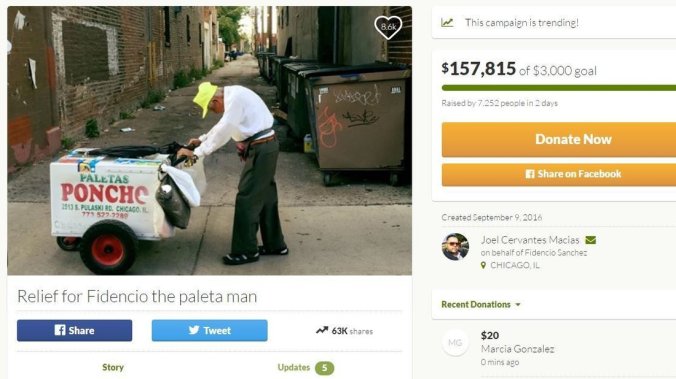
A fundraising campaign for Fidencio Sanchez has raised more than 50 times the original $3,000 that was sought. Go Fund Me

We can say, with no ideological intent whatsoever, that it is not good news that an elderly man in a prosperous nation must depend on the kindness of strangers; but if we add one iota of oomph to the momentum of a story like this going viral, we are more than happy to share occasions when that kindness is demonstrated with drama:

Strangers Raise $165,000 In 3 Days To Help Chicago Popsicle Vendor, 89

It was just a glimpse, but the scene spoke volumes — and started a push for help. Joel Cervantes Macias was struck by the sight of an elderly man pushing his cart of frozen treats on Chicago’s 26th Street, so he took a photo. That was last week; as of Monday afternoon, Macias had raised more than $165,000 to help a stranger. Continue reading

Antiquities Act & Presidential Creativity

Sally Jewell

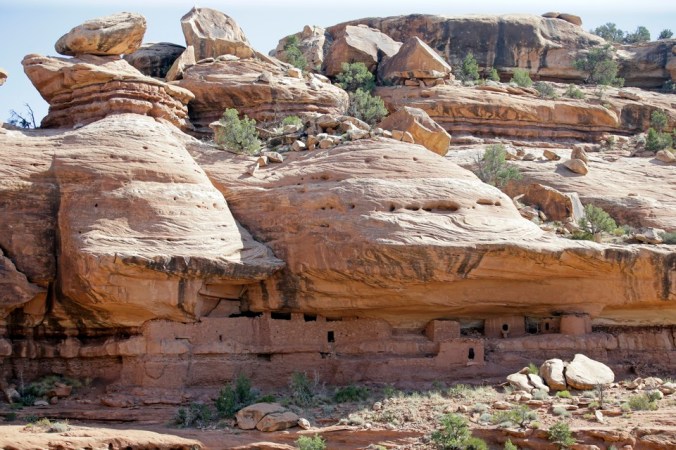
This July 15, 2016, file photo, U.S. The “Moonhouse” in McLoyd Canyon, near Blanding, Utah, is shown during U.S. Interior Secretary Sally Jewell tour. Hundreds of people who oppose the proposed Bears Ears National Monument in southeastern Utah showed up at Senate field hearing Wednesday, July 27, 2016, in Blanding on the polarizing topic. The meeting comes just weeks after Jewell visited the area and hosted a public town hall to hear from people from both sides. (AP Photo/Rick Bowmer)

The Atlantic has another story we appreciate today, besides this one. Whether Utah wants it or not, the designation sounds appropriate, and we appreciate the creative efforts of the President of the USA to dust off the Antiquities Act for this purpose:

…1.9 million acres in southeast Utah that President Obama is pondering designating a national monument. The “ears” in question are twin buttes hovering over the surrounding San Juan County, a sprawling stretch of wilderness that now finds itself at the white-hot center of a brawl over public-land management, presidential authority, and the 110-year-old Antiquities Act. Continue reading