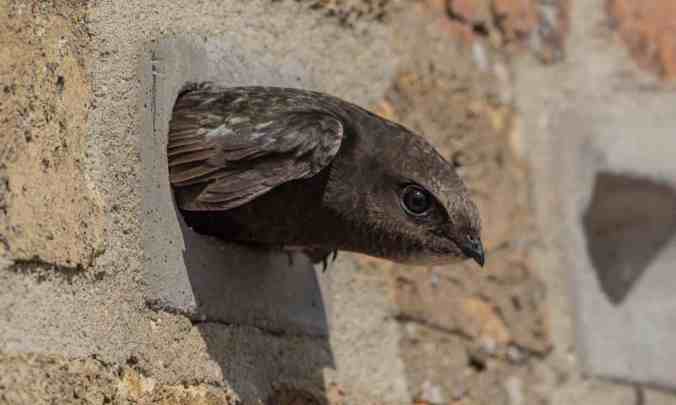
Purposefully Funky Nesting Bricks

A swift looks out of a nest brick. The bricks are helping to restore nesting sites lost to building modernisation. Photograph: Simon Stirrup

Seth first brought our attention to funky nests during his years working for the Celebrate Urban Birds program at the Cornell Lab of Ornithology. We have done our best with and without Seth to continue to pay attention to bird nesting, funky or not. This news is more than welcome on the purposefully funky bird nests showing up in the UK:

Securing a swift return: how a simple brick can help migratory birds

Many swifts flying back to Britain will find their summer nests lost to building renovations. But bird bricks are offering them an alternative home

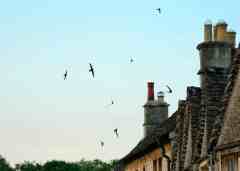
Swifts flock over rooftops in Wiltshire. The migratory birds spend just three summer months in the UK to breed. Photograph: Nick Upton/NPL

Eagerly anticipated by many, it is a thrilling moment when you first hear the distinctive screech or catch sight of the long, tapered wings of the first swifts arriving for the summer. For thousands of years they have looped to the British Isles from Africa to raise the next generation, taking advantage of the long daylight hours in the north and the opportunity to scour the skies for insects from dawn to dusk. Continue reading
Palm Oil & Us

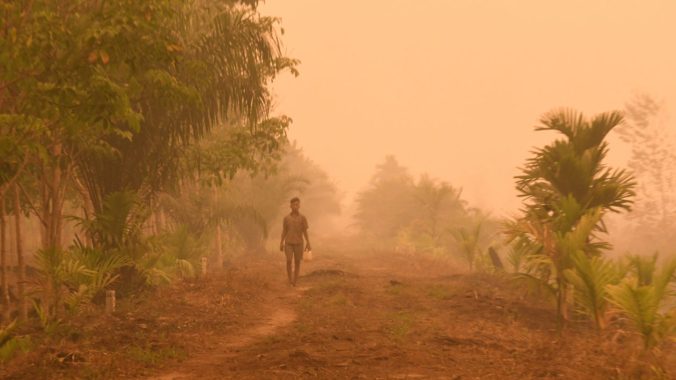
A villager walks through a haze from fires in burned peatland at an oil palm plantation in Sumatra, Indonesia. MUHAMMAD ADIMAJA / GREENPEACE

For all the attention we have given palm oil in the decade of posting links to stories here, strange that Jocelyn Zuckerman only appears once in our pages before today. As with fossil fuels the onus should not be entirely on individuals as consumers; collective action and public policy are essential tools to limiting the damage that corporate palm interests have been causing, relatively unchecked, for too long. We thank her for this clear, strong statement:

The Time Has Come to Rein In the Global Scourge of Palm Oil

The cultivation of palm oil, found in roughly half of U.S. grocery products, has devastated tropical ecosystems, released vast amounts of C02 into the atmosphere, and impoverished rural communities. But efforts are underway that could curb the abuses of this powerful industry.

A few weeks ago, the Sri Lankan president announced that his government would ban all imports of palm oil, with immediate effect, and ordered the country’s plantation companies to begin uprooting their oil-palm monocultures and replacing them with more environmentally friendly crops. Citing concerns about soil erosion, water scarcity, and threats to biodiversity and public health, President Gotabaya Rajapaksa explained that his aim was to “make the country free from oil palm plantations and palm oil consumption.” Continue reading

Back To Impenetrable

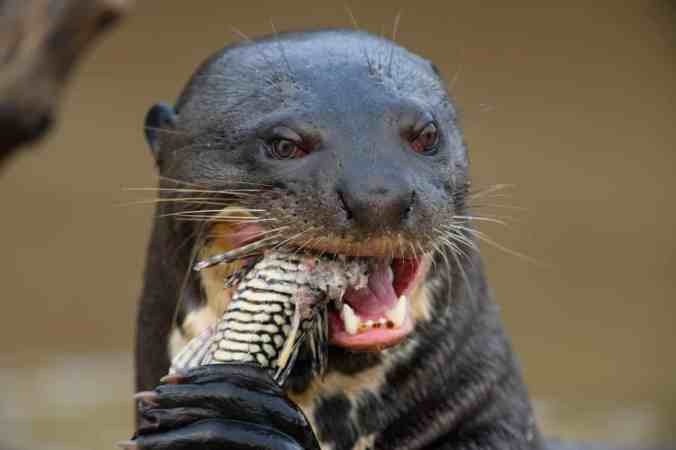
A giant otter in the Brazilian Pantanal. They play a vital role in the health of a river’s ecosystem. Photograph: Barcroft Media via Getty Images

It had been a while. Too long. But great to see once again:

‘A huge surprise’ as giant river otter feared extinct in Argentina pops up

Conservationists thrilled at the sighting of the wild predator, last seen in the country in the 1980s

“It was a huge surprise,” said Sebastián Di Martino, director of conservation at Fundación Rewilding Argentina. “I was incredulous. An incredible feeling of so much happiness. I didn’t know if I should try to follow it or rush back to our station to tell the others.”

Continue reading

Elizabeth Gould, Illustrator Of Note

Gouldian Finches, named for Elizabeth Gould, from The Birds of Australia. Illustration: Elizabeth Gould/Public Domain

When we think of birds and illustrations, most frequently the work of John James Audubon comes to mind. But there were others:

Meet Elizabeth Gould, the Gifted Artist Behind Her Husband’s Famous Bird Books

John Gould’s ornithology books were hugely popular and cemented his name in history. But his wife’s illustrations were a big reason why.

In 1830, when English taxidermist John Gould was keen to publish his first volume of bird species, his wife Elizabeth asked him who would create the illustrations. She knew her unartistic husband wouldn’t be up to the task. Continue reading
New Methods For Bee Species Protection In Photos

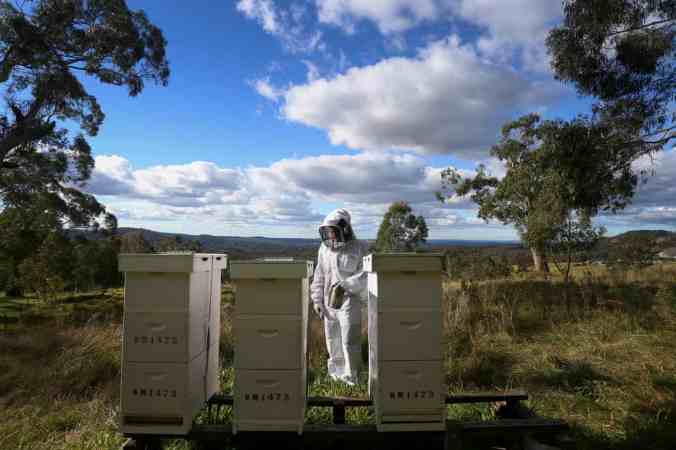
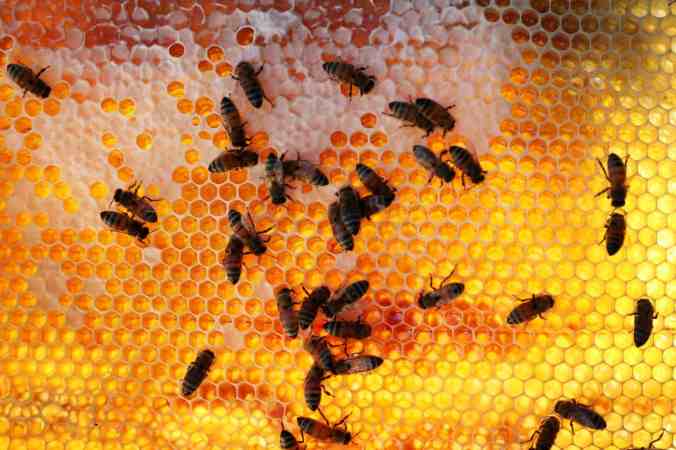
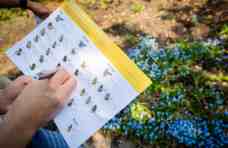
Apiarist Darryn McKay of Bowral Bees inspects hives in Bowral. McKay is a ‘farm to gate’ beekeeper with a number of hives hosted in the southern highlands. He also provides bee swarm collection and runs workshops.

Thanks to the Guardian:

Moving Species To Protect Their Viability

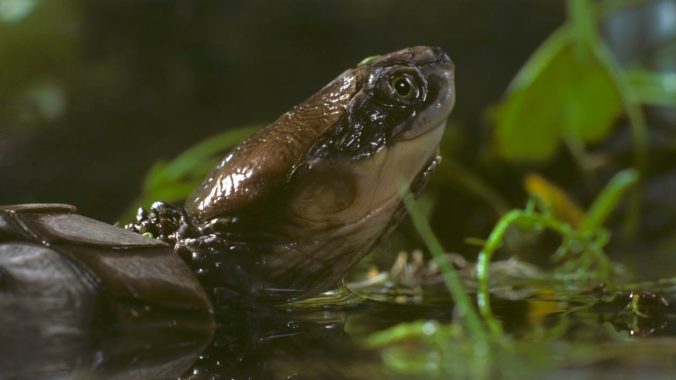
The endangered western swamp turtle, which scientists have reintroduced into its native habitat in Australia. AUSCAPE/UNIVERSAL IMAGES GROUP VIA GETTY IMAGES

Thanks to Yale e360 for this:

Amid Climate Pressures, a Call for a Plan to Move Endangered Species

The conservation community has fiercely debated whether to help species move as climate change and habitat loss threaten more extinctions. Now, scientists are calling on an upcoming international conference to set guidelines for this complex – and potentially risky – challenge. Continue reading
Michelle Nijhuis On Species Solidarity

LUISA RIVERA

Michelle Nijhuis is one of several science writers who have made our pages better in the 10 years since we started this platform. This essay is in good company:

Species Solidarity: Rediscovering Our Connection to the Web of Life

As climate change intensifies and human activity impacts every corner of the planet, repairing our world increasingly means realizing that our fate is intertwined with that of other animal and plant species — not separate from theirs — and that we must think and act accordingly. Continue reading
Brazil’s Middle Earth

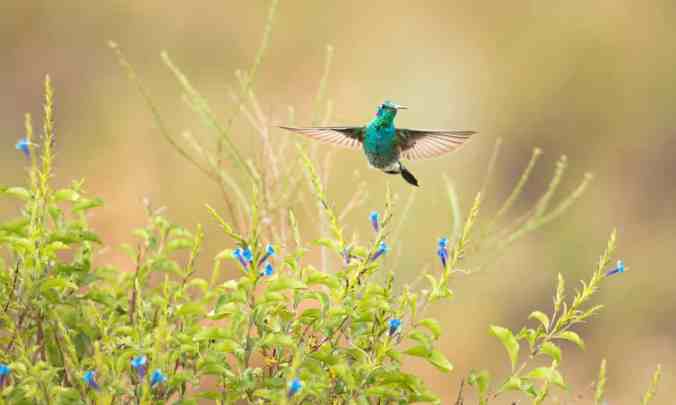
A white-vented violetear hummingbird feeds on the nectar of the flowers of a Stachytarpheta glabra

Thanks to Augusto Gomes for bringing this region, unknown to us, to our attention:

Life on the rocks in Brazil’s campo rupestre

In a little-known region that calls to mind Tolkien’s Middle-earth, photojournalist Augusto Gomes marvels at one of the oldest, harshest, most biodiverse – and most threatened – ecosystems on the planet

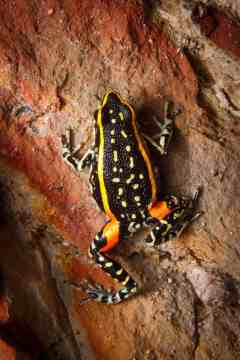
Lutz’s poison frog, which feeds primarily on ants

When I was a child, my family would drive three hours from our home in Belo Horizonte to visit my grandfather’s ranch near the town of Santana dos Montes. On the way, we would cross the Espinhaço mountain range, which runs north to south in the central-eastern portion of Brazil.

Espinhaço means “spine” in Portuguese, and the name could not be more apt. The range spans 1,200km (750 miles), its bony peaks reach as high as 2km, and the thriving, humid Atlantic Forest drops away to the east, foggy and dense with evergreens, ferns, mosses and bromeliads, the air bursting with the strange songs of birds you never see. On the west side of the mountains, the arid, savannah-like Cerrado stretches flat and exposed, with golden grasslands and small, twisted trees. Continue reading
Congratulations, West Virginia

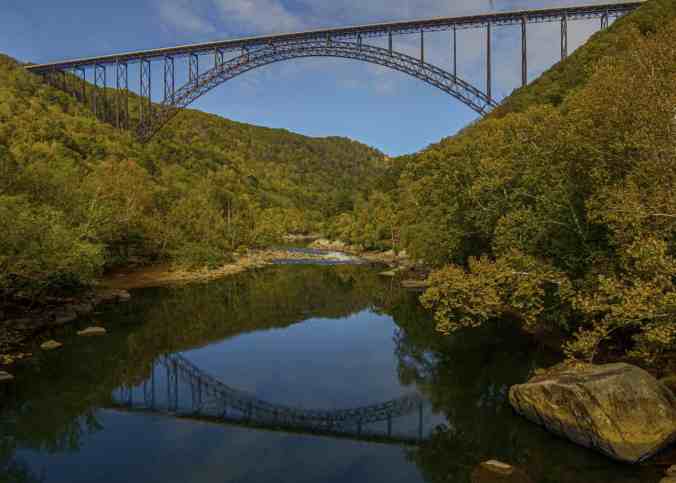
The New River Gorge Bridge, seen from Fayette Station, was once the world’s longest single-span arch bridge. Photograph: F Brian Ferguson/AP

A park is born. Challenges, yes, but opportunity too:

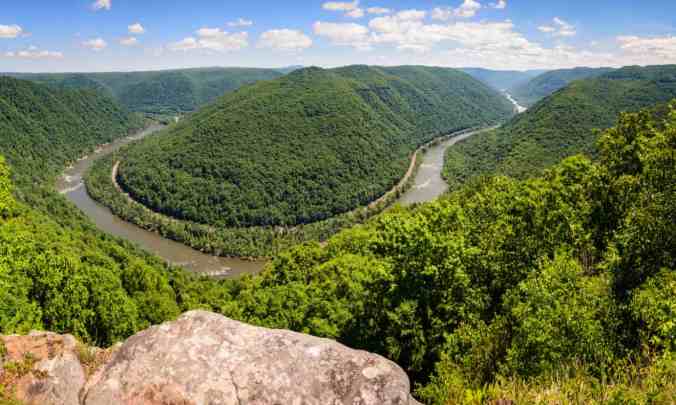
The New River Gorge in West Virginia: millions of years in the making; now a national park. Photograph: Alamy Stock Photo

America has a new national park but not all the locals are happy about it

The New River Gorge in West Virginia offers stunning views, rock climbing and rafting but some worry it is unprepared for an influx of visitors

The New River has spent millions of years carving a bucolic gorge in West Virginia. It is now home to one of the most biodiverse forests on the continent. And while humans have tracked prey along its jagged cliffs for thousands of years, now most people come to the gorge to find adventure. Continue reading
Colombia’s Blue Carbon Initiatives

Thanks to YaleE360 for this brief explanatory note on Blue Carbon Projects from a Colombian perspective:

New Approach to Blue Carbon Projects Underway in Colombia

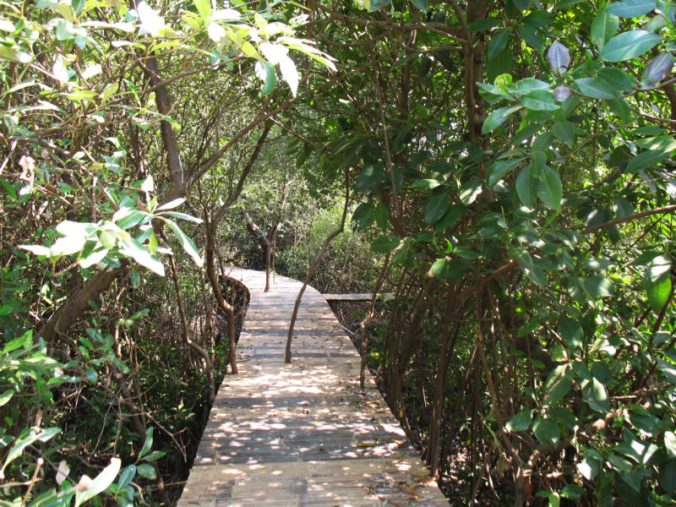
A mangrove preservation project along Colombia’s Caribbean coast is using a more comprehensive method to calculate how much carbon is stored in coastal and marine ecosystems, potentially boosting global efforts to conserve so-called blue carbon. Continue reading
Trees Are Social Creatures

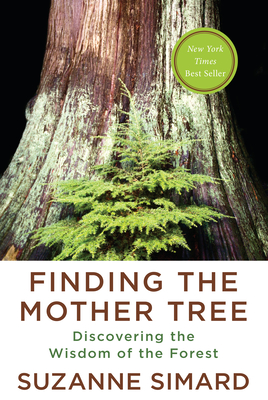
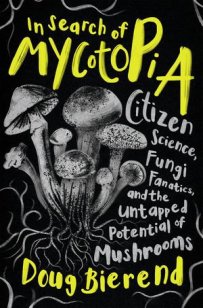
When I first read about trees as social creatures five years ago it was thanks to a man in Germany. I am happy now to learn that a woman in Canada is at least as responsible for this concept as anyone else. She is promoting her book currently and there are at least three good ways to get a glimpse into it, and her, including this book review, this audio interview and IndieBound’s description:

Description

From the world’s leading forest ecologist who forever changed how people view trees and their connections to one another and to other living things in the forest–a moving, deeply personal journey of discovery

Suzanne Simard is a pioneer on the frontier of plant communication and intelligence; she’s been compared to Rachel Carson, hailed as a scientist who conveys complex, technical ideas in a way that is dazzling and profound. Her work has influenced filmmakers (the Tree of Souls of James Cameron’s Avatar) and her TED talks have been viewed by more than 10 million people worldwide. Continue reading

Stewarding Species & Ecosystems

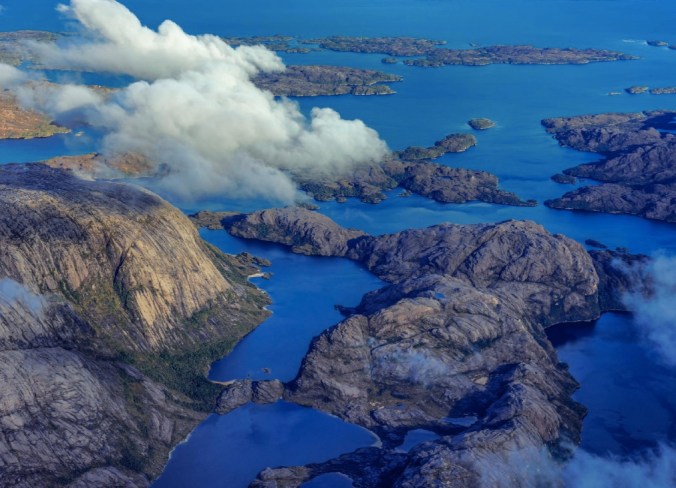
Kawesqar National Park in Patagonia, Chile, is regarded as one of the world’s few remaining intact wild lands. ANTONIO VIZCAÍNO / WWW.PARQUESNACIONALES.CL

Yesterday’s news from Brazil was dismal, providing a how-not-to stewardship example. Today we link to Fred Pearce’s article in Yale e360 about alternative, and more positive examples of stewardship, with a question at the center of the story:

Species or Ecosystems: How Best to Restore the Natural World?

What’s the best way to protect nature and restore what has been lost? A series of new scientific papers offer conflicting views on whether efforts should focus on individual species or ecosystems and point to the role human inhabitants can play in conserving landscapes.

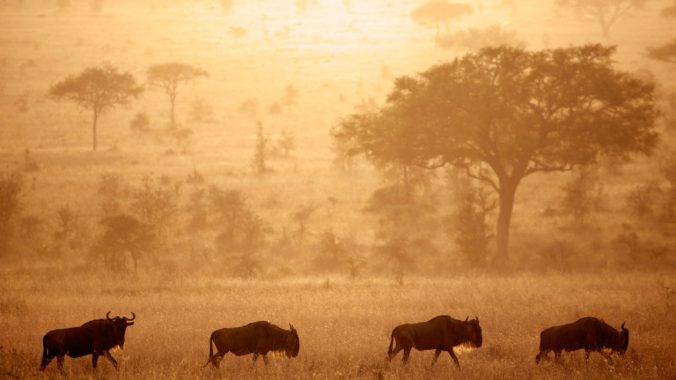
Wildebeest on the Serengeti plain during their annual migration. ALEX BRAMWELL / ALAMY STOCK PHOTO

The Serengeti plain of East Africa is one of the world’s great wild lands — teeming with lions, leopards and migrating wildebeest. But is it ecologically intact, a rare fragment of the earth unaltered by the hand of humanity? Or is it, as many researchers argue, a human-created landscape, nurtured by generations of Maasai cattle herders? Continue reading
The Sinking Cost Of Renewable Energy

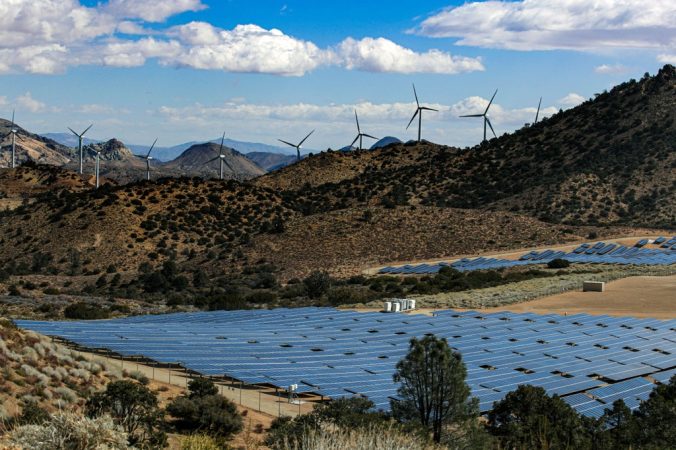
Because its costs continue to slide with every quarter, solar energy will be cheaper than fossil fuels almost everywhere on the planet by the decade’s end. Photograph by Irfan Khan / Los Angeles Times / Getty

Thanks to Bill McKibben, as always, for at least one bit of good news in his weekly newsletter:

Renewable Energy Is Suddenly Startlingly Cheap

Now the biggest barrier to change is the will of our politicians to take serious climate action.

Earth Week has come and gone, leaving behind an ankle-deep and green-tinted drift of reports, press releases, and earnest promises from C.E.O.s and premiers alike that they are planning to become part of the solution. There were contingent signs of real possibility—if some of the heads of state whom John Kerry called on to make Zoom speeches appeared a little strained, at least they appeared. (Scott Morrison, the Prime Minister of Australia, the most carbon-emitting developed nation per capita, struggled to make his technology work.) But, if you want real hope, the best place to look may be a little noted report from the London-based think tank Carbon Tracker Initiative. Continue reading

Bee Survey, Bee Hotels & Other Bee News From The Netherlands

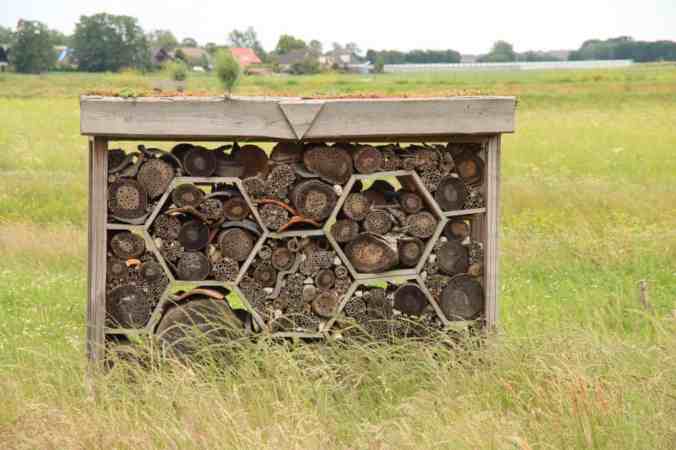
A ‘bee hotel’ in Hennipgaarde in the Netherlands. Photograph: Andre Muller/Alamy

Any time we see news on new bee hotels, we are inclined to share. Seeing this news from the Netherlands about a bee survey is also particularly smile-producing. Our thanks to Anne Pinto-Rodrigues and the Guardian’s Environment section for this article:

Bee population steady in Dutch cities thanks to pollinator strategy

Scheme involving ‘ bee hotels’ and ‘bee stops’ reaps rewards as census shows no strong decline in urban population

More than 11,000 people took part in the national bee survey. Photograph: Martijn Beekman/Hollandse Hoogte

Bee hotels, bee stops and a honey highway are some of the techniques the Dutch are crediting with keeping their urban bee population steady in recent years, after a period of worrying decline.

Last week, more than 11,000 people from across the Netherlands participated in a bee-counting exercise as part of the fourth edition of the national bee census. Continue reading

Stenophylla May Be One Of Coffee’s Answers

Climate change is only one of the challenges facing coffee. Thanks to the Economist for keeping us up to date on prospective solutions:

How to save coffee from global warming

Look at research done two centuries ago

Coffee is a multi-billion dollar industry that supports the economies of several tropical countries. Roughly 100m farmers depend on it for their livelihoods. Continue reading

Belize Maya Forest, Mission Accomplished

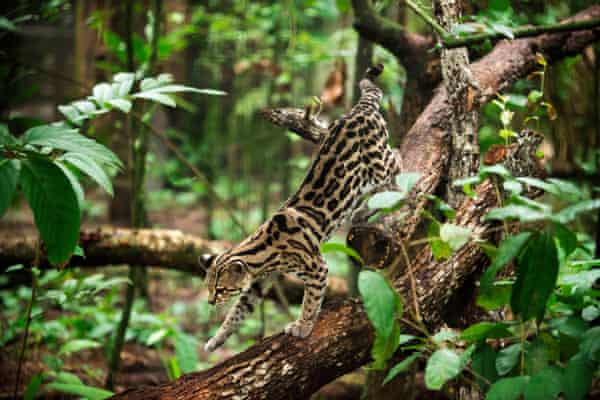
The Belize Maya Forest is home to five species of wild cat, including endangered ocelots. Photograph: Sergi Reboredo/Sipa USA/PA

The photo above, from the news story below, is similar not only to guest photos I saw but of sightings too quick to catch well on my on phone camera in 2016 and 2017. During that period, when we were under contract to oversee the management transition at Chan Chich Lodge, wilderness conservation was our primary motivation. In addition to the animal wildlife, the forest was habitat for other forms of life that have had a lasting impact on me. When we started offering ojoche in our shops in Costa Rica, I was able to check off one more item on a long to-do list that came from the time in Belize.

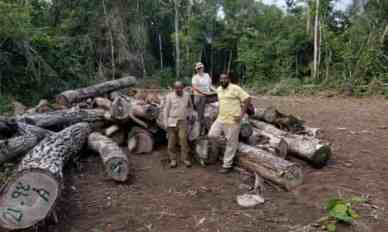
The last felled trees in Belize Maya Forest. Photograph: Handout

The idea for organizing a group of investors to accomplish this protection was more than well-formed. Names were attached to the idea already, and it was easy to imagine then that they were the right names; it just took more time than I expected for it to get accomplished. Now that it is, if anything this news understates the wow factor:

Conservation organisations purchase 950 sq km biodiversity hotspot, helping to secure a vital wildlife corridor

“These logs are historic,” says Elma Kay, standing in Belize Maya Forest, where she has been doing an inventory of felled trees. “These are the last logs that were cut here, for mahogany and other hardwoods, left behind by the previous logging company.” Continue reading

The Climate Crisis, Earth Day Edition

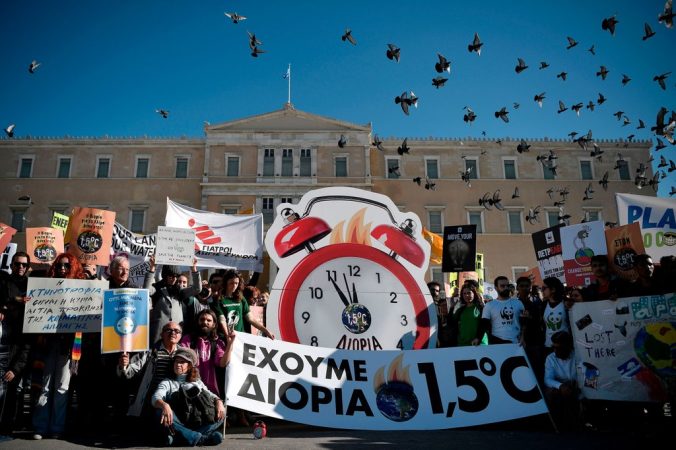
Climate activists at a rally in Athens, Greece, in late 2018, hold up banners warning that time is running out on efforts to contain the earth’s warming to a rise of 1.5 degrees Celsius. Photograph by Louisa Gouliamaki / AFP / Getty

Thanks to Bill McKibben for this Earth Day edition of his newsletter, The Climate Crisis, which we sample from regularly:

How 1.5 Degrees Became the Key to Climate Progress

The number has dramatically reorganized global thinking around the climate.

It’s Earth Day +51, as we near the end of President Biden’s first hundred days, and forty world leaders are scheduled to join him for a virtual summit on climate change. “For those of you who are excited about climate, we will have a lot more to say next week,” the White House press secretary, Jen Psaki, said last Thursday, which is a sweet way to think about it—better than “for those of you who are existentially depressed about climate.” Continue reading

Mosquitoes Of The World, And Other Books For Earth Day

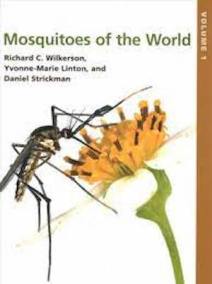
Thanks to Matthew L. Miller for this series of book reviews in honor of Earth Day (including the book to the left, which may make you wonder who would be interested in such a topic):

I have a confession: I have never celebrated Earth Day. That may sound almost sacrilegious for a conservation writer to admit, I know. And perhaps it’s more accurate to say I don’t celebrate it in the usual way: going to a festival or concert with some “green” theme. It’s never really been my scene.

Instead, I’ll go for a walk, look for the local birds and wildflowers, hopefully write something about nature and certainly read about it. But that’s pretty much how I spend every day.

“Biodiversity” is one of those terms that gets said a lot on Earth Day. As a concept, I’m not sure it connects to many people. For me, the diversity of life on Earth is not only why I’m a conservationist, it’s one of the main motivators of my life. Continue reading

Clean Is As Creative Does

Fossil fuel divestment is easier said than done. Some in the creative sector have fostered skepticism about climate change. A message from some creative folks that we are inclined to believe:

OUR PLEDGE:

Clean Creatives is bringing together leading agencies, their employees, and clients to address the ad and PR industry’s work with fossil fuels. Continuing to work for fossil fuel companies poses risks to brands that prioritize sustainability, and their agencies. Continue reading

Blue Carbon Credits Better Understood

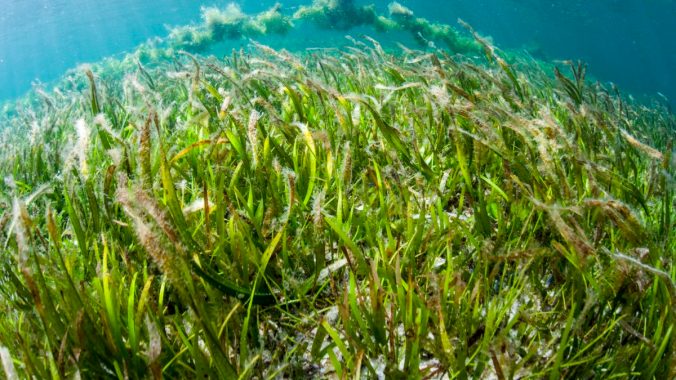
A seagrass meadow near Atauro Island, Timor-Leste. PAUL HILTON FOR CONSERVATION INTERNATIONAL

Thanks to Nicola Jones, as ever, and to Yale e360 for publishing this explanatory article on a relatively new topic:

Why the Market for ‘Blue Carbon’ Credits May Be Poised to Take Off

Seagrasses, mangrove forests, and coastal wetlands store vast amounts of carbon, and their preservation and restoration hold great potential to bank CO2 and keep it out of the atmosphere. But can the blue carbon market avoid the pitfalls that have plagued land-based programs?

A mangrove forest on the Leizhou Peninsula at the southern tip of China. KYLE OBERMANN

Off the shores of Virginia, vast meadows of seagrass sway in the shallow waters. Over the past two decades, conservation scientists have spread more than 70 million seeds in the bays there, restoring 3,600 hectares (9,000 acres) of an ecosystem devastated by disease in the 1930s. The work has brought back eelgrass (Zostera marina) — a keystone species that supports crustaceans, fish, and scallops, and is now absorbing the equivalent of nearly half a metric ton of CO2 per hectare per year. Continue reading