Authentica, A Few Of Our Favorite Things

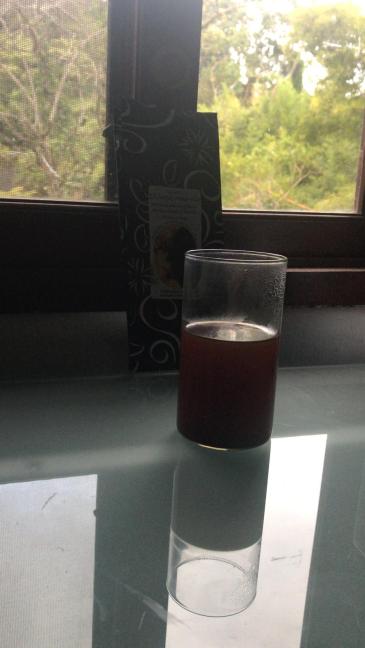
FransCoffee.jpegYesterday’s coffee sample from the Brunca region got us thinking about our interest in foods and beverages that represent the taste of a place we have gotten to know through our work. Today I am sampling a friend’s coffee grown a few hundred meters away from where I sit typing this.

It is an arabica varietal, known as Castillo, that has resisted the rust plaguing Central American highland coffee farms. And this glass of freshly brewed Castillo makes me realize that Authentica is also an outgrowth of the much broader array of work that led to our original interest in taste of place.

In 1995 I gave a lecture based on some ideas that came out of my doctoral dissertation, ideas which I now simply refer to as entrepreneurial conservation. Costa Rica had recently committed to the then-new sustainable development model. I made sure that the ideas from my dissertation could be clearly understood within Costa Rica’s framework. Based on the lecture he received an offer to lead an initiative, based in Costa Rica and serving the countries of Central America, that would facilitate the adoption of sustainable tourism development strategies in the region.

biesanzbbb6281c1oa.jpg

In 1996, tourism was limited in Costa Rica but there was enough of an industry to analyze its component parts. This highlighted pre-existing strengths on which to build a national tourism strategy. One of those components was handicrafts. We have not gone back to look at the findings, but memory tells us that handicrafts were a small but thriving sub-sector of tourism, and some of it was spectacular. The bowl to the left was the first we had seen made of the local wood called cocobolo.
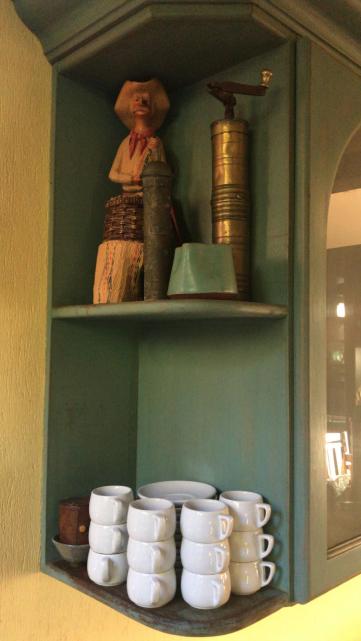
Pia pitcherIn the 2+ decades since that analysis, times have been difficult for the artisans of Costa Rica even as the tourism sector as a whole has grown dramatically. It is enough to say that something must be done in Costa Rica to valorize the artisans who have been able to hang on, and to likewise showcase the remarkable renaissance of artesania in this amazing country. The campesino in the photo to the right is from an artisan who carves coffee wood, with coffee farmers his primary subject. We received that carving as a gift in 1998 and we recently met the artisan who made it. He has managed to hang on.

On that same shelf is a small ceramic pitcher made by an artist of the next generation, who is a perfect representative of the renaissance we see, now that we are visiting Costa Rica after many years living in other parts of the world. A platform is needed to share these things that we see and love about Costa Rica, things which we believe represent this place well, and put them in a place where they can be purchased, in order to valorize the artistry and craftsmanship.
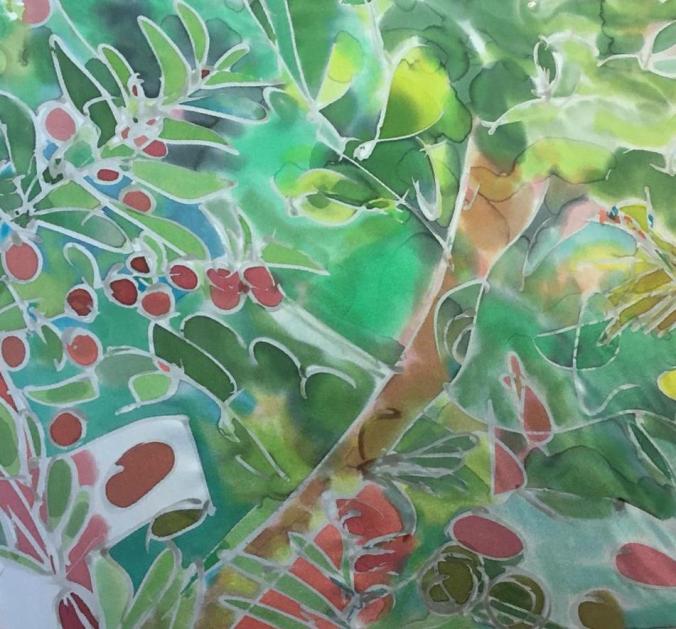
SilkCoffee1

Above is a hand-painted silk scarf made by a local artist whose life on a coffee farm inspired this particular image, and the one below. We will be more specific about these and other artists in future posts. For now it is just enough to say that we believe in local artists, artisans, farmers, roasters, chocolatiers enough that we have formed Authentica as a marketplace for their products, to be sold mostly to visitors who want to take home with them a sense of the place they have visited.
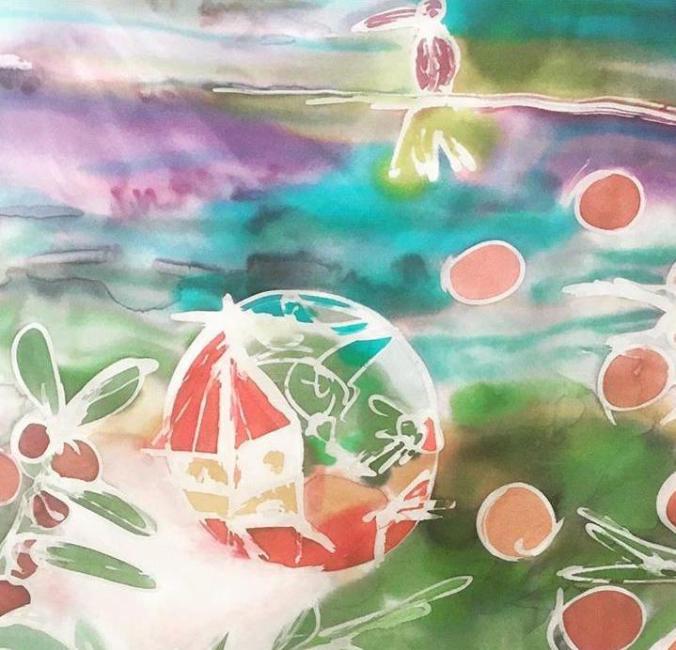
SilkCoffee2.jpeg

Looking Forward Requires Rethinking

Olympia1The new morning, the first of the new year, started just like any other. Coffee. But a theme related to looking forward was set in motion yesterday, and so it was time to taste this new coffee. Drinking mostly coffees from the Tarrazu region for all of 2018, today’s coffee is from the Brunca region.

Olympia2It is organic, washed (as opposed to natural process, or anaerobic or other new fangled methods) and medium-roasted. I use a nondescript filter brew machine, and I grind the beans slightly on the coarse side. Maybe I just woke up ready to enjoy the new year, but this tastes like one of the best new coffees I have sampled in the past 12 months. I have lost track of the count, but I have tasted several dozen varietals. This one stands out, perfect for my palate. The fact that it is organic, selected and roasted by friends for their own cafe, makes me think that we will have more of it before too long.
When we moved to Kerala, India in 2010 our flight was the day after Seth began college. We had an implicit goal of offering Milo two years of something different prior to his 18th birthday.  Dates of transition, like the first of a new year, are obviously no different from other days, but they can punctuate time with reflective review and reflexive preparation. 2019 will be a transition year. When we left India in 2017 it was without a clue of what we would do next, except our goal was to return to Costa Rica and start something that builds on our work while allowing us to learn something new. Here we go.

Closure Requires Looking Forward

OConnor-The-Snow-Leopard.jpg

The zoologist George Schaller, whom Matthiessen accompanied to the Himalayas, says that, forty years after “The Snow Leopard” ’s publication, the animal has grown only slightly less mysterious. Photograph by George Schaller

9781137279293.jpgWhen I see the name Peter Matthiessen the first thing I think of is a recording of his voice on my telephone ten years ago. I knew he would be passing nearby and had invited him to see what we were doing in Patagonia. His message was a very warm decline of the invitation.
In addition to triggering that memory, M.R. O’Connor’s essay below reminds me that my family’s subscription to the New Yorker began in 1978, possibly with the late March issue in which Peter Matthiessen’s article about the snow leopard appeared. I can trace my interest in conservation back to that, and perhaps this accounts for why that magazine has been arriving weekly for me in the mail ever since. In the meantime this interest has exposed me to books like the one to the right. Which is as good a reason as anyway to make this link the 2018 coda (for me) on this platform:

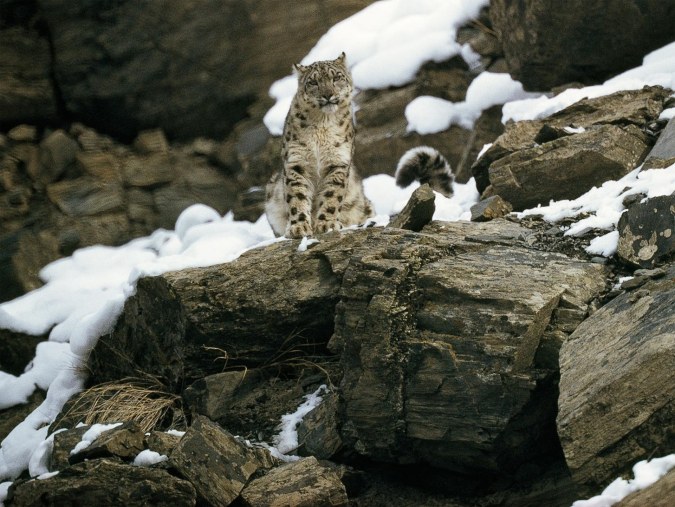
In the autumn of 1973, the naturalist and writer Peter Matthiessen and the zoologist George Schaller set out on a gruelling trek into the Himalayas. They were headed toward the Dolpo region of the Tibetan plateau. Schaller wanted to study Himalayan blue sheep; Matthiessen hoped to see a snow leopard—a large, majestic cat with fur the color of smoke. Snow leopards, which belong to the genus Panthera, inhabit some of the highest mountain ranges in the world, and their camouflage is so perfectly tuned that they appear ethereal, as though made from storm clouds. Two of them feature on the Tibetan flag of independence, representing harmony between the temporal and spiritual planes.

For Matthiessen, a serious student of Zen Buddhism, the expedition wasn’t strictly scientific. It was also a pilgrimage during which he would seek to break “the burdensome armor of the ego,” perceiving his “true nature.” After it was published, in 1978—first, in part, in The New Yorker, then as a book—“The Snow Leopard,” his account of the trip, won two National Book Awards, becoming both a naturalist and a spiritual classic. It overflows with crystalline descriptions of animals and mountains: “The golden birds fall from the morning sun like blowing sparks that drop away and are extinguished in the dark,” Matthiessen writes. But it’s also an austere Buddhist memoir in which the snow leopard is as alluring and mysterious as enlightenment itself. Continue reading

Tigers, Tales, Illumination

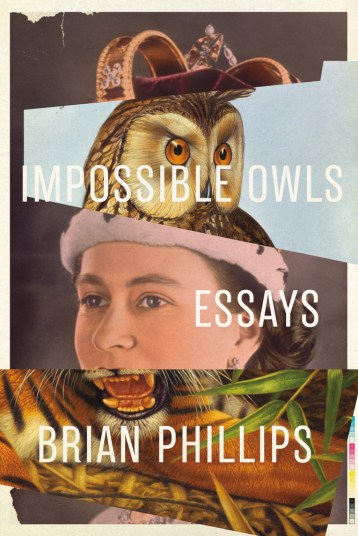
ImpossibleOwl.jpgBrian Phillips has not featured once in our pages until now, nor has The Ringer. If you read his essay below, featured also in the book to the right, the fit with our platform here is clear. Strange, though; I would not have expected to see it featured on a website that looks to be mostly focused on sports.

But it is a welcome surprise. It serves as another welcome reminder of some of the highlights of our years in India. And it provides a reason to track the author. The blurb the publisher chose to accompany the book (click the image to the right) is telling: “…Dogged, self-aware, and radiating a contagious enthusiasm for his subjects, Phillips is an exhilarating guide to the confusion and wonder of the world today. If John Jeremiah Sullivan’s Pulphead was the last great collection of New Journalism from the print era, Impossible Owls is the first of the digital age.”

phillips_tiger_getty_ringer.0.jpg

Getty Images/Ringer illustration

Man-eaters

1

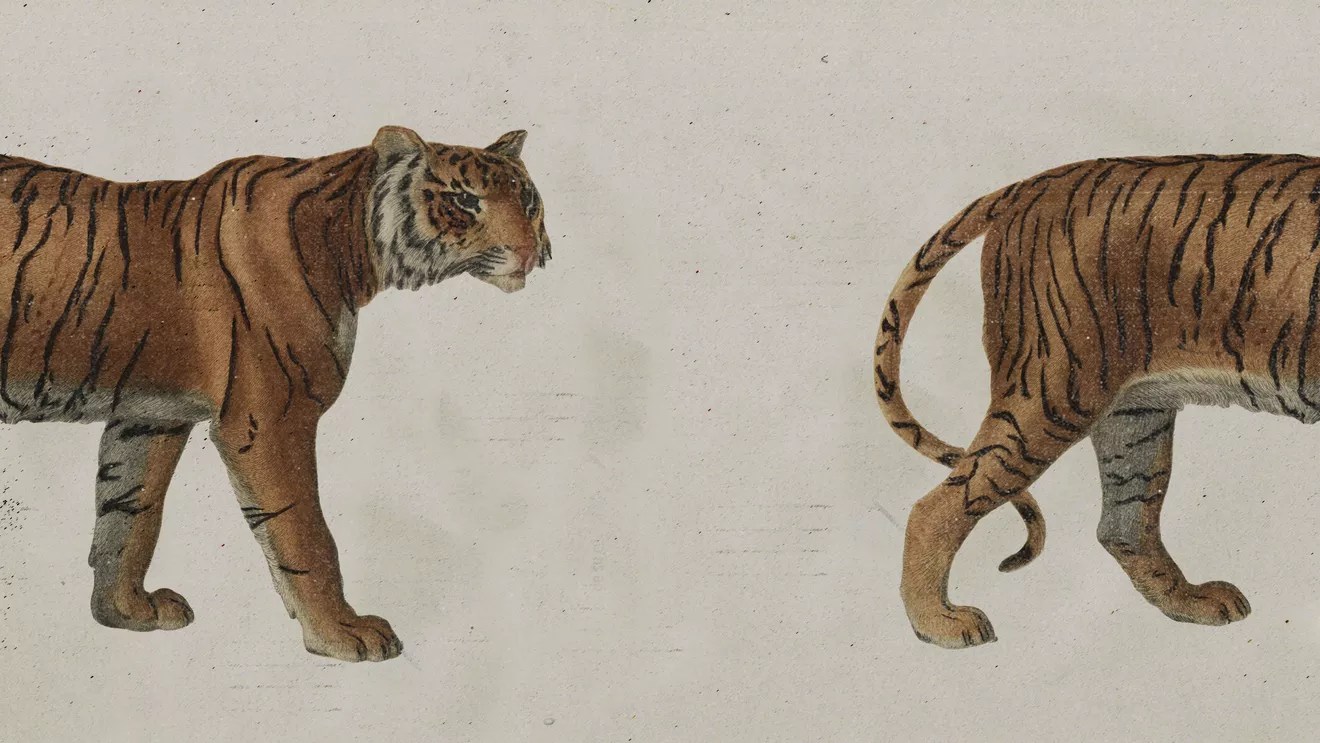
Of the twelve tigers I saw in India, one might have been a ghost; two were in water, eight were on land, and one was sleeping in a tree. One stepped out of high grass, crossed the road in front of me, and disappeared into grass on the other side. One walked along a low ridge on the edge of a different road, oblivious or indifferent to the tourists taking her photograph. One looked out from a cover of branches and red leaves, so perfectly concealed that from thirty feet away he kept stereoscoping in and out of sight. Three were cubs, just four or five months old. Three were juveniles, aged around one year. The rest were fully grown. All were tired, because the days were hot, and because the days were dry they moved and breathed and slept in a film of clay-colored dust. Continue reading

Fungi, Bees & Future

30stamets-hope-jumbo.jpg

Lilli Carré

Fungi first appeared in our pages thanks to Milo. And the name of the essayist below was mentioned a couple times earlier as well. He deserves more attention, especially if his attention is focused on bees:

Will Mushrooms Be Magic for Threatened Bees?

We might be able to save honeybees from viruses transmitted by invasive parasites without chemical treatment.

By Paul Stamets

Mr. Stamets is a mycologist.

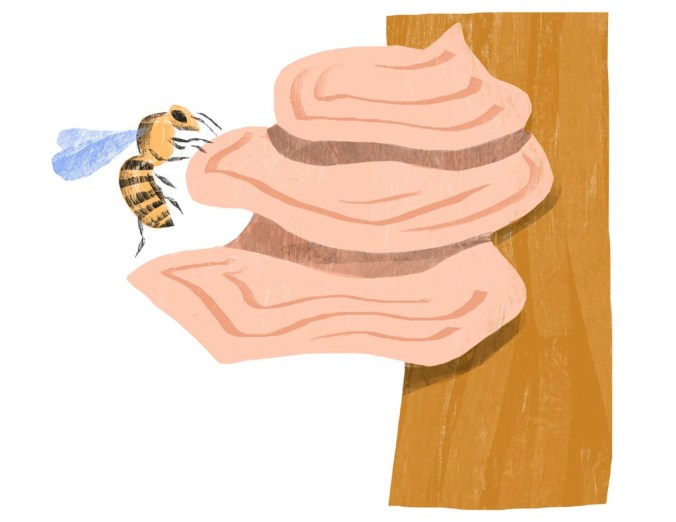
Sometime in the 1980s, microscopic mites that had been afflicting honeybees outside the United States found their way to Florida and Wisconsin and began wreaking havoc across the country. These parasites have invaded and decimated wild and domestic bee colonies. Along with other dangers facing bees, like pesticides and the loss of forage lands, the viruses these mites carry threaten the bees we rely on to pollinate many of the fruits, nuts and vegetables we eat. Continue reading

Outfitting For Wild Animals


Wolf.jpg

Teach a Wolf to Fish. By University Of Minnesota, Voyageurs National Park And Voyageurs Wolf Project. Nighttime footage of a wolf hunting freshwater fish in a river in Minnesota’s Voyageurs National Park. Dec. 14, 2018

I got to know Natural Habitat Adventures while our company was operating Chan Chich Lodge in Belize. I was impressed with their guides, and with the photographic and video skills of the guests who they brought to the lodge. And all of them were deeply concerned about conservation. But I never saw anything quite like the video above. When you have nine minutes to spare, it is as satisfying as any nature footage as I have seen in a long time.  I thank Jim Robbins again for this article, whose focal video about wolves fishing (to the left above) is definitely worth watching:

Watch This Wolf Go Fishing

Yes, researchers in Minnesota have recorded wolves diving into a stream to grab a meal.

Wolves are thought of as red-meat eaters, but a team of biologists in northern Minnesota, near Voyageurs National Park, has documented a pack that often enjoys a meal of fish. Continue reading

Paul Watson Speaks

merlin_81011591_6f2b6bd7-4d1d-4c32-8d90-471604eed16a-jumbo.jpg

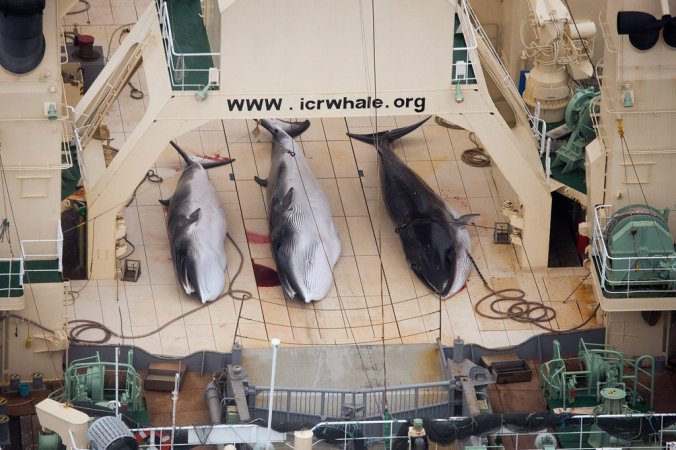
A photo from 2013, released by the environmentalist group Sea Shepherd, showing minke whales on the deck of a Japanese ship in the Antarctic. Japan says it will restrict whalers to its own waters as it resumes commercial whaling. Credit Tim Watters/Sea Shepherd Australia, via EPA, via Shutterstock

I had to read to the end to see Paul Watson’s name, and more importantly his proclamation on the significance of Japan’s withdrawal. It has been a long time since we have seen him or Sea Shepherd in our pages. My thanks to Daniel Victor and his employer for this important story:

Japan to Resume Commercial Whaling, Defying International Ban

Japan said on Wednesday that it would withdraw from an international agreement and resume commercial whaling, a defiant move to prop up an industry that still has cultural significance there, despite plummeting demand for whale meat.

Yoshihide Suga, Japan’s chief cabinet secretary, said the country would leave the International Whaling Commission, which established a moratorium on hunting whales that took effect in 1986.

The international agreement never stopped Japanese whaling, because it allowed the country to continue killing whales for scientific research while selling the meat. Critics considered the research a sham, little more than a cover for commercial whaling. Continue reading

Taking Stock Of Animal Futures


Our cohabitation with animals on this planet is imperiled. There is no choice but to keep track of these things as best we can with art, with essays, with whatever it takes. Thanks to Rachel Riederer (again) for adding her words and links to images and videos on this topic:

The Not-So-Uplifting Year in the Animal Kingdom

During a year that saw the stripping away of environmental protections, the most resonant stories served as sombre warnings rather than warm-fuzzy generators.

Racoon.jpg

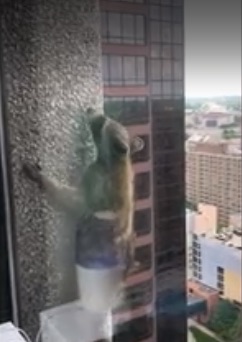
The skyscraper-climbing raccoon made it to the top of UBS tower in St Paul, Minnesota, where officials were waiting for it.

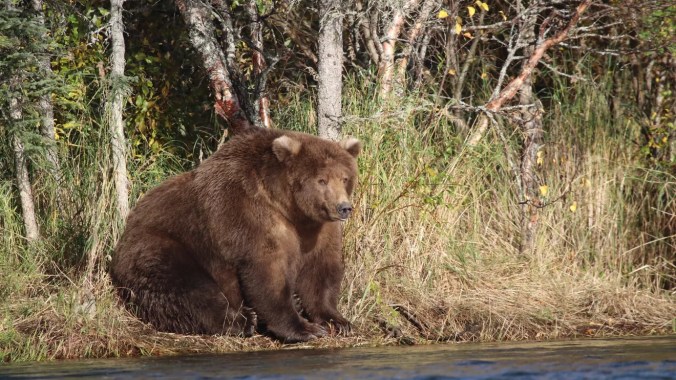
I can’t count the number of animal stories that appeared in my timelines this year with comments like, “Everything is garbage, so here’s this.” There was the cat who was reunited with her family after the Camp Fire, in California, and the parrot who was adopted after getting kicked out of an animal shelter for swearing too saltily. Among the bears preparing for hibernation at Katmai National Park, a female named Beadnose became famous for being the most gloriously round. There was the baby raccoon who scaled a skyscraper in St. Paul, “Mission Impossible” style, stopping occasionally for naps in window ledges along the way. (It was trapped, released, and promptly made the subject of a children’s book.) Stories from the animal world offer reliable moments of escapism—the ones we see in viral videos are usually cute, or tame, or strange and majestic, and glimpsed from a safe distance. But the animal stories that resonated most with me this year were the ones that hinted at a more ominous trend: that we humans are encroaching on nature in ways both glaring and subtle, putting the human and animal worlds into ever more intimate, and ever more fraught, contact.

44382577324_a5fb622fab_o.0

Katmai National Park’s bear 409 (aka “Beadnose”) won the 2018 competition for fattest bear. According to the park, when “she is not raising cubs, this bear is usually one of the fattest females.” NPS Photo/A. Ramos

The most influential animal of the year might be the unfortunate sea turtle who got a straw stuck—really, deeply, seriously stuck—up his nose. In an uncomfortable ten-minute video posted to YouTube, a marine biologist slowly extracts the straw, which is brown and crumpled and disgusting. The turtle’s nose bleeds, and throughout the ordeal, it opens its mouth as if to bite the biologist’s hand—or howl in pain. The video, filmed in 2015, in Costa Rica, became part of this year’s debate over plastic straws and was used by proponents of straw bans to show how such a small object, used and disposed of without a thought, can cause substantial suffering down the line.

BBPqucq

© Twitter Screengrab from the viral video

baby bear became an overnight Internet star when it was captured in a video that looked, at first, like a sweet inspirational tale. In aerial drone footage, the cub was shown repeatedly slipping down the side of a snowy ledge and trying mightily to make its way to the top, where its mother waited. Ultimately, the cub prevailed, and the video was embraced on social media as a tribute to the power of perseverance. But then drone operators and ecologists began weighing in: the drone that took the video had likely alarmed the bears; you can see the mother bear swatting the air as the drone flies closer. The machine’s operator, in chasing the bears for footage, had potentially driven them into a dangerous situation. Suddenly, the viral cub was transformed from a feel-good fable into a cautionary tale about how humans can imperil animals just by trying to get a good look at them. Continue reading

Conservation Innovation, First Nations & Caribou


1920b.jpg

Cornelia Li

Thanks to Hilary Rosner for her penetrating longform reporting on these species at the edge of existence, part of the Atlantic’s Life Up Close project (and thanks for the support provided by the HHMI Department of Science Education for such a publication):

Pulling Canada’s Caribou Back From the Brink

First Nations communities are leading the effort to rescue the last remaining caribou herds from extinction.

a88f72d05

Cornelia Li

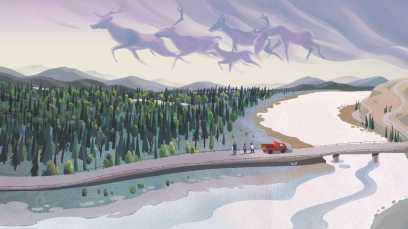
On a family vacation last summer, driving along the empty highways of northern Idaho near the Canadian border, I saw an unlikely road sign—a relic. Diamond-shaped with a yellow background, the sign featured the familiar black silhouette of a deerlike animal. But unlike those on deer-crossing signs, the animal pictured had large antlers and appeared to be ambling toward the road, not leaping. It took me a moment to realize that it was a caribou.

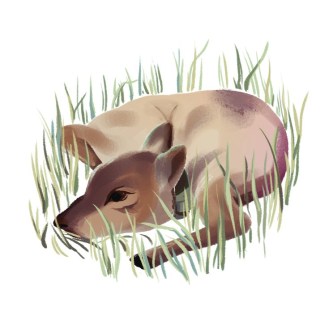
Seeing a caribou wander onto an Idaho highway is about as likely as watching a UFO land there. The South Selkirk herd—the only remaining caribou herd that roamed the continental United States—has dwindled to just two animals, both female. “Not even Noah could save them,” a Canadian biologist told me. Last spring, scientists declared the herd functionally extinct. Continue reading

All We Are Saying

1600 (1)

‘Eco-warriors’ and ‘climate hawks’: is it time to ease up on the war metaphors? Photograph: Amelia Bates/Grist

We connected a series of dots that we felt told a story. Get mad. I know I sure have felt mad in the midst of such alarming inaction. Maybe there is a better way to motivate and get something tangible done. Considering the stakes, I am willing to listen to and try just about anything. And in this essay Kate Yoder reminds me that when we launched this platform in 2011 we felt sure that wordsmithing was part of the solution we wanted to highlight. All that we have been saying since then, and how we have been saying it, was meant to be about a better future–so back to the words for inspiration:

To take on climate change, we need to change our vocabulary

When we talk about saving the planet, we employ the narrative of war. Does it only deepen our divisions?

4298

 A study found the language of war was effective in conveying urgency to participants. But does it work for everyone? Photograph: Damian Klamka/Zuma Wire/Rex/Shutterstock

Each dead house fly was worth a quarter, my mom told us kids, but I never earned any money. Every time I cornered a fly, I pictured goo marks left on the wall – spots splayed with tiny black guts and twisted legs. My halfhearted swats gave even the most sluggish fly time to escape.

That I genuinely couldn’t hurt a fly might have been something I picked up in church. I grew up attending a Mennonite congregation in Indiana. We weren’t the bonnet-wearing, buggy-riding sort, but we embraced some traditions, like the Anabaptist teaching of nonviolence. This sometimes expressed itself in an instinct for conflict avoidance.

So I was surprised when violence crept into my speech three years ago when I started working as a journalist covering climate change. Some ancient spirit took hold of me, and I found myself deploying the narrative of war. Carbon tax proposals were “battles” to be fought. Greenhouse gas emissions had to be “slashed”. “Eco-warriors” and “climate hawks” were leading the charge. Continue reading

Graphics For Better Comprehension

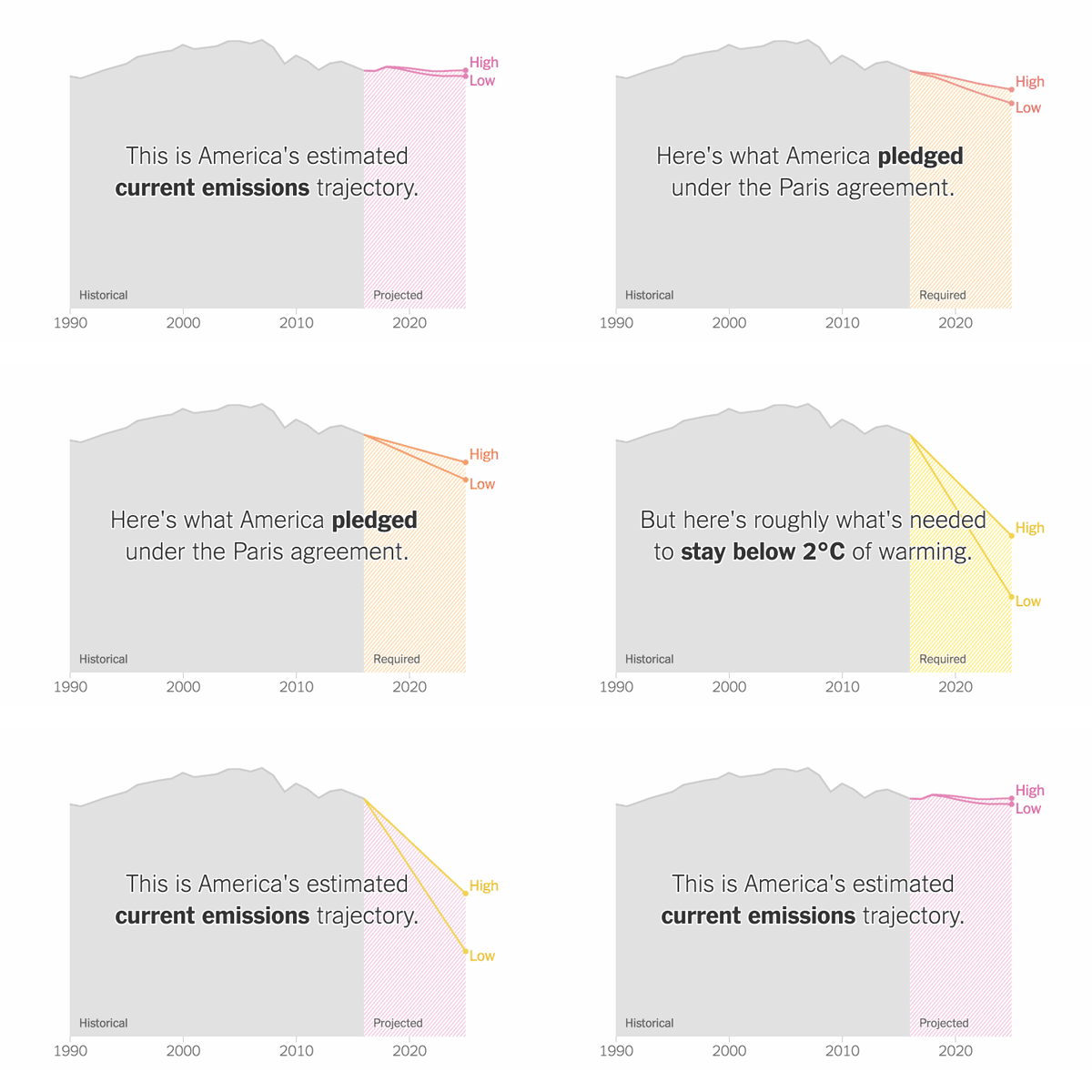
world-emissions-paris-goals-not-on-track-promo-1544191333747-threeByTwoSmallAt2X-v18.gif

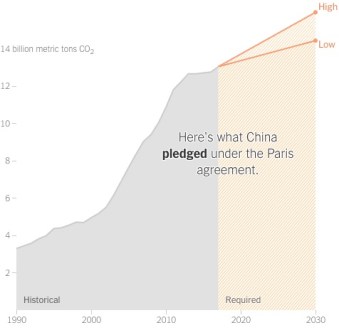
Yesterday I was struck by a set of graphics that helped me see an old story in a new light. That was not a particularly important old story, as history of the planet goes; but it gave the manufacturing consent theme a new shine–in technicolor, black and white, and finer shades of gray. Today, on a story that is definitely of historic proportions related to the planet, my thanks again to Brad Plumer and his occasional writing partner Nadja Popovich, especially for its accompanying graphics:

Graphics For A Better World

09meanwhile-image1-superJumbo.jpg

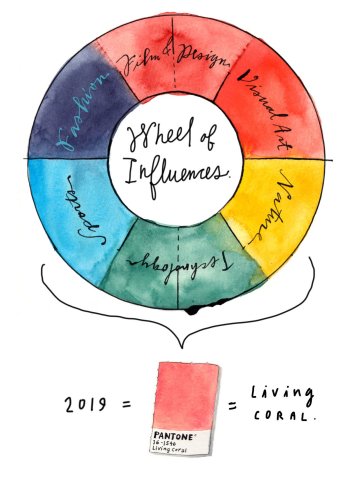
09meanwhile-image7-superJumbo.jpgClick the image above or to the left to go to the graphic narrative published in the New York Times by Wendy McNaughton, whose website is a treasure chest of visual wit and explanatory power.

I have heard of Pantone before, and probably even their Color of the Year tradition. But until seeing this I never cared enough to understand the meaning behind it.

Now I care. I will not explain why, instead suggesting you take three minutes to see how you respond.

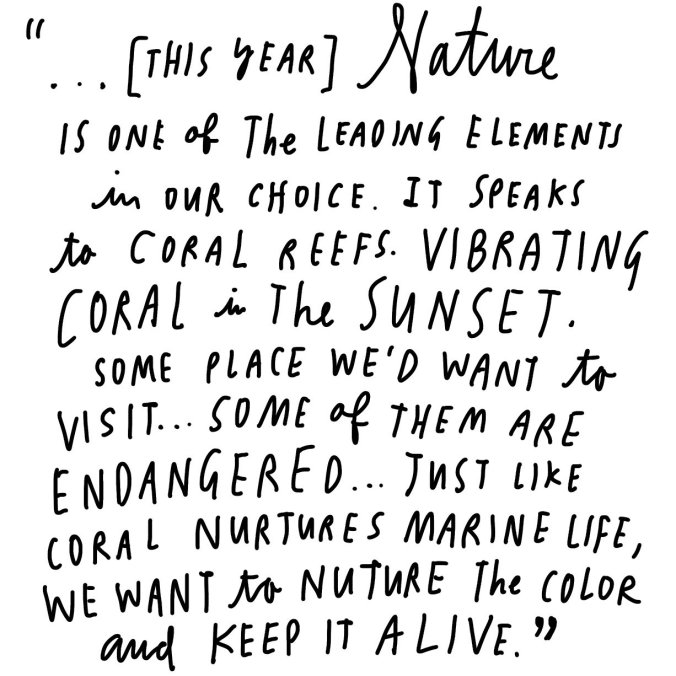
Or maybe I will just hint that for me it has something to do with this panel, not just the words but how they appear on the page, and the communication of how corporate communications can sometimes be tone deaf if not color blind:

09meanwhile-image8-superJumbo.jpg

Naughty Behavior Will Not Be Tolerated

Thanks to the Guardian for the latest story in this series. We have avoided adding our voice to the many rightly concerned about the radically pro-extraction, carbon-freewheeling policies of the United States since early 2017. The concern is loud and widespread. We have listened. Today, reading this story, I pictured a naughty boy, a bully, getting away with bad behavior for an extended period. Any period of bad boy behavior is intolerable but it happens. Until it is no longer tolerated. Which eventually always happens. And that may be the best stand-in for optimism these days:

Lost lands? The American wilderness at risk in the Trump era

Exclusive: a new study reveals the vast extent of public lands being opened up to the energy industry. The Guardian heard from three communities on the frontlines

by Charlotte Simmonds, Gloria Dickie and Jen Byers

3872 (2).jpg

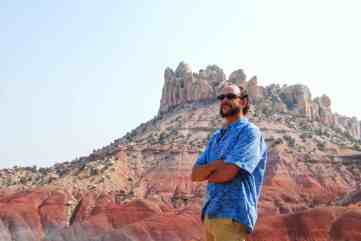
Colter Hoyt, an outdoors guide and conservationist, at Grand Staircase-Escalante. Photograph: Charlotte Simmonds for the Guardian

In the great expanses of the Grand Staircase-Escalante national monument, the silence hits you first. Minutes pass, smooth and unbroken as glass. The smallest sound – a breath of wind, a falling rock – can seem as loud as passing traffic.

Colter Hoyt knows this landscape well. As an outdoor guide, he walks the monument almost daily. Yet these days he is full of fear. This remote paradise of red rocks, slot canyons and towering plateaus faces an uncertain future, following a controversial presidential proclamation that removed 800,000 acres from the monument and opened land up for potential energy development.

When Trump took office in 2016, he promised the energy industry a new era of “American energy dominance”. This would only be possible by exploiting America’s 640m acres of public land: mountains, deserts, forests and sites of Native American history that cover more than a quarter of the country. Continue reading

Spare, Share, Protect

CoffeePlantation_Indonesia_CIFOR_web.jpg

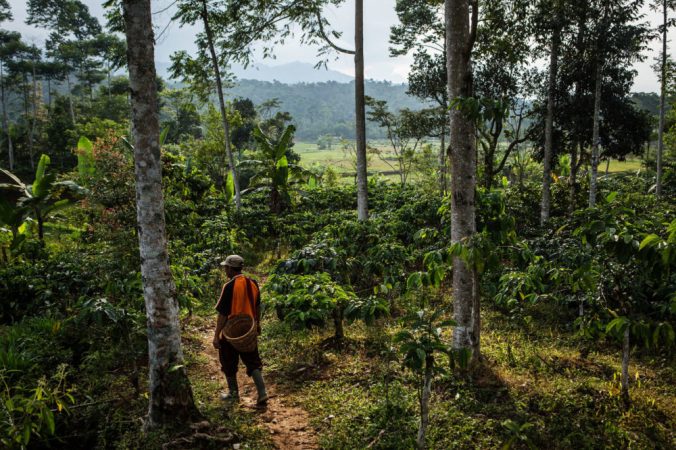
A farmer walks through his coffee plantation, which is integrated into the forest, in Lampung province, Indonesia. ULET IFANSASTI/CIFOR

Our work has required occasional philosophical reflection to get our bearings on the choices we have made on how to approach conservation. Share approaches such as the duck farming mentioned here, or the coffee farming mentioned here are equally as common as the spare approaches in our practice. I had not encountered these two terms until now, so thanks to Fred Pearce for this expansion of my vocabulary:

Sparing vs Sharing: The Great Debate Over How to Protect Nature

What is the best way to save nature – to cordon off areas for parks and open space or to integrate conservation measures on working lands? Recent research makes a case for each of these approaches and has reignited a long-standing debate among scientists and conservationists.

Vietnam_agriculture_CIFOR_web.jpg

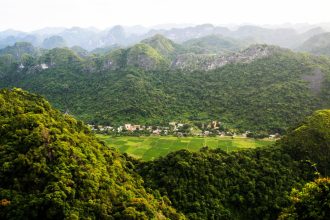
A farming village surrounded by undeveloped forests in the province of Quang Ninh, Vietnam. TERRY SUNDERLAND/CIFOR

It is one of the biggest questions in conservation: Should we be sharing our landscapes with nature by reviving small woodlands and adopting small-scale eco-friendly farming? Or should we instead be sparing large tracts of land for nature’s exclusive use – by creating more national parks and industrializing agriculture on existing farmland?

Wildebeest_Migration_in_Serengeti_National_Park_Tanzania_web.jpg

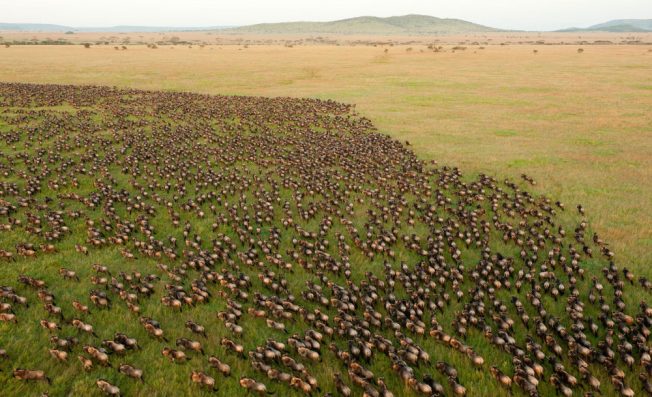
More than 1.5 million wildebeest migrate annually across Tanzania’s Serengeti National Park, which covers 5,700 square miles. DANIEL ROSENGREN / WIKIMEDIA

The argument between “sparing” and “sharing” as a conservation tool has been raging since researchers first coined the terms more than a decade ago. Arguably it began almost half a century before when Norman Borlaug, the father of the Green Revolution of high-yielding crop varieties, declared that “by producing more food per unit of cultivated area, more land would be available for other uses, including recreation and wildlife.”

LRivera_SparingSharing-print_web.jpg

LUISA RIVERA FOR YALE E360

E.O. Wilson’s 2016 book Half-Earth upped the ante by calling for us to extend protected areas from the current 15 percent of the earth’s land surface to 50 percent. Research studies and critiques have flourished on both sides. Continue reading

Stop Stacking Stones

Samaria1.jpg

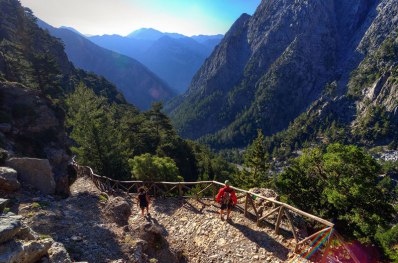
The steep downhill path starting from Xyloskalo

If I have done it, it would have been once. And hopefully less of an issue than the examples given in this story below. It was a day in September, 1983 and I had traveled to Greece with two childhood friends, all of us now in early adulthood.

With us was one new friend, who we had met in JFK airport just prior to departure.

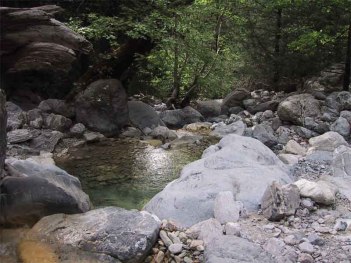
The-river-crossing-Samaria-Gorge.jpg

The peaceful river crossing Samaria Gorge

On the island of Crete, we left Xania well before sunrise to hike from the top to the bottom of Samaria Gorge, as far south in Greece as you can get and still be on land. With every switchback of our descent, I was getting more and more lost in conversation with our new friend, so that by the time we reached the bottom of the gorge I wondered where the day had gone. After a full day of hiking, lost in conversation or otherwise, the stones of the gorge play on your mind.

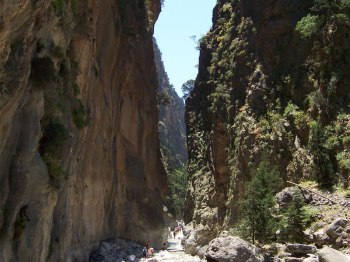
The-impressive-Portes-in-Samaria-Gorge.jpg

The impressive Portes in Samaria Gorge

At this point you pass through one last formation that is so stunning that if you had not been thinking of playing with stones until now, you had not been paying enough attention. And that was my case. I remember walking silently through this last section and not talking again until the very end, when you spill onto a beach formed by smooth black stones, facing south, nothing but water until you reach Africa. There, in Agia Roumeli, you can get a cool drink before a boat takes you back to Xania. And while you wait for the boat, if you have something to wish for, you may find yourself stacking those smooth black stones.

My photographs from that day, somewhere in storage, would show the beginning, long middle sections, and end of that day. If I did stack stones the evidence will be in those photos, and I will find them. For now I have linked to photos from the blog of a Cretan travel consortium to give a hint of what the place looks like, and as a recommendation to others to visit. Sophie Haigney, writing on the New Yorker website, gave me reason just now to think about my own culpability in what can now be described as a dangerous, destructive form of travel footprint, and I thank her for bringing this to our attention:

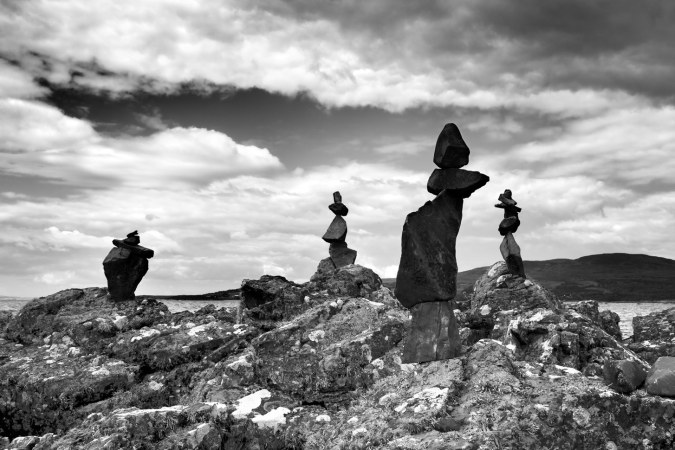
Haigney-Stone-stacking

An Instagram trend that’s littering national parks with towers of carefully balanced stones, #StoneStacking can cause erosion and damage ecosystems. Photograph by Sam Oakes / Alamy

People Are Stacking Too Many Stones

The photograph in the Facebook post is pretty: piles of red rocks balanced at the edge of a cliff, suggesting a miniature mirror of the jagged rock face opposite. The stacks look like small shrines to mountain solitude, carefully balanced at the edge of a precipice. But when Zion National Park posted the photo, in September, the social-media coördinators for the park included a plea: “Please, enjoy the park but leave rocks and all natural objects in place.” The post noted the “curious but destructive practice” of building small stone towers, and said, “stacking up stones is simply vandalism.” Continue reading

Textiles, Traditions & Renaissance

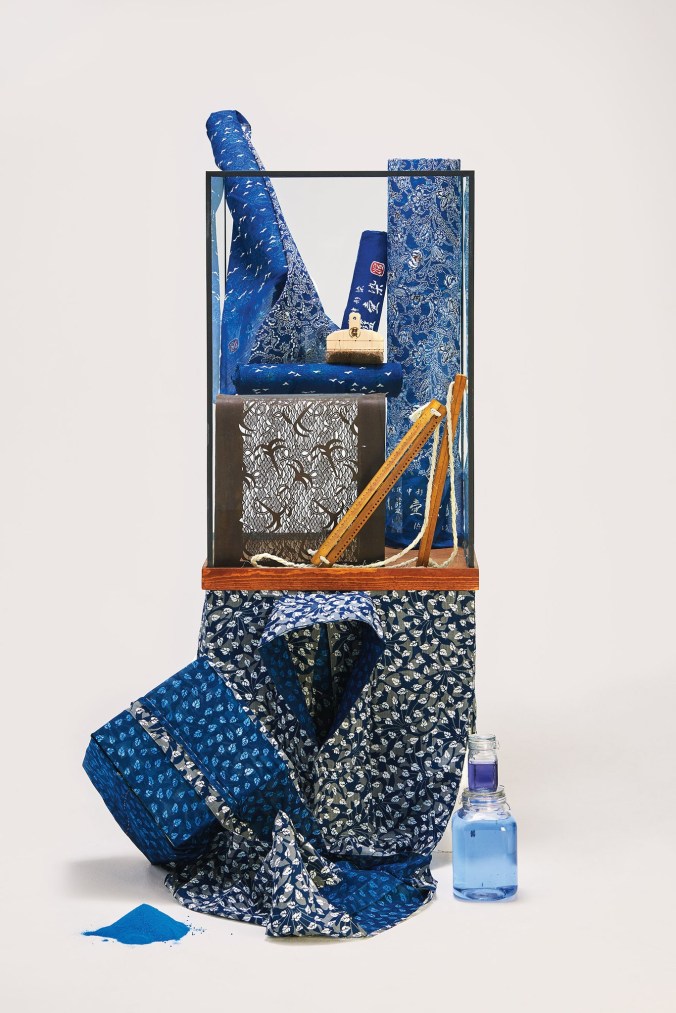
26tmag-indigo-slide-WJCZ-superJumbo.jpg

A collection of Kanji Hama’s beautifully hand-patterned and indigo-dyed fabrics along with tools of the craft. Credit Photograph by Kyoko Hamada. Styled by Theresa Rivera. Photographer’s assistant: Garrett Milanovich. Styling assistant: Sarice Olson. Indigo pieces courtesy of Kanji Hama

Two stories today about textile and tradition, the first more in keeping with our norm, but both heavy on the blues:

How a Japanese Craftsman Lives by the Consuming Art of Indigo Dyeing

There are some traditions that are universal. Here, we highlight a single craft — and how it’s being adapted, rethought and remade for the 21st century.

26tmag-indigo-slide-9B7X-superJumboKANJI HAMA, 69, has quietly dedicated his life to maintaining the traditional Japanese craft of katazome: stencil-printed indigo-dyed kimonos made according to the manner and style of the Edo period. He works alone seven days a week from his home in Matsumoto, Nagano, keeping indigo fermentation vats brewing in his backyard and cutting highly detailed patterns into handmade paper hardened with persimmon tannins to create designs for a craft for which there is virtually no market. Nearly identical-looking garments can be had for a pittance at any souvenir store.

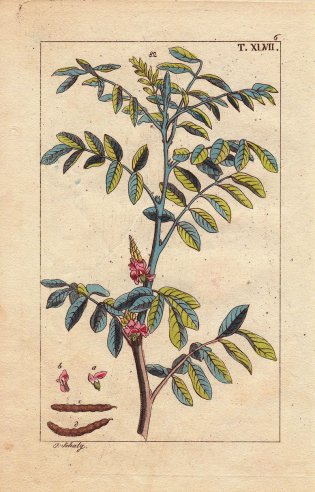
Indigo is one of a handful of blue dyes found in nature, and it’s surprising that it was ever discovered at all, as the plants that yield it reveal no hint of the secret they hold…

The story from Japan is about maintaining traditional craft and the story about flannel is about industrial renaissance.

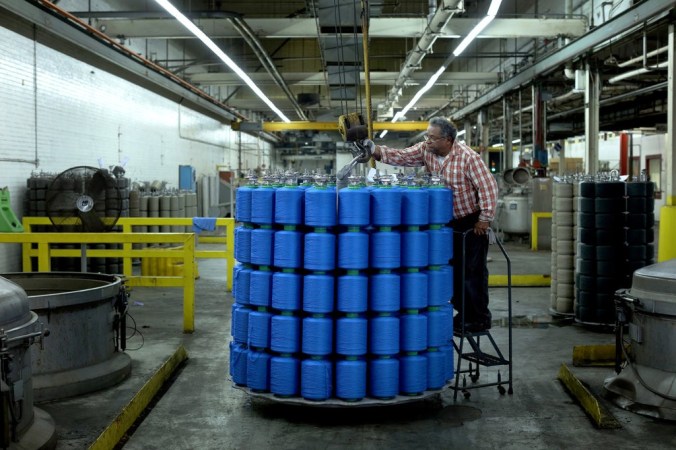
29FLANNEL6-jumbo-v2.jpg

Blue state: Charlie Richmond pulls yarn from a dyeing machine on the floor of the Burlington Manufacturing Services plant in Burlington, N.C. Credit Travis Dove for The New York Times

I am not partial to either story. They make fascinating bookends:

The Annals of Flannel

Told that the cozy shirting fabric could no longer be made in America, one man began a yearlong quest.

29FLANNEL8-superJumbo-v3.jpg

An American Giant flannel shirt. Credit Travis Dove for The New York Times

Three years ago, Bayard Winthrop, the chief executive and founder of the clothing brand American Giant, started thinking about a flannel shirt he wore as a kid in the 1970s. It was blue plaid and bought for him by his grandmother, probably at Caldor, a discount department store popular in the northeast back then. The flannel was one of the first pieces of clothing Mr. Winthrop owned that suggested a personality.

“I thought it looked great,” he said, “and I thought it said something about me. That I was cool and physical and capable and outdoorsy.”…

Herbaria, Preservation & Science

062617_Herbarium_039.jpg

Charles Davis, director of the Harvard University Herbaria, looks at specimens collected by Henry David Thoreau. Davis was a co-editor of a special issue of Philosophical Transactions B, which advocates for the continued preservation of biological collections. Jon Chase/Harvard file photo

Collecting plant specimens and pressing them for further inspection is a pastime many of us have tried at least once in our lives. It was fun while it lasted. And some beautiful mementos may have survived to tell the tale. The opportunity to look at and learn from plant specimens collected by Henry David Thoreau? Priceless. Thanks to Peter Reuell, a writer and publicist at Harvard University, for this:

Critical collections

Importance of biological samples and their preservation goes beyond the obvious

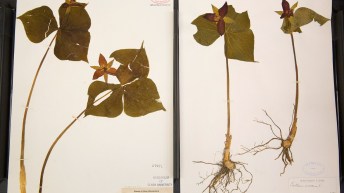
062617_Herbarium_009.jpg

The Harvard University Herbaria holds a specimen of trillium collected by Henry David Thoreau. Jon Chase/Havard file photo

More than a century ago, when botanists and naturalists were in the field collecting plant and animal specimens, they couldn’t have imagined that scientists would one day be able to extract DNA from samples to understand how plants and animals are related to one another.

They couldn’t have imagined that their collections could one day shed light on the effects of global climate change, or the emergence and spread of pathogens, the spread of fungal-driven amphibian extinction, or the effectiveness of policies aimed at reducing pollution in the U.S. Continue reading

The Case For Being Unreasonable

merlin_146824716_5b9a3ecd-f45b-4b34-be0f-db4aecb19a14-jumbo.jpg

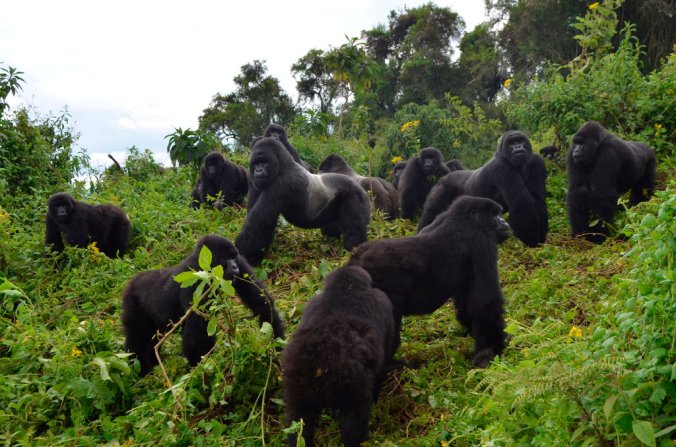
There are only about 1,000 mountain gorillas, but their numbers have risen from a low of just a few hundred. Credit Dian Fossey Gorilla Fund, via Associated Press

Thanks to James Gorman for this brief masterpiece:

Is There Hope for These Great Apes?

Mountain gorillas are faring better — perhaps because some humans just won’t listen to reason.

merlin_146945076_9f6d18ed-63df-4aec-b47a-ca915be5e8df-jumbo.jpg

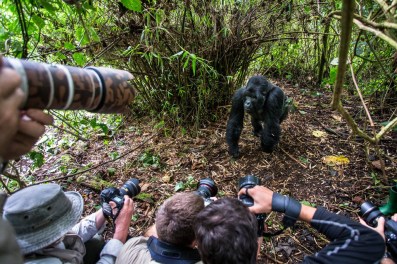
Ecotourism is largely responsible for the resources to protect the mountain gorilla. Credit Christophe Courteau/NPL, via Minden Pictures

Last Thursday there was a bit of good news relating to the impending extinction and destruction of everything.

The mountain gorilla, a subspecies of the Eastern gorilla, was upgraded from critically endangered to endangered. There still are only about 1,000 of them, up from a low point of a few hundred, so it’s not like they were declared vulnerable (better than endangered), or just fine (not a real category). And the Eastern gorilla as a species overall is still critically endangered.

merlin_146945079_cd496a6f-8009-4792-925c-5da10f85160f-superJumbo.jpg

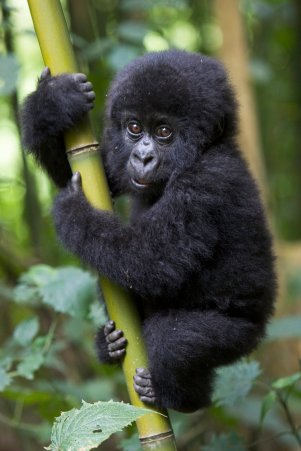
A 10-month-old mountain gorilla in Volcanoes National Park in Rwanda.Credit Credit Suzi Eszterhas/Minden Pictures

But the mountain gorillas are in fact doing better, according to the announcement from the International Union for Conservation of Nature and Natural Resources. It bases its decisions on information gathered from scientists and conservation experts.

The gorillas’ population has been increasing for about 30 years. And it has taken a tremendous amount of struggle and work to get this far.

That raises a question: If things have improved so much for an animal in such a dire situation as the mountain gorilla, should we then give in to hope?

I know this isn’t the accepted way of speaking about the planet and its creatures. In public discourse, hope is the one thing you should never give up. But in our minds (well, in my mind, anyway, and I can’t be the only one), the reasoning behind that often expressed sentiment is not so clear. Continue reading

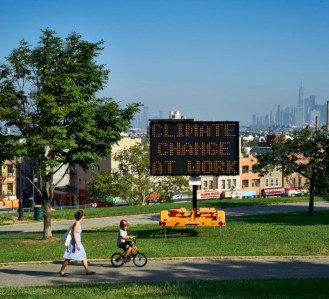
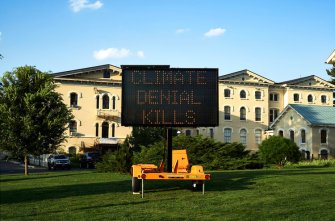
The Climate Museum’s Climate Signals


My only wish is to have been able to share this earlier, during the exhibition’s run. But better late than never.

Kormann-Queens-Climate-Signals.jpg

The “Ask a Scientist” event gives curious passerby the chance to pose their climate-related questions to scientists stationed around New York City. Photograph by Justin Brice Guariglia

Thanks to Carolyn Kormann for another fresh dose of creative rational thinking, with her short piece Ask a Scientist: How to Deal with a Climate-Change Skeptic:

Defending Megafauna

Canby-Elephant-Path-Njaia-Njoku.jpg

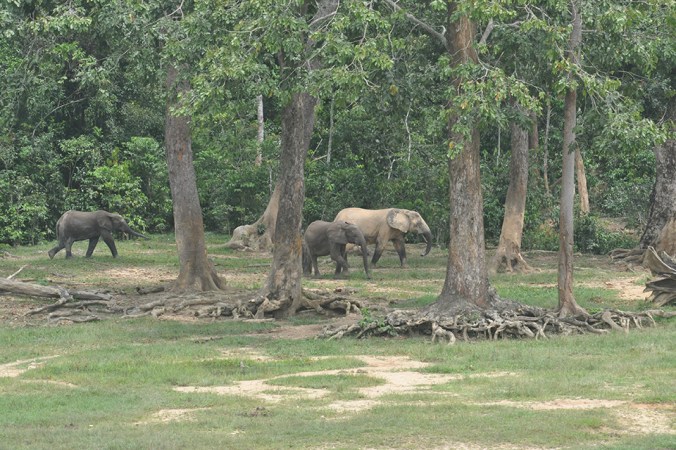
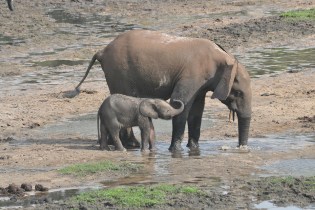
Perhaps as few as eighty thousand African forest elephants remain, and a new documentary explores the megafauna’s threats and defenders.Photograph Courtesy Elephant Path / Njaia Njoku

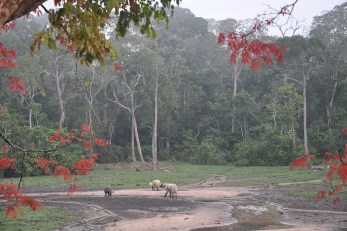
When we moved to Kerala in 2010 one of our motivations was that among the properties we would take responsibility for one was within a vast protected forest area in southern India. It was/is one of the great remaining habitats of elephants and tigers among other mammals, not to mention birds and all kinds of other life. Which is to say the ecosystem is intact enough to support apex predators and their megafauna prey, and everything around them and below them in the food chain. Which makes their viability as species possible. We networked as much as possible with scientists whose initiatives seemed relevant to our own.  Todd McGrain somehow escaped our attention until now, even though his work at the Lab of Ornithology should have caught it the way other artists’ did. Thanks to Peter Canby for pointing us here, and we have taken the liberty of inserting some of Tom’s other photos within the text below, which you can click on to go to one of his websites to learn more:

EP_0277.jpg

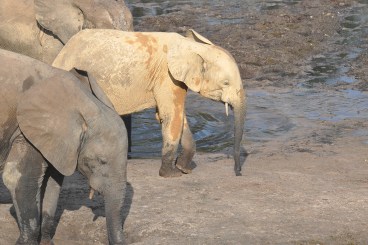
EP_0419.jpgIn Africa, there are two kinds of elephants: savanna and forest elephants. The species diverged somewhere between two and six million years ago, with the better-known savanna elephants spreading over the plains and open woodlands of Eastern, Southern, and Western Africa while forest elephants stayed behind in the dense forests at the center of the continent. Although the two occasionally hybridize, they are widely viewed as separate species. Forest elephants are smaller, with smaller and straighter tusks. The size of their tusks, however, has not protected them from rampant poaching, because the tusks have a distinctive hue, sometimes known as “pink ivory,” that has made them particularly valuable.

EP_0634.jpgSomething about the nobility of forest elephants regularly raises concern for their extinction. The tropical forests of the Congo Basin, once considered impenetrable, are now yielding to logging roads, mines, and even palm-oil plantations. In 2013, a widely respected study by Fiona Maisels, of the Wildlife Conservation Society, found that, between 2002 and 2011, the population of forest elephants had declined by sixty-two per cent. Perhaps as few as eighty thousand remain. The story of these declining numbers is also a story of habitat destruction. Where forest elephants exist in an undisturbed state, they build networks of trails through the deep forest. These trails connect mineral deposits, fruit groves, and other essentials of forest-elephant life. In Central Africa, there are dozens of fruit trees whose seeds are too large to pass through the guts of any other animal and for which forest elephants have evolved as the sole dispersers. These trees line the forest-elephant paths. Where elephant populations are disturbed, the paths disappear.

EP_0480.jpgMatt Davis, a researcher in ecoinformatics and biodiversity at Aarhus University, in Denmark, recently published a paper arguing that we are entering a period of extinction of large mammals akin to the scale of the extinction of the dinosaurs. “We are now living in a world without giants,” he told the Guardian, and went on to detail the many ecological consequences of the loss of megafauna. When I asked John Poulsen, an assistant professor of tropical ecology at Duke’s Nicholas School of the Environment, if this observation could apply to the role of forest elephants, he said, “Absolutely.”

The sculptor Todd McGrain has made a name for himself, over a thirty-year career, as the creator of sculptural monuments to birds that have been the victims of “human-caused extinction.” It’s not, therefore, entirely surprising that he has directed a documentary about forest elephants, “Elephant Path / Njaia Njoku,” showing at New York’s DOC NYC film festival this Wednesday and Thursday. McGrain’s subjects have included, among others, the passenger pigeon, the great auk, the Labrador duck, the heath hen, and the Carolina parakeet. When McGrain was the artist in residence at the Cornell Lab of Ornithology, Katy Payne, founder of the Elephant Listening Project at the Bioacoustics Research Program, introduced him to something she had discovered: forest-elephant infrasound, which is how elephants communicate inside the forest, at a frequency too low for human ears to register. She pitched up the recordings of elephant calls so that McGrain could listen to them. “I couldn’t help but hear them as bird calls,” he told me. “It was the complexity of their language that grabbed me.” Continue reading