Beware & Resist The Frack

4896

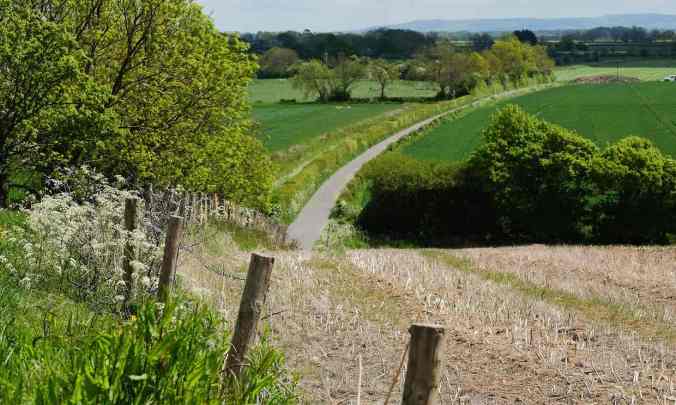
Countryside near the village of Kirby Misperton in North Yorkshire where a planning application by Third Energy to frack was recently approved. Photograph: Ian Forsyth/Getty Images

Many claim to tire of hearing about climate change, species extinction, threats from fracking and other environmental issues of great importance. Thanks to the Guardian for continuing to pay attention:

Majority of potential UK fracking sites are rich in important wildlife

Almost two-thirds of proposed areas have higher biodiversity, valuable for functions such as pollination and pest control, analysis shows

Many of the areas that have been recently marked as potential sites for fracking are rich in wildlife that perform crucial functions from pollination to decomposition, researchers have found.

Scientists say that almost two-thirds of the areas that have been labelled as suitable for shale gas extraction have levels of biodiversity equal to or above the national average, according to a new analysis of records collected from across the country. Continue reading
Elephants & The Buzzer

canby-elephants-2-2-1200

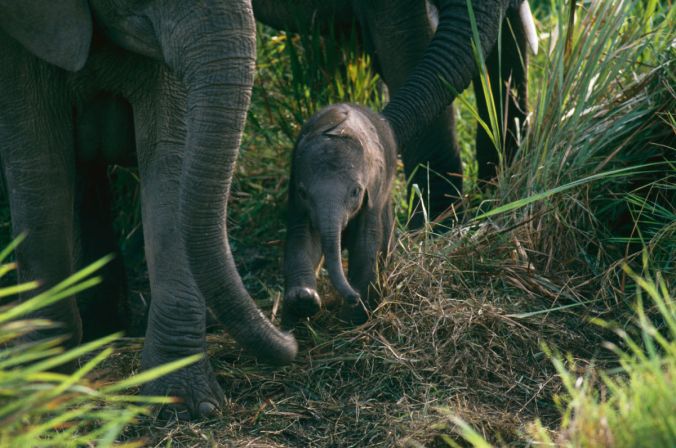
The arrest of a key member of an ivory-trafficking group is a bright spot in an otherwise complicated season for African elephants. PHOTOGRAPH BY PATRICK ROBERT / SYGMA / GETTY

We wish conservation was always all about warm and fuzzy topics, but it is not. We are mostly confronted with habitat loss, climate change and other human-initiated causes of threat to species’ survival. The worst of all, from a jolting immediacy perspective, but probably the simplest to counter, is the poaching. Men take animal lives only for body parts that have a mystique–medicinal, ornamental, or whatever–to people in faraway lands willing to pay a price that poachers cannot say no to. That is the problem.

Stories like this one below are too seldom to allow us to have confidence in the underdog winning. The underdog in this game is many points behind, and the clock in this game is ticking down very quickly. We vigilantly watch for stories like this in hope that the elephants beat the buzzer:

A WIN IN THE GROUND WAR AGAINST ELEPHANT POACHERS IN AFRICA

By

Nouabalé-Ndoki National Park, in northern Republic of Congo, consists of sixteen hundred square miles of Central African rain forest and is jointly administered by the Congolese ministry of forests and the Wildlife Conservation Society, of the Bronx.

Lying just east of the Sangha River, the park is home to significant populations of western lowland gorillas, chimpanzees, giant forest hogs, and, above all, to some five thousand forest elephants. Like elephants everywhere in Africa, those in the park are, increasingly, under siege. Two years ago, when I visited,  the park’s technical adviser, Tomo Nishihara, told me that the numbers of elephants in the park and its surrounding buffer zones had fallen from ten thousand to five thousand in just five years. “That gives us five more years before they’re gone,” he said. Continue reading

The Great Iguana Comeback

11tb-iguana1-superjumbo

The Jamaican rock iguana, a critically endangered species, is making a comeback. Credit Robin Moore

We love comeback stories! Here is a great one from an island country that was featured in these pages much more last year, and we miss hearing about the place:

Jamaican Rock Iguanas Get a Shot at a New Home in the Wild

By

Meet the Jamaican rock iguana. Its scaly body stretches around two feet long, tail not included. Slate blue spikes stick up along its spine, and a saggy sac of loose skin wraps around its head like a hoodless cowl. When cornered, it strikes with its front claws — one reportedly ripped an eye from a dog. Continue reading

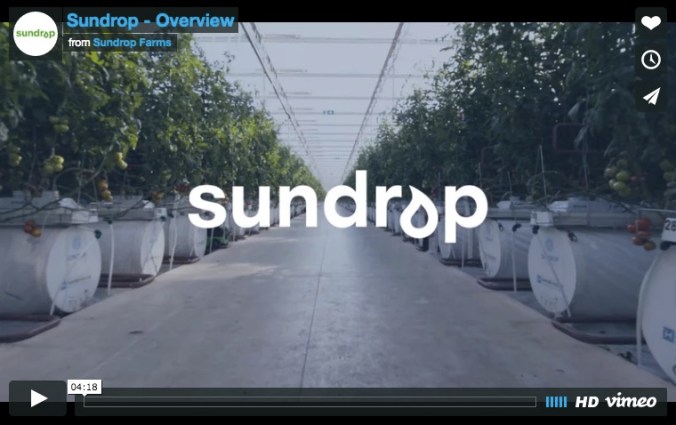
Sundrop Farms, Harnessing Seawater & Solar

screen-shot-2016-10-11-at-2-26-28-pm

Thanks to EcoWatch for this:

World’s First Farm to Use Solar Power and Seawater Opens in Australia

Sundrop Farms, a tomato production facility that is the first agricultural system of its kind in the world, celebrated its grand opening in Port Augusta, South Australia, Thursday.

Continue reading

Honeybees, Workers, Unite

honeybees

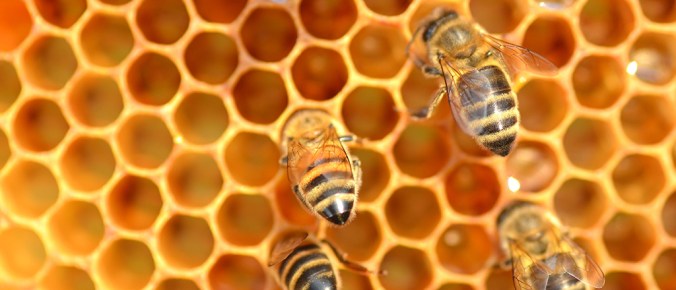
Every now and then a podcast changes my view on something important. Sometimes I cannot tell exactly what shifted my view–case in point is the podcast below which is full of facts I already knew, and if you have been following our site at all in recent years you would have seen dozens of posts covering many of these same facts. But somehow the personal touch of the two guests on this podcast intensified my view of the importance of bees in general, honeybees in particular, and our responsibility for finding a path to a future where bees can survive:

How Honeybees — and Humans — Are Being Stung by Environmental Problems

It’s just a tiny insect, but the humble honeybee has a huge impact on our way of life. Aside from providing honey, honeybees are responsible for pollinating a majority of the crops consumed in the United States and around the world, from blueberry patches in Maine to almond groves in California. But honeybees are facing both natural and manmade threats that are killing them by the millions. A major result of these threats — colony collapse disorder — is already being felt in the beekeeping industry, which has reported astounding losses in recent years. Continue reading

Bravo, Romania

980xz

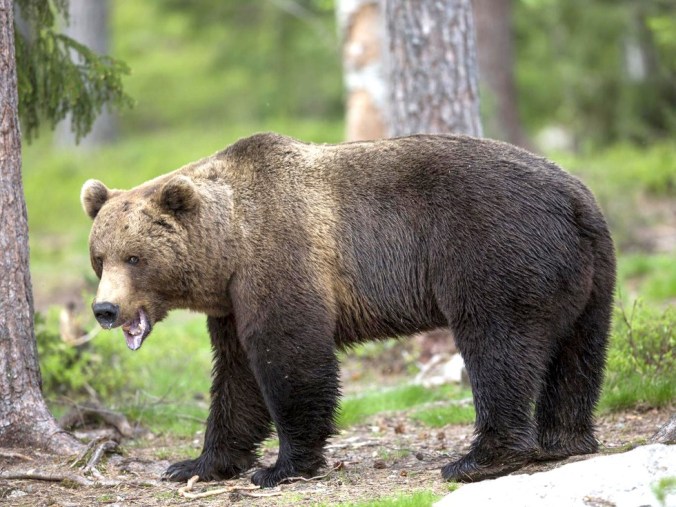
Romania’s government has taken action to protect its large carnivores from trophy hunters.iStock

There was a time when we found portions of the hunting-to-support-conservation argument compelling. Our view is getting more and more firm against it. We applaud a small country teeming with wildlife for taking a firm stand:

Wildlife Advocates Celebrate: Romania Bans Trophy Hunting

By Alicia Graef

In a surprise move that has wildlife advocates cheering, Romania’s government has taken action to protect its large carnivores from trophy hunters.

Last week, the Environment Ministry announced a total ban on trophy hunting of brown bears, wolves, lynx and and other wild cats, which is expected to save thousands of animals from being killed. Continue reading

Conservation, Nature & Culture

09gero-master768

Credit Ping Zhu

A writer who captures the nuanced relationship between conservation of nature and culture has our attention:

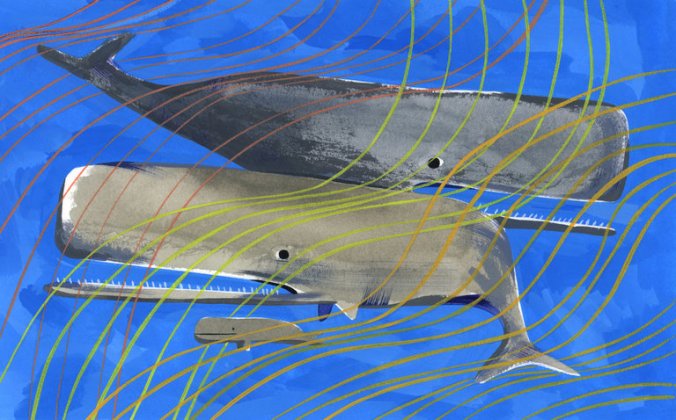
The Lost Cultures of Whales

By

Aboard the Balaena, Caribbean — I am alone on deck, my headphones filled with the sounds of the deep ocean. I have been tracking the sperm whales since 4 a.m. Now the island of Dominica imposes its dark shape in front of the rising sun.

“We have whales!” I shout down to Hal Whitehead, who founded the Dominica Sperm Whale Project with me a decade ago. He puts the kettle on and asks who it is as he comes on deck. Continue reading

Amboli’s Abundant Birdlife

We wouldn’t be true to one of our core interests if we didn’t take birding into account while doing our reconnaissance of the natural and cultural activities surrounding Aarvli.

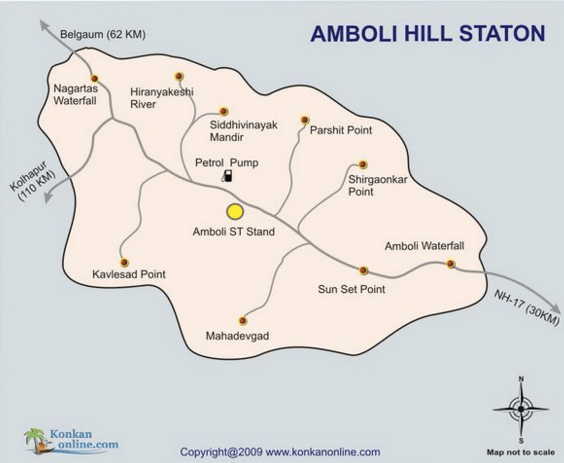
Crist’s trip to the Amboli Reserve earlier in the week was one such visit. A quick search of eBird hotspots turned up Amboli Village (with a count of 116 species) and  Amboli Forest (with a count of 65 species). The map above gives a brief sense of the multiple look out points that could prove to be excellent birding opportunities.  Continue reading

Save The Truffle, A Campaign We Are Destined To Support

3b044a32123901-56703376190bcThis is a series of videos realized to launch “Save The Truffle” a new brand aiming to promote traditions and the conservation of the White Truffle of Alba. In this videos Agnello Renato, one of the last and most important “trifulau” (truffle seeker) of the zone, shares his stories about being a truffle seeker.For this project I took care of shooting, lighting and editing.
Creative project by Grid Studio.

Our family has a very happenstance connection to truffles that goes back to some sustainable tourism development work I carried out in Croatia starting in 2000, which led to our nirvanic 2006-2007 spent on an island in the southern Adriatic. But on my first visit to Croatia, in late autumn 2000, on a weekend off from work a local friend took me to Istria and the rest is history. You either love them or you probably will be disgusted by them, and I was in the former camp. A month later, coming home to my family in Costa Rica, I had some vacuum-packed fresh truffles; since then, we have been devotees.

A few years later, Milo became an encyclopedic mycophile, and a few years after that Seth had the chance to take a mycology courses at Cornell as an undergrad. So we are all happy to see this campaign represented by the logo above left. The article that brought our attention to this campaign is worth a read, whether you are a foodie, a fungist, or any kind of traditionalist. Click the logo to see some of the early creative work emerging for the campaign. We look forward to seeing more, but for now appreciate the journalist’s keen eye for what really matters in this story:

Amid Hills of Wine and Truffles, a Mission to Give Fungus Room to Breathe

If You Happen to Be In Gainsville

This slideshow requires JavaScript.

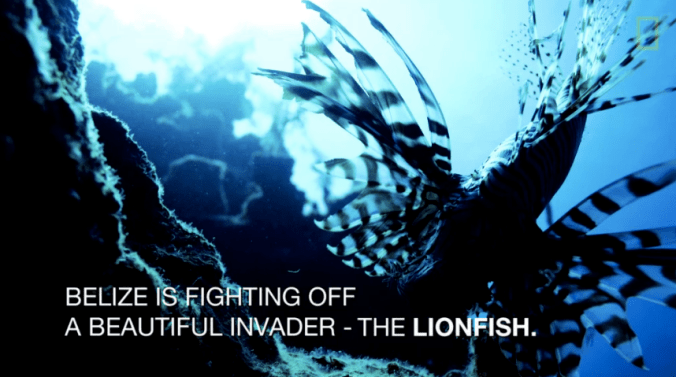
We’ve been posting on the environmental impact of the invasive lionfish ever since contributor Phil Karp took on the project of building a demand for the notoriously difficult to catch fish. Helping to build a market for the delicious meat and beautiful spines created income for local fishermen and their families in numerous areas of the Caribbean.

ReefSavers was created with all these goals in mind. Founded to gain control of the Lionfish population in the southeast US and Caribbean, they work toward both harvesting and developing a stable market in which supply can always meet the current demands. By unifying

the organizations working to control the Lionfish outbreak into a cohesive market place. Channeling all harvested Lionfish through a centralized market place will allow for a more stabilized fishery. With the creation of the Lionfish Market Place organizations will have a centralized place to sell their catch and buyers will not have to worry about limited supplies. By opening the Lionfish Market buyers for the whole state of Florida will be connected with a more constant supply, in turn this access will help to grow the industry and put revenue into the hands of the people trying to fight the outbreak.

The ReefSavers team came up with innovative strategies to help with supply and demand logistics, fanning the market for the fish for both chefs and more importantly, consumers. Welcome the Lionfish Invasion Tour in Gainsville, Florida! Continue reading

45 Red Wolves Remain In North Carolina

980x (3).jpg

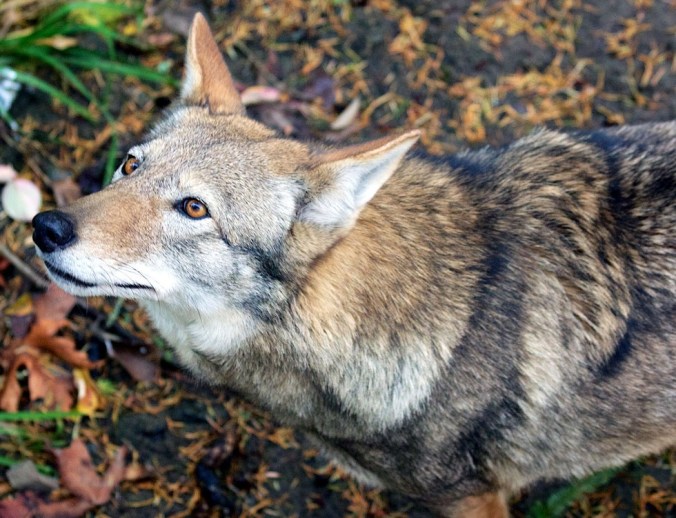
Captive red wolf at Species Survival Plan facility, Point Defiance Zoo and Aquarium (Tacoma, Washington).B. Bartel / USFWS

Thanks to EcoWatch for this news

The U.S. District Court for the Eastern District of North Carolina today issued a preliminary injunction that orders the U.S. Fish and Wildlife Service (USFWS) to stop capturing and killing—and authorizing private landowners to capture and kill—members of the rapidly dwindling population of wild red wolves. Continue reading

Magnificent Ecological Services From Modest Parcels Of Trees

27FOREST1-superJumbo.jpg

Eve Lonnquist examining trees on her property with Logan Sander, a consulting forester. Credit Leah Nash for The New York Times

An excellent article, whose title says it all, in the Science section of the New York Times this week:

How Small Forests Can Help Save the Planet

By

BIRKENFELD, Ore. — Eve Lonnquist’s family has owned a forest in the mountains of northwest Oregon since her grandmother bought the land in 1919. Her 95-year-old father still lives on the 157-acre property. And she and her wife often drive up from their home just outside Portland.

But lately, Ms. Lonnquist, 59 and recently retired, has been thinking about the future of her family’s land. Like many small-forest owners, they draw some income from logging and would like to keep doing so. But they would also like to see the forest, with its stands of Douglas fir, alder and cherry, protected from clear-cutting or being sold off to developers. Continue reading

About The Roses

lueders-slide-odmi-jumbo

It is difficult to resist a story like this when you have recently completed a multi-year restoration.

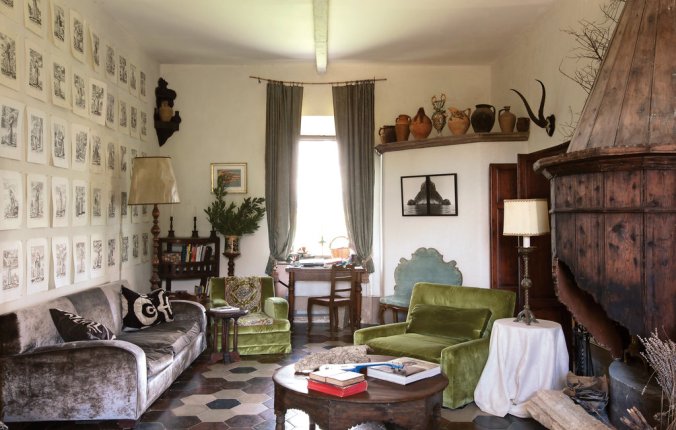
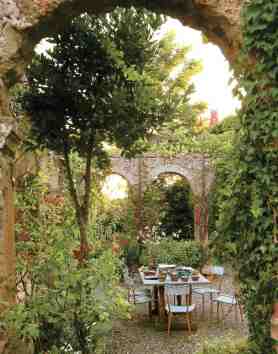
lueders-slide-vg4p-superjumboWhen it involves a former convent I have a particular reason to be interested. This article had me at the mention of Patmos, one of my favorite islands, but there is more. It is that cloister, with the rose garden seen in part in the photo to the right, that intrigues me. I have noticed that in European convents, the older the better, there are rose gardens that contain strains of rose that are difficult to find elsewhere. Presumably “antique” roses, they have a fragrance that is incomparable:

Restoring a Run-Down Convent in Tuscany

A mother-daughter duo brought back to life a centuries-old house in the countryside.

By

For 60 years, a 16th-century Franciscan convent designed by the Florentine architect Antonio da Sangallo the Younger, a creator of both the Palazzo Farnese and the Villa Madama in Rome, had existed in a state of abandoned decrepitude. Situated on the edge of the town of Pitigliano, in southern Tuscany, with vegetation engulfing its cloisters, the house had no electricity, almost no running water and no windows. It was exactly what the mother-and-daughter duo Holly Lueders and Venetia Sacret Young had been looking for: “the perfect ruin.” Continue reading

Down An Amazing Rabbithole

Yesterday’s post got us looking through the MacArthur Foundation’s website, and lots of worthy material there to investigate, including this news we missed a couple months back. In some ways the findings are intuitive, and maybe seem not surprising; but the scientific evidence of the challenges facing biodiversity on the planet are certainly useful for policy planning, not to mention strengthening our resolved commitment to entrepreneurial conservation:

screen-shot-2016-09-25-at-3-23-18-pmMost Biodiverse Countries Spending the Least on Conservation, Study Finds

biodiversity-200.jpg.580x580_q85.jpgCountries that contain most of the world’s species biodiversity are also spending the least on a per-person basis to protect these natural assets, according to a MacArthur-supported study by theWildlife Conservation Society and the University of Queensland. Countries near or in the tropics, where most of the world’s diversity is located, spent the least on biodiversity conservation. The report recommends engaging leadership of these countries and promoting conservation through existing social traits within cultures that do not currently prioritize conservation.  Continue reading

Beauty Is A Beast

3029

Culling could undermine the viability of the entire Norwegian wolf population, say conservationists. Photograph: Roger Strandli Berghagen

We love sheep, and sheep farmers, and shepherds, and wool, and so on. But we cannot read this without feeling more sympathy for the wolves, at this moment:

Norway’s wolf cull pits sheep farmers against conservationists

Norway’s recent decision to destroy 70% of its tiny endangered population of wolves shocked conservationists worldwide and saw 35,000 sign a local petition. But in a region dominated by sheep farming support for the cull runs deep

Elisabeth Ulven and Tone Sutterud in Oslo

Conservation groups worldwide were astonished to hear of the recent, unprecedented decision to destroy 70% of the Norway’s tiny and endangered population of 68 wolves, the biggest cull for almost a century. Continue reading

Better To Have Fizzled Than To Have Never Tried

20threlkeld-web1-master768

Hikers on Blencathra, in the Lake District in England. Two years ago, ramblers, climbers and hill-lovers banded together to try to buy the peak, but the effort has now fizzled. Credit Phil Moore for The New York Times

I admit to being partial to the idea of rewilding, as I have come to know about it, which I admit is limited; but with our bias for restoration of wildlife habitat clearly stated I find this story worth sharing:

In English Lake District, Tradition and Conservation Clash

By

THRELKELD, England — It was to have been a grand gesture, a deal that would transfer a mountain in the fabled English Lake District from the landed gentry to those who roam its heights, reversing a centuries-old pattern of ownership by the upper-crust few. Continue reading

Bees, Status, Survival Of The Fitted

1004542_1_0922-bumble-bee_standard

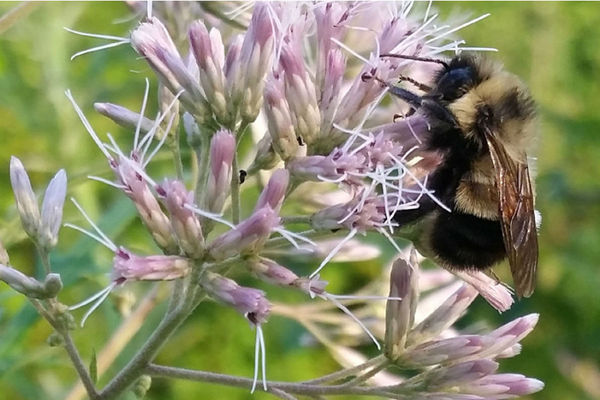
A rusty patched bumble bee, under consideration for listing as an endangered species by the US Fish and Wildlife Service, pollinates a flower in Madison, Wis. Rich Hatfield/Reuters/File

The CS Monitor has an article today that raises an interesting question, whether the same rules that have worked well for eagles, owls, fish, wolves and bears (among other animal species) would be effective for the humble bumble bee and other similar creatures. We see a very good fit between the problem, which we have noted here frequently, and the solution, whose track record is not perfect but it is clearly the best mechanism we’ve got:

Could putting a bumble bee on the endangered list save it?

By Weston Williams

The past several years have not been kind to the humble bee.

But perhaps none suffer more than the rusty patched bumble bee, orBombus affinis, a fuzzy insect with a rust-colored patch on its abdomen. The bee used to be a common sight across the Midwestern United States, but now, the bee struggles to survive in a habitat broken apart by increased farming and commercial development.

The US Fish and Wildlife Service (FWS) is proposing to list the bee as endangered, which would grant it significant protections and hopefully save the bee from extinction. Continue reading

Forest Protection By Any Other Name, For Any Other Purpose, Through Any Other Means, Is Just As Sweet

2000

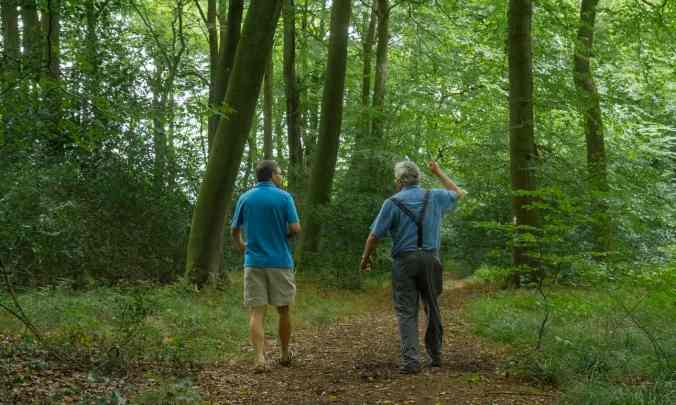
Richard Fortey and Derek Niemann among the beeches in Grim’s Dyke Wood. Photograph: Sarah Niemann

We do not favor private sector conservation efforts over all other options; we favor them over the option of no conservation at all. Governments around the world have rightly done the heaviest lifting on preserving nature, considering their resources, eminent domain, and other factors including the most salient; public lands effectively belong to an entire nation’s citizens. Philanthropies have also done enormous good. We have written plenty on both public and philanthropic conservation schemes. Today, a more modest story, but no less lovely:

A walk in the woods with Richard Fortey

Henley, Oxfordshire The palaeontologist and author offers a tour of Grim’s Dyke Wood, which he bought in 2011

Derek Niemann

Five years after the palaeontologist Richard Fortey bought Grim’s Dyke Wood, a small Chiltern beech wood, he shows no diminution in enthusiasm for his “nature reserve”. He gives me a tour, though in truth we delight in each other’s discoveries. I find him a ring of bright feathers on a pile of rotting pine logs, a raptor’s kill, the buffs and browns speaking of a song thrush forever silenced. He finds bracket fungi that have insinuated themselves into the thin, horizontal lesions on a cherry tree’s trunk. Continue reading

Lionfish Tales

This is issue has been on our radar for some time, in most part due to contributor Phil Karp‘s posts on his work with groups in Belize and other parts of the Caribbean focused on this goal. The concept of “If You Can’t Beat ’em, Wear ’em” carries a powerful message of innovative practices to manage the invasive species that’s causing havoc in the southern Atlantic and Caribbean waters. Continue reading

The Future Of Coffee Matters To Us For More Than One Reason

3000

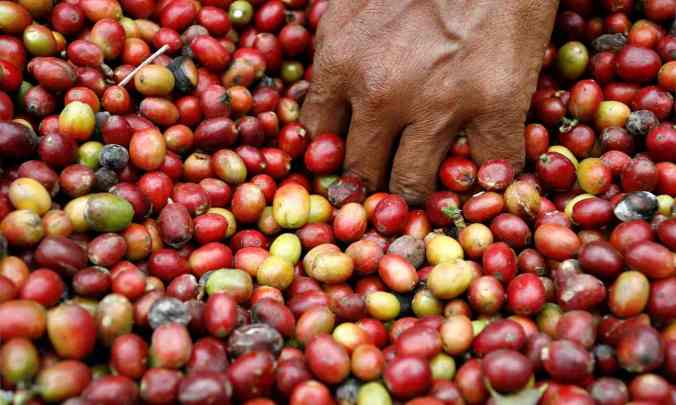
A farmer with coffee cherries from his latest crop, the seeds of which are roasted, ground and brewed to make coffee. Photograph: YT Haryono/Reuters

We work in several countries where coffee production is important to the national economy. We serve coffee in every property we have ever managed. Many of us working in La Paz Group are coffee junkies.

But more than that, as I have mentioned at least once in these pages, we care extra deeply about the future of coffee because on one of the properties we manage, some excellent arabica estate coffee is growing in the shade of a rainforest canopy. I owe you more on that topic. For now, what has my attention is ensuring the long run sustainability of this organic coffee production.

So you can be sure of where some of our team members will be next Tuesday. Join us if you can:

Climate change is threatening the world’s coffee supplies: what can we do? – live chat

Join us on this page on Tuesday 20 September, 2-3pm (BST), to debate the future of coffee, and the millions who depend on it, in the face of climate change

What we’ll be discussing Continue reading