Rhodope, Bulgaria & Rodopi, Greece

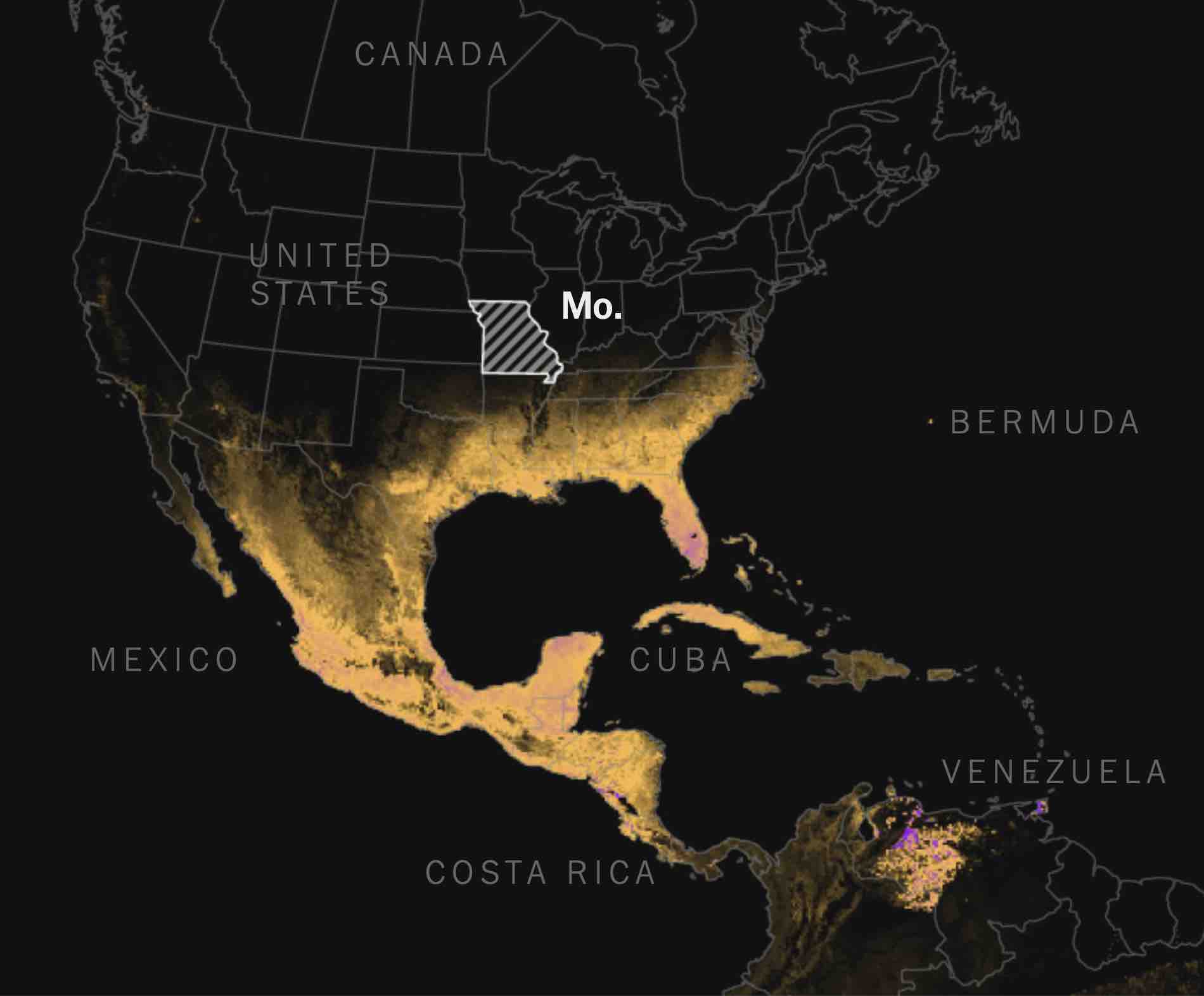
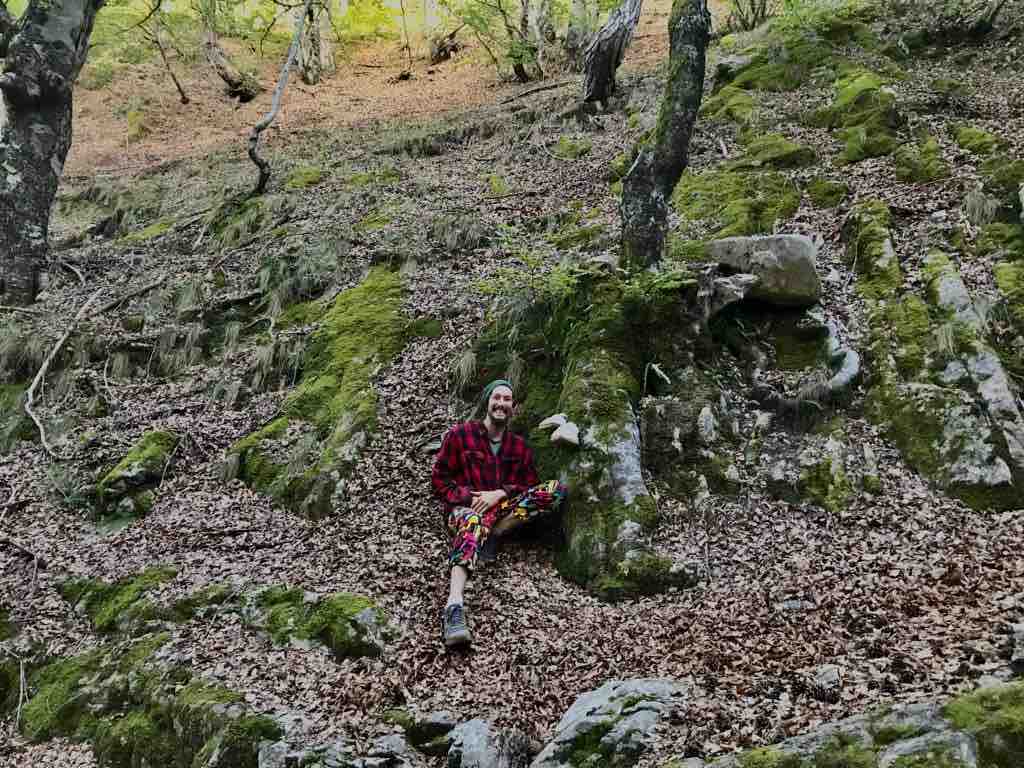
I first heard of this ecosystem nearly a decade ago, not realizing then that it spreads into northeastern Greece. We are in this ecosystem currently, on the Greek side, and yesterday visited the Rodopi Mountain Range National Park. In the photo above you can see Milo, in a location not far from that national park, with one of his favorite types of organism. I thought to revisit the Rewilding Europe website just now, and am happy to link again to their work:

Rhodope Mountains is the most important breeding area for griffon vultures in Bulgaria. The whole region is also a stronghold  for wolf and jackal.

The Rhodope mountains hold a captivating array of of flora and fauna and is a stronghold of vultures in south-eastern Europe. It’s the only breeding spot in Bulgaria for griffon vultures and an important site for the globally threatened Egyptian vulture on the Balkan Peninsula. Additionally, rare cinereous vultures can be spotted soaring above. Among the dozens of other raptor species Eastern imperial eagle, Saker falcon, Levant sparrowhawk, Peregrine falcon and several other eagles can be mentioned.

The whole region is also a stronghold within Bulgaria for wolf and jackal. In recent years, brown bears have begun naturally recolonizing the Rhodopes, and the possibility of bear-watching is emerging in the landscape, particularly in the western part of the mountains.

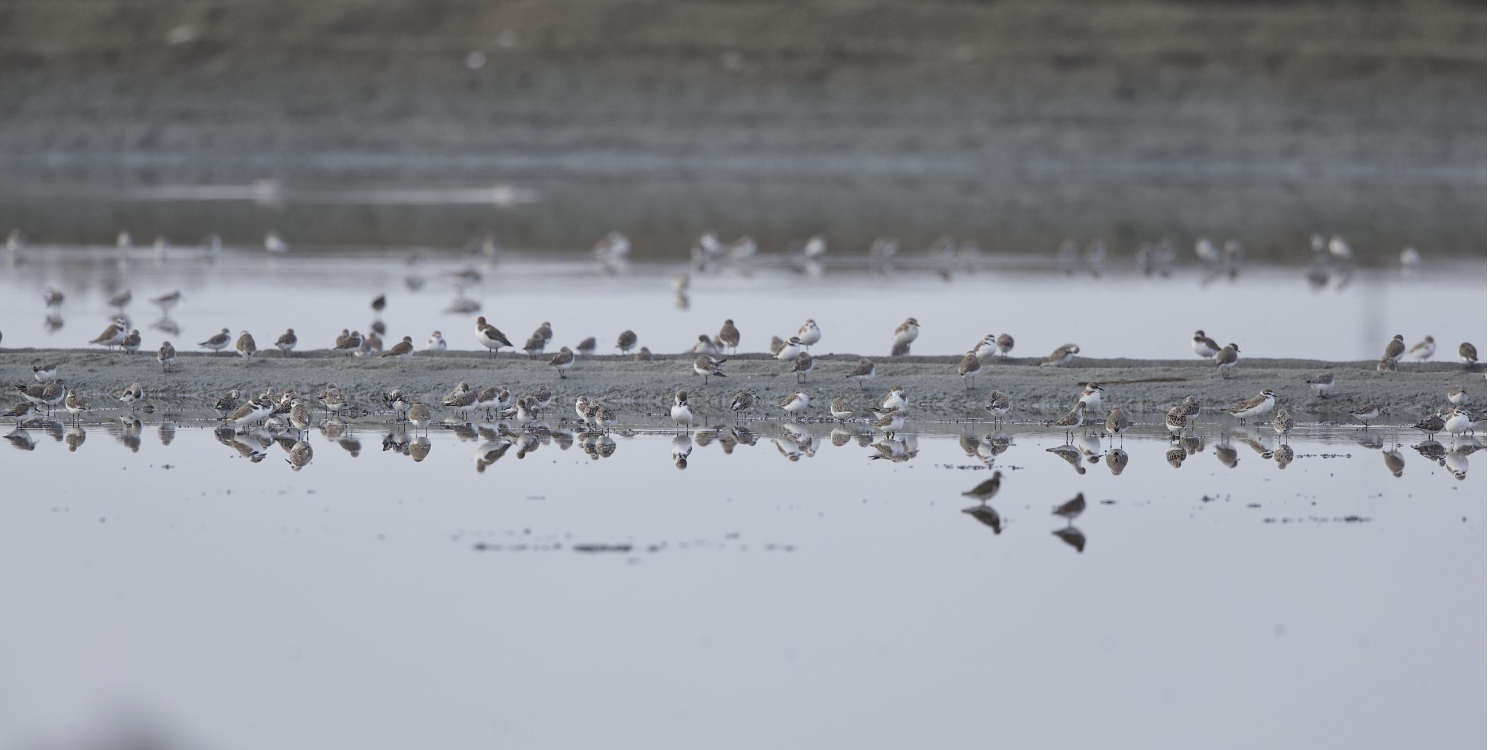
Because of its location at the crossroads between the European and Asian continent, the impact of the Mediterranean, its pristine landscapes and the variety of habitats here in combination with the relatively small human disturbance, the Rhodope Mountains have a huge variety in species and habitats, and have become one of the bird watching hotspots in Europe.
 

Reclamation, Restoration & Biodiversity

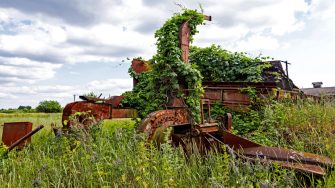
Overgrown agricultural machinery on a vacant farm near the Chernobyl Nuclear Power Plant in Ukraine. OKLA MICHEL / CTK VIA AP

Thanks to Fred Pearce, as always:

Abandoned Lands: A Hidden Resource for Restoring Biodiversity

Abandoned farmland has been increasing, with a billion acres — an area half the size of Australia — lost globally. Ecologists are increasingly pointing to the potential of these lands and of degraded forests as neglected resources for rewilding and for capturing carbon.

Gergana Daskalova was nine months old when she was taken in by her grandparents in their small village in Bulgaria. It was soon after the fall of the Iron Curtain, and her parents had left for the city after the closure of the village’s state-run collective farm. Continue reading

The Cutting Edge Of Wind Turbine Technology

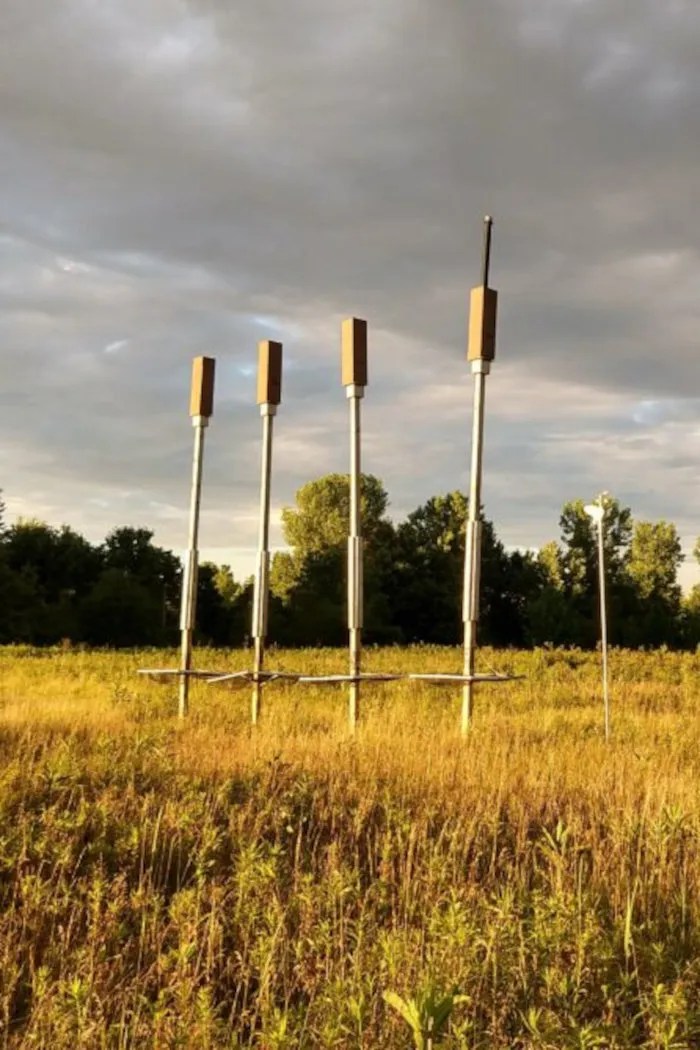
Bats need protection; these clever engineers and scientists will surely figure out how to, considering what they have already accomplished:

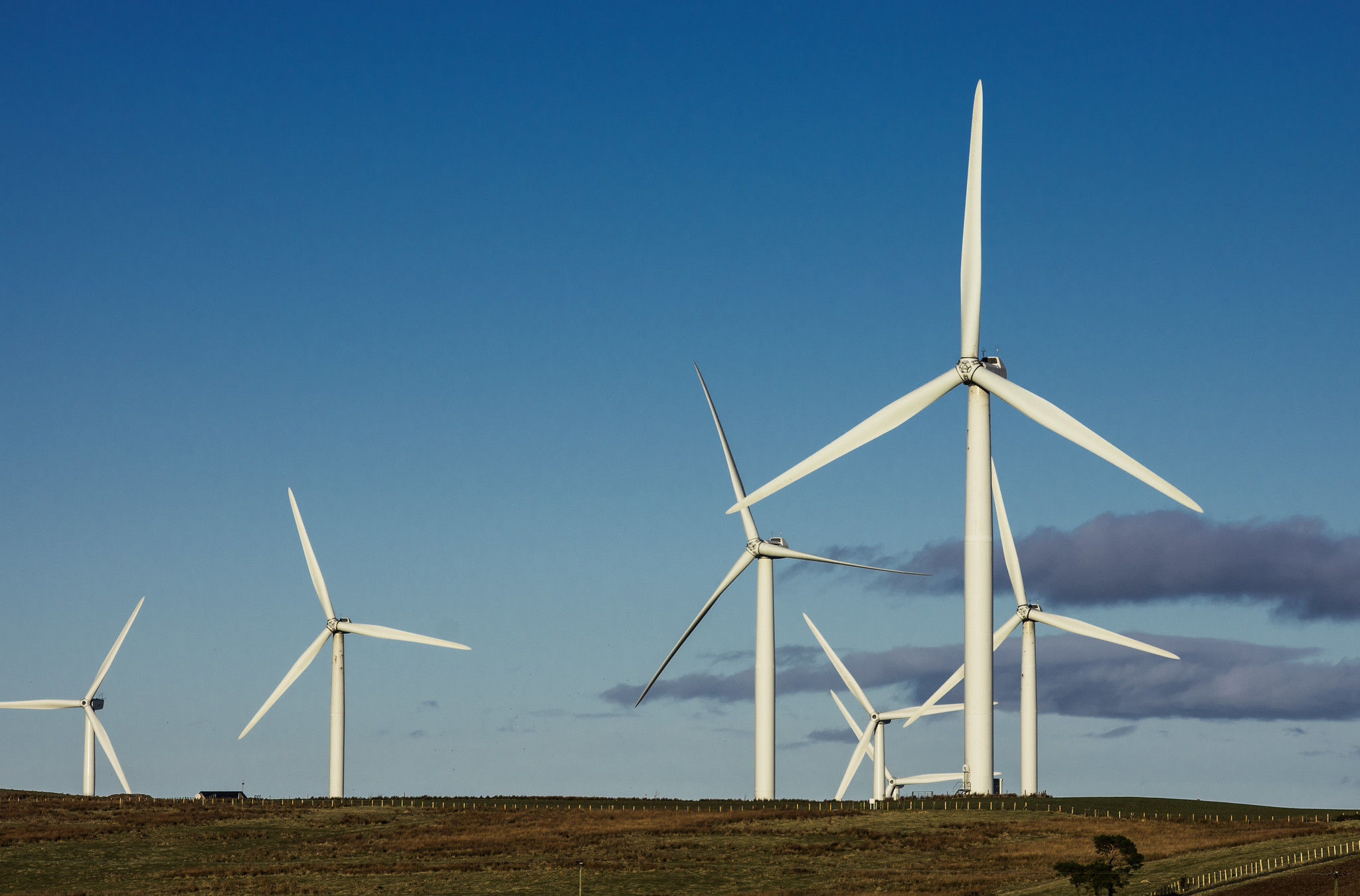
Spinning Wind Turbines Kill Nearly a Million Bats a Year. Researchers Aim to Find Out Why

Land-based wind turbines kill as many as 880,000 bats a year, wiping out so many threatened bats that at least one species could soon become endangered without preventative action, according to a recent study.

Bat conservation experts and scientists say they currently do not know how to stop turbine collisions. Continue reading

Green Capitalism Reconsidered

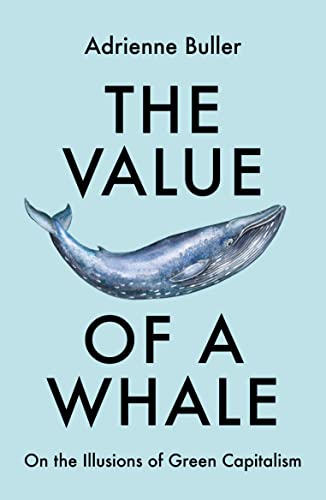
We shared an interview with the author of this book a few months ago, but missed the numerous reviews when her book was published last year. Thanks again to a Dutch biologist named Leon at the Inquisitive Biologist for this book review now:

BOOK REVIEW – THE VALUE OF A WHALE: ON THE ILLUSIONS OF GREEN CAPITALISM

In an attempt to address climate change and other environmental problems, governments are increasingly turning to economic solutions. The underlying message is clear: capitalism might have created the problem, but capitalism can solve it. Adrienne Buller, a Senior Fellow with progressive think tank Common Wealth, is, to put it mildly, sceptical of this. From carbon credits to biodiversity offsets, she unmasks these policies for the greenwashing that they are. The Value of a Whale is a necessary corrective that is as eye-opening as it is shocking. Continue reading

Stories from the Field: Birding with Clement Francis

Tawny Eagle

Fast forward to June of 2012, when I started scouting for birds in the grasslands. Clement Francis showed me the birds of Hesaraghatta. Clement is a topnotch bird photographer. I was amazed at his skills. He could identify every bird there and explained their features and behaviour. We roamed around the grasslands in our car and upon sighting a raptor on the ground, Clement would approach the bird from the car, going around it in wide circles, gradually reducing the distance from the bird. As I sat on the passenger seat with my lens rested on the car door, Clement whispered to me not to make eye contact with the bird, or make any large movements while he parked the car at the comfort-distance and with the sunlight behind us. He approached the bird with such skill that it never felt threatened as he mumbled the ideal camera settings for perfect photographs under his breath. He gave me very valuable lessons in approaching the various species of the grasslands, while advising on the ideal light conditions and inculcated patience in making handsome pictures. Continue reading

Future Fruits & Vegetables

The Cheery line of cherries has been developed to do well even if temperatures rise. BLOOM FRESH

Agricultural adaptation to a changing climate has caught our attention frequently with regard to wine grapes. Thanks to Kim Severson for this look at other fruits and vegetables:

Hot-weather cherries, drought-resistant melons and six other crops in the works that could change how we eat in a fast-warming world.

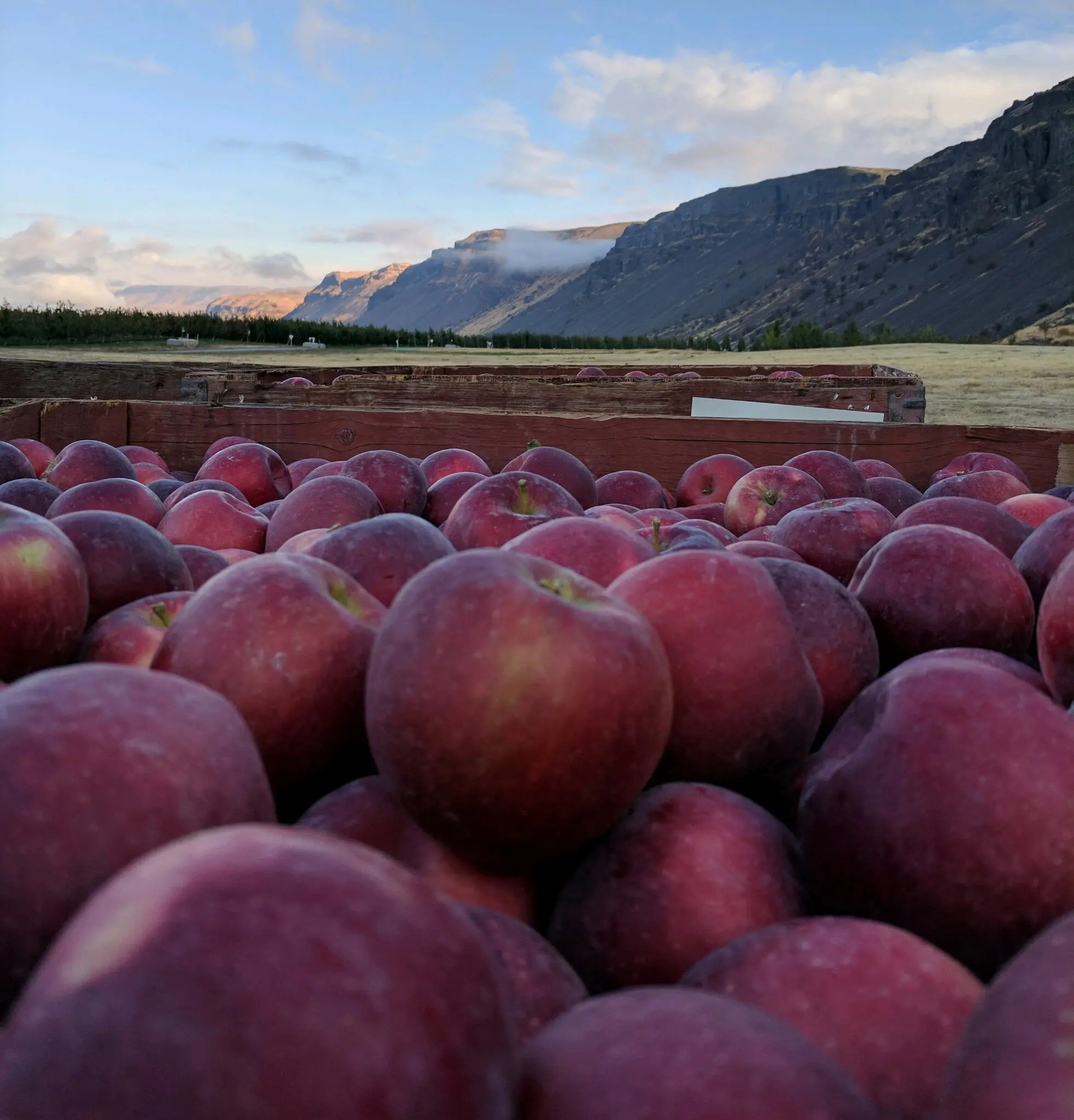
The Cosmic Crisp was bred at the University of Washington with a changing climate in mind. Credit…Ines Hanrahan/Washington Tree Fruit Research Commission

Plant breeders, by nature, are patient people. It can take them years or even decades to perfect a new variety of fruit or vegetable that tastes better, grows faster or stays fresh longer.

But their work has taken on a new urgency in the face of an increasingly erratic climate. Recent floods left more than a third of California’s table grapes rotting on the vine. Too much sunlight is burning apple crops. Pests that farmers never used to worry about are marching through lettuce fields.

Breeding new crops that can thrive under these assaults is a long game. Continue reading

Reminder Primer On Meat & Dairy

Raul Arboleda / AFP via Getty Images

We have been preaching, and practicing, reduction in the consumption of meat and dairy for as long as we have been sharing on this platform. Reminders of why are always welcome. Our thanks to Max Graham, a Food and Agriculture Fellow at Grist for this reminder-primer:

What would happen if the world cut meat and milk consumption in half?

Agricultural emissions would fall by almost a third. But getting there wouldn’t be easy.

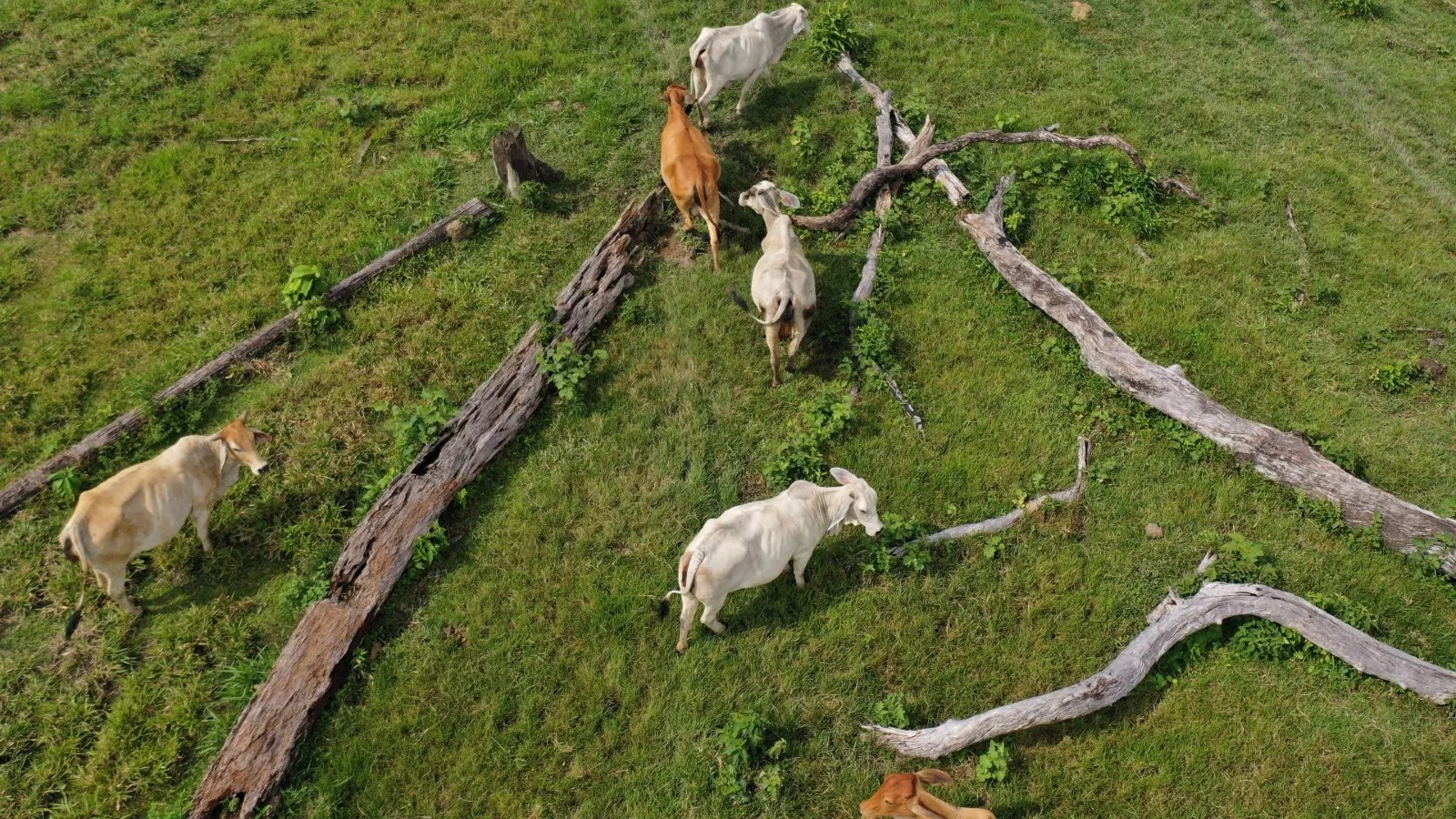
Cows are often described as climate change criminals because of how much planet-warming methane they burp. Continue reading

Species-Specific Safe Spaces

O’Keefe’s team designed bat boxes that offer a wide range of interior temperatures. Joy O’Keefe

We have pointed to stories about activism and entrepreneurship in the interest of protecting animal habitat plenty of times, but not so much on the science of the field work. As part of its Climate Desk collaboration Mother Jones shares this article originally published by Undark, written by Marta Zaraska, that addresses some of the science of species-specific safe spaces:

Inside Scientists’ Race to Create Safe Refuges for Animals

Climate crisis is destroying habitats. Can technology help create new ones?

Conservation ecologist Ox Lennon simulated stacks of rocks that would create crevices big enough for skinks, but too small for mice. Courtesy Ox Lennon

In 2016, Ox Lennon was trying to peek in the crevices inside a pile of rocks. They considered everything from injecting builders’ foam into the tiny spaces to create a mold to dumping a heap of stones into a CT scanner. Still, they couldn’t get the data they were after: how to stack rocks so that a mouse wouldn’t squeeze through, but a small lizard could hide safely inside. Continue reading

More Cameras On The High Seas, Please

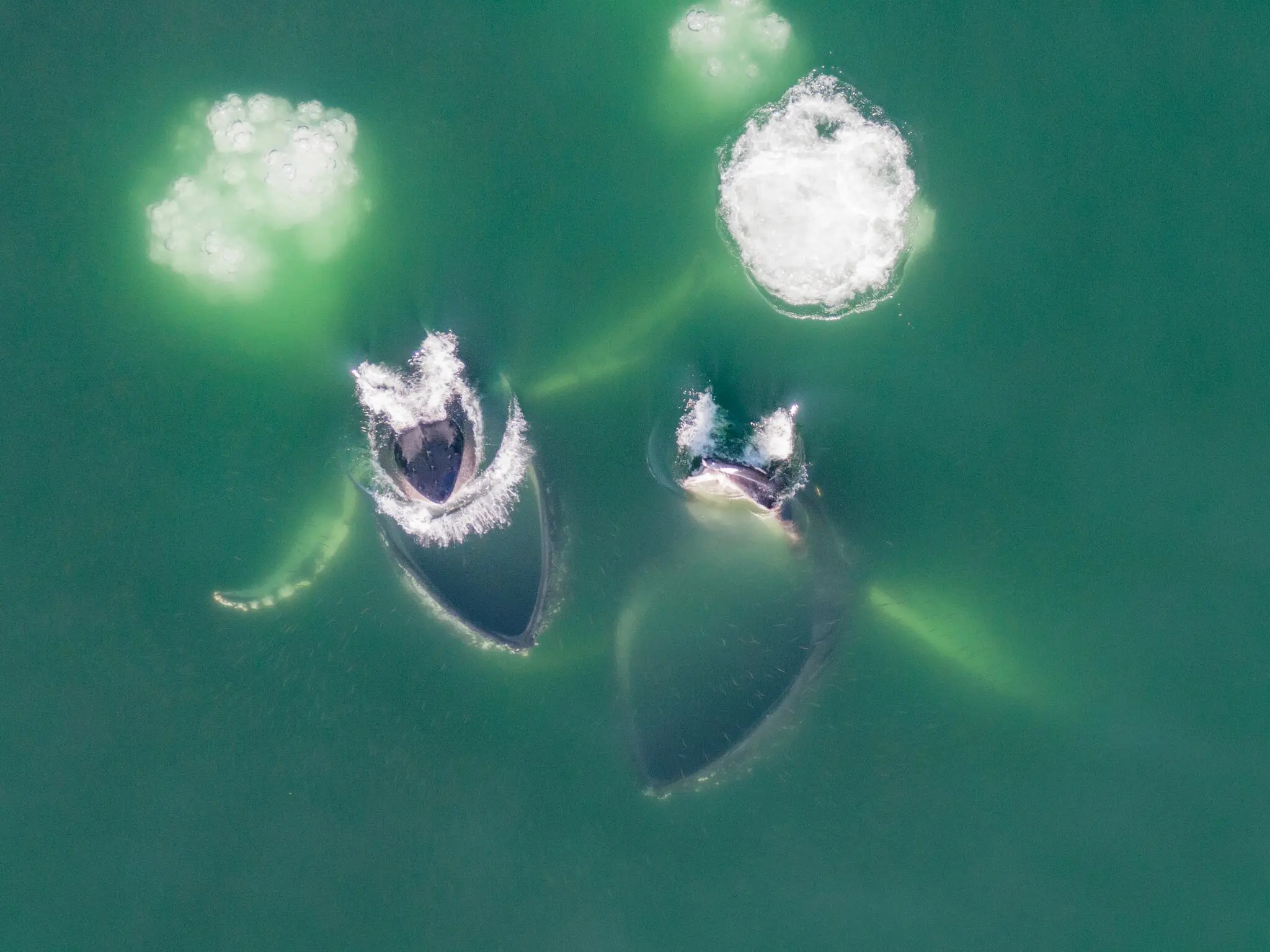
A pair of humpback whales synchronized the release of bubbles to corral and consume sand eels.

This article by Ellie Duke, with photographs and video by Sutton Lynch, is a sort of bookend to another recent article. It makes one wish for more people skilled with cameras in the oceans, and fewer skilled in placing nets:

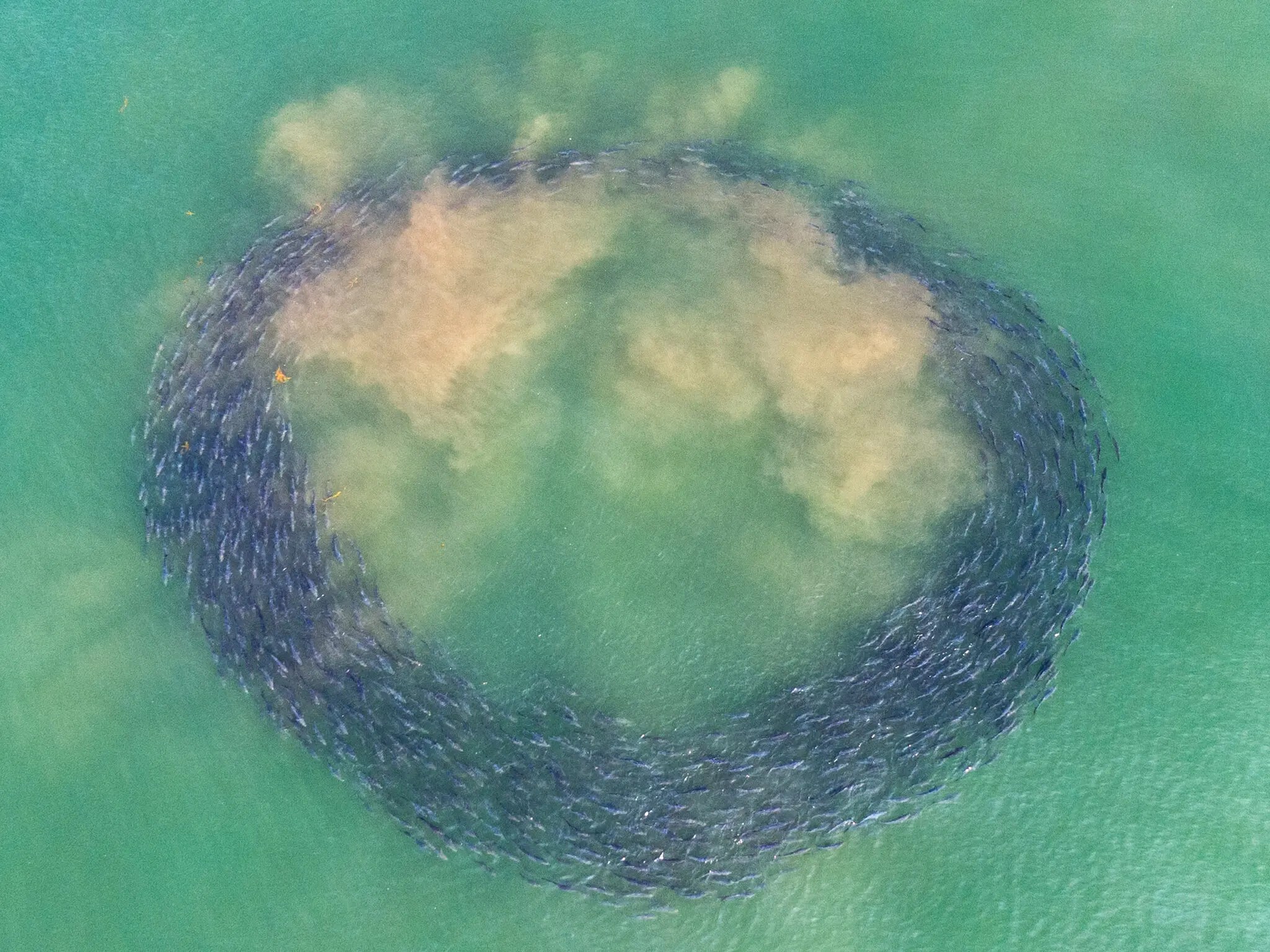
A school of bluefish forming a circle in shallow water.

The photographer Sutton Lynch is documenting a dramatic turning point off the coast of Long Island — a resurgence of sea life after decades of depletion.

Sutton Lynch rises most days before the sun, arriving at Atlantic Beach in Amagansett, N.Y., for the early-morning calm. It’s the same beach he’s been going to since he was a child, and where he worked as a lifeguard for years as a teenager. Now 23, he spends his mornings surveying the horizon. When he spots activity on the water’s surface, he sends out his drone. Continue reading

Fireflies At Risk

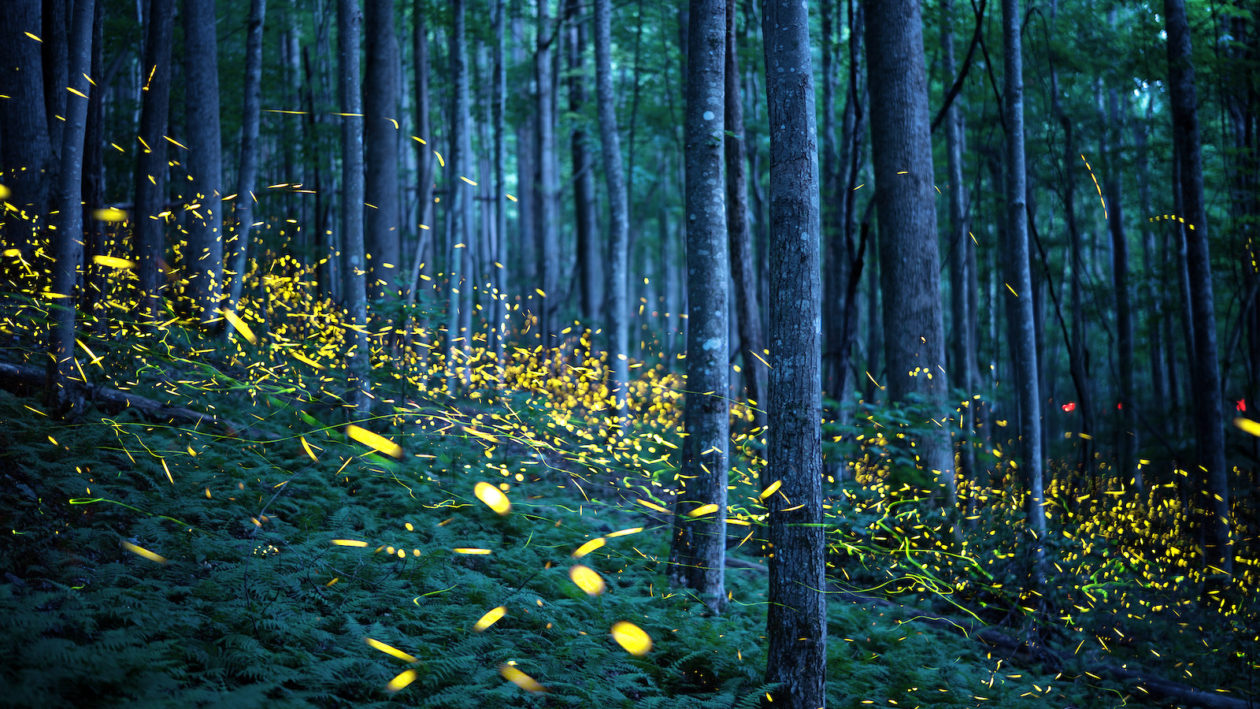
Fireflies in Great Smoky Mountains National Park. RADIM SCHREIBER

Fireflies being among the more charismatic insects, they and other glowing creatures have been covered in our pages second only to bees. Our thanks to Ted Williams, writing for Yale e360, for explaining their specific challenge:

A Summer Light Show Dims: Why Are Fireflies Disappearing?

Fireflies — whose shimmering, magical glows light up summer nights — are in trouble, threatened by habitat destruction, light pollution, and pesticide use. With 18 species now considered at risk of extinction in North America alone, recovery efforts are only just beginning.

For millions of people around the globe, fireflies have been a big part of the magic of spring and early summer nights. They certainly were in our family. When my children were young, our field in central Massachusetts blazed with fireflies. Continue reading

Overfishing & Long Island Fancyfolk

Chris Winkler, a fisherman in ever-fancier Montauk on Long Island, is accused of breaking limits on his catch.

We hope that the wrongs get righted:

Chris Winkler is on trial, accused of taking too many fish from the seas off gentrified Montauk. His former partners have pleaded guilty, and stand to make millions from the sale of their small seafood-themed empire.

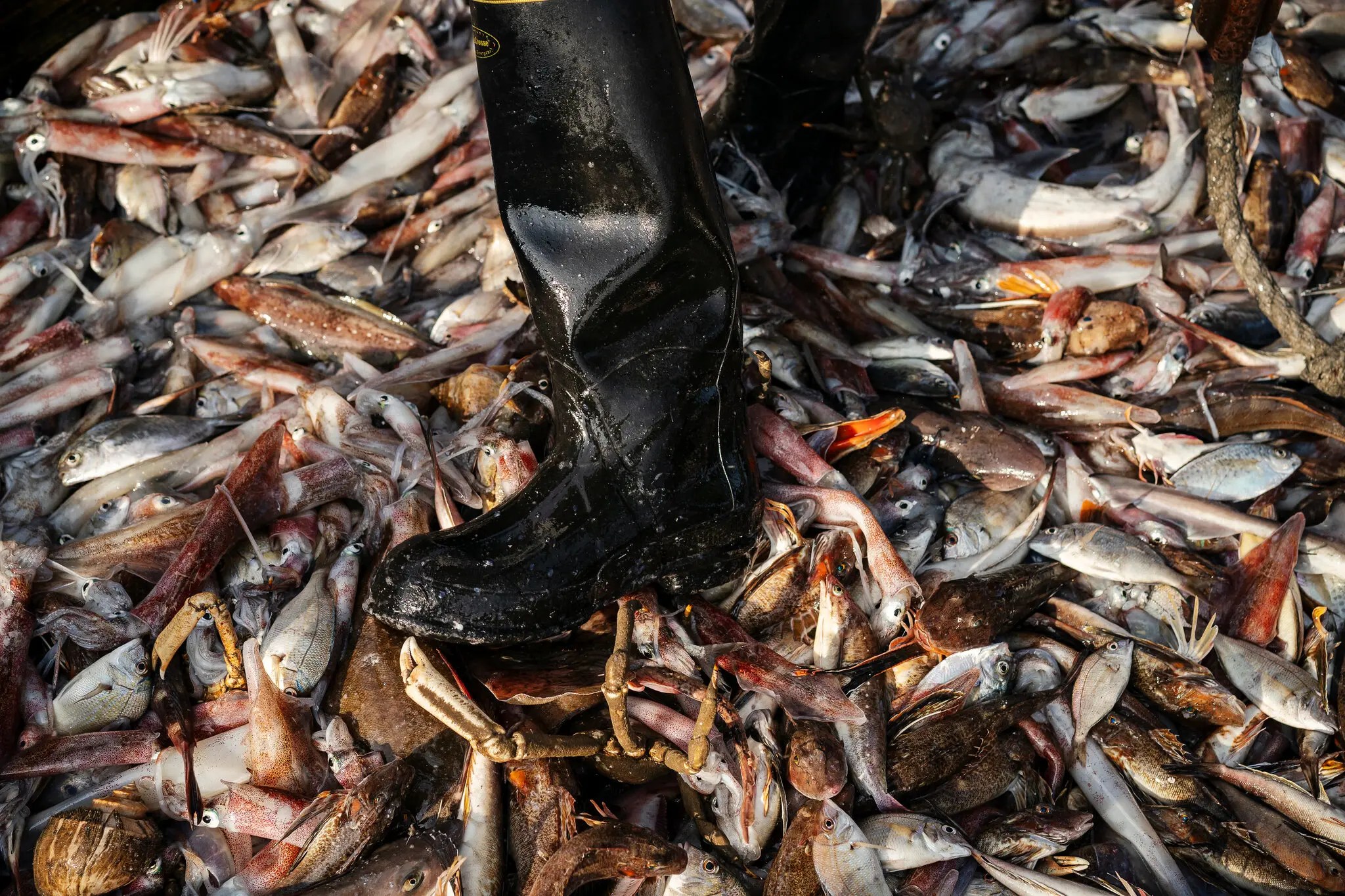
Along with trash fish, catch that exceeds daily limits must be tossed overboard even if it perishes.

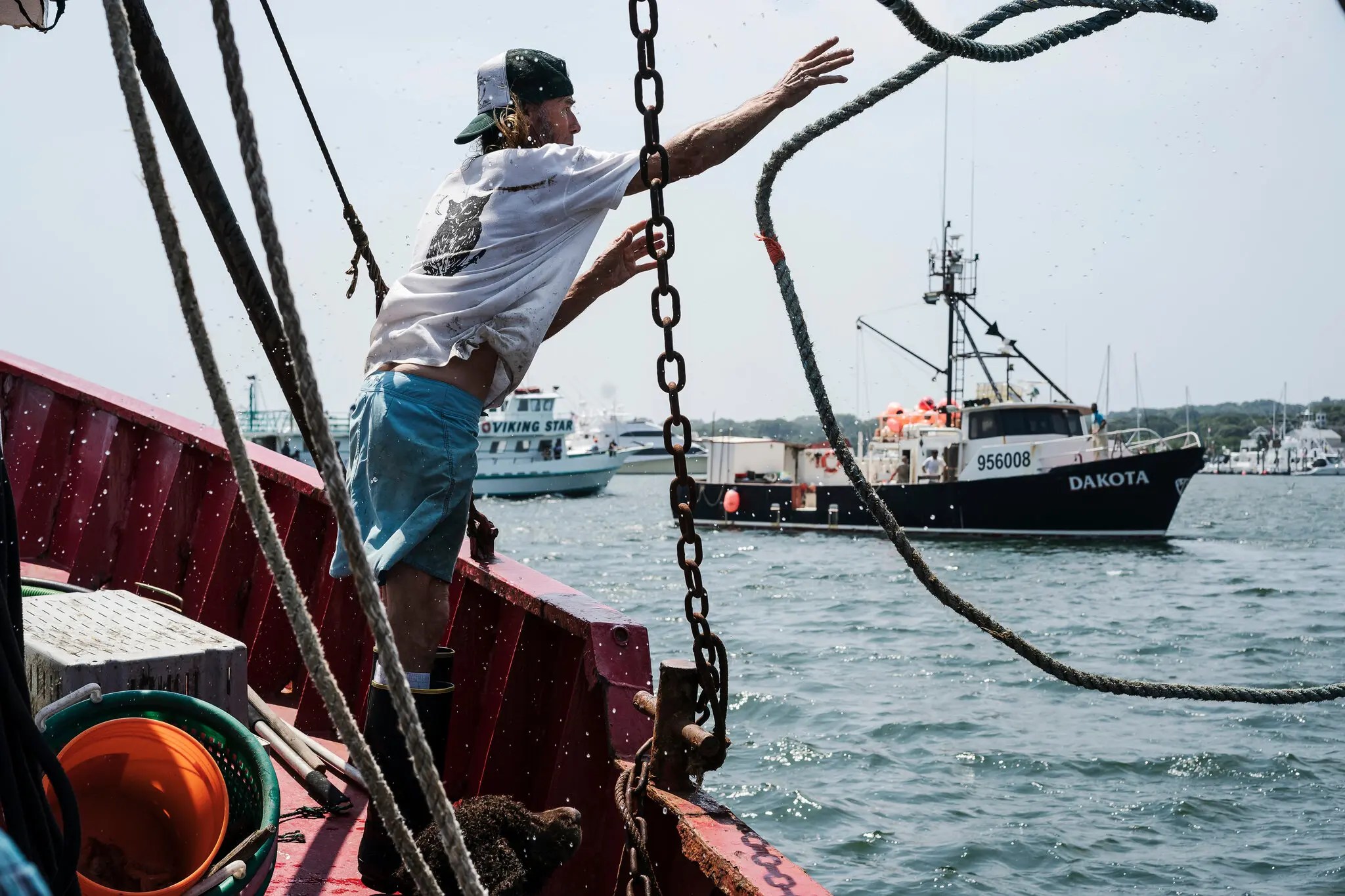
It was just before dawn when Chris Winkler, a fisherman in Montauk, N.Y., set off on his trawler, the New Age.

A longhaired surfer who looks far younger than his 63 years, Mr. Winkler was in flip-flops and shorts, trailed by Murphy, a good-natured Irish water spaniel who is usually his only company. Continue reading

Stories from the Field: Andaman and Nicobar Islands

Year 2015 was special for Shashank Dalvi. It was his “Big Year” – a birder’s personal challenge to identify as many species as possible within that time period. I had the opportunity to bird with him and learn from him earlier in the year. He is truly devoted to nature and fills up your brain with tonnes of useful and jaw-dropping information on all creatures in the wild. He decided to wrap the year finding the Nicobar Megapod and was travelling to the Andaman and Nicobar Islands. He managed to obtain permission with several Government departments for himself and our group of 8 birders to travel to Central and Great Nicobars before closing the year in Gujarat.

We were to leave for Port Blair on 15th December, and the timing couldn’t have been worse. Chennai and the east coast of India was drowned in rains. Ominous clouds moved in fast-forward mode. It was like watching a horror movie.

Nature’s fury rendered people and their deities helpless. Bridges and dams tumbled down. People were stranded in higher floors. More than 15 feet of water covered the low-lying residential areas.  The expedition was 5 days away.

I googled the weather pattern over Andamans and Nicobars. I could not see a bit of land. Just purple swirls. The first ever trip with legal documents to travel to any of the islands of Central and Great Nicobar might get washed out due to rains. Continue reading

Heat Pumps Questioned

image: michael haddad

The technology of heat pumps was made understandable in an earlier article. While remarkable, questions have arisen. Read the following in full at The Economist to hear about it in more detail:

Heat pumps show how hard decarbonisation will be

The row over them portends more backlashes against greenery

They hang from the walls of utility rooms, nestle inside kitchen cupboards and hunker down in cellars. Continue reading

Insect Respect

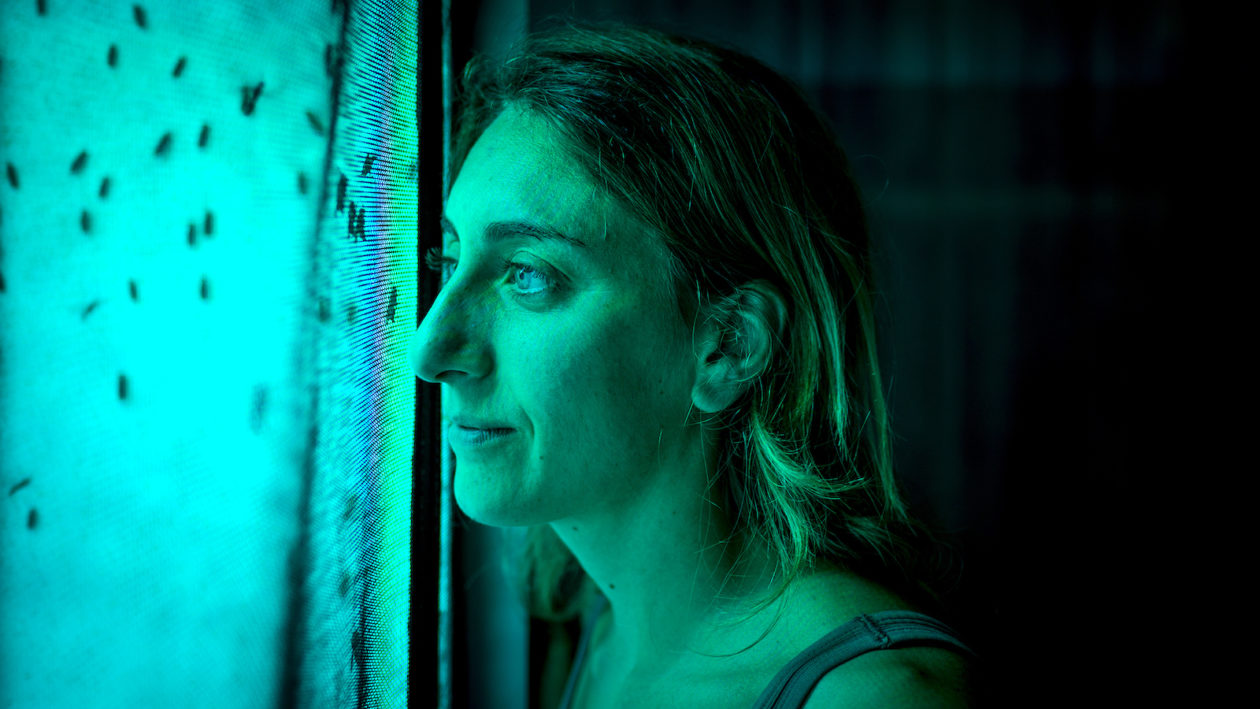
Agronomist Caterina Luppa watches black soldier flies reproduce at Bugslife, a firm in Perugia, Italy, that is turning fly larvae into animal feed. LUIGI AVANTAGGIATO

We have featured this subject a few times over the years, especially once we started showcasing one such product. I acknowledge I am still not a total convert to an insect-centric diet, but every story like this draws me in, however slowly:

Edible Insects: In Europe, a Growing Push for Bug-Based Food

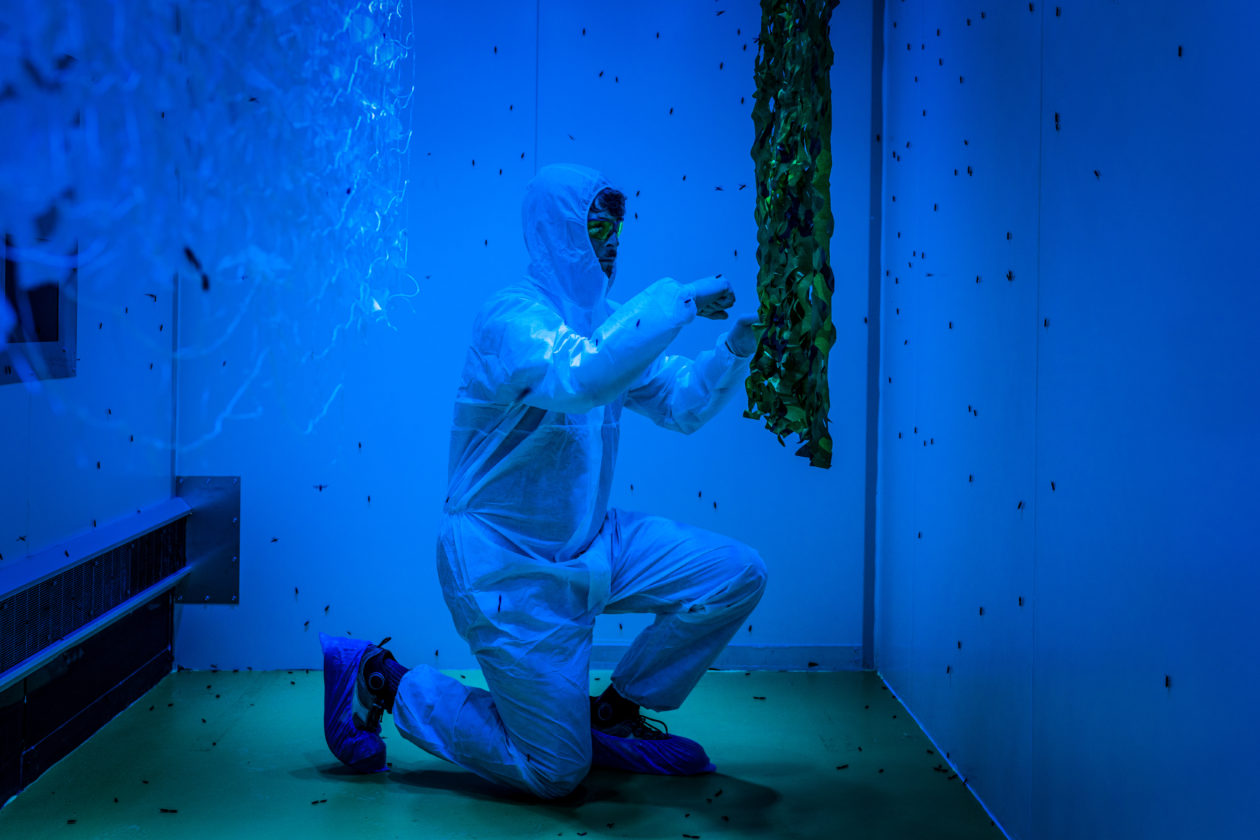
Marco Meneguz, an entomologist with BEF Biosystems in Casalnoceto, monitors black soldier flies as they mate. During mating, “the males gather in a courtship ritual characterized by fights and competitive displays,” he says. The blue light helps the flies see each other better. LUIGI AVANTAGGIATO

To rein in emissions, the E.U. is looking to insects as an alternate source of protein for livestock and people and is easing regulations and subsidizing makers of insect-derived food. In a photo essay, Luigi Avantaggiato explores the emerging bug food industry in northern Italy.

The European Union recognizes it has a meat problem. The bloc has no easy way to curb the climate impact of its livestock, which eat soybeans grown on deforested lands and belch heat-trapping gas. According to one estimate, Europe’s farm animals have a bigger carbon footprint than its cars.

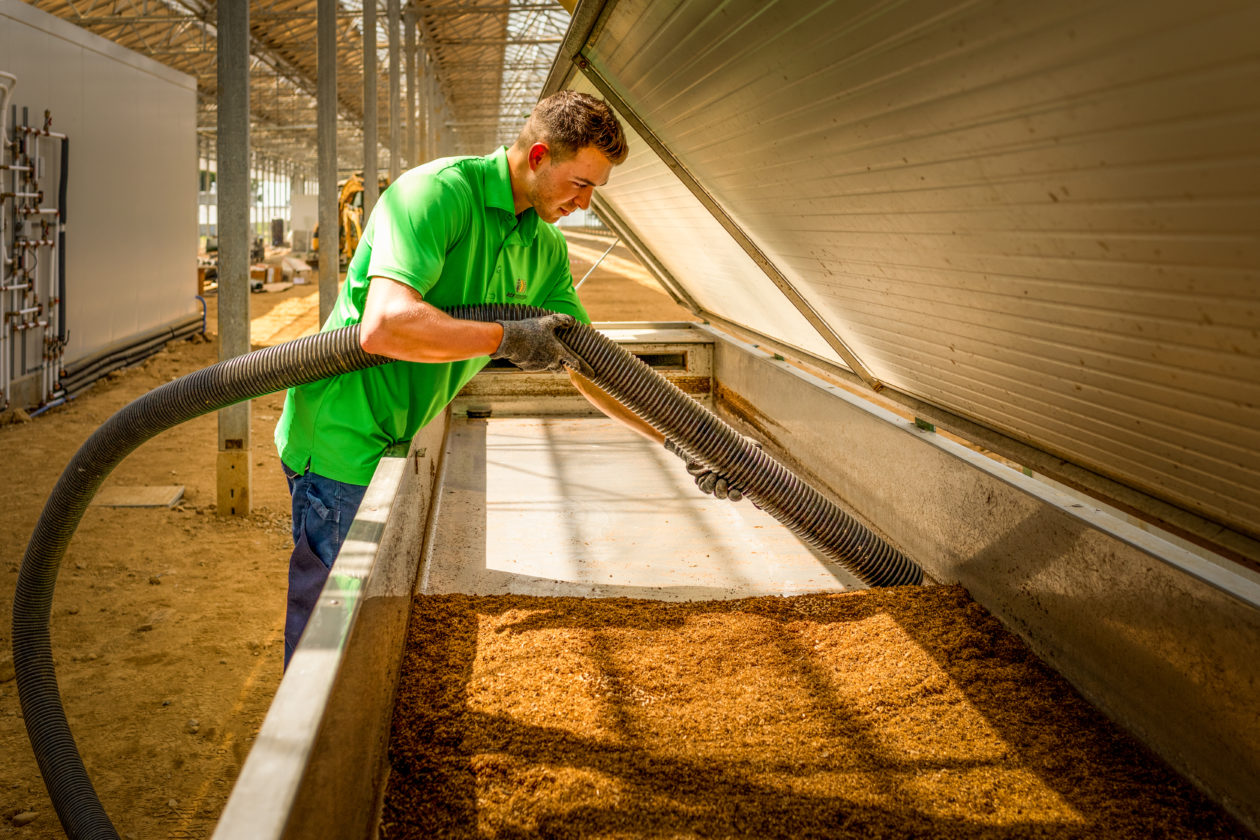
Trent Barber, a technician at BEF Biosystems, vacuums up 200 pounds of fly larvae that are plump after two weeks of feeding on food scraps. The remaining food waste, now rich in excrement, will be sold as compost to farms. LUIGI AVANTAGGIATO

In this photo essay, Luigi Avantaggiato explores an unusual solution to this dilemma that is now gaining traction — feeding insects to livestock and, potentially, people. The European Commission says that insects could replace soy-based animal feed, helping to slow deforestation, or even supply an alternate source of protein for humans. Studies show that insects can furnish the same amount of protein as livestock while using as little as 10 percent of the land and producing as little as 1 percent of the emissions. Continue reading

Basketry, Craft & Art

A coiled basket by Louisa Keyser (Dat So La Lee) of the Washoe people of Nevada, titled “Our Ancestors Were Great Hunters” (1905), with an oval degikup form, was made for the curio market. Her work comes to the Independent 20th Century fair this week. Donald Ellis Gallery

When craftwork is treated as artwork, valorization is the word that comes to mind. Not all craft is art, nor need it be; but we applaud the impetus of the Independent 20th Century fair. If this is your interest, and you are in New York City, the fair is open:

A couple recognized the Washoe weaver Louisa Keyser’s prodigious talent and spun myths to promote it. But her fortitude shines in work that today can be seen in museums and at the Independent 20th Century fair.

A portrait of Louisa Keyser, the most famous Washoe basket maker, who helped transform a utilitarian craft to fine art and was promoted at the time as a “princess” by a couple who sold her work. Donald Ellis Gallery

The Native American baskets sold in the early 1900s out of Abe Cohn’s Emporium, a men’s clothing store in Carson City, Nev., were exceptional. They were woven by Dat So La Lee, said to be a “princess” from the nearby Washoe people whose royal status permitted her alone to utilize a special weaving style.

The truth was less exciting. Dat So La Lee preferred her English name, Louisa Keyser. She was a Washoe woman, but the tales Cohn and his wife, Amy, spun about her — her esteemed heritage, her meeting with the Civil War general John C. Frémont — were myths. Continue reading

Turmeric, Biopiracy & Fighting For What’s Right

Agung Parameswara/Getty Images

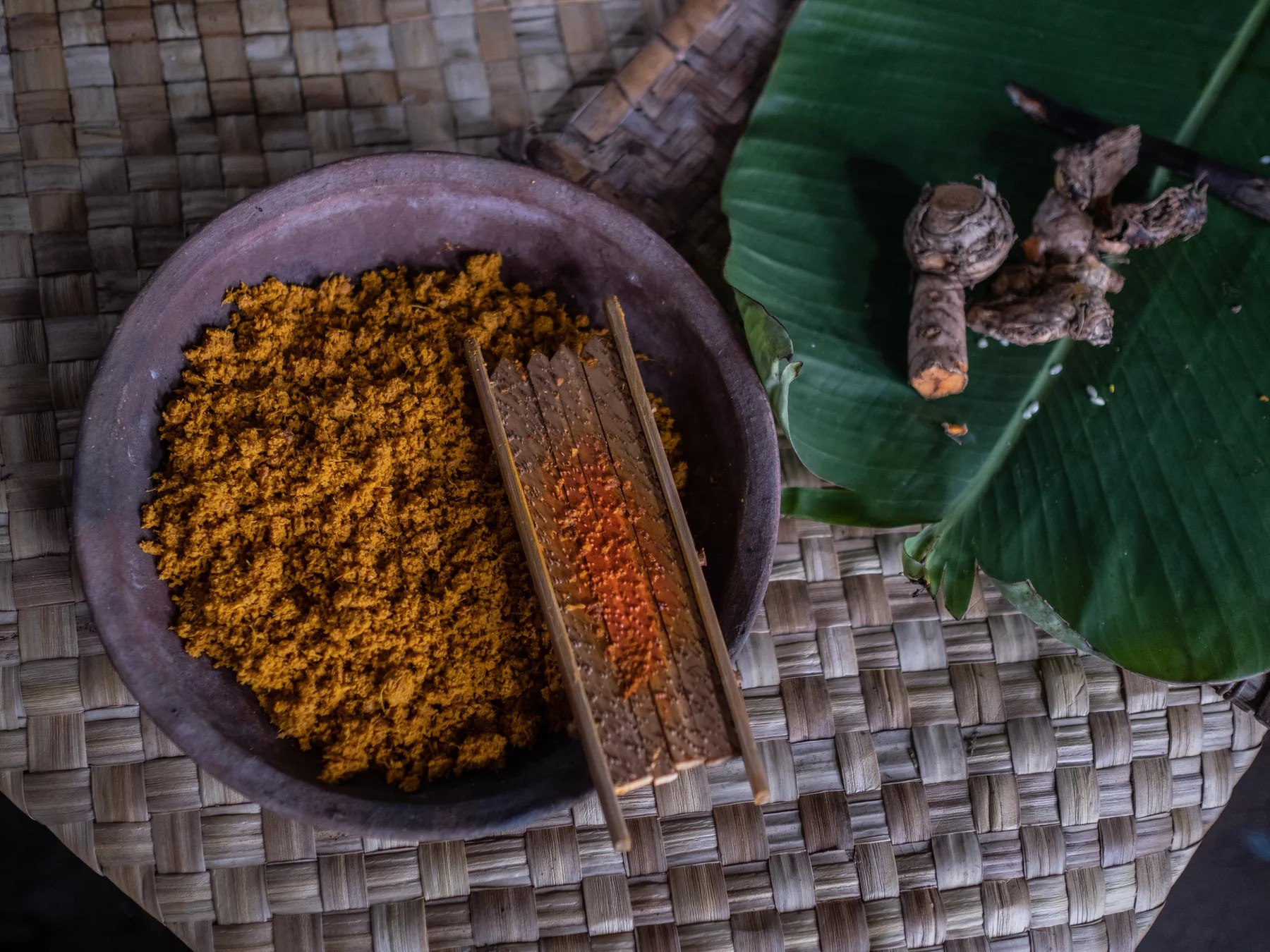
During our seven years living in India, plenty of posts on this platform referred to turmeric due to its culinary value. Its value to our wellbeing is a more recent focus of attention, and we appreciate the fight to keep it accessible to all:

How one man fought a patent war over turmeric

Back in the 1990s, Dr. Raghunath Mashelkar was in his office in New Delhi when he came across a puzzling story in the newspaper. Some university scientists in the U.S. had apparently filed a patent for using turmeric to help heal wounds. Continue reading

Museum Loot Going Home

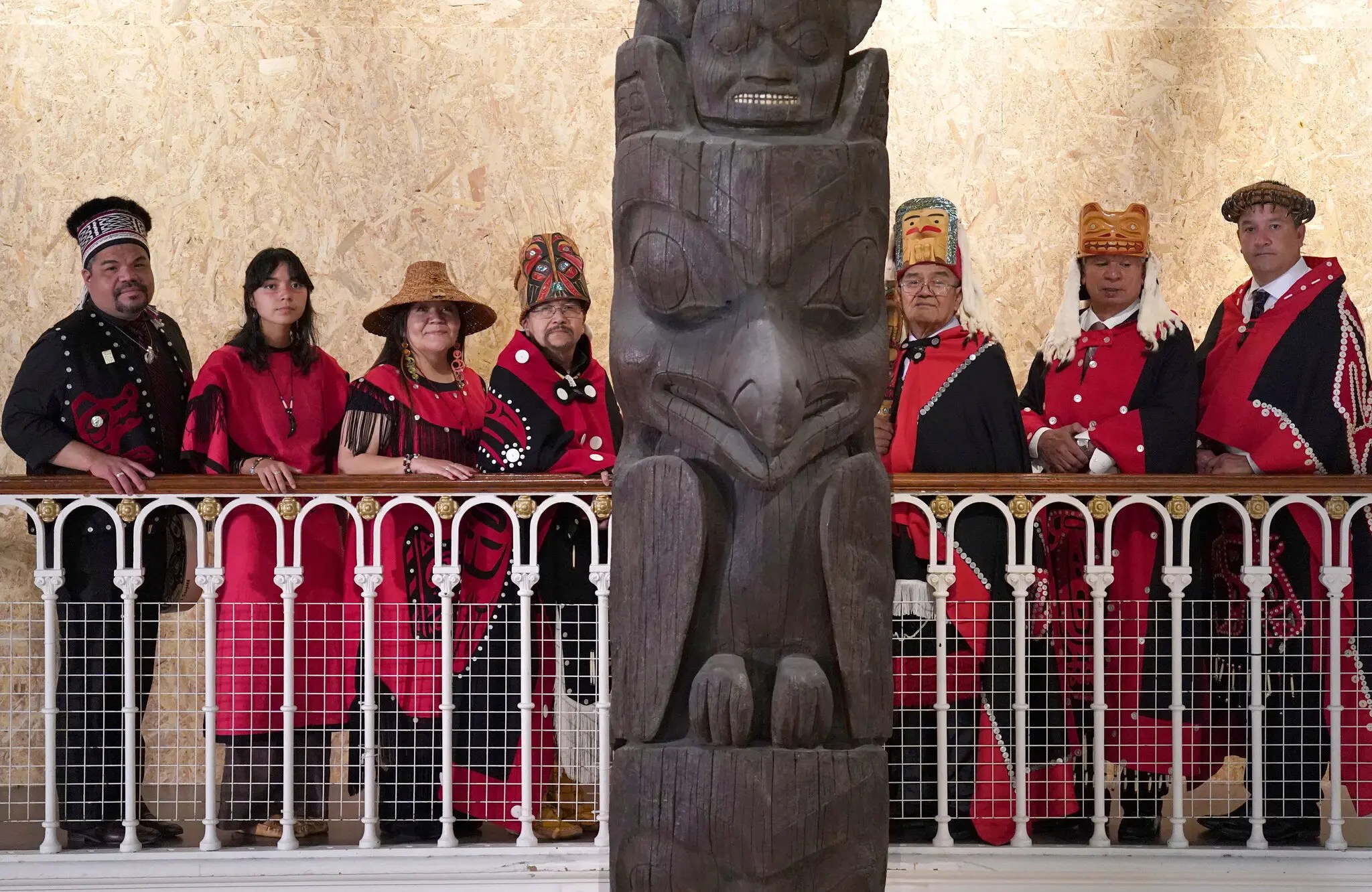
Earl Stephens, who goes by the Nisga’a cultural name Chief Ni’is Joohl, center left, and members of a delegation from the Nisga’a nation pose beside a 36-foot tall memorial pole during a visit to the National Museum of Scotland on Monday. Andrew Milligan/Press Association, via Associated Press

The legitimacy of museums possessing artifacts from other cultures is not inherently dubious, but as the Parthenon marbles example has demonstrated, there are plenty of reasonable questions. This story about a museum’s move to the better side of history is worth a read:

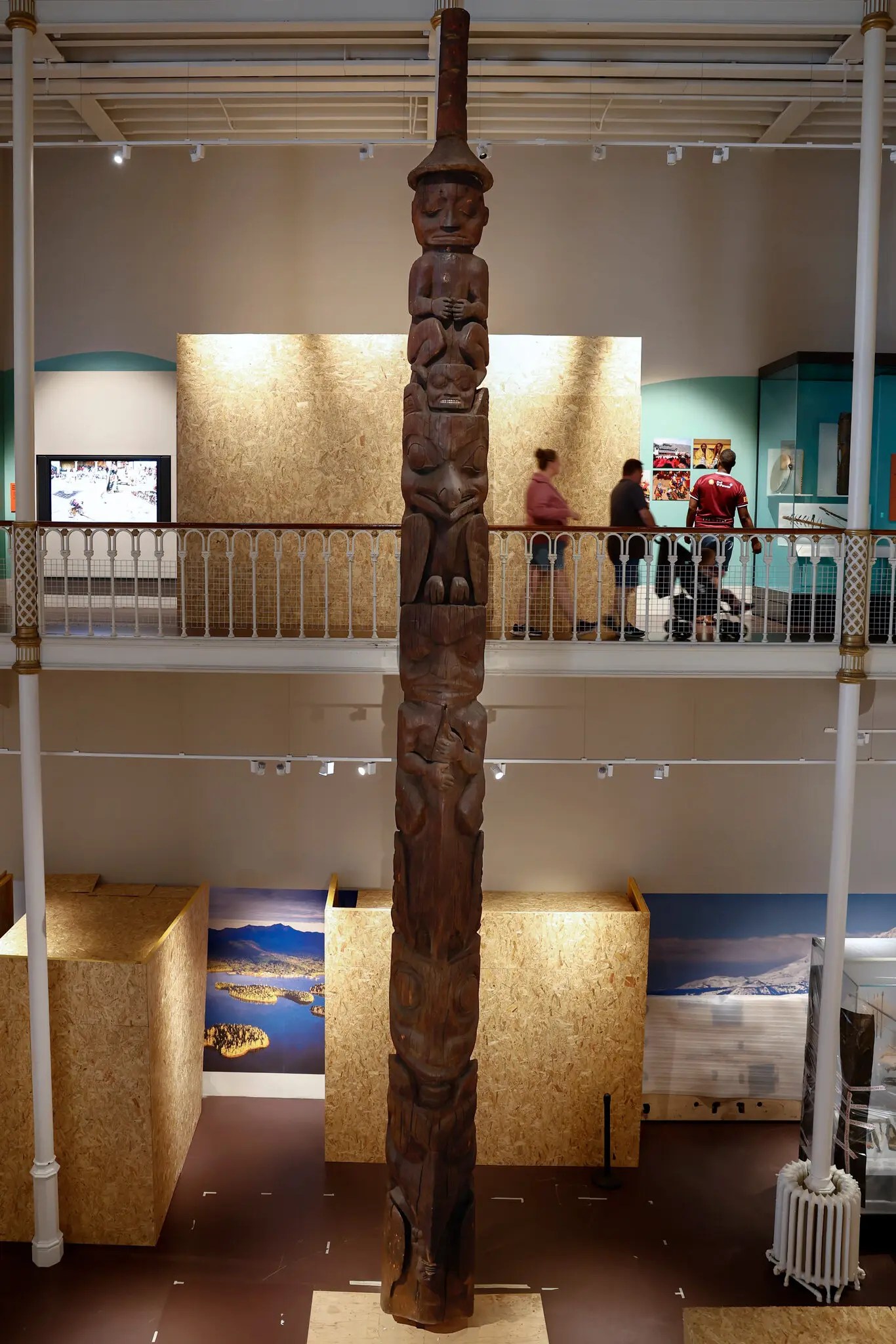
The pole is soon to be moved to British Columbia on the west coast of Canada. Jeff J Mitchell/Getty Images

Totem Pole Taken 94 Years Ago Begins 4,000-Mile Journey Home

The 36-foot tall memorial pole has spent almost a century in a Scottish museum. Now it will be returned to the Nisga’a Nation in Canada.

Almost 100 years ago, a hand-carved totem pole was cut down in the Nass Valley in the northwest of Canada’s British Columbia.

The 36-foot tall pole had been carved from red cedar in the 1860s to honor Ts’wawit, a warrior from the Indigenous Nisga’a Nation, who was next in line to become chief before he was killed in conflict. Continue reading

Migratory Birds Across The Americas

I rarely read comments from other readers on articles, but for some reason I did on this one; they are almost as interesting as the article itself:

For Migrating Birds, It’s the Flight of Their Lives

America’s birds are in trouble. Since 1970, nearly 3 billion birds have vanished from the skies over North America. Continue reading

Braiding Sweetgrass

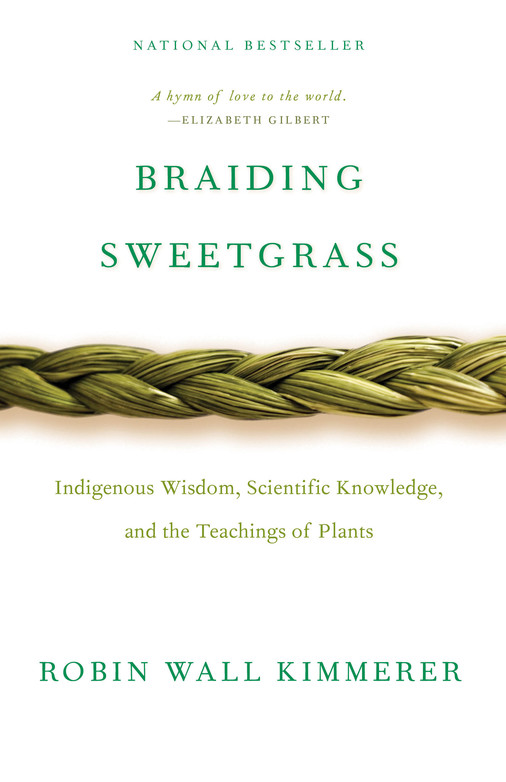
My daily news scanning, reading and listening diet are fairly omnivorous, but I am constantly reminded of how much I miss. This sounds like a book I should have read in 2015 when it was first published, but instead I only heard about it this morning. Listening to the author talk about it, I learned that she lives where I lived when I was a boy, in a region where my family history is partly rooted; the same region where I spent seven years to get to an idea that has guided my work ever since; where both our sons and our grand daughter were born. Which is to say, as she talks about nature in that conversation, I know that particular nature. Which is to say, I will find this book.


Insect Oases

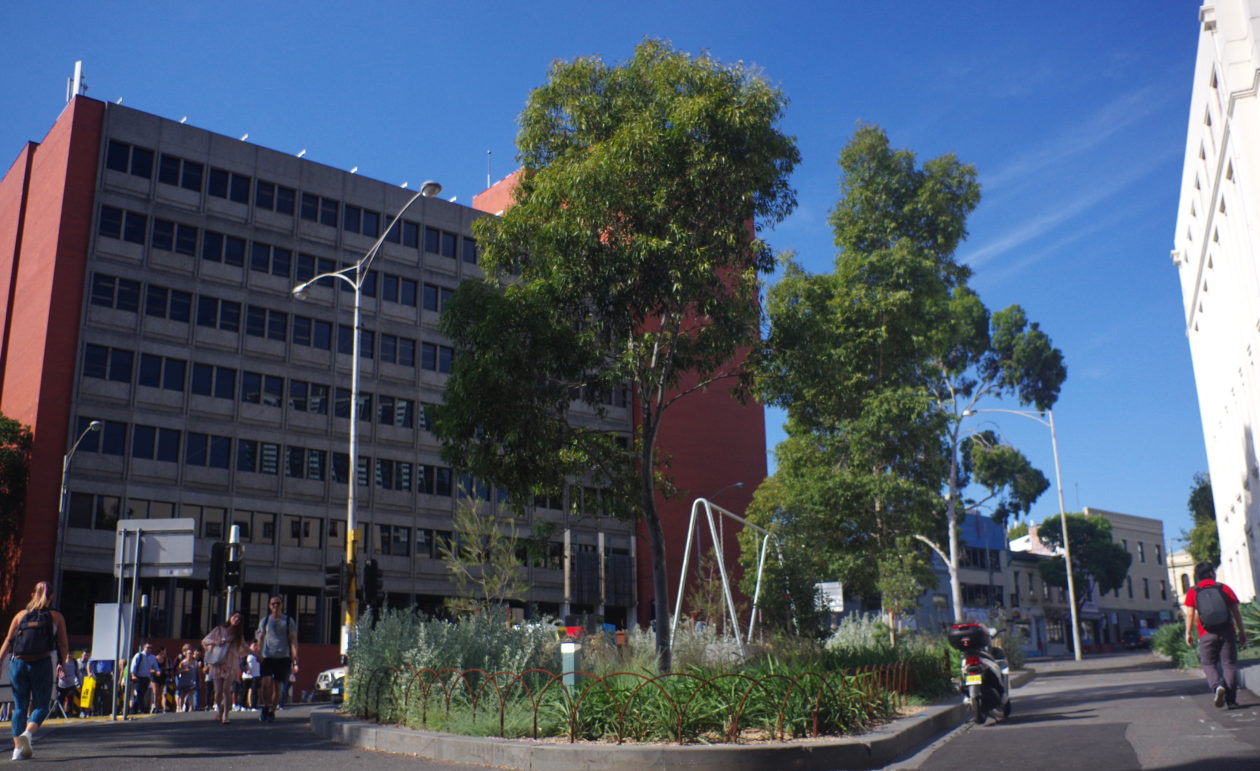
A small patch of native plants in Melbourne, Australia, draws native insects. MATA, ET AL.

Thanks to Yale e360 for this short story on small wonders:

Even a Small Patch of Native Greenery Can Give a Big Boost to Local Insects

In cities, a little native greenery can go a long way. Australian scientists found that, after adding native shrubs to a planting in Melbourne, the number of insect species at the site increased sevenfold. Continue reading