World Wildlife Week: Tigers & Territories!

habitat


As a part of celebrating World Wildlife Week I was sharing information about the importance of saving our Natural Heritage, trying to create awareness among the growing population of nature lovers and wildlife photographers.

In the previous posts I discussed the relationships between healthy ecosystems, the well-being of wildlife and humans.

Here I’ll address another essential element for a healthy tiger population – territories!

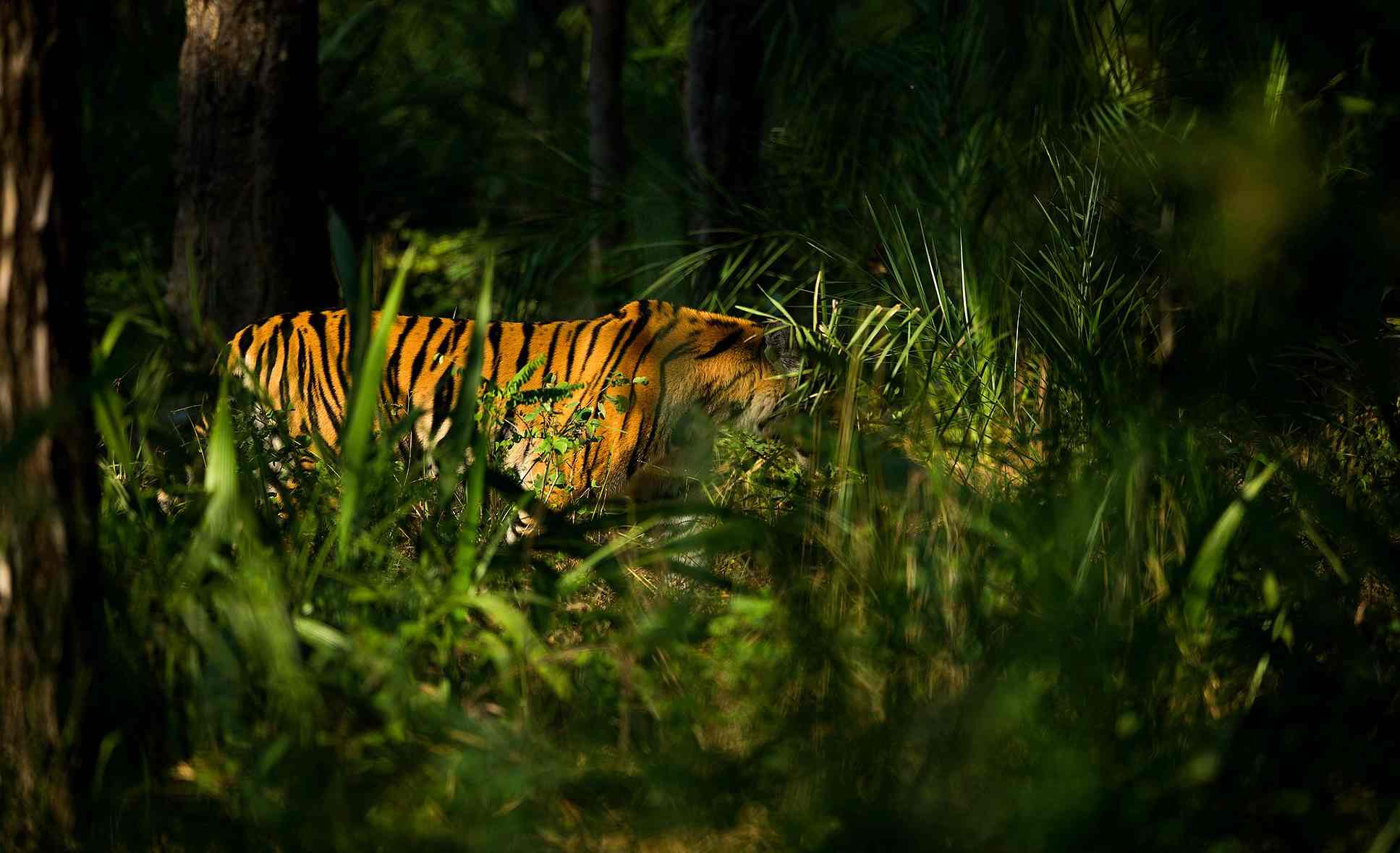
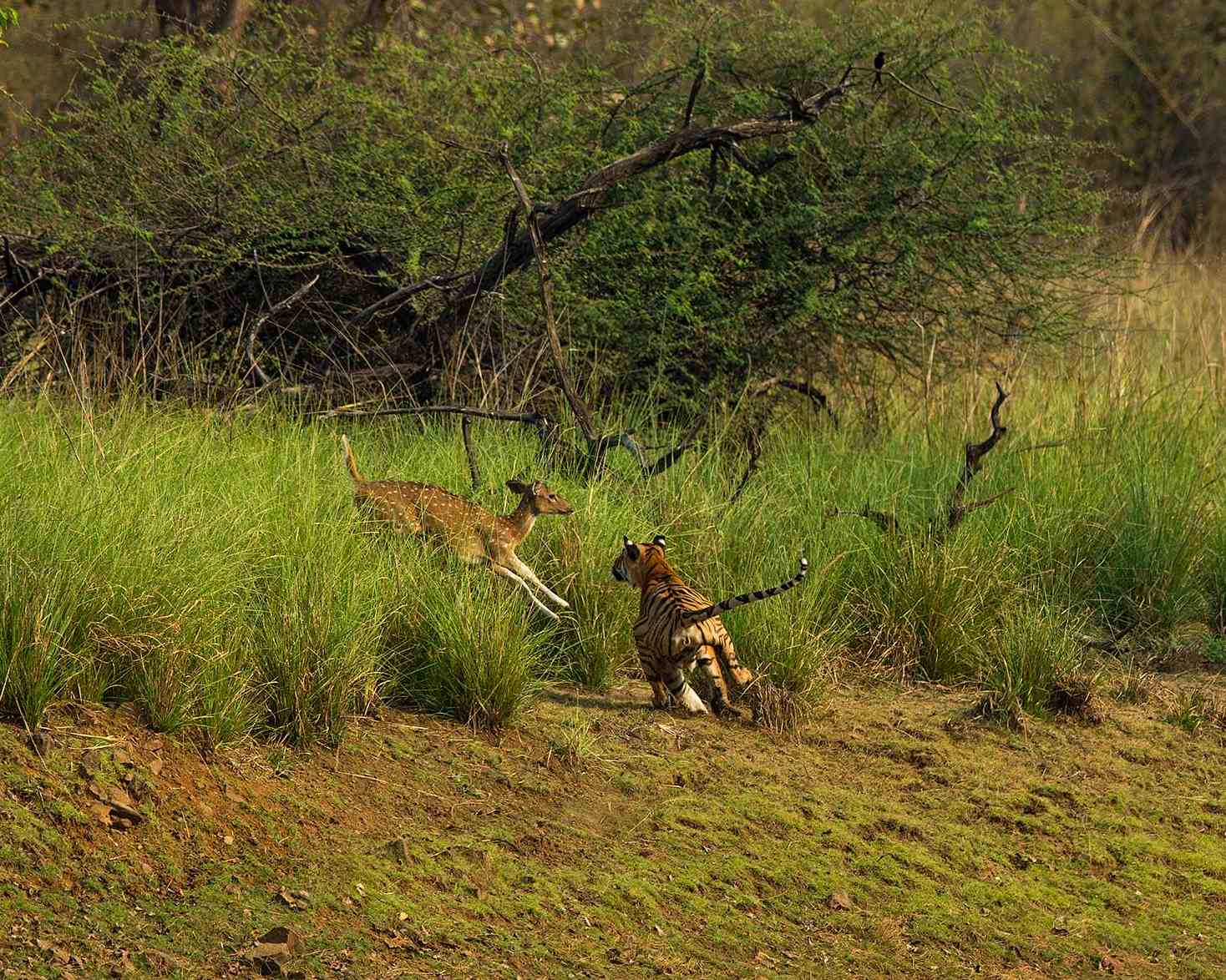
Next to food, the most important requirement for a tiger is territory. A male tiger with a territory encompassing those of several females has more mating opportunities. A female in control of a ‘home range’ with abundant prey has the best chance of raising more cubs.

With so much at stake, tigers are fiercely possessive of their turf, and scent-mark and defend their territories from rivals.

There is increased pressure on the Tiger territories from the development front. Environmental and forest clearances have been delinked to allow work on linear projects, such as highways, on non-forest land without waiting for approvals for the stretches that require forest land.

India has ONLY 4.9% of total geographic area established as protected area (PAs). If we are not able to increase this, we need to see how we can at least protect that. But look at this news published in hindustantimes:

In a boost to the real estate sector, the environment ministry may soon allow state governments to take a call on setting up new townships, information technology and developmental parks near tiger reserves, national parks, eco-sensitive zones and critically polluted areas.

The ministry has already issued draft rules proposing delegation of its power to decide on construction projects within 10 kms of wildlife areas and critically polluted areas to the state governments.

Till now, the Centre used to examine such projects to consider their impact on wildlife before giving a go-ahead. But now, the ministry has proposed the “general condition” for construction projects including information technology parks, hotels and offices will “not” apply. Continue reading
Giraffes Deserve Science As Much We Need Good Science Writers

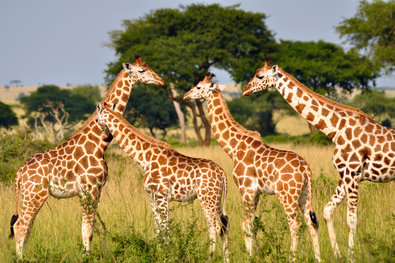
Julian Fennessy. Giraffes are the “forgotten megafauna,” said the  executive director of the Giraffe Conservation Foundation.

Julian Fennessy. Giraffes are the “forgotten megafauna,” said the executive director of the Giraffe Conservation Foundation.

We have been highlighting science writers since our outset as a blog, following a longstanding respect from our contributors for their particular talent, which has made us richer by reaching fruit that is sometimes too high on a tree to reach and bringing it where we can reach it.

From the current New York Times weekly section highlighting and explaining scientific matters of interest to us with one of the greatest writers in the genre, we now turn our attention to giraffes for the first time in our several years sharing (and as pointed out in the article we can only wonder why we have not paid more attention to such a creature prior to now):

SCIENCE TIMES: OCT. 7, 2014

Our Understanding of Giraffes Does Not Measure Up

By NATALIE ANGIER

Giraffes may be popular — a staple of zoos, corporate logos and the plush toy industry — but until recently almost nobody studied giraffes in the field so there is much we don’t know about them.

World Wildlife Week: Spotted and Sambar Deer

tiger hunt

As a part of celebrating World Wildlife Week I will be sharing information about the importance of saving our Natural Heritage, hopefully trying to create awareness among the growing population of nature lovers and wildlife photographers. My first post makes the correlation between a healthy tiger habitat with our own well-being.

Now let me talk about the importance of deer in our forests.

One of the primary reasons why large areas of forest in India no longer have tigers is because local people have hunted and eaten away most of the prey animals. While the direct poaching of tigers is contributing to their rapid decline now, it is the steady erosion of the tiger’s prey base that has resulted in low numbers of tigers to start with.

An adult tiger needs about 3000 kg of food a year. This translates roughly into one deer-sized animal every week.

Continue reading

World Wildlife Week: Why Save the Tiger?

tiger by Sudhir Shivaram

As a part of celebrating World Wildlife Week I will be sharing information about the importance of saving our Natural History, hopefully trying to create awareness among the growing nature lovers. Lets start with why we need to save the Tiger.

The tiger is at the top of the food chain. Therefore, the healthy presence of tigers indicates healthy forests. The presence of tigers in a forest has dual benefits, firstly, it keeps the ungulate (hoofed animals like deer and wild boar) population in check and also keeps humans at bay as most people are scared of venturing into a tiger or lion forest. This mostly applies to poor villagers and not poachers and hunting tribes. If there is no apex predator, herbivores wreak havoc and humans enter the forest for farming, logging, and poaching of smaller animals with less fear. The existence of tigers is vital for the survival of forests. But why do we need forests? Think of the forest as a gigantic sponge. A sponge absorbs water and stores it until and unless you squeeze it out.

Continue reading

Reversing Extinction Risk

extinctiontimes

Thanks to Conservation for this note on the relationship between the proper identification of a species’ extinction risk and the amount of time practically required to do something about it:

Congratulations, you’ve made the IUCN Red List of Threatened Species! Now what? Is that enough to promise your salvation? Or will the increasing press of climate change on your vulnerable/endangered/critically endangered back spell your doom anyway?

A new study aimed to answer this question, of just how long placement on the Red List gives conservationists to try and save a species on its way to oblivion thanks to climate change. Continue reading

Pollinators And Diet

680px-Plumpollen0060

From the current issue of Conservation onlinea review of the latest science on one of our favorite topics:

SHOULD POLLINATOR RESEARCH FOCUS ON REGIONS WITH MALNUTRITION? September 19, 2014

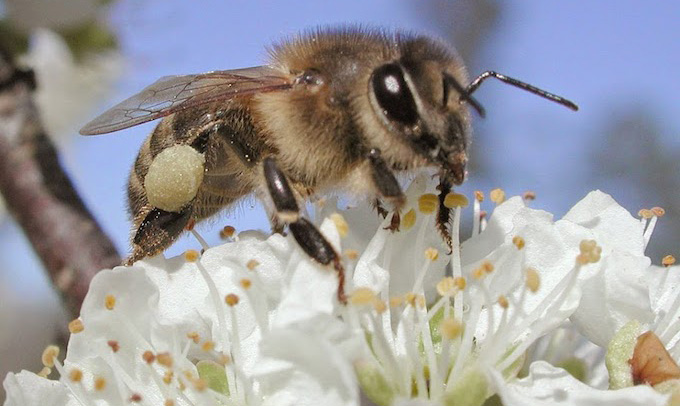
Pollinators + plants = food. Right? The domesticated honeybee, along with a handful of wild bee species, is in decline. But 75 percent of the 115 major crop species grown around the world rely on pollinators to give us that food. This equation is woefully out of balance.

Pollinator-dependent crops make up only a fraction of total agricultural revenues, but that’s because the nine priciest crops, which together comprise half of global agriculture as measured by revenue, can become pollinated by wind, or can pollinate themselves. But the economic value of agriculture is only one way to understand the value of different crops. Another is the value of the different crops to human health and nutrition. Continue reading

Birds Are Barometers, Among Other Things

12348-v1-490x

A recent study projects that the summer range of the Allen’s hummingbird will shrink by 90 percent by 2080. Photo by Loi Nguyen/Audubon Photography Awards

One more story related to the centenary mentioned here, this time with a podcast interview with  to accompany our previous post linking to his editorial in the New York Times:

It’s been 100 years since the last passenger pigeon died. Would we have been able to save the bird today? What is the state of bird conservation in North America? Gary Langham of the National Audubon Society and Ken Rosenberg from the Cornell Lab of Ornithology discuss which species are under threat and how climate change might affect birds in the future.

Marine Reserves And Their Discontents

mpafisheries

Thanks to Conservation magazine for this:

MARINE RESERVES BENEFIT ONLY BADLY MANAGED FISHERIES  September 9, 2014

When you’re close to hitting bottom, there’s a whole lot more room for success. This appears true with regard to a long-held belief about the benefits of marine reserves, protected areas where fishing of many species is illegal: the commonly cited idea that the reserves provide spillover benefit to neighboring fisheries may only be true when that fishery is poorly managed. Continue reading

Golden Swallows, Jamaica Expedition

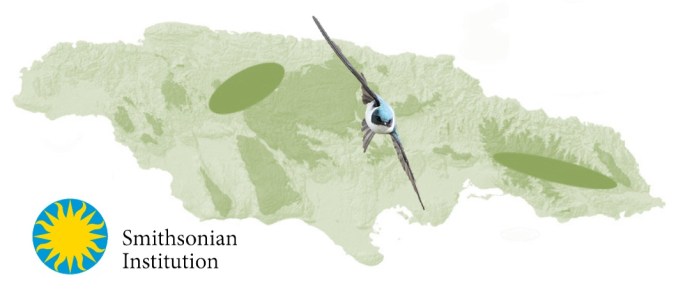
Article BannerIt was in 1844 that English naturalist Philip Henry Gosse arrived in Jamaica for his first time. Gosse would ultimately spend 18 months on the island, where he became fascinated in studying the local birdlife he found there. After returning back to London, he went on to publish a book entitled, “The Birds of Jamaica,” in which can be found the first formal descriptions of many birds still cruising about the Caribbean landscape today. The encounters he had with one bird in particular inspired Gosse to write the following:

This exceedingly lovely little Swallow, whose plumage reflects the radiance of the Hummingbirds, is found, as I am informed by Mr. Hill, in the higher mountains formed by the limestone range of the very centre of the island, as in Manchester, and St. Ann’s. It is not until we ascend this central chain, that we meet with this sweet bird, occasionally in the more open dells, but principally confined to the singular little glens called cockpits.

In this passage Gosse speaks of the Golden Swallow, a small passerine that has only been historically known from two islands, Hispaniola and Jamaica.  And while populations of this species continue to persist in several mountain ranges of Haiti and the Dominican Republic, the beautiful bird that Gosse describes in his Jamaican travels has not been seen on that island for more than 25 years.

Continue reading

Bring On The Pawpaw!

Pawpaw


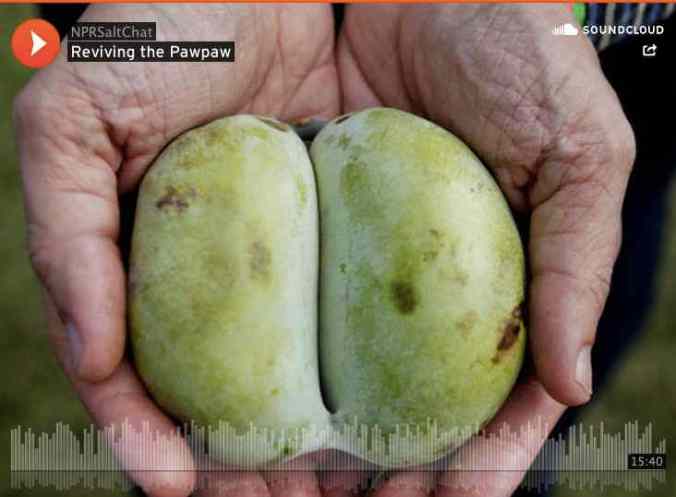
We are always interested in innovative methods for resuscitating the value of heritage, whatever form it may take, the fruity included so listen to this short podcast about the nearly lost pawpaw (thanks to National Public Radio, USA):

food for thought

A Coming-Out Party For The Humble Pawpaw, Native Fruit Darling

September 05, 2014 3:59 PM ET

If you’ve never tasted a pawpaw, now is the moment.

Continue reading

Throwback Thursday: Community, Collaboration & Conservation Exemplified

When Horace Greely (well, actually John B. L. Soule) said “Go West, young man, and grow up with the country!” he was speaking from the perspective of limitless possibilities. The Lewis and Clark Expedition had helped map out the west and many young men, and later women, answered the call.

With wilderness in peril, that same entrepreneurial spirit has opened up a new world of empowerment and possibilities for later generations.  The California Conservation Corps and Southwest Conservation Corps have teamed with the non-profit Veterans Green Jobs in a win-win program to support both the country’s military veterans and the country’s national parks. Continue reading

Conservation, Passenger Pigeons, History Of Extinction

Gérard DuBois

Gérard DuBois

My favorite doomsday journalist (and I mean that as the highest compliment) posted over the weekend an unamusing memo to remind us that this is an important centenary anniversary. It ups the ante on our commitment to the community of birdwatchers, casual and serious alike, who support important conservation of wildlife habitat all over the world.

It is not amusing to be reminded about various tragic commons, especially ones for which collective action would seem to have been achievable. We link to these stories in the hope that doomsday outcomes will become less likely if we remind ourselves often enough.

Yesterday the ever-better New York Times, newspaper of record that pays more and better attention to environmental issues than most other publications, saw fit to print this piece by the Executive Director of the Cornell Lab of Ornithology, for which we give our thanks and share with you in whole due to its value as a public service:

ITHACA, N.Y. — THE passenger pigeon is among the most famous of American birds, but not because of its beauty, or its 60-mile-an-hour flight speed. Nor is it a cherished symbol of our great country. No, we remember the passenger pigeon because of the largest-scale human-caused extinction in history.

Continue reading

The Marari Fruit Diaries

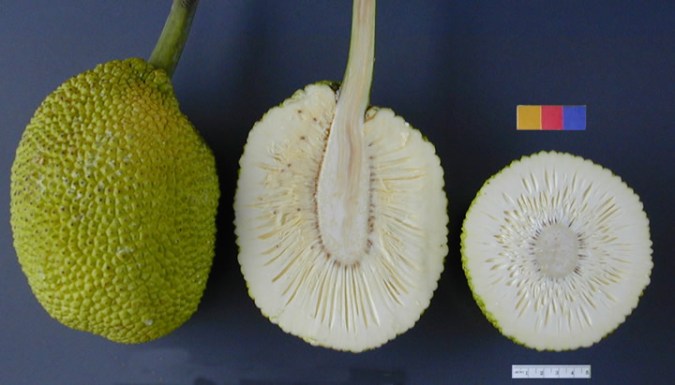
This is a picture of breadfruit, which actually tastes like freshly baked bread

This is a picture of breadfruit, which actually tastes like freshly baked bread

I’ve been writing about the exciting biodiverse varieties of plants at the new property, Marari Pearl. I want to point out though that even before we started, the land has hundreds of coconut trees on it, as well as dozens of mango and cashew trees, which is exciting in its own right.

One thing about the coconut trees that makes them a win-win, is that it helps provide local jobs. There is a certain group of people whose legal right it is in Kerala to do the job of tending to coconut trees. Before Marari Pearl was there, no one was hiring them to take care of the trees. Now that we are utilizing them to provide coconuts for our properties, they get jobs and we get fresh coconuts.

We are adding a cornucopia of other fruits, both local and exotic. I mentioned that we have pomelos, rambutans, tamarinds, several types of jackfruit,  lovi-lovis, mangos, and oranges as well as the infamous miracle fruit. There is also the hong kong guava, burmese grape bud, pomegranate, sapota, malayalam champa fruit, abiu fruit, jaboticaba fruit, langsat tree, and several varieties of avocados or ‘butter fruit’ as its called here. There are breadfruit trees as well as peanut butter trees. There is karonda fruit, nelli puli fruit, mangosteen, and mooty fruit. There are five pages of names, some I know, some I don’t, and some I can’t understand because it’s a handwritten list. Continue reading

A Biodiversity Triumph at Marari

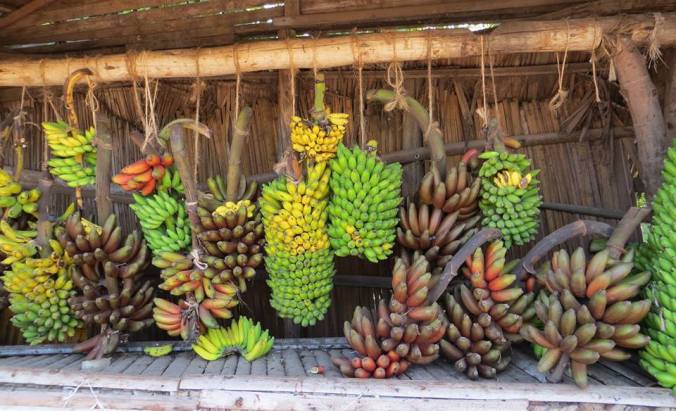
As I mentioned in my last post, the new property, Marari Pearl, could easily be called the Beach Banana Genome Project because it has 30 varieties of bananas being grown on it. When Amie and I saw the list of everything being grown on the property, our joy was akin to kids on christmas.

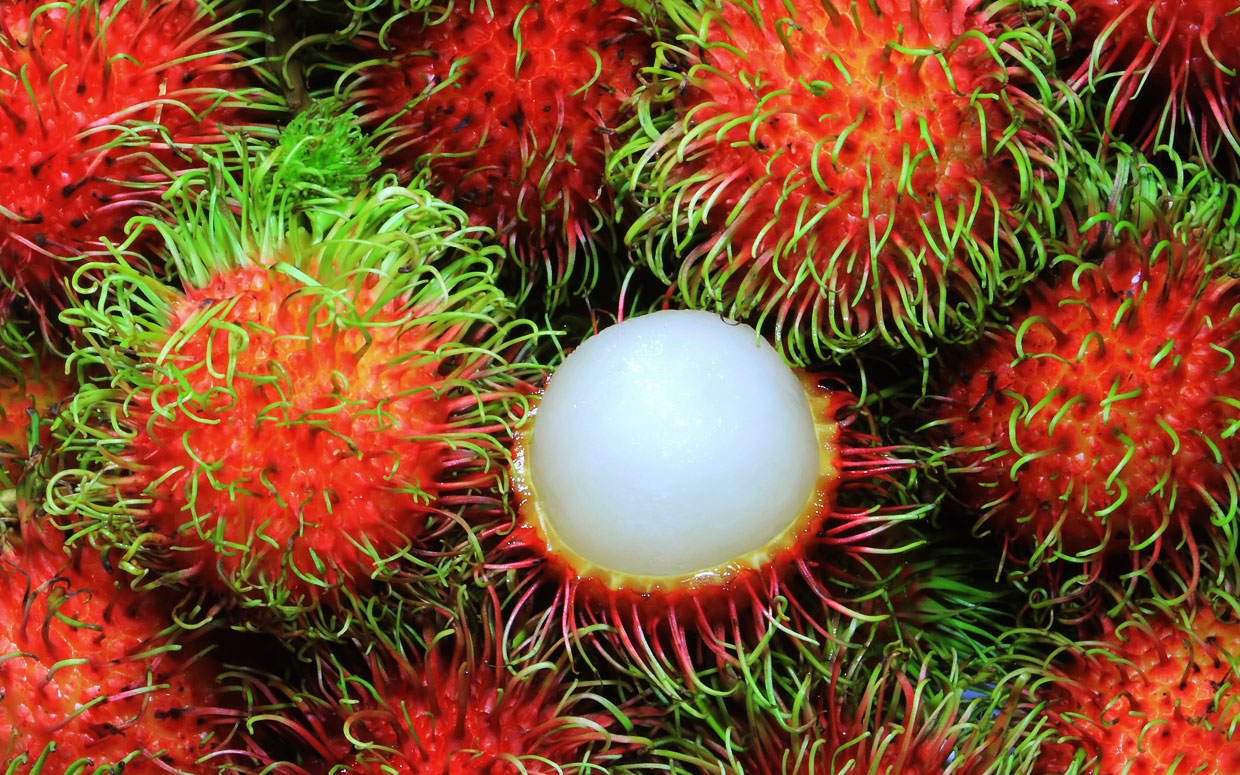
Have you ever seen a rambutan?

Have you ever seen a rambutan?

Since I’ve been reading The Fruit Hunters by Adam Leith Gollner, I’ve realized the role variety awareness plays in conserving biodiversity. Simply not knowing about all the varieties allows agribusiness to monopolize the market with one or two varieties that best suit global trade. For example, when people only saw red and yellow apples in the supermarket, they did not know what they were missing out on, so they weren’t as picky. Once Fujis and Galas became known, customers began to demand more. Knowledge of varieties is seen as a threat to supermarket because customers focused on varieties become less easy to please with subpar, out-of-season fruits.

So with that being said, simple awareness of varieties is a method of raising the bar. It helps promote biodiversity because people are less willing to accept generic and standardized fruit.

On the Marari Pearl property, there are pomelos, rambutans, and tamarinds. There are several types of jackfruit,  lovi-lovis, mangos, and oranges. I was particularly excited to see the miracle fruit on the list. Continue reading

Ocean Conservation, Of Vital Interest Among Islanders Everywhere, Gets Its Due From The Relatively Tiny Barbuda

A map of protected marine zones that are being established around the Caribbean island of Barbuda. Credit Waitt Institute

A map of protected marine zones that are being established around the Caribbean island of Barbuda. Credit Waitt Institute

We had not expected to see Dot Earth again, but all of a sudden, thanks again for the surprise Mr. Revkin:

A Small Island Takes a Big Step on Ocean Conservation

Marine life in the Caribbean has been badly hurt in recent decades by everything from an introduced pathogen that killed off reef-grooming sea urchins to more familiar insults like overfishing and impacts of tourism and coastal development.

Some small island states are now trying to restore once-rich ecosystems while sustaining their economies. A case in point is Barbuda, population 1,600 or so, where the governing council on Aug. 12 passed a suite of regulations restricting activities on a third of the island’s waters. The regulations and reef “zoning,” in essence, came about after months of discussions involving fishing communities, marine biologists and other interested parties, facilitated by the Waitt Institute, a nonprofit conservation organization. Continue reading

Beach Banana Genome Project

The next Xandari property that La Paz Group is developing is at Marari beach, and in my mind it could easily be called the “Beach Banana Genome Project” due to the 30 varieties of bananas being planted on site.

banana wonders

There are actually over 1000 varieties of bananas in the world, which is pretty crazy to think about since the main variety in global commerce is the Cavendish. There are red bananas, dwarf bananas, sugared-fig bananas, pregnant bananas, ice cream bananas, Popoulou bananas, the golden aromatic bananas, Macaboos, Thousand-Fingered bananas, and the list goes on. Out of the 1000+ types of bananas, grocery stores in the United States only offer one main type? Why?

That’s because our grocery stores are in a permanent global summertime, as Adam Gollner puts it in his book “The Fruit Hunters”. Because our fruits aren’t sourced locally in the United States, they must be able to endure the rigorous journey of international trade. If I hadn’t traveled to India for the summer, I would’ve probably never been offered the range of varieties I’ve gotten to taste here.

Most people in the United States won’t get exposed to a diverse range of options and therefore do not demand them. Big banana agribusiness makes is buck with monoculture. They can reliably deliver the same subpar banana. 

It’s not as reliable though in the long run because monoculture invites disease. Thats why before the Cavendish banana was the world’s top banana, there was the Gros Michel banana. It was struck by a fungus called the Panama Disease, and now a mutation of that disease is threatening the Cavendish. Biodiversity acts as a natural buffer to disease but biodiversity isn’t conducive to agrarian capitalism. Continue reading

Lost At Sea

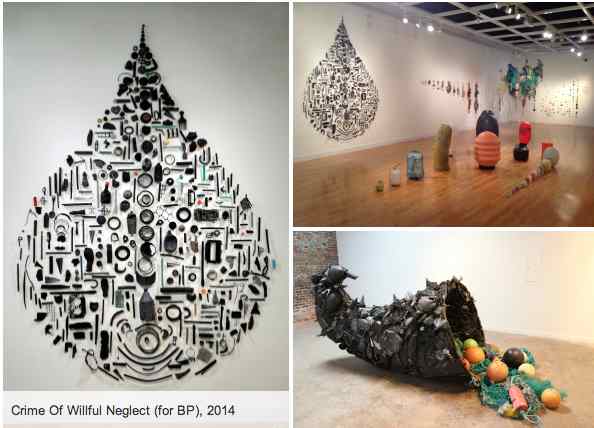
From the Drifters Project by Pam Longobardi

From the Drifters Project by Pam Longobardi

The world’s oceans effect all life on earth and it’s no longer news that even the most pristine places on earth are impacted by our “toxic legacy,” as artist Pam Longobardi puts it. The project statement for her Drifters project is really worth reading. Here is an excerpt I found particularly poignant:

Plastic objects are the cultural archeology of our time.  These objects I see as a portrait of global late-capitalist consumer society, mirroring our desires, wishes, hubris and ingenuity.  These are objects with unintended consequences that become transformed as they leave the quotidian world and collide with nature to be transformed, transported and regurgitated out of the shifting oceans.  The ocean is communicating with us through the materials of our own making.  The plastic elements initially seem attractive and innocuous, like toys, some with an eerie familiarity and some totally alien.  At first, the plastic seems innocent and fun, but it is not.  It is dangerous.   We are remaking the world in plastic, in our own image, this toxic legacy, this surrogate, this imposter.

By doing this Drifters project, she has removed thousands of pounds of material that would be considered trash and then presenting it within a cultural context. Amie wrote a previous post about artists using ocean trash as materials for art. They too found themselves telling the story of global consumerism using plastic.   Continue reading

Breakthroughs In Nutrition Via Entrepreneurial Conservation

Exo's peanut butter-and-jelly bar contains about 40 ground-up crickets and has a familiar nutty, sweet flavor. Meredith Rizzo/NPR

Exo’s peanut butter-and-jelly bar contains about 40 ground-up crickets and has a familiar nutty, sweet flavor. Meredith Rizzo/NPR

Thanks to National Public Radio (USA)’s food-focused program, The Salt, for another story on unexpected breakthroughs in nutrition:

…”Insects are probably the most sustainable form of protein we have on Earth,” Bitty Foods founder Megan Miller, who spoke passionately about eating bugs at a TEDx Manhattan event earlier this year, tells The Salt. “The only real barrier to Americans eating insects is a cultural taboo.” Continue reading

Seed Vault, Conservation For The Long Run

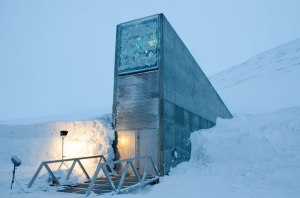
Travels to the seed vault on top of the world

Travels to the seed vault on top of the world

In advance of a story of our own, albeit set in the tropics at our upcoming beach resort, on this same topic, we thank Conservation for the story  they offered in an earlier issue of their magazine about this seed vault way way north:

…One day in Svalbard lasts four months, and the sun never sets; one night lasts four months, and the sun never rises. The other four months consist mainly of either long days with short nights or long nights with short days. Here the equinoxes—the two days annually with 12 hours each of daylight and darkness—really mean something. But what does “a day” mean here, and how many are there in a year? Continue reading

Tea and Conversation

Credit: Ea Marzarte

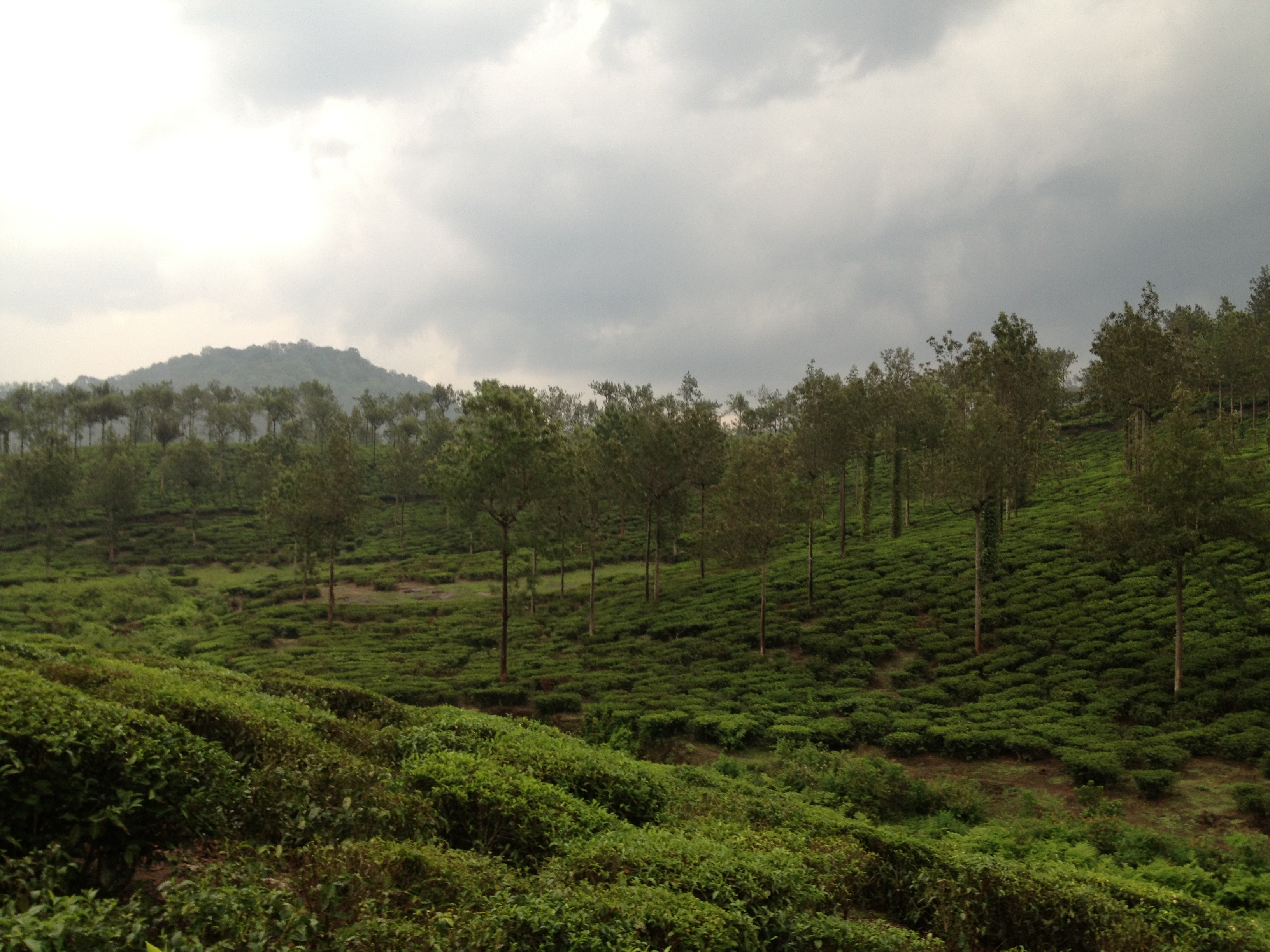
As I wrote about in my last post, my current project is documenting the conservation story of RAXA Collective. Yesterday we were driving up to the Cardamom County property in Thekkady from Spice Harbor in Cochin. I’m used to the busy main “highway” but this time we took a different route. It was through Vagamon, which is this lush, green landscape with waterfalls and not many cars on the road. We drove through tea plantations. Driving through the tea plantations with all the greenery and fog kind of enchanted me into this quiet, contemplative space.

In order to document the conservation story, I have been asking Crist questions whenever we have time to sit down about the business model of projects they’ve worked on. While driving through the tea, we had plenty of time for this conversation.

The landscape and the conservation seemed to pull me within, pointing out the shape and feeling of an idea. I don’t know what it will end up being, but I can feel the progress and formation of something. This shape seems to be magnetizing key words and planting them like seeds. I am inspired by the idea of creating a business model that funds environmental and cultural conservation.  Continue reading