Drink the Wild Air

“Live in the sunshine, swim the sea, drink the wild air.” Alejandra Benavides/conCIENCIA

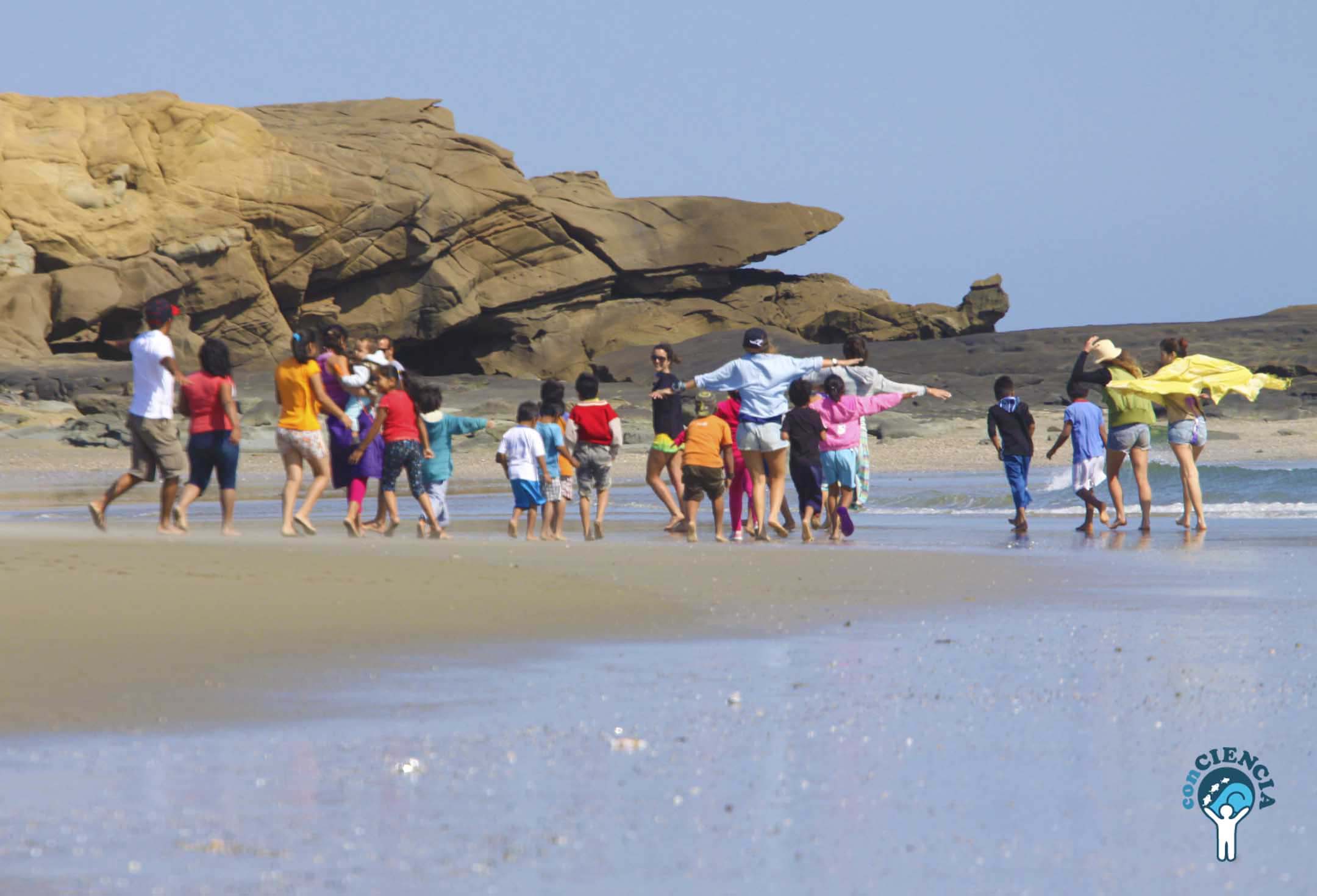
Working for the balance and health of nature as a conservation biologist brought me to understand the importance of nature in the balance and health of communities. The great gap between the two inspired me to establish conCIENCIA, a nature-based education design program. We build environmental identity in fishing villages across Peru through nature-based integrated learning guided by play, creativity, curiosity and the senses.
As First Mermaid in conCIENCIA, I work with an amazing group of artists and scientist, to connect coastal children to the natural wonderland, since 2010.

Lobitos has some of the most beautiful beaches on the Peruvian coast. Its world-class surfing draws hundreds of surfers from all over the planet and is known far and wide. A lesser-known fact is that it also has 153 children enrolled in its elementary school. Walking down the beach we wonder where these kids are. We walk from point to point with not one in sight. There’s no laughter or splashing on the shores. Surfers and fishermen dominate our view. No mothers and children sharing the democratic fun the beach offers: a place with more attractions than we could ever finish exploring.

In Latin American cities like Rio de Janeiro it is on the beach that rich and poor meet, crossing the giant social chasm that separates them, virtually identical in their bathing suits, covered in sand, sweat and salt. Surprisingly, this doesn’t seem to be the case in many of Peru’s coastal towns. Exactly why is hard to say. Our NGO conCIENCIA helps coastal communities develop an environmental identity and engagement through outdoor science-based learning. We hope to be able to answer the question ‘why’ through surveys, conversation and appreciation.

On the surface one could say it is cultural.  Fishermen don’t bathe in the sea or lounge on the beach. This is their place of work, as for a New Yorker her office would be–of course, with greater hardships and demands. The sea is treacherous and fish stock is dwindling. Continue reading
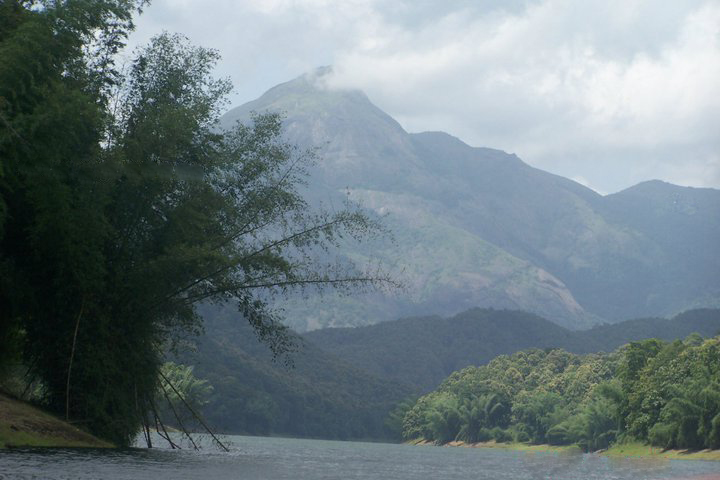
Parambikulam Wildlife Sanctuary

Photo credits; Renjith K Thomas

Photo credits: Renjith K Thomas

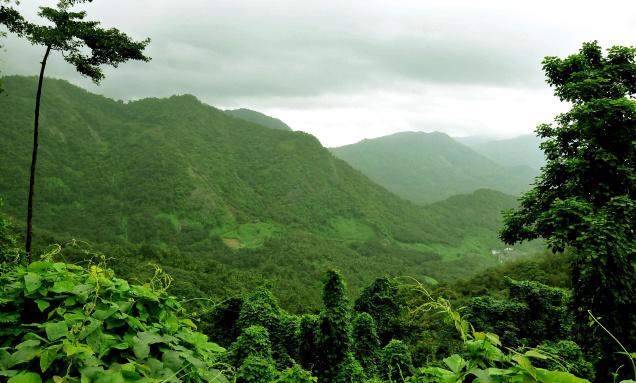
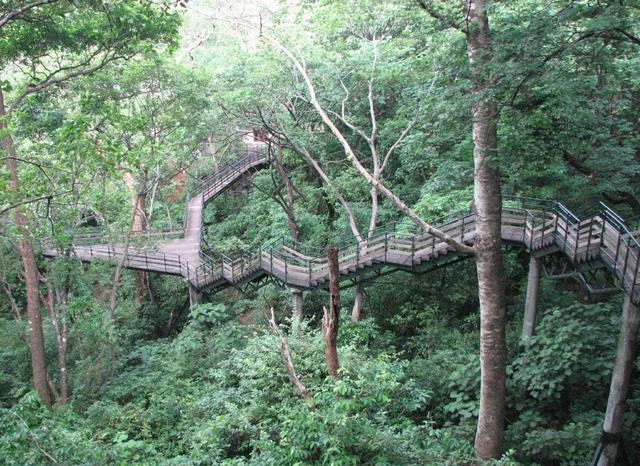
Parambikulam Wildlife Sanctuary lies in the Western Ghats nestled between the Anamalai Ranges of Tamil Nadu and the Nelliyampathi Ranges of Kerala. Spread across 277 sq km, the sanctuary is a heaven of tranquil greenery as well as the first scientifically managed teak plantation. Blessed with rich flora and fauna, Parambikkulam is a paradise for wildlife enthusiasts. Continue reading

Dealing with Invasive Species One Holiday Table at a Time

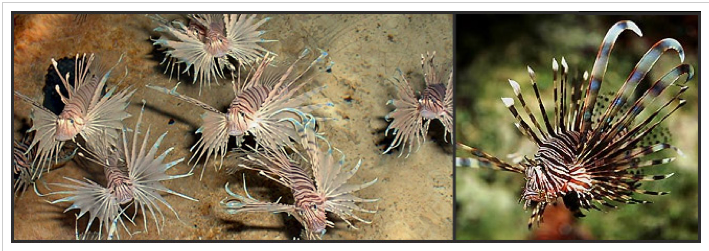
Lionfish (also known as turkeyfish) have venomous spines that can be very painful Photo: NOAA

When I was growing up a common Thanksgiving holiday decoration included a colored paper turkey formed by a tracing of my hand, the fingers forming turkey feathers. While that memory might seem out of left field it makes more sense when you start looking at photos of turkeys parading around a barnyard alongside the many lion fish photos we’ve been publishing in our Citizen Science in Belize series.

This NOAA article about lion fish, or turkey fish as they’re imaginatively calling it, is a perfect “if you can’t beat’em, eat ’em” extension. Continue reading

Western Ghats Ecosystem Must Be Protected, But Humans Will Be Humans

The Hindu

Local farmers in the Western Ghats, like their counterparts everywhere, generally want to be unencumbered to do what farmers do. Any given morning we wake up feeling complete solidarity with farmers. Full stop. We wake up every day looking for opportunities to support conservation where we live and work. Full stop. Currently, one such region where we work, known as the Western Ghats in southern India, is wrestling with the challenge of letting farmers be farmers while also allowing the ecosystem–one of those rare places worthy of being called a biodiversity hotspot–to continue to be the ecosystem.  Sometimes, farmers and ecosystems do not get along well. We thank the Hindu for its coverage of this issue, which is much more complicated than one article can convey:

…The sites, spread over 34 countries, “harbour the majority of the populations of more than 600 birds, amphibians, and mammals, half of which are globally threatened. Many of these irreplaceable areas are already designated as places of ‘Outstanding Universal Value’ under the UNESCO World Heritage Convention,” the report said. Continue reading

Cats In The Ghats

Whether wild or domesticated, cats are unique in their ability to compel. If you are a cat person, you know that to be true. If you are not a cat person, you probably also know it to be true. Here in the Western Ghats region of south India, we take cats to be among our most important beneficiaries of whatever tangible outcomes we can generate through our entrepreneurial conservation initiatives. Mainly we are focused on initiatives with the Periyar Tiger Reserve, but on the lookout constantly for more opportunities. Earlier this year we started tracking Panthera because of these interests. Their website (click the logo to the left), and the mission as stated here, are worth revisiting from time to time:

Panthera’s mission is to ensure the future of wild cats through scientific leadership and global conservation action. Continue reading

Waste Not, Want Less

The Atlantic‘s Senior Editor, James Hamblin, MD, has advice we are compelled to share:

What do you think an apple core is? What’s the thing we throw away?

It is a ghost. If you eat your apples whole, you are a hero to this ghost. If you do not, you are barely alive. Come experience vitality.

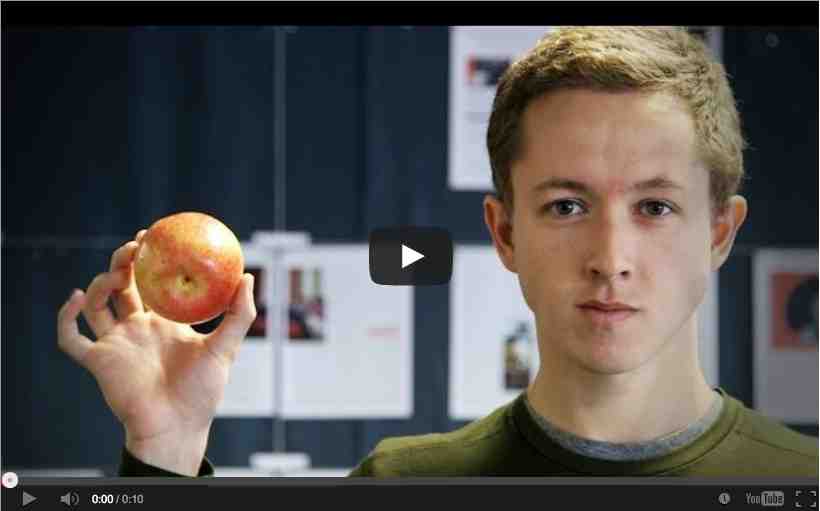
Earlier this year, in “How to Eat Apples Like a Boss,” a video by Foodbeast, the Internet was promised the gift of confidence in apple-eating. Elie Ayrouth ate an apple starting at the bottom, proceeding to up to the top, and finishing with a wink to the camera, as bosses do. Eating as such, Foodbeast said, the core “disappears.”

Continue reading

Igor Siwanowicz Photography

Igor 1

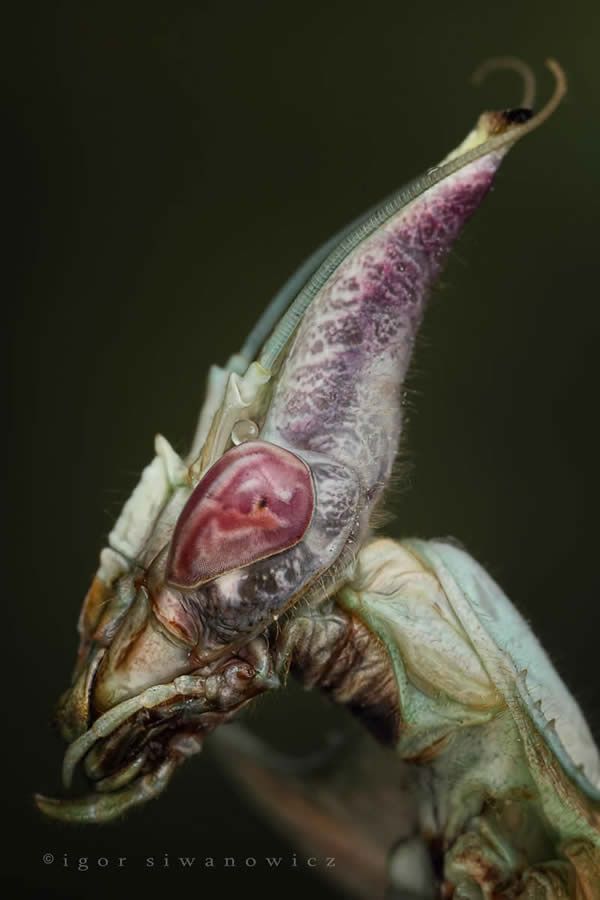
Prepare to have your mind completely blown by award-winning insect photographer Igor Siwanowicz.  No artist captures the details like Igor Siwanowicz does with his distinct form of microscopic photography.  Every little bump and crack is accentuated, and every color shines brighter in Siwanowicz’s pictures — Fittingly, this style seems catered to capturing the strange exotic insects that inhabit the world.  Siwanowicz is not limited to just insects though, his portfolio is complimented by equally as impressive stills of reptiles, mammals, and even people.  One should especially note how often symmetry comes to play in the photographs.

Continue reading

Wildlife Reigns at Cardamom County

Image

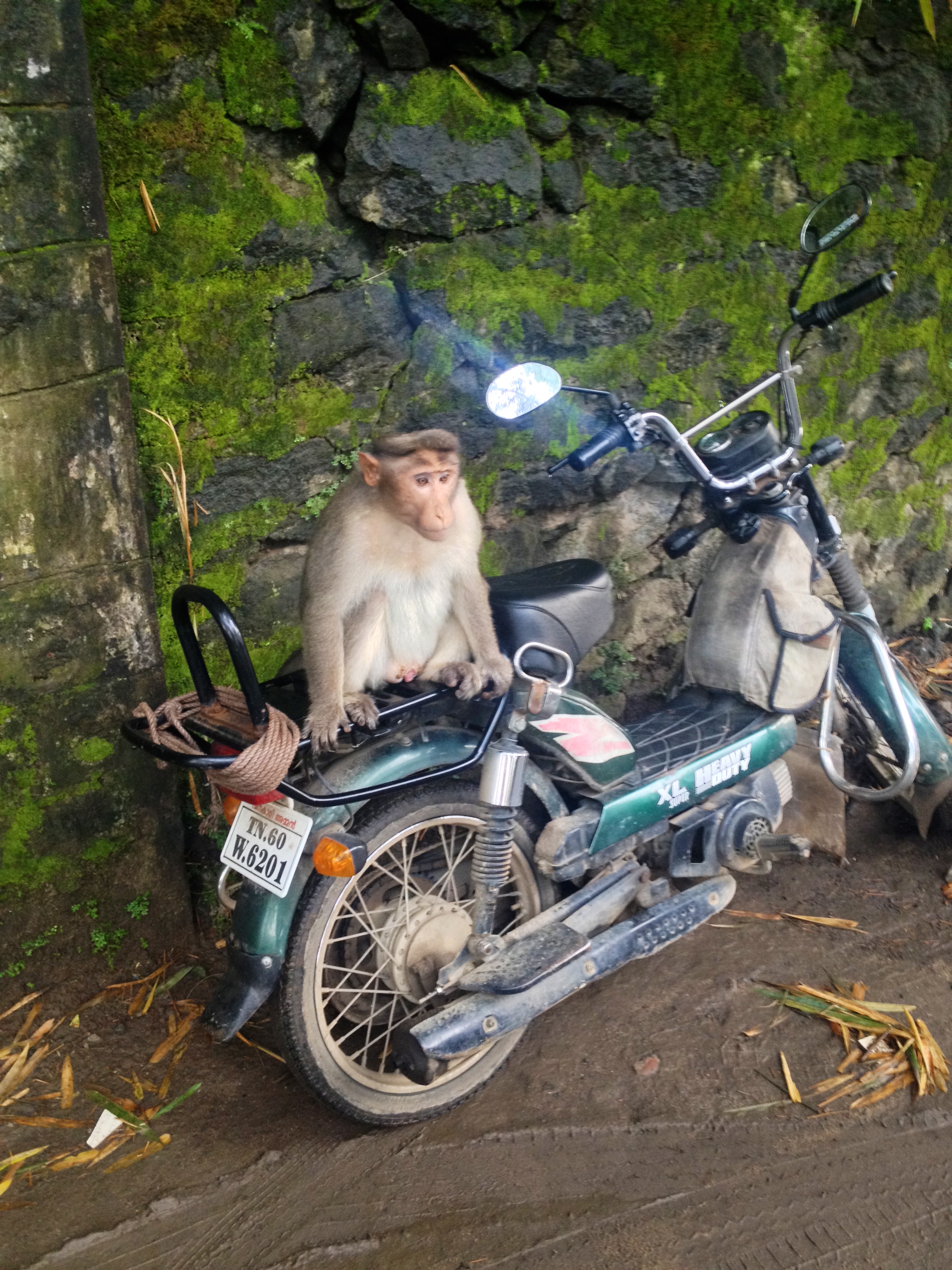
Even Macaques get lost in deep thought

It is no secret that the Periyar Tiger Reserve hosts a magnificently large collection of wildlife, that is what attracts tourists around the world — take a hike within the boundaries of the massive sanctuary and you are likely to see some amazing creatures. However, we cannot forget that the boundaries of the reserve are merely human constructs, designed by our minds to protect and preserve the organisms within. Animals abide by no such regulations, boundaries for them are constrained only by the habitats in which they may successfully occupy, thus, spillover is likely.

Continue reading

Lazing Across The Wilderness

Bamboo Rafting

Bamboo Rafting

In recent posts we’ve been sharing what guests spot during their excursion on the bamboo rafts. We were delighted that Ms. Helen Worsley was willing to share her experience through these beautiful photographs.

Bamboo rafting is either a half-day or full day program that starts in the early hours of morning. Forest guides in the reserve take guests on a 2-hour hike to where the rafts have been docked. The group consists of a maximum of 10 people excluding the guides who explain about the rich flora and fauna they spot on their hike. The hike itself is breathtaking for its wild beauty and by the time guests reach the raft they’re usually looking forward to what is to come. Continue reading

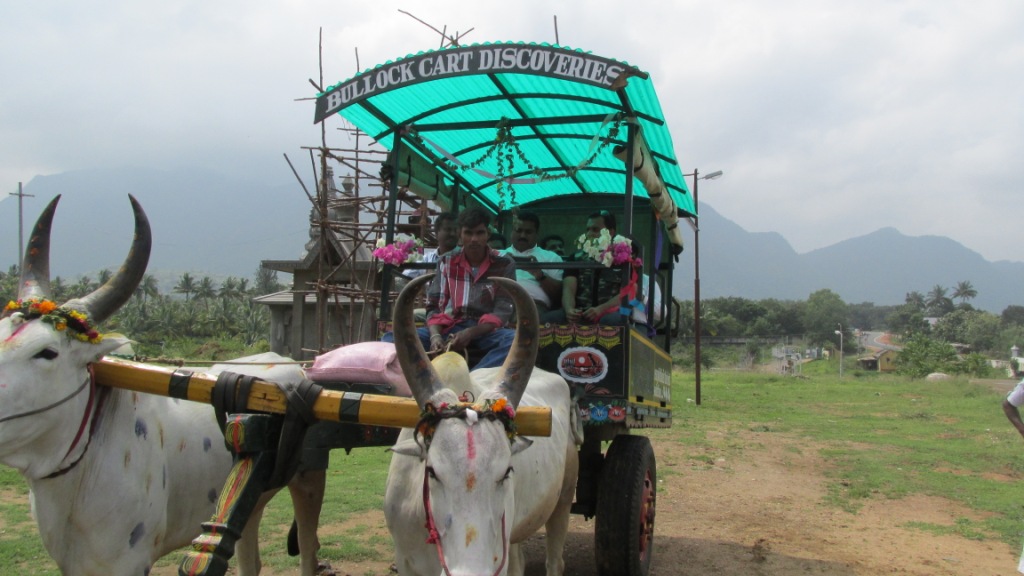
Bullock Cart Re-Discoveries

Bullock Cart Discoveries

Bullock Cart Discoveries

In the villages of India bullock cart rides are still very common modes of transportation, not only fun but also eco-friendly. Today the Raxa Collective Cardamom County team took part in the Thekkady TDPC (Tourism Destination Promotion Council) sponsored bullock cart within the local community to provide guests with a zero carbon experience that will also provide a source of income for the locals who cannot afford vehicles to exploit this large tourism market in the state. Continue reading

Wild Periyar – Boating

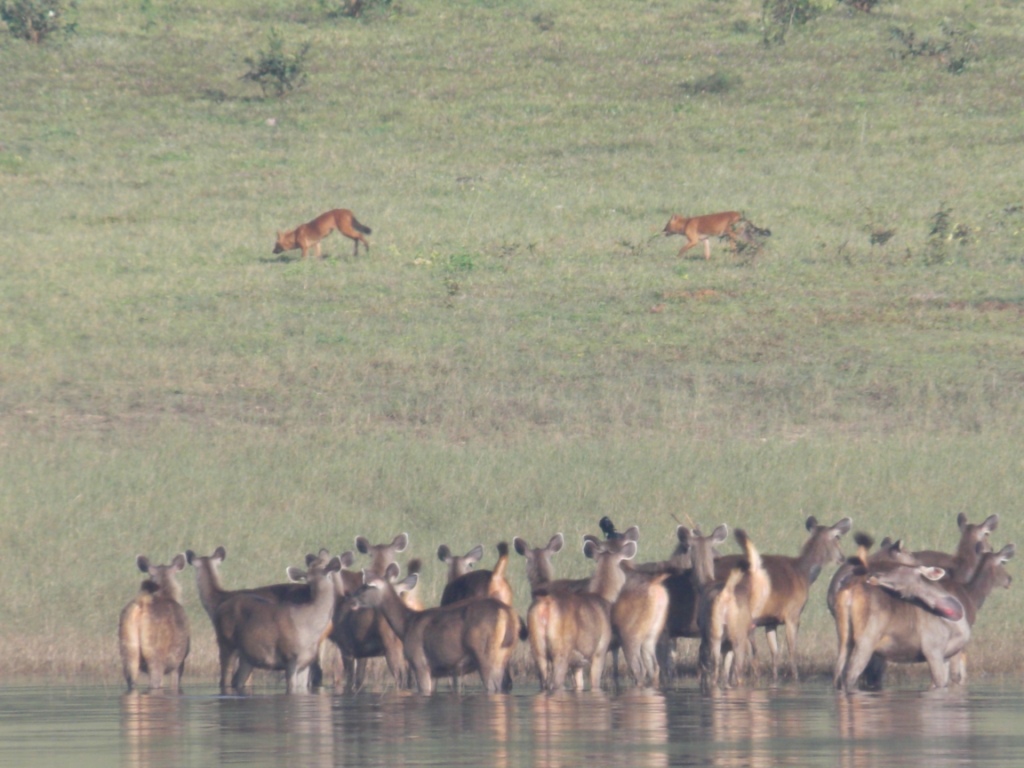
Sambar Deer

Sambar Deer

Where better to spot wildlife than on the lake looking to quench their thirst, cool down or save themselves from wild dogs? Here we share the documentation of the Bowden family’s experience visiting the Periyar Tiger Reserve on a boat cruise.  The Periyar reservoir expands over 26 square kilometers and is the main resource of water for not only the animals in the reserve but also the state of Tamil Nadu, where it provides daily water for livelihood in 3 of its districts. Continue reading

Embracing Surfing

Photo Credit: Surfingindia.net

Oftentimes I find myself daydreaming of the saltwater breeze that accompanies the rolling bass of the heavy waves in the ocean — and I imagine those perfect waves… blue, crisp, clean and glassy, and the hollowest of tubes; peeling along the coastline in an epic demonstration of nature’s power.  This is a common dream for those who understand the absolutely humbling experience of surfing; it is a burning desire and need to envelope one’s self in the soothing serenity of the water.

Continue reading

Uroplatus Geckos

Camouflage perfection in the Uroplatus. Photo Credit: en.wikipedia.org
 The Uroplatus Geckos are a magnificent species of gecko endemic to the island of Madagascar, and also my personal favorite gecko — truly one-of-a-kind, these geckos are also known as flat-leaf geckos. Effective camouflage coupled with their flattened body structure and almost completely flattened tails allow these geckos to literally become one with the trees.

The Black Sea Nettle (Chrysaora achlyos)

Continuing my exhibition of exotic animals, I present a prime example of the bizarre and awe-inspiring ability for the ocean to produce truly alien creatures.  The Black Sea Nettle (Chrysaora achlyos), otherwise known as the Sarlacc or Black Jellyfish is found in the Pacific Ocean. A fairly massive specimen, its bell can reach diameters of 1 meter in length and its tentacles 6 meters. Displaying a vividly contrasting maroon hue against the ocean’s blue/green backdrop, Chrysaora achlyos preys upon zooplankton, and are often found en masse during red tide phenomenons in which zooplankton are responsible. Continue reading

Woody@101

Credit: Michael Ochs Archives/Getty

Last year we were a bit “off calendar” in honoring one of our favorite American Masters, this year less so. The good news is that his music and his relentless work on behalf of less fortunate people and the communities they were part of is so vast that, luckily for us, it will take some time to exhaust the full measure of his recordings.

For decades, we’ve had the Smithsonian recordings (with the help of Alan Lomax and Moe Asch) to thank for preserving both the musical and oral history of the nation. In honor of this less symmetrical birthday Rounder Records has released additional works from the archives, this time focusing on the part of Guthrie’s canon that was written for the American government.

In the Library of Congress recordings, the young musicologist and historian Alan Lomax made recordings of songs and stories in the 1940s of many of the country’s most colorful and important musicians, including Guthrie.

Along with John Steinbeck’s “The Grapes of Wrath,” it is one of the single greatest resources for understanding Depression-era Oklahoma: how the pioneer spirit reacted when confronted with crushing poverty. Continue reading

Reptile of the Day – Thorny Dragon

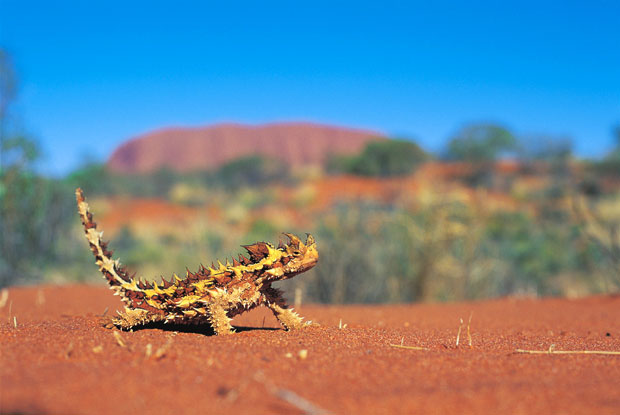
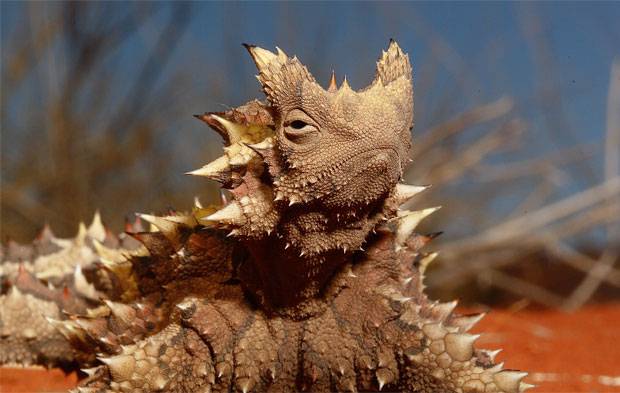
Today’s reptile is the Thorny Dragon, Moloch horridus (Australia) — as its name suggests, this Australian lizard’s body is dominated by intimidating spikes in order to look unappealing and fend off predators.

Occupying scrublands and deserts primarily, the Thorny Dragon’s coloration is perfect for blending in and feasting on ants, its main source of nutrition.

Image


Photo Courtesy: statravel.co.uk


Image

^ The face says it all ^

Photo courtesy: australiangeographic.com.au

Too many birds, not enough Herps!!!

We can’t let the birders have all the fun, so I’m going to start posting my favorite reptiles & amphibians!  (I’m clearly in good company on the subject, however!) These amazing creatures are often unjustly vilified, but if you take a closer look you will realize just how beautiful and unique they are.

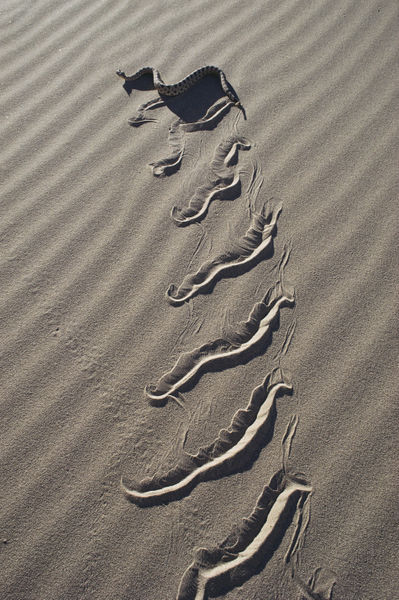
So I will start for now with Crotalus cerastes, the desert sidewinder (SW US/NW Mexico) — This small pit viper is specially adapted to live in the desert, most notably in its locomotive behavior of “sidewinding” which leaves a trademark imprint in sand.  Enjoy!

Image

Image

A 3-Way Intersection As Puzzle: Property Rights, Community Rights, Conservation

We will leave surfing topics to the resident expert, Jake. But this short documentary poses a conundrum that, while we instinctively side with the surfers, challenges us as stewards of property on India’s coast line. We want everyone to have access to the beach, but we want to prevent the kind of “tragedy of the commons” that is evident when no one has clear responsibility and authority for stewardship.

As we prepare to open Pearl Beach in a few months on a pristine section of Kerala’s coast, we have taken an approach that minimizes our footprint on the land while allowing us to do what we do, hosting guests from around the world, giving them an authentic taste of local nature and culture, and channeling the profits to conservation.

Continue reading

Thenmala – Ecotourism

Photo credits : R R Renjith

Photo credits: R R Renjith

Thenmala is India’s first planned ecotourism destination. Located 500 metres above sea level in the foothills of the Kollam district of the Westeren Ghats, Thenmala’s 10 satellite ecotourism attractions create a colourful canvas of diverse flora, fauna and vast tracts of forests. Continue reading

Shark Basks In Glow Of Recovery

Mystery creature: basking sharks are increasingly seen in British waters during the summer, but little is known about where they go in the winter. Photograph: Alex Mustard

Mystery creature: basking sharks are increasingly seen in British waters during the summer, but little is known about where they go in the winter. Photograph: Alex Mustard

Not everyone will be uniformly happy, perhaps, but we count ourselves happier upon seeing this news:

This summer, on the western edges of Britain and Ireland, was a time of gentle monsters: great black fins parading sedately off the beaches, leviathans floating in warm sea as docile as Granddad on a lilo. From Cornwall to Donegal, local papers ran stories of swimmers’ and kayakers’ encounters with sharks “Bigger than Jaws!” “The size of a bus!” But most of the reports went on to say that the fish – which can indeed grow to 11m, a double-decker’s length – were strangely blasé about the panicky, flapping humans. In fact, they didn’t seem interested at all. Continue reading