If You Happen To Be In Sydney

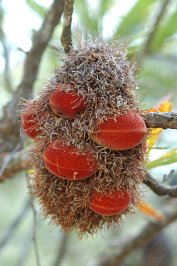
Fruit of Banksia aemula

Fruit of Banksia aemula

Tomorrow, at long last, the latest greatest seed bank in the world is opening:

The Australian PlantBank

The Australian PlantBank is a science and research facility of the Royal Botanic Gardens and Domain Trust and is located at the Australian Botanic Garden, Mount Annan. It houses the Trust’s seedbank and research laboratories that specialise in horticultural research and conservation of Australian native plant species, particularly those from New South Wales.

Visiting PlantBank

The Australian PlantBank opens to the public on Saturday 12 October, 12 noon to 4 pm.

Continue reading

Camera Traps Of 2013 Updating 1872’s “Last” Sighting

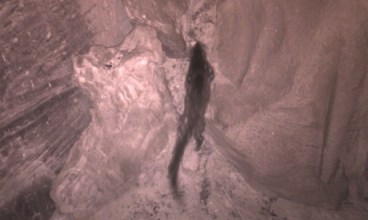
Spotted: the surprise sighting of the tiger quoll in the Grampians national park. Photograph: Parks Victoria

Spotted: the surprise sighting of the tiger quoll in the Grampians national park. Photograph: Parks Victoria

We have recently become fans of modern technology‘s ability to leverage charismatic images for conservation’s purposes with creatures large and small. It is not as simple as the scientific “seeing is believing;” more “seeing is caring.” In this case, if we did not have the title and subtitle of the article, we would have little clue what we were looking at:

Tiger quoll seen in Grampians – in first sighting in wilderness area since 1872

Remote camera set up to spy on wallabies sends back images of endangered marsupial Continue reading

Community, Alive And Well, Downtown NYC


Among the more interesting revelations, during his tenure as Editor of the New Yorker magazine, is that he is a big fan of The Boss.  He has posted on the magazine’s website several times following his profile of Bruce Springsteen in the magazine last year.  We normally shy away from posts about music on this site, for the same reason we shy away from cute kitten videos: you do not need more of that.  But David Remnick’s writing is different.  It is about community as much as it is about music.  And his post today about this event in New York is not only about community, but about keeping heritage alive by infusing it with innovation–that is, entrepreneurial conservation:

When it comes to “Inside Llewyn Davis,” the new Coen brothers movie, I’ll respectfully leave the critical work to my colleagues Anthony Lane and David Denby, except to say that the movie’s appreciation of its great subject—the folk-music scene in Greenwich Village in the period just before Bob Dylan’s arrival—is wry, but full and soulful. Inspired by Dave Van Ronk’s wonderful memoir, “The Mayor of MacDougal Street,” and many other sources, the Coens have their fun about the scene, but their love for the music—the depth and variety of it—could not be more evident. Continue reading

Orangutans Will Appreciate Your Support

The well-known supporters of World Land Trust make a strong case for all of us to to our part during this upcoming campaign:

Big Match Fortnight

Date and Time: 2 – 16 October 2013

Big Match Fortnight is World Land Trust‘s (WLT) major fundraising effort for 2013. During the fortnight all donations to WLT will be matched making them go further.  Continue reading

Resurgence Research

European bison (Bison bonasus) Bialowieza forest, Poland, Poland

European bison (Bison bonasus) Bialowieza forest, Poland, Poland

I am just now downloading the study (link is below), so have not read it in detail yet; but it looks promising:

Wildlife Comeback in Europe study released

The Eurasian beaver, European bison and White-tailed eagle have all been highlighted as species that have made a remarkable comeback in Europe over the past 50 years, according to a first ever in-depth report released today (26 September).

Scientists from the Zoological Society of London (ZSL), BirdLife International and the European Bird Census Council (EBCC) worked with experts from across Europe to gather relevant data about the distribution and abundance of selected species. The resulting report, ‘Wildlife Comeback in Europe’, describes how, why and where 37 mammal and bird species have recovered over the past 50 years, providing important lessons for the conservation of these and other species.

Professor Jonathan Baillie, ZSL’s Director of Conservation says: “It is essential that we both celebrate and learn from major successes in conservation.  This study helps us understand the interventions and conditions necessary for a broad range of species to experience similar recoveries.” Continue reading

Cats And Dogs And The Golden Rule


This slideshow requires JavaScript.

When we posted about a unusual collaboration between cheetahs and shepherd dogs, we started watching for more news on the same.  This website tells a different story about feline-canine common interests, with a clear reminder about the human interest in behaving more empathetically toward our neighbors:

CHEETAH AND AFRICAN WILD DOGS NEED LOTS OF SPACE: Of all the large carnivores of Africa cheetahs and wild dogs need lots of space. Recognition of this led to the RANGE WIDE CONSERVATION PLANNING PROCESS bringing together all sectors of society to develop frameworks under which all stakeholders – government, community and private – can work together to ensure the survival of these iconic species. Use this website to learn more about this innovative approach, the distribution of the two species, who is working to help them and what is being done on the ground. Continue reading

Blackbucks Back

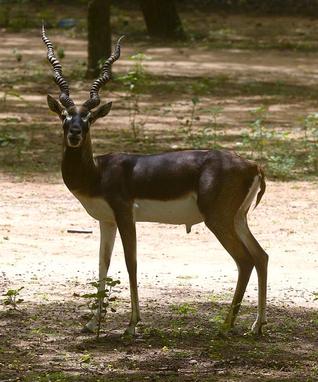
The blackbuck was made the flagship species on the IIT-M campus. Photo: K.V. Srinivasan. The Hindu

We commend the work of IIT-M, and thank the Hindu for its occasional coverage of conservation’s small but important victories:

…R.J. Ranjit Daniels of Chennai-based CareEarth, a biodiversity research organisation, said during 2006 there were reports of dwindling blackbuck population on the IIT-M campus. At that time, the population was recorded to be 12. Following this, the IIT authorities entrusted the work of documenting the biodiversity on the premises to CareEarth.

A team of trained biologists was roped in for the work and it identified the precise number of blackbucks, both male and female. The team also mapped the critical blackbuck habitat on the premises. Continue reading

Fish Or No Fish, Take Stock

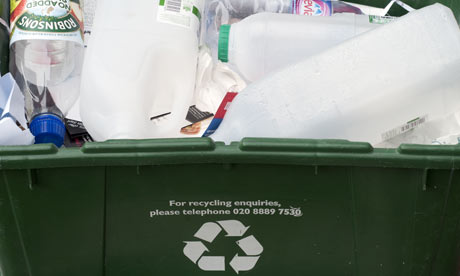
When asked why they recycled, 89% of people in 2010 identified the danger of climate change as a motivator. Photograph: Alex Segre/Rex Features

Thank you, Sarah:

As a member of the science and technology select committee I am delighted to have secured and be participating in an inquiry into public understanding of climate change.

As we have interviewed expert witnesses and considered a range of written evidence, one thing has struck me in particular. While there is an ongoing public discussion on climate change that needs more scientific input and greater participation, a clear development in recent years has been the rise in the numbers of people prepared to do something about climate change. Continue reading

Fish Stock

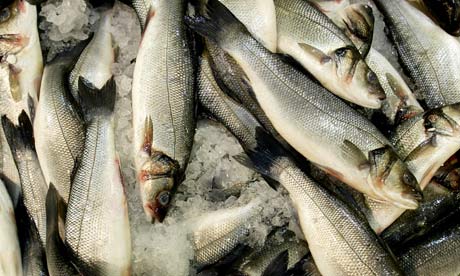
A display of Sea bass for sale at Billingsgate Fish Market in London. Photograph: Scott Barbour/Getty Images


Seth got us started with historical perspective on this topic a couple years back, and Phil recently created the most popular series of posts of the year, also on this topic; we have even tried sharing a sense of humor when possible.  But grim tidings continue:

First it was the cod, then the haddock, the swordfish and even the anchovy – now sea bass looks likely to join the list of no-nos for eco-conscious dinner party menus.

Stocks of the palatable species have sunk to their lowest in the past 20 years, according to a new assessment by the International Council for the Exploration of the Seas. Continue reading

Really, Karnataka?

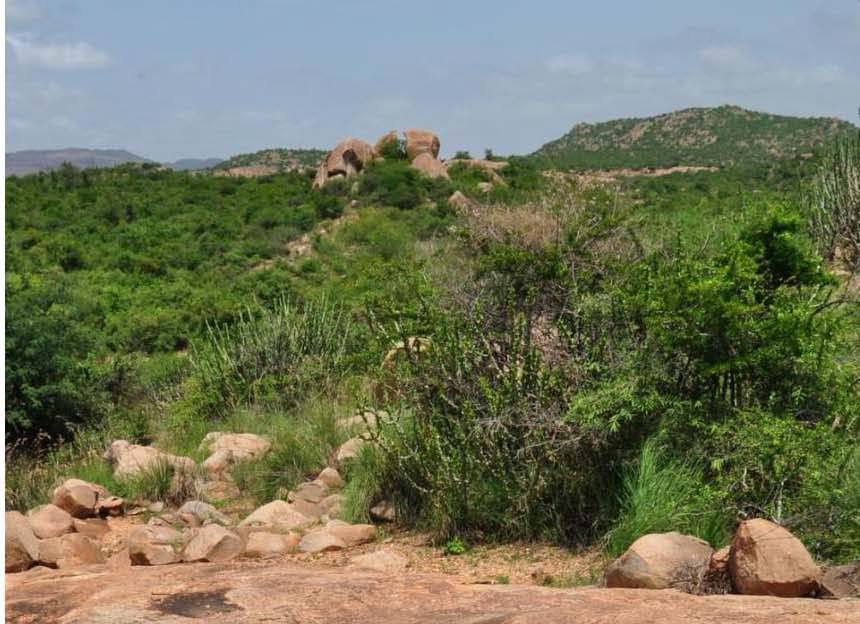
Forest near Daroji Sanctuary, Karnataka; photo credit: Santosh Martin

Forest near Daroji Sanctuary, Karnataka; photo credit: Seshadri K.S

We’ve stated before that our site is not dedicated to outrage, but we do make an effort to point out questionable environmental decisions by corporations and countries when we see them.

So when it came to our attention that the minister of tourism in the Indian state of Karnataka was spearheading a plan to create a zoo/wildlife safari within the buffer zone of the Daroji Bear Sanctuary we had to take notice. According to Santosh Martin, honorary wildlife warden for the region

The fragile ecosystem is home to critically endangered species of both animals and plants including pangolins, sloth bears, wolves, leopards, etc., which are classified as Schedule I by the WPA. This site is also a breeding ground for the Indian eagle owl, brown fish owl and possibly the blue tailed bee eater. More than 150 bird species have been documented in this area by naturalists which include the yellow-throated bulbul, painted spur-fowl, painted sand grouse, etc. Continue reading

Citizen Science in Belize – Update – If You Can’t Beat’em, Wear’em

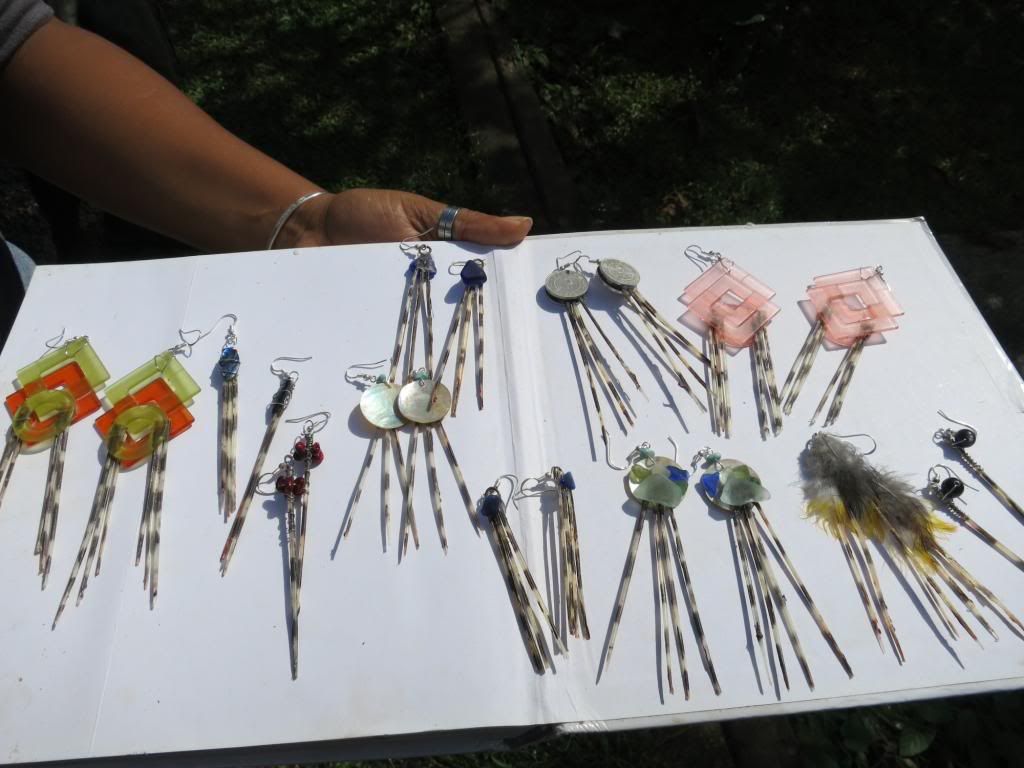
Lionfish spine earrings crafted by Palovi Baezar, Punta Gorda, Belize. Credit: Polly Alford, ReefCI

In earlier posts about my volunteer experience in Belize with ReefCI, I talked about the lionfish invasion that is threatening coral reef and other marine ecosystems throughout the Caribbean, Gulf of Mexico, and Southern Atlantic Seaboard of the United States, and noted that, at least for the foreseeable future, human intervention, particularly the establishment of a commercial fishery for the species, appears to be the only solution to keep the invasion under control.

I mentioned the idea of lionfish jewelry as a possible way of increasing the economic return to fisherfolk who may otherwise be reluctant to go after lionfish given the difficulty of catching them (the fish must be harvested by spearing or hand netting rather than through traditional methods such as lines or nets). I’ve been pleased to learn that at least one artisan in Belize has picked up on the idea, using some of the lionfish spines that I collected while I was there. She has already crafted some beautiful earrings (see photo above) and is working on other jewelry items as well as decorative mirrors. Elsewhere, jewelry crafted from lionfish tails and fins is being sold online, and through a retail outlet in Curaçao.  Continue reading

Helping Kerala: Transatlantic Collaboration

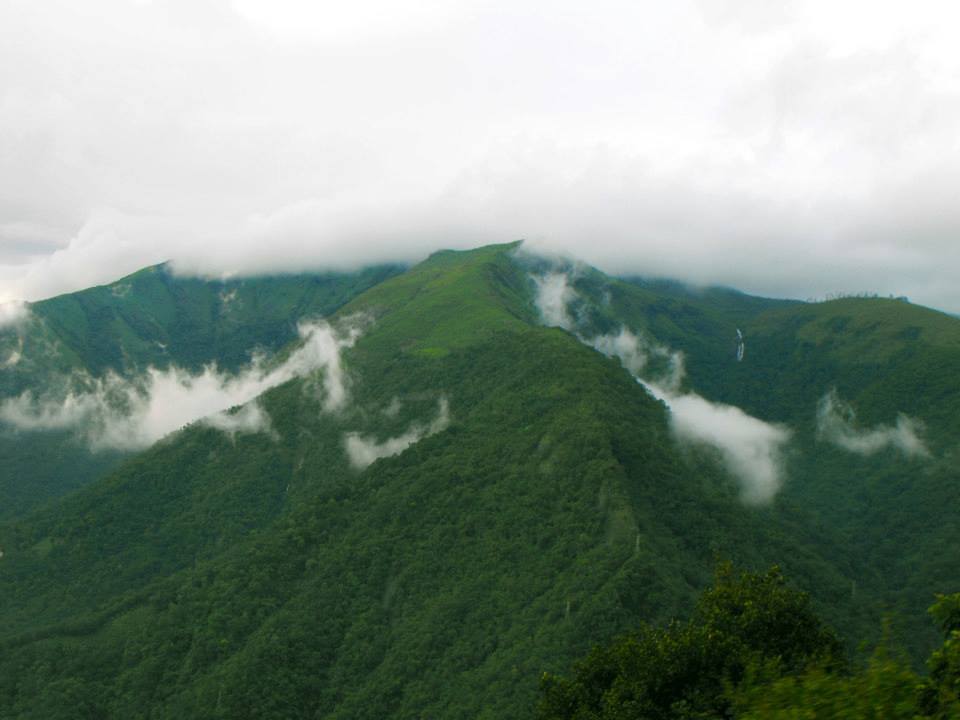
Western Ghats

Western Ghats

Kerala State Biodiversity Board (KSBB) has recently joined with the University of Alabama (UA) in Huntsville to help improve Kerala’s landslide alert system and the conservation of the Western Ghats. Both projects are currently in the development phases for testing, but implementations of such projects in Kerala could have profound and lifesaving affects. According to an article in The Hindu, a landslide alert system would be able to help predict landslides and give advanced warning to the authorities in the area.

Placed one kilometer apart above ground, the sensors, which cost about $300 each, register ground movement and record rainfall and soil moisture. The data is transferred to an off-site computer hosting a software model that provides advance warning of a landslip.

If testing proceeds, KSBB would place this system first in the Idukki district, an area known for having multiple landslides during the monsoon season. Predicting landslides in this area can save hundreds of lives, but this landslide alert system is not the only project in development that involves the UA and the KSBB working together to protect this region.

Continue reading

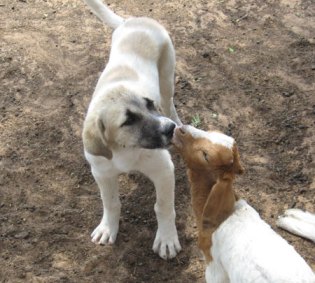
Cheetahs And Shepherd Dogs, Partners In Entrepreneurial Conservation

Thanks to a friend’s travels to the southern tip of Africa, a story from the field about colleagues we hope to meet soon. The friend learned of this program during a visit to a Cape Town winery (cheers to them and that; click the logo to the right to read more than we can share here):

Cheetah Outreach

Promoting the survival of the free ranging, Southern African cheetah through environmental education and delivering conservation initiatives.

As a result of the success of Cheetah Conservation Fund’s livestock guarding dog programme in Namibia, a trial programme was launched by De Wildt’s Wild Cheetah Management Project (WCMP) and Cheetah Outreach in 2005 to introduce the Anatolian shepherd to serve farmers in South Africa. To give this trial the best possible chance of success, farmers  Continue reading

It’s Never Too Late

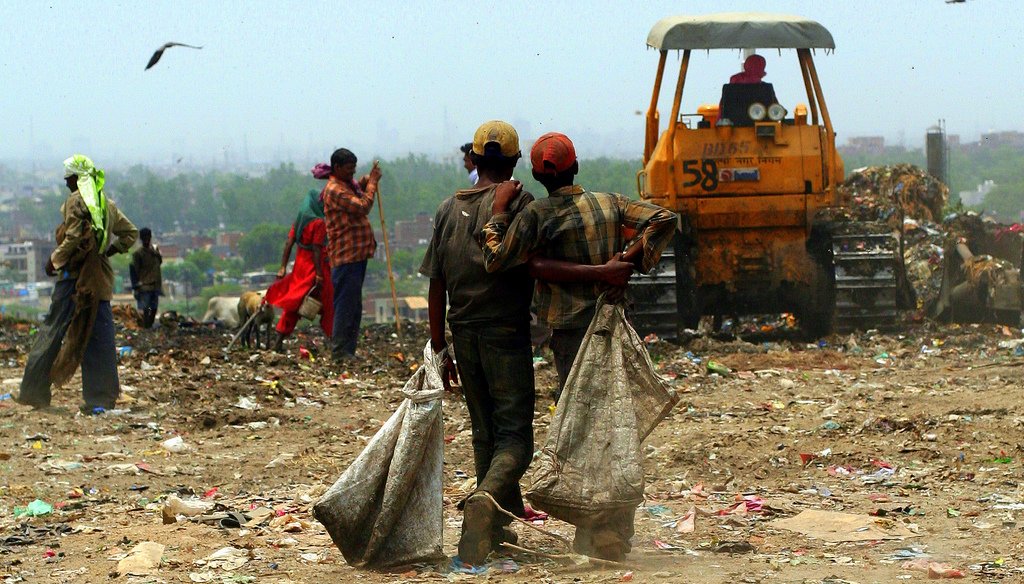
Recycling In India

Photograph Credit: mackenzienicole

To be completely honest, helping the environment had rarely been a crucial concern of mine.  Actually, that’s an understatement: Helping the environment had rarely been a concern of mine at all.  Growing up, my parents tried to nudge me the right way.  For example, they always told me not to waste food – the theme of this year’s World Environment Day.  However, it didn’t actually sunk in.  At buffets I would take more food than I actually needed so I could try everything before it was gone. To me, this was well justified – we were paying the same amount regardless of what we took, right? I even scorned my parents’ initiative to use fluorescent light bulbs in the house; I didn’t see the benefit of using light bulbs that took a while to light up.

This past summer I decided to come to India and intern for Raxa Collective to experience something both culturally and professionally different.  From the moment I arrived I was amazed at the passion with which Amie, Crist, and the rest of the Raxa Collective staff operated.  Cardamom County already had numerous eco-friendly initiatives in place such as their natural farm, composting, and the use of glass water bottles in the restaurant, solar panels to heat the water in the kitchen, and compact fluorescent lighting (CFL).  However, it was evident that the Raxa Collective staff was not willing to settle.  Continue reading

Saving a Gentle Giant

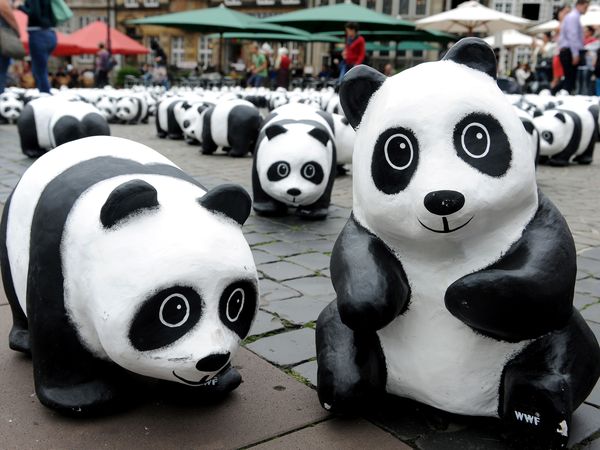
1,600 WWF's Paper mâché pandas representing today's Giant Panda population

1,600 WWF Paper mâché pandas representing today’s Giant Panda population
Photo Courtesy of National Geographic

The Giant Panda is the logo for WWF, the world’s largest conservation organization and it isn’t hard to see why they’re such a successful symbol. Their black and white coloring, and compellingly large eyes have tugged on the heartstrings of millions of people around the globe. This past week the newest baby panda was born at the Washington D.C Zoo.  Mei Xiang’s cub was welcomed with applause and awe from around the world, but this event has also brought about some questions about the money going into WWF for saving the Giant Panda. National Geographic recently addressed this issue.

Is the considerable effort and millions of dollars put into breeding the animals in captivity really worth it?

Some conservationists say yes, claiming public “pandemonium” can translate to real conservation action. But others argue that the money could be better spent on other things, such as preserving threatened habitat.

Statistically, Giant Pandas have a lot stacked against them for the survival of their species. First, there are approximately only 1,600 individuals in the world today, and of those, 300 are held in captivity. Secondly, according to biologist Devra Kleiman, the Giant Pandas have a very small mating window. The female panda is only “in heat” for 2-3 days a year, and thirdly, the natural areas where the panda thrives are fractured and damaged, making it less likely that a pair will find one another easily during that limited period of time.

Continue reading

Cornell Herpetology and Ornithology

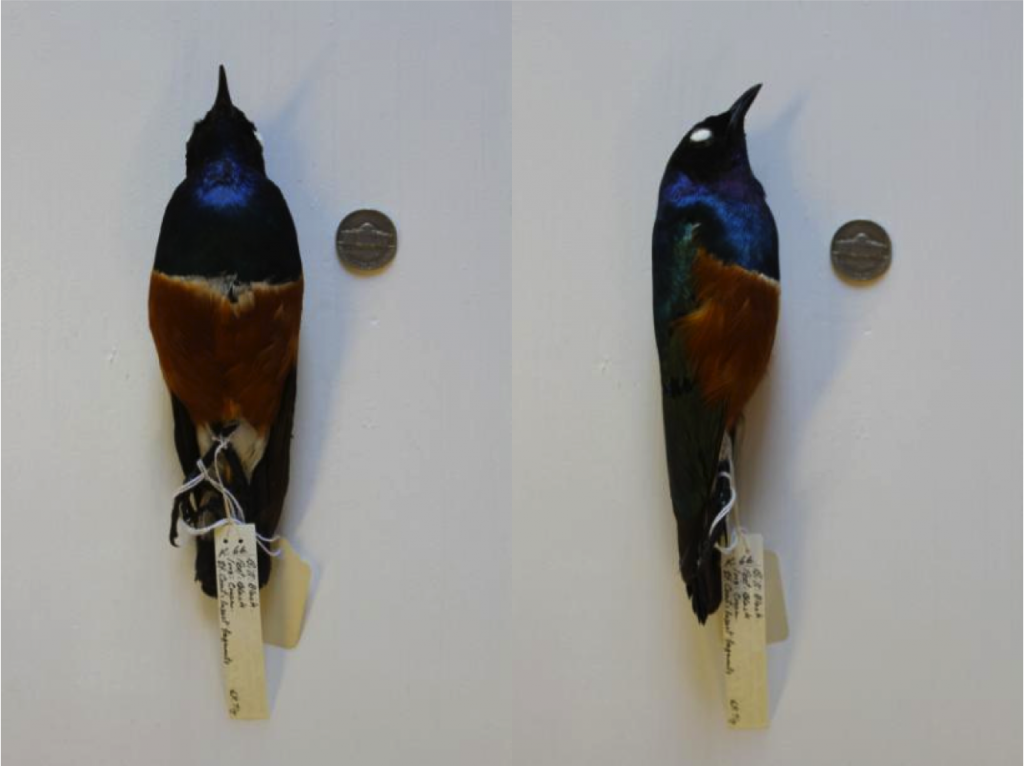
African Superb Starling specimen from Cornell’s collection. Photo by Jon Atkinson for students taking BIOEE 4750 – Ornithology.

During each of the spring semesters in my second and third year at Cornell, I took an advanced biology course that focused on one big group of vertebrates that I’ve always found both interesting and beautiful to study both in and out of school: birds and ‘herps’, or reptiles and amphibians. In the university setting, there is a half-joking rivalry between biologists who study these groups, leading to this type of crude but funny cartoon that can be seen on the office doors of at least one professor in Cornell’s Corson-Mudd Hall, home of the Ecology & Evolutionary Biology Department.

Continue reading

Discovery, Conservation’s Better Half

Wilderness conservation, marine or terrestrial, is difficult. On a good day the challenge might be described as a complex puzzle, which has its pleasures; but on most days it is slogging and increasingly, dangerously warlike.

On the best days, we observe, conservationists have the thrill of discovery. Thanks to the Guardian‘s commitment to reporting on the environment, and specifically for this story that highlights that discovery of species is an ongoing enterprise, one more reason why posts like this, and this, among others are so important in getting us all to do our part:

‘Walking shark’ discovered in Indonesia

Previously unknown fish, Hemiscyllium halmahera, uses its fins to move along the sea bed in search of crustaceans Continue reading

Of Birds and Beans Redux

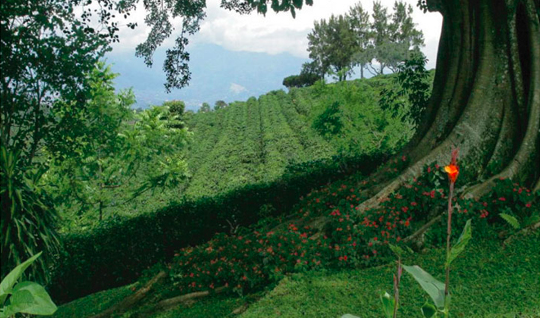
Shade grown coffee plantations in Costa Rica; photo credit: Emilia Ferreira

What first struck me when I read about the Smithsonian Migratory Bird Center this morning was that their bird friendly coffee certification was a great idea. What struck me second was that I’d read about it before on this site, or at least a teaser on the subject. Chalk not having a “part 2” up to a Cornell student’s busy schedule, but it certainly left the door open for me to discover this wonderful initiative on my own.

We’ve discussed the environmental benefits of shade grown coffee on these pages before, and the Cornell Lab of Ornithology is a La Paz Group “touch stone” in many ways. Leave it to them to so clearly make sense of all the sustainable coffee certifiers on the market from a bird’s eye point of view.

Making Sense of Sustainable Coffee Labels
They’re those little rectangular icons lined up on your favorite gourmet coffee bags—a tree, a flower, a frog, a harvester, each trying to tell you something about how the coffee was grown. But what does each one mean, and how do they differ? Here’s a list of common labels and their benefits for birds….

Bird Friendly. Certified by scientists from the Smithsonian Migratory Bird Center, this coffee is organic and meets strict requirements for both the amount of shade and the type of forest in which the coffee is grown. Bird Friendly coffee farms are unique places where forest canopy and working farm merge into a single habitat. By paying a little extra and insisting on Bird Friendly coffee, you can help farmers hold out against economic pressures and continue preserving these valuable lands. The good news is that there’s more Bird Friendly coffee out there than many people realize—we just need to let retailers know we want it…

Organic. As with other organic crops, certified organic coffee is grown without most synthetic pesticides and fertilizers and is fairly sustainable—although there are no criteria for shade cover. Because of coffee’s growth requirements, it’s likely that organic coffee has been grown under some kind of shade. However, many farmers shade their coffee using other crops or nonnative, heavily pruned trees that provide substantially less habitat for birds, and the organic label offers no information about this. Continue reading

Citizen Science in Belize: Part 2/2 – If You Can’t Beat’em, Eat’em

Photo by Alexander Vasenin

Lionfish sushi – Photo © World Lionfish Hunters Association (click on photo to visit their website)

In Part 1 of this post I talked about the lionfish invasion that is threatening coral reef and other marine ecosystems throughout the Caribbean, Gulf of Mexico, and Southern Atlantic Seaboard of the United States.  Scientists, environmental groups and governments that are studying the problem have all come to the conclusion that it is probably impossible to eradicate lionfish in the Atlantic – they are here to stay. Continue reading

Conservation and Your Health

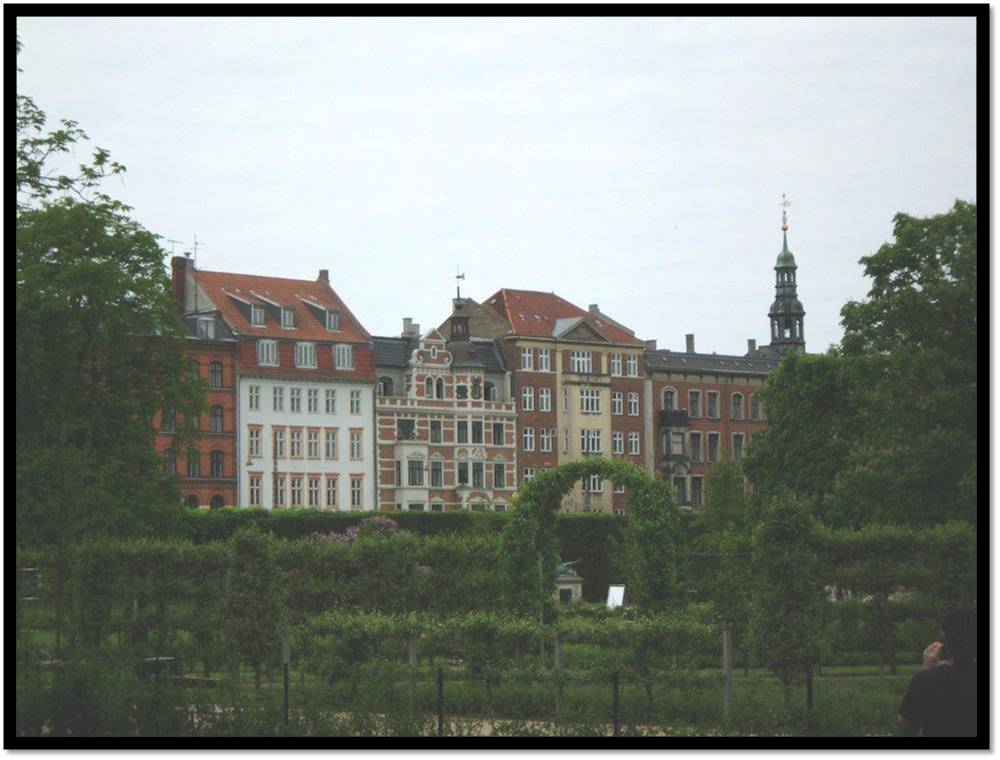
Park in København  -Enriching the city's biodiversity

Park in København -Enriching the city’s biodiversity

Conservationists have always referenced the benefits of biodiversity to the natural world, but many people wouldn’t associate that benefit with our own species. Humans have always had a bond and relation with the natural world, so it is logical that the change, no matter how small, in one would affect the other. According to a Discovery Magazine article, there is new compelling evidence out there showing that biodiversity is good for our health, and the lack of it in urban areas might be the cause of the rise in inflammatory and allergy problems.

The main evidence comes from a Finnish study that found that children who lived in a more biodiverse environment were less likely to have an allergic reaction to a controlled allergen substance than children who did not.

…the urban-dwelling nature of developed countries may be to blame for their increasing problem with inflammatory diseases. If so, conservation of natural spaces, including parks and other green initiatives, may be key to protecting the health of future generations. Continue reading