
Amistad label circa 2019
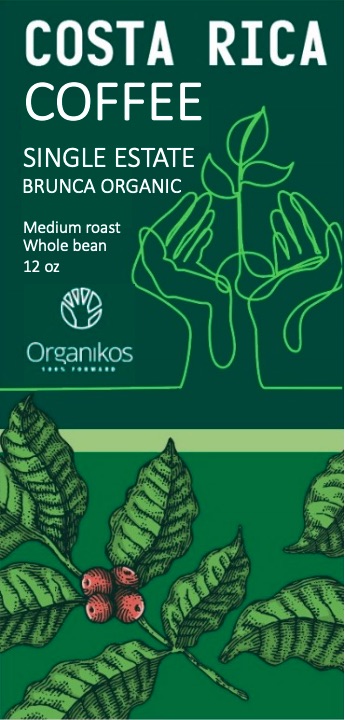
Amistad label 2020-2023
We have been offering this Hacienda La Amistad coffee since 2019. The original label, seen in the photo above, was one we thought perfect for its simplicity.
During the pandemic, with time on our hands, we redesigned all of our labels and came up with this label to the left. It served us well over the last few years, as we expanded from selling only in the Authentica shops in Costa Rica to also roasting and selling in the USA.
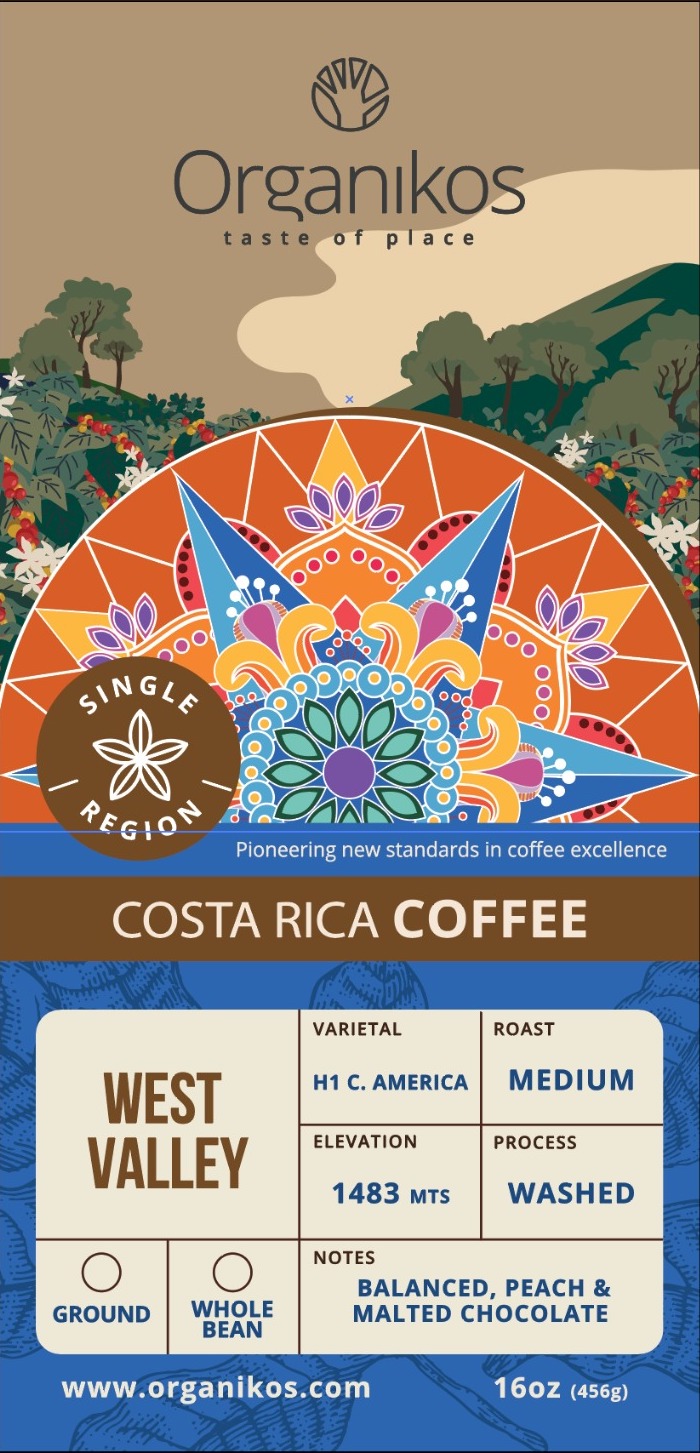
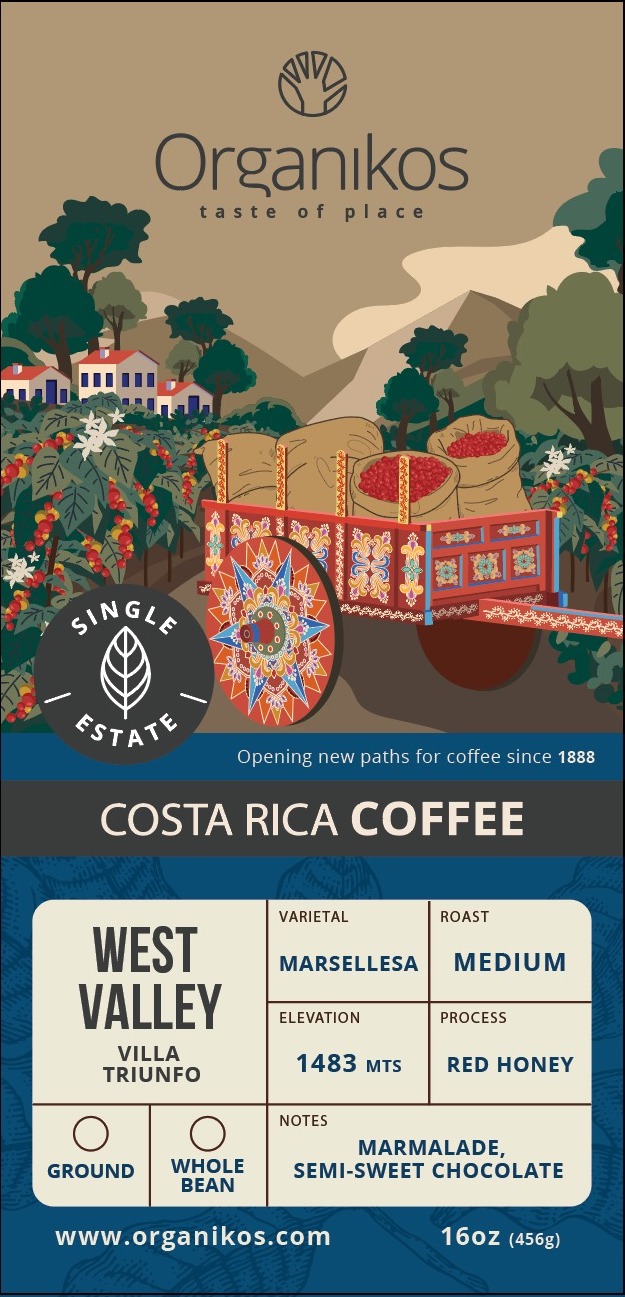
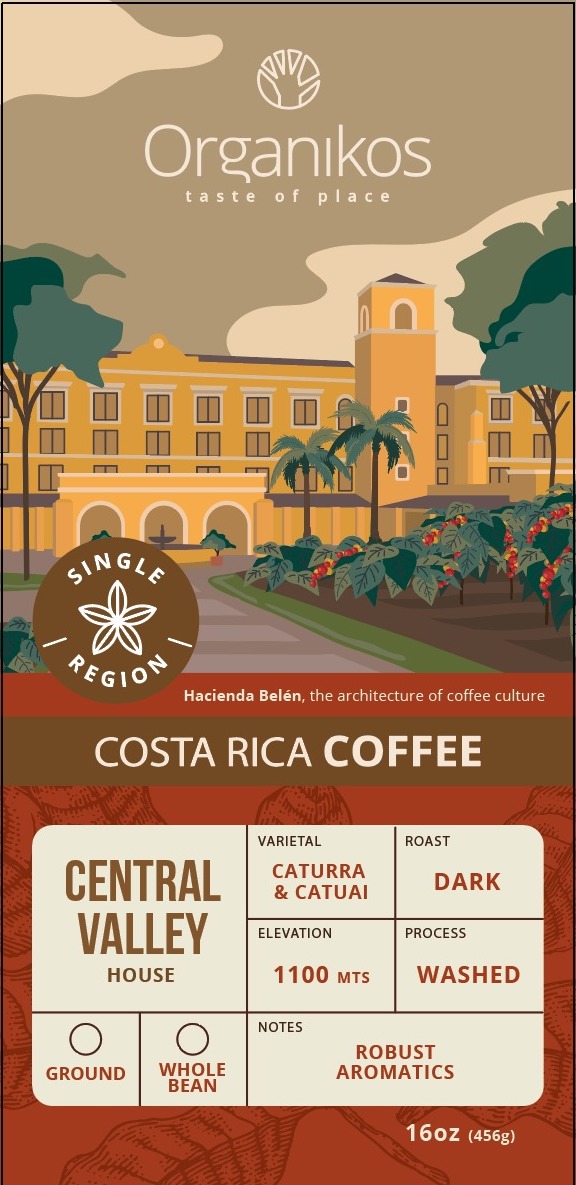
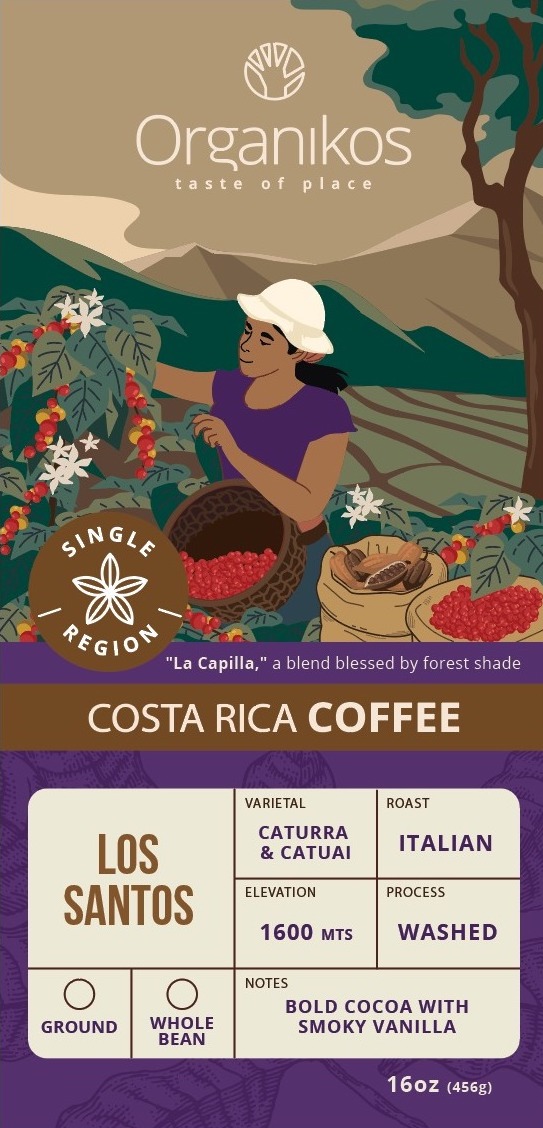
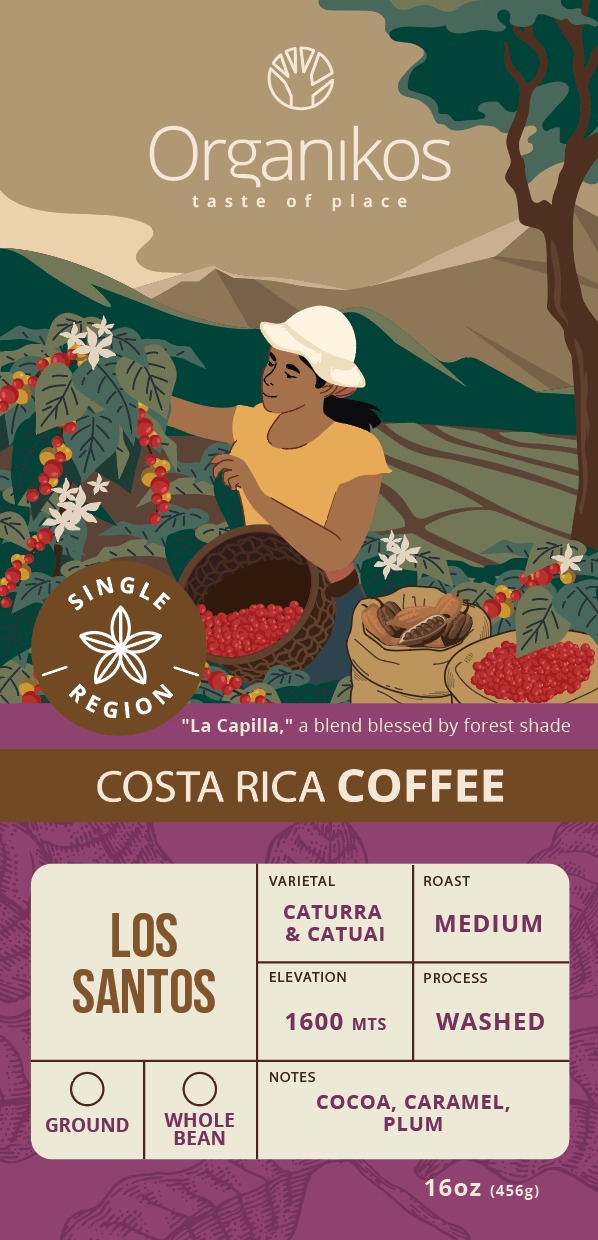
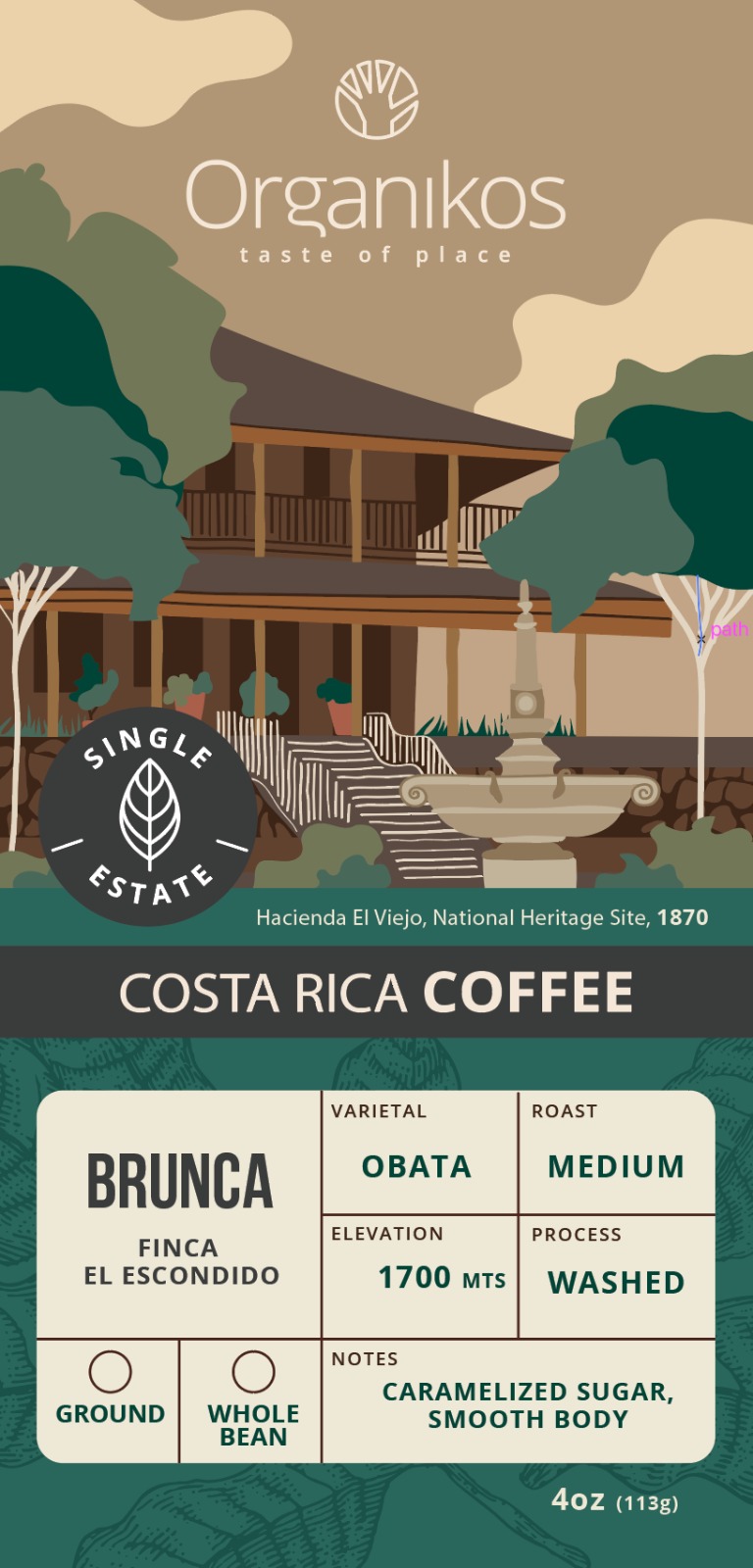
Starting in early 2024 we began rethinking all of our coffee labels. We approached the task region by region, with the blends and the single estates following a common design style. We saved this coffee for last, for no particular reason, but yesterday the rainbow over the farm was our signal that it was time to release the new label:
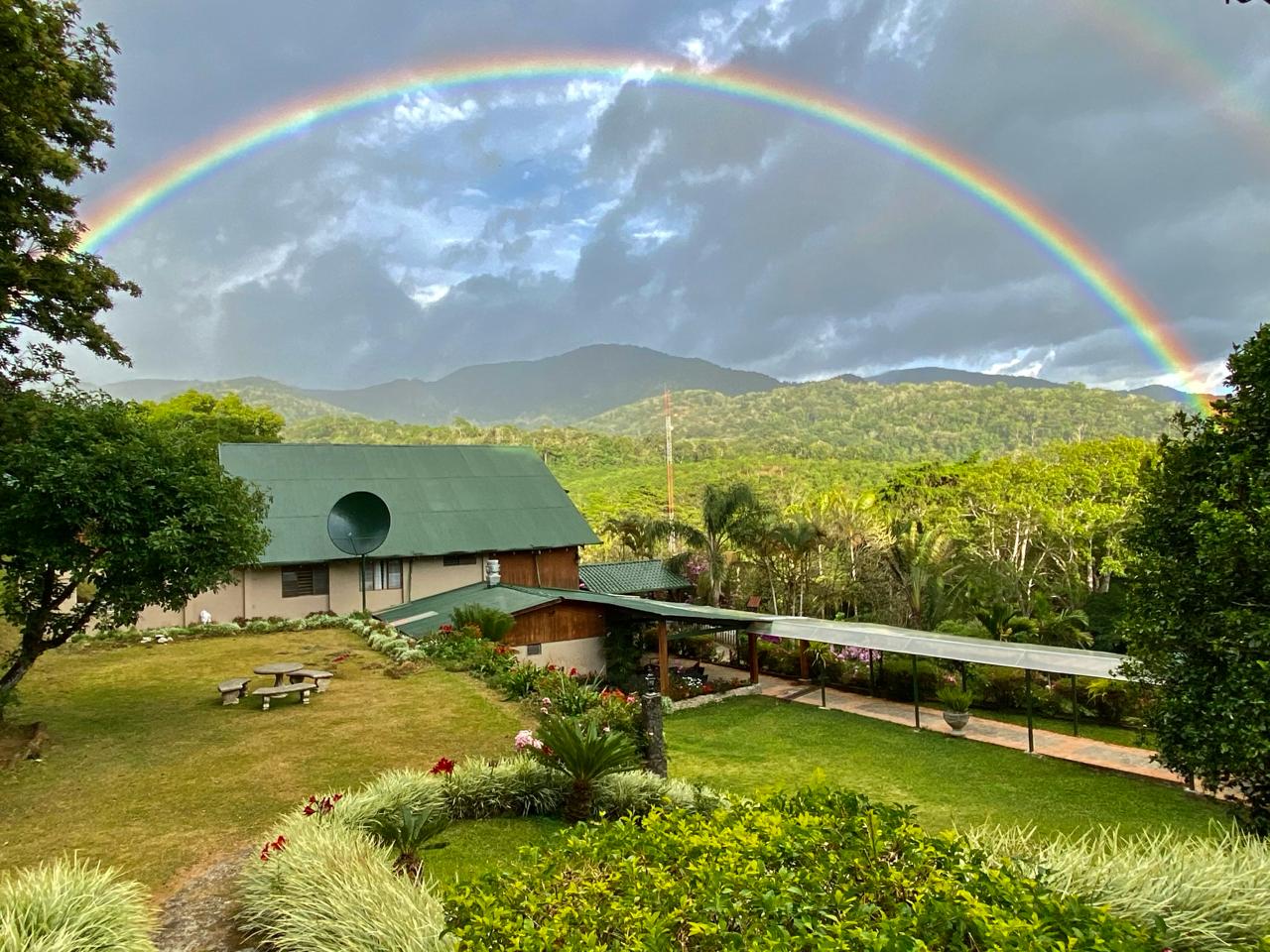
Hacienda La Amistad March 10, 2024
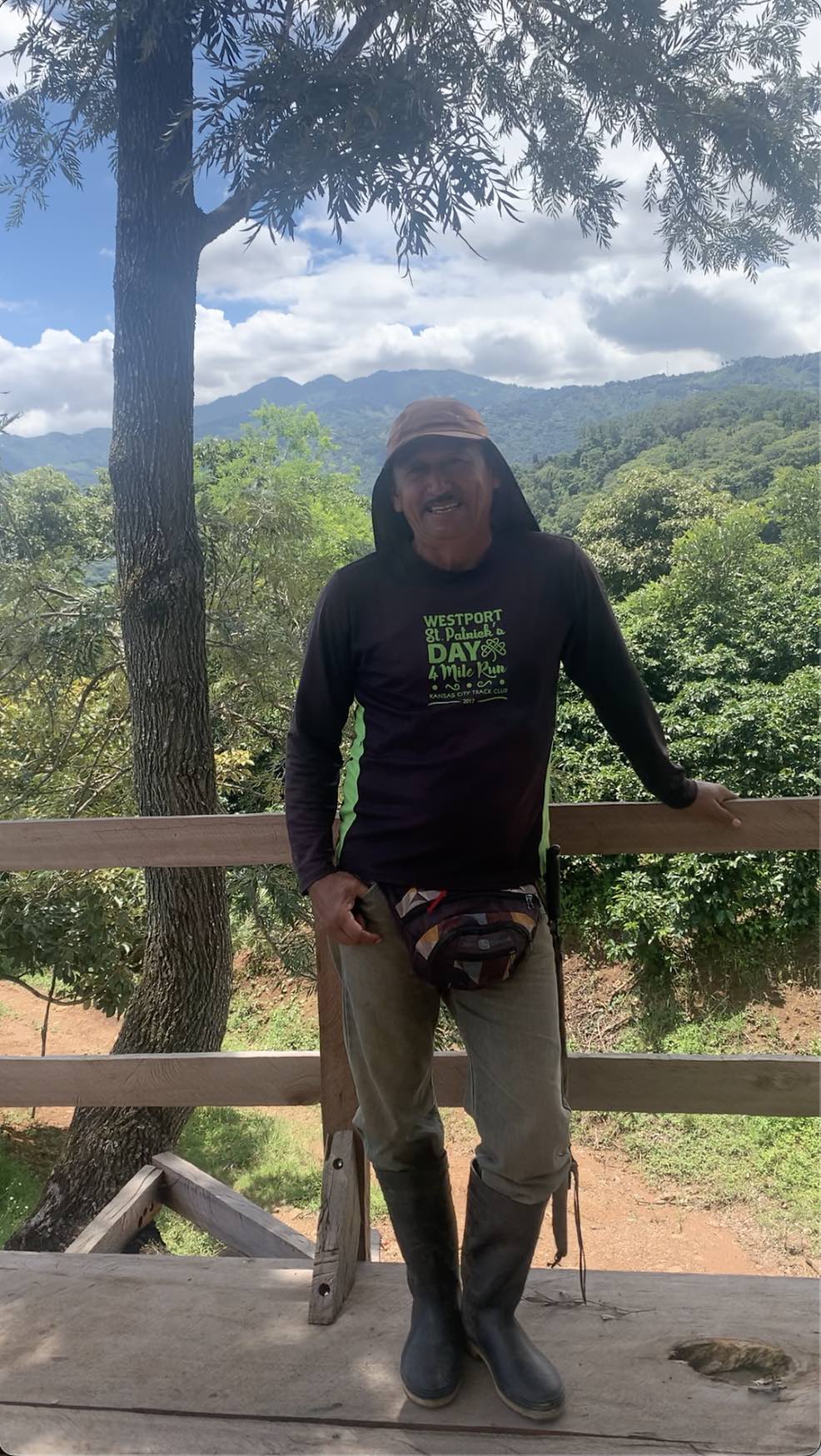
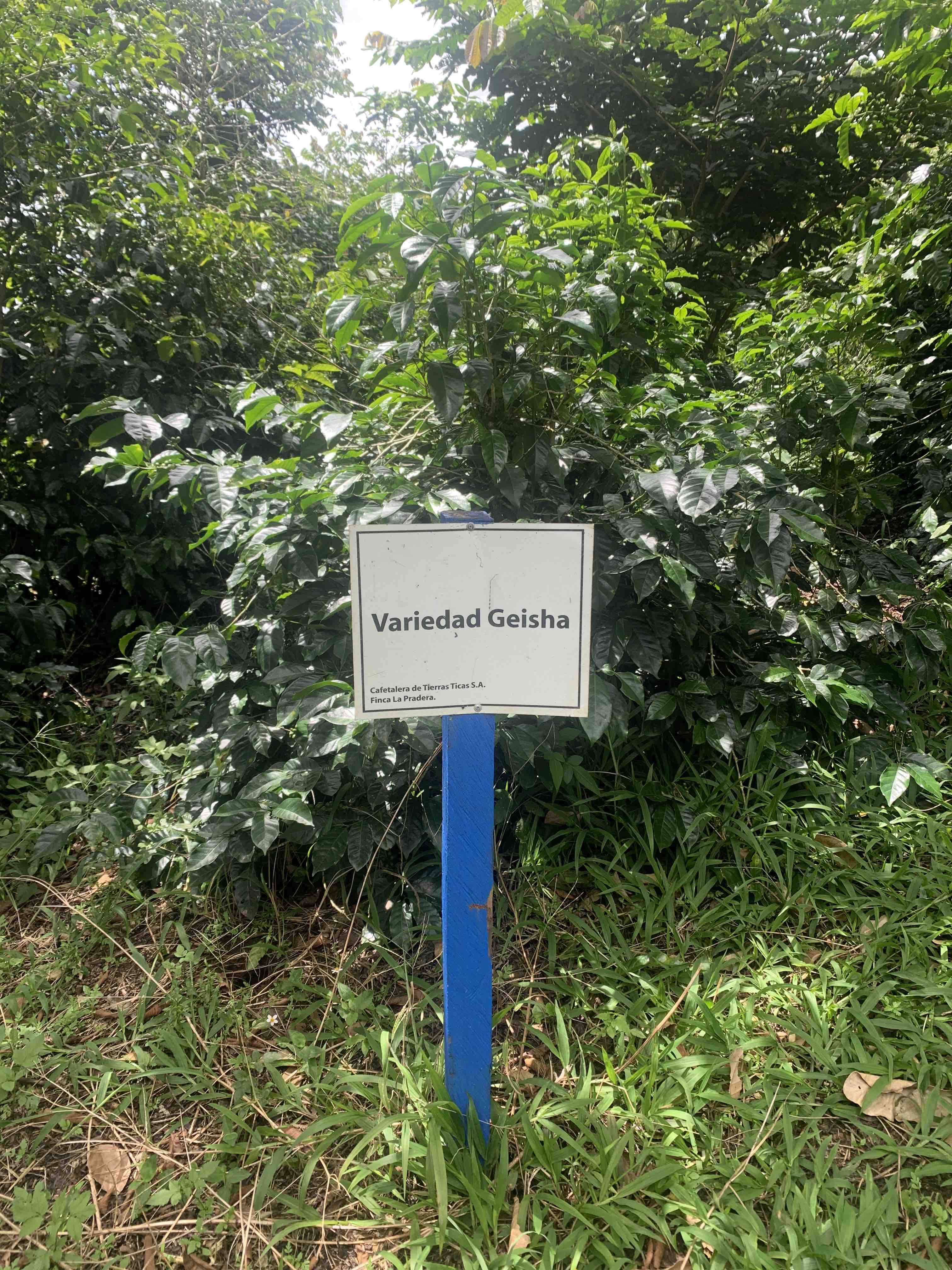
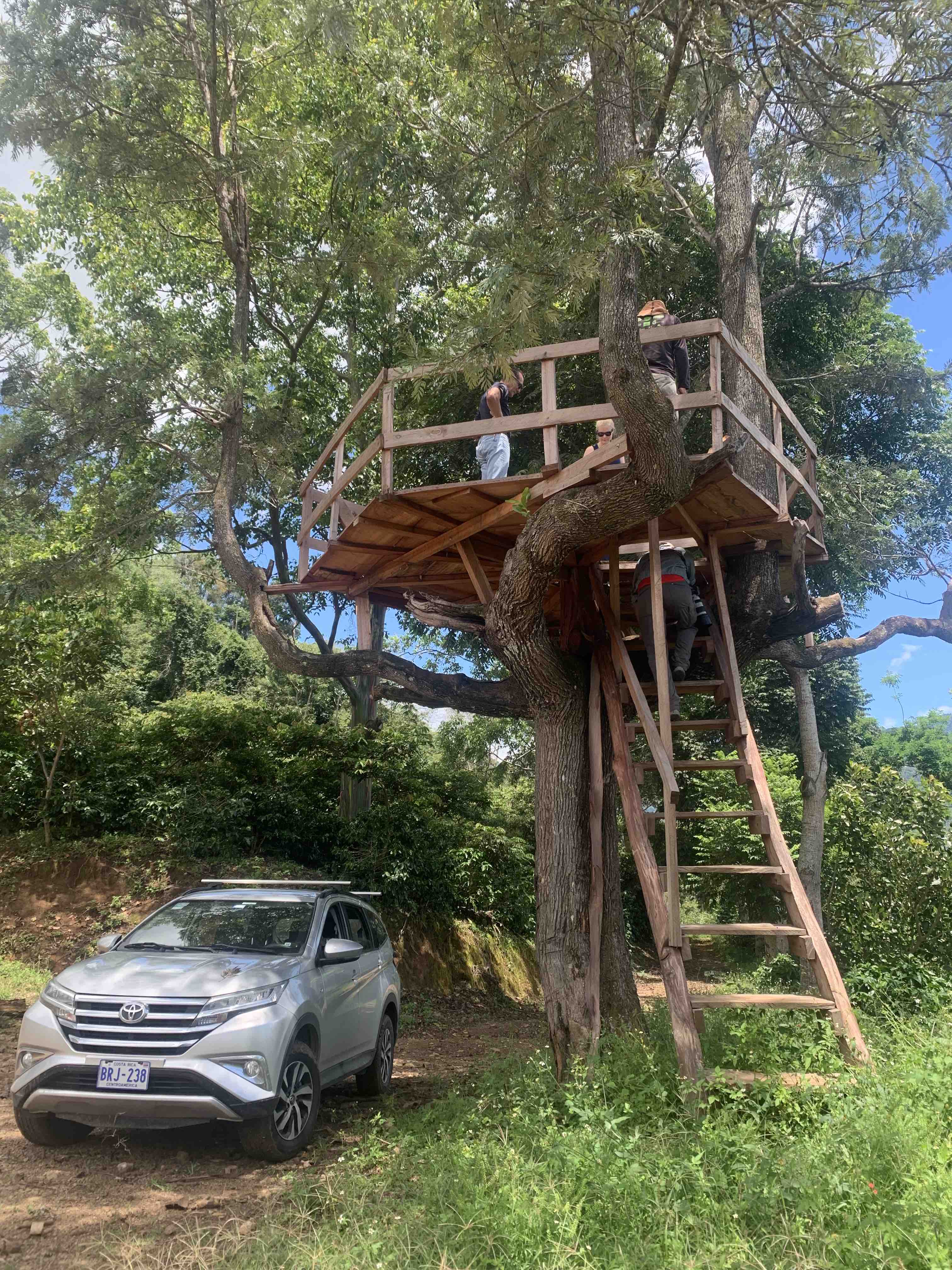
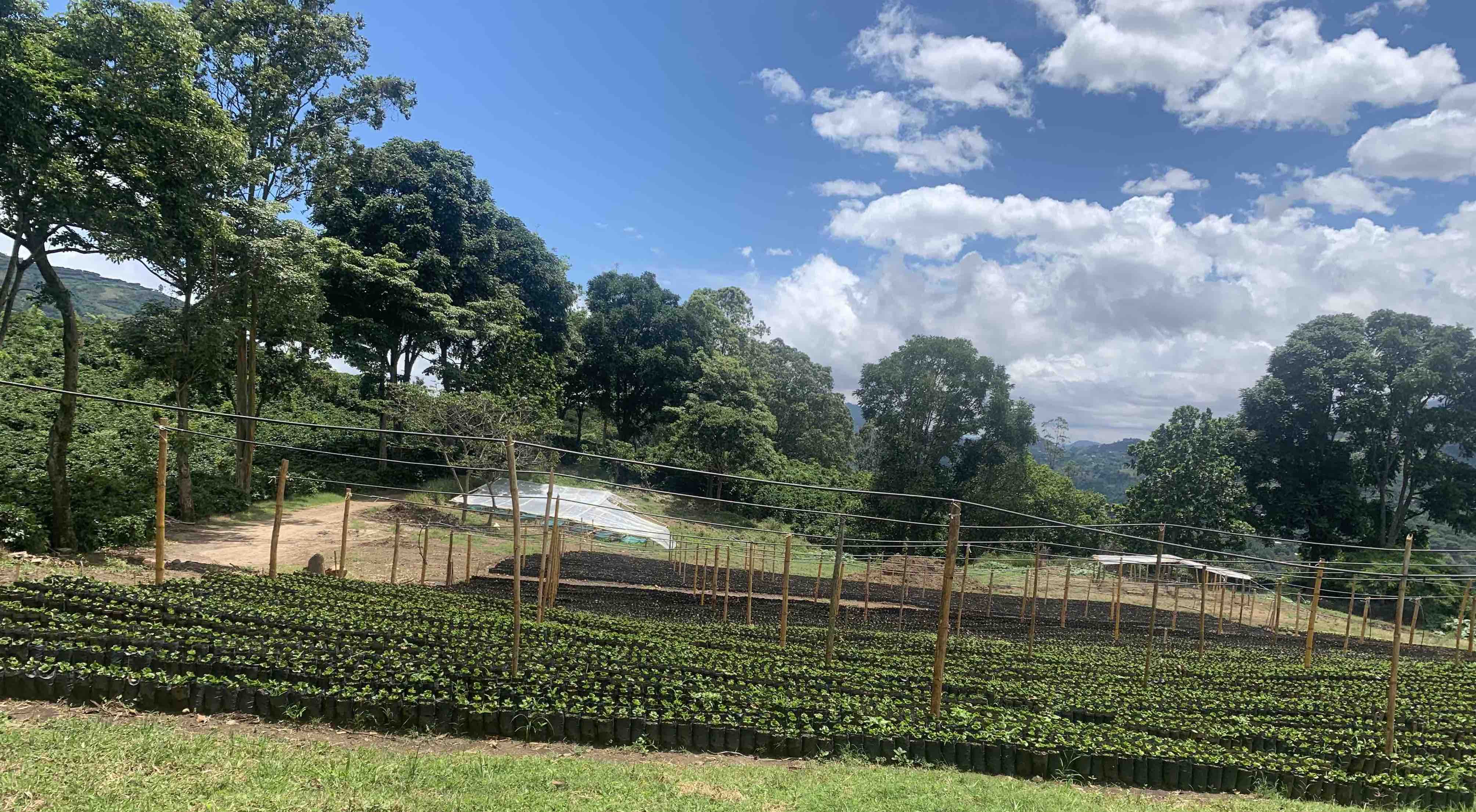
Thank you to the farm for the inspiration:

Amistad label, 2024

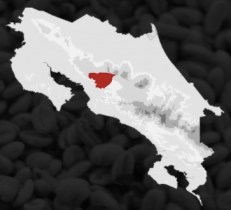
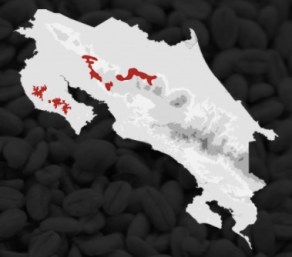
 Organikos