Dairy, Feed & Food

BrealeyFarm.jpg

Yesterday, in our continued quest to consider the future of a family dairy farm, we visited what must be the largest such farm in central Costa Rica. At 7,545 feet above sea level overlooking the valley from the northern slope, it may also be the highest.
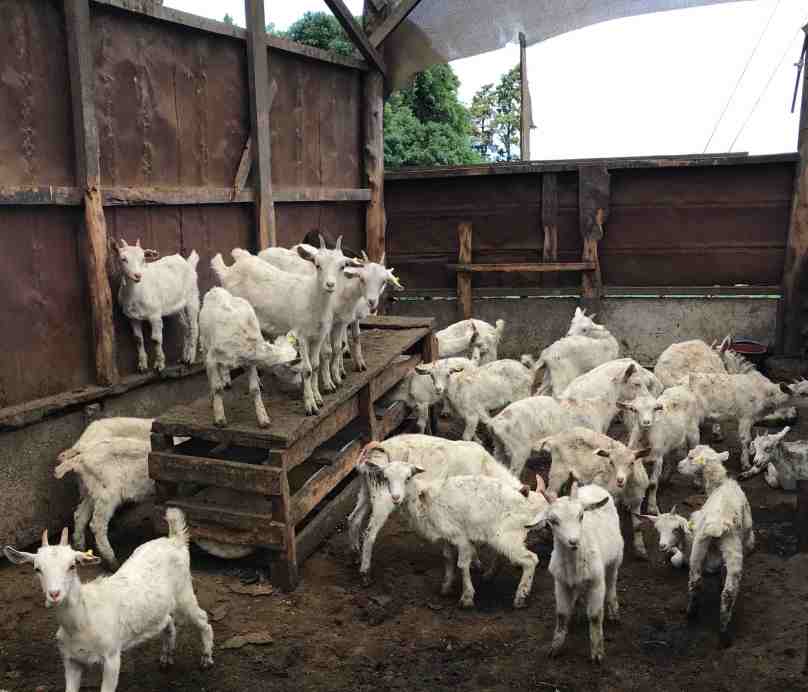
BrealeyGoats.jpgIt has eight times the land and double the cows compared to where we are based, 10 miles north and about 1,000 feet lower in altitude. That farm also has dairy goats. More on other implications of the visit later. Here, a quick note on feed. We had noticed on the dairy where we live that pineapple is part of the diet of the cows.
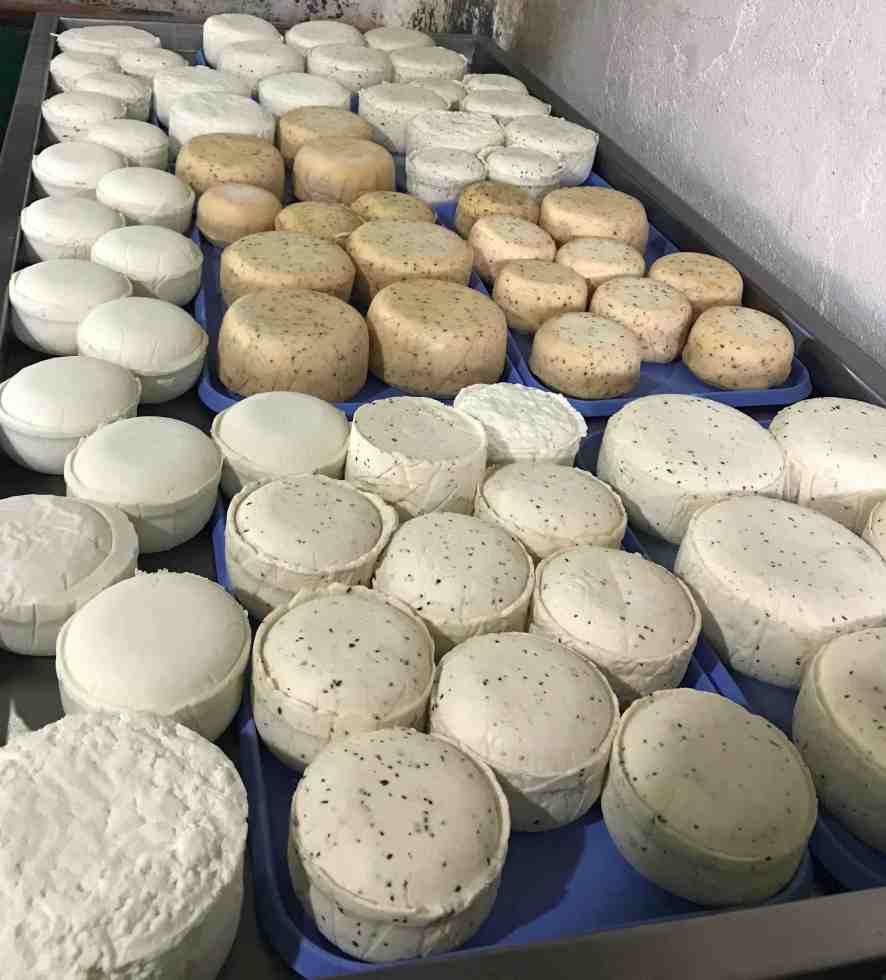
BrealeyCheese.jpgThe dairy manager had explained that this is an important part of the nutritional mix. Despite our surprise we had not asked more about it. Yesterday we did, and the answer was another surprise. Milk production rises 10% or more with the pineapple added to the feed. The animals are healthier because of the fiber content of the fruit, compared to cows eating grains such as corn or soy. Plus, the methane bi-product is significantly decreased. Food produced in a dairy making this dietary change represents one small step toward reducing greenhouse gas emissions.

In the type of coincidence I never expect, but always enjoy, this article was near the top of my news feed today. Thanks to Judith Lewis Mernit and colleagues at the Yale School of Forestry & Environmental Studies for take my yesterday’s lesson and adding some important detail:

How Eating Seaweed Can Help Cows to Belch Less Methane

Emissions from the nearly 1.5 billion cattle on earth are a major source of methane, a powerful greenhouse gas. Now, researchers in California and elsewhere are experimenting with seaweed as a dietary additive for cows that can dramatically cut their methane production.

HolsteinCowsMercedCalifornia_MarmadukeStJohnAlamy_web

Holstein cows feeding at a dairy farm in Merced, California. MARMADUKE ST. JOHN / ALAMY

The spring morning temperature in landlocked northern California warns of an incipient scorcher, but the small herd of piebald dairy cows that live here are too curious to care. Upon the approach of an unfamiliar human, they canter out of their barn into the already punishing sun, nosing each other aside to angle their heads over the fence. Some are black-and-white, others brown; all sport a pair of numbered yellow ear tags. Some are more assertive than others. One manages to stretch her long neck out far enough to lick the entire length of my forearm.

UCDavis_20180508-seaweed-cow-8157_web

Scientist Ermias Kebreab has studied how to reduce cow methane emissions for more than a decade. GREGORY URQUIAGA/UC DAVIS

“That’s Ginger,” explains their keeper, 27-year-old Breanna Roque. A graduate student in animal science at the University of California, Davis, Roque monitors everything from the animals’ food rations to the somatic cells in their milk — indicators of inflammation or stress. “The interns named her. She’s our superstar.” Continue reading

Bee-Saving In Costa Rica

Thanks to Rainforest Alliance, who sent its polite email asking whether we wanted to stay on their mailing list. Of course we do (but thanks for asking) because we believe in their work. And we have believed for a long time. Too long since our last post referencing them, but see this:

liz.png

Liz Paniagua, Co-founder Api-Agricultura

Introducing Costa Rican pro surfer Carlos Cortes and his partner Liz Paniagua. The husband-wife-apiarist-activist team is part of a growing movement working to save bees from the global crisis of colony collapse.

Their bee rescue organization, Api-Agricultura, works with a model Rainforest Alliance Certified banana farm in Costa Rica to save bee colonies from destruction and educate local communities about the importance of bees. By encouraging others to live in harmony with nature, Carlos and Liz exemplify the Costa Rican ethos of “pura vida.”  Continue reading

Big Day 2018 at Costa Rica’s Carara National Park, And Nearby At Marriott Los Sueños

IMG_0353

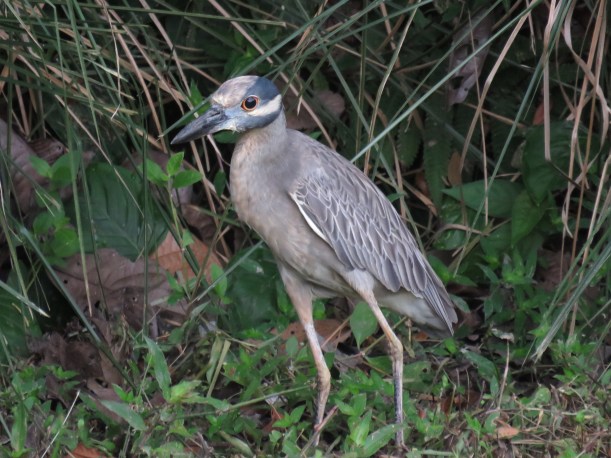
The first lucky bird of the day, a Yellow-crowned Night-Heron at Marriott, which I hadn’t seen yet on property

Almost four years ago, James and I took a day trip to Carara National Park, on the Pacific coast of Costa Rica where the tropical dry forest meets the moist rain forest in a transition zone that provides a great mix of habitats for all sorts of birds and other wildlife. On eBird, Carara’s Hotspot has over four hundred species, which made it a natural place for me to spend part of my Global Big Day this year, since I was already documenting the avian life on the property of the Marriott Los Sueños in Herradura, just half an hour south along the coast. These photos are from my May 5th efforts!

IMG_0359

The Turquoise-browed Motmot is a regular at Marriott and one of my favorite “common” birds in the country

I started the morning at 5:30am, heading out onto the perimeters of the forests surrounding Marriott Los Sueños and its golf course. Continue reading

Coffee, Starbucks & Costa Rica

hNKGIzaU-5568-3132

Yesterday we were compelled to link to an illustration that captured the importance of vigilance. Putting that link in context was the reminder that our primary purpose on this platform is to seek out evidence of progress related to environmental and social innovation.

kgGVpXmJ-6720-4480Today a case in point. Credit is due to Starbucks. Just a couple days ago our vigilance antennae were roused by their opening in Yosemite, one more step in a national park system compromised by commercialism. There is no doubt that Starbucks is commercial, but they can also be model corporate citizens when seen from another angle.

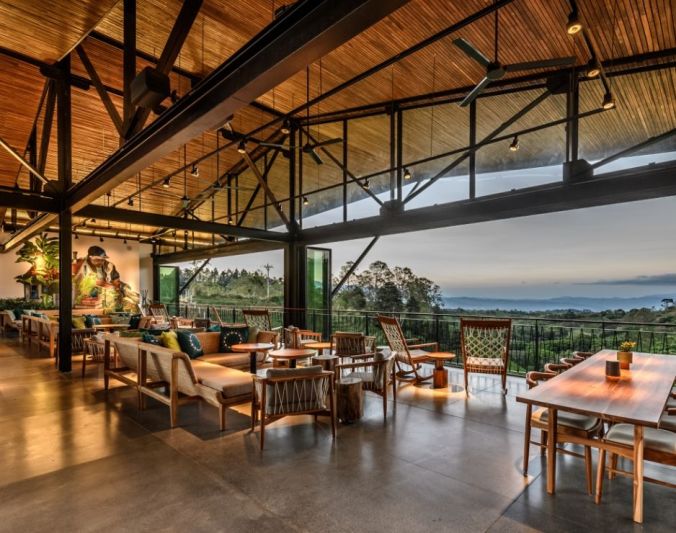
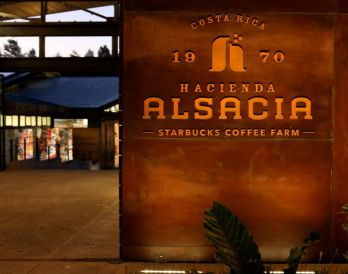
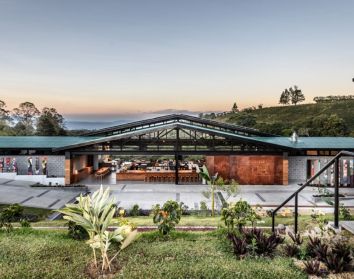
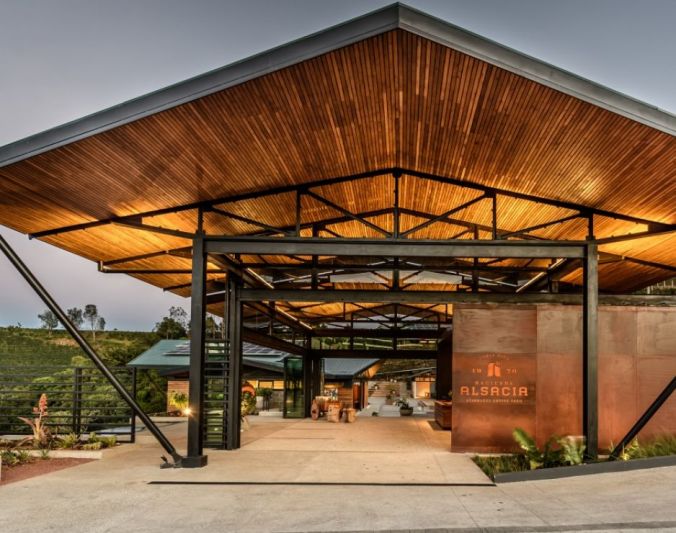
tMOCnNCo-5246-2623Costa Rica provides evidence in favor of Starbucks. Their recently opened facility–a combined working coffee farm, milling operation, visitor center, cafe, gift shop–called Hacienda Alsacia looks like a win-win for a country that deserves attention and investment, and a company that can provide them both of those.

HGX0IDH0-5402-2701

I plan to visit the property next week, so will save my commentary, focusing here on what makes me want to visit:

Starbucks Opens World Renowned Costa Rican Coffee Farm to Visitors

A 46,000-square foot visitor center immerses guests in the entire life cycle of sustainably grown, high-quality arabica coffee from seedling to picking, milling, roasting and the craft of brewing in a café

Starbucks approach to ethical sourcing and innovative coffee tree hybrid research also showcased at the visitor center, part of the company’s $100 million investment in an open-sourced farmer support program to help make coffee the world’s first sustainably sourced agriculture product Continue reading

Creative Solutions to Save a Universal Favorite

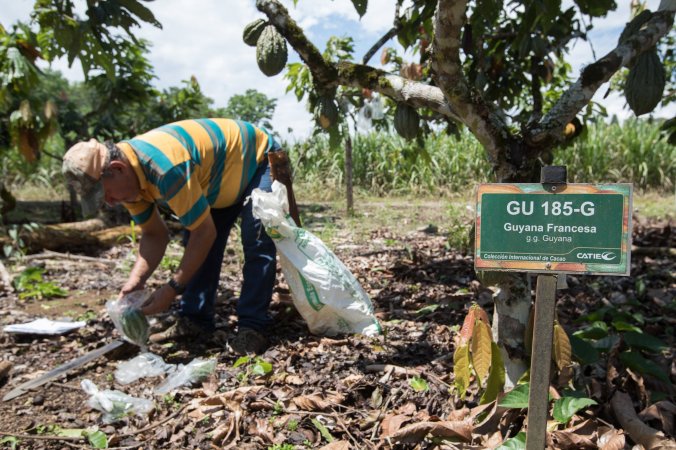
At the International Cacao Collection in Turrialba, Costa Rica, José Antonio Alfaro examined pods — which hold the seeds that make chocolate — treated to resist a devastating fungus. Only a few cacao varieties are widely cultivated, making them susceptible to outbreaks. Credit Mónica Quesada Cordero for The New York Times

As we transitioned from life in India back home to Central America this year, patrimonial foods, and the ecological considerations of food sourcing has been a primary interest. Our pages have featured stories about monoculture agriculture endangering a well loved crop: bananas and coffee have cycled through similar situations. Below is an example of experiments with hybridization probably saving a species.

A Battle to Save the World’s Favorite Treat: Chocolate

TURRIALBA, Costa Rica — The trees of the International Cacao Collection grow here in an astonishing diversity of forms, bearing skinny cacao pods with scorpion-stinger protrusions, spherical green pods that could be mistaken for tomatillos, oblong pods with bumpy skin resembling that of the horned lizard — all in colors ranging from deep purple to bright yellow.

Within each of these pods are seeds that yield something beloved by billions: chocolate.

But despite this diversity, few cacao varieties are widely cultivated, and that’s a problem: Like many other crops, cacao is under constant threat from diseases and environmental challenges exacerbated by our tendency to grow only a few varieties with similar or identical genetic traits and defects.

“Most varieties produced worldwide belong to a narrow set of clones selected in the forties,” said Wilbert Phillips-Mora, who oversees this collection of 1,235 types of cacao trees and heads the Cacao Genetic Improvement Program at C.A.T.I.E. (an acronym in Spanish for the Tropical Agricultural Research and Higher Education Center).

A narrow gene pool means that most commonly cultivated varieties of cacao are susceptible to the same diseases, and these blights can spread quickly.

Cacao production brought relative prosperity to the Caribbean coast of Costa Rica until the late 1970s, when farmers began to notice that pods on their trees were developing a fuzzy white fungal coating and eventually mummifying.

The fungus — Moniliophthora roreri, also called monilia or frosty pod rot — soon spread around the country, and by 1983 Costa Rican exports of dry cacao beans had declined by 96 percent. The industry here has never recovered.

Continue reading

Slothy Sloths

sloth_zpsz5rmsghb

Source news.wisc.edu

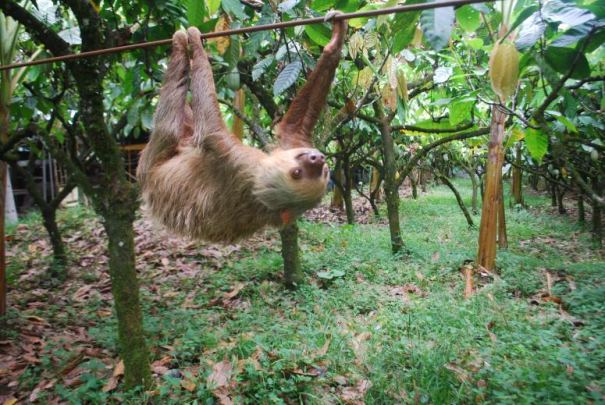
Sloths are my favorite arboreal folivore, which is just the short, scientific way of saying an animal that lives in trees and feeds only on leaves. Observing this placid-looking creature was and still is quite a novelty for visitors (and locals, like me) to Costa Rica given that its sluggish nature is uncommon for a arboreal vertebrate…and its adorable fuzziness is simply too cute not to stare at. To understand the rarity of this type of animal (arboreal folivores) better, a group of researchers from the University of Wisconsin traveled to Costa Rica and began to investigate the sloth’s adaptation to a slow lifestyle. Continue reading

#9 Of One Dozen Love Letters About Xandari

XCRMSN1

Two years ago I had the pleasure of meeting a family at Xandari in Costa Rica who were on their first vacation in Costa Rica and at Xandari. The father in the family was a photographer by avocation and he shared various photographs with me that he had taken on that visit. He captured views from the property that I consider to be classic favorites of the guests who know Xandari the best. I asked permission to use his photographs, which he granted, but this is the first chance (oops) I have had to share them.

Then one year ago I had the good fortune to meet them again on their second vacation at Xandari–good fortune in the sense that I do not spend alot of time at the Costa Rica property, and so meeting them again was just funny good luck. Ray showed me more photographs. I noticed his scope and scale had changed this time around. Continue reading

#4 Of One Dozen Love Letters About Xandari

The Sri Padmanabhaswamy temple, in Trivandrum, has been amassing gold for centuries. PHOTOGRAPH BY CHIARA GOIA

What I love most about Xandari is this fact: over nearly two decades, several tens of thousands of guests have trusted Xandari with their valuable vacation time, and that faith has been reciprocated with such authentic hospitality that Xandari has one of the most loyal clientele of any hotel I know of. Most guests coming to Xandari today are related through kinship or friendship to guests who have already been at Xandari before. That loyalty is like treasure buried deep inside of Xandari. Continue reading

#3 Of One Dozen Love Letters About Xandari

X3By the time that MLHS had completed the acquisition of Xandari in Costa Rica we were already well under way with the development of what is now Xandari Pearl, on the beach about 40km south of Xandari Harbour. Reflecting today on what I love about Xandari, I again am reminded of some rather heroic decisions made by George M George, and the board of directors who he reported to.
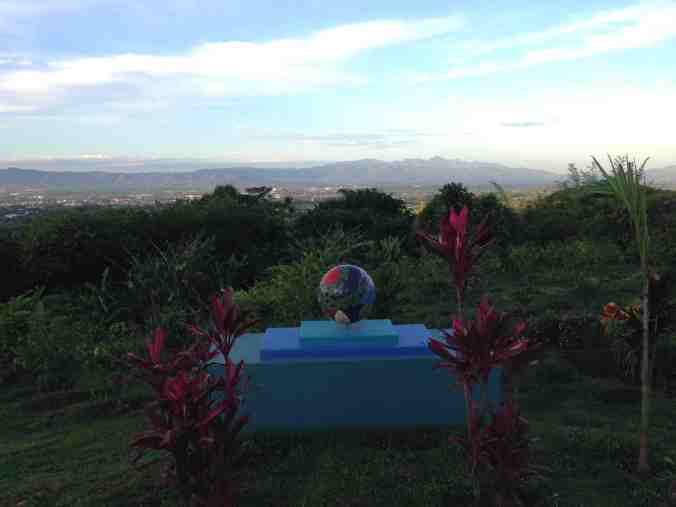
In 2010, when we were in the early months of this relationship between MLHS and La Paz Group, there was already a completed architectural plan for the beach property that MLHS owned at Marari. There were already permits applied for the construction of those plans. So it was with some trepidation that I took a firm position in my recommendation to the board George reported to: those plans would result in a resort that would not fit the strategic road map I was laying out. To start with, it was 80+ rooms; and there were other issues but scale was the one I focused on.

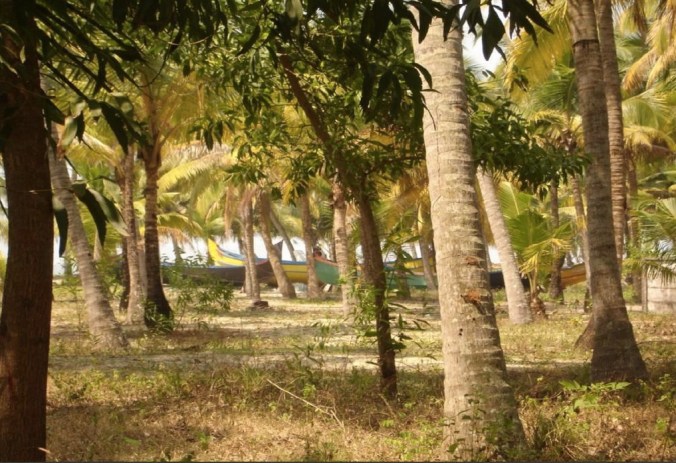
Just now I was looking at the powerpoint presentation I brought into the board room with me to make my case about abandoning the original plans for the resort at Marari. The first image in that presentation was the one above, which was a photo snapped just some days prior to the meeting. I talked about the natural beauty of the beach property, and how our target market would appreciate meandering on paths through as much of that as we could preserve; ideally we would not cut a single tree. We would let the local fishermen continue to keep their boats on property. And other points about that land. Continue reading

Xandari, Monday Morning

WestPoolSunrise

We are currently in the middle of filming a series of short films at Xandari, here in Costa Rica, to match the series of short films we have made of the various Xandari properties in Kerala, India. The film crew arrives at 4:45 so we can catch the rising sun, which I find best viewed from the west edge of the property. Above you can see some of the coffee planted in the last two years, in the midst of one of Xandari’s highly productive organic vegetable gardens. The film crew is drawn to this space at sunrise and sunset. Soon you will see why, cinematically. For now, some more images from the edge of the forest reserve, following Saturday morning’s outing; this time focused on various introduced species of flora that complement Costa Rica’s most famous introduced species of plant (high grade arabica coffee). Continue reading

Soaked Boots and River Squirms

dsc01733_zps0mvho6g0

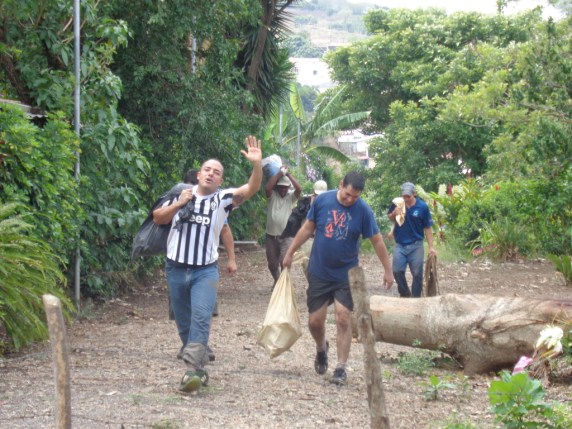
In the spirit of Earth Day, Xandari held a river clean-up last week along the Tacacorí River, which not only is the hotel’s primary supply for irrigation but also the local town’s. Similar to the community street clean-up we led last September and years prior, the purpose of this event was to remove any garbage along the river starting from the river spring and through the length of the property, which amounts to about 1km. Unlike the last clean-up, however, this one was of a smaller, and damper, scale. Continue reading

Celebrating the Oldest National Park in Costa Rica

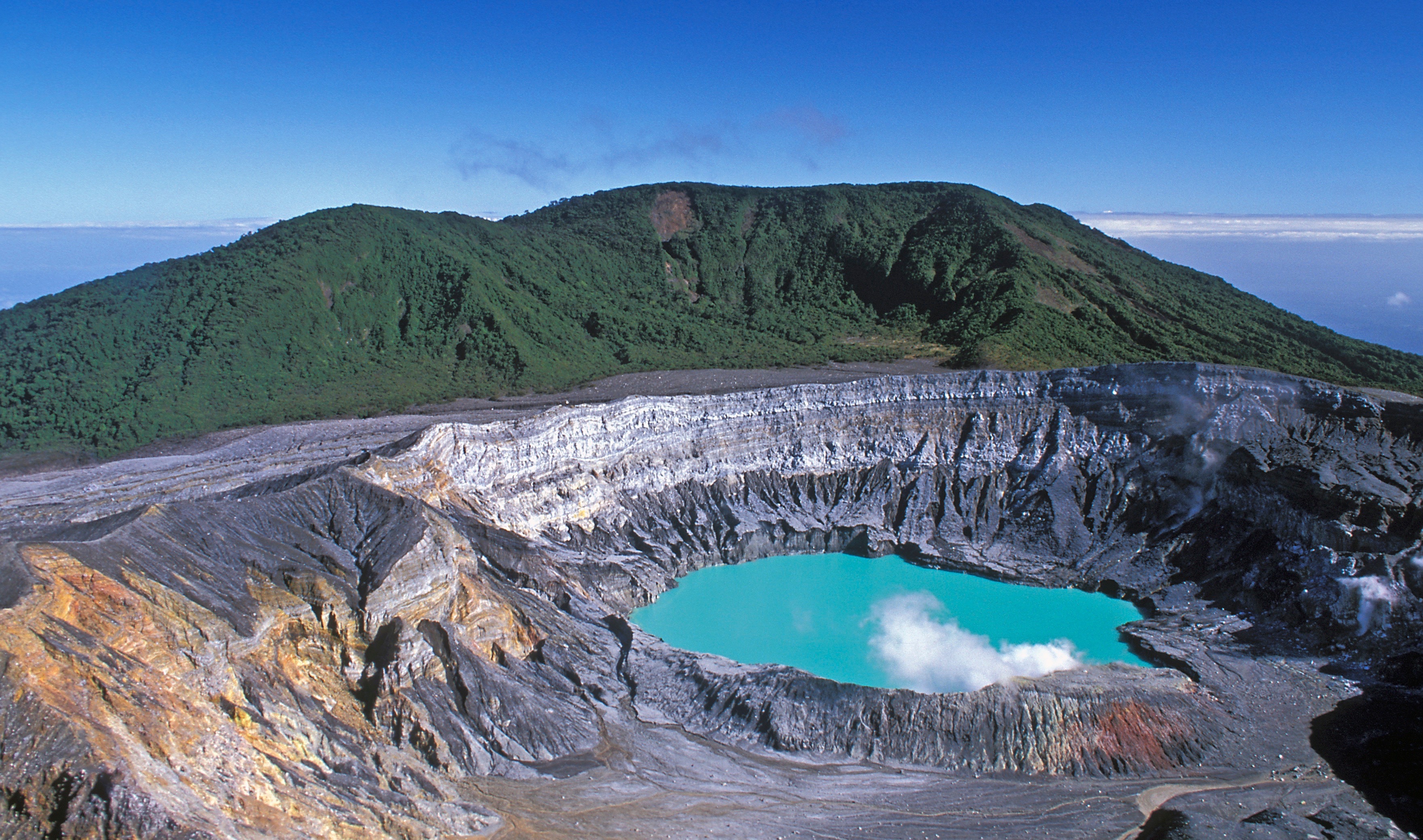
Poas Volcano crater on a clear day. Photo credit: Juan K Gamboa

Poas Volcano crater on a clear day. Photo credit: Juan K Gamboa

Today in Costa Rica we celebrate Poás Volcano National Park, which is the oldest national park in the country. It was founded on January 25th, 1971 and is the most visited national park by locals and foreigners alike. The volcano remains active to this day, with clouds of smoke frequently emitting from the main crater. Since 1989 the size of the lake crater has been shrinking and the amount of acid rain increasing, damaging some of the flora in the surrounding areas of the park and farming lands nearby.

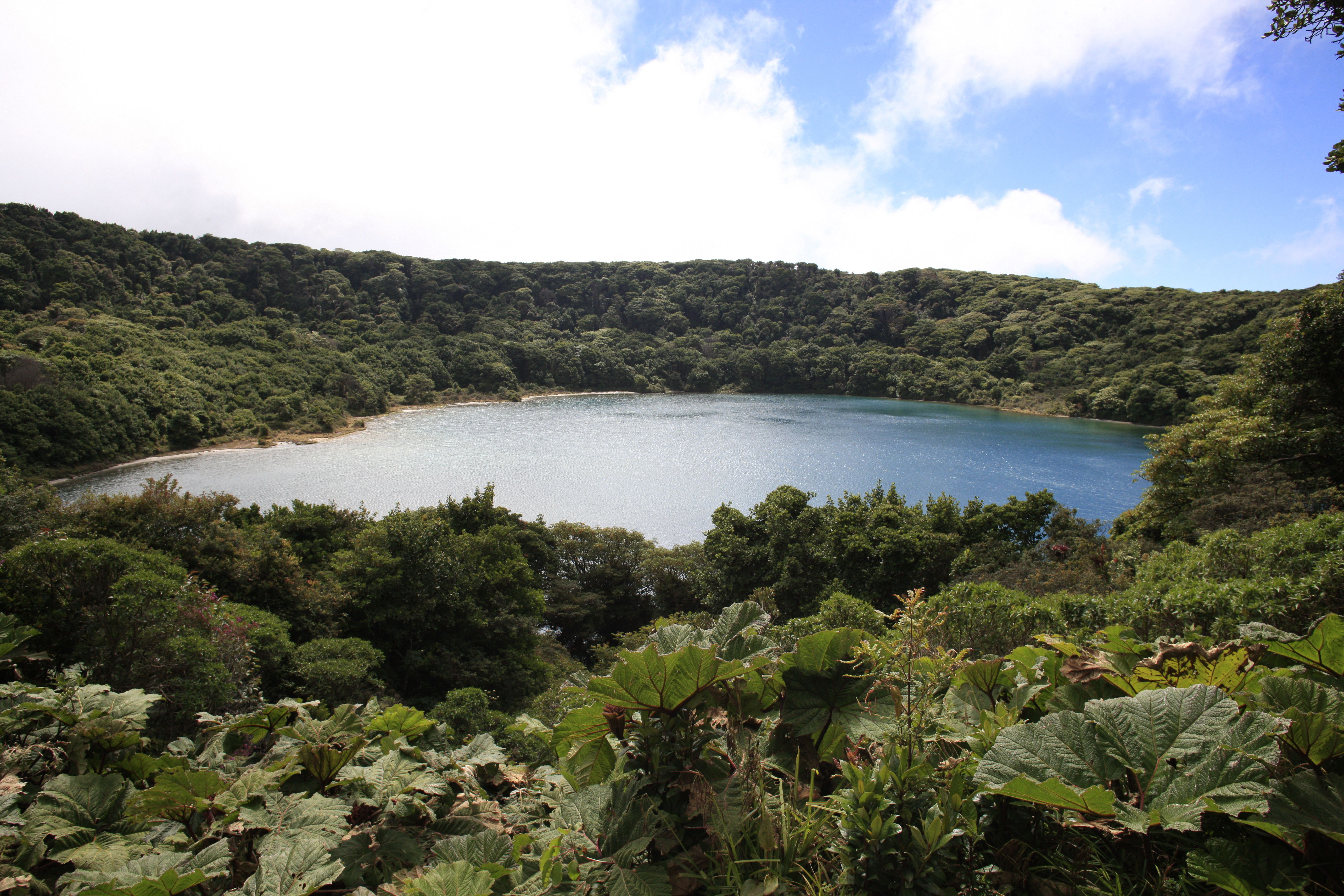
Poas Volcano National Park, Lake Botos fills an extinct crater at the end of one trail, and is home to many cloud forest birds including hummingbirds, tanagers, flycatchers, toucanets, Costa Rica’s national bird the clay-colored robin. Photo credit: Juan K. Gamboa

The story behind the name Poás is a curious one. Continue reading

This Earth Hour Could Be Epic

Screen Shot 2016-03-18 at 4.01.10 PM

This Earth Hour, join the biggest solar revolution ever – go solar!

This Earth Hour, switch off your lights and switch on the power of the sun. Find out how you can join the biggest solar revolution ever, right here in India, and be a part of the global climate action!

We clicked on the India option first (since so many of our own initiatives are there), which led us to India’s activities related to Earth Hour. Next, Costa Rica. If you visit the website WWF set up to explain and promote Earth Hour, you will get the simple explanation:

As the world stands at a climate crossroads, it is powerful yet humbling to think that our actions today will decide what tomorrow will look like for generations to come. This Earth Hour, ​switch on your social power​ to shine a light on climate action. This is our time to #ChangeClimateChange…our future starts today.

Earth Hour is on Saturday, 19 March 2016 8:30 p.m. local time. Continue reading

Volcán Barva

IMG_8066_zpsuftku7jl

The lagoon in the crater of Barva Volcano

This weekend, I visited Braulio Carrillo National Park for the second time, but at a different sector: Barva Volcano. I’d been to the Quebrada González area further east in July of last year, where the ecosystem is more tropical rainforest than the high-altitude cloud forest of a volcano. The Quebrada González eBird hotspot has 382 species reported in 288 checklists at the time of writing this post; in stark contrast, the Volcán Barva hotspot on eBird has 82 species in only 8 checklists, including my own contribution despite arriving at the national park at around 11am, nowhere near ideal circumstances for birdwatching.

This discrepancy is likely explained both by the fact that Barva is at a higher elevation and therefore less diverse in terms of species count, but also a pretty small chunk of this massive national park. The lower diversity, however, is compensated by a higher rate of endemism, which is what occurs along high mountain gradients where habitat needs are specialized. For example, I spotted a Spangle-cheeked Tanager that’s endemic to the highlands of Costa Rica and western Panama, and there were lots of special bromeliads and mossy, licheny trees to admire. Continue reading

El Mayoreo

img_20160227_101941064_zpsyaa0yc5z

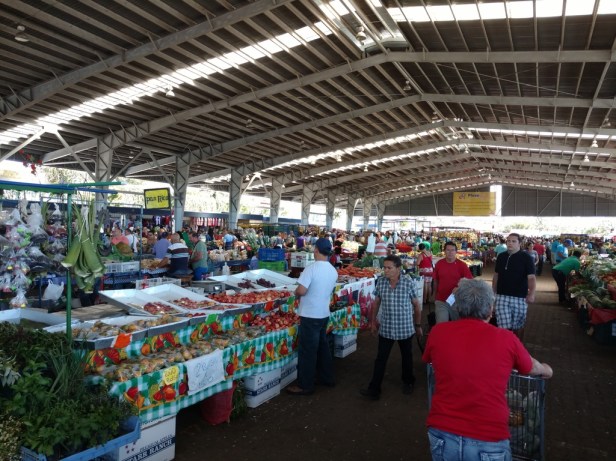
The Mayoreo is the largest farmer’s market in Alajuela and my weekly or bimonthly visits have become one of my favorite routine outings. I can’t claim that it has been so since the beginning, but I have progressively deciphered the persuasive “charm” of the sellers and come to appreciate the fidelity of buyer-seller kinships.

My first visit to the Mayoreo was overwhelming. There are rows upon rows of vibrantly colored produce and fruit, people swaying with the rhythm of the crowds, and farmers howling prices in the noisy air. I felt lost. I had no idea where to start, so I committed to the first row I came upon and looked for the items that were written on my grocery list. My tactic consisted of timidly shuffling towards a stand until the vendor took notice of the potential “business” opportunity and in a boisterous yet coaxing manner lured me closer to his stand. I tried my hardest to blend in with the crowd and give the impression of being an experienced buyer, but the buyer/seller dynamic was a whole different dimension that I would not be able to comprehend and employ until several more visits.

Continue reading

Roasting Xandari Coffee

About a month ago I reported that coffee was going strong here at the resort, and since then we’ve been serving our own Xandari-grown coffee here at the restaurant during breakfast hours nearly every day possible, based on availability of the roasted product. In the video above, you can see Continue reading

We All Like a Good Lek

There’s a couple places where we’ve mentioned leks on this blog before–primarily where grouse have been involved–but the first happens to be from 2012, when I was sharing about another bird from the same family as the species shown in the video below. That was the Club-winged Manakin, which I caught on video with a small point-and-shoot camera looking through a guide’s spotting scope. As I explained back then, lek is a Swedish word that has come to mean competitive displays between males of a species to become the breeding choice of one or more females of the same species, most often in the avian world. This time, I got some video from my hand-held (and a tad shaky) Canon Powershot SX50:

In the video above, you can watch one, and then two, male Long-tailed Manakins call and flutter together in the woods just off-trail at Xandari Resort, perhaps as a display Continue reading

Costa Rica’s Tourism Revenue Grows 9% in 2015

tortuguero-turismo-ict-ingresos-visitas_lncima20160115_0086_5

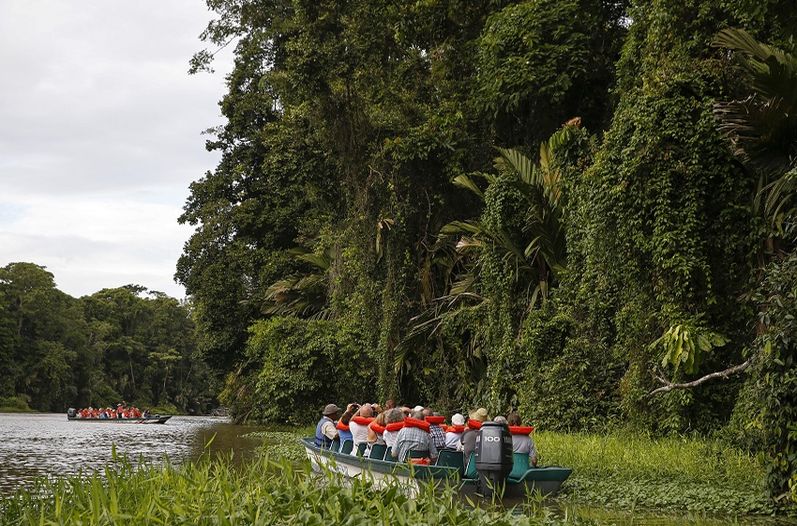
Tourists travel by boat through the canals of Tortuguero, on the Caribbean coast. Photo by Mayela López for La Nación.

Yesterday, the Costa Rican Tourism Institute reported that revenue from the tourism sector increased in 2015 by 9% over 2014, totaling $2.8 billion for the year. This was partly because the number of actual tourists was up from the previous year: 8% more from the United States, 6.1% more from Europe, and a whopping 29.2% more from China. The total increase in tourists to Costa Rica was by 5.5%, with about 2.6 million people–about half of Costa Rica’s population–visiting the country.

Continue reading

Over the River and through the Botanical Garden

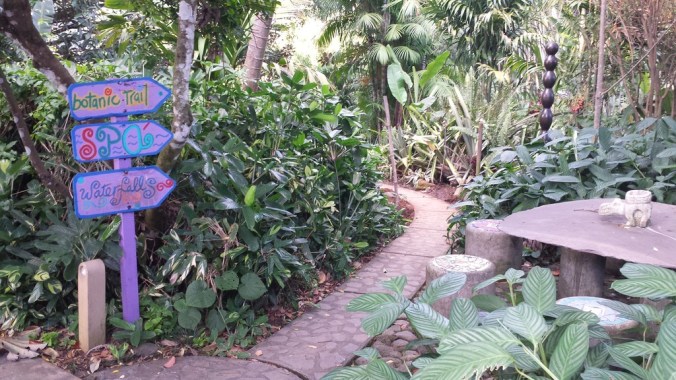
20160105_164051_zpsalrrh8nfAt Xandari we offer a garden and farm tour that consists of showing guests through our botanical garden, Mandala garden, and orchid house and educating them on the properties of each of the plants. When I was asked to translate the tour for our head gardener Jose Luis I immediately accepted. However, after agreeing to be the translator it dawned on me that my rudimentary knowledge about plants (species, genus, and all that scientific terminology amounts to high school level biology) could be a limitation to the learning experience of the guests. Adding to my worry, the guests taking the tour are well versed in plant identification and were hoping to learn more about the tropical plants we have. To prepare myself, I skimmed the plant identification binder we have, decided to take it with me on the tour, and hoped for the best.

Continue reading

Lepidopteran Diversity at Xandari

Over the last month or two one of my goals has been to identify as many of the butterflies and moths–or lepidopterans–that we have here at Xandari. Part of this work involves looking at old photos taken since 2014, when James and I first arrived on property and started taking pictures of wildlife; another element of the job is going out and photographing the lepidopterans in a more determined fashion.

Not an easy task, when butterflies can have such whimsical flight patterns and startle quite easily. Moths are a little simpler to chase because during the day they’re often focused on staying still and hiding out until evening. Continue reading