If You Happen To Be In Washington, DC

Nordic

From our friends in the north comes our favorite kind of cultural festival–all mixed up. It is reviewed in this podcast and explained on the Kennedy Center’s website:

About the festival

February 19-March 17, 2013, the Kennedy Center presents Nordic Cool 2013, a month-long international festival of theater, dance, music, visual arts, literature, design, cuisine, and film to highlight the diverse cultures of Denmark, Finland, Iceland, Norway, and Sweden as well as the territories of Greenland, the Faroe Islands, and Áland Islands. Continue reading

Sweet Potato Tango

Ted Aljibe/AFP/Getty Images

Ted Aljibe/AFP/Getty Images

It wouldn’t be the first time that we’ve written about the “Columbian Exchange” on this site. So many of the foods now considered synonymous with “Old World” or “Asian” cuisines are actually endemic to the Americas, and according to NPR’s The Salt “anthropologists think that a few foods made the 5,000-mile trek across the Pacific Ocean long before Columbus landed in the New World.”

Sweet potatoes originated in Central and South America. But archaeologists have found prehistoric remnants of sweet potato in Polynesia from about A.D. 1000 to A.D. 1100, according to radiocarbon dating. They’ve hypothesized that those ancient samples came from the western coast of South America. Among the clues: One Polynesian word for sweet potato — “kuumala” — resembles “kumara,” or “cumal,” the words for the vegetable in Quechua, a language spoken by Andean natives.

But until now, there was little genetic proof for this theory of how the tater traveled. Continue reading

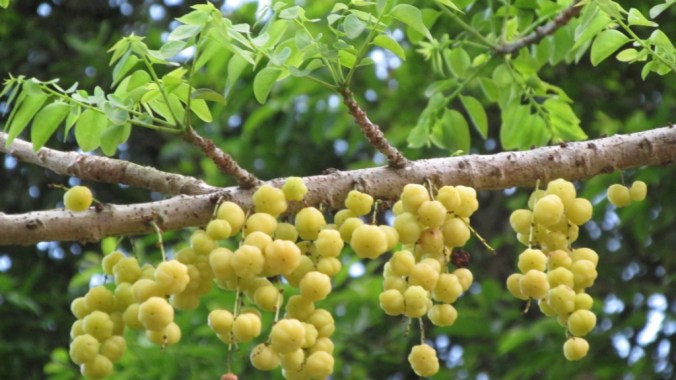
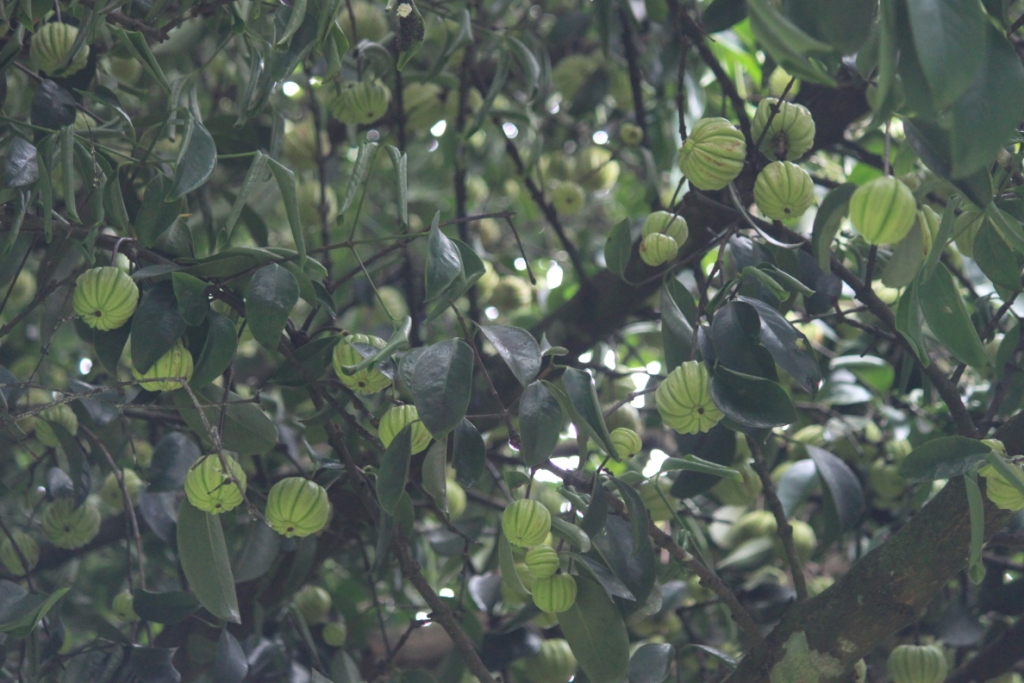
Star Gooseberry – Phyllanthus acidus

Star Gooseberry is a medium-sized deciduous tree that grows up to 7-8 metres high in the tropical and sub-tropical regions of Asia. The round scalloped fruits are mainly used for making pickles in Kerala. Continue reading

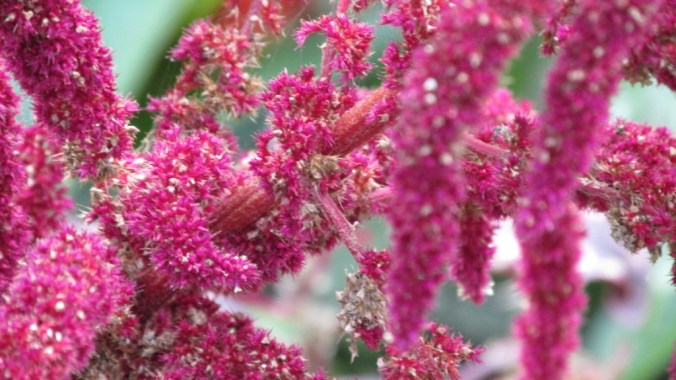
Red Malabar Spinach – Red Amaranthus

Spinach Flower

Red Malabar Spinach is an annual flowering plant , famous for its leaves in vegetable dishes. Fresh spinach is a good source of vitamin A, vitamin C and other essential minerals and it is very low in calories. These plants are widely growing in and around Kerala where it is locally called Cheera. Continue reading

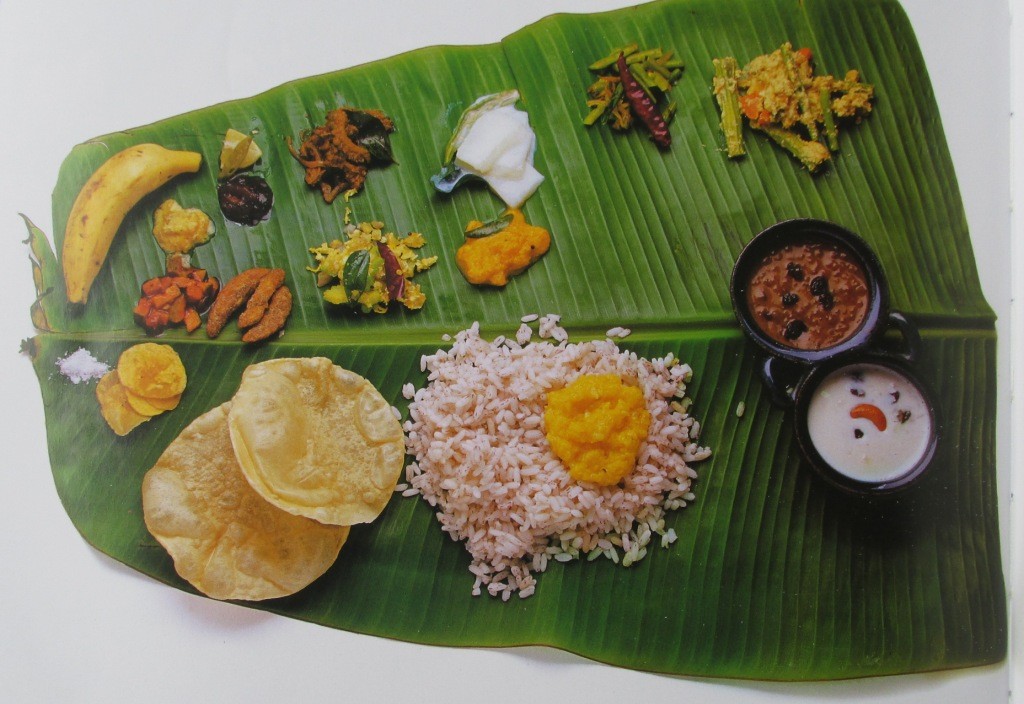
Flavours Of Kerala – Sadya

Food is an important indicator of a region’s history. The diversity that one sees today in Kerala’s food evolved from its past, when profound historical and social events influenced the diet of the inhabitants. Only the end section of the banana leaf is used due to the precise method of serving a Sadya. Starting at the narrow end, individual items are carefully added from left to right with the curries above the dividing spine so they don’t get mixed with the rice which will be  placed on the bottom half later. Continue reading

Vegetable Shops – Kerala

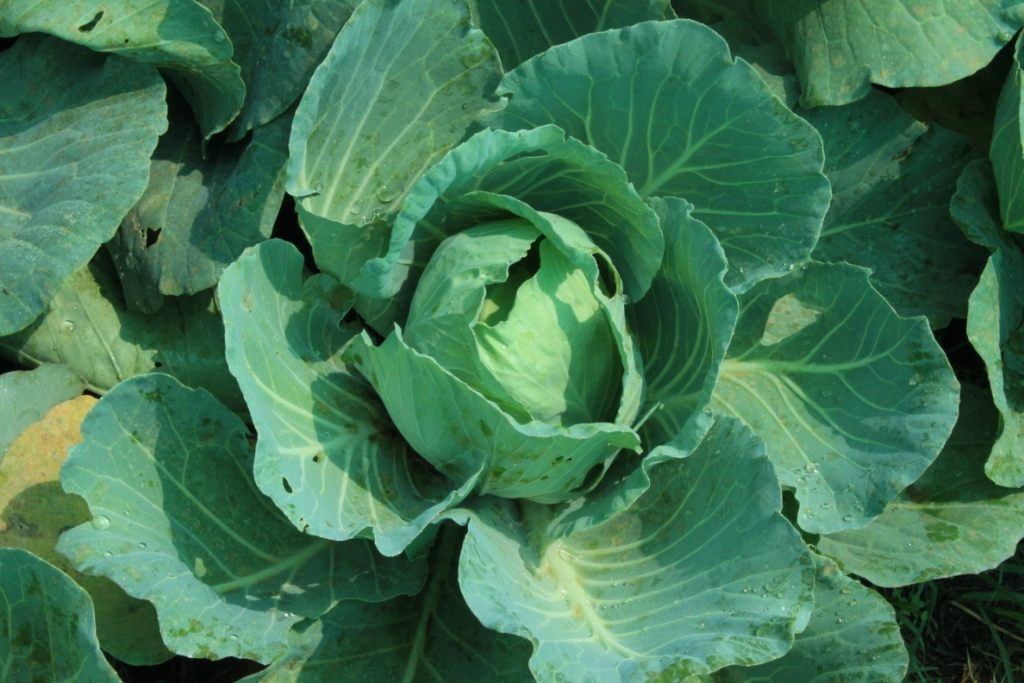
Fresh vegetables play a major role in Kerala’s cuisine. People at all levels of the economy use these traditional shops for buying their fresh vegetables such as carrots, cabbage, tomatos, beans, cucumber, bananas, chilies and drumstick.

Flavours Of Kerala- Karimeen (Pearlspot)

Kerala’s extensive network of rivers and backwaters means that fish is plays a central role on any menu and Karimeen (Pearlspot) has come to symbolise that part of the cuisine. Karimeen is a bony fish, treasured for its taste. Its most famous recipe is Karimeen Pollichathu where it is marinated in masala, wrapped in a banana leaf and broiled. Continue reading

Flavours Of Kerala – Pal-Appam (Lacy Rice Cake)

Pal-appam is a popular breakfast dish in Kerala, served with vegetable, mutton or chicken stew.  Alternatively it is served as a starter dish with fish curry for formal meals.  Pal-appam is a white lacy crepe-like cake with crispy brown edges.

Continue reading

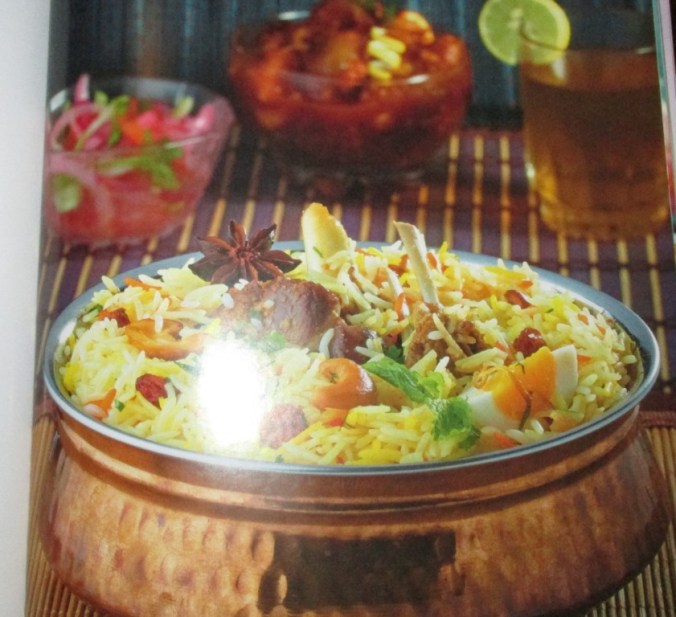
Flavours Of Kerala – Malabar Mutton Biriyani


 The Persians and Mughals influenced the Malabar cuisine and Biriyani is an example of one such delicacy. Biriyani can be prepared using beef, fish or chicken also. Malabar Mutton Biriyani is the most popular among the Biriyanis. Made with special rice, this dish is made using the ‘Dhum’ method. The preparation of the Biriyani masala is a trade secret which is not shared outside of the cooking circles.
Continue reading

Flavours of Kerala- Puttu (Steamed Rice-Cake)

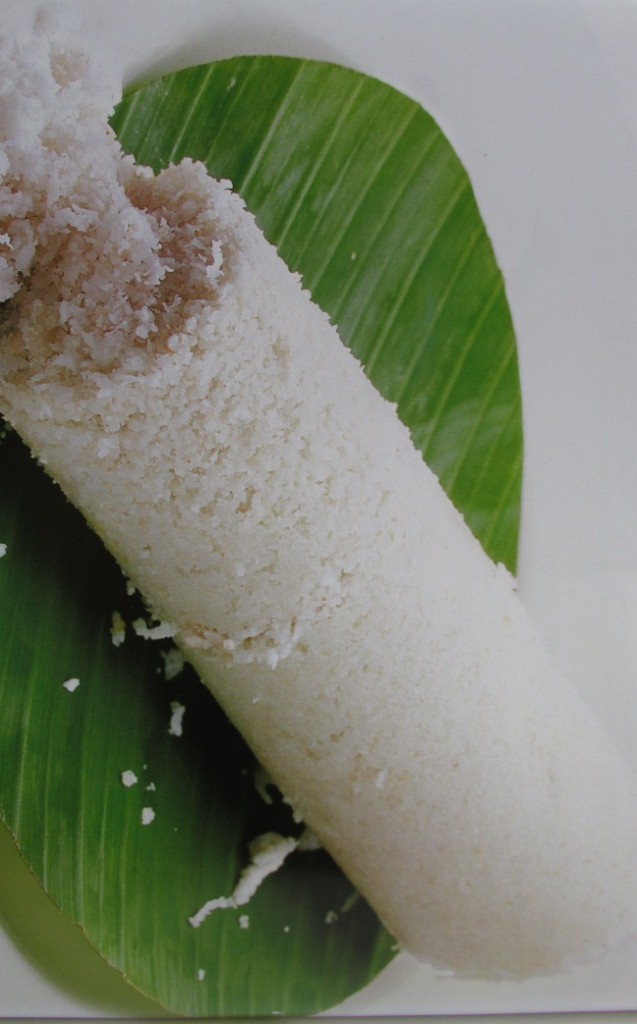
Puttu is a wonderful main dish for breakfast in Kerala. Easy to make and compatible with everything from ripe bananas to red fish curry this oil -free and healthy dish is made using a unique two piece vessel called a puttu – kudam and puttu- kutti. Continue reading

Flavours Of Kerala – Sambar

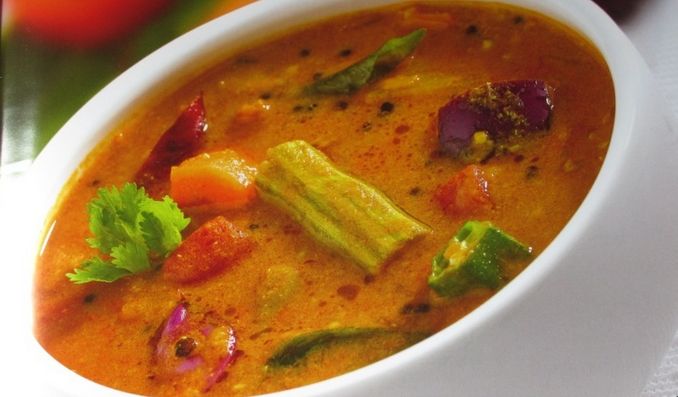
Sambar is an example of a traditional South Indian spiced vegetable stew. It is a classic dish made with lentil and tamarind based broth, usually served with plain rice, Idli or Dosa, or an element in thali (banana leaf) meals. Each state of South India prepares it with a typical variation adapted to its culture and taste. Continue reading

Kokam (Garcinia indica)

Kokam is endemic to the tropical evergreen forest of the Western Ghats and the Malabar coast. It is a slender tree with drooping branches and edible seeds. A member of the mangosteen family, the fruit ripens from green to orange-yellow, and when dried for use in cooking it assumes a near black colour. It has a sour taste with an underlying astringency.

Continue reading

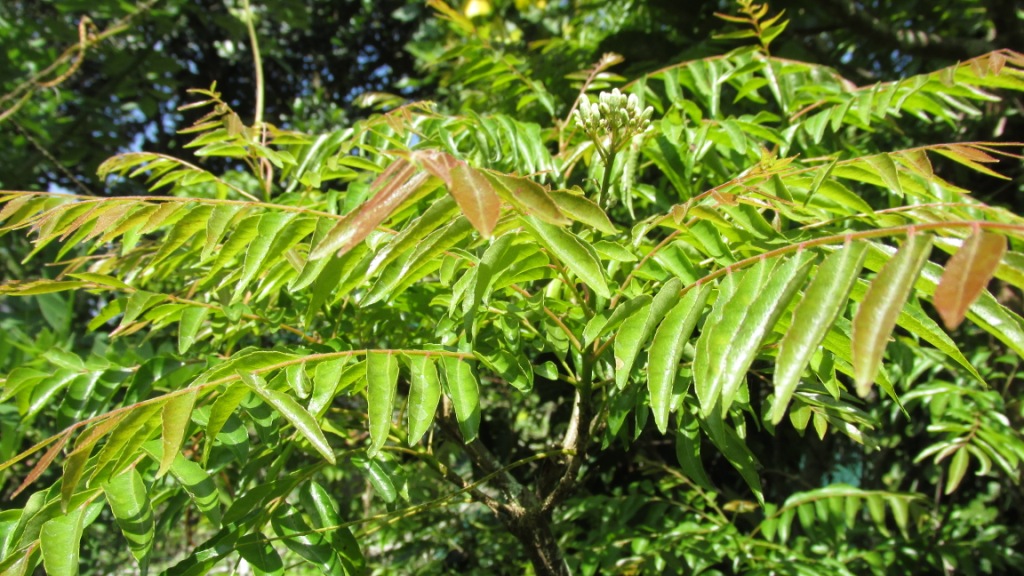
Curry Leaf (Murraya koenigi)

Curry Leaf is a small deciduous tree that grows profusely all over the India. It has been part of Kerala cuisine from the dawn of civilization. It is impossible to describe the aroma and flavour of curry leaves, but it helps define the sensory experience of an India market. Continue reading

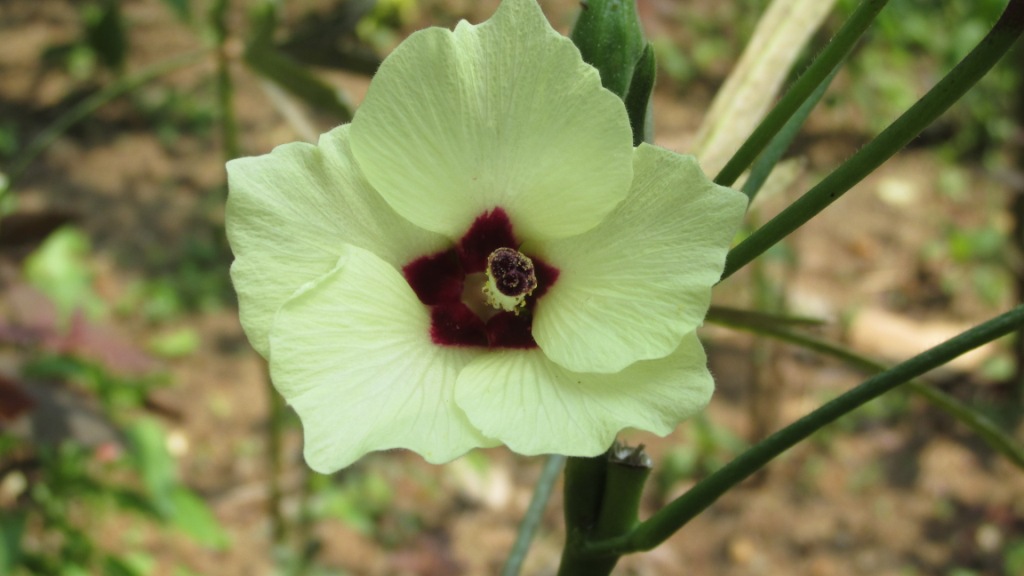
Okra

Okra is a flowering perennial plant that belongs to the mallow family with green edible pods that are widely used as a healthy vegetable throughout the world. These plants are cultivated in tropical, sub-tropical and warm regions.

Continue reading

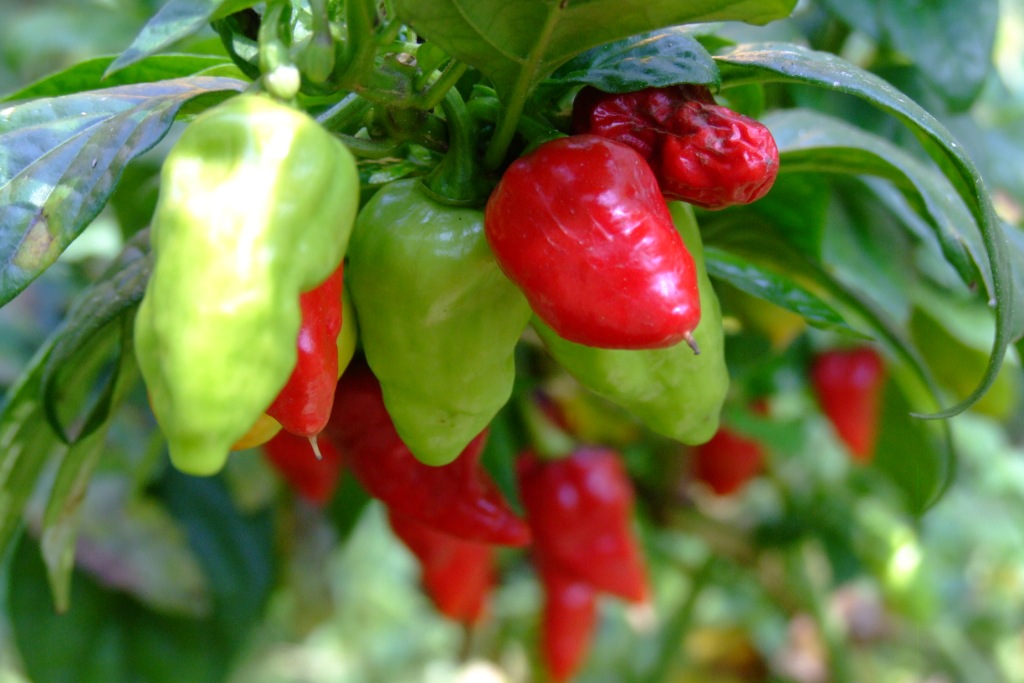
Indian Green Chili

Chilies are an important food ingredient for all Indian recipes, especially in South Indian curries. They are commonly cultivating throughout India, although the fruit itself originated in the Americas and only spread eastward in the Columbian Exchange. They are now an important part of cuisines across the globe.

Continue reading

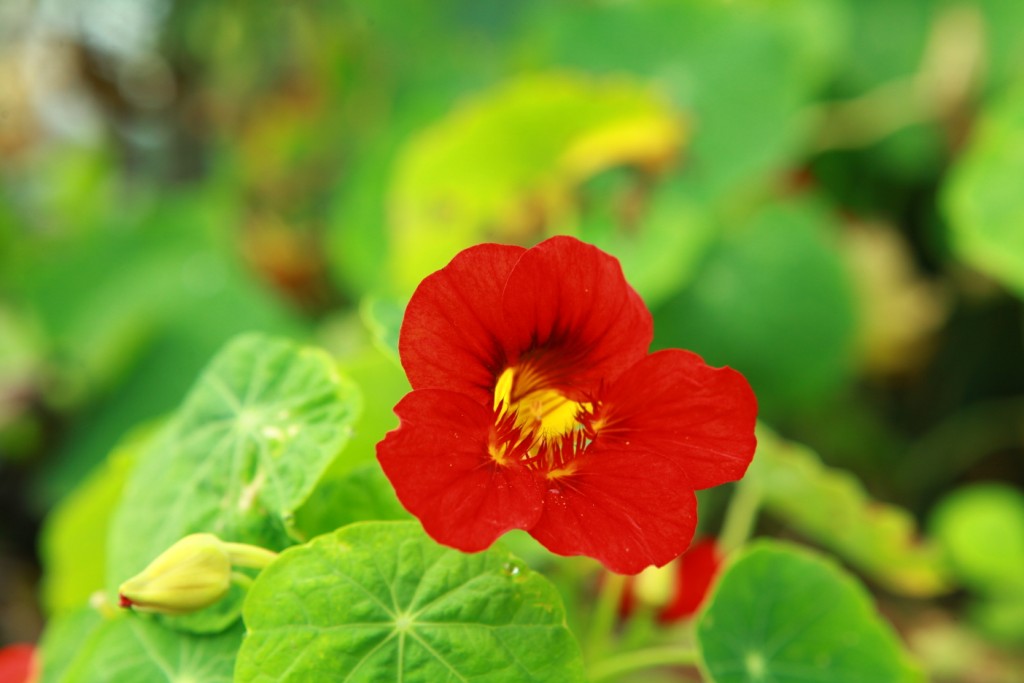
Nasturtium (Tropaeolum majus)

Nasturtium plants are native to South America, but this fast growing climber is now widely growing in the High Ranges of Kerala. These plants are commonly found in gardens and the leaves and flowers are used to increase resistance to bacterial infections.

Continue reading