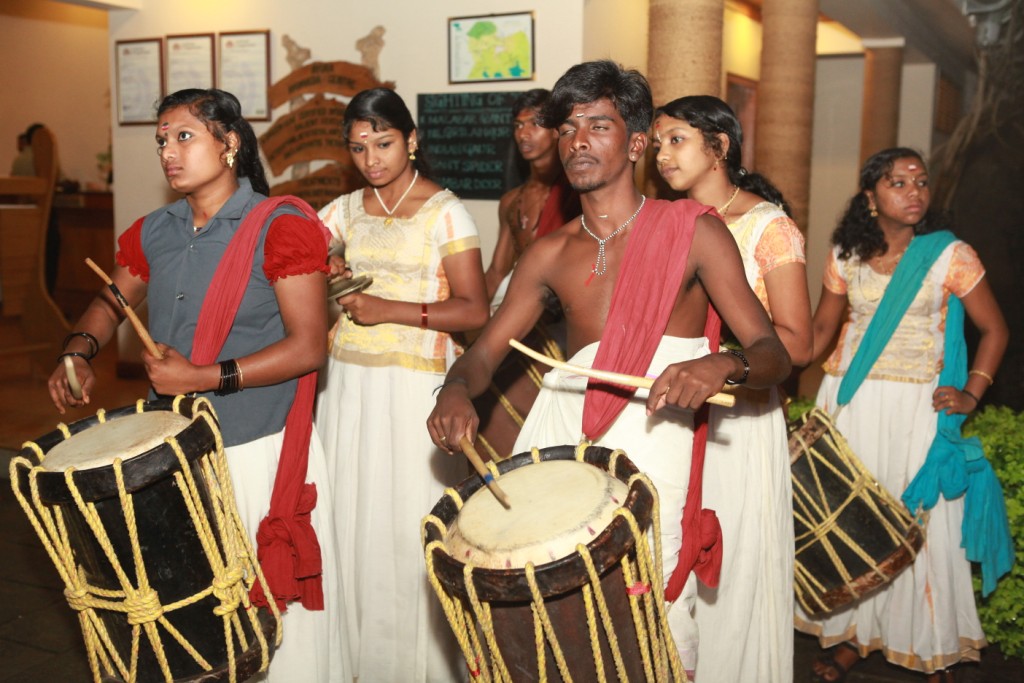
The Chenda melam- Traditional band of Kerala

The Chenda melam is the most widely performed keshtra vadhyas (songs or programmes based on temples festivals) of south India. Irrespective of cast or religion, the melam have been an important part of every Kerala festival for over 300 years old. The most important among these melams are Pandy and Panchari, which may extend up to 5 hours. The leading instrument in these compositions is the Chenda, a cylindrical drum that originated in Kerala. The Chenda is divided into Valamthala Chenda & Edamthala Chenda (right & left side of the instrument) or also known as “Veekam Chenda” & “Uruttu Chenda”.
Continue reading

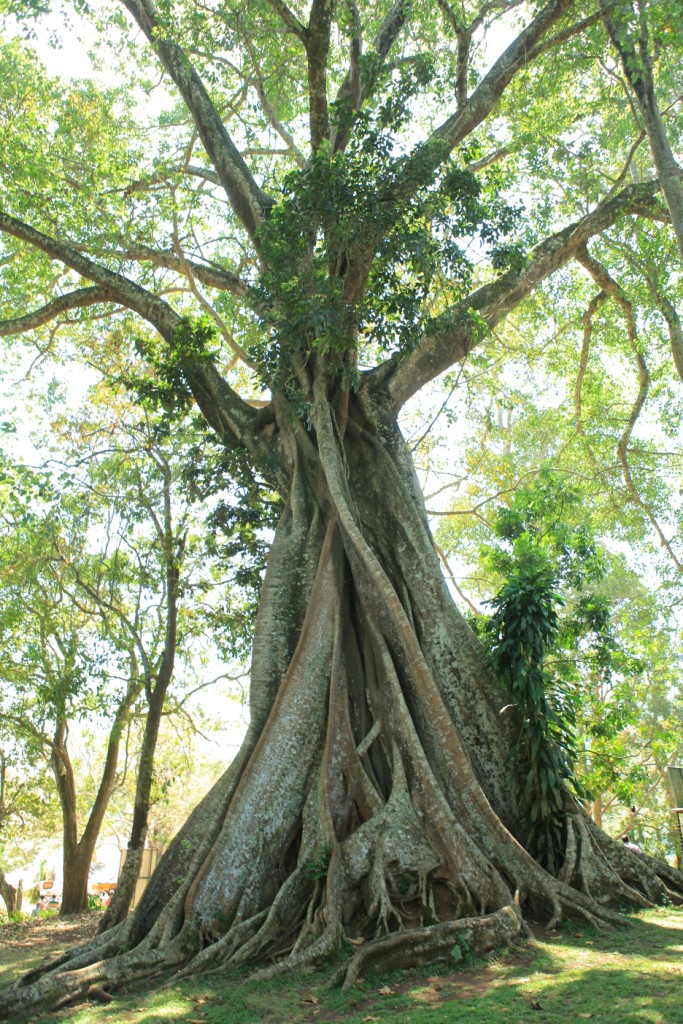
Sacred Fig ( Ficus religiosa)

Ficus religiosa is a semi-evergreen tree that grows up to 30 meters in height with  wonderful wide spreading branches. It is commonly known as Peepal tree, but is also known as Bodhi tree, Bo-tree and Holy tree. The fruit of the sacred fig is a favorite food for birds, monkeys, squirrels and fruit bats.

According to Buddhism (one of the religions of India), the Peepal is sacred because it is  believed that Lord Buddha found enlightenment beneath this tree. Continue reading

Curiouser Than Fiction

Children examine the Automaton during a visit to The Franklin Institute.

About 5 years ago I brought home a curious book called The Invention of Hugo Cabret by Brian Selznick.  Both of my sons had been avid readers and lovers of detailed illustrations since childhood and books like The Eleventh Hour by Graeme Base had been favorites for as long as I could remember, so the elaborate charcoal drawings and almost graphic novel design in this new book were intriguing.

The most fascinating moment came with poking around the history behind the story itself.  Although placed within a work of fiction, both Georges Méliès and automatons are quite real. The Franklin Institute of Science and Technology has one in their collection with a history similar to the one in Selznick’s book:

In November of 1928, a truck pulled up to The Franklin Institute science museum in Philadelphia and unloaded the pieces of an interesting, complex, but totally ruined brass machine. Donated by the estate of John Penn Brock, a wealthy Philadelphian, the machine was studied and the museum began to realize the treasure it had been given. Continue reading

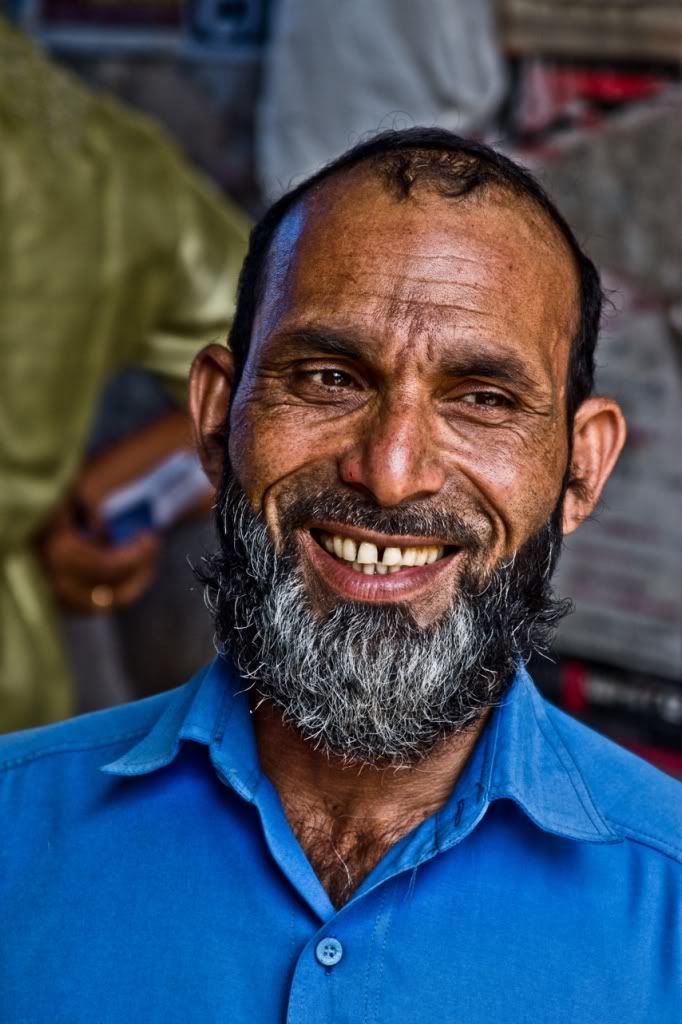
Marketable Faces: Part Three (Melting Pot)

The fringes of society are not the only point of convergence for odd characters. Least of all in India. Confronted by a foreigner with a camera, a man of modest means, excited by said foreigner’s appearance and interest in him, might act rather queerly. Although this response isn’t strictly natural in the general sense, it is by no means posed or artificial, as the subject is acting entirely of their own accord. So when they proffer bananas in shock, or hide their face behind a cup of chai or a cigarette, that’s the reaction I capture. The most frequent response is nervously calling out to friends nearby to “get a load of this”.

Continue reading

Pulikkali – The Tiger Dance

Photo:- Joshi Manjummel

The Tiger Dance is an art form of Kerala in which painted men imitate a tiger and its action. Pulikali is said to have originated in the 18th century when the soldiers belonging to the army of Sakthan Thamburan, who was the King of Cochin, first performed it.
Continue reading

Amritsar, India: The Golden Temple

Guest Author: Carl Zainaldin

A few weekends ago I visited the Golden Temple at Amritsar, a city located in the state of Punjab, located about 30 km from the India-Pakistan border.

The Golden Temple was first conceived in the 16th century by Guru Raam Das., and was completed in 1604. In 1830, the Temple was renovated and plated with gold, and in 1993 a prominent Sikh sponsored its renovation and subsequent revival.

Continue reading

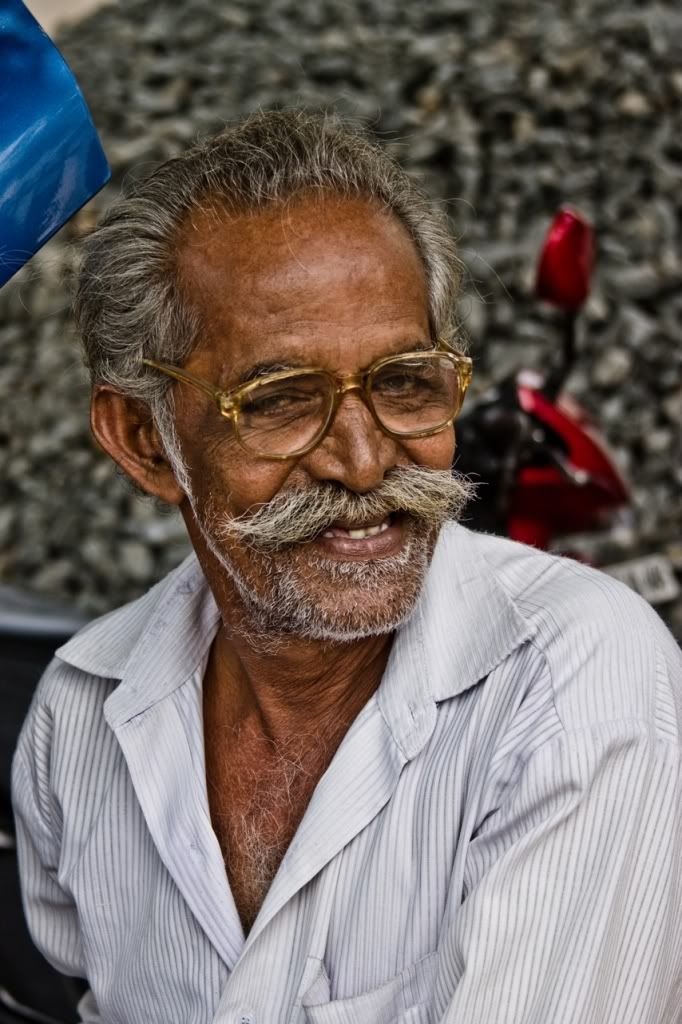
Marketable Faces: Part Two (Men of a Certain Age)

There’s something about Indian men above the age of fifty. Their features seem to lend themselves to being photographed. When they have beards, they are twice as photogenic, and when they crack a smile, it’s twice as radiant as that of a man half their age. One of my favorite aspects of the British colonial residue (or perhaps the Indian custom rubbed off on the Brits!)  is the extravagant facial hair exhibited by many Indian men of a certain age – Keralites with enormous mustaches are not as common as in Tamil Nadu, but when they do it, they do it with class.

Continue reading

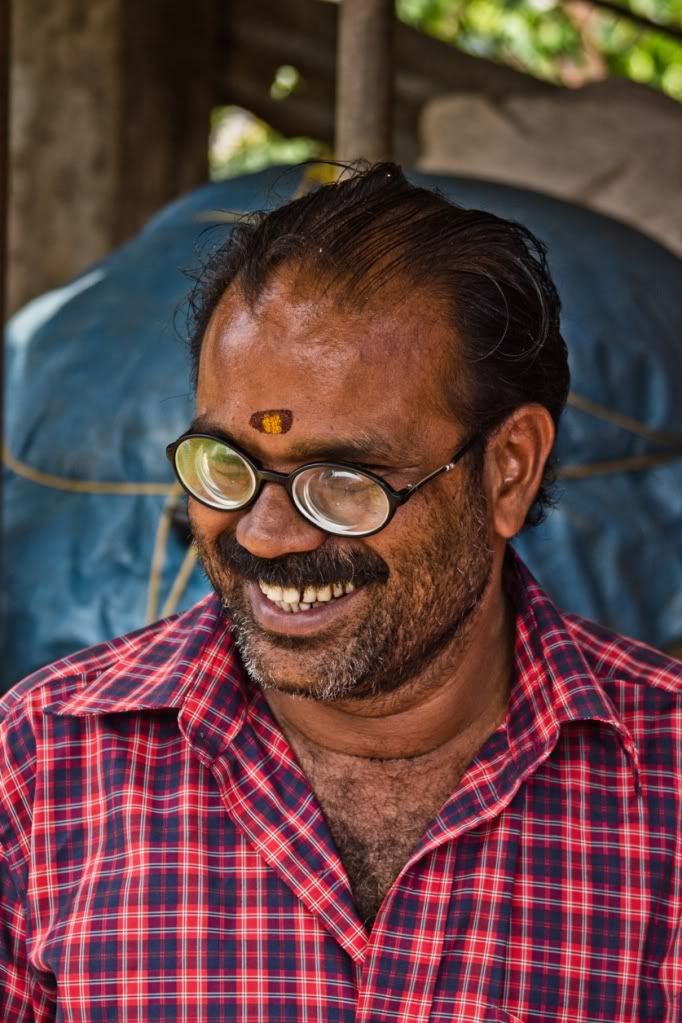
Marketable Faces: Part One (Men in Blue)

Throughout Kerala, colorful trucks unload tons of produce and commodities every morning. Wholesalers, warehouses, and markets all maintain a steady flow of goods – and the cycle begins anew each morning. I occasionally venture into central Cochin’s main market (Broadway) to photograph the process, and the colorful people that are washed about by the endless tide of fruits and vegetables, fish and fowl.

Continue reading

Real Rural California

In India, the migration from rural to urban areas is one of the most dynamic changes to the economy, the environment, the landscapes, the urbanscapes (just as in China and other rapidly developing agrarian economies) so it is refreshing to see and hear the stories that writer and photographer Lisa Hamilton shares on this site (click the image to go to one of those stories):

In February/March 2012, an ad-art campaign on trains throughout the Bay Area Rapid Transit (BART) system will feature select portraits of people and places from rural California. In fall 2012, photographs from Real Rural will comprise a show at the California Historical Society Museum, and there will be a concurrent ad-art campaign on billboards in Los Angeles and Sacramento. Continue reading

Cottage Industry

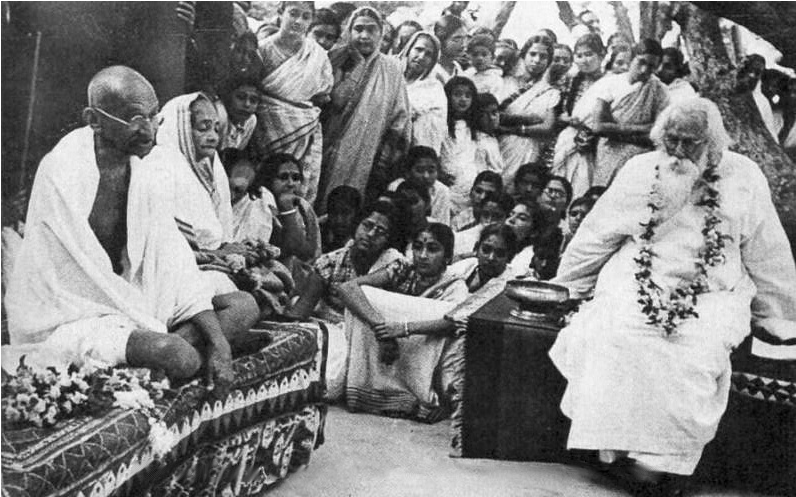
Nobel Laureate Rabindranath Tagore founded Shanti Niketan (meaning an Abode of Peace) laying the foundation for what is today known as Vishva-Bharati University, home of one of the best art colleges in the world. In 1922 Mohandas Karamchand Gandhi visited Santiniketan and met Sushen Mukherjee, a young man inspired by the movement for Indian Independence. The meeting influenced Mukherjee to set up Amar Kutir “my cottage” in 1927, establishing a rudimentary cottage industry for sari printing, handloom, and leather craft production 15 miles away from Santineketan on the banks of the Kopai River near West Bengal. Continue reading

The Largest Team Sport – Snake Boat Race

Snake Boat races are the largest team sport in the world. These races integrate team spirit, adventure and a great sense of rhythm. A number of small boats also participate in these events. Usually, a snake boat is manned by four helmsmen, 25 singers, and 100-125 oarsmen, who row in unison according to the fast rhythm of the racing songs. The songs sung by the helmsman is known as ‘Vanchipaatu’. Boat races take place seasonally. The Champakulam Moolam Boat Race in Jun-Jul at Alappuzha, the Aranmula Boat Race in Aug-Sep at Aranmula, the Payippad Jalotsvam during the Onam festival in Aug-Sep at Alappuzha, and the Nehru Trophy Boat Race in the second Saturday of August at Punnamada Lake-Alappuzha. The following photographs were taken at the Payippad Jalotsvam Boat Race  by Mr. Joshi Manjummel during the last Onam festival in August-2011.

Photo by Mr. Joshi Manjummel at Payippad, Alapuzza

Continue reading

Losar, the Tibetan New Year

Guest Author: Carl Zainaldin

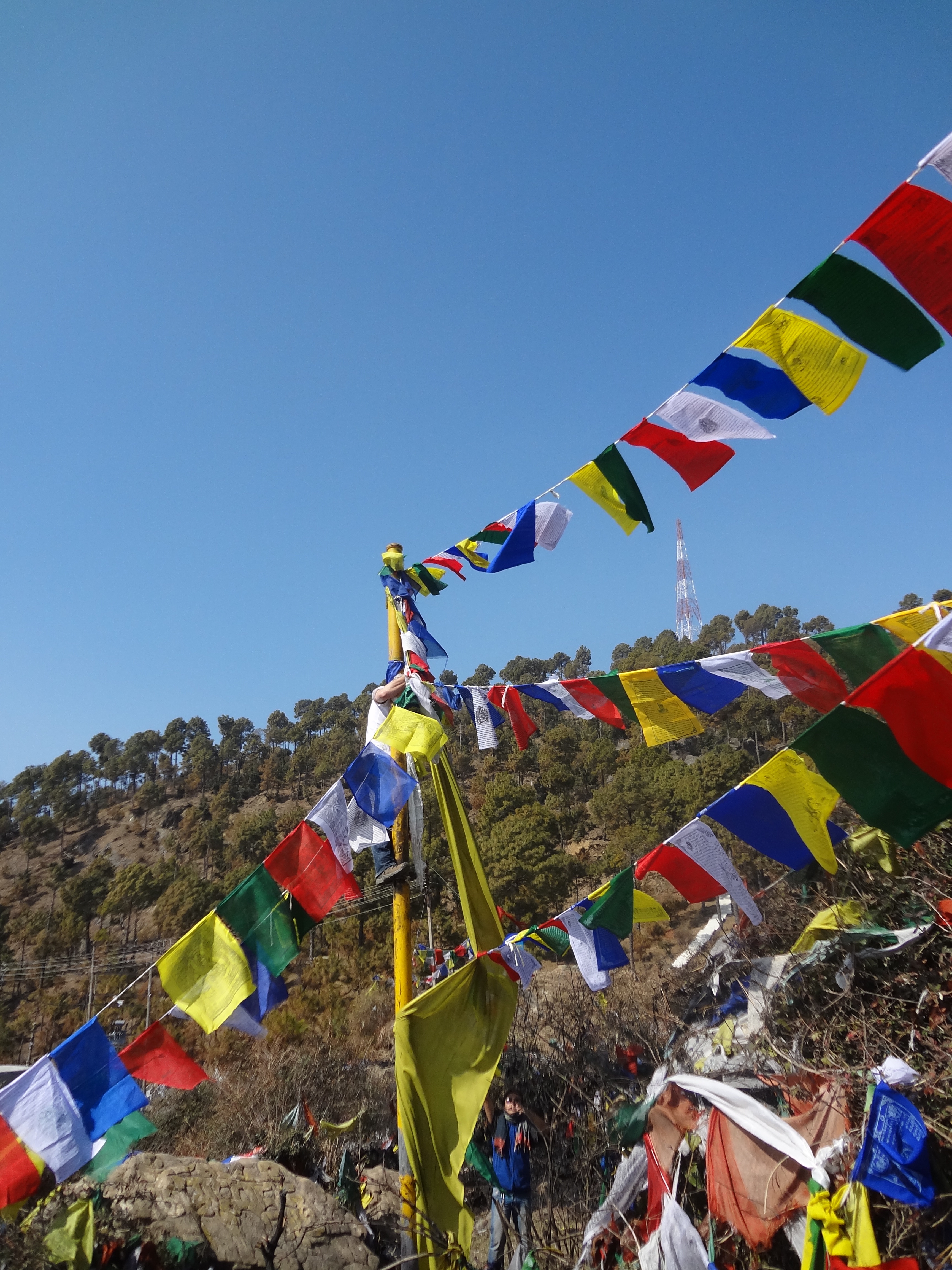
Losar, the Tibetan New Year which usually falls sometime in February, is celebrated by Tibetans all around the world. Lo means year, and sar means new. The Tibetans use a lunar calendar, and Losar falls on the first day of the new month, marked by the first new moon of the year.

Losar lasts for fifteen days, with the celebrations occurring on the first three days. To bring in the New Year, Tibetans dance, sing, drink chaang (a Tibetan beer that is served warm), and bake special goods such as khapsays (dough fried into butter and made into special shapes and various flavors).

Losar is a time for people make pilgrimages to sacred Buddhist temples and monasteries. Monasteries perform Losar pujas (rituals) which are popular events for Tibetans to attend. These pujas include ritual dancing, reciting Buddhist scripture, and performing offerings to certain deities, all of which are supposed to be auspicious activities to bring in the New Year. Continue reading

Holi Trifecta

This slideshow requires JavaScript.

Our last in a series of three tributes to The Guardian for their photographic prowess at capturing and educating about Holi.  Go visit their site to see larger versions of these amazing photos.  Meanwhile, stay tuned tomorrow. Continue reading

Holy Basil (Ocimum sanctum) – Queen of Herbs

Holy Basil (Ocimum sanctum) is an erect multi-branched shrub that grows up to 30-60cms in height which in Kerala is commonly known as Tulsi. The holy basil is highly valued for Hindu religious traditions and also for its medicinal properties in Ayurveda.

Continue reading

Holier Than Holi?

This slideshow requires JavaScript.

After noting several reasons, big and small, that we trust The Guardian, I kept looking at those photos.  When I showed Milo, as usual he already knew much more about the topic of Holi than I (not a major feat in this case because until seeing those photos in The Guardian I knew precisely zero about Holi), so today when those photos caught my eye again it occurred to me that The Guardian might just have some more.  Continue reading

Guardians

This slideshow requires JavaScript.

A trusted source of information, ideas, news, and more — the website of The Guardian is always worth a visit.  Today is no exception, but above (click here to go to the original) is an exceptional example of its visual contribution to our sense of wonder about India’s diverse communities and how they worship.

Continue reading

Photographer: Artist Or Celebrity?

In two recent posts linking to stories about two very different photographers, there may have been an implied answer to the question raised in the first and repeated in different words in the second.  Art critic Peter Schjeldahl– who has a good track record of mixing  insider knowledge, smart observation and common sense — weighs in with his own answer:

Starting in 1982, Sherman countered a popular clamor to discover “the real Cindy,” as if she were the latest shtick-wielding show-biz celebrity.

Continue reading

Periyar Experiences: February 27, 2012

We met Mr.Steve from England who stayed at Cardamom County from 26th Feb to 28th Feb. He kindly shared his experiences with us. He sighted herds of elephants, a niligiri langur, and also went to see the Kathakali program.

Continue reading

Connecting The Madeleines

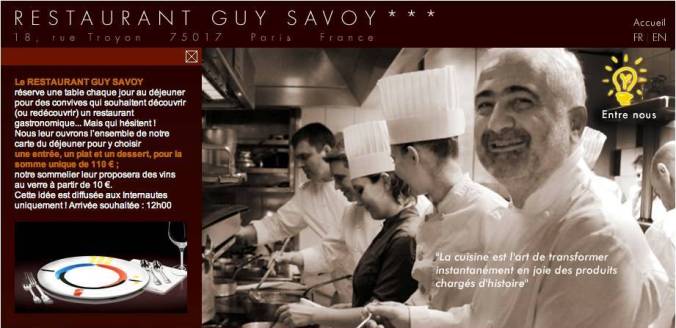
The young man working his way through the kitchen brought to mind a young man of about the same age, three decades earlier. I had the good fortune, in my early adulthood, to work in a restaurant owned and operated by a man who is one of the great chefs of his generation.  I did not work in the kitchen, but in the dining room, from 1983-1985. It provided the most important education of my life, which is saying a lot because I eventually earned a Ph.D. and even that did not top the learning earned in Guy Savoy’s restaurant.

Continue reading

Optimism and Opportunity

Many of my posts reflect my outlook to err on the upside of life’s circumstances.  I try to drown out my inner (and often powerful) pessimism by surrounding myself with positivity and optimism.  I find that this is a careful balance of being hopeful while remaining realistic.  Today, when I was taking a break from my coursework, or the slightly negative part of my day, I watched an encouraging Ted Talk that I think demonstrates hopeful realism.

Johan Rockstrom suggests that the earth is at a point where major transformation must occur.  He optimistically recommends that we use and continue to use crises as opportunities and local initiatives to transform and sustain life.  Also, he makes a realistic statement that climate change is not our biggest problem only a symptom of our land use.

I found this talk engaging and thought-provoking.  I agree that I transformation is soon to happen and I look forward to being a part of it.