Shark-Free Shark Fin Soup

The hot hand remains hot.  One of the horrible culinary traditions that persists around the world, even though it is repugnant from an environmental perspective, is the harvesting of fins from sharks to make soup. Click the image to the left for but one small data point in the effort to end the illegal harvesting and sale of shark fins.
Better yet, don’t click that. Continue reading

On Underfrogs

Guest Author: Nicole Kravec

Photo: Milo Inman

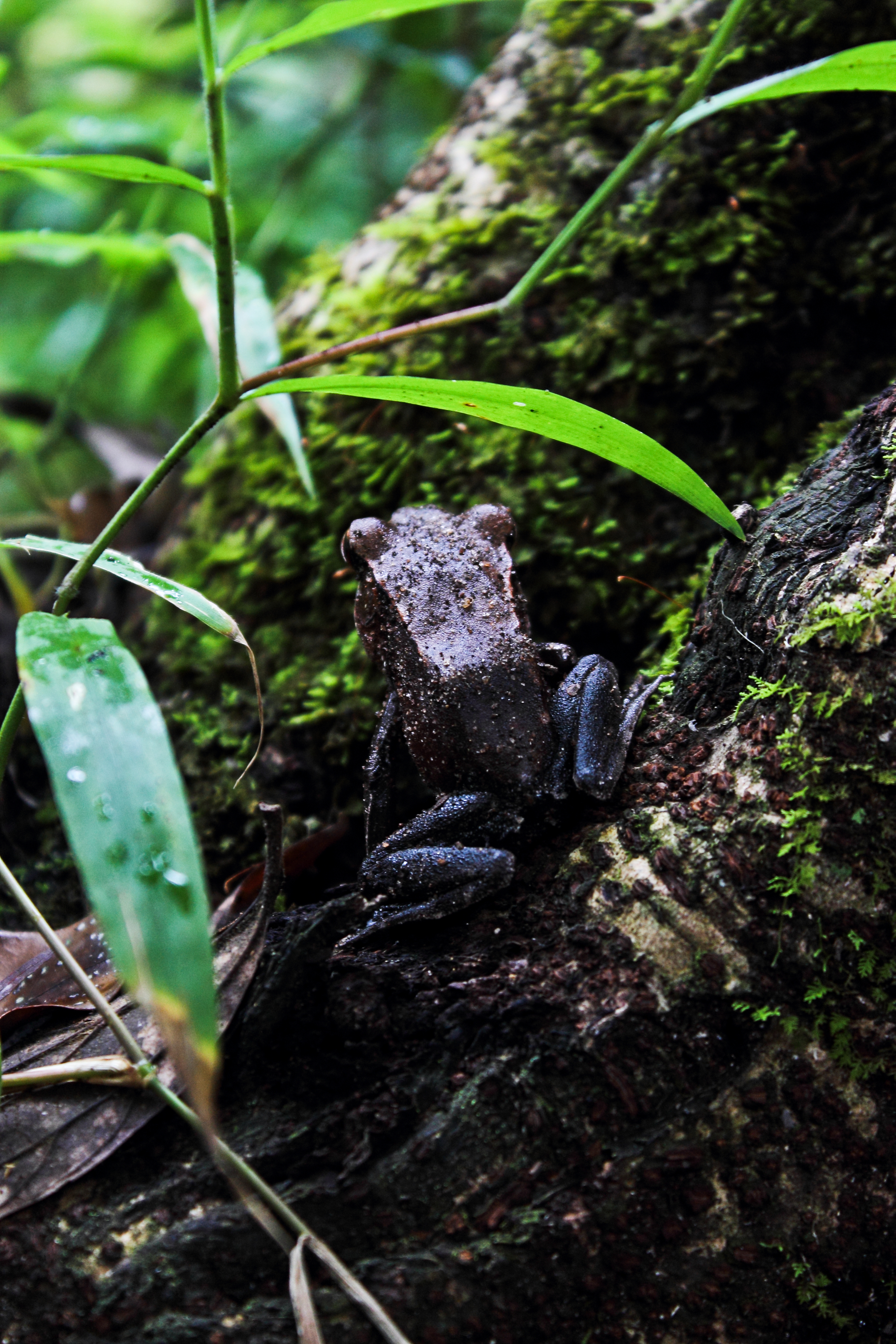
The thought of academic expeditions, leeches and Asia brings a smile to my face.  I just read a thought-provoking (and pun filled) article in The Economist about conservation in India with a froggy focus. 

The article focuses on Mr. Sathyabhama Biju Das’ amphibian affinity and makes the overall point tha while growth damages the environment, it also nurtures a countervailing force: rising green consciousness. Continue reading

The Heavy Hand’s Awesome Grip

What can be done to reduce hypoxia?

Although reducing fertilizer use is the most cost effective method of ameliorating hypoxia in the Gulf of Mexico, the reductions necessary are too difficult and expensive to implement; the massive agribusiness establishment of wheat, soy, and especially corn is not easily confronted. So conservation and restoration of wetlands, or creation of any other form of buffer zone, is one of the better alternatives.

Buffer zones can filter between 50 and 90 percent of nitrogen and phosphorous from runoff; riparian buffers, filter strips, grassed waterways, and contour grass strips are practices eligible for the Conservation Reserve Program that also prevent nutrient runoff. The Conservation Reserve Program, or CRP, is Continue reading

A Complex Region Through A Thoughtful Lens

The newspaper, back in its paper days (1908-2008), was always excellent.  As a web resource, we are glad it has found firmer footing.  And some stories and contributors make its Latin America coverage particularly worth watching. Continue reading

The Circle of Life

During my five day safari, I snapped over 1,600 photos. I became obsessive and treated each sighting like a magazine photo shoot. At every encounter, my right eye was glued behind my camera’s view finder. Nearing the end of my trip, I realized I needed to simply enjoy the view and action, not just capture the scene. But as the safari progressed, I became selfish; not only did I want to see the animals but I also wanted to see them in action. Fortunately, that’s what I got.

This slideshow requires JavaScript.

In the middle of the day, you don’t really expect to see much predator wildlife since the weather is so hot; Continue reading

Flourishing Fynbos


Although it may seem counterproductive to conservation, there are quite a few plant and tree species that require the heat of fire to allow their seeds to germinate.  The Lodgepole Pine is one such example, where the heat of the fire burns off the resin that normally seals the seed laden cones.

The South African Fynbos is another.   Continue reading

Pygmy Dartlet

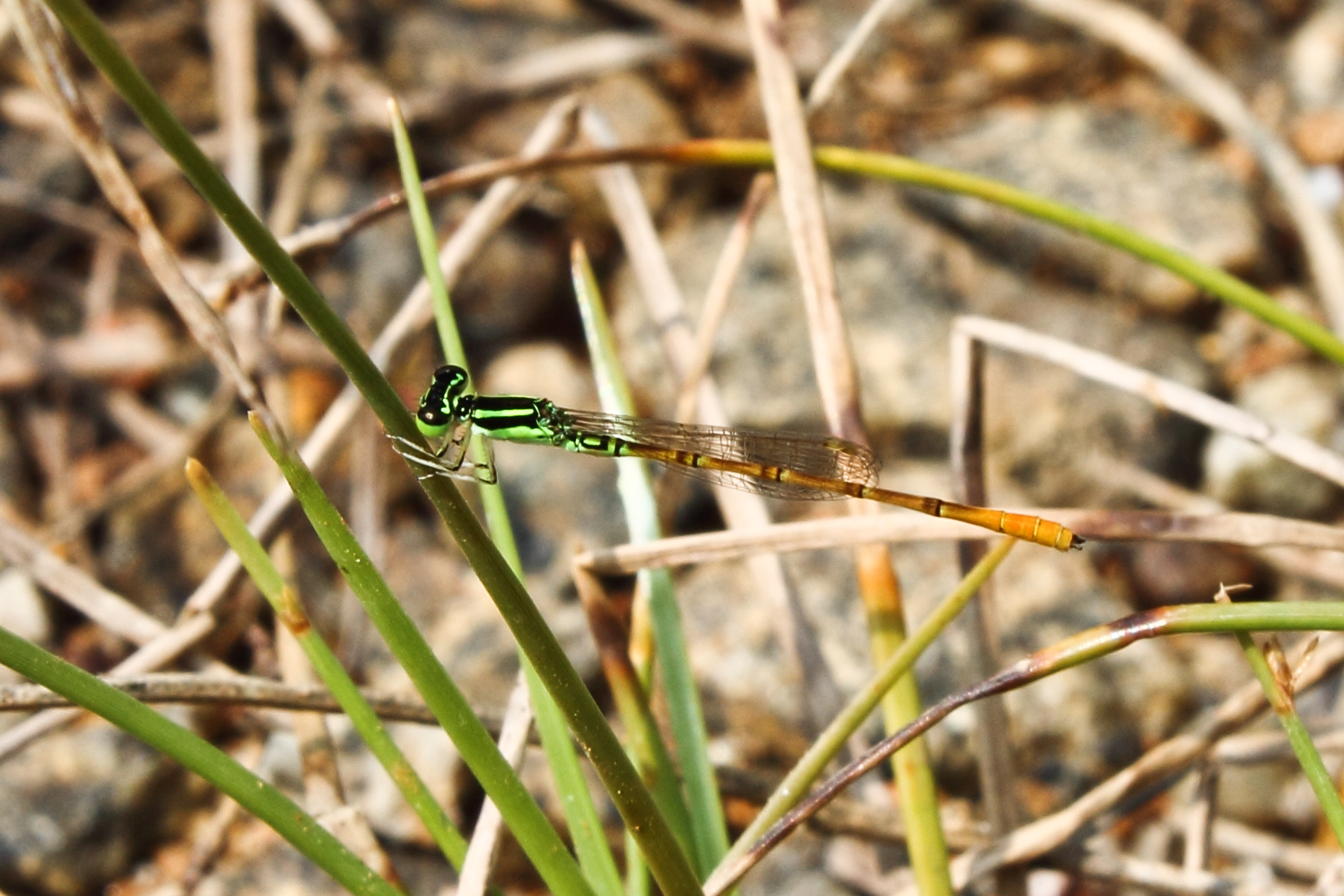
The Pygmy Dartlet is a very widespread species of damselfly, surprisingly enough. Measuring about 16 millimeters, Agriocnemis pygmaea is undoubtedly the smallest damselfly or dragonfly I’ve seen. The species is known to have many different appearances, with both male and female displaying up to three or four different color combinations. The male is pictured above, and the female below.  Continue reading

Swampbuster

My last post introduced the problem of hypoxia in the Gulf of Mexico, and I promised to start trying to answer that question. Today I’ll shed some light on some subsidies and federal policies that could be altered and bolstered in the right ways to stop nutrient-rich runoff from reaching the Mississippi River. I’m going to point out right away that although the most obvious way of preventing hypoxia is by reducing fertilizer use, this is also the most difficult and expensive tactic to implement. My goal is to start laying out elements of a more cost effective, pragmatic plan for ameliorating hypoxia in the Gulf of Mexico.

The agricultural subsidies that I discuss here are measures that can be implemented through various policy tools (e.g. direct payments, technical assistance, tax incentives) to reduce costs for producers and attempt to benefit the economy in doing so. One positive form of subsidy, known as a cross-compliance program, discourages creation of farmland from current wetlands or land that is highly erodible. Continue reading

A Dead Zone

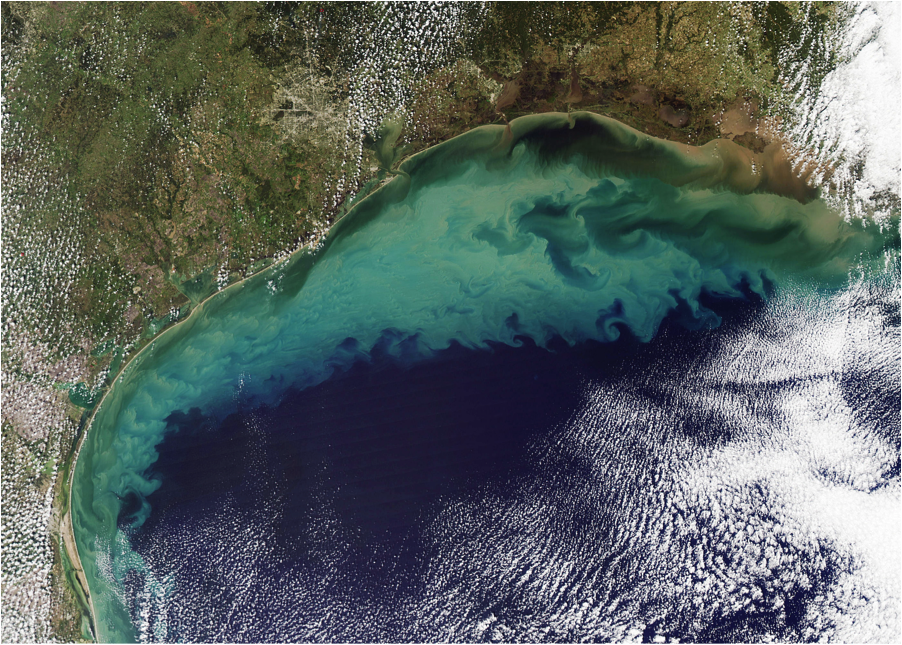
This picture is of the hypoxic area in the Gulf of Mexico, the largest “dead zone” in the western Atlantic. Since the beginning of this site we have tried to accentuate the wonders of nature, creative and collaborative approaches to conservation, and other fun stuff.  Every now and then a dose of scientific explanation helps put this in perspective, even if it is a downer like hypoxia.

Hypoxia occurs when oxygen concentrations in the water are too low to sustain most life, and is created by a process known as eutrophication. This is the over-enrichment of water by nutrients, which cause dense growth of algae that consumes oxygen as it multiplies and decomposes. The resulting lack of oxygen can cause large die-offs of marine life, seriously threatening ecosystems in the Gulf.

Continue reading

Tools Of The Trade

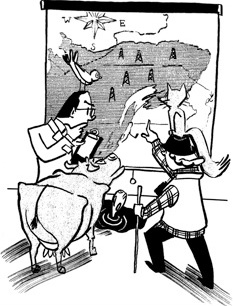
Click the image to the left for context.  As we learn more on this complex issue, the enlightened position must be literally that–enlightened by fact.  Sometimes sarcasm is an easier position, especially when the facts seem outrageous.  But thankfully there are more and more facts to tone down sarcasm to a chiseled tool.   Our ever-appreciated investigator shares some this week in her usual venue and as always her balanced-yet-urgent perspective probably is appreciated:

Every kind of energy extraction, of course, poses risks. Mountaintop-removal mining, as the name suggests, involves “removing” entire mountaintops, usually with explosives, to get at a layer of coal. Coal plants, meanwhile, produce almost twice the volume of greenhouse gases as natural-gas plants per unit of energy generated. In the end, the best case to be made for fracking is that much of what is already being done is probably even worse. Continue reading

Wild Things Gone Wild

Click the image to go to the article, which examines what happens when exotic animals are bought as pets, then released into ecosystems where they have no predators or other population-regulating mechanisms. Yikes:

…As Magill was driving to the Miami Metrozoo, where he is the communications director, he passed a troop of rhesus macaques scampering up the road, as if on the plains of Kashmir. Later, the monkeys were spotted wandering through nearby farm fields, gorging themselves on tomatoes. Elsewhere, a small antelope was found wandering the halls of an administration building, a group of juvenile baboons broke into the weight room of a private home, and a python was found dead on the beach in Miami, with two full-grown raccoons in its belly. It was as if all Florida had turned, for a moment, into Disney’s Animal Kingdom. Continue reading

Using Small Mammal Remains for Environmental Archaeology

Credit: Bresson Thomas

Archaeological remains of small mammals generally weighing under 1kg, or micromammals, are important as environmental indicators, partly because they tend to specialize in certain habitats and are sensitive to change. Many factors affect their ranges of distribution, including predators, food requirements, competition, fire, shifts in precipitation patterns, and shelter availability. Micromammals such as voles and mice also tend to live in dense populations and have evolved rapidly through high fecundity. Due to these diverse and interrelated factors, the interpretation of micromammal remains—bones and middens, mostly—requires a deep understanding of the rodents’ relationship with its environment. In other words, ecological information is imperative to accurate assessment of archaeological data on micromammals.

But sometimes micromammal remains have answered modern ecological questions. For example, packrat middens in arid North America offer relatively high temporal, spatial, and taxonomic resolution (i.e., small intervals with which to measure time, space, or species range), and contain what is possibly the “richest archive of dated, identified, and well-preserved plant and animal remains in the world” (Pearson & Betancourt 2002, p500). Continue reading

Onward To Osa

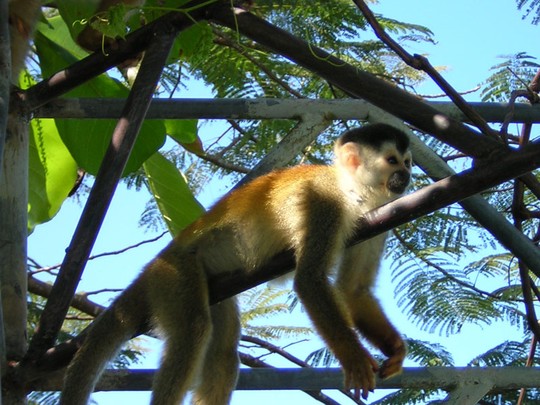
The transfer from Manuel Antonio to San Jose was a short one. During the one evening in San Jose, I visited a huge shopping center, called Multiplaza. I lost my rain jacket somewhere in Costa Rica, so I needed a replacement. This shopping center could be anywhere in the world, it looks and feels like its counterparts in the US, Switzerland or even Russia. All the global and expensive brands are there, they even had an Audi and a Swatch shop.

Early next morning I took a bus to the airport, where I boarded a 12 seat Cessna to fly to the Osa Peninsula. It was a nice flight in that small aircraft, and for once I could observe the pilots doing their job.  Continue reading

When Rhinos Fly…

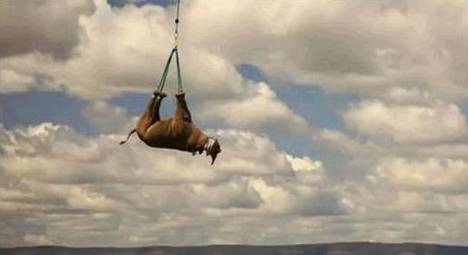
It’s a staggering realization that something that tips a scale upwards of 2 tons, can run up to 40 mph and appears as powerful as ordnance is considered vulnerable in any way.  Yet the confirmation that the Black Rhinoceros is officially extinct in West Africa says just that.

Continue reading

Rapt

This slideshow requires JavaScript.

Sometimes it takes another person’s perspective on a familiar place or object to see it in a new light–drawing an outline around a space highlights an additional dimension.  Be it a Parisian bridge that is crossed by thousands daily without a second’s thought, or pathways through Manhattan’s Central Park, both locations represent an aspect of the “heart of the city”. (For centuries, the Pont Neuf has literally been the heart of Paris, connecting the Île de la Cité with the left and right banks of the Seine, and the eponymous nature of Central Park requires little explanation.)

Continue reading

From Reliable Sources

Today major news organizations are reporting that, according to the IUCN, the Western Black Rhino is officially extinct.  The BBC, CNN and others must have received a press release that is not yet available on the IUCN website (as of my writing and posting this), but if you search on the terms IUCN and rhino you will find a link to the following video that provides a good visual definition of melancholic beauty:

When I see news like this, I fight the natural inclination toward depression and channel the emotional energy as best I can, using the news as a reminder of how slowly we are working at the various tasks mentioned in a string of earlier posts.  It is another example of the feeling I seem to have with increasing frequency: being late.

Continue reading

“Lord God Birds”

Left: Ivory Billed Woodpecker by John James Audubon;

Right: Imperial Woodpecker by John Livzey Ridgway

In the world of ornithology and bird watching, scale is as important as plentiful plumage, vivid color or song style.  From Cuba’s Mellisuga helenae (bee hummingbird) to the Andean Condor, life lists are often based on superlatives.  The Campephilus (woodpecker) family has its own followers, especially the larger species that have eluded scientists and amateurs alike for decades.

While in Chaihuín, part of the Nature Conservancy’s Valdivian Coastal Reserve in Chilean Patagonia, we saw the Magellanic Woodpecker, a sighting that preceded a “Stop the Jeep!” moment of excitement.  Part of that excitement was based on the memory of a Cornell Lab of Ornithology film we’d recently seen about the Ivory Billed Woodpecker. Continue reading

Revisiting The Tiger Trail

When I send emails to friends, colleagues, and others about this website, and the objectives of Raxa Collective, I normally add links to a few posts that I think are representative.

Almost always, this one is included.  Michael captured the moment well.

As we continue adding contributors to this site, and the diversity of topics and locations we pay attention to expands, for some reason I still come back to the Tiger Trail as a favored topic because it is such a good example of what we care about.

That tendency to return, at least in thought, led me to reconnect with a “lost” member of our Tiger Trail entourage. Continue reading